
Café Azzurro brings a Parisian-Turinese café sensibility to Vienna's seventh district, drawing a design-conscious crowd to Urban-Loritz-Platz. It is the second address from the team behind the quietly regarded Kommod in the eighth district, and it reads as a deliberate expansion of their approach rather than a replication of it. The room sits at the crossroads of Central European café culture and northern Italian style.
Pearl is the En Primeur Club membership app — saves, bookings, and concierge access live there. Same editors, same standards.
- Address
- Urban-Loritz-Platz 5, 1070 Wien, Austria
- Phone
- +43 670 2032023
- Website
- cafe-azzurro.at
- Directions
- Get directions
 Saves & bookings on Pearl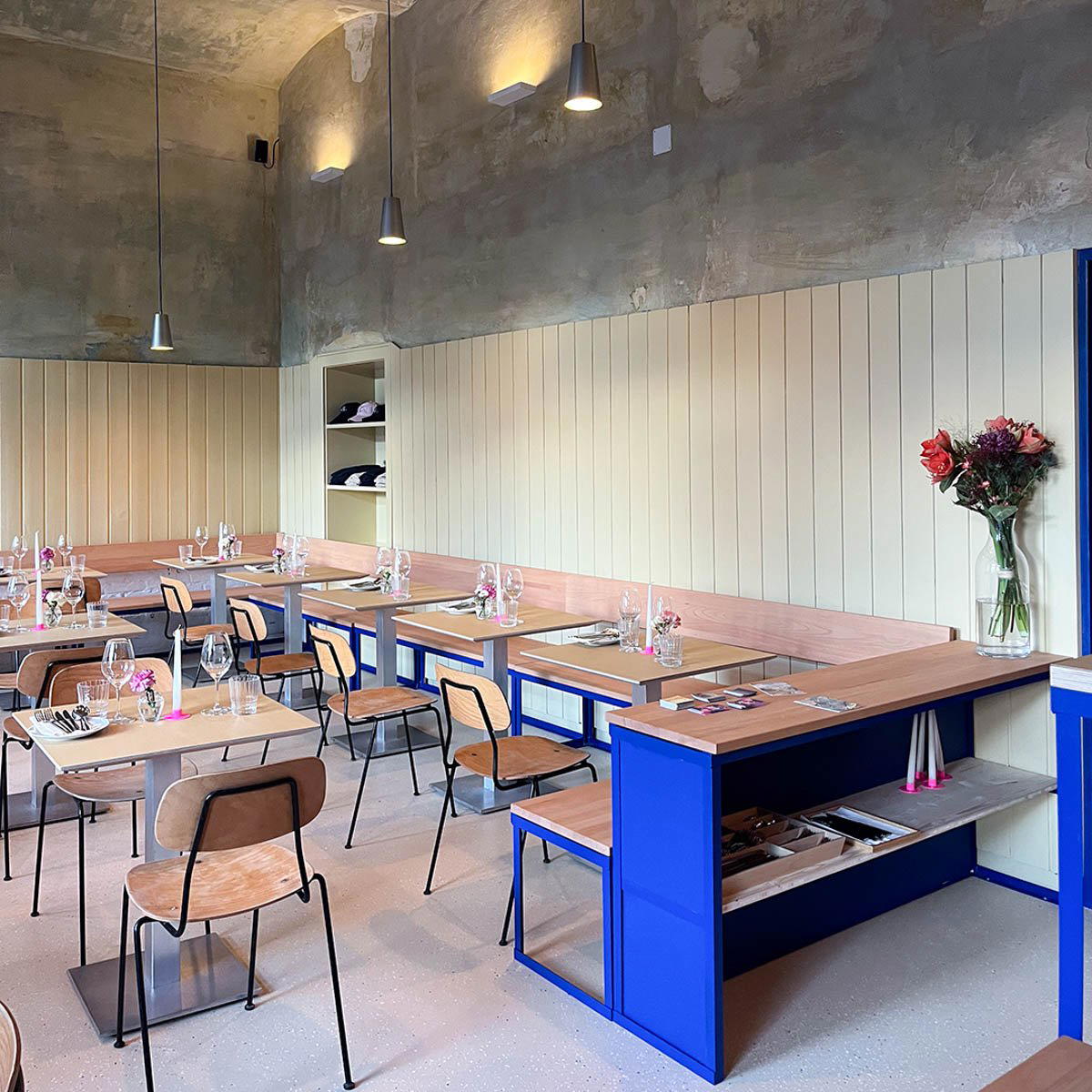
A Room That References Two Cities
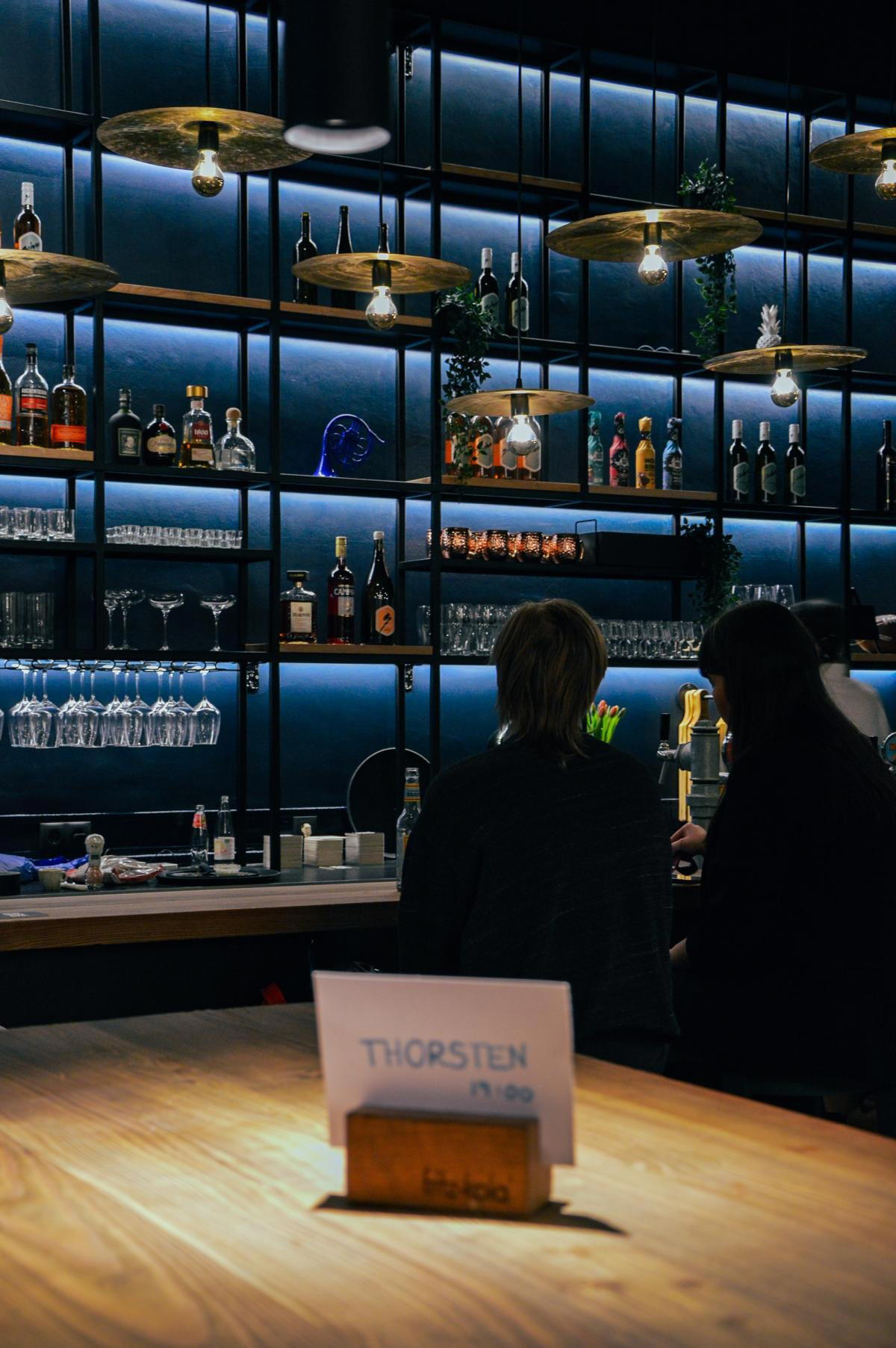
Urban-Loritz-Platz sits at the western edge of the seventh district, where the Neubau's independent retail strips give way to a more transit-oriented square. Arriving at Café Azzurro, the setting reads immediately as a counterpoint to the dark-panelled, coat-hook-and-Thonet grammar of the classical Viennese café. The reference points here are further west: the marble-topped stand-up bars of Turin, the zinc counters and bentwood lightness of a Parisian brasserie. It is a room designed to communicate a particular idea about how coffee and the hours around it should feel, and that idea owes more to the Po Valley than to the Ringstrasse.
This is the second project from the owners of Kommod, the compact restaurant in the eighth district. Where Kommod kept its footprint small and its atmosphere intimate, Café Azzurro works at a different register: more open, more visually legible from the street, more attuned to the rhythms of a neighbourhood square. The two addresses represent a pattern increasingly visible in Vienna's independent restaurant sector, where operators with a proven format at one scale test a different one rather than simply duplicating the original.
The Ritual of the Café Meal in a Continental Register
Vienna's café culture carries specific expectations around pacing. The classical Viennese coffeehouse is a place where time is understood to move slowly and where lingering is not merely tolerated but structurally built into the offer: the glass of water refreshed without being asked, the newspaper rack, the understanding that a single Melange licenses an afternoon. Café Azzurro operates within that broader cultural frame while shifting its tonal reference toward the standing-bar efficiency of northern Italy, where the same espresso ritual plays out in ninety seconds rather than ninety minutes.
That tension, between the Viennese institution of the sitting café and the Italian institution of the standing bar, is what gives the space its particular character. Neither format is copied wholesale; instead, the room seems to hold both in suspension, allowing a guest to take their coffee quickly at the counter or to settle in for a longer meal depending on the hour and the appetite. In practice, this means the restaurant functions across more of the day's arc than a single-format venue could, shifting from a morning coffee stop into a lunch and evening address without requiring the theatrical reset that a full restaurant service would demand.
This kind of format flexibility has become a useful marker of the independent café-restaurant in Central European cities. It answers a genuine gap: the space between the destination tasting-menu restaurant, where a table at venues like Steirereck im Stadtpark, Amador, or Mraz & Sohn requires weeks of planning, and the purely functional café stop that asks nothing of the guest at all. The restaurant sits between those poles, and that positioning is deliberate.
Seventh District Context
The seventh district, Neubau, has consolidated over the past decade as Vienna's primary address for design-led independent businesses: bookshops with editorial curation, clothing stores with a wholesale-to-retail ratio that signals seriousness, wine bars that keep the list short and the sourcing transparent. The restaurant offer in Neubau has followed a similar logic, trending toward operators with a clear point of view rather than broad-menu venues aiming for maximum coverage. In this context, a café with deliberate aesthetic references to Turin and Paris reads as a natural fit for the neighbourhood's commercial personality.
Urban-Loritz-Platz itself is not especially obvious address within the district: it is a transit square rather than a boutique street, and the footfall is mixed rather than curated. That choice of location, a visible square site rather than a tucked-away Gasse, suggests an operator less interested in the cachet of scarcity and more interested in being genuinely accessible. It is a meaningful distinction in a city where frequently discussed independent restaurants often occupy addresses that function as small obstacles, requiring a degree of effort to find.
Placing Café Azzurro in the Vienna Independent Scene
Vienna's serious independent restaurant sector operates on a clear tier structure. At the upper end, destination restaurants with Michelin recognition, including Konstantin Filippou and Doubek, compete within a tight comparable set defined by tasting-menu format and international positioning. Below that tier, a larger and more varied group of independent operators works at the level of the neighbourhood bistro, the wine bar, and the all-day café, where the competitive calculus is less about awards and more about regulars, atmosphere, and consistent execution.
The restaurant occupies the second tier, and the connection to Kommod provides the credibility signal that distinguishes it from a purely speculative new opening. Kommod developed a reputation within Vienna's restaurant community as a small room with careful cooking; the people behind it are understood to have a sensibility rather than simply an ambition. That kind of credential travels, and it does meaningful work when a second address opens in a more exposed location.
For readers comparing notes with other Austrian fine-dining addresses, the country's most serious restaurant cooking is concentrated beyond Vienna as well as within it: Ikarus in Salzburg, Obauer in Werfen, Landhaus Bacher in Mautern an der Donau, Gourmetrestaurant Tannenhof in Sankt Anton am Arlberg, Griggeler Stuba in Lech, and Kräuterreich by Vitus Winkler in Sankt Veit im Pongau each represent the more formal, destination end of Austrian restaurant culture. The restaurant is not competing in that space; it is competing for the daily, repeated visit.
Planning Your Visit
The restaurant is located at Urban-Loritz-Platz 5 in the seventh district. The address is direct to reach from both the Inner Stadt and the western residential districts. Arriving without a booking, particularly for lunch or early evening sittings, carries some risk during busier periods. Current opening hours are Monday to Saturday, 6 to 11 PM, with Sunday closed. Reservations are recommended.
Category Peers
Comparable venues nearby, for context on price, style, and recognition.
| Venue | Cuisine | Price | Notes |
|---|---|---|---|
| Café AzzurroThis venue — the venue you are viewing | Modern Fusion Small Plates | $$$ | Not listed |
| Loca | Casual Fine Dining with Austrian-International Fusion | $$$ | Staatsoper |
| Soulmate | Fusion Cocktails & Fine Dining | $$$ | Neubau |
| the nice guys | Asian Fusion Gastro Pub | $$ | Prater |
| Fat Monk | International Deli Bowls | $$ | Kaisermuehlen |
| Via Toledo | Authentic Neapolitan Pizza | $$$ | Josefstadt |
Recognition history
Dated appearances from independent guides and award organizations, with the underlying list record or original source where available.
Star Wine List
Star Wine List
Continue exploring
More in Vienna
Restaurants in Vienna
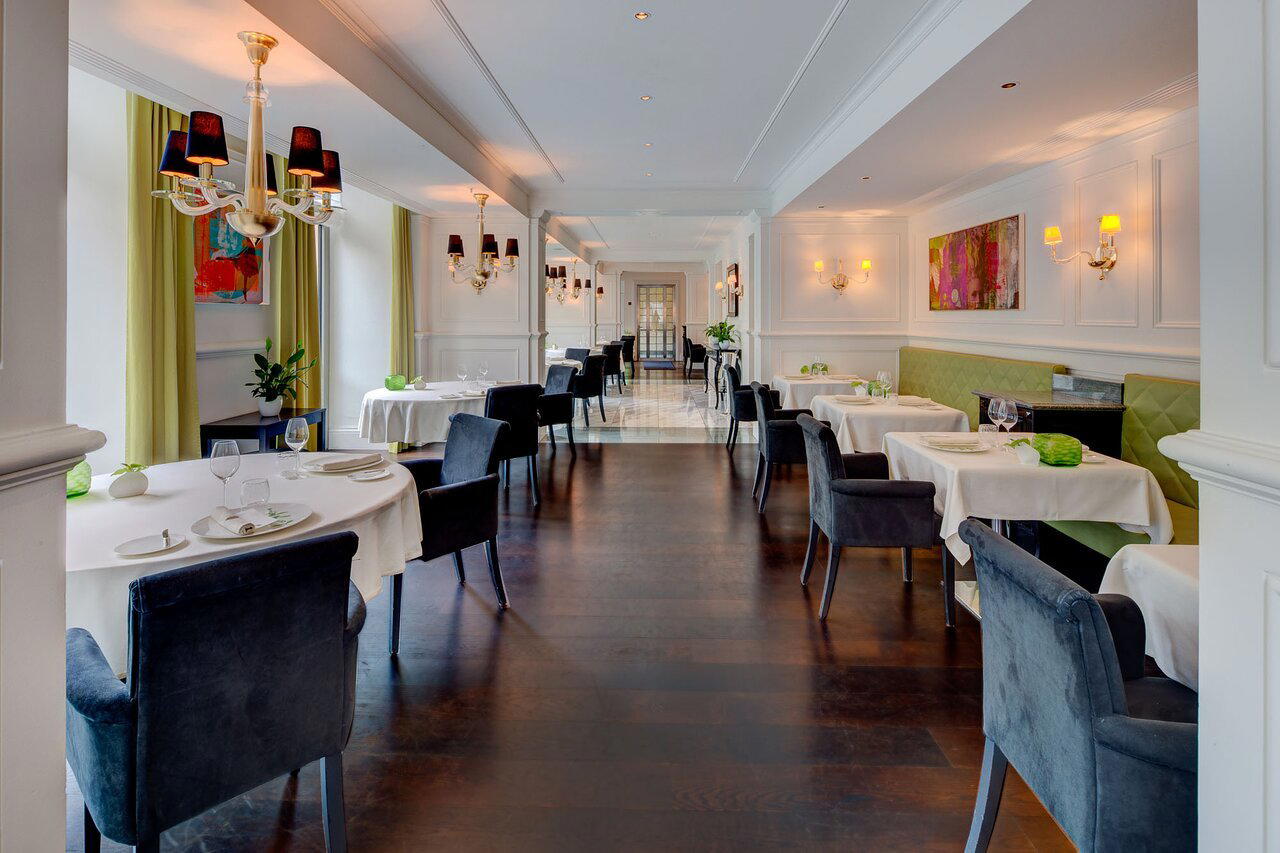
Browse all →![[aend] restaurant in Vienna](https://cdn.enprimeurclub.com/storage/v1/object/public/images/locations/recsVyRkMfzCxPmp0/hero2.jpg?width=3840&quality=75)
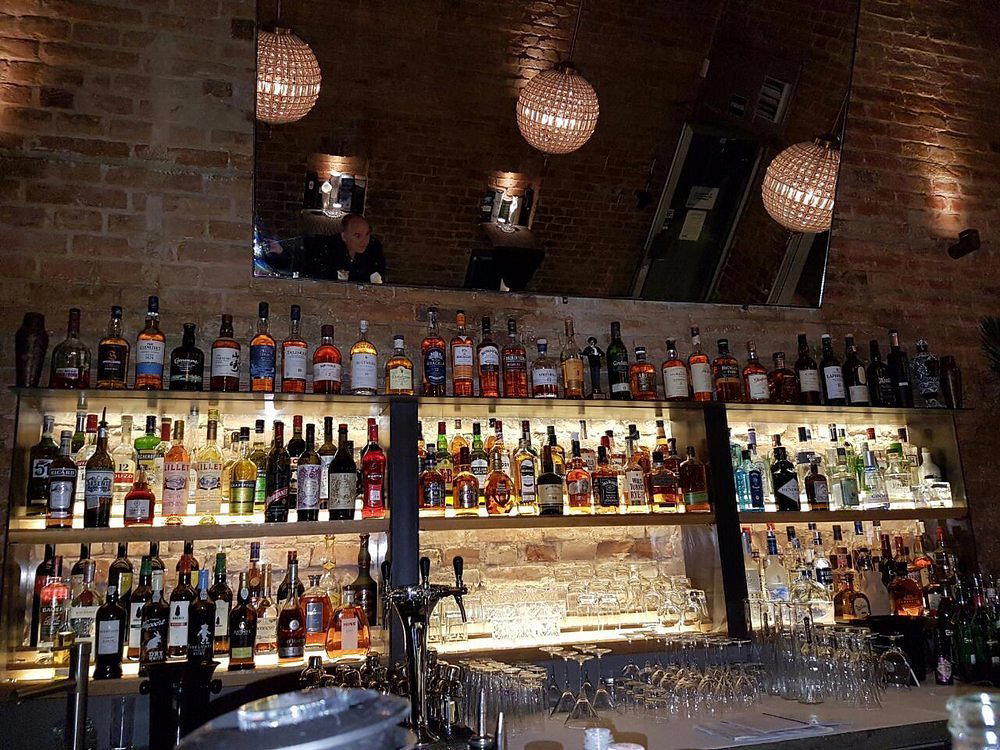
Bars in Vienna
Browse all →
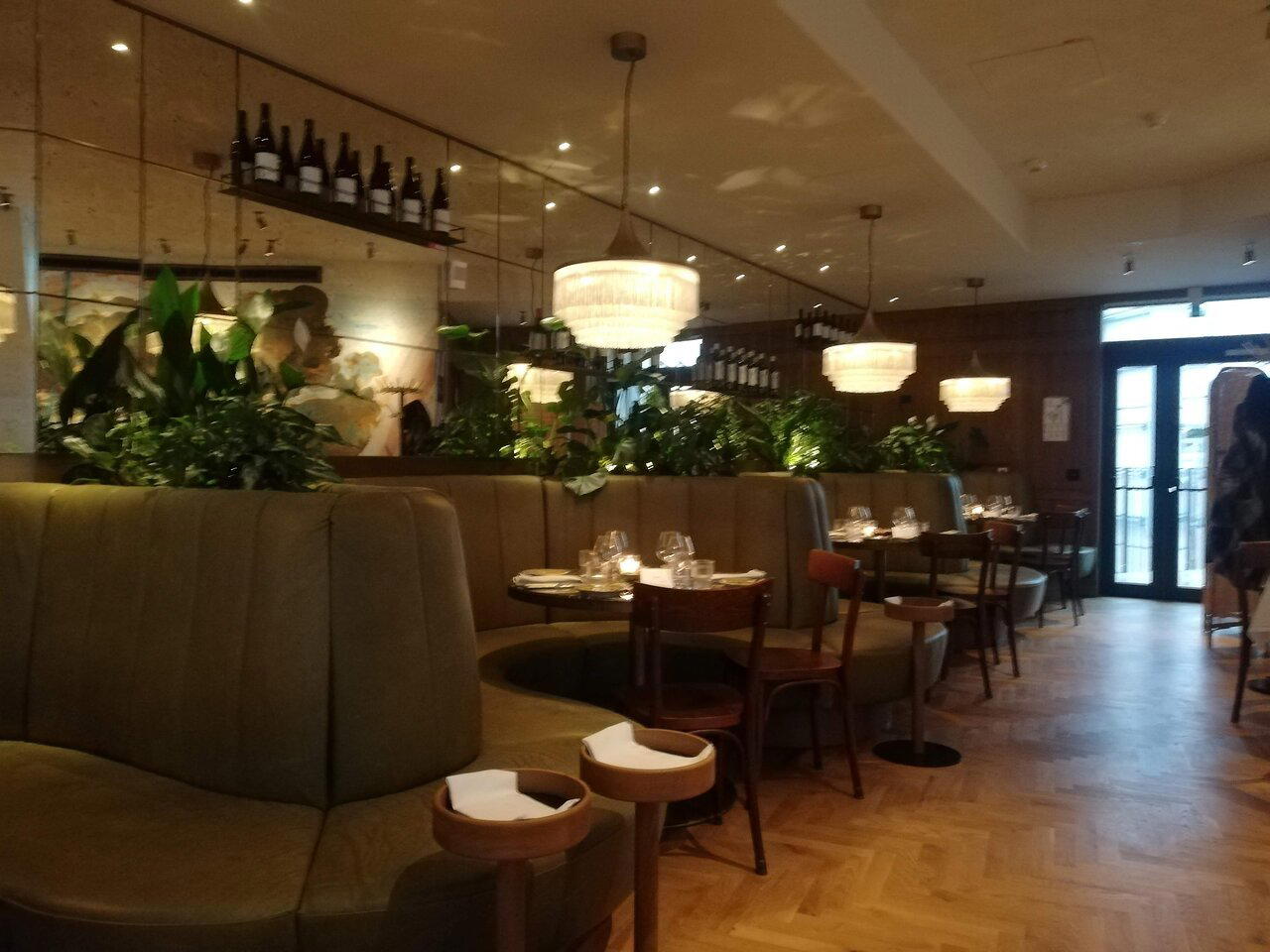
Hotels in Vienna
Browse all →
At a Glance
- Cozy
- Modern
- Elegant
- Industrial
- Trendy
- Date Night
- Casual Hangout
- Open Kitchen
- Natural Wine
- Craft Cocktails
- Local Sourcing
- Organic
Current opening hours
- Monday
- 6–11 PM
- Tuesday
- 6–11 PM
- Wednesday
- 6–11 PM
- Thursday
- 6–11 PM
- Friday
- 6–11 PM
- Saturday
- 6–11 PM
- Sunday
- Closed
Hours can change for holidays and private events. Last verified .
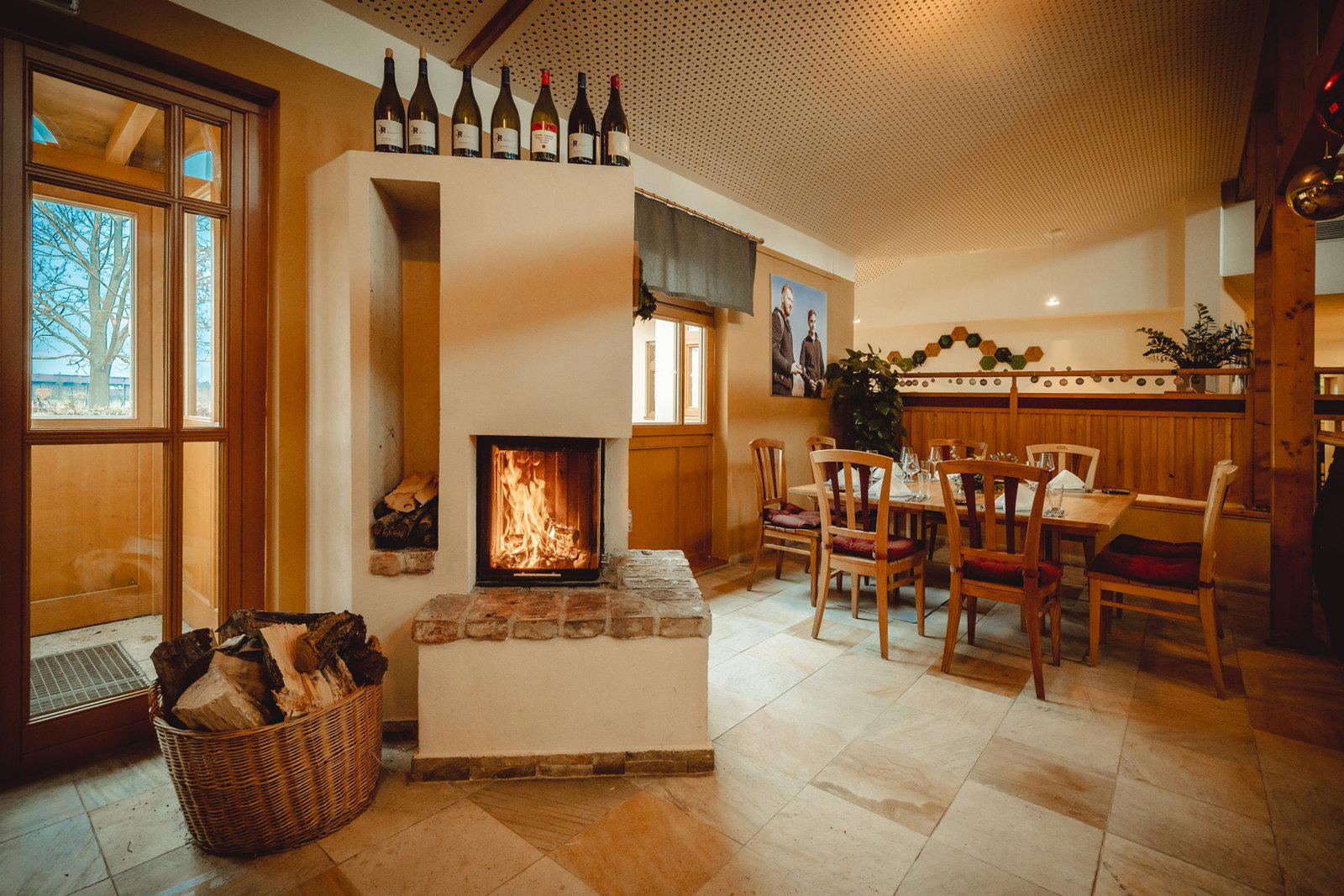
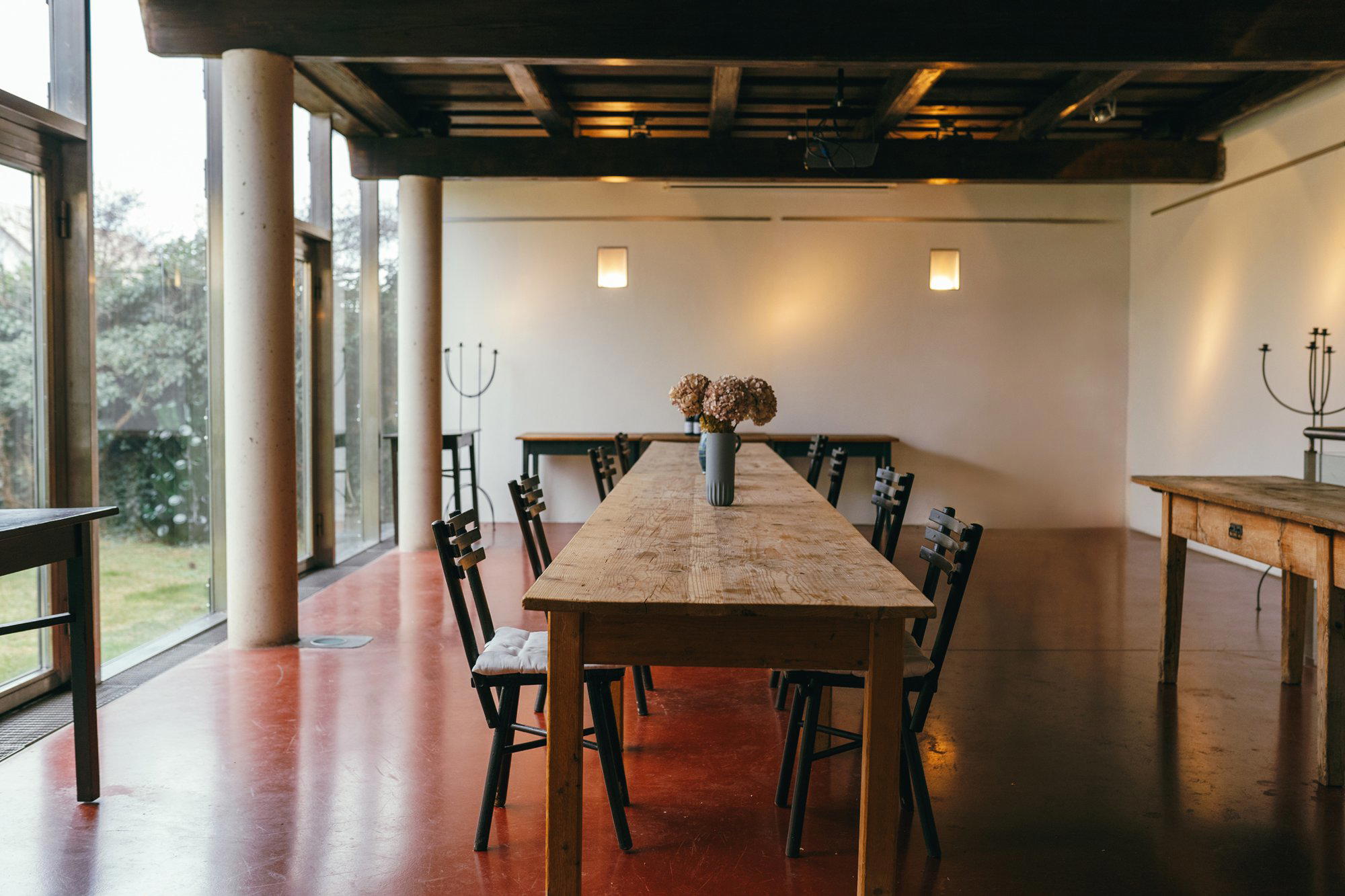
Cozy atmosphere blending old-world charm with industrial aesthetic, modern interior design, and high vaulted ceilings.