"Nostalgic Eggettes You haven’t tasted Hong Kong until you’ve sampled a treat from the side of the street. There's always a crowd waiting in line for fresh waffles and eggettes at Yi Heung Yuen, located on the street behind Sogo department store in Causeway Bay. But the final piping hot paper bag of delicious treats is well worth the wait. Loved by kids and reminding adults of their childhoods, each batch of waffle-like “gaai dan jai,” or eggettes, gives off a sweet, buttery aroma. When done right, the outside is crisp while the spongey filling provides an affordable, addictive bite. Nowadays, eggettes also come in chocolate, black sesame, or black & white (half chocolate, half plain)."
Pearl is the En Primeur Club membership app — saves, bookings, and concierge access live there. Same editors, same standards.
- Address
- 15-27 Cannon St, Causeway Bay, Hong Kong
- Directions
- Get directions
 Saves & bookings on Pearl
Causeway Bay and the Street Address as Destination
Cannon Street in Causeway Bay sits in one of Hong Kong's most densely layered dining corridors, where the gap between a noodle shop and a chef's counter can be a single flight of stairs. The address 15-27 marks a stretch of this street that has become a reference point for locals navigating the district's food scene, where signage is often minimal and reputation travels by word of mouth rather than algorithm. Causeway Bay's dining character is defined by compression: international luxury retail above, and a ground-floor and basement restaurant culture that rewards the visitor who already knows where they are going. That dynamic, familiar to anyone who has eaten seriously in Hong Kong, gives a street-level address genuine weight as a destination signal.
Causeway Bay in the Context of Hong Kong Dining
Hong Kong's premium dining is distributed across a handful of distinct zones. Central and Western concentrate the headline fine-dining addresses, from the long-running French tradition at Caprice and the French contemporary precision of Amber to the Cantonese institution Forum. Causeway Bay operates differently: it is a denser, more mixed environment where a Michelin-level kitchen can share a block with congee counters and imported-goods supermarkets. That mixture is not a compromise; it is the texture of the district. Diners who understand Hong Kong's geography know that proximity to retail density in Causeway Bay does not diminish a restaurant's seriousness. If anything, the competition for foot traffic and local loyalty in this district acts as a sorting mechanism. Places that endure here do so because they serve a specific community need reliably, not because they benefit from a curated hotel lobby or a view of the harbour.
The Cultural Weight of Cantonese Street-Level Dining
Cantonese culinary tradition is unusual in the global fine-dining conversation because it operates simultaneously at extreme levels of craft and extreme levels of accessibility. The same techniques that appear in a Michelin-starred dining room, the precise timing of a Cantonese roast, the careful calibration of wok heat, the management of sauces that require hours of reduction, are applied every day in street-adjacent kitchens throughout Causeway Bay. This is not a diluted version of the tradition; it is the tradition. The fine-dining expressions, including the Italian register that 8 1/2 Otto e Mezzo Bombana brought to Hong Kong or the Japanese-French synthesis at Ta Vie, emerged alongside and in conversation with that street-level culture, not as replacements for it. Cannon Street, as an address type, sits in the part of that conversation that is most authentically Hong Kong: food tied to neighbourhood rhythms, seasonal availability, and a local clientele with high standards and limited patience for performance without substance.
What the Address Signals About Hong Kong's Neighbourhood Dining
In Hong Kong's restaurant culture, a street address in Causeway Bay without hotel affiliation, without a group brand, and without a lobby entrance tells the reader something specific. It signals a place operating on kitchen reputation rather than hospitality infrastructure. Across the broader city, this tier of dining has proven more durable than many anticipated, surviving the pressures that have restructured the industry since 2019. Venues in Sha Tin, Tuen Mun, and the outer districts, such as Lei Garden in Sha Tin and Hoi Tin Garden in Tuen Mun, demonstrate that Hong Kong's serious neighbourhood dining extends well beyond the island's premium corridors. On Hong Kong Island itself, Causeway Bay operates as one commercially intense expression of that same neighbourhood-first model. The city's dining geography also extends to idiosyncratic addresses, from the former Jumbo Floating Restaurant in Aberdeen to specialists in Kwun Tong such as Habib's Indian and Middle Eastern Food, confirming that the city's culinary range cannot be reduced to any single corridor or price point.
Peer Addresses and the Diversity of the Causeway Bay Scene
Causeway Bay as a dining district benefits from having no single dominant cuisine. The district hosts Cantonese restaurants, Japanese specialists, Korean barbecue, and a growing number of international kitchens. This mirrors trends visible in other dense Asian urban dining scenes, where the concentration of international residents and high-frequency diners creates demand for range rather than a single national tradition. Across Hong Kong's outlying areas, similarly specific local specialists have built loyal followings: Coconut Soup in Yau Tsim Mong, King of Soybeans in Wong Tai Sin, and the Italian-focused Gaia in Central and Western each serve distinct culinary briefs for their neighbourhoods. Cannon Street sits within that same logic: a street where the specificity of the offer matters more than generic positioning. The comparison also extends internationally, where a seafood-centred programme like Le Bernardin in New York City or the Korean tasting menu precision of Atomix demonstrate how deep specialisation at a street-level address can anchor a restaurant's reputation across decades. Hong Kong's Cannon Street addresses operate within that same logic at a local scale.
Planning a Visit to 15-27 Cannon St
Causeway Bay is one of Hong Kong's most accessible districts by MTR: Causeway Bay station on the Island Line places visitors within a short walk of the Cannon Street stretch, making the address direct to reach from Central, Wan Chai, or the cross-harbour connections from Kowloon. The district rewards visiting on a weekday if crowd density is a concern, as weekend foot traffic on the main shopping streets between Hennessy Road and Yee Wo Street is among the highest in the city. For dining specifically, arriving with a reservation or a specific address in mind is the practical approach in Causeway Bay, where popular kitchens fill quickly and walk-in availability narrows by early evening.
At-a-Glance Comparison
Comparable venues nearby, for context on price, style, and recognition.
| Venue | Cuisine | Price | Notes |
|---|---|---|---|
| 15-27 Cannon StThis venue — the venue you are viewing | Steakhouse Fusion | $$ | Not listed |
| Asado - Argentinian Steakhouse | Authentic Argentinian Steakhouse | $$$ | Wan Chai |
| Motorino Wan Chai | Authentic Neapolitan Pizza | $$ | Wan Chai |
| Blue Bottle Coffee | Specialty Coffee Cafe | $$ | Wan Chai / Starstreet Precinct |
| Law Fu Ke | Dining | Not listed | Hong Kong |
| Brut! | Modern French-Asian Fusion | $$ | Western |
Continue exploring
More in Hong Kong
Restaurants in Hong Kong
Browse all →
Bars in Hong Kong
Browse all →
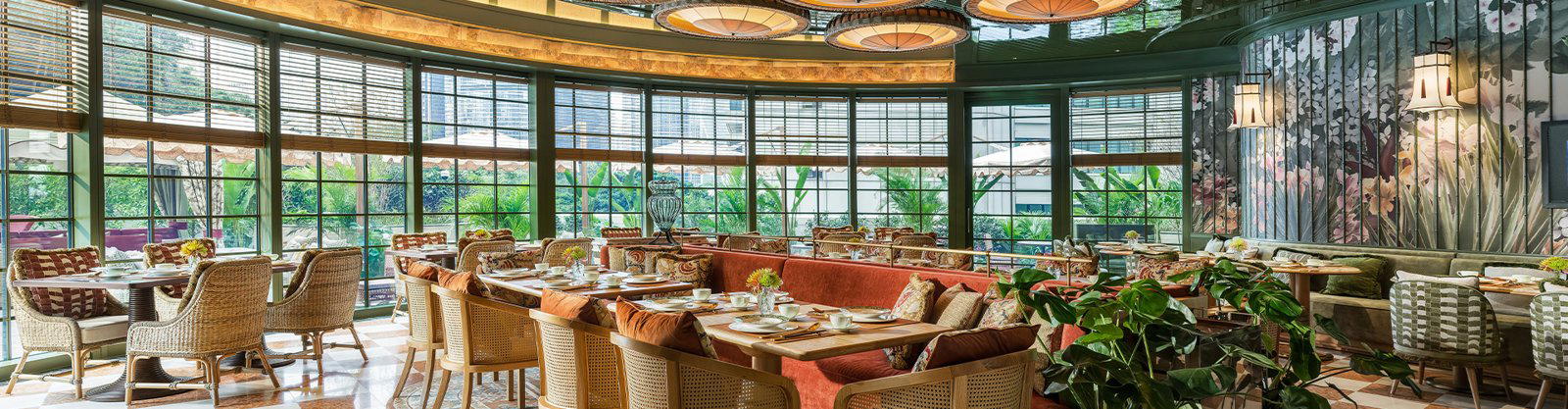
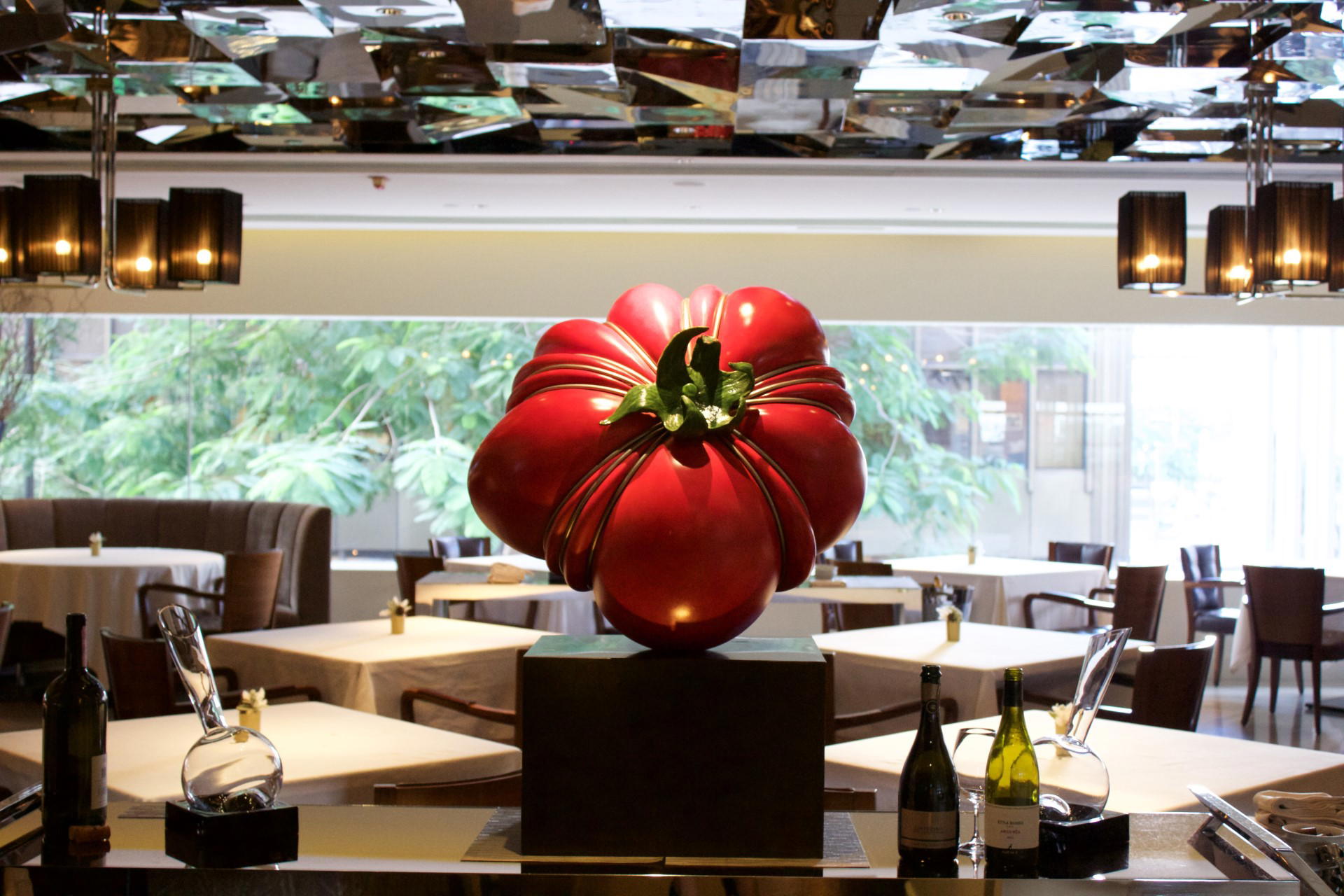
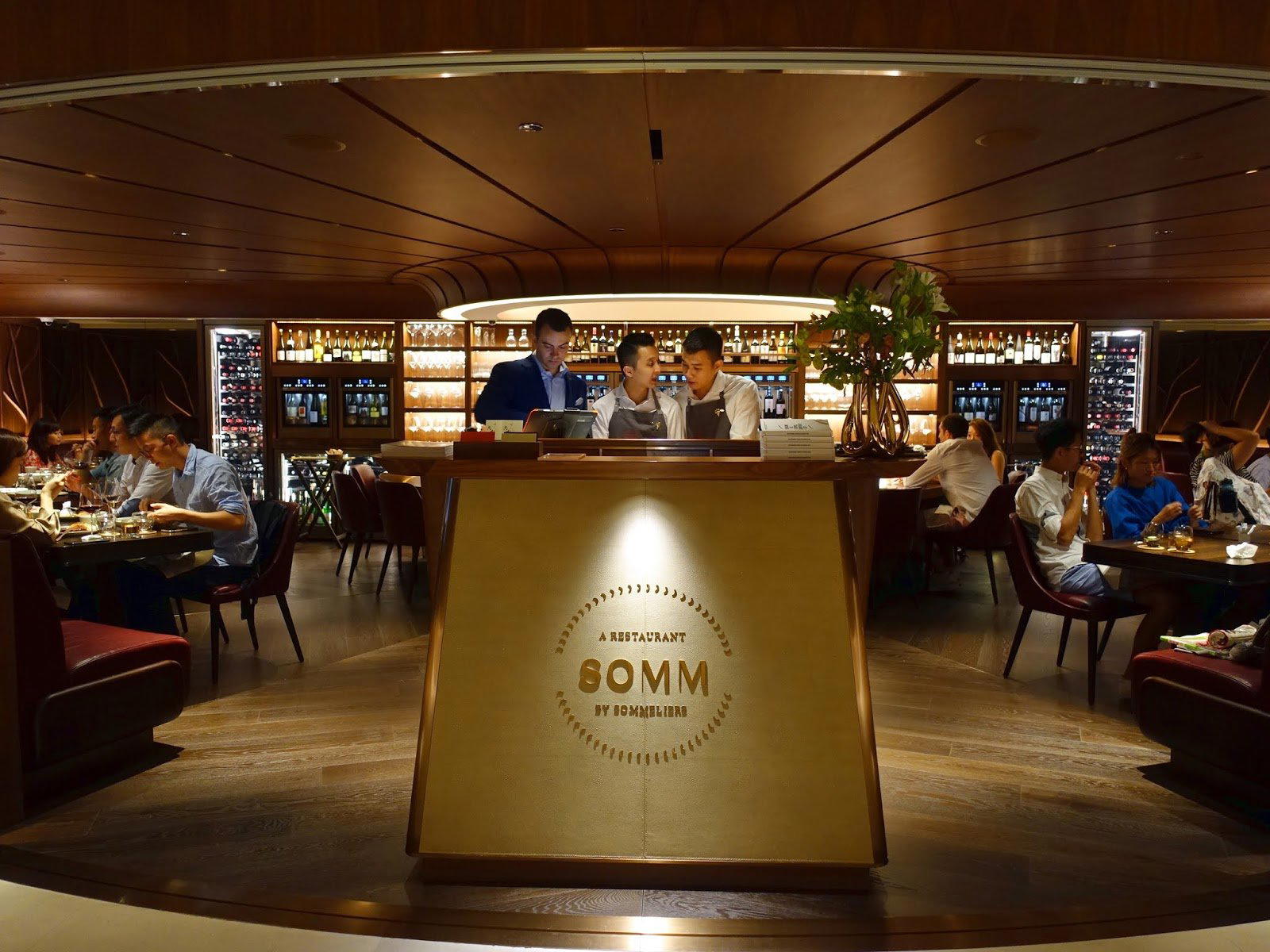
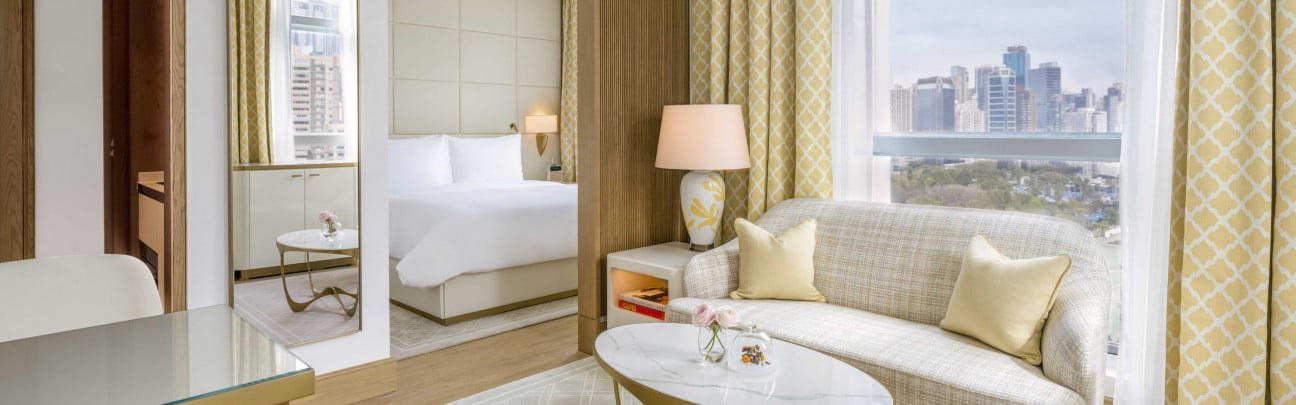

At a Glance
- Lunch
- Dinner
- Open Kitchen
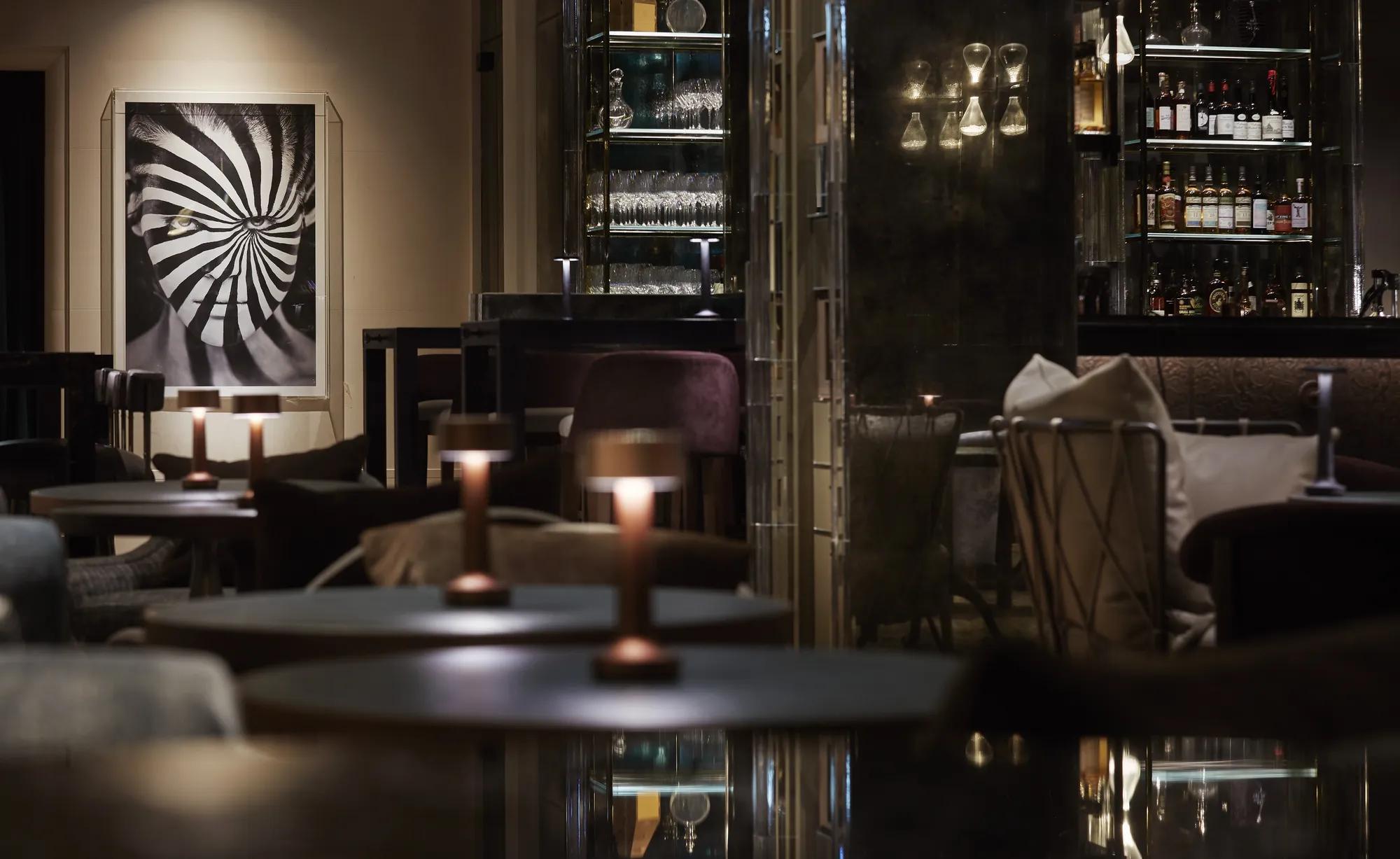
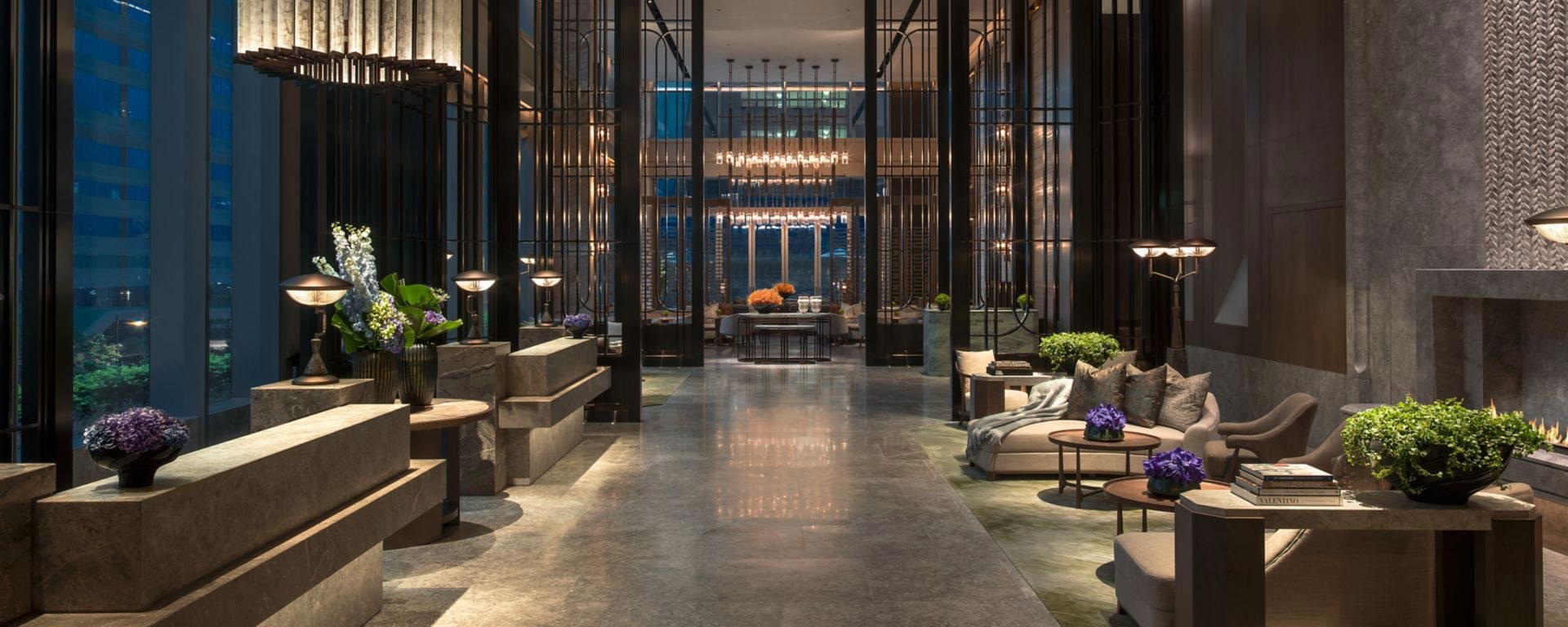
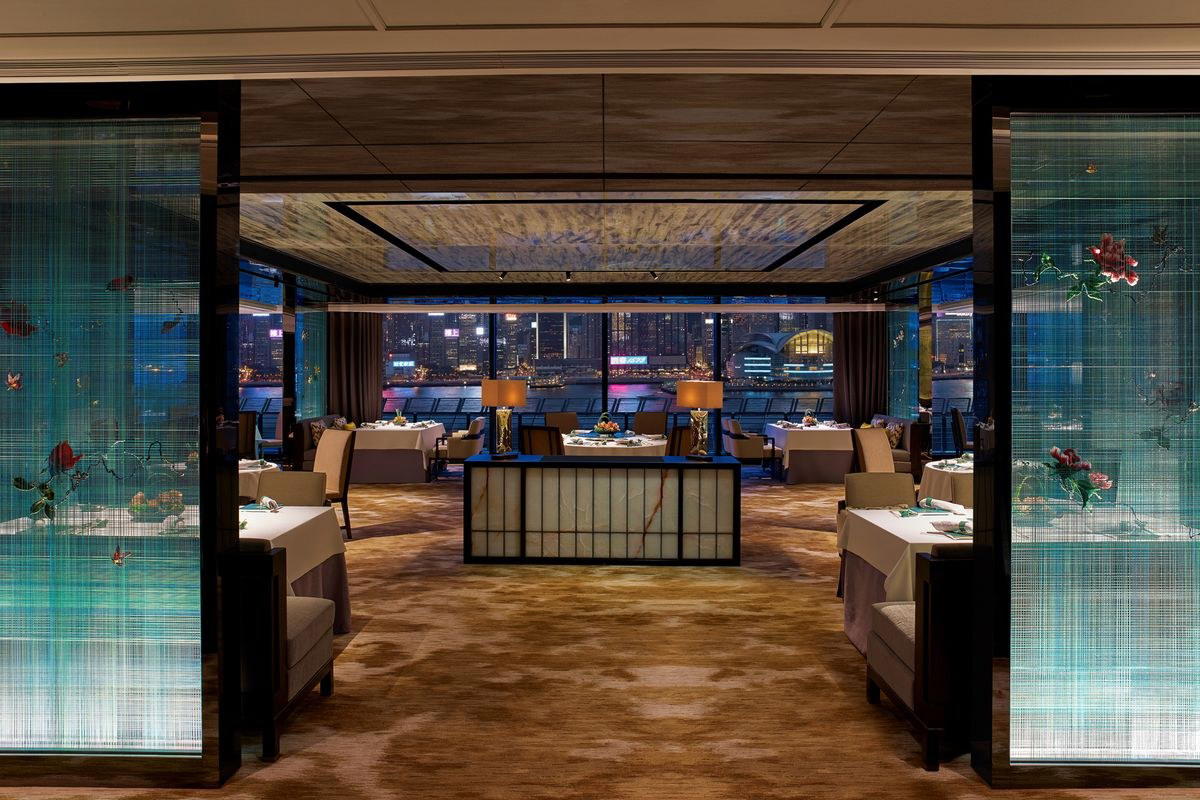
Casual interior with focus on hearty grill fare.