Nobu 57

Our verdict
Nobu 57 on West 57th Street has been New York's most consistently trafficked outpost of the global Nobu brand since it opened, drawing a midtown clientele that returns for the Japanese-Peruvian format the group essentially codified. Ranked among Opinionated About Dining's top North American restaurants in both 2023 and 2024, it occupies a position where brand recognition and menu reliability carry as much weight as novelty.

Pearl is the En Primeur Club membership app, where members save venues, book tables and use the concierge.
The menu
What to order
- Black Cod Miso
- Crispy Rice with Spicy Tuna
- Yellowtail Jalapeño
- Wagyu Dumplings
- Rock Shrimp Tempura
The Address That Made the Format Stick
When Nobu Matsuhisa and Robert De Niro opened their first New York restaurant in Tribeca in 1994, they were not simply launching a restaurant, they were establishing a culinary format. The fusion of Japanese technique with Peruvian ingredients, particularly the use of yellow chili and ceviche-adjacent acidities alongside sashimi and miso-cured proteins, was genuinely without precedent at that scale and ambition. Nobu 57, the midtown counterpart that followed at 40 West 57th Street, extended that format into the city's corporate and luxury-retail corridor, embedding the brand into the fabric of midtown hospitality in a way few restaurants of its generation have managed to sustain.
Three decades on, the broader question for any long-running restaurant in New York is whether regulars return out of habit or out of considered preference. At Nobu 57, the evidence points toward the latter. Opinionated About Dining ranked the restaurant among its leading North American restaurants in both 2023 and 2024, placing it at #353 in the 2024 edition, a recognition that reflects sustained kitchen performance rather than the launch-year halo that inflates many first assessments.
What the Regulars Are Actually Ordering
The regulars at Nobu 57 are not discovering the menu. They arrive with a shortlist, and that shortlist has changed relatively little over the years. The Japanese-Peruvian format the brand established, miso-marinated proteins, tiradito-influenced raw preparations, tempura built for precision rather than volume, has remained the backbone of the menu across all Nobu outposts globally. For the midtown crowd that treats this address as a standing lunch appointment or a pre-theater dinner, that consistency is the point.
Across the Nobu network, the black cod with miso has become the single dish most associated with the brand's identity. Marinated for a minimum of two to three days, the miso caramelizes under the broiler to produce a lacquered exterior that gives way to fat, yielding flesh. It is the dish that first appeared in the Tribeca original and has since appeared on every Nobu menu globally, including Nobu in London. At Nobu 57, it functions as a reference point, the thing first-timers order on recommendation and regulars use to benchmark the kitchen on any given evening.
Beyond the signature, the menu navigates the full range of the format: yellowtail with jalapeño, rock shrimp tempura with a creamy spice sauce, and tiradito preparations that show the Peruvian influence most clearly. For those who want to work through the Japanese side more systematically, the sushi and sashimi selections sit alongside the fusion dishes, and the omakase formats allow the kitchen to sequence through both registers. The format rewards return visits because regulars learn to move between the two traditions on the menu rather than anchoring exclusively to either.
Midtown's Particular Demands
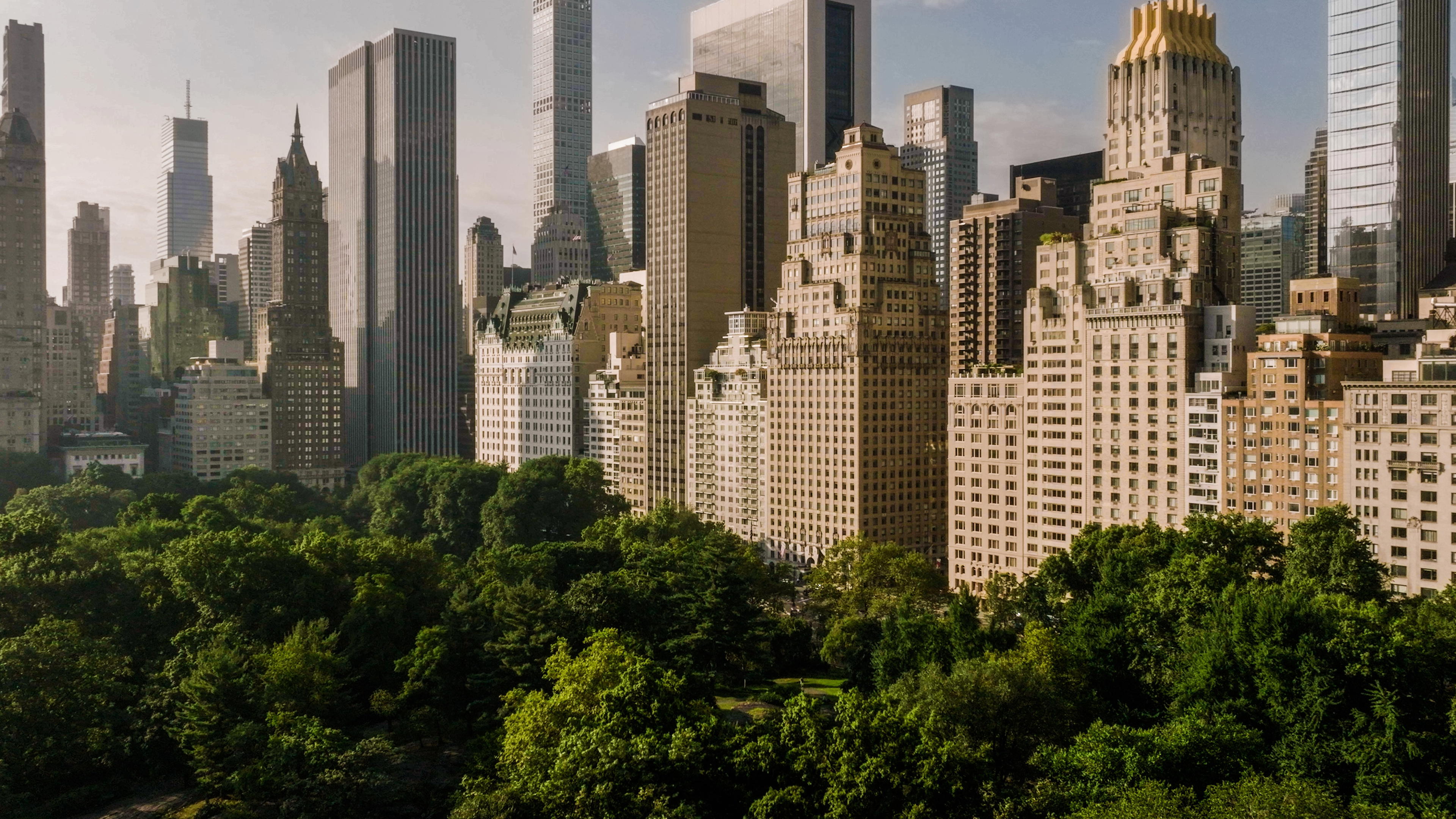
West 57th Street operates differently from the downtown dining circuit. The neighborhood's clientele skews toward international visitors staying in the surrounding hotels, finance and media professionals on client entertainment, and a residential tier of Upper West and East Siders who treat the corridor as their default for reliable, high-end dining. This is not the block where experimental tasting menus or natural wine programs gain traction, it is where format reliability and service polish matter more than provocation.
In that context, Nobu 57 holds a position that the more academically rigorous Japanese restaurants in the city do not attempt to occupy. 15 East in the Flatiron and 1 or 8 in Williamsburg approach Japanese cuisine from a purism that requires a different kind of engagement from the diner. Masa, the city's most expensive sushi counter, operates at a price point and intimacy that serve a different function entirely. Nobu 57 occupies the space where the Japanese-Peruvian format itself is the draw, and the room is engineered to handle volume, lunch service runs from 11:45 am through mid-afternoon, with dinner continuing to 10:15 pm on weekdays and 11:15 pm on Fridays and Saturdays.
That extended service window is itself a signal about the audience. Regulars know that a 9:30 pm Friday booking is possible here in a way it is not at the more intimate formats. The kitchen has to perform across a longer arc than most comparable addresses in the city.
The Brand's Place in a Changed City
New York's premium dining tier has shifted considerably since the mid-1990s. The addresses now competing for the highest critical attention, Le Bernardin, Atomix, Eleven Madison Park, are operating within a more granular critical framework than existed when the Nobu format was new. The conversation around Japanese cuisine in New York now encompasses everything from Edomae purists to modern kaiseki to Korean-Japanese hybrids, a proliferation that was barely imaginable in 1994.
What Nobu 57 represents within that expanded field is something the newer entrants cannot replicate: the original architecture of a format. The Japanese-Peruvian fusion that now appears on menus across the country, from Uchi in Austin to regional variants in cities from Los Angeles to New Orleans, traces a direct line back to what Matsuhisa developed. The tasting counter at Providence in Los Angeles, the boundary-pushing formats at Alinea in Chicago, Lazy Bear in San Francisco, or The French Laundry in Napa each occupy distinct lanes, but the cross-cultural approach that Nobu normalized opened a door in American dining that has never closed. Single Thread in Healdsburg and Emeril's in New Orleans reflect how broadly that permission to hybridize has traveled.
Chef Matt Hoyle leads the kitchen at Nobu 57, operating within the brand's established framework while maintaining the kitchen standards that earned the venue its consecutive Opinionated About Dining recognitions. The format is fixed by design; the execution is where the kitchen makes its case each service.
Know Before You Go
- Address: 40 West 57th Street, New York, NY 10019
- Hours: Monday to Thursday 11:45 am – 10:15 pm | Friday to Saturday 11:45 am – 11:15 pm | Sunday 11:45 am – 10:15 pm
- Kitchen lead: Chef Matt Hoyle
- Recognition: Opinionated About Dining Leading Restaurants in North America, Ranked #353 (2024); Recommended (2023)
- Booking: Reservations advised, particularly for Friday and Saturday dinner
Frequently asked questions
What are the operating hours at Nobu 57?
Hours at Nobu 57: Hours: Monday 11:45 am–10:15 pm Tuesday 11:45 am–10:15 pm Wednesday 11:45 am–10:15 pm Thursday 11:45 am–10:15 pm Friday 11:45 am–11:15 pm Saturday 11:45 am–11:15 pm Sunday 11:45 am–10:15 pm.
What kind of recognition has Nobu 57 received?
Nobu 57 has received recognition including: Opinionated About Dining Top Restaurants in North America Ranked #353 (2024); Opinionated About Dining Top Restaurants in North America Recommended (2023).
Cuisine-First Comparison
Comparable options at a glance, pulled from our tracked venues.
| Venue | Cuisine | Price | Awards | Notes |
|---|---|---|---|---|
| Nobu 57This venue (the venue you are viewing) | Modern Japanese Fusion with Peruvian Influences | $100–150 | Not listed | Not listed |
| Le Bernardin | French Seafood Fine Dining | $300–500 | 3 Michelin Stars · World's 50 Best #13 | French, Seafood |
| Atomix | Modern Korean Tasting Menu | $300–500 | 2 Michelin Stars · World's 50 Best #7 | Modern Korean, Korean |
| Masa | Seasonal Hokkaido Tempura Omakase | $150–200 | Tabelog 100 #34 | Sushi, Japanese |
| Per Se | French Fine Dining Tasting Menu | $300–500 | 3 Michelin Stars · World's 50 Best #40 | French, Contemporary |
| Eleven Madison Park | Contemporary Plant-Based Fine Dining | $300–500 | 3 Michelin Stars · World's 50 Best #4 | French, Vegan |
Recognition history
Dated appearances from independent guides and award organizations, with the underlying list record or original source where available.
Opinionated About Dining Top Restaurants in North America Recommended
Opinionated About Dining
Full recognition history (3 entries)
Opinionated About Dining Top Restaurants in North America Ranked #353
Opinionated About Dining
Opinionated About Dining Top Restaurants in North America Recommended
Opinionated About Dining
Continue exploring
More in New York City
Restaurants in New York City
All restaurants in New York City →
Bars in New York City
All bars in New York City →

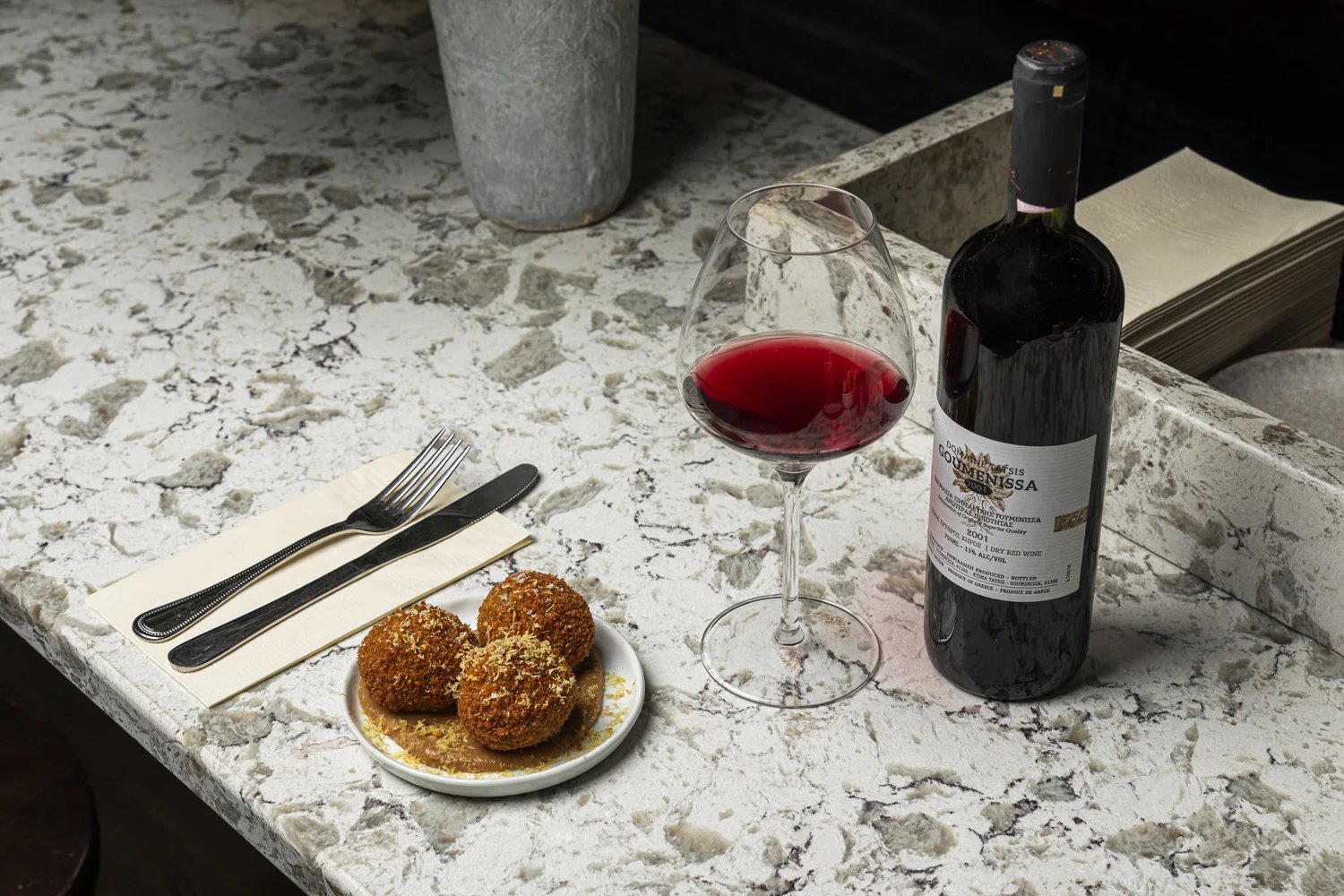



Nobu 57
The wine
- Extensive wine list
- Corkage allowed
- BYO wine
- Sake program
- Craft cocktails
Details
- Elegant
- Sophisticated
- Well Known
- Modern
- Date Night
- Business Dinner
- Special Occasion
- Celebration
- Chefs Counter
- Open Kitchen
- Private Dining
- Design Destination
- Extensive Wine List
- Craft Cocktails
- Sake Program
- Corkage Allowed
- Byob
- A La Carte
- Omakase
- Counter Dining
- Sake
- Craft Cocktails
- Wine
- Vegetarian Friendly
- Vegan Options
- Gluten Free Options
- Allergy Accommodating
Current opening hours
- Monday
- 5:30–8:30 PM
- Tuesday
- 11:45 AM–10:15 PM
- Wednesday
- 11:45 AM–10:15 PM
- Thursday
- 11:45 AM–10:15 PM
- Friday
- 11:45 AM–11:15 PM
- Saturday
- 11:45 AM–11:15 PM
- Sunday
- 11:45 AM–10:15 PM
Hours can change for holidays and private events. Hours as of .
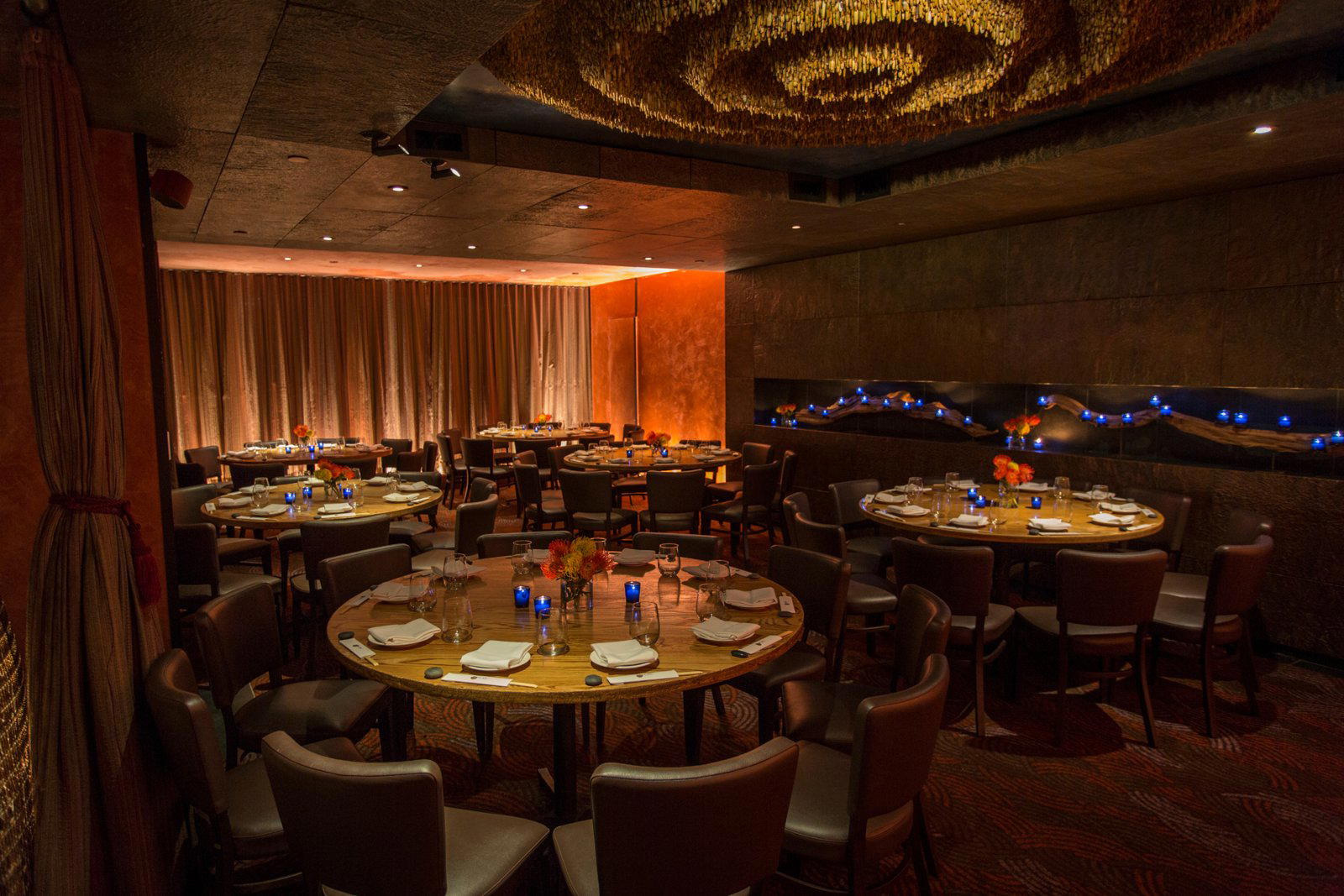
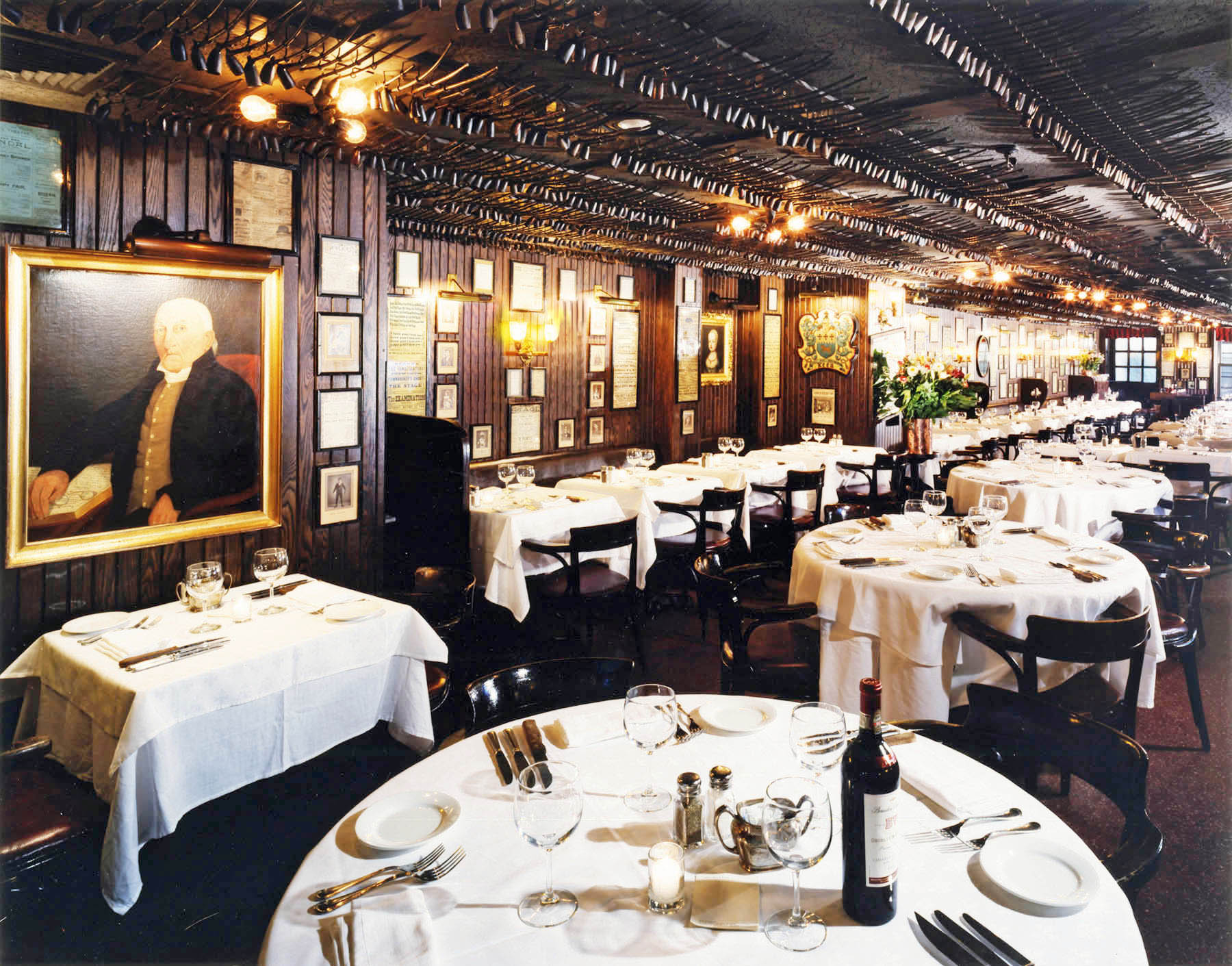
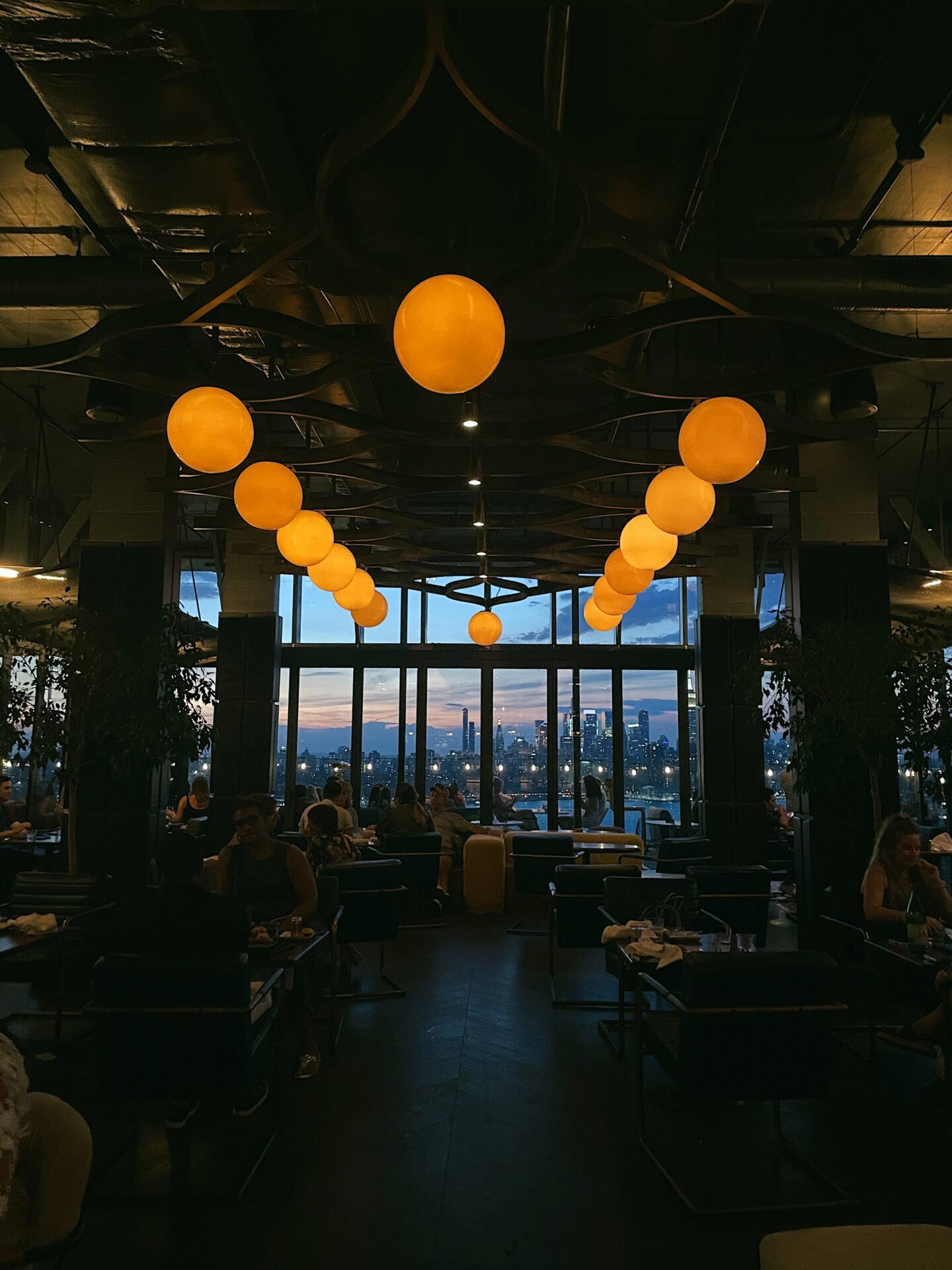
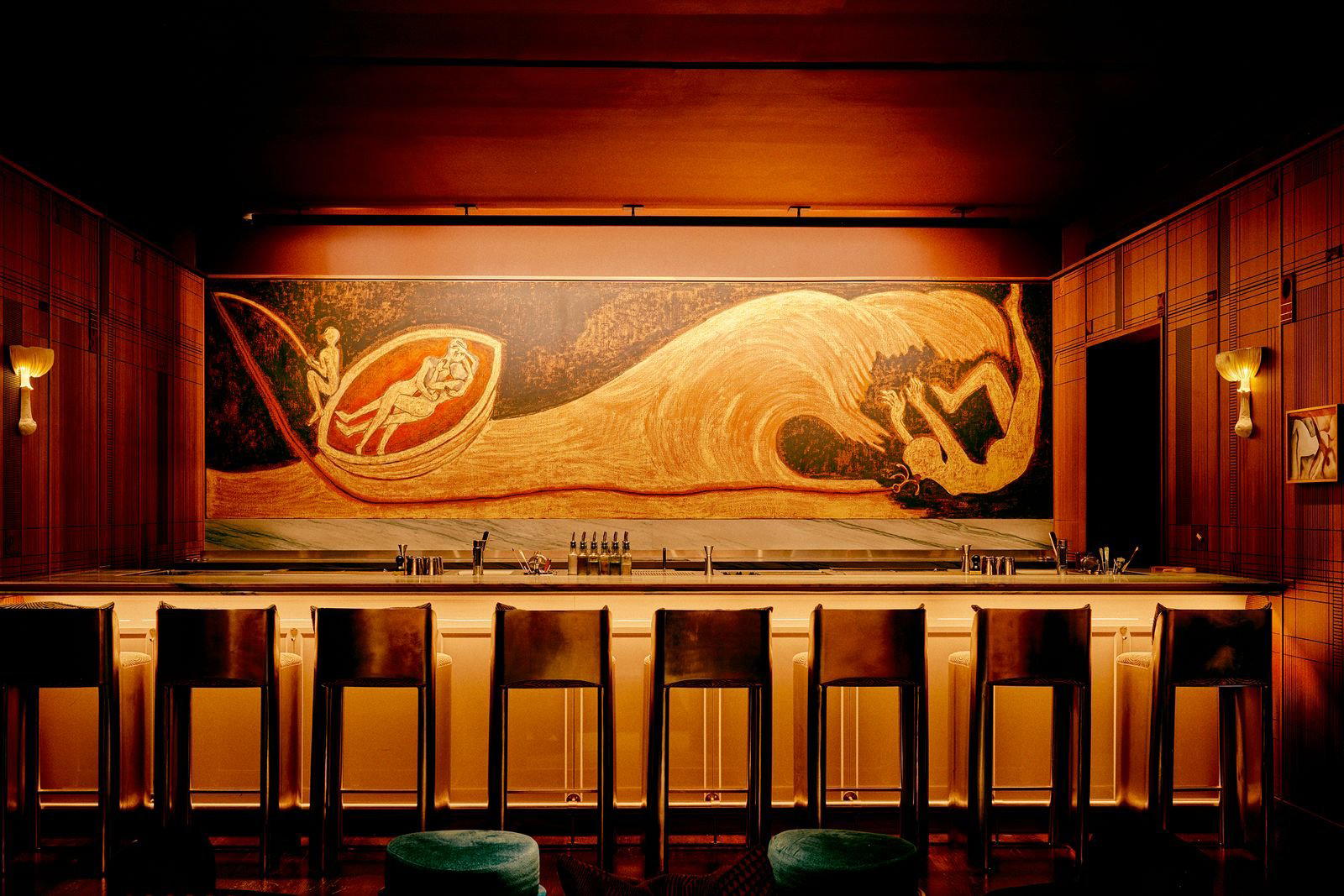
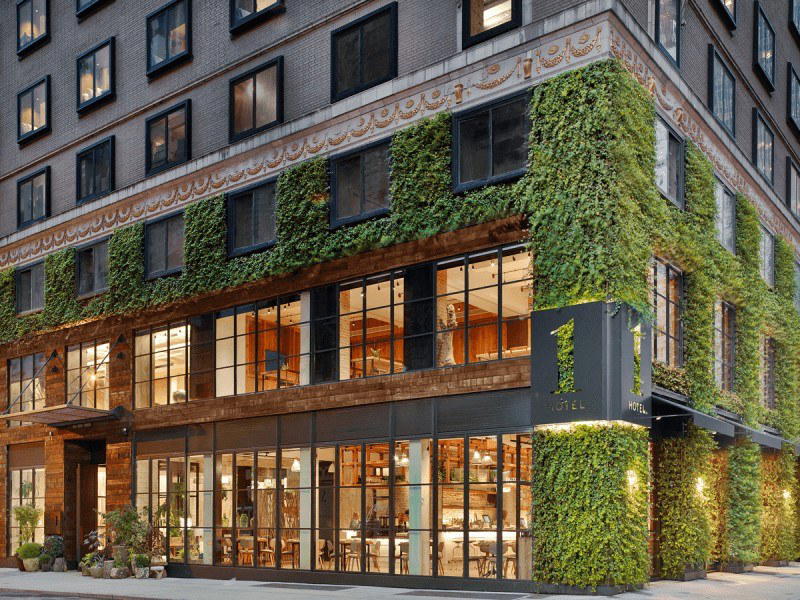
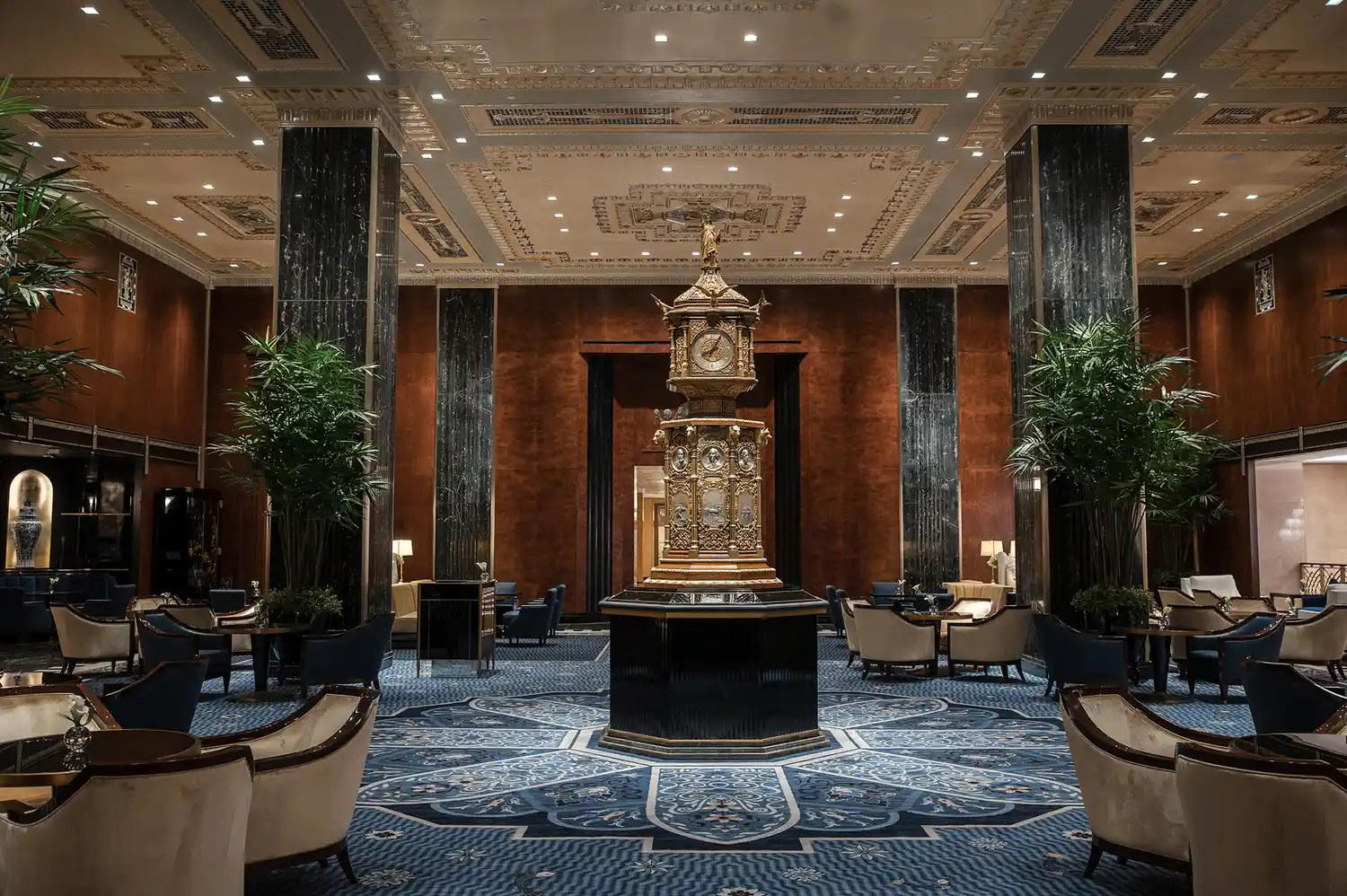
Double-height grand dining space with theatrical design elements including abalone shell chandeliers and Asian river-inspired curves; sophisticated and upscale atmosphere befitting a celebrity-frequented establishment.