Our verdict
Soya sits in Paris’s 11th arrondissement, a part of the city where casual formats often carry serious intent. Its appeal lies less in ceremony than in menu architecture: a compact, vegetable-led way of eating that fits the capital’s shift toward lighter, less codified restaurant meals.

Pearl is the En Primeur Club membership app, where members save venues, book tables and use the concierge.

The menu
What to order
- Soyafels
- Vegetarian lasagna
- Spring rolls
Soya belongs to pavement-level Paris: narrow shopfronts, small dining rooms, and restaurants closer to daily life than grand occasion. Here, Soya reads as part of a quieter Parisian movement, where the menu does not need silver-service theatre. Its structure matters: a table can be built around a clear kitchen point of view and warm restaurant craft rather than the classic signals of ceremony and display.
That matters because alternative dining in Paris has had to earn its place against a deeply codified restaurant culture. The city has long made room for casual counters and informal lunch spots, but the stronger recent shift is different. Diners now expect relaxed meals to carry the rhythm of conventional restaurant eating: starters with texture, mains with substance, and desserts that do not feel like apology. Soya sits in that conversation, not in the luxury tasting-menu tier, but in the everyday restaurant bracket where the format must work for repeat meals.
A menu built for Parisian lunch and dinner rhythm
The useful way to read Soya is through sequence rather than category. It belongs to a neighbourhood-style dining pattern rather than a special-occasion format. It does not ask the guest to surrender an evening to a long dégustation; it belongs to the city’s smaller, flexible restaurant culture, where a meal can be assembled by appetite.
Menu architecture is the editorial point. Paris is increasingly comfortable with restaurants that loosen old assumptions about what a proper meal has to look like, but successful versions still need weight and progression. A kitchen has to solve the same problems as any bistro: contrast, warmth, portion logic, and enough savoury depth to make wine or a longer dinner plausible. Soya’s reputation rests on that broader promise: a meal that behaves like a proper restaurant meal rather than a side project attached to lifestyle language.
Within Paris, the comparison is not with high-formality dining rooms or another polished bracket represented by Amâlia. It is closer in spirit to the city’s independent, format-driven restaurants, where a clear editorial position matters more than grand dining-room signals. Paris has long been central to that shift: smaller rooms, lower ceremony, and menus that rely on clarity rather than decorative luxury.
Paris's casual serious streak
Paris has changed its dining grammar, making room for smaller restaurants, counter-style meals, and dining rooms where the kitchen’s point of view is sharp without old prestige markers. Vantre, Auberge Pyrénées Cévennes, BMK Folie-Bamako, and Cadence each sit elsewhere in that broader map of choice. Soya belongs to the same ecosystem, where diners select a format rather than simply a price tier.
That context explains why location matters. Paris is not a single dining mood; it is a city where restaurants continually test how informal a serious meal can be. A restaurant here does not need to behave like a luxury address to carry authority. It needs a coherent menu, reliable service rhythm, and enough identity for diners to choose it over a conventional bistro.
For readers mapping a broader Paris itinerary, Soya works as a counterweight to heavier restaurant days. It can sit between more formal meals, bar-led evenings, and hotel-based dining without turning the trip into identical tasting menus. The wider city context is worth browsing through our full Paris restaurants guide, then balancing with our full Paris hotels guide, our full Paris bars guide, our full Paris wineries guide, and Our full Paris experiences guide.
How to place it in a Paris dining plan
The strongest use case is a meal where the group wants Paris without heaviness. In a city built around deeply familiar restaurant rituals, that is not minor; it is a planning tool. Soya gives structure to the table that wants lunch before a full evening, dinner after a day of walking, or a meal without the formality of hotel dining.
This is not an address to judge by Michelin logic or trophy-count comparison. Its trust signal is local and format-based: a defined identity in Paris and a context that rewards restaurants with repeat utility. It competes less with starred rooms than with mid-scale independent restaurants, each answering a different Paris dining need.
Travellers extending the same restaurant lens beyond the capital can compare how other cities handle casual formats: regional dining scenes show how local context changes the same basic question of format, expectation, and occasion.
The critical read is simple: Soya is strongest as part of Paris’s everyday serious dining culture, not as a novelty category. Its value lies in how the meal is composed, and how naturally that composition fits a city that has learned to take flexible contemporary cooking seriously without manifesto language. For a broader point of reference, other dining rooms outside France sit in different markets but underline the same modern diner preference: clear formats, flexible meals, and less dependence on old fine-dining codes.
Frequently asked questions
What's Soya's location?
Paris.
What days is Soya closed?
Specific closing-day details are not provided here; check directly with Soya before planning around a visit.
What has Soya built its reputation on?
Soya’s appeal rests on a clear restaurant identity and a relaxed service rhythm. In Paris, that makes it a practical choice for diners who want an informal meal with a considered point of view.
Is Soya allergy-friendly?
The safest approach is to check the day’s offerings directly before going. The useful detail is the format: Soya reads as a relaxed Paris restaurant rather than a formal destination built around ceremony.
Is Soya okay with children?
It may be workable for families, especially for an earlier meal, but the best approach is to confirm current arrangements directly with Soya. The Paris setting reads as less formal than the classic grand dining rooms of the city.
What's the overall feel of Soya?
It reads as relaxed but deliberate, with the energy of contemporary Paris rather than the ritual of a formal dining room. Soya is best understood as a place built for regular meals, not ceremony.
Standing Among Peers
Comparable venues to calibrate price, style, and recognition.
| Venue | Cuisine | Price | Awards | Notes |
|---|---|---|---|---|
| SoyaThis venue (the venue you are viewing) | Organic Vegan Fusion | $30–50 | Not listed | Not listed |
| Vantre | Modern French Bistro | $30–50 | Michelin Plate · Star Wine List | Neo-bistro, Modern Cuisine |
| Cadence | Modern Neo-Bistro with Small Plates | $30–50 | Not listed | Not listed |
| Amâlia | Modern French with Italian Influences | $100–150 | 1 Michelin Star | Modern Cuisine |
| Auberge Pyrénées Cévennes | Traditional French Bistro | $30–50 | Michelin Bib Gourmand | Traditional Cuisine |
| BMK Folie-Bamako | Pan-African West African Cuisine | $20–30 | Not listed | Not listed |
Continue exploring
More in Paris
Restaurants in Paris
All restaurants in Paris →
Bars in Paris
All bars in Paris →


Details
- Modern
- Industrial
- Cozy
- Brunch
- Casual Hangout
- Open Kitchen
- Extensive Wine List
- Organic
- Local Sourcing
- Buffet
- A La Carte
- Vegan Options
- Vegetarian Friendly
- Gluten Free Options
- Organic Focus
Current opening hours
- Monday
- 12–3 PM, 7–11 PM
- Tuesday
- 12–3 PM, 7–11 PM
- Wednesday
- 12–3 PM, 7–11 PM
- Thursday
- 12–3 PM, 7–11 PM
- Friday
- 12–3 PM, 7–11 PM
- Saturday
- 12–3 PM, 7–11 PM
- Sunday
- 11:30 AM–4 PM
Hours can change for holidays and private events. Hours as of .
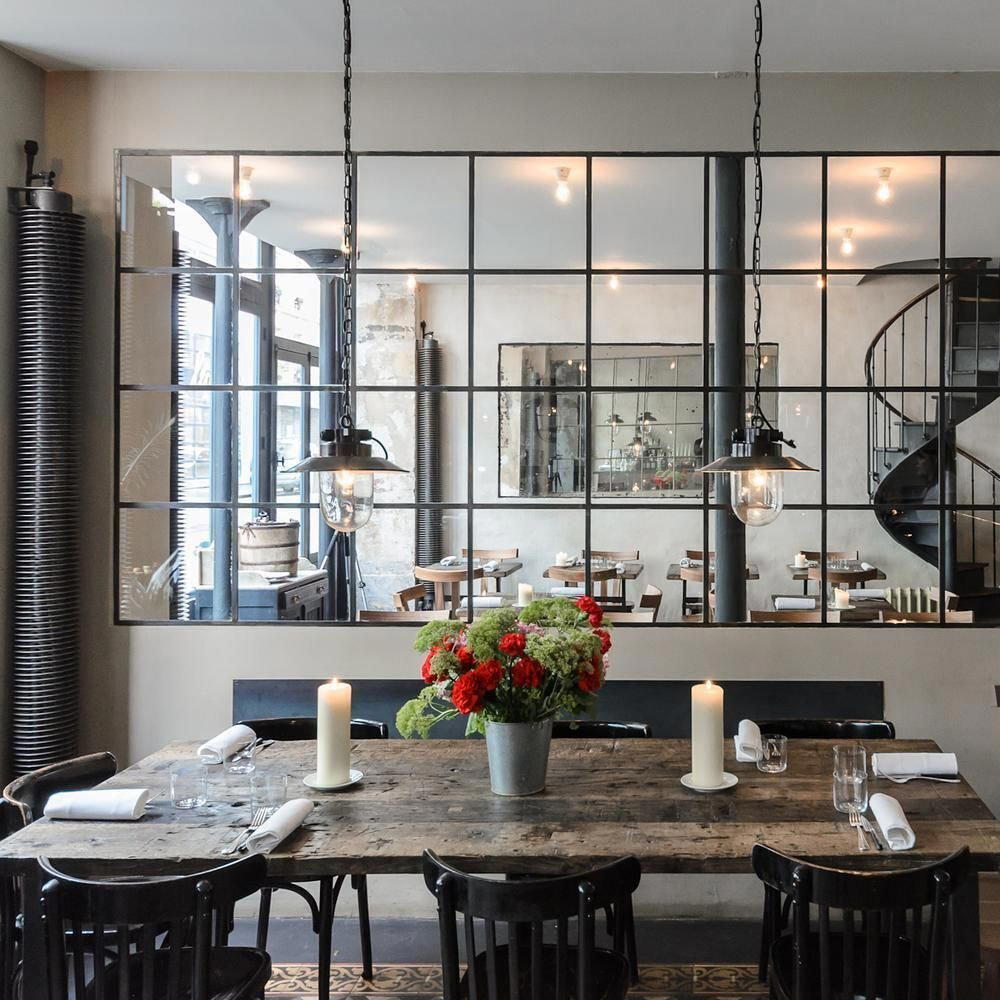
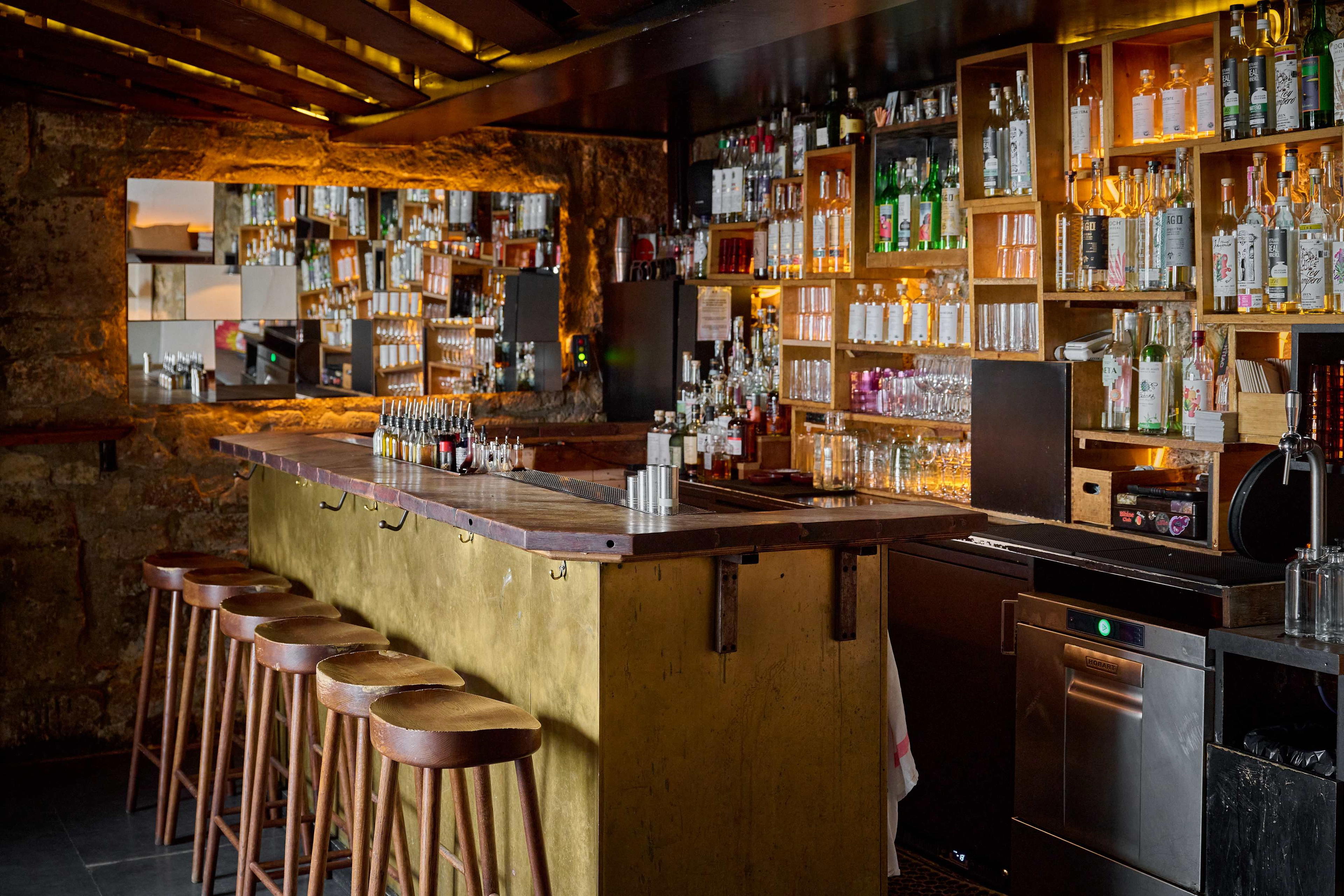
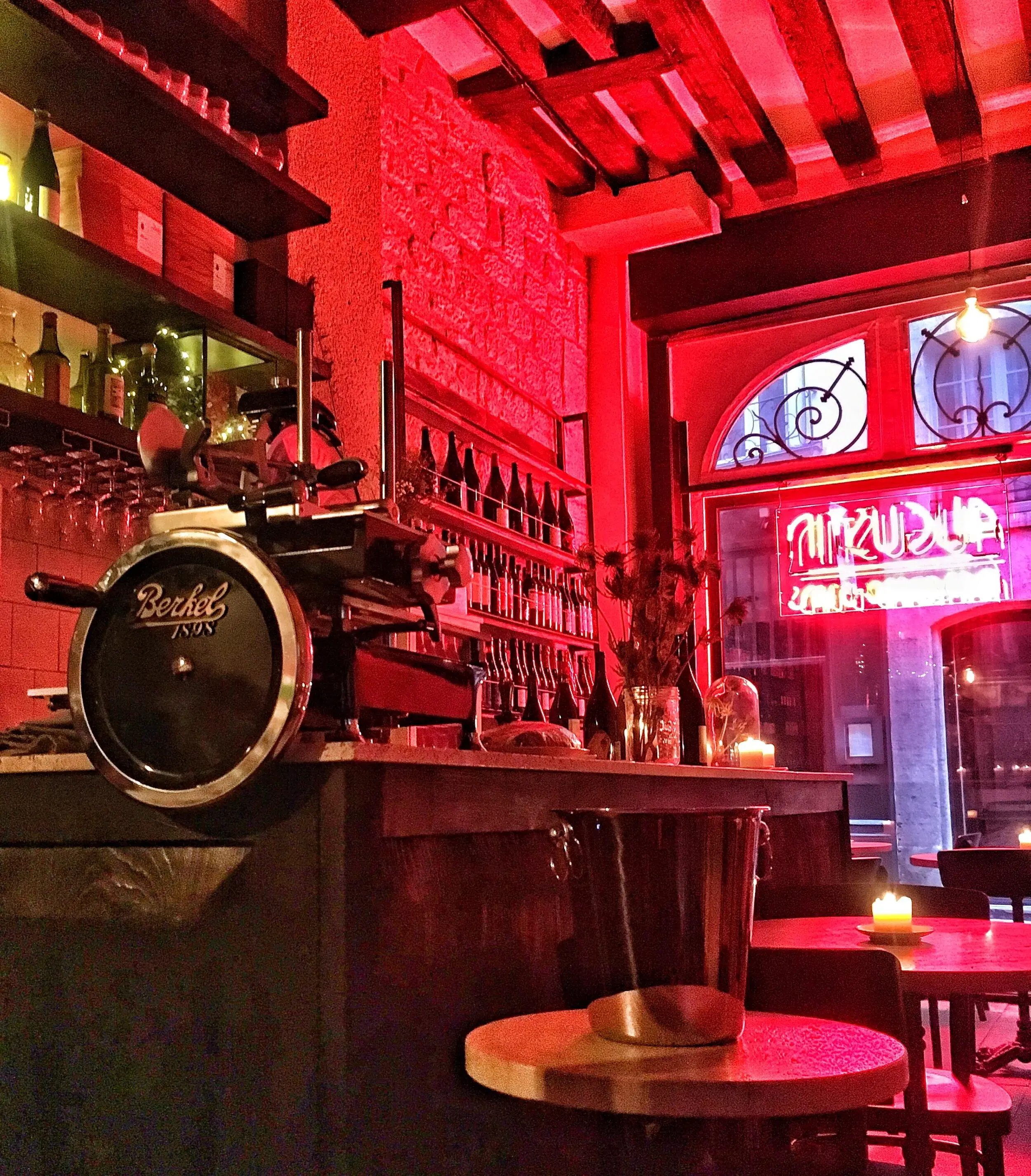
Industrial-chic decor with exposed brick walls, warm lighting, high ceilings, wooden benches, and a zen, urban vibe.