On the Rue Étienne Marcel in Paris's 1st arrondissement, La Plume Rive Droite occupies a stretch of the Right Bank where formal dining traditions and contemporary creative ambition have coexisted for decades. The address places it squarely in a competitive tier alongside the city's most closely watched tables. Precise booking and attentive pacing define the experience here.
Pearl is the En Primeur Club membership app — saves, bookings, and concierge access live there. Same editors, same standards.
- Address
- 43 Rue Étienne Marcel, 75001 Paris, France
- Phone
- +33180407740
- Website
- laplumerivedroite.com
- Directions
- Get directions
 Saves & bookings on Pearl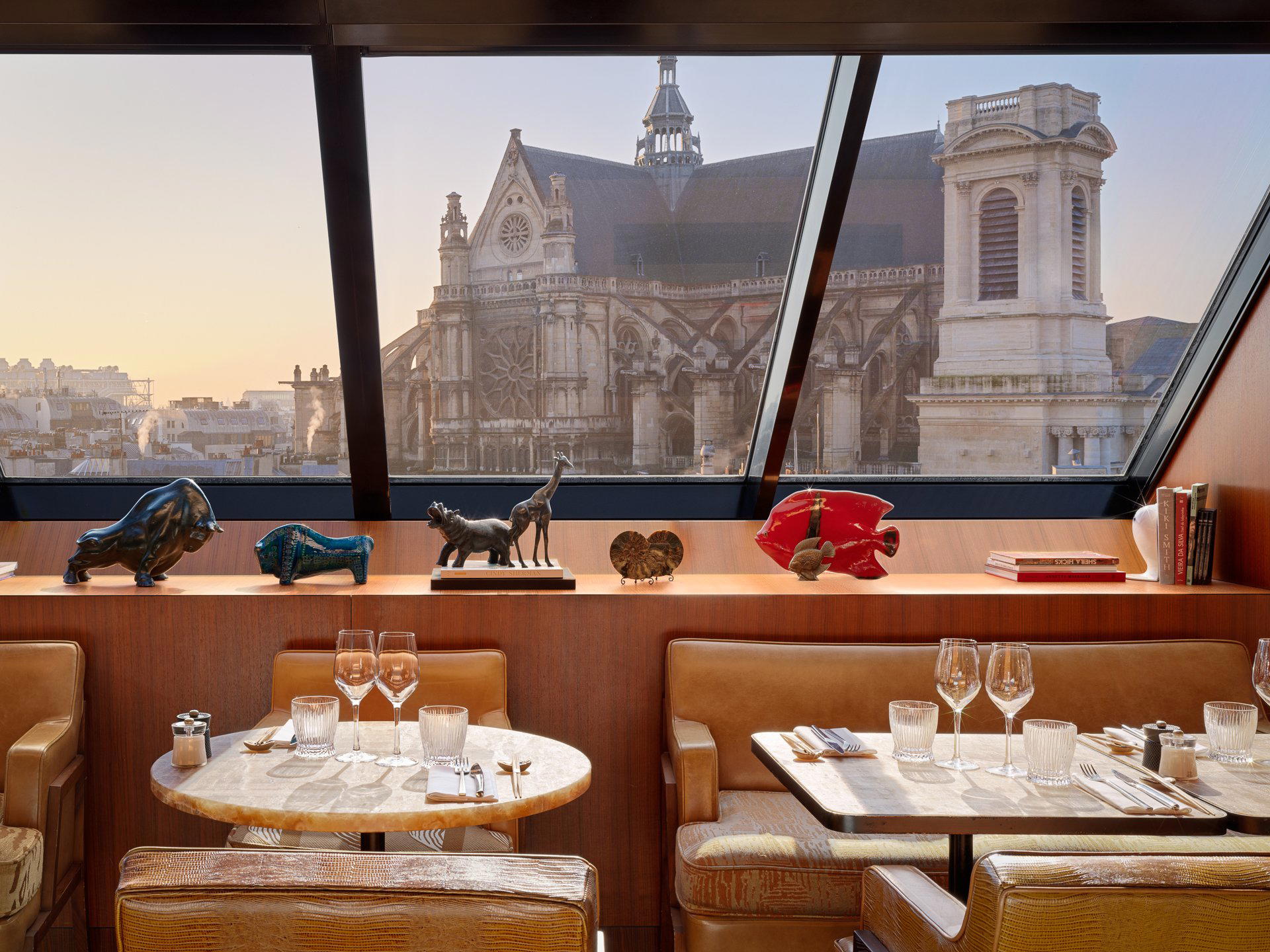
The Right Bank Dining Ritual: Pace, Precision, and Place
Paris's 1st arrondissement has long functioned as the city's gravitational centre for formal French dining. The Rue Étienne Marcel corridor sits at the edge of this territory, where the disciplined traditions of Palais-Royal-adjacent gastronomy meet the looser, more experimental energy creeping in from the Marais. La Plume Rive Droite, at number 43, occupies this charged middle ground — an address that carries the weight of its neighbourhood's culinary history without being fully absorbed by it.
The Right Bank dining ritual is, above all else, a question of time. Unlike the brisk lunch counters of the Grands Boulevards or the convivial noise of a Marais bistrot, this tier of Parisian restaurant formats the meal as a structured progression. Courses arrive with deliberate spacing. The wine service follows a cadence calibrated to the kitchen's rhythm. Regulars in this part of Paris understand that the experience is shaped as much by what happens between courses as by what arrives on the plate. For first-time visitors expecting either the speed of a brasserie or the theatre of a destination tasting menu, the pacing can take a course or two to settle into.
Where La Plume Rive Droite Sits in the Paris Dining Tier
The competitive set around the 1st arrondissement is demanding. L'Ambroisie, which holds three Michelin stars and operates from the Place des Vosges, represents the apex of classical French service in the city — a reference point that any serious table in the east of the Right Bank is measured against, consciously or not. Kei, with its Franco-Japanese synthesis, sits in a different lane but draws from a similar pool of guests: those who treat a meal as a considered event rather than a transaction. Further afield on the Right Bank, Alléno Paris au Pavillon Ledoyen and Le Cinq at the Four Seasons Hôtel George V define the grand-format end of the spectrum, with dining rooms scaled to the 8th arrondissement's institutional grandeur.
La Plume Rive Droite operates in a quieter register. The address on Rue Étienne Marcel signals a deliberate distance from the trophy-room dining of the Champs-Élysées corridor, positioning it closer to the considered neighbourhood tables that Paris does particularly well, rooms where the meal matters more than the setting's spectacle. This is a pattern visible elsewhere in France's most serious regional dining: Bras in Laguiole and Auberge du Vieux Puits in Fontjoncouse have long proven that formal ambition doesn't require a capital-city address.
The Architecture of a Meal Here
French haute cuisine at this level follows a grammar that has been refined over generations. The progression typically moves from precise amuse-bouches through a fish or shellfish course, into meat, and toward a structured cheese and dessert sequence. What distinguishes the leading tables at this price point, and what visitors unfamiliar with Paris's formal dining conventions sometimes miss, is that this structure is a form of hospitality, not rigidity. The kitchen controls pace so that the guest doesn't have to. The sommelier's suggestions are calibrated not just to the dish but to where the table is in the meal's arc.
This same philosophy animates some of the most consistent long-running tables in French dining. Auberge de l'Ill in Illhaeusern, which has held three Michelin stars since 1967, and Troisgros in Ouches both demonstrate that commitment to pacing and ritual is what allows a restaurant to maintain relevance across decades. Paul Bocuse's Auberge du Pont de Collonges carried the same conviction for half a century.
Seasonal Timing and the Paris Dining Calendar
Paris dining has a seasonality that goes beyond menus. September through November and March through May are the months when the city's serious tables operate at full attention, kitchen teams are focused, service is sharp, and the ingredient quality coming from French markets peaks twice a year in those windows. The summer months, particularly July and August, see closures and reduced teams at many of the 1st arrondissement's more careful establishments. Winter, from December through February, brings a different register: richer preparations, game where available, and root vegetable work that rewards a different kind of patience from the kitchen.
For visitors planning a meal at La Plume Rive Droite, autumn is the most reliable window. Rue Étienne Marcel is also walkable from the Les Halles metro complex (lines 4 and 14 converge at Châtelet–Les Halles), which makes pre- or post-dinner movement around the city direct. The neighbourhood itself is compact enough that an early evening walk from the Centre Pompidou to the table requires under ten minutes.
The Broader French Table: Context Beyond Paris
What Paris does at its most serious is leading understood against the broader French dining picture. Mirazur in Menton, which claimed the leading position on the World's 50 Best Restaurants list in 2019, operates from the far southeast corner of France with a Mediterranean ingredient logic that has little to do with classical Parisian structure. Flocons de Sel in Megève draws from Alpine traditions. Assiette Champenoise in Reims positions itself as a natural counterpart to Champagne tourism, the meal and the wine region inseparable. Au Crocodile in Strasbourg carries Alsatian inflections that the Paris tables would not attempt to replicate. And at the further end of ambition, AM par Alexandre Mazzia in Marseille has built one of France's most discussed tasting experiences around a southern sensibility entirely distinct from the capital's grammar.
Paris's answer to all of this is not to compete on regional identity but on rigour. The 1st arrondissement's leading tables maintain their standing by doing the formal French meal with sustained precision, a discipline that connects them, in spirit if not geography, to serious French tables in New York such as Le Bernardin, which has carried the French fine-dining format in Manhattan with three Michelin stars for decades. The cross-cultural reach of that tradition is also visible in a different register at Atomix in New York, where Korean fine dining has absorbed and reinterpreted French service conventions. For a full picture of where La Plume Rive Droite sits within the wider Paris scene, see Arpège and our full Paris restaurants guide.
Planning Your Visit
| Detail | La Plume Rive Droite | L'Ambroisie | Kei |
|---|---|---|---|
| Address tier | 1st arr. (Étienne Marcel) | 4th arr. (Place des Vosges) | 1st arr. (Louvre) |
| Format | Formal sit-down | Classical French | Franco-Japanese |
| Price range | Not confirmed | €€€€ | €€€€ |
| Nearest metro | Étienne Marcel (line 4) | Saint-Paul (line 1) | Palais Royal (lines 1, 7) |
| Leading season | Sept–Nov, Mar–May | Year-round | Year-round |
How La Plume Rive Droite Paris compares with similar nearby venues.
| Venue | Cuisine | Price |
|---|---|---|
| Café Compagnon | Modern Cuisine | €€ |
Continue exploring
More in Paris
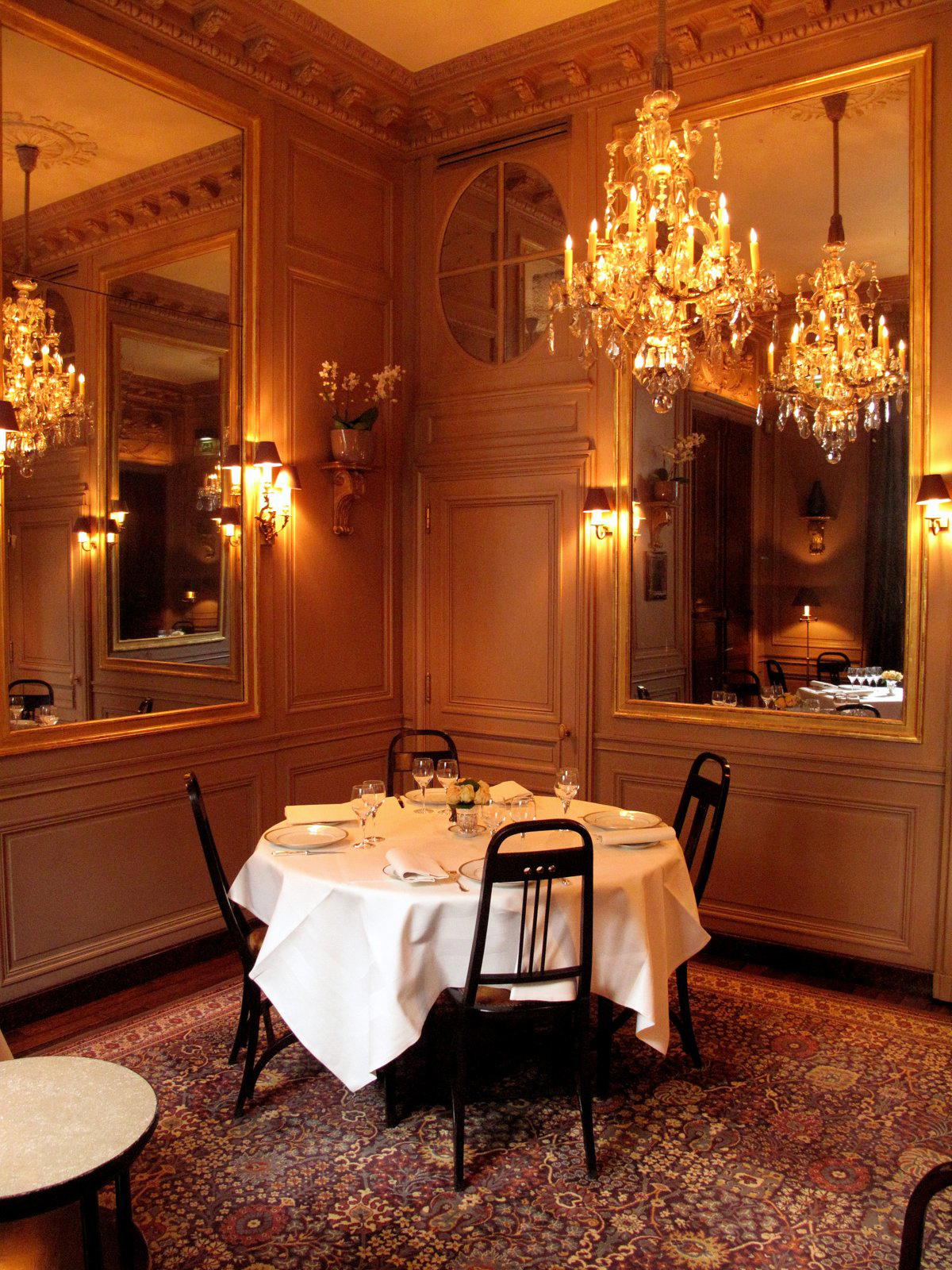
Restaurants in Paris
Browse all →
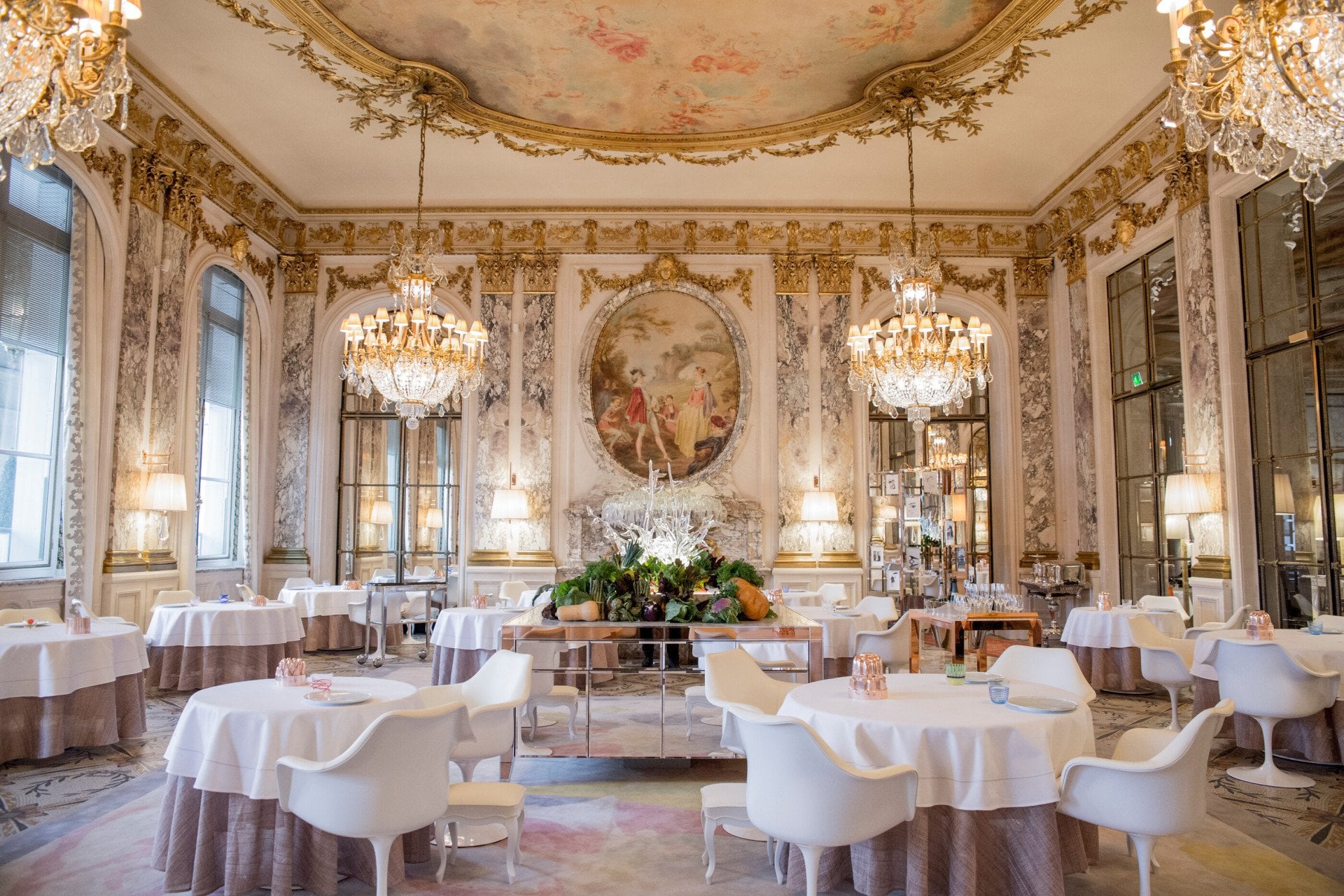
Bars in Paris
Browse all →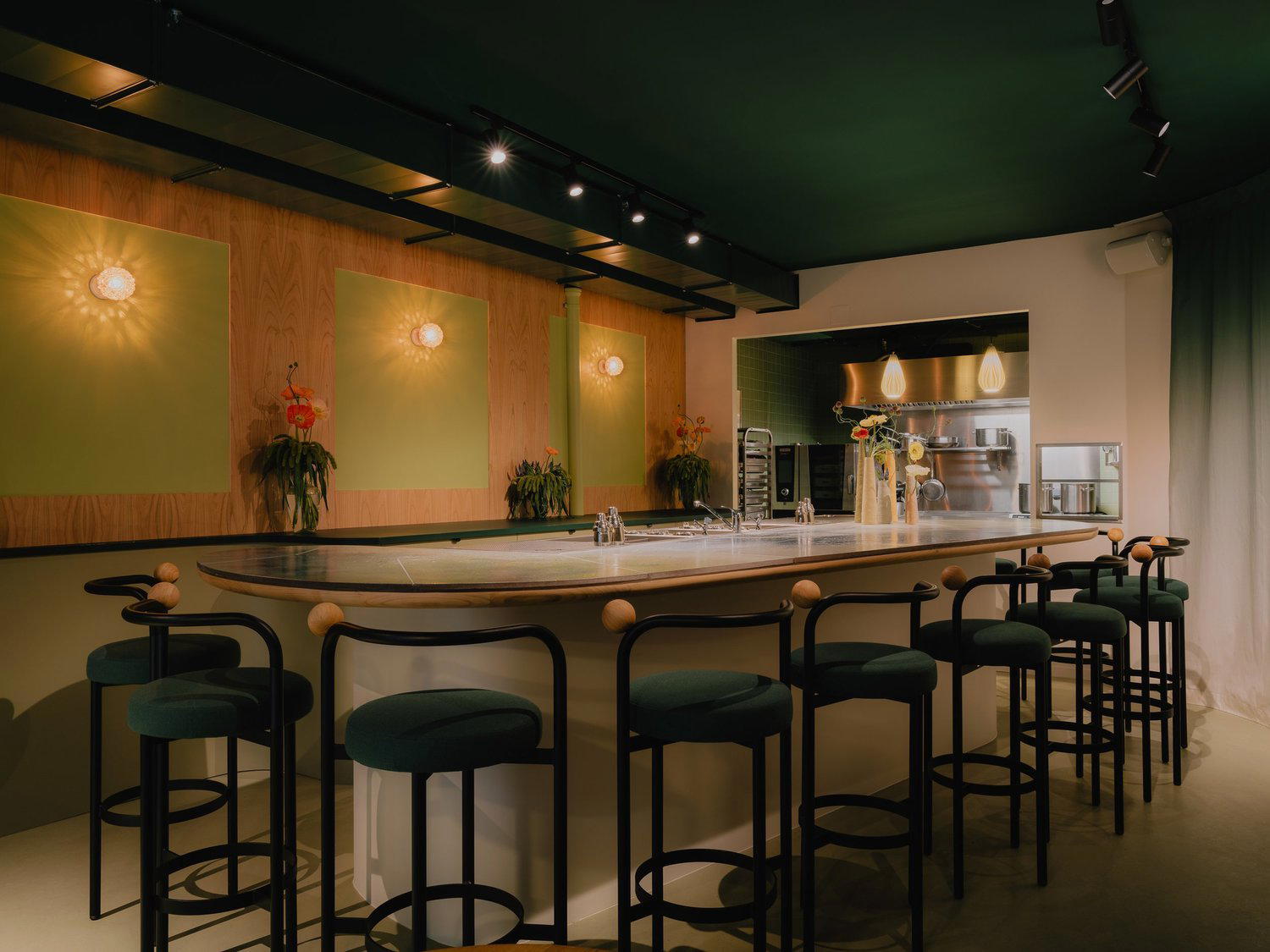
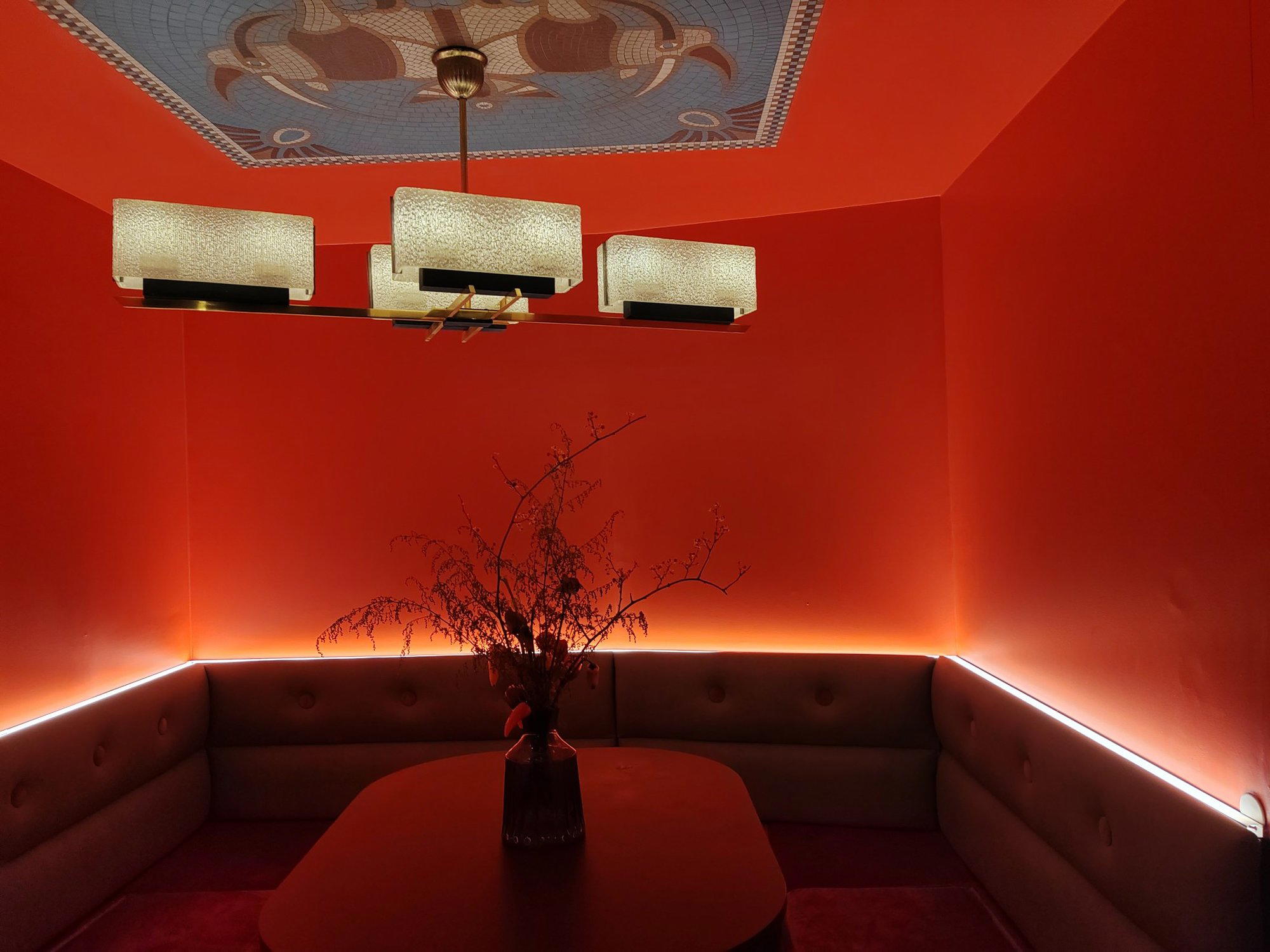
Hotels in Paris
Browse all →



At a Glance
- Elegant
- Sophisticated
- Romantic
- Intimate
- Date Night
- Special Occasion
- Rooftop
- Panoramic View
- Terrace
- Hotel Restaurant
- Private Dining
- Craft Cocktails
- Skyline
- Street Scene
Current opening hours
- Monday
- 12–3 PM, 7 PM–1 AM
- Tuesday
- 12–3 PM, 7 PM–1 AM
- Wednesday
- 12–3 PM, 7 PM–1 AM
- Thursday
- 12–3 PM, 7 PM–1 AM
- Friday
- 12–3 PM, 7 PM–1 AM
- Saturday
- 12–3 PM, 7 PM–1 AM
- Sunday
- 12–3 PM, 7 PM–1 AM
Hours can change for holidays and private events. Last verified .
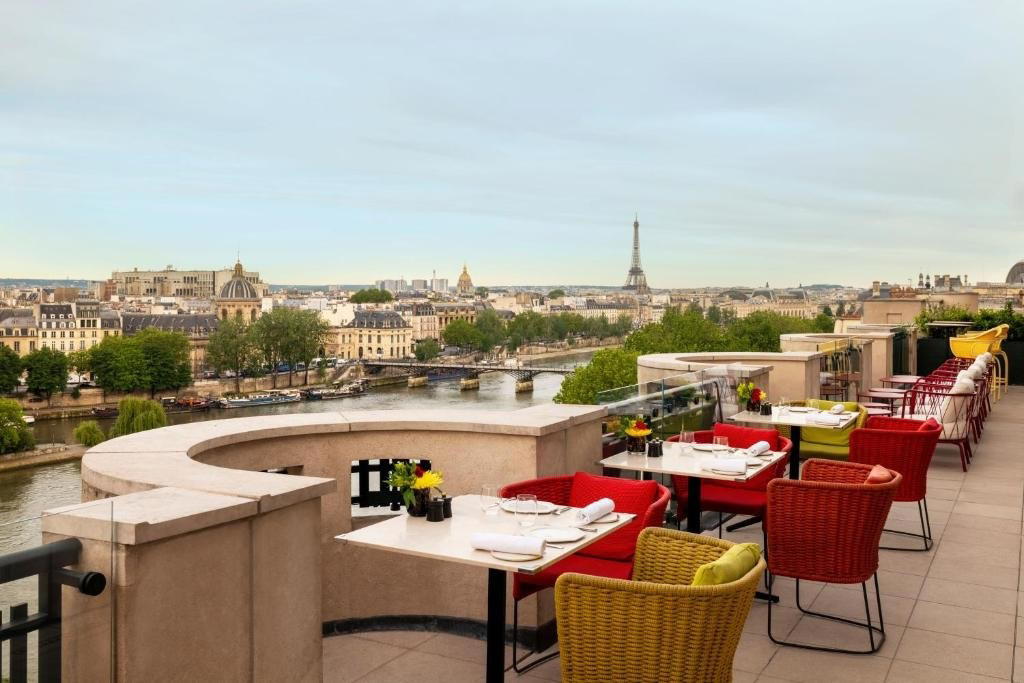
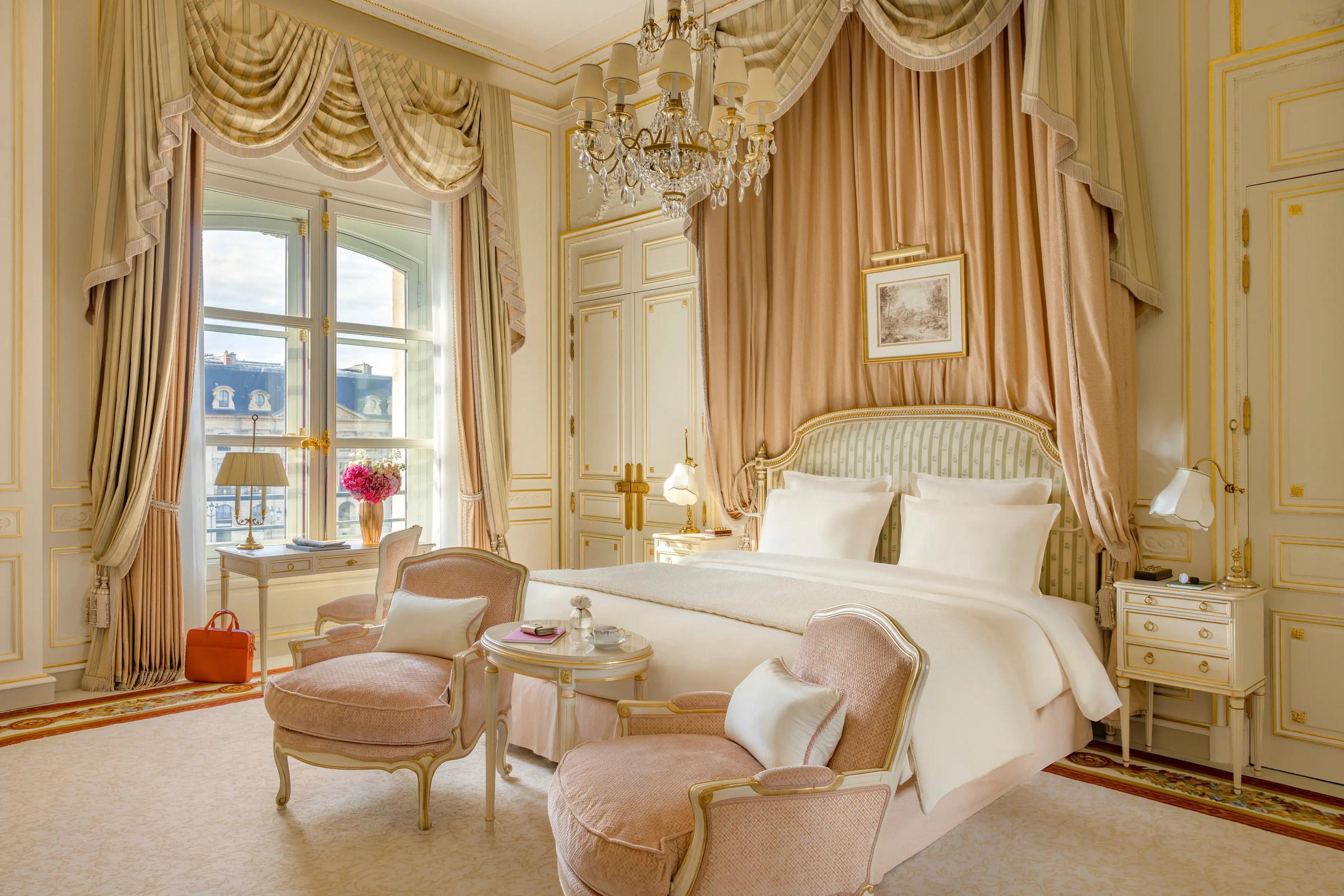
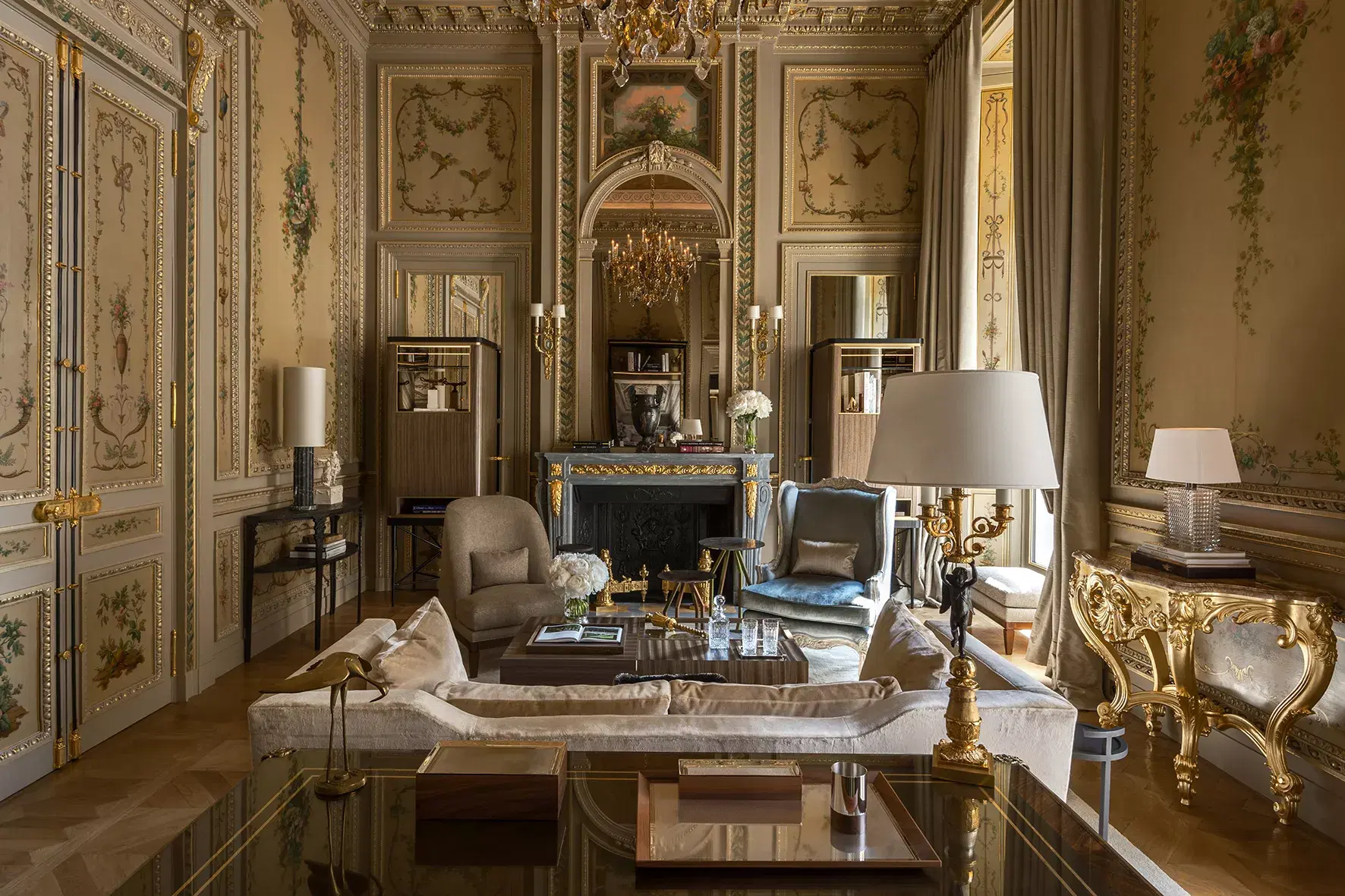
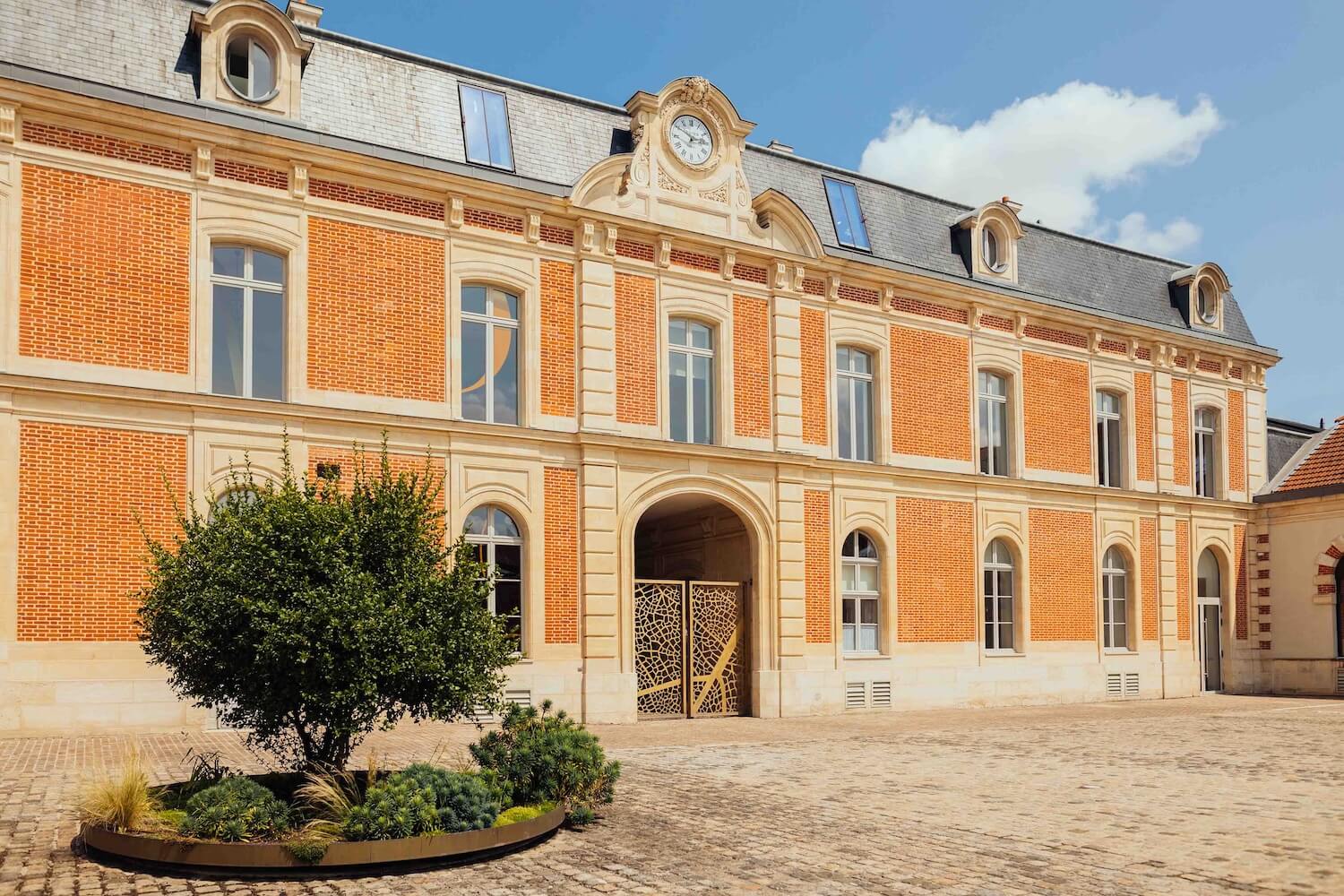
Elegant setting with rare marbles, precious woods, noble leathers, lush plant-filled patio, and dramatic city views creating a chic, convivial atmosphere.
Know Before You Go
- Getting there
- 43 Rue Étienne Marcel, 75001 Paris, France