
A contemporary bistro on the Faubourg-Saint-Martin, Fugue pairs Hitoshi Minatani's Japanese-inflected French cooking with an organic and biodynamic wine list curated by Victor Baraton-Dorat. Exposed stone, weathered beams, and a sociable counter set the tone for a room that feels rooted in the neighbourhood while the cooking ranges considerably further. The affordable lunch menu makes it one of the more accessible entry points in the 10th arrondissement.
Pearl is the En Primeur Club membership app — saves, bookings, and concierge access live there. Same editors, same standards.
- Address
- 128 rue du Faubourg-Saint-Martin
- Phone
- +33 9 54 94 96 68
- Website
- fugueparis.fr
- Directions
- Get directions
 Saves & bookings on Pearl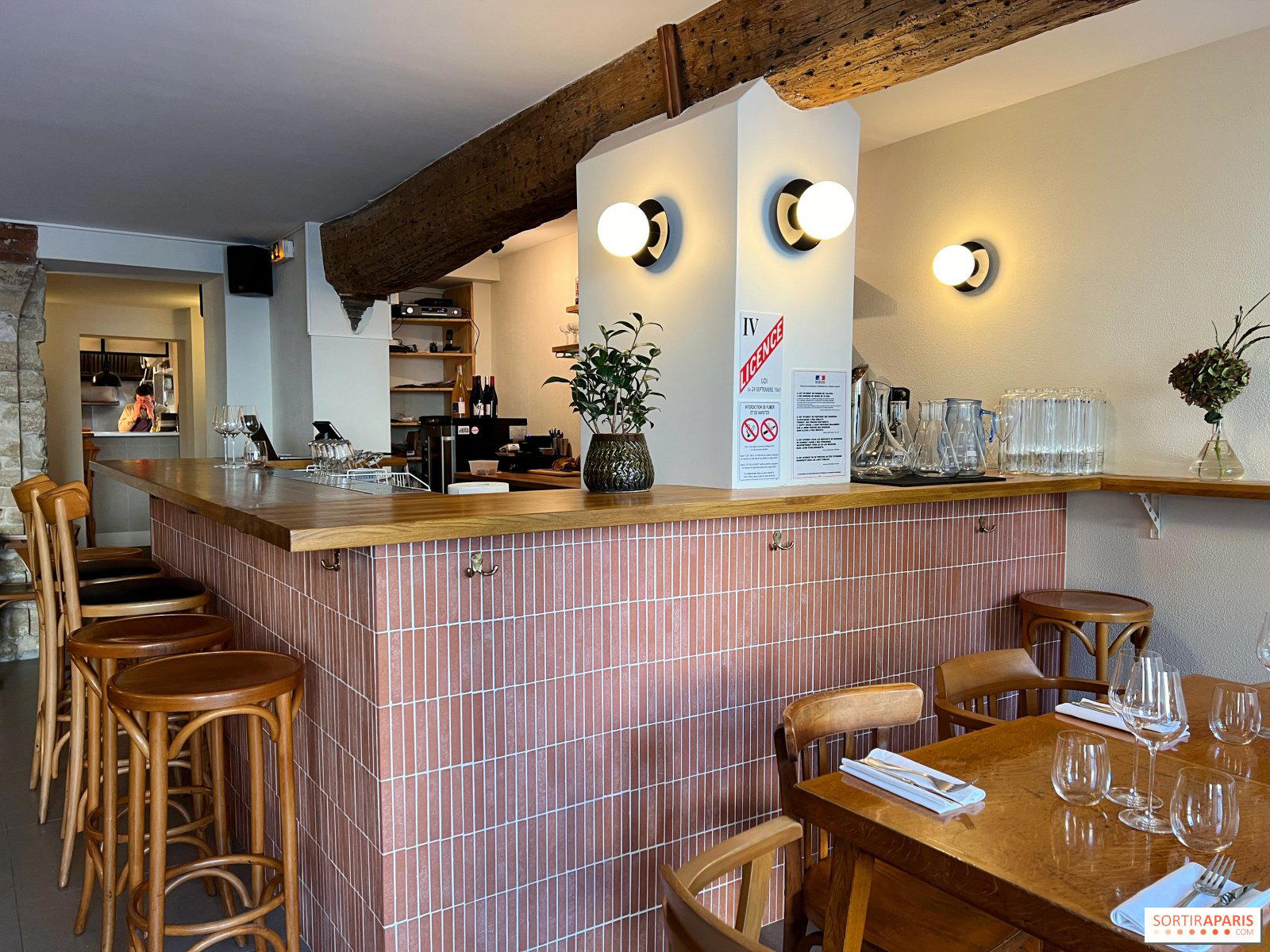
Stone Walls, Bottles, and a Counter Worth Claiming
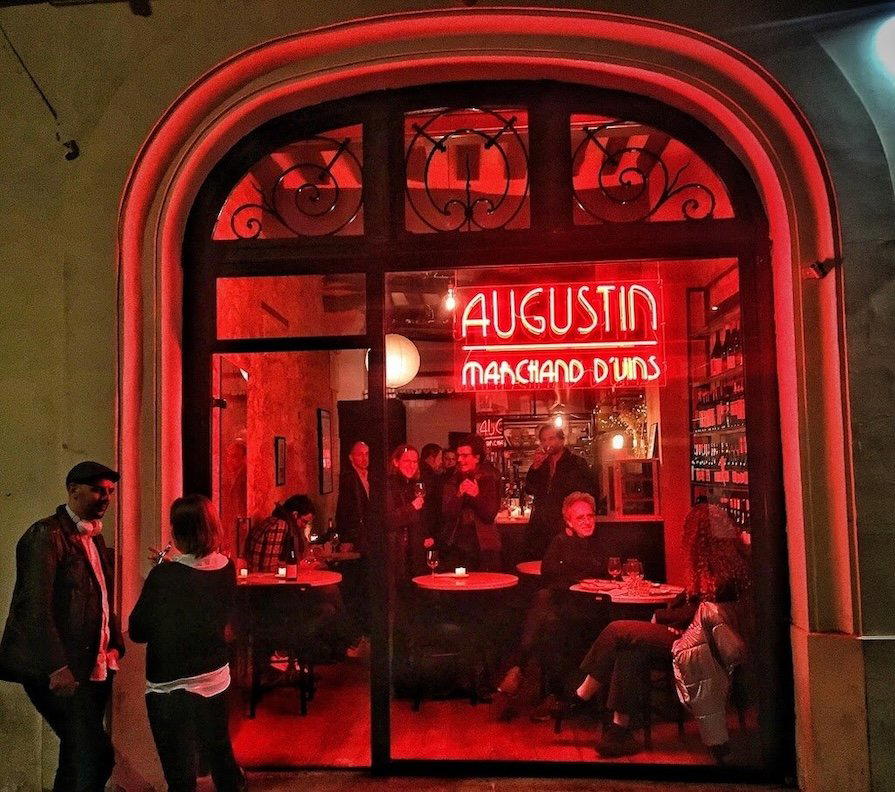
The Faubourg-Saint-Martin has a particular kind of energy: not the self-conscious cool of the Marais a few streets south, nor the tourist throughput of the Grands Boulevards, but a working arrondissement that happens to have accumulated some genuinely serious eating. Fugue, at number 128, fits that register precisely. Stone walls, weathered beams, and shelves dense with bottles give the room a texture that takes years to accumulate — the kind of bistro interior that reads as earned rather than designed. The counter runs sociably along one side, inviting the sort of solo dinner or early-evening glass that the neighbourhood actually needs.
Japanese Precision Inside a French Frame
Paris has absorbed Japanese culinary influence in several distinct registers. At the formal end, restaurants like Kei translate kaiseki discipline into €€€€ contemporary French territory, while the city's broader Franco-Japanese crossover tends to operate through technique: the application of Japanese knife work, fermentation logic, and temperature sensitivity to classical French product. Fugue works in that second register, and it does so at a price point accessible to regular rather than occasional visitors.
Chef Hitoshi Minatani's cooking is described as personal, precise, and grounded in French product read through a Japanese sensibility. What that produces in practice is a menu that moves between registers without announcing itself: duck gyoza sitting comfortably alongside pigeon bisque; skate wing paired with spring vegetables, anchoïade, and langoustine bisque; a citrus vacherin to close. These are French ingredients and French flavour logic, but the precision of assembly and the willingness to compress multiple ideas into a single plate reads as distinctly Japanese in approach. The anchoïade alongside the skate is a useful example: a Provençal condiment repurposed inside a northern French fish preparation, held together by a bisque that concentrates shellfish into something closer to a dashi than a classic French sauce.
This is the productive tension that defines the better end of the Franco-Japanese bistro format: not fusion as novelty, but two culinary traditions finding common ground in rigour. The same conversation plays out at different scale and budget in three-Michelin-star rooms like Alléno Paris au Pavillon Ledoyen and Arpège, where ingredient obsession and technical precision share DNA with Japanese craft values regardless of the chef's background. Fugue operates at a different tier but in a related mode.
The Wine Program as Editorial Statement
The wine side of Fugue is handled by Victor Baraton-Dorat, who pairs each dish with organic and biodynamic selections. This is a meaningful choice in context: Paris's biodynamic wine scene has moved well past trend status into something closer to a parallel infrastructure, with specialist importers, dedicated cave à manger operations, and a generation of sommeliers who treat natural wine not as a category but as a default orientation. Baraton-Dorat's approach aligns Fugue with that current rather than against it, and the pairing format suggests a room where the wine is intended to carry as much weight as the food.
Organic and biodynamic wine lists at the bistro level tend toward the Loire, Jura, and Beaujolais, with Alsace making appearances depending on the selector's references. Without confirmed specifics from the cellar, the structure of the list is the point: a per-dish pairing program requires a list built around food compatibility rather than prestige appellations, which generally produces more interesting drinking at the table than a conventional by-the-glass selection anchored to recognisable names.
Neighbourhood Context and the Lunch Question
The proximity to Gare de l'Est is a logistical asset that the venue's address makes plain. The station sits a short walk north, which makes Fugue a credible option both for Parisians connecting the 10th to a broader circuit and for visitors arriving or departing by Eurostar or TGV. The neighbourhood around the Faubourg-Saint-Martin has developed its own dining identity distinct from the Canal Saint-Martin corridor to the east, with a slightly more residential, less photographed character that suits a room like this.
The lunch menu is noted as affordable and serves as an introduction to Minatani's cooking. In Paris, the prix fixe lunch remains one of the better mechanisms for accessing serious cooking at reasonable cost: kitchens run leaner menus, but the underlying technique and sourcing are typically the same as in the evening. For a first visit, or for anyone working out whether the room is worth an evening commitment, the lunch service is the rational entry point. The full evening experience, with Baraton-Dorat's wine pairings in play, is where the format extends into something more considered.
This positions Fugue inside a broader Paris pattern of contemporary bistros where the cooking ambition considerably exceeds the price signal. Rooms like this operate in a different competitive set from the grand-format restaurants of the 8th and 16th, including Le Cinq and L'Ambroisie. They compete instead on value density: the ratio of kitchen seriousness to what you actually pay. French regional cooking at its most considered, whether at Bras in Laguiole, Auberge de l'Ill in Illhaeusern, or Flocons de Sel in Megève, tends to embed itself in specific landscapes and seasonal logics. Fugue imports some of that precision into Paris without the destination overhead.
Planning a Visit
Fugue is on the Faubourg-Saint-Martin in the 10th arrondissement, a short distance from Gare de l'Est. For context on where it sits within the broader Paris restaurant picture, the EP Club Paris restaurants guide maps the full range of options across arrondissements and price tiers. If you are building a longer stay around the dining, the Paris hotels guide covers the relevant accommodation range, and the Paris bars guide and Paris experiences guide extend the circuit. For wine-focused evenings, the Paris wineries guide is worth consulting alongside the room's own biodynamic list.
How Fugue Paris compares with similar nearby venues.
| Venue | Cuisine | Price | Awards |
|---|---|---|---|
| Fugue | Not listed | Not listed | Michelin Guide France & Monaco 2026, Plate, Fugue |
| Les Résistants - La Table | Modern Cuisine | €€ | Not listed |
Recognition history
Dated appearances from independent guides and award organizations, with the underlying list record or original source where available.
Michelin Plate
Michelin
Continue exploring
More in Paris
Restaurants in Paris
Browse all →
Bars in Paris
Browse all →
Hotels in Paris
Browse all →
At a Glance
- Intimate
- Elegant
- Modern
- Trendy
- Date Night
- Special Occasion
- Solo
- Open Kitchen
- Chefs Counter
- Extensive Wine List
- Natural Wine
- Sommelier Led
- Organic
- Biodynamic
- Local Sourcing
Current opening hours
- Monday
- Closed
- Tuesday
- 7:30–10 PM
- Wednesday
- 7:30–10 PM
- Thursday
- 12:15–2 PM, 7:30–10 PM
- Friday
- 12:15–2 PM, 7:30–10 PM
- Saturday
- 12:15–2 PM, 7:30–10 PM
- Sunday
- Closed
Hours can change for holidays and private events. Last verified .
Warm and welcoming with exposed stone walls, weathered beams, concrete floors, and a sociable counter facing the open kitchen; uncluttered and contemporary without being stuffy.
Know Before You Go
- Getting there
- 128 rue du Faubourg-Saint-Martin