
Located on Fuxing 1st Road in Kaohsiung's Sinsing District, 日臺料岩 sits within a city that has quietly developed one of Taiwan's more serious fine-dining circuits. The venue draws on the deep cultural layering that defines Taiwanese cuisine at its most considered, where Japanese colonial influence, southern Fujianese roots, and indigenous ingredients converge.
Pearl is the En Primeur Club membership app — saves, bookings, and concierge access live there. Same editors, same standards.
- Address
- No. 5號, Fuxing 1st Rd, Sinsing District, Kaohsiung City, Taiwan 800
- Phone
- +88672017806
- Website
- facebook.com
- Directions
- Get directions
 Saves & bookings on Pearl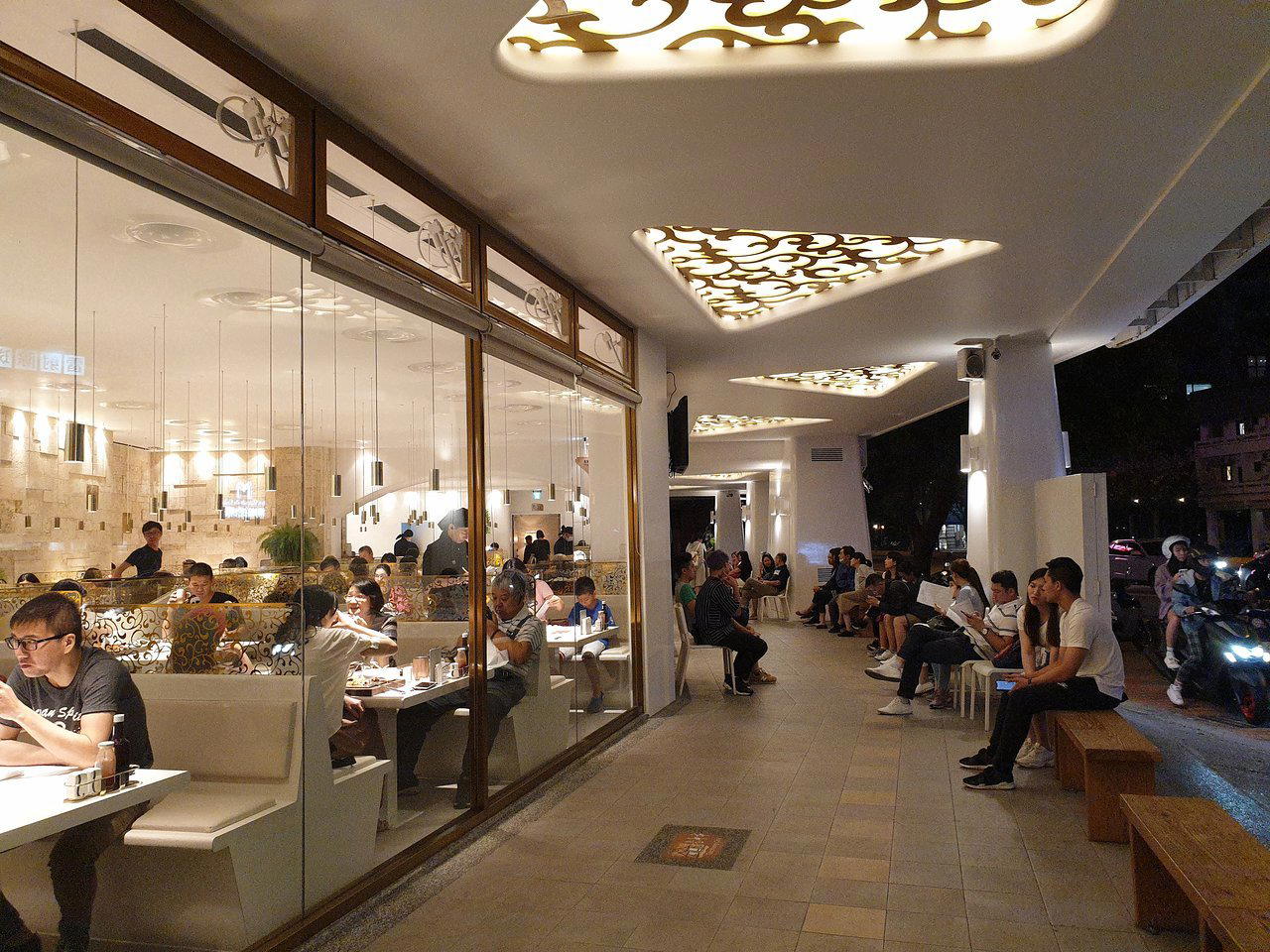
Where Kaohsiung's Dining Scene Places Its Weight
Taiwan's second city has spent the better part of a decade building a restaurant culture that operates in Taipei's shadow while running its own logic. Kaohsiung's fine-dining circuit is smaller and less internationally visible than the capital's, but that compression has produced restaurants that draw on the city's specific geography, its port history, its proximity to southern agricultural land, and its layered cultural identity, rather than simply mirroring northern trends. On Fuxing 1st Road in Sinsing District, 日臺料岩 is a restaurant serving Modern Japanese Omakase in Kaohsiung.
Sinsing District sits at the administrative and commercial core of Kaohsiung. The address on Fuxing 1st Road places the restaurant within reach of the city's main transit corridors, which makes it accessible without being located in a tourist-facing pocket. Restaurants in this part of the city tend to draw a mixed clientele of local professionals and visitors with some prior knowledge of where Kaohsiung eats seriously. That audience shapes the room's character: less performative than what you find in Taipei's showpiece tasting-menu spaces, more rooted in the assumption that the food is the reason you came.
The Cultural Layering That Defines Taiwanese Cuisine at This Level
Any serious restaurant in Taiwan operates inside a culinary tradition that resists easy categorisation. Taiwanese food at its most historically grounded reflects centuries of migration from Fujian and Guangdong, Japanese administrative and gastronomic influence that ran from 1895 to 1945, indigenous Austronesian food cultures concentrated especially in the south and east, and the post-1949 influx of mainland Chinese regional cooking. In southern Taiwan, that mix takes a specific form. The food leans sweeter than in the north, soy and sugar appear with greater frequency, seafood from the Taiwan Strait and the Pacific is fresher and more central, and indigenous ingredients from the mountainous interior show up with less ceremony than they might in the tasting menus of Taipei.
This is the tradition that Kaohsiung's more considered restaurants work within, or against, or in dialogue with. The city sits close enough to the agricultural south that ingredient provenance can be genuinely local rather than aspirationally so. Venues like A Fung's Harmony Cuisine have built long reputations on precisely this kind of southern Taiwanese rootedness. Others, like Haili, work in the modern cuisine register that has become the dominant idiom for ambitious Taiwanese restaurants since the mid-2010s. GEN operates at the upper price tier in Cantonese form, and Sho addresses the Japanese fine-dining appetite that remains strong across Taiwan's major cities. 日臺料岩 enters this circuit at a moment when the comparable set is already developed enough to give it competitive context.
Taiwan's Fine-Dining Arc, Seen from the South
The past decade has seen Taiwan's restaurant culture attract sustained international attention. Logy in Taipei and JL Studio in Taichung have both appeared in the Asia's 50 Best rankings, pulling attention toward the island's dining infrastructure as a whole. In Tainan, Amei represents the older model of a city's culinary identity expressed through sustained local practice rather than external recognition. Elsewhere in Taiwan, venues from Akame in Wutai Township to Shen Yen in Yilan have demonstrated that serious dining has dispersed well beyond Taipei. Kaohsiung fits into this wider pattern: a city whose restaurant culture is maturing at a point when the island's overall culinary reputation is already established enough to provide context and legitimacy.
That context matters for how visitors should read a Kaohsiung restaurant that carries a name with the characters 日臺, which points toward a Japan-Taiwan dialogue, a register that has deep historical and culinary logic in southern Taiwan. The Japanese influence on Taiwanese food is not purely historical; it runs through technique, through ingredient philosophy, through the prevalence of high-quality fresh fish preparation and the discipline applied to seasonal produce. Restaurants that work explicitly in this space are engaging with among the more substantive cultural conversations in Asian cuisine.
Planning a Visit
日臺料岩 is addressed at No. 5, Fuxing 1st Road, Sinsing District, Kaohsiung. The Sinsing District location puts it within the city's core, reachable by the Kaohsiung MRT, which connects the main stations across the urban area. For visitors arriving from Taipei, the high-speed rail drops at Zuoying Station in northern Kaohsiung, from which the MRT Red Line runs south through the city. Reservations are essential. As with most considered restaurants in Taiwan's cities, arriving with a reservation rather than attempting a walk-in is the more reliable approach, particularly at dinner.
For those building a broader itinerary around Kaohsiung's restaurant scene, Anchovy covers European contemporary form at the upper tier, while the range across the city's dining circuit is mapped in our full Kaohsiung restaurants guide. Further afield, the Taiwan dining circuit extends to venues like Bebu in Hsinchu County, Chi Yuan in New Taipei, Dongmen Rice Noodle Soup in Hsinchu City, Abura Yakiniku in Taichung City, and Volando Urai Spring Spa and Resort in Wulai District.
Price Lens
Comparable venues nearby, for context on price, style, and recognition.
| Venue | Cuisine | Price | Awards | Notes |
|---|---|---|---|---|
| æ¥èå²åThis venue — the venue you are viewing | Kaohsiung, Modern Japanese Omakase | $$$$ | Not listed | Not listed |
| ç½çæ¨ç¶å ¸å°è(夢æ代6F) | Modern Japanese | $$$ | Not listed | Not listed |
| Ukai-tei | Qianzhen, Japanese Teppanyaki | $$$$ | Michelin Plate | Not listed |
| è¯ä½³è±¬è ³ | Not listed | $$$ | Not listed | Cianjhen District, Avant-Garde Taiwanese Molecular Fine Dining |
| Capstone Steakhouse | Gushan, Premium Dry-Aged Steakhouse | $$$$ | Michelin Plate | Not listed |
| 好蟳屋澎湖海產專賣店 | Kaohsiung, Seafood Specialty | Not listed | Not listed | Not listed |
Recognition history
Dated appearances from independent guides and award organizations, with the underlying list record or original source where available.
Michelin Bib Gourmand
Michelin
Continue exploring
More in Kaohsiung
Restaurants in Kaohsiung
Browse all →
Bars in Kaohsiung
Browse all →
At a Glance
- Sophisticated
- Elegant
- Intimate
- Modern
- Special Occasion
- Date Night
- Chefs Counter
- Sake Program
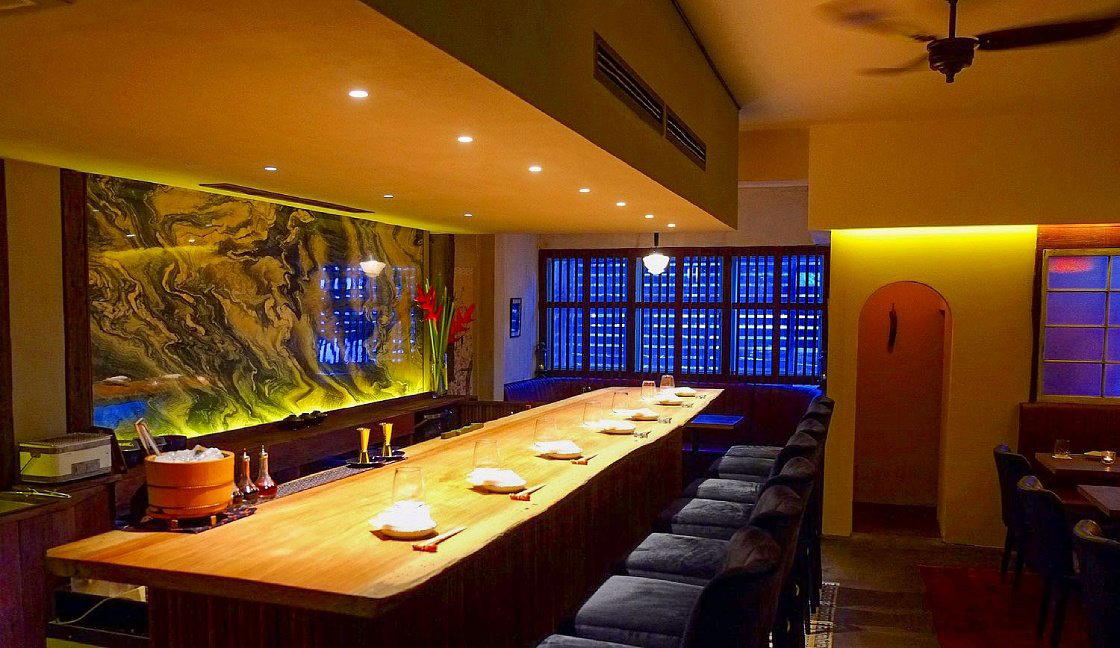
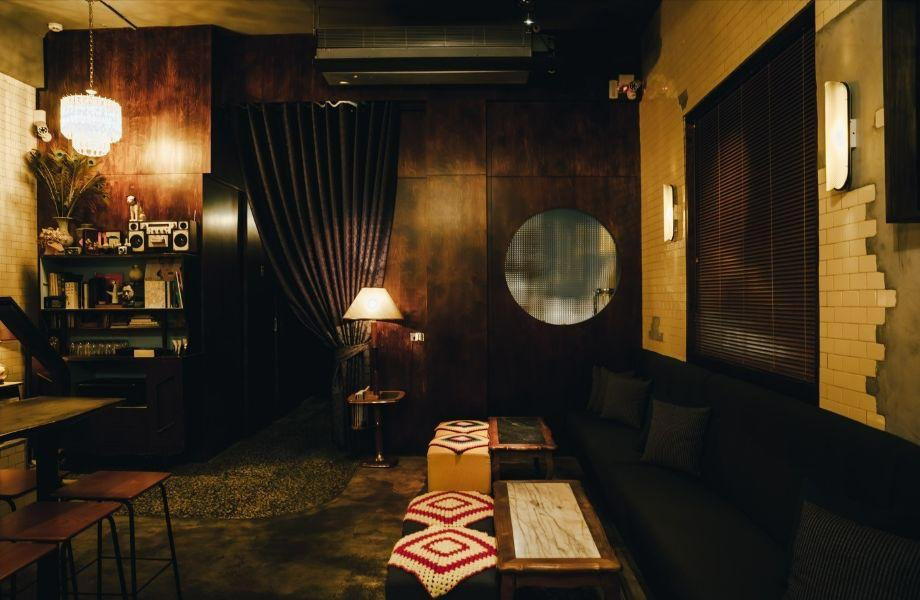
Intimate setting with Japanese-inspired design, focusing on seasonal ingredients and precise culinary techniques.