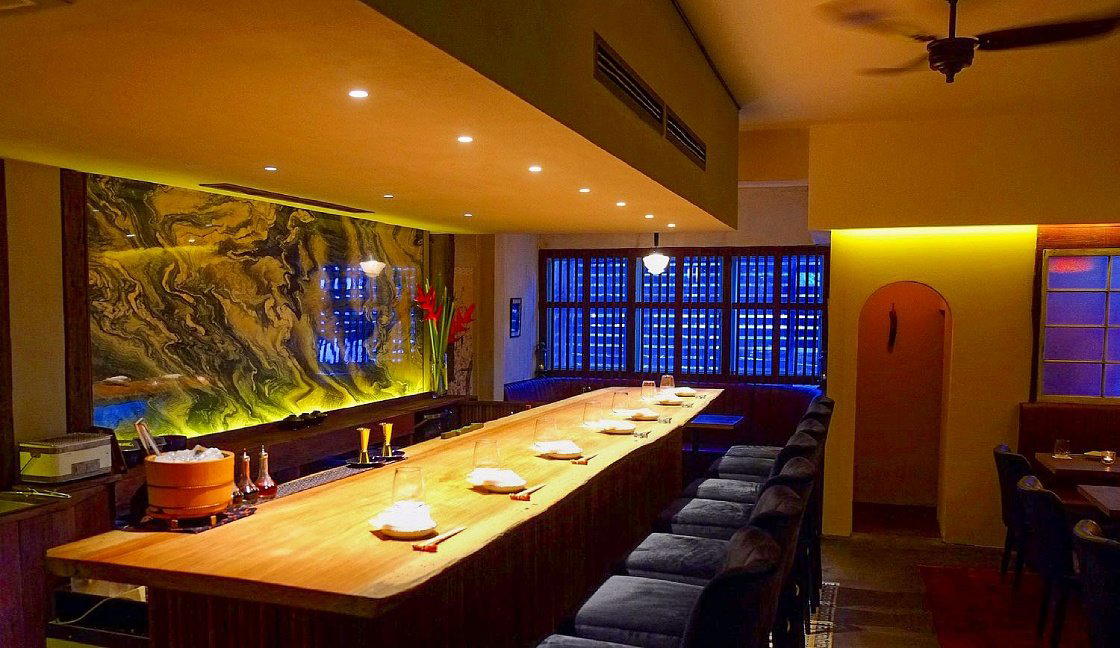
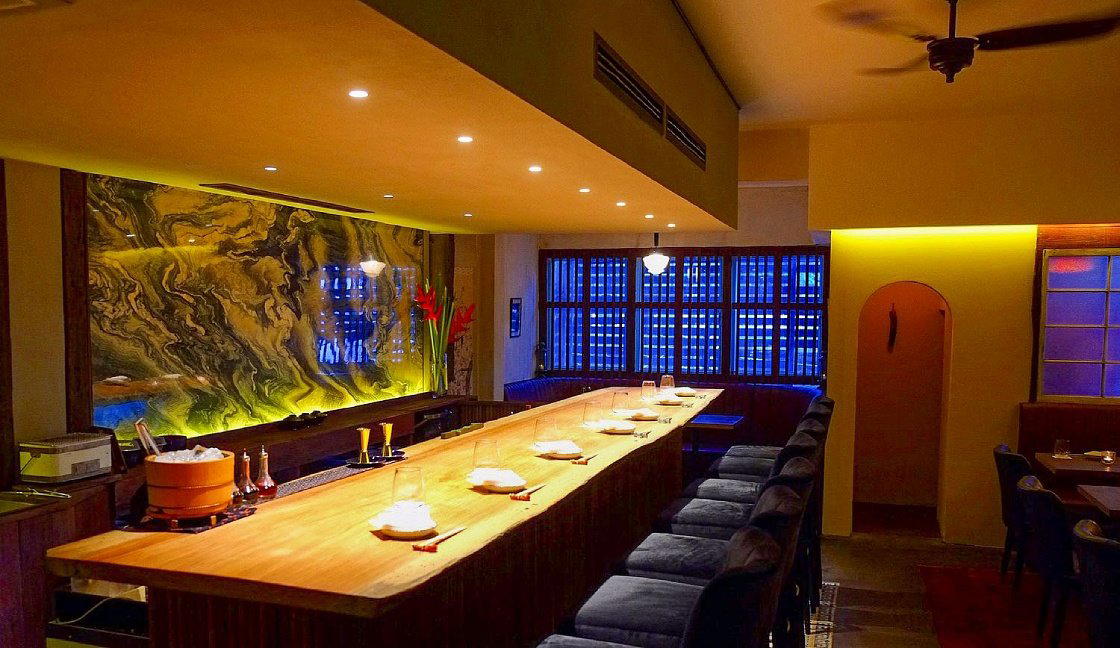
好蟳屋澎湖海產專賣店 serves Seafood Specialty on No. 696號, Jiangong Rd in Kaohsiung, with casual service, a casual dress code, and a quiet room that fits an unhurried seafood meal.
Pearl is the En Primeur Club membership app — saves, bookings, and concierge access live there. Same editors, same standards.
- Address
- No. 696號, Jiangong Rd, Wanzhong Village, Sanmin District, Kaohsiung City, Taiwan 807
- Phone
- +886 7 386 5699
- Website
- facebook.com
- Directions
- Get directions
 Saves & bookings on Pearl
Seafood at Street Level: Kaohsiung's Harbour Produce Tradition
Kaohsiung's relationship with the sea is structural, not incidental. The city sits at the mouth of Taiwan's busiest commercial port, and its street-food culture has always organised itself around what comes off the boats. Along Jiangong Road in Sanmin District, the rhythm of that tradition plays out in small storefronts and open-front stalls where the product, rather than the setting, does the talking. 好吃屋澎湖海產小賣局 operates inside this frame: a seafood specialty restaurant positioned in a working neighbourhood where the point of difference is sourcing proximity, not décor.
The Sanmin District address places this spot closer to the supply chain. Taiwan's seafood retail culture has historically concentrated around wet markets and neighbourhood specialists who draw from specific island chains, the Penghu (澎湖) archipelago, roughly 50 kilometres west of the main island, supplies some of the country's most valued shellfish and white-flesh fish, benefiting from the relatively clean, current-driven waters of the Taiwan Strait. A vendor name that references Penghu directly signals a sourcing identity rather than a generic seafood pitch.
The Penghu Supply Chain and Why It Matters
In Taiwan's premium seafood retail and casual dining sector, Penghu origin functions similarly to regional appellations in wine: it carries implied quality claims about water temperature, fishing method, and product handling. The archipelago's smaller-scale fishing operations, compared to the industrial trawling common in parts of Southeast Asia, produce fish and shellfish with firmer texture and cleaner flavour profiles. Sea urchin, clams, grouper, and various cephalopods from Penghu appear routinely on menus at significantly higher price points than generic imports.
Street-level vendors who anchor their identity to Penghu sourcing are making a claim that more casual seafood operators avoid, it invites comparison and requires consistent product. That positioning separates this type of operation from the broader category of generic seafood small goods stalls that populate Taiwan's urban neighbourhoods. For context, restaurants working with comparable Penghu and Taiwan Strait seafood at the fine-dining end of Kaohsiung's market, such as GEN (Cantonese) and Haili (Modern Cuisine), price those ingredients at the upper tier of the city's dining spectrum. A street-format operation that draws from the same sourcing geography offers a materially different access point to the same raw material.
Sanmin District: A Working Neighbourhood's Food Logic
Sanmin is not Kaohsiung's dining showcase district. It lacks the polished restaurant clusters of Xinyi or the tourist traffic of the Love River corridor. What it has is density, residential population, traditional markets, and the kind of regular-customer economy that keeps produce-focused operations honest. Seafood stalls in areas like this survive on repeat business from residents who know the difference between fresh and day-old shellfish, which applies a quality discipline.
The Jiangong Road address puts the venue within reach of the broader Sanmin commercial strip, which mixes traditional retailers with food vendors serving local workers and families. This is a neighbourhood where the competition is other neighbourhood specialists, not high-end restaurants, and where price accessibility matters alongside product quality. Kaohsiung's street seafood culture at this level tends to operate within a value tier that makes it broadly accessible.
For visitors building a full picture of Kaohsiung's food range, the contrast between street-level seafood vendors in districts like Sanmin and the formal restaurant tier represented by Sho (Japanese) or Anchovy (European Contemporary) is part of what makes the city's scene coherent. Each tier uses overlapping raw ingredients at different price points and formats. A Fung's Harmony Cuisine represents another node in the Taiwanese seafood tradition at a more formal register.
Taiwan's Broader Seafood Sourcing Scene
The sourcing logic at play in Kaohsiung's harbour-produce vendors has parallels across Taiwan's coastal cities, where island geography determines food culture as much as any culinary school influence. In Tainan, A Xia has built a reputation around similar coastal sourcing at a more formal dining level. At the fine-dining extreme, Taiwan's Michelin-tracked restaurants, including JL Studio in Taichung and logy in Taipei, use local seafood as a creative anchor within tasting formats. The street vendor and the tasting-menu kitchen draw from the same national geography; what changes is processing, format, and price tier.
Across Taiwan, small-format seafood retail and takeaway operations serve a function that full-service restaurants cannot: they provide ingredient-level access to high-quality local product without the overhead of table service. Operations trading on Penghu identity, whether in Kaohsiung, Hsinchu (see 廣壁館香飯店), or Taichung (see 東方龍夯夯辣辣台客), occupy a specific niche in Taiwan's food culture: the credible neighbourhood specialist. The same sourcing-led logic appears at other Taiwan street and casual venues such as Chenggong Douhua and Volcanic Rock in Zhubei City, each of which anchors identity to a specific ingredient or regional origin.
Planning a Visit
好吃屋澎湖海產小賣局 is located at No. 696, Jiangong Road, Sanmin District, Kaohsiung. The Sanmin District is accessible by the Kaohsiung MRT, the closest lines connect to the broader city network, and the area is navigable by taxi or scooter from most central Kaohsiung neighbourhoods. Current hours, phone contact, and booking details are not included here. As with most street-format seafood vendors in Taiwan, expect a self-service or counter-order format rather than table service.
Comparable sourcing-focused casual venues across northern Taiwan worth cross-referencing include 益豐亭魯滷豬飯 in Sanchong District, GARDENh in Yonghe District, and 御廚粿飯 in Hengshan.
A Quick Peer Check
Comparable venues nearby, for context on price, style, and recognition.
| Venue | Cuisine | Price | Awards | Notes |
|---|---|---|---|---|
| 好蟳屋澎湖海產專賣店This venue — the venue you are viewing | Seafood Specialty | Not listed | Not listed | Not listed |
| 台南旺海鮮料理餐廳 | Seafood Hot Pot | Not listed | Not listed | Kaohsiung |
| è²³å¥é£å | Taiwanese Street Food | $$ | Not listed | Cianjhen District |
| Crab's House | Taiwanese Seafood with Penghu Crabs | $$$ | Michelin Plate | Xinxing District |
| 永筵小館 | other | $$ | Not listed | Kaohsiung |
| Niu Lao Da | Taiwanese Beef Hotpot | $$ | Not listed | Qianjin District |
Continue exploring