Zambezi Queen

A 42-metre luxury houseboat navigating 25 kilometres of Botswana's Chobe River, Zambezi Queen operates at the intersection of remote wilderness access and considered interior design. Fourteen suites, ten standard, four master, combine private balconies with unobstructed elephant-country sightlines across one of Africa's most densely populated wildlife corridors. It is the format that defines the experience: slow, deliberate river movement as the itinerary itself.
Pearl is the En Primeur Club membership app — saves, bookings, and concierge access live there. Same editors, same standards.
- Address
- Chobe River, Botswana/Namibia
- Website
- zqcollection.com
- Directions
- Get directions
 Saves & bookings on Pearl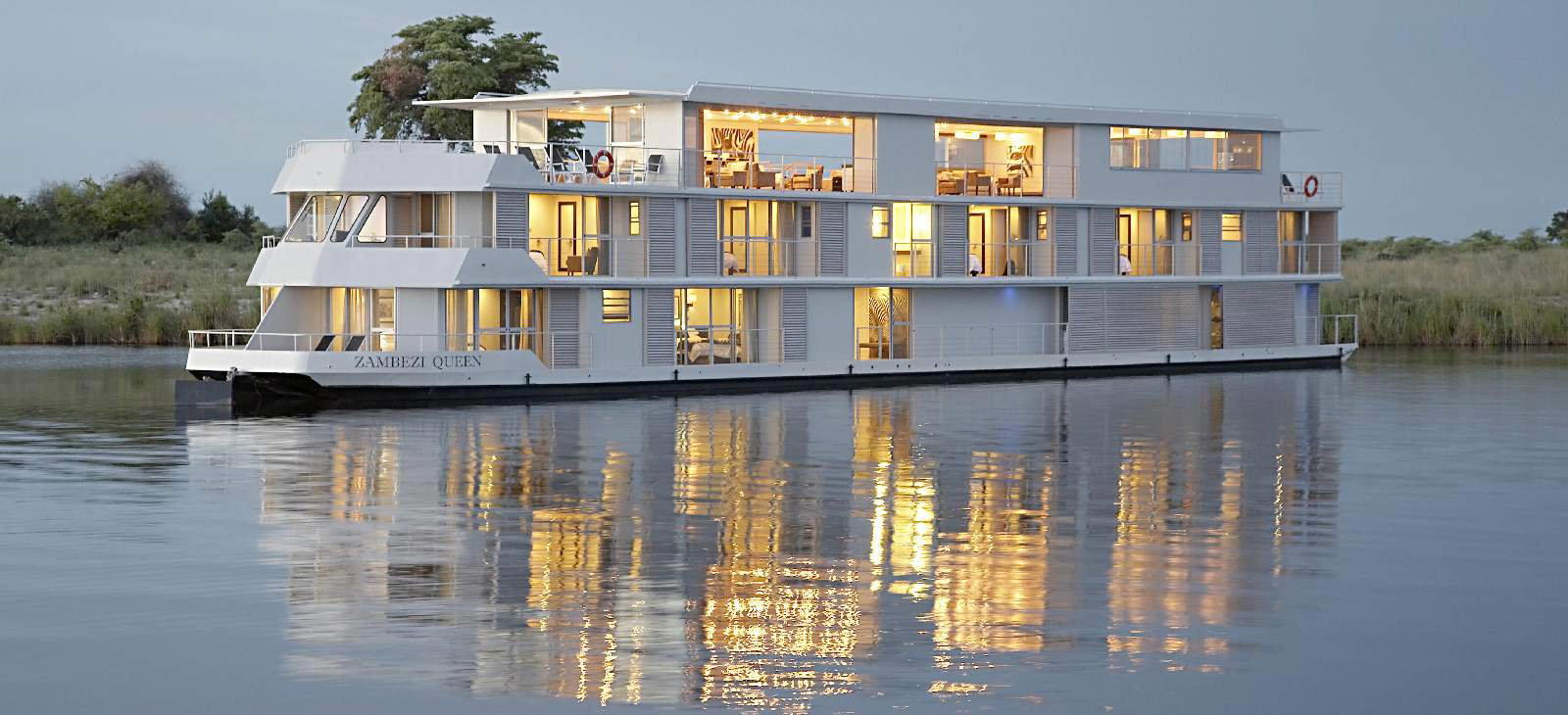
A Different Kind of Safari Architecture
The dominant model in southern African luxury safari is fixed: a lodge anchored to a single location, its sightlines determined by where it was built. The houseboat format inverts that logic. Zambezi Queen, a 42-metre vessel operating along the Chobe River on the Botswana-Namibia border, moves with the wildlife rather than waiting for it to arrive. That structural decision, mobility as design principle, shapes everything about how the property feels and functions. See our full Chobe River restaurants guide for broader context on the region's hospitality options.
The Chobe corridor is one of the more consequential stretches of river in sub-Saharan Africa for game density. The national park that runs along its southern bank supports an elephant population estimated at approximately 120,000, among the highest concentrations on the continent. Buffalo, leopard, lion, multiple antelope species, and a birdlife inventory that makes the area a serious destination for ornithologists all occupy the same territory. Zambezi Queen navigates roughly 25 kilometres of this stretch, repositioning to follow animal movement rather than operating from a fixed camp site. For comparison, land-based alternatives in the region, including andBeyond Chobe Under Canvas, offer their own proximity to the same ecosystem but through a static footprint.
The Vessel as Interior Design Object
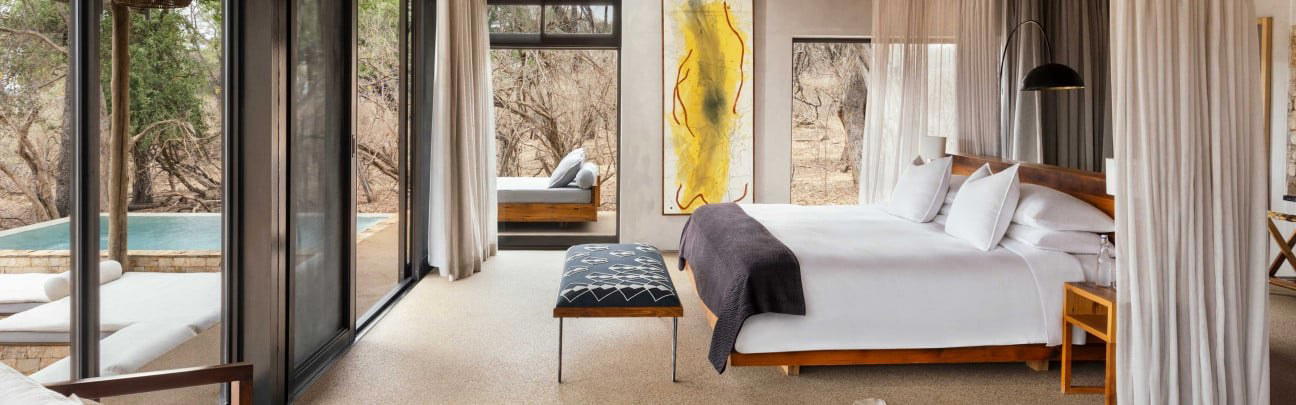
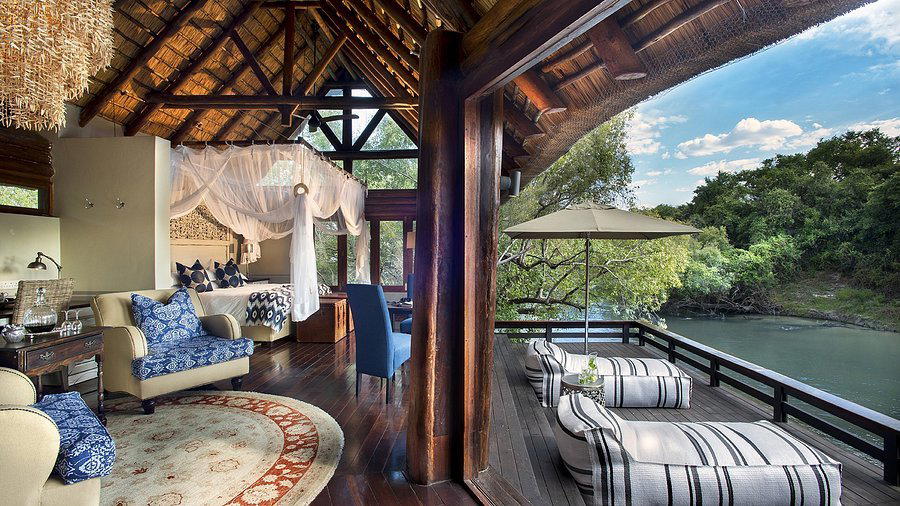
Where the Chobe houseboat category earns its five-star designation, it is usually through the tension between the rawness of the environment and the deliberateness of the interior. Zambezi Queen leans into that tension. The 14 suites are configured across two types: ten standard suites and four master suites, each with en-suite bathrooms (shower configuration), full-length sliding shutters that manage both solar exposure and privacy, and private balconies with direct river sightlines. The distinction between suite categories is spatial rather than categorical: master suites offer larger balconies with two deckchairs and a table, plus both side and front sliding doors for a wider visual field. Standard suites accommodate two adults; two of the larger standard options can take a third adult. All suite configurations allow for either one double or two single beds.
The design language on vessels of this tier tends to favour warm-toned natural materials, framed river views, and spatial arrangements that orient guests outward rather than inward. That orientation is the point. A room that keeps pulling your eye toward the water and the bank beyond it is doing its primary job. The private balcony on each suite functions less as amenity and more as the suite's essential room: the place where a fish eagle makes a low pass at dawn, or where an elephant wades into the shallows at the edge of your visual frame in the early morning. Amenities including hairdryers, toiletries, robes, slippers, and in-room electronic safes are provided, covering the standard comfort tier expected at this price bracket.
That interior discipline, where comfort is comprehensive but not distracting from the surrounding environment, positions the hotel in the same design conversation as land-based properties that use architecture to frame wilderness rather than compete with it. Properties like Xigera Safari Lodge in Moremi Game Reserve or andBeyond Sandibe Okavango Safari Lodge pursue comparable design philosophies in their respective ecosystems. The houseboat format adds a variable those properties cannot offer: the view changes as you move.
The River as Programme
Movement along the Chobe is not incidental, it is the itinerary. The vessel's 25-kilometre operating range means the morning view from a balcony is rarely identical to the evening one. Game viewing from a river perspective provides sightlines that land-based vehicles cannot: animals approach the bank to drink without the interference of vehicle noise or dust, and the waterline brings eye-level proximity to species that would otherwise require distance. The Chobe's birdlife, visible from the water in particular, draws repeat guests specifically for that access.
For guests considering how the hotel experience fits into a broader southern Africa itinerary, the Chobe region connects logically with Botswana's other high-concentration wildlife circuits. Properties like Wilderness DumaTau in Linyanti, Jack's Camp in the Makgadikgadi Salt Pans, and Belmond Safaris in Maun each represent distinct ecosystem experiences that pair well with a Chobe river segment. The diversity of Botswana's safari circuits, from floodplain to salt pan to mopane woodland, rewards multi-property itinerary planning rather than single-location stays.
Planning a Stay
The hotel operates in a remote corridor; access typically routes through Kasane, the nearest town with an airstrip and infrastructure links, though guests should confirm current logistics directly with the property or their booking agent. The vessel accommodates 14 suites, which sets a firm upper limit on guest numbers and contributes to the low-impact, high-access model the format promises. The Chobe's peak game-viewing windows align with the dry season, roughly May through October, when animals concentrate near water sources and vegetation thins enough to improve sightlines from the river. The wet season, November through April, brings different rewards: calving season, dramatic skies, and birdlife at its most active, though river conditions and vegetation density shift the viewing dynamic considerably.
For guests whose itineraries extend beyond Africa entirely, the operational contrast between the hotel's format and fixed urban luxury is worth noting. The guest who moves comfortably between properties like Aman New York, Cheval Blanc Paris, or Hotel du Cap-Eden-Roc will find the five-star comfort tier familiar; the delivery mechanism, a moving vessel on a remote river, with elephants as the morning alarm, is harder to replicate in any other format. The same applies across the broader comparable set of properties at this tier: La Réserve Paris, Le Bristol Paris, Badrutt's Palace Hotel, Bvlgari Hotel Tokyo, Hotel The Mitsui Kyoto, Aman Venice, Amangiri, Castello di Reschio, Hotel Plaza Athénée, Hôtel de Paris Monte-Carlo, Hotel Bel-Air, Hotel Sacher Wien, Hotel Esencia, Mandarin Oriental Bangkok, and The Fifth Avenue Hotel each offer their own version of considered luxury; none offer movement through elephant country as the core spatial experience.
How It Stacks Up
Comparable venues nearby, for context on price, style, and recognition.
| Venue | Cuisine | Price | Awards | Notes |
|---|---|---|---|---|
| Zambezi QueenThis venue — the venue you are viewing | Luxury floating boutique hotel with contemporary design by South African designer Jenni Button, blending modern sophistication with African wilderness aesthetics. | $$$$ | 5-Star | Not listed |
| Wilderness DumaTau | luxury explorer tented safari camp | $$$$ | 5-Star | Linyanti Wildlife Reserve |
| Wilderness King's Pool Camp | Luxurious tented safari camp with raised decks for wildlife viewing | $$$$ | 5-Star | Linyanti |
| Tawana | Contemporary luxury safari camp rooted in local Batawana heritage and conservation. | $$$$ | 5-Star | Moremi Game Reserve |
| andBeyond Chobe Under Canvas | mobile luxury tented camp blending rustic camping with five-star service | $$$$ | 5-Star | Chobe National Park |
| andBeyond Sandibe Okavango Safari Lodge | Organic luxury eco-lodge with distinctive architectural design inspired by natural forms, seamlessly integrated into the forest canopy environment. | $$$$ | 5-Star | Okavango Delta |
Recognition history
Dated appearances from independent guides and award organizations, with the underlying list record or original source where available.
Virtuoso Luxury Hotel Partner
Virtuoso
Continue exploring
More in Chobe River
Hotels in Chobe River
Browse all →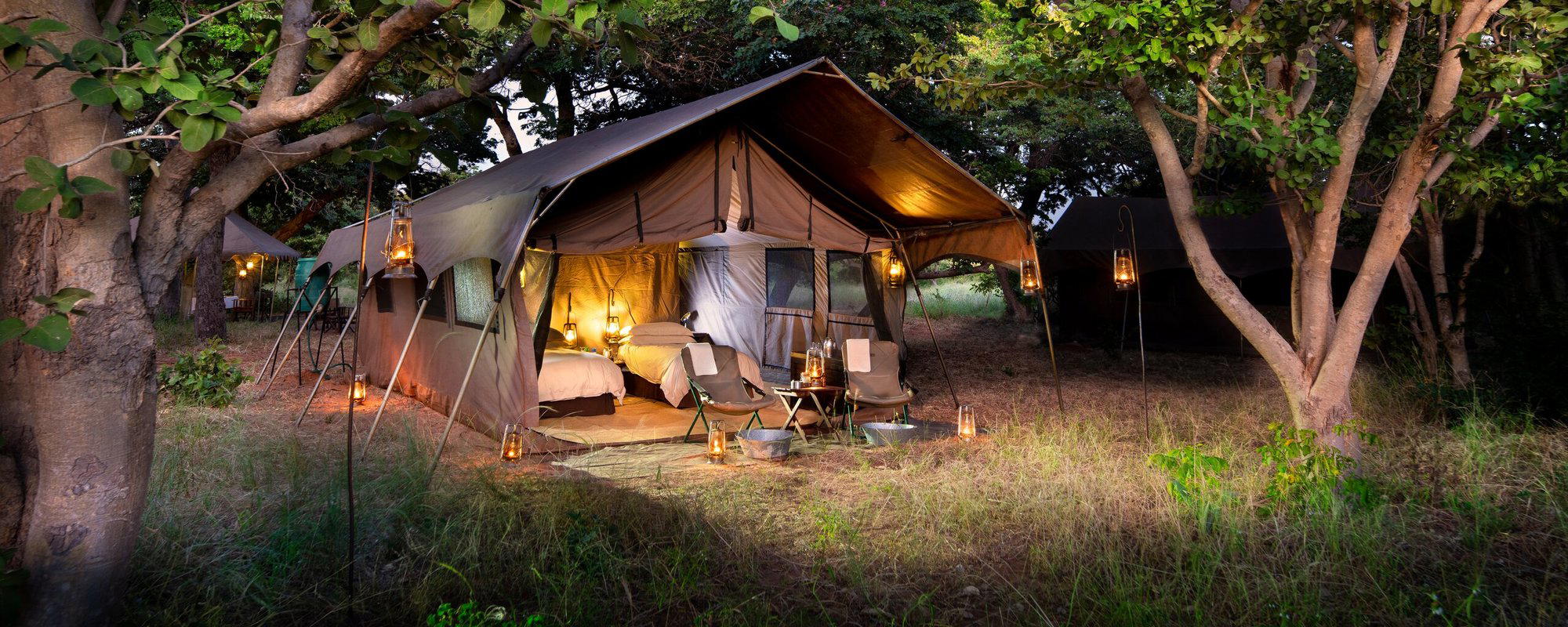
At a Glance
- Scenic
- Elegant
- Sophisticated
- Romantic
- Romantic Getaway
- Honeymoon
- Destination Wedding
- Anniversary
- Waterfront
- Panoramic View
- Private Dining
- Destination Spa
- Butler Service
- Spa
- Pool
- Wi Fi
- Bar
- Restaurant
- Room Service
- Concierge
- Waterfront
- Spa
- Pool
- Wi Fi
- Bar
- Restaurant
- Room Service
- Concierge
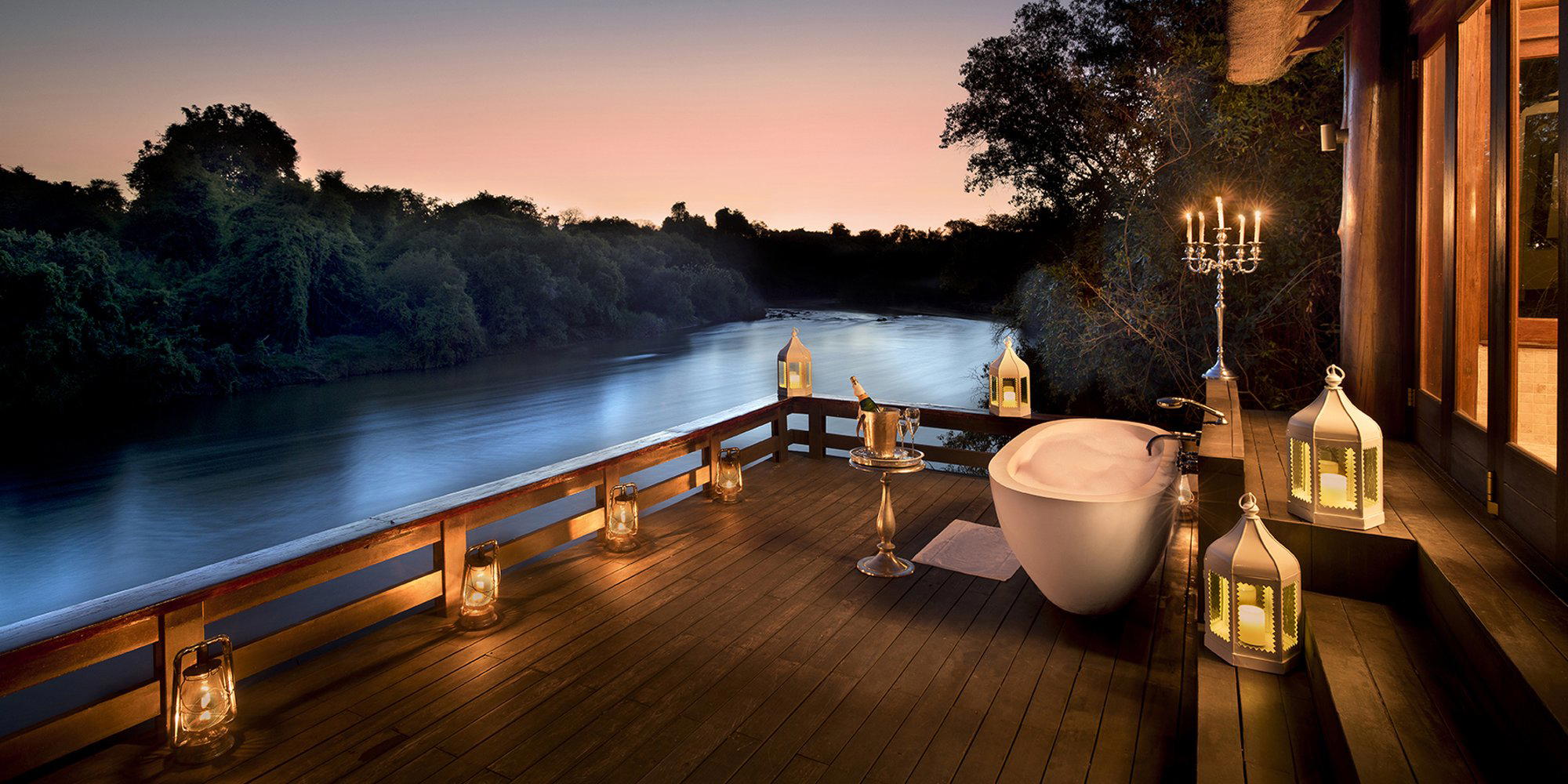
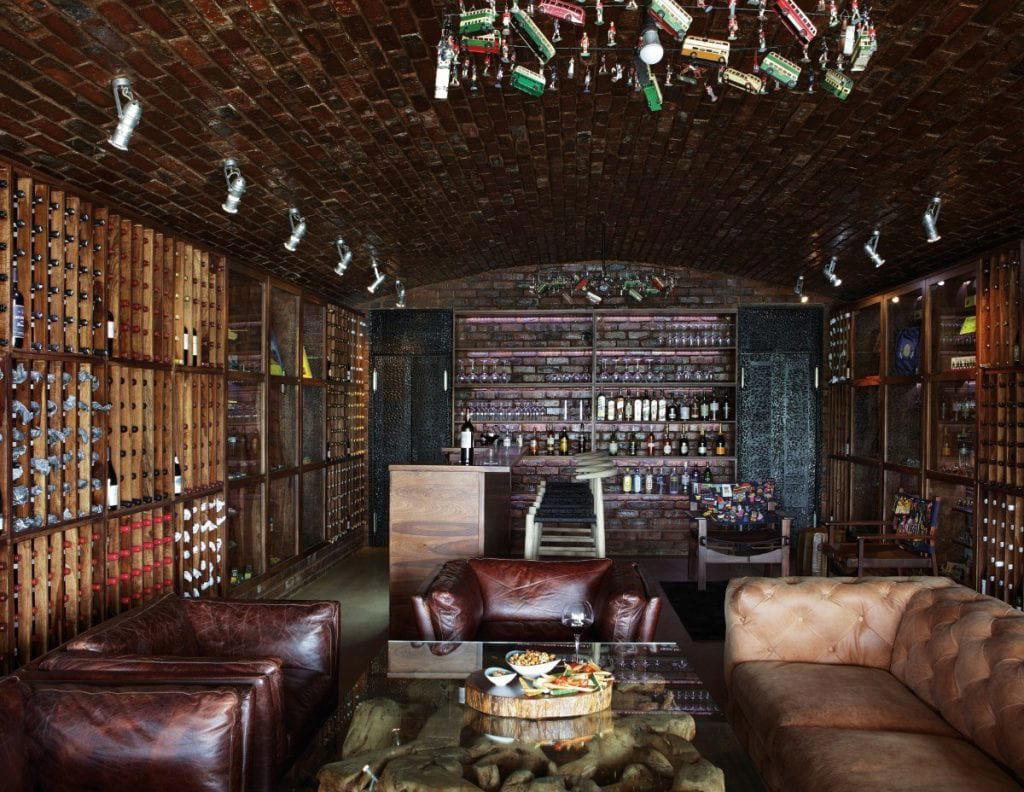
Elegant and tranquil with floor-to-ceiling glass doors opening onto river views, warm lighting in the dining room and lounge, and serene outdoor deck spaces overlooking the African wilderness.