Sitatunga Private Island

Relais Chateaux Award
A private-island camp in the heart of the Okavango Delta, Sitatunga Private Island trades scale for intimacy, with ecodesigned accommodation, direct river access, and an emphasis on low-impact wildlife encounters. Access is by light aircraft into Maun International Airport, placing it firmly within the Delta's specialist, low-volume safari tier.

Pearl is the En Primeur Club membership app, where members save venues, book tables and use the concierge.
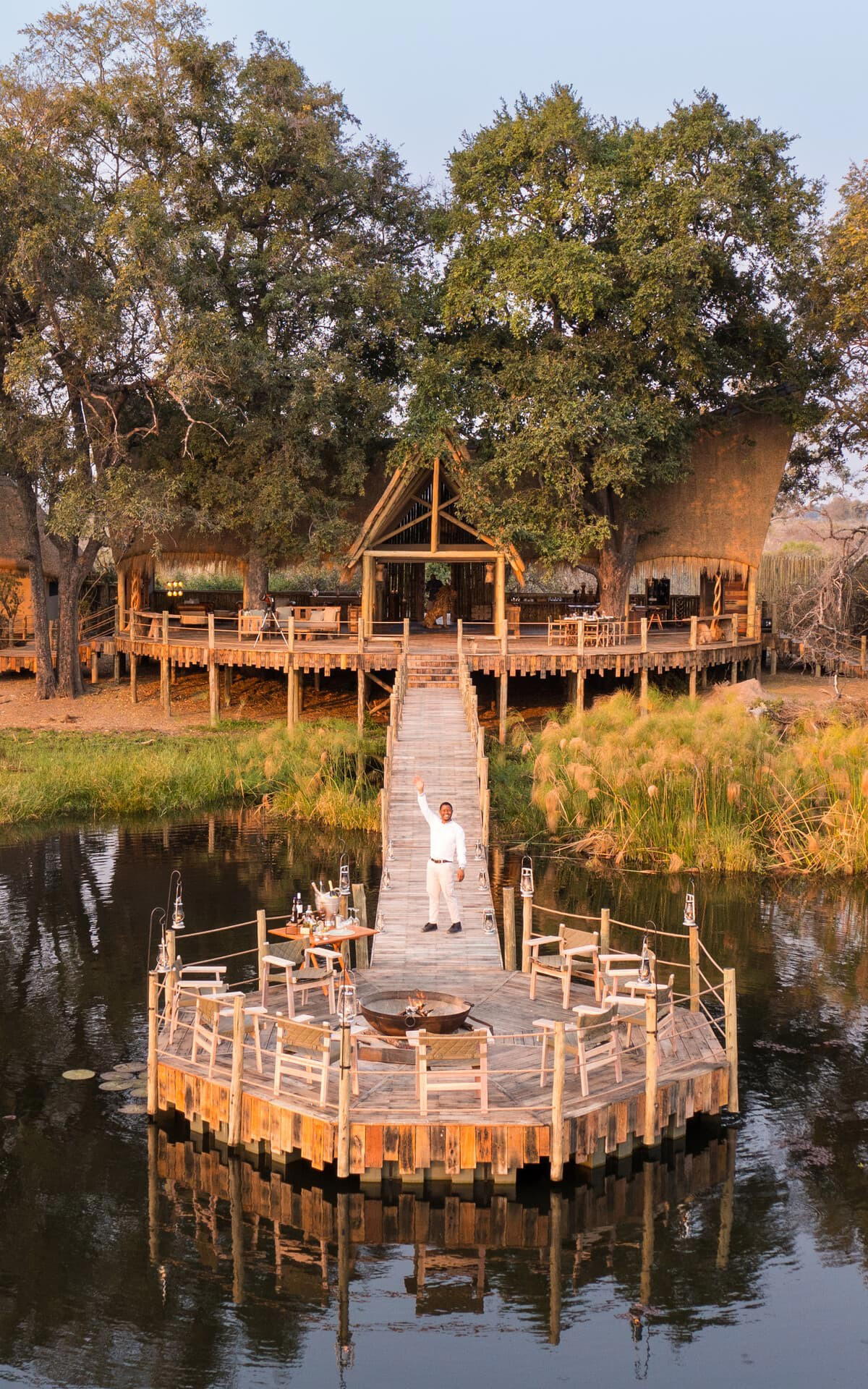
Where the Okavango Demands a Different Kind of Attention
The Okavango Delta does not behave like other wildlife destinations. It is a river that flows inland, spreading across the Kalahari Basin into a shifting inland sea of channels, islands, and floodplains that changes shape with each season. For travellers accustomed to East Africa's open savannah circuits, the Delta requires a recalibration: distances are measured in mokoro strokes and boat minutes, not kilometres by road; the wildlife encounter is quieter, slower, more intimate. It is in this context that small private-island camps carry the most editorial weight. Sitatunga Private Island sits within this category, offering a low-footprint base inside the Delta's interior, accessible only by light aircraft or water.
The Island Experience: What the Room Means Here
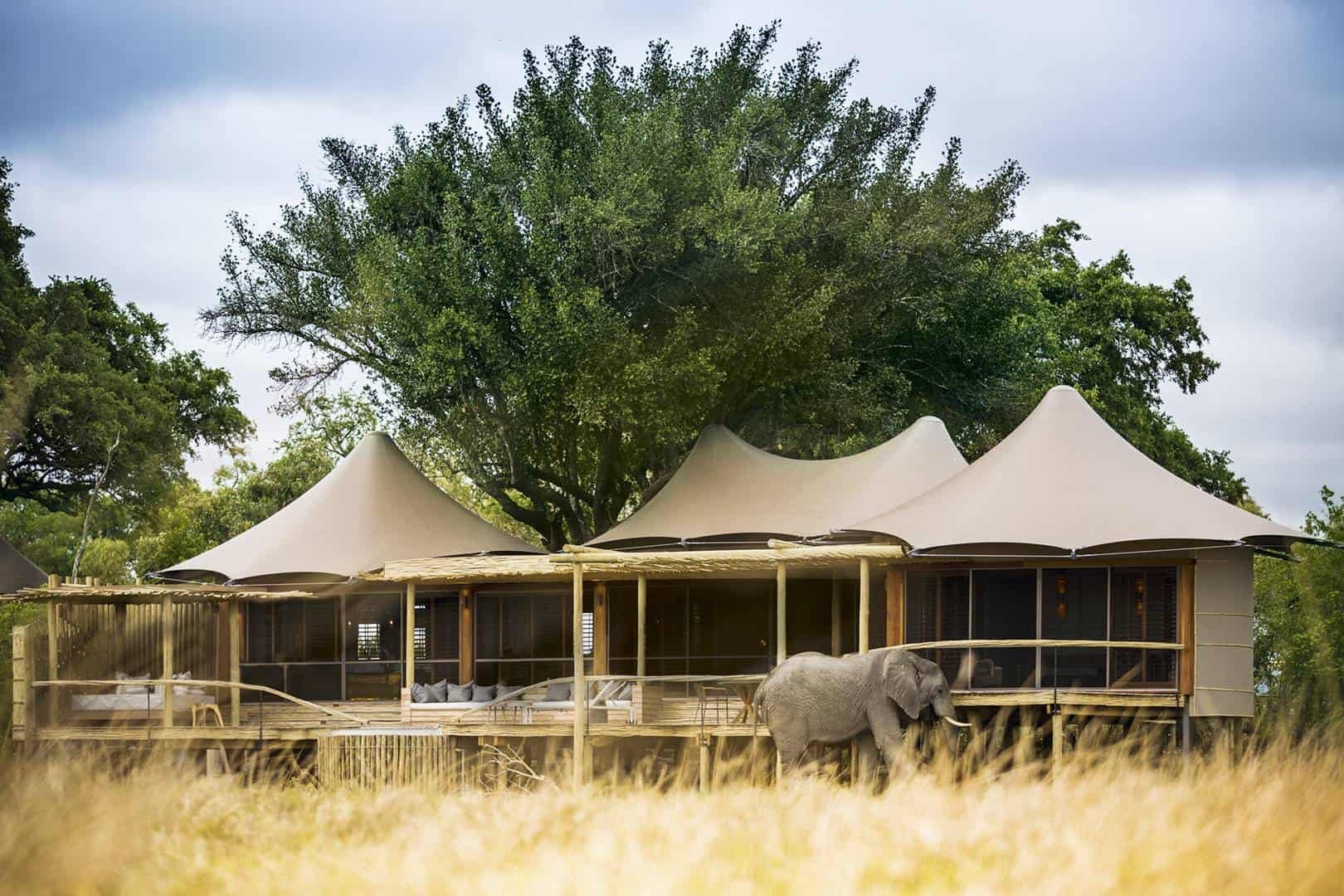
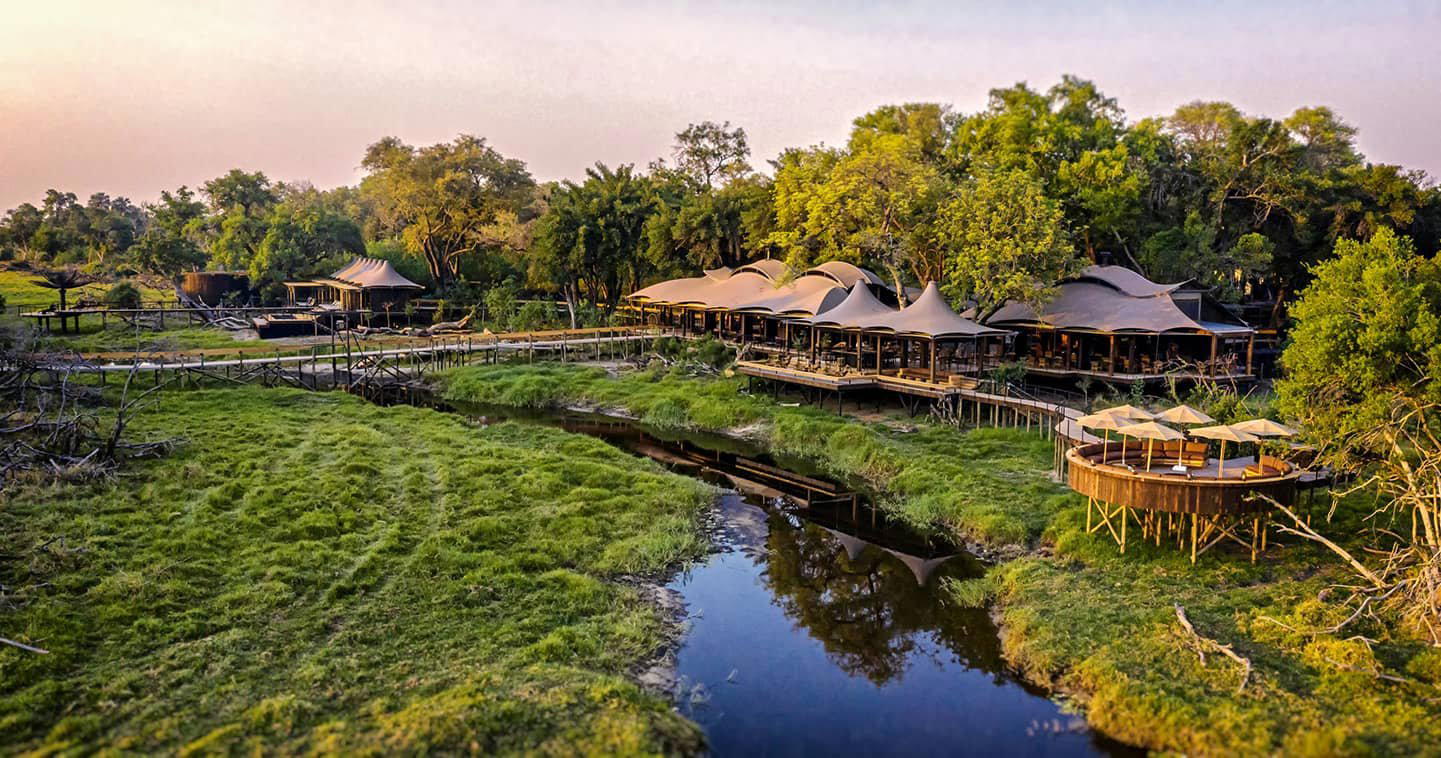
In most destinations, the room is a place you return to after the day's activity. On a private island in the Okavango, the room is part of the activity itself. The boundary between accommodation and environment dissolves in a way that purpose-built urban hotels cannot replicate. At Sitatunga Private Island, the ecodesigned camp format means structures are built to minimise site disruption, which in practical terms results in accommodation that reads and feels more like a considered extension of the island than an imposition on it.
The Delta's private-island category prizes this quality. Camps at this scale, where the intimate setting is a core design value, typically keep unit counts low enough that guests share the island with more wildlife than fellow travellers. The overnight experience becomes layered: the sounds of the papyrus at dusk, the proximity of the waterways, the awareness that the camp's footprint exists inside an active wildlife system rather than adjacent to one. That sensory relationship with place is what separates a private-island camp from a tented lodge positioned near water.
Buffalo watching is one of the documented highlights at Sitatunga, and the presence of Cape buffalo in the Delta is a different proposition to the same species on open savannah. In the channels and islands, herds move through reed beds and shallow water, and encounters happen at distances that a vehicle-based safari rarely achieves. The camp's island positioning makes these encounters part of the fabric of a stay rather than a scheduled excursion.
River Safaris and the Logic of Water-Based Movement
Okavango river safaris define the Delta's most distinctive wildlife format. The mokoro, a traditional dugout canoe, moves silently through shallow channels and allows access to areas that motorised boats cannot reach and vehicles certainly cannot. For guests at a private-island camp, river movement is the primary means of both wildlife encounter and spatial exploration. The camp's noted emphasis on Okavango river safaris places it within a tradition that has defined the Delta's premium safari experience for decades.
Across the broader Delta, the camps that have sustained the strongest reputations, including Little Mombo Camp, Duba Plains Camp, and the larger Duba Concession, share a commitment to positioning guests inside the ecosystem rather than at its edge. Sitatunga's private-island format operates on the same principle, using geography, specifically the island itself, as the primary editorial argument for the experience.
For a broader view of how the Delta's camps compare by format, location, and access, our full Okavango Delta guide maps the category in detail, including water-based camps, concession lodges, and fly-in operators.
Access, Arrival, and the Logic of Maun
Reaching the Okavango Delta always involves Maun. Maun International Airport (GPS: -18.9264, 22.5321) serves as the main gateway into the Delta's network of light-aircraft strips, and almost every private camp in the interior operates via charter from Maun. The transfer from the airport to an island camp involves a short flight followed, in most cases, by a boat transfer. That two-stage arrival is not inconvenience; it is part of the experience's architecture, reinforcing the sense of distance from road-accessible Botswana.
For travellers combining the Okavango with Botswana's other major destinations, the northern circuit links Maun to Chobe and the Linyanti systems. andBeyond Chobe Under Canvas and Wilderness DumaTau in Linyanti both sit within a logical multi-camp itinerary that begins or ends in Maun. Belmond Safaris in Maun also operates from this hub.
Those extending into other parts of southern Africa often add the Makgadikgadi Salt Pans as a contrast destination. Jack's Camp represents the salt-pan tier and offers a radically different landscape experience to the Delta's waterways, which can make for a structurally compelling itinerary when sequenced correctly.
Ecodesign and the Intimacy Argument
The ecodesigned camp category in the Okavango has matured considerably over the past decade. What began as a set of environmental constraints has evolved into a design philosophy with its own aesthetic logic: low-profile structures, locally sourced materials where possible, minimal electrical infrastructure supplemented by solar, and a deliberate decision to keep unit counts small. The result is not austerity. The intimacy of a small camp translates into staff-to-guest ratios that larger properties cannot match, and into a quality of attention that scales inversely with footprint.
Sitatunga's noted intimate setting aligns it with this tier of camp design. The Delta hosts properties across a wide spectrum on this axis, from mid-scale tented camps with higher unit counts to the fully private formats. Among the camps with strong design credentials, andBeyond Xaranna Okavango Delta Camp and andBeyond Sandibe Okavango Safari Lodge represent the operator-branded end of the intimate-camp category, while andBeyond Nxabega Okavango Tented Camp offers a slightly larger footprint with comparable access. Xigera Safari Lodge in Moremi Game Reserve takes the design argument furthest in the region, with an art-forward interior programme. Moremi Game Reserve itself anchors the southeastern part of the Delta with significant wildlife density.
Planning a Stay: What to Know Before You Arrive
The Okavango Delta operates on a clear seasonal logic. The dry season, running roughly from May through October, concentrates wildlife around the remaining water sources and represents the conventional peak for game viewing. The annual flood, which typically peaks between June and August, pushes water northward through the Delta and transforms the channel system, making certain areas accessible only by boat or mokoro. Visiting during the flood peak produces a different experience from the dry-season norm: more water, greener surrounds, and a distinctive quality of light in the afternoons.
Sitatunga Private Island's river-safari focus makes it particularly relevant during the flood period, when water-based movement is at its most atmospheric.
Booking for the Delta's private camps typically requires advance planning, particularly for the May-to-October window. Direct enquiry through the camp or a specialist Botswana operator is the standard approach; walk-in access to a private island in the Delta's interior is not logistically viable given the charter-flight access requirement from Maun.
For travellers comparing the Okavango to other remote luxury destinations internationally, the isolation-as-amenity model has close parallels in properties like Amangiri in Canyon Point or Castello di Reschio in Lisciano Niccone, where geography itself is the primary selling point and the room experience is inseparable from the environment surrounding it.
Comparable Spots, Quickly
Comparable venues nearby, for context on price, style, and recognition.
| Venue | Cuisine | Price | Awards | Notes |
|---|---|---|---|---|
| Sitatunga Private IslandThis venue (the venue you are viewing) | Eco-friendly luxury safari camp with understated elegance | $2,500+ | Relais Chateaux Award | Not listed |
| Little Mombo Camp | Luxury safari camp blending modern comfort with authentic African wilderness experience under giant indigenous trees. | Not listed | La Liste Top Hotels | Moremi Game Reserve, Chief's Island |
| andBeyond Sandibe Okavango Safari Lodge | Organic luxury eco-lodge with distinctive architectural design inspired by natural forms, seamlessly integrated into the forest canopy environment. | Not listed | World Travel Awards · Preferred Hotels Member | Okavango Delta |
| Xugana Island Lodge | luxury tented eco-lodge with classic safari elements and modern comforts | Not listed | Travel + Leisure It List Hotels | Okavango Delta |
| Moremi Game Reserve | Classic safari tents in a lush green oasis amid abundant wildlife. | $1,500–2,500 | La Liste Top Hotels | Moremi Game Reserve |
| Duba Concession | Classic 1920s expedition-style luxury tented camp on raised decks | Not listed | Relais Chateaux Award · World Travel Awards | Duba Concession |
Recognition history
Dated appearances from independent guides and award organizations, with the underlying list record or original source where available.
Relais Chateaux Award
Relais Chateaux
Continue exploring
More in Okavango Delta
Hotels in Okavango Delta
All hotels in Okavango Delta →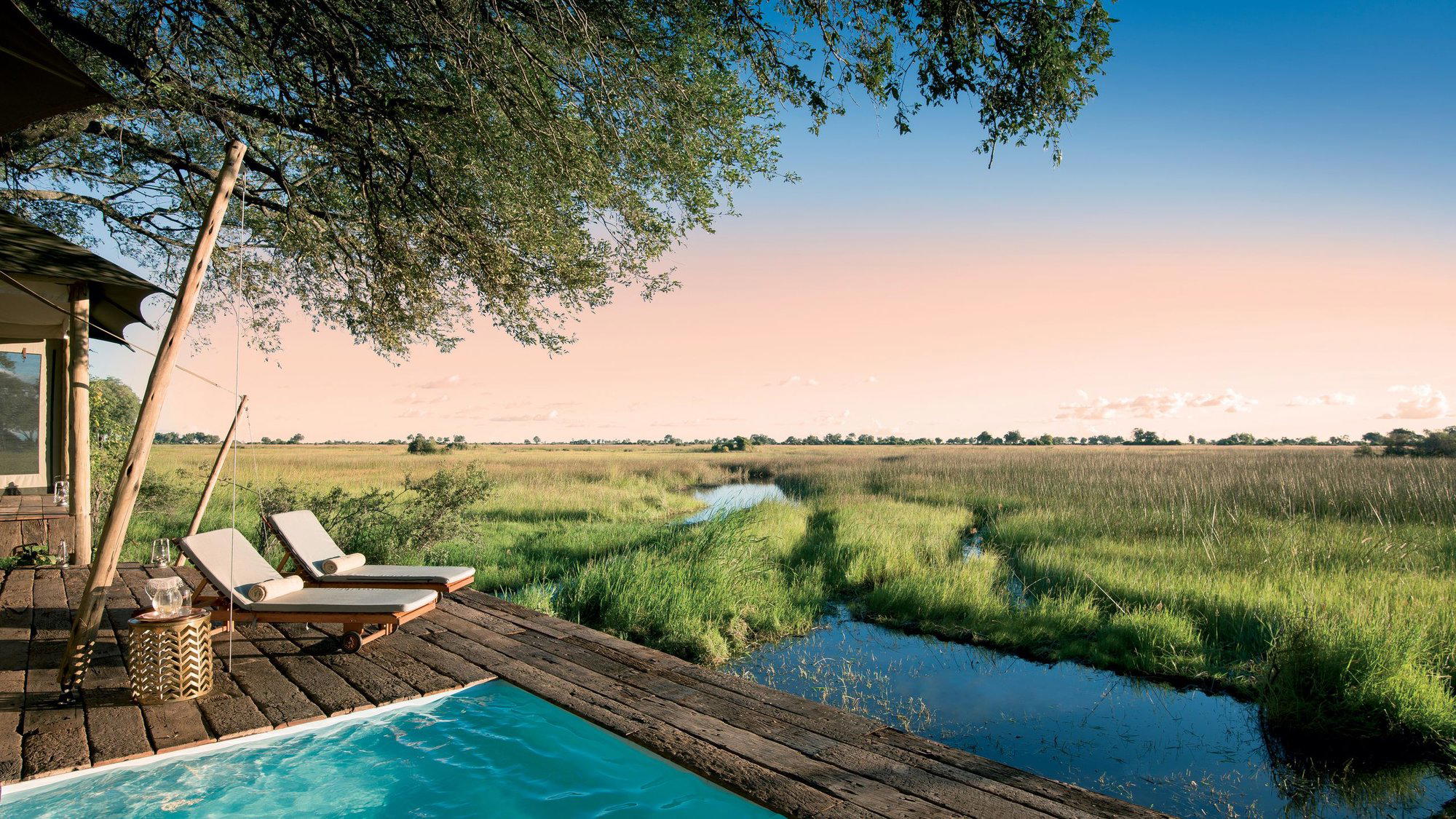
Details
- Quiet
- Intimate
- Elegant
- Scenic
- Rustic
- Sophisticated
- Honeymoon
- Romantic Getaway
- Wellness Retreat
- Anniversary
- Waterfront
- Panoramic View
- Wi Fi
- Pool
- Outdoor Pool
- Room Service
- Concierge
- Restaurant
- Bar
- Massage
- Waterfront
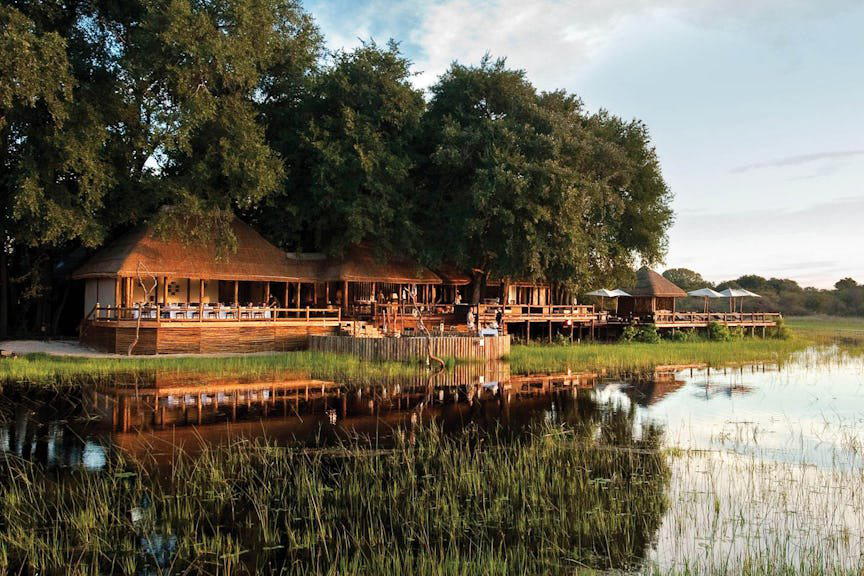
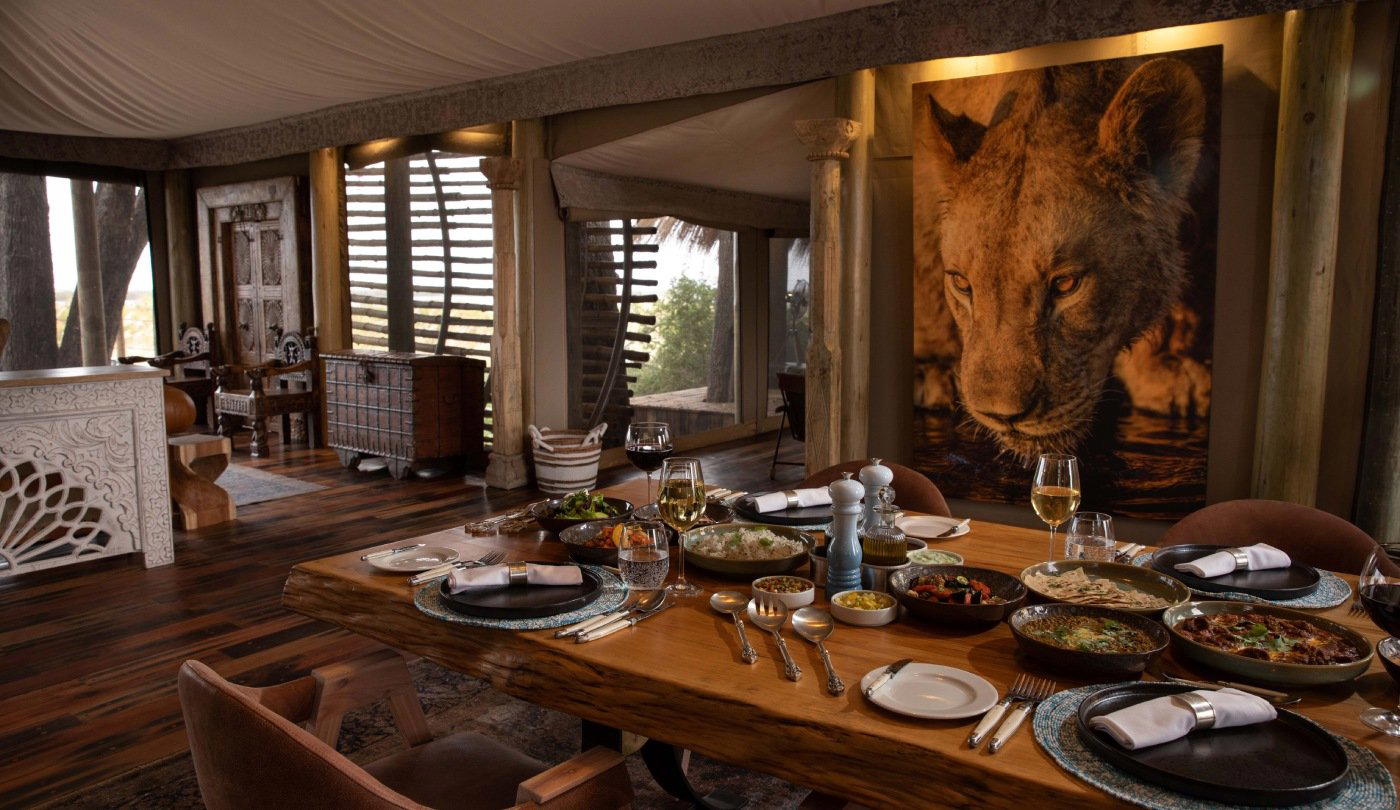
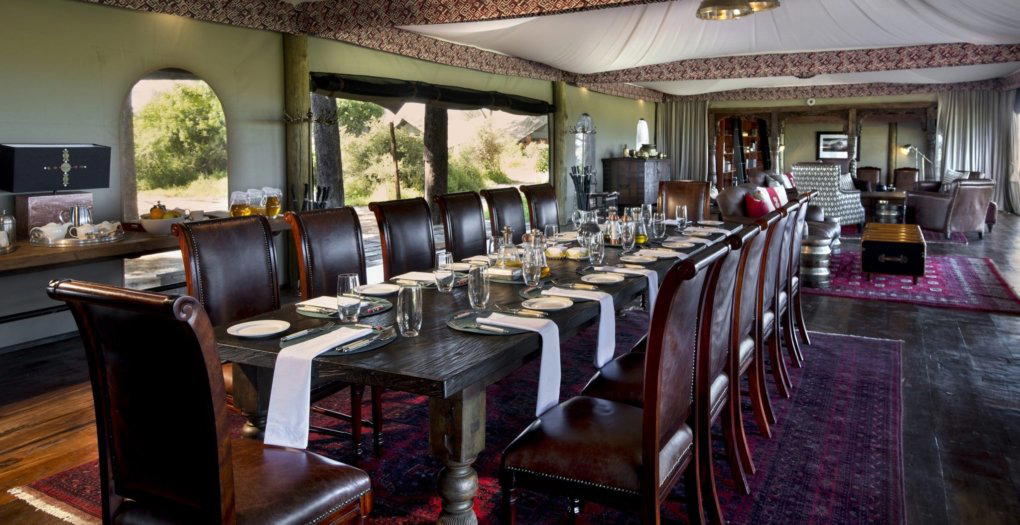
Tranquil and relaxing with natural misty greens and light-bleached woods evoking the delta's serene waterways, featuring open wooden structures and floating decks under African skies.