Duba Concession

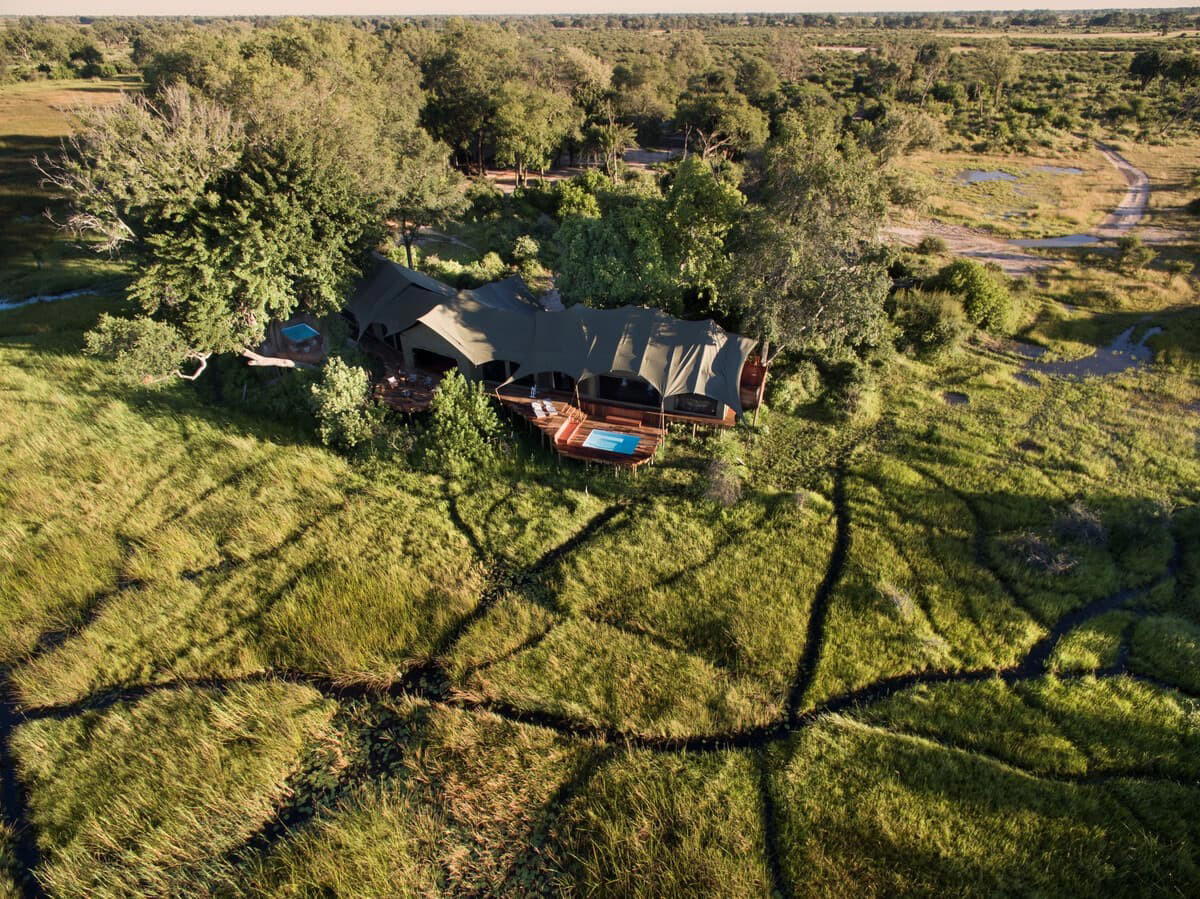
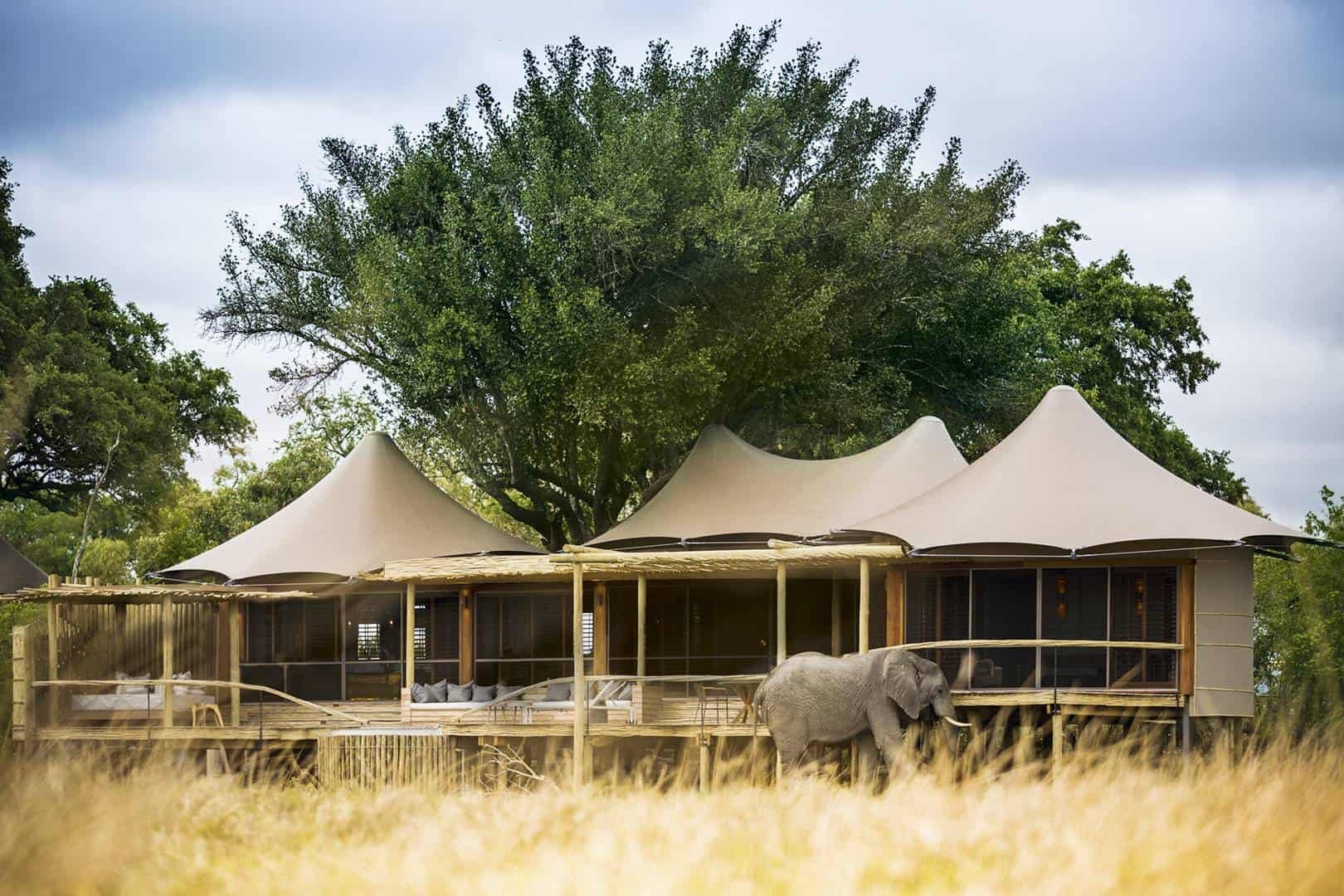
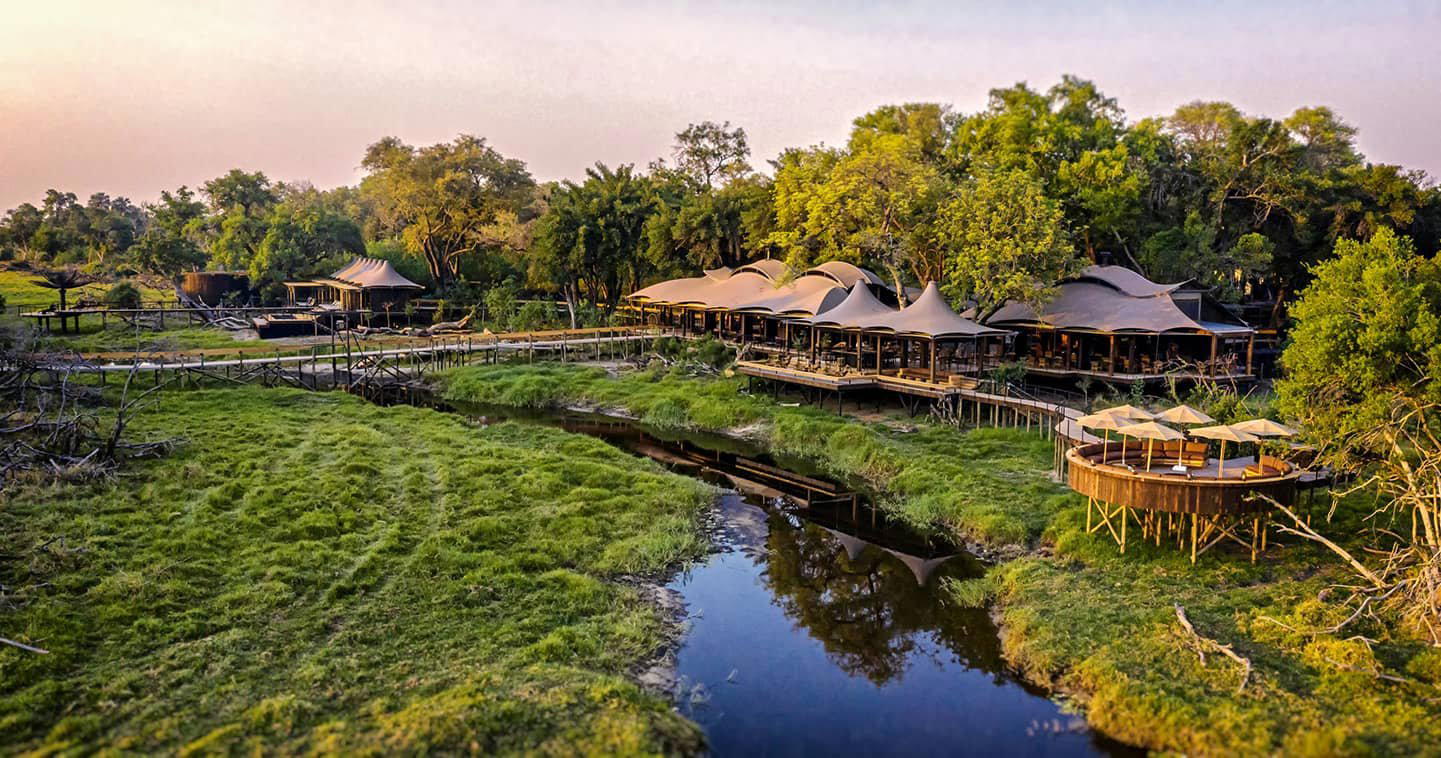
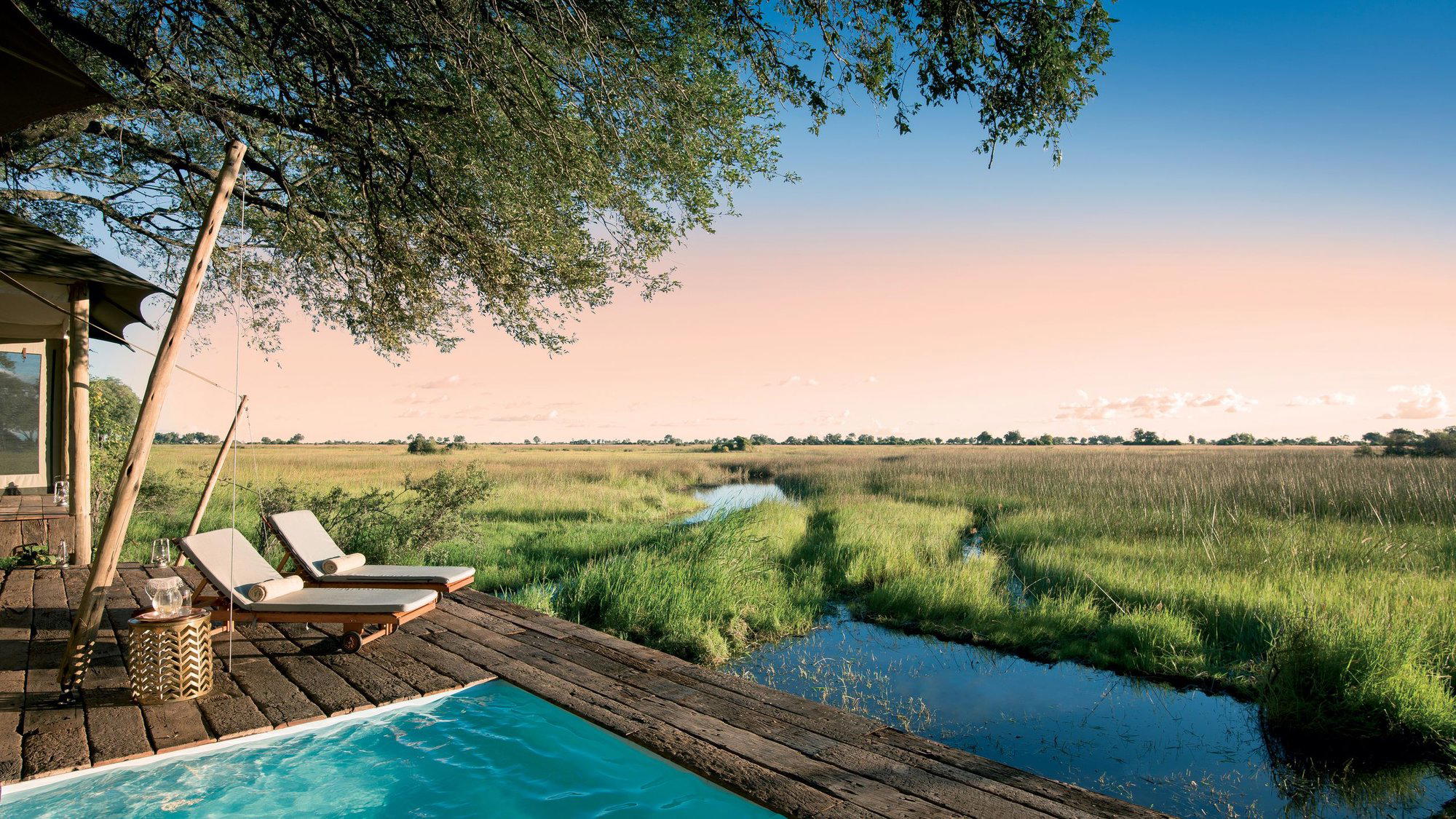
Duba Concession sits on a private wildlife area in the Okavango Delta, Botswana, where large canvas suites open onto floodplains that define one of Africa's most consequential ecosystems for big-cat conservation. Rated 4.9 on Google across 55 reviews, the camp operates within a dedicated wildlife conservation program and draws serious birdwatchers alongside safari travelers seeking genuine remoteness and an intimate, unhurried pace.

What the Delta Asks of You
The Okavango Delta does not ease you in. The light arrives fast and hard at dawn, the water moves in directions that seem to contradict themselves, and the animal activity around the Duba concession area has a density that rewards patience over itinerary-ticking. This is one of the Okavango's more concentrated big-cat territories, and the private concession model that governs access here means you are not sharing that density with convoys of open vehicles from competing camps. The emotional weight of arriving by light aircraft onto a bush airstrip, watching the papyrus flatten below as you descend, sets the tone for what Duba Concession offers: a recalibration of pace, not a delivery of highlights.
Within the broader Okavango, camps occupy a spectrum from large-footprint island lodges to genuinely small, specialist concessions. Duba positions itself at the intimate end of that range, with large canvas suites that prioritise space and material quality over architectural spectacle. The Google rating of 4.9 across 55 reviews is a notable signal in a category where guest expectations run extremely high and reviews tend to cluster either at the leading or at the very bottom depending on whether the wildlife cooperates. At Duba, that consistency points to something operational rather than luck: a service culture that manages expectations honestly and delivers on what it promises.
Service as the Architecture of the Experience
Premium safari hospitality in southern Africa has developed a recognisable grammar over the past two decades: dedicated guides assigned per party, pre-arrival preference forms, dietary accommodation without announcement, and a rhythm of morning and afternoon drives bookending communal meals. Duba Concession operates within that grammar, but the intimacy of the property means the guest-to-staff ratio can support a level of personalisation that larger camps structurally cannot. When a camp has fewer guests, guides learn faster what a particular traveler wants: whether they will sit for forty minutes watching a behaviour sequence or prefer to cover ground; whether they want silence in the vehicle or a running commentary on ecology.
The birdwatching program is a useful lens here. Serious birders have different requirements from general wildlife guests, and a camp that acknowledges this distinction has made a deliberate service choice. The Okavango supports over 400 recorded bird species, with the Delta's seasonal flooding driving significant variation in what is present and where. Running a credible birdwatching program requires guides with specialist knowledge, early departure options, and a willingness to plan drives around avian activity rather than purely around the larger mammals that dominate most safari brochures. That Duba lists birdwatching as a program highlight rather than a footnote says something about how it approaches guest interest as a variable to be addressed, not a constant to be assumed.
The Concession Itself
Private concessions in the Okavango operate under agreements with the Botswana government that restrict both guest numbers and vehicle access, which is what separates them from national park camps that must share space with all licensed operators. The Duba concession, located in the Kakoro area, gives the camp exclusive or near-exclusive vehicle access across its territory. This is not merely a luxury distinction; it has direct consequences for how wildlife behaves around vehicles and for how guides can structure a game drive. Animals habituated to low vehicle frequency often permit closer, calmer observation than those in higher-traffic areas.
The wildlife conservation program embedded in the camp's operation connects Duba to a longer tradition in the Okavango where tourism revenue funds anti-poaching infrastructure, habitat monitoring, and community engagement. This model, common among the more serious operators in Botswana, means a stay at Duba Concession carries a functional conservation contribution rather than a purely symbolic one. For travelers comparing camps across the Delta, from Duba Plains Camp to Little Mombo Camp and Sitatunga Private Island, the nature of the conservation commitment and the exclusivity of the concession are among the more meaningful differentiators beyond accommodation style.
Reading the Peer Set
The Okavango Delta's premium tier has become increasingly stratified. At one end sit design-forward properties like Xigera Safari Lodge in Moremi Game Reserve, which prioritise architecture and art as much as wildlife access. At the other end, camps like Duba prioritise the operational fundamentals: concession exclusivity, guide quality, and a physical format that keeps the focus on the bush rather than on the accommodation itself. Neither approach is categorically superior; they serve different traveler profiles. The large canvas suites at Duba represent a specific aesthetic stance, one that references the classic East African safari tradition rather than reaching for contemporary lodge design.
Elsewhere in Botswana's premium circuit, properties like andBeyond Chobe Under Canvas in Chobe National Park and Wilderness DumaTau in Linyanti occupy different ecosystems entirely, with Chobe defined by elephant density and the Linyanti by its riverine predator activity. Multi-destination itineraries frequently combine Okavango access with one of these alternatives. Within the Delta itself, andBeyond Nxabega Okavango Tented Camp, andBeyond Sandibe Okavango Safari Lodge, and andBeyond Xaranna Okavango Delta Camp represent the andBeyond network's coverage across different concession areas, each with its own wildlife character and terrain.
For travelers building an itinerary from further afield, Maun remains the primary hub for Delta access. Belmond Safaris in Maun provides a relevant staging point before or after a Duba stay. Those extending into the salt pans region will find Jack's Camp in Makgadikgadi Salt Pans an ecologically contrasting follow-up that rounds out the Botswana experience beyond the water-based Delta ecosystem. See our full Okavango Delta guide for a broader map of the region's properties and how they compare by concession, wildlife specialisation, and camp size.
Planning the Stay
Access to Duba Concession requires a light aircraft transfer, typically routed through Maun, which itself connects to Johannesburg and other regional hubs. The dry season, broadly May through October, concentrates wildlife around permanent water sources and produces the clearest skies and most manageable temperatures for game drives. The flood season, peaking between June and August in the inner Delta, transforms the terrain and makes water-based activities like mokoro excursions possible in areas that are dry ground in other months. Duba's own seasonal character will vary depending on its specific position within the Delta's hydrology, so timing a visit around the peak flood is worth discussing with the camp directly before booking.
Guests comparing safari properties against luxury hotels in other contexts, from Amangiri in Canyon Point to Castello di Reschio in Lisciano Niccone, will find that the metrics shift considerably in a bush context. Thread count and restaurant programming are secondary here to the quality of the guide, the behaviour of the animals on the concession, and the structural intimacy of the camp. Duba Concession's 4.9 Google rating across a consistent review sample suggests it is meeting guests on those terms rather than compensating with amenity volume.
Style and Standing
A short peer set to help you calibrate price, style, and recognition.
Continue exploring
More in Okavango Delta
Hotels in Okavango Delta
Browse all →Restaurants in Okavango Delta
Browse all →At a Glance
- Scenic
- Elegant
- Intimate
- Rustic
- Sophisticated
- Honeymoon
- Romantic Getaway
- Anniversary
- Panoramic View
- Waterfront
- Pool
- Concierge
- Waterfront
- Garden
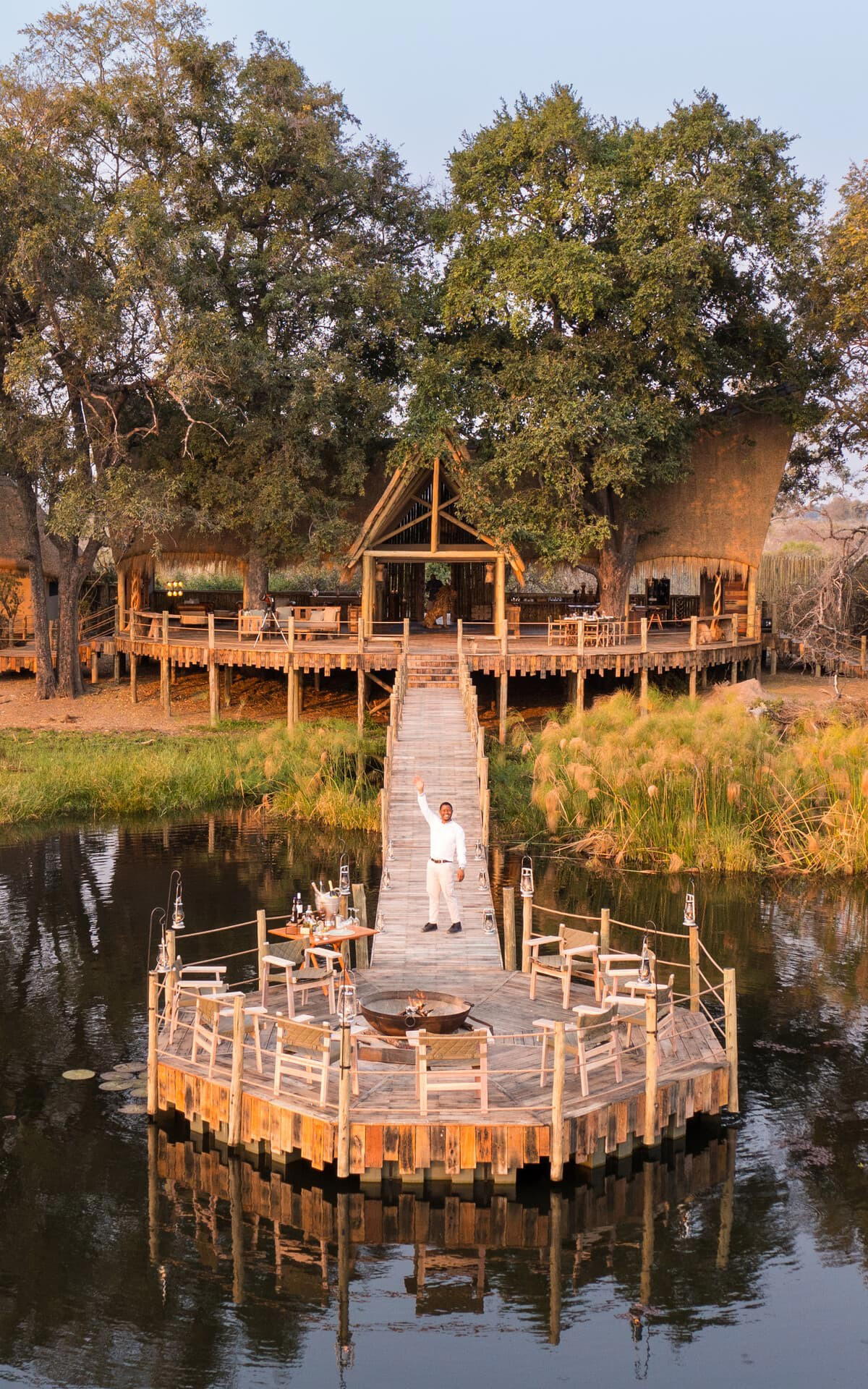
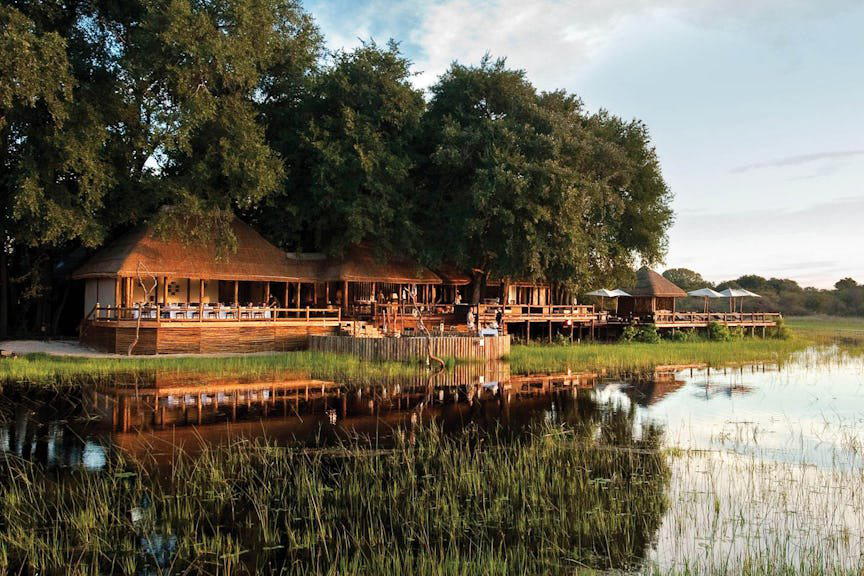
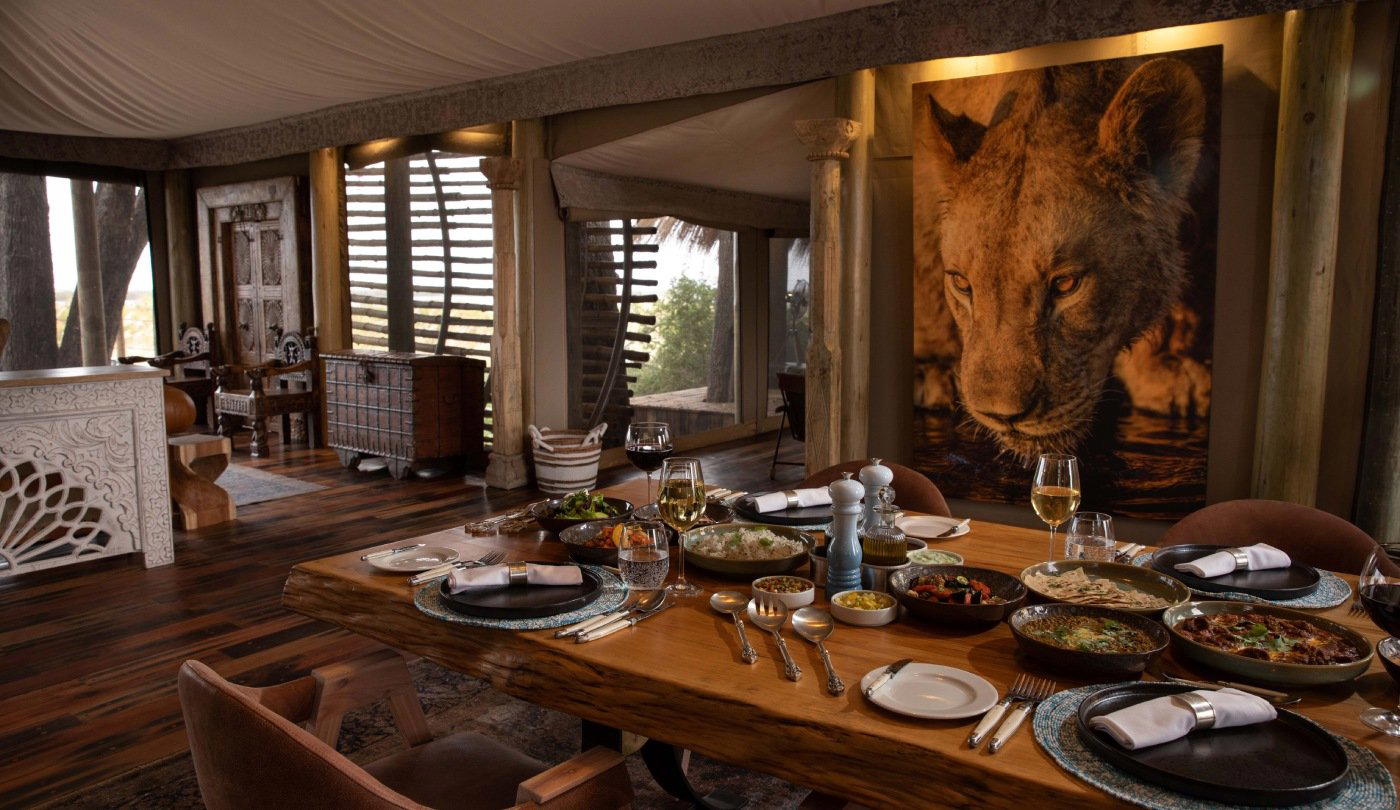
Intimate and elegant 1920s-style safari ambiance with shaded tents blending into lush ebony and fig trees, evoking classic African luxury amid pristine floodplains and wildlife sounds.