
Two lodges, two distinct ecosystems, one coherent argument for Northern Botswana as Africa's most architecturally considered safari destination. Eagle Island Lodge channels a colonial explorer's camp translated into contemporary form, while Savute Elephant Lodge has been relaunched with a design-forward eco-sensitive brief. Together they make a case for Belmond's approach to wilderness hospitality that goes well beyond standard luxury tenting.
Pearl is the En Primeur Club membership app — saves, bookings, and concierge access live there. Same editors, same standards.
- Address
- Plot 527, Mophane Ave
- Directions
- Get directions
 Saves & bookings on Pearl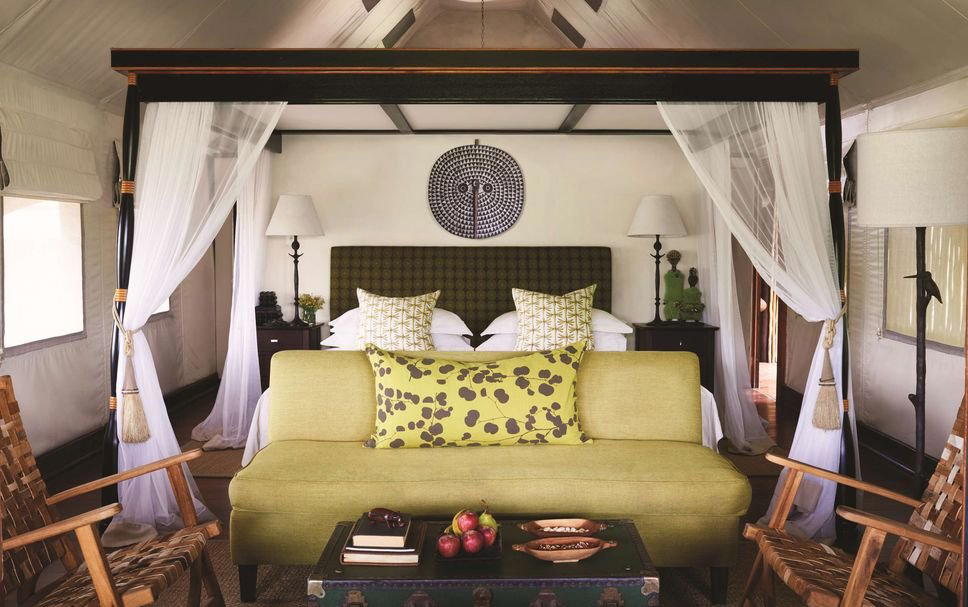
Two Lodges, One Wilderness Argument
Northern Botswana divides safari operators into two broad camps: those who treat the wilderness as backdrop and those who treat it as brief. Belmond's two lodges in this region belong firmly to the latter category, with Eagle Island Lodge in the Okavango Delta and Savute Elephant Lodge on the Savute Channel. Eagle Island Lodge sits within the flood-fed channels of the Okavango Delta, and Savute Elephant Lodge occupies a drier, more austere stretch of the Chobe ecosystem near the Savute Channel. The two properties share a parent brand and a commitment to design intelligence, but they read as entirely different propositions in the field, which is precisely the point. In a region where andBeyond Sandibe Okavango Safari Lodge and Xigera Safari Lodge in Moremi Game Reserve have raised the architectural benchmark considerably, Belmond competes by doubling down on distinct spatial identities rather than a single signature aesthetic.
Eagle Island Lodge: The Explorer's Camp as Design Language
One durable design tradition in African safari hospitality is the explorer's camp, canvas walls, warm lantern light, the suggestion of expedition without its discomforts. Eagle Island Lodge takes that tradition and translates it into a considered built environment rather than a costume. The lodge is designed to evoke a forward operating base from a previous century of delta exploration, with structures that sit lightly on the floodplain and reference the utilitarian materials of the era without reproducing them literally. The effect is a lodge that feels rooted in place and period while remaining thoroughly functional for contemporary guests.
What gives the design its coherence is the relationship between the built structures and the water. The Okavango Delta floods annually, a hydrological event that reshapes the channels and islands each season, and Eagle Island's layout acknowledges this impermanence. Raised walkways and refined platforms read as a practical response to the environment rather than an aesthetic flourish, which is the correct order of priorities for wilderness architecture. Guests drift through the surrounding channels on mokoro canoes, the traditional dugout canoes long used by the Bayei people of the delta, spotting malachite kingfishers and painted reed frogs from the waterline. That transition from built structure to water-level activity is, in spatial terms, the lodge's defining sequence. For context on how other operators handle the same delta environment, andBeyond Sandibe takes a more organically formed approach, with architecture that draws on natural shapes rather than expedition references.
Savute Elephant Lodge: Eco-Design as Relaunched Identity
The Savute Elephant Lodge underwent a significant relaunch that repositioned it within the growing tier of African safari properties where environmental responsibility and design ambition are treated as the same conversation rather than competing priorities. The redesign introduced an eco-sensitive construction approach alongside a spa and a viewing hide oriented toward the Savute Channel, a body of water whose behaviour is genuinely anomalous. The channel has a documented history of flowing and then drying entirely for decades at a time, with the recent reactivation drawing large elephant populations to its banks. Designing a lodge around a landscape feature this unpredictable is itself an editorial statement about the kind of safari experience the property is selling: not the guaranteed sighting, but the proximity to natural systems operating on their own terms.
The viewing hide is especially architecturally specific element among the relaunched property, a structure whose entire purpose is to reduce the human presence in the visual field while maximising the quality of observation. In the broader context of Southern African safari design, the progression from open game drive vehicles to fixed hides to purpose-built architectural viewing platforms represents one considered strand of the discipline, and Savute's hide places it within that lineage. Comparable properties pursuing the same viewing-architecture integration include Wilderness DumaTau in Linyanti and Selinda Camp, both of which have made fixed-point wildlife viewing part of their spatial proposition.
The Paired-Lodge Format and How to Use It
Belmond's decision to operate two lodges within the same Northern Botswana safari circuit rather than a single flagship is a structural choice with practical implications for how guests should approach the booking. The Okavango Delta and the Savute Channel represent distinct ecosystems, one wet and bird-dense, one arid and elephant-dominated, and the faunal diversity shifts accordingly. A stay that combines both lodges produces a markedly different experience than either property alone, not because the lodges are designed to complement each other decoratively, but because the underlying ecologies are genuinely divergent. Maun serves as the regional hub and transit point for both properties, with light aircraft transfers connecting guests to the bush. For those assembling a broader Botswana itinerary, Jack's Camp in the Makgadikgadi Salt Pans adds a third distinct ecosystem to the sequence, while andBeyond Chobe Under Canvas and the Zambezi Queen on the Chobe River extend the journey northward toward Zimbabwe.
For guests accustomed to urban luxury properties, the kind of architectural seriousness you find at Amangiri in Canyon Point or the considered materiality of Castello di Reschio, the Belmond safari lodges operate in a cognate register. The design ambition is genuine, but the reference points are ecological rather than architectural in the formal sense. The conversation happening here is between structure and wilderness, not structure and precedent.
Planning a Stay
Both lodges sit in the premium tier of the Northern Botswana safari market, where pricing reflects the combination of low-density access, air transfer logistics, and the conservation fees embedded in operating within protected areas. The flood season in the Okavango, roughly June through August, is the period when Eagle Island's water-based activities are at their most expansive, and when the delta attracts the highest concentration of resident and migrant wildlife. Savute's elephant activity is less seasonally dependent, as the channel's draw operates across a broader window. Bookings are managed through Belmond's central reservations channels, and availability at this tier typically requires planning several months in advance.
Quick Comparison
Comparable venues nearby, for context on price, style, and recognition.
| Venue | Cuisine | Price | Awards | Notes |
|---|---|---|---|---|
| Belmond SafarisThis venue — the venue you are viewing | Luxury eco-friendly safari tents polished on wooden platforms. | $$$$ | 5-Star | Not listed |
| Selinda Camp | Luxury safari lodge blending Botswana cultural influences (European, Mokololo, Bayei) with contemporary comfort; raised wooden construction with canvas-and-thatch architecture designed to harmonize with the natural landscape. | $$$$ | 5-Star | Selinda Reserve, Kwando-Linyanti Area |
| Tawana | Contemporary luxury safari camp rooted in local Batawana heritage and conservation. | $$$$ | 5-Star | Moremi Game Reserve |
| Xugana Island Lodge | luxury tented eco-lodge with classic safari elements and modern comforts | $$$$ | 5-Star | Okavango Delta |
| Xigera Safari Lodge | Contemporary African luxury with polished stilted architecture, organic shapes, and earthy tones inspired by the Okavango Delta ecosystem. | $$$$ | 5-Star | Moremi Game Reserve, NG28 |
| Wilderness King's Pool Camp | Luxurious tented safari camp with raised decks for wildlife viewing | $$$$ | 5-Star | Linyanti |
Recognition history
Dated appearances from independent guides and award organizations, with the underlying list record or original source where available.
Virtuoso Luxury Hotel Partner
Virtuoso
Continue exploring
More in Maun
Hotels in Maun
Browse all →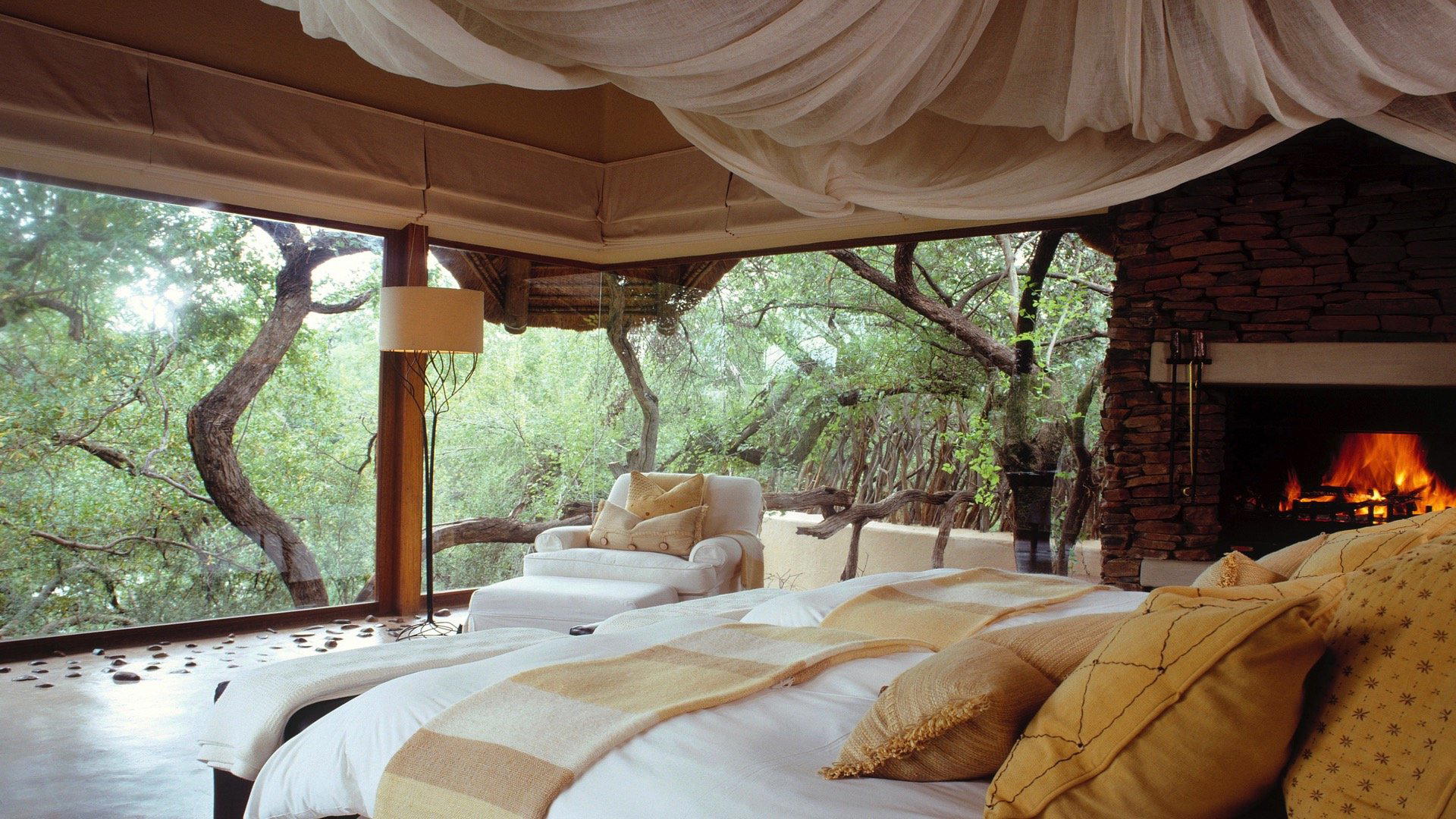
At a Glance
- Scenic
- Elegant
- Intimate
- Rustic
- Sophisticated
- Honeymoon
- Romantic Getaway
- Anniversary
- Panoramic View
- Private Villa
- Waterfront
- Terrace
- Pool
- Spa
- Room Service
- Concierge
- Wi Fi
- Waterfront
- Garden
- Pool
- Spa
- Room Service
- Concierge
- Wi Fi
Elegant and serene with natural lighting, blending luxury into the wild bush atmosphere.