The Ned NoMad

The Ned NoMad occupies a landmarked Beaux-Arts building at 1170 Broadway, bringing the London original's members-club-meets-hotel format to one of Manhattan's most architecturally layered neighbourhoods. The property sits in the NoMad district, where a cluster of design-conscious hotels has reshaped the blocks around Madison Square Park over the past decade. Expect the same multi-restaurant, all-day social format that defined the original Ned in the City of London.
Pearl is the En Primeur Club membership app — saves, bookings, and concierge access live there. Same editors, same standards.
- Address
- 1170 Broadway, New York, NY 10001
- Phone
- +1 212 722 0555
- Website
- thened.com
- Directions
- Get directions
 Saves & bookings on Pearl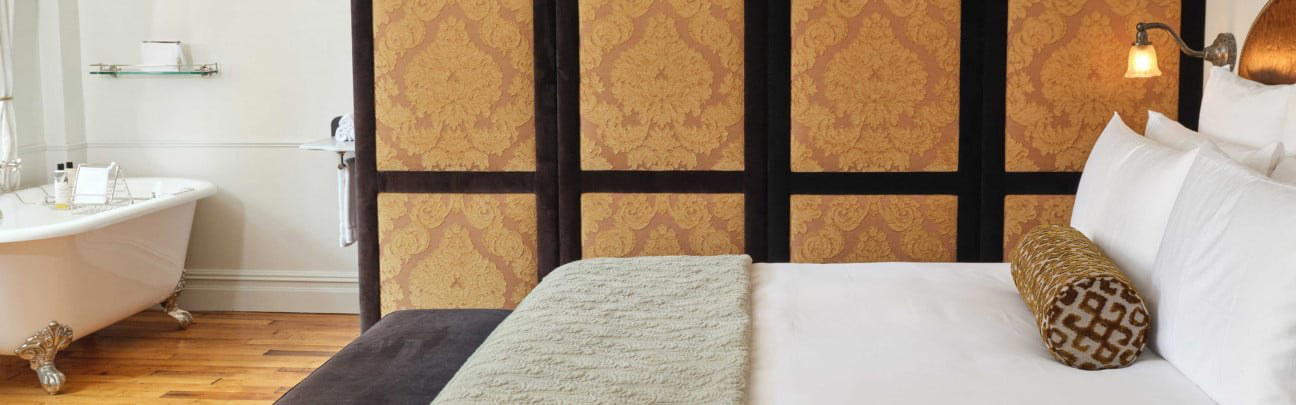
A Beaux-Arts Shell in a Neighbourhood That Earned Its Reputation Slowly
NoMad, the district running roughly from 25th to 30th Street along Broadway and Fifth Avenue, arrived at its current identity through a slower kind of gentrification than Midtown or the Meatpacking District. The neighbourhood's architectural stock, heavy with late-19th and early-20th century commercial buildings, attracted a particular kind of hospitality operator: those who preferred bones over blank slates. The The Fifth Avenue Hotel exemplifies one end of that approach, with its restored classical interiors. The Ned NoMad represents another: the importation of a proven London format into a landmarked American structure.
The building at 1170 Broadway is a Beaux-Arts commercial structure, the kind that once housed insurance companies, publishing houses, and the upper-tier offices of an earlier Manhattan economy. These buildings were designed to project permanence, with stone facades, large double-hung windows, and entrance halls proportioned for impression rather than efficiency. When hospitality groups occupy them today, the spatial logic cuts both ways: the grandeur is pre-installed, but so are the constraints. Ceiling heights and column grids determine what you can and cannot do with a floor plate.
The Ned Format: What London Exported to Broadway
The original Ned opened in 2017 inside the former Midland Bank headquarters on Poultry in the City of London, a Grade I-listed building designed by Edwin Lutyens. The format it established was specific: a members club layered over a hotel, anchored by multiple in-house restaurants and bars operating simultaneously across a single building, with the whole complex designed to feel like a self-contained social world rather than a lobby with a dining room attached. That model, which owes something to Soho House's multi-concept approach but skews older and more formally dressed, has since been replicated in New York and beyond.
What the format demands architecturally is volume. Multiple distinct food and beverage spaces require ceiling height, sight-line separation, and enough floor area to give each outlet a coherent identity without bleeding into the next. Beaux-Arts commercial buildings, with their generous floor-to-ceiling proportions and structural columns that define natural spatial zones, accommodate this logic more readily than purpose-built hotels. That is not coincidence. The Ned's site selection in New York reflects an understanding that the format works well inside buildings that already carry civic weight.
In Manhattan's mid-range luxury hotel tier, The Crosby Street Hotel and The Whitby Hotel in SoHo represent the Kit Kemp school of maximalist British design in New York, a different register but a comparable appeal to guests who read hotels as cultural signals. At the upper end, properties like Aman New York and Casa Cipriani New York operate with a quieter, more exclusive membership dynamic. The Ned NoMad sits between those poles: more social and programmatically dense than the former, more accessible than the latter.
Design Logic at Street Level and Above
The architecture of NoMad's leading hotel conversions tends to preserve the facade while substantially reconfiguring the interior, threading modern mechanical systems and new floor plans through a shell that was never designed for sleeping rooms. The tension between original structure and new program is usually most visible at the entrance sequence, where the transition from sidewalk to lobby either manages or fumbles the shift in scale. Buildings of this era were designed with commercial arrivals in mind, which means the entrance halls are often better suited to a check-in desk and bar than to a discrete residential lobby.
The Ned NoMad occupies its own position: Gilded Age commercial architecture reprogrammed for 21st-century social hospitality, in a neighbourhood that has spent fifteen years proving it can hold a destination hotel.
Madison Square Park, two blocks from 1170 Broadway, functions as a kind of living room for the neighbourhood. Its presence shapes foot traffic patterns, outdoor dining seasonality, and the general character of the blocks immediately surrounding it. Hotels that sit within walking distance of the park benefit from a built-in rhythm of daytime movement. For a property like the Ned, which depends on non-resident guests using its food and beverage spaces, that pedestrian context matters in ways it might not for a purely room-focused hotel.
The Ned's approach, preserving exterior character while installing a high-density social program inside, is one answer to that question. It is not the only one, but it has proven commercially durable.
What the NoMad Location Means in Practice
The neighbourhood offers a different Manhattan geography than Midtown proper or the Village. Proximity to the Flatiron building, the wholesale flower district on 28th Street, and the transit hub at Penn Station (reachable on foot or by subway) makes NoMad functional without being hectic. The blocks between 25th and 30th on Broadway have enough restaurant and bar density to support an evening without leaving the immediate area, but the neighbourhood does not generate the same tourist-traffic pressure as Times Square or SoHo. That lower ambient intensity suits a hotel format with guests lingering inside.
Know Before You Go
- Address: 1170 Broadway, New York, NY 10001
- Neighbourhood: NoMad (North of Madison Square Park), Manhattan
- Nearest Transit: N/R/W at 28th Street; 6 train at 28th Street; F/M at 23rd Street
- Format: Hotel with members-club programming and multiple in-house food and beverage outlets
- Booking: Contact the property directly for room reservations; membership inquiries handled separately
- comparable set: Compares to design-led independent and internationally backed boutique hotels in the $400–$700/night Manhattan mid-luxury range, though rates are subject to season and availability
Reputation Context
Comparable venues nearby, for context on price, style, and recognition.
| Venue | Cuisine | Price | Notes |
|---|---|---|---|
| The Ned NoMadThis venue — the venue you are viewing | Historic Beaux-Arts building reimagined as a members' club with London-style glamour. | $$$$ | Not listed |
| Wolseley Hotel New York | Luxury heritage hotel blending British style with New York cultural energy in a landmark building. | $$$$ | Midtown Manhattan |
| Gansevoort Meatpacking NYC | Modern luxury boutique in revitalized industrial district | $$$$ | West Village |
| The Manner | discreet luxury blending hotel, private residence, and members' club | $$$$ | SoHo |
| Urban Cowboy | boutique mountain lodge blending rustic heritage with modern playful design | $$$$ | East Williamsburg |
| Four Seasons Hotel New York Downtown | Hotel | Not listed | Tribeca-Civic Center |
Recognition history
Dated appearances from independent guides and award organizations, with the underlying list record or original source where available.
Mr & Mrs Smith Smith Seal of Approval
Mr & Mrs Smith
Michelin Selected
Michelin
Continue exploring
More in New York City
Hotels in New York City
Browse all →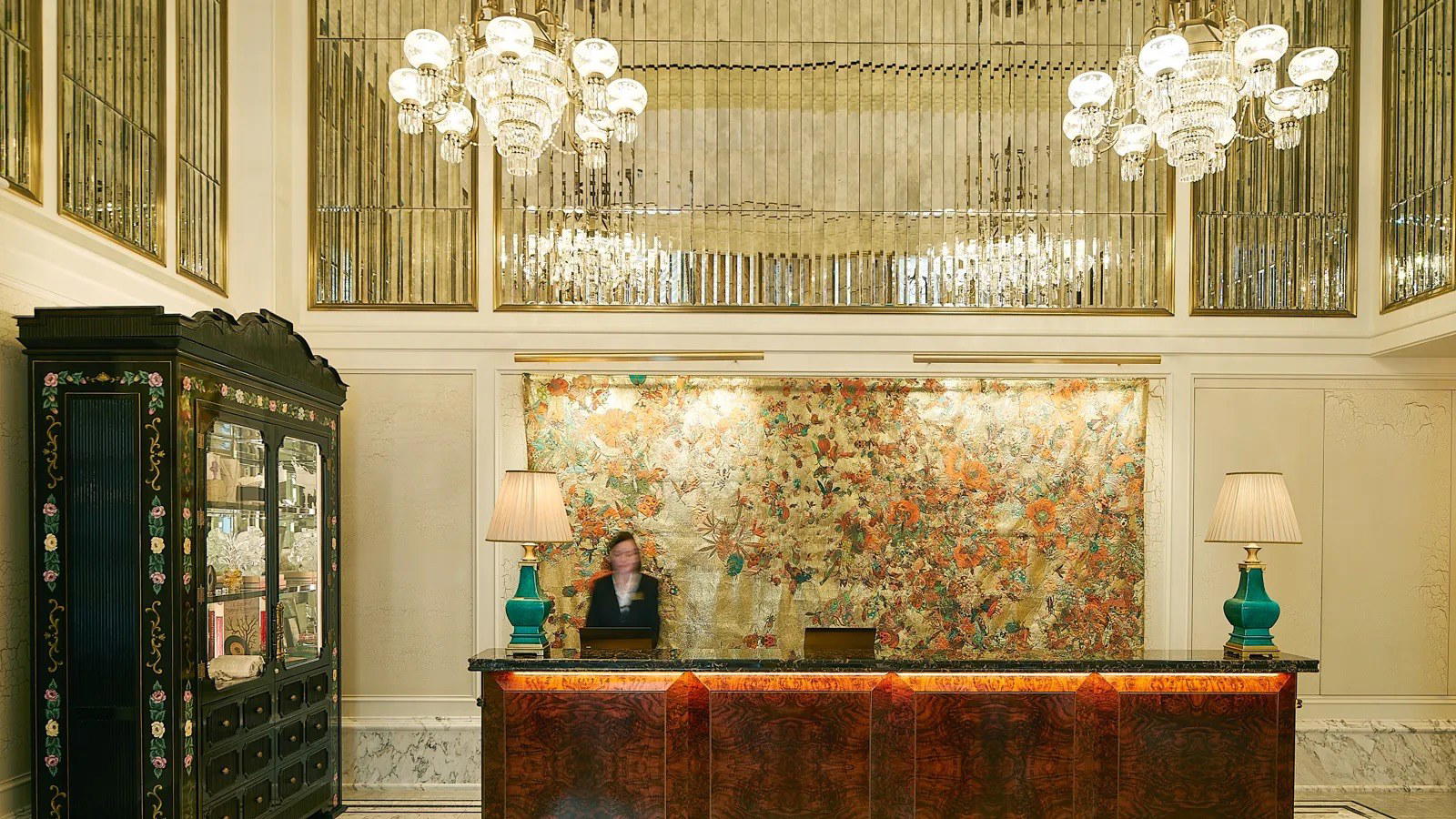
Bars in New York City
Browse all →

Restaurants in New York City
Browse all →
Wineries in New York City
Browse all →


At a Glance
- Elegant
- Sophisticated
- Trendy
- Ornate
- Business Trip
- Weekend Escape
- Celebration
- Rooftop Pool
- Terrace
- Historic Building
- Panoramic View
- Room Service
- Concierge
- Fitness Center
- Valet Parking
- Skyline
- Room Service
- Concierge
- Fitness Center
- Valet Parking
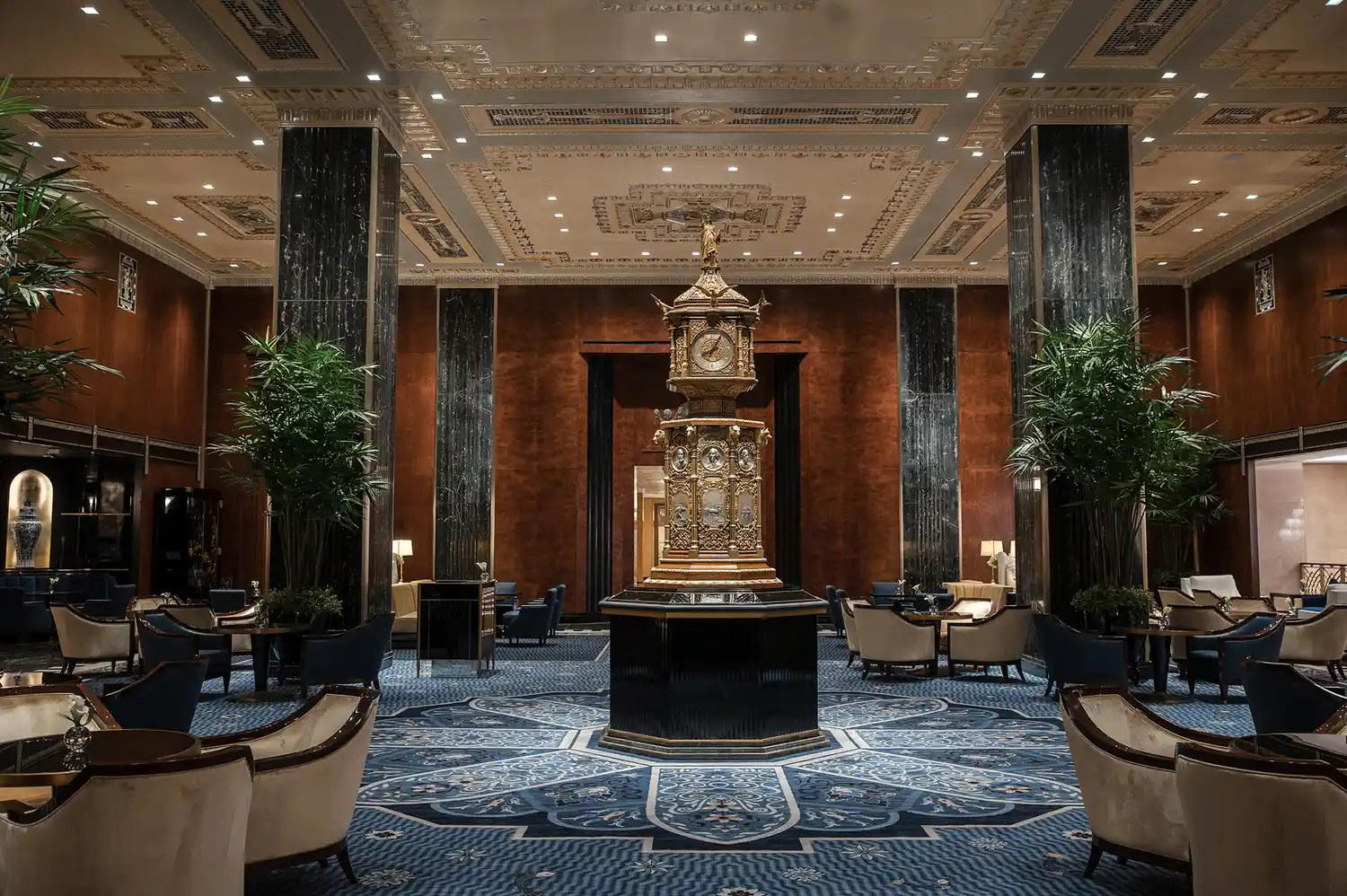
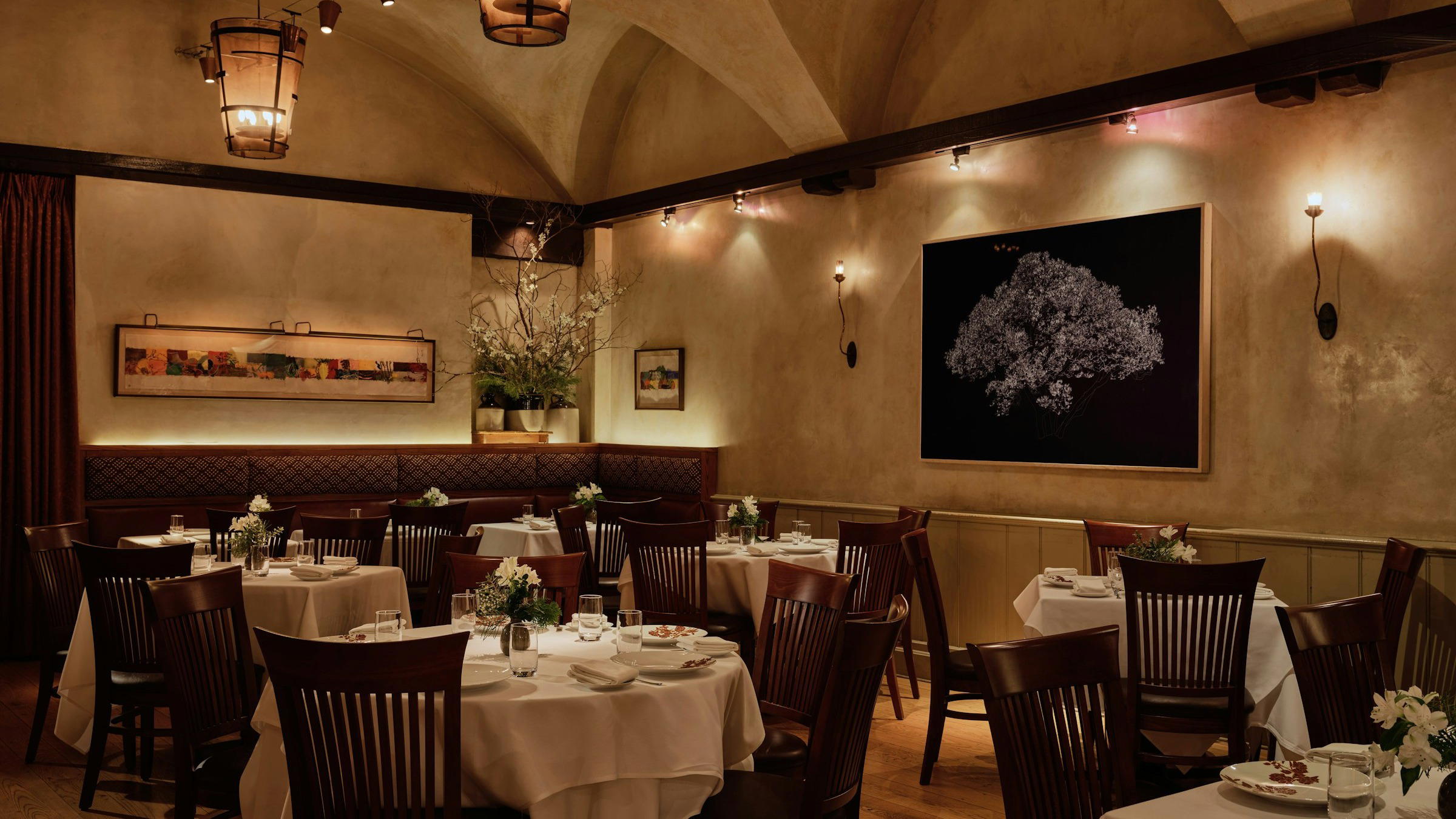
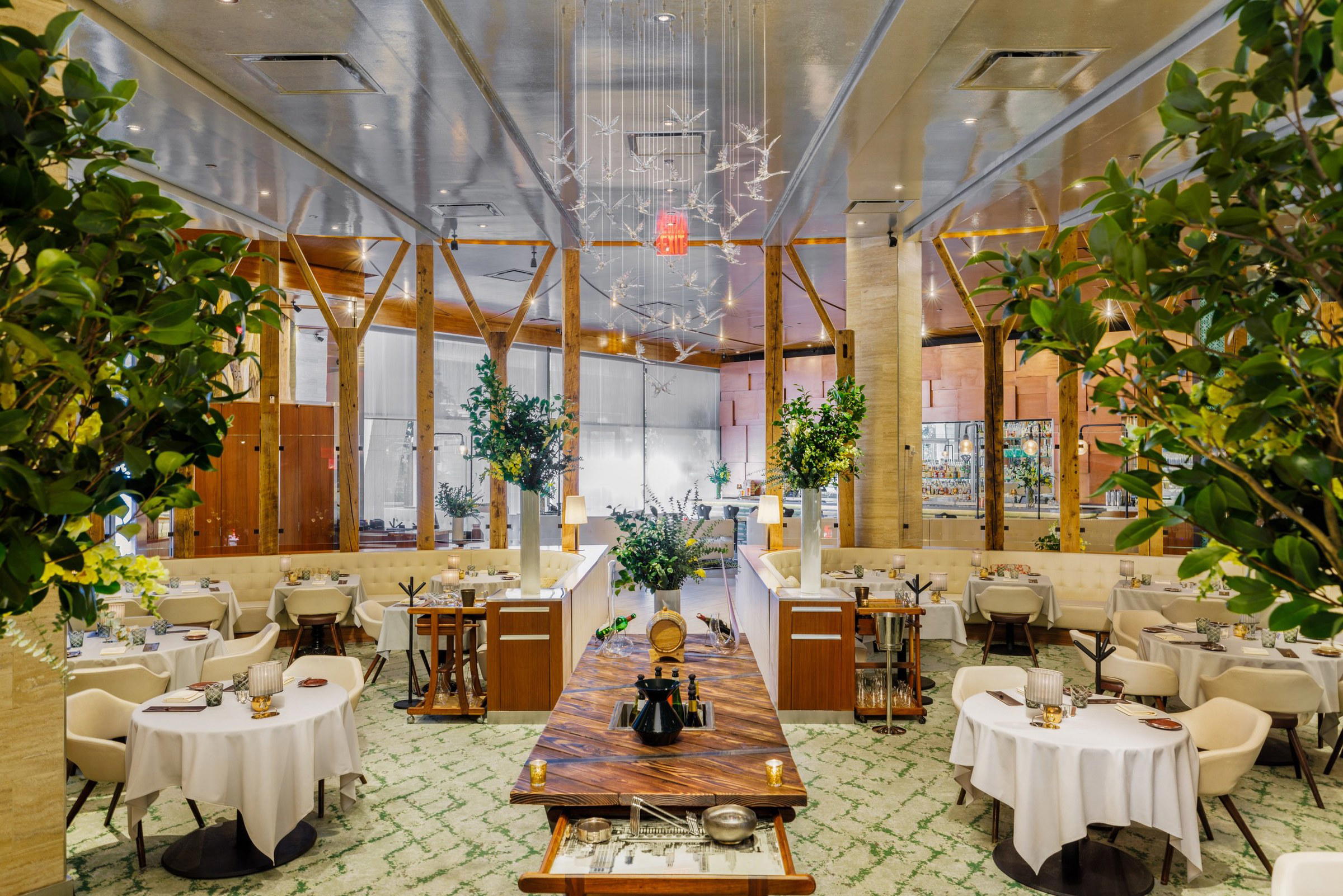
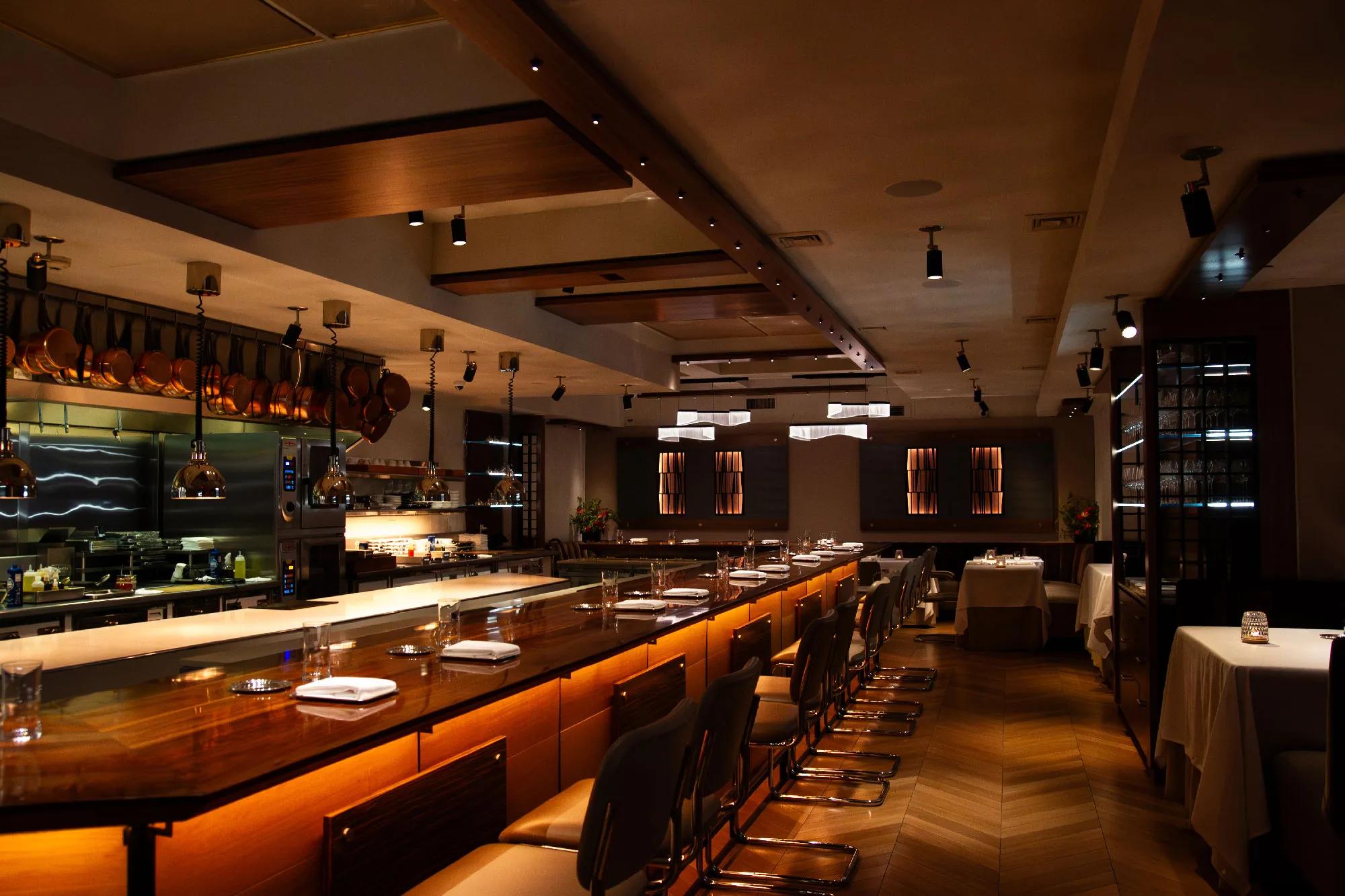
Varied mix of dark marble, jewel-toned velvets, and rich woods evoking 1920s elegance in a buzzy, glamorous atmosphere.