The Webster
The Webster at Times Square occupies one of New York's most pressurized hospitality addresses, where the density of competing properties makes positioning a deliberate act. Situated in the midtown grid where theatre district demand meets business travel, the property draws guests who want proximity to Broadway and Midtown without retreating to the outer boroughs or the Upper East Side's quieter remove.

Pearl is the En Primeur Club membership app — saves, bookings, and concierge access live there. Same editors, same standards.
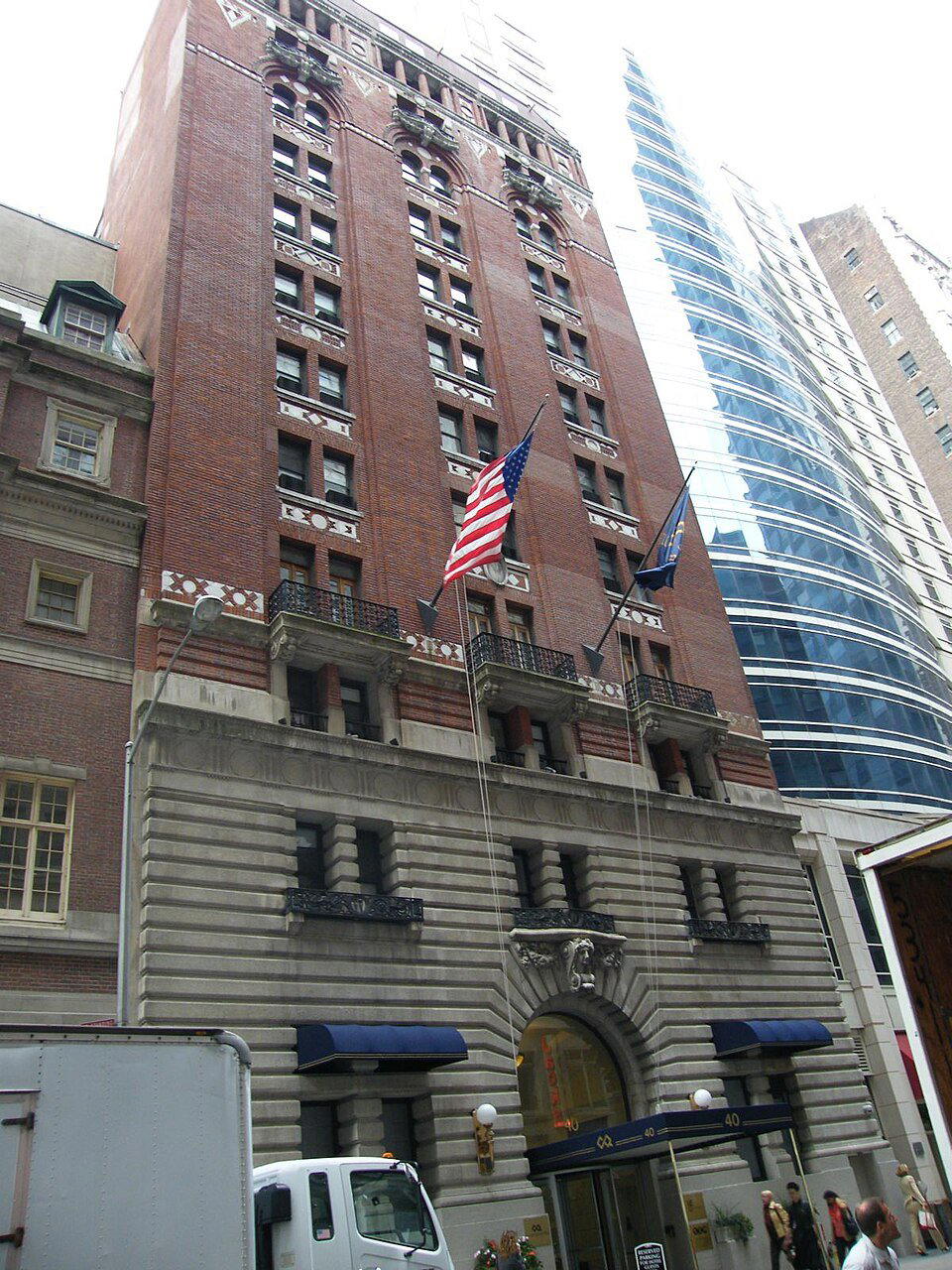
What Times Square Asks of a Hotel
Times Square is one of the few addresses in global hospitality where location is both the asset and the argument against staying there. The concentration of foot traffic, noise, and visual saturation that makes the neighbourhood commercially irresistible also makes it demanding to inhabit. Hotels that succeed here tend to do so by creating interior coherence that holds its own against the spectacle outside — a lobby that reads as arrival rather than extension of the street, a room that functions as genuine retreat rather than a place to deposit luggage. The Webster at Times Square operates in this context, and understanding what the address requires helps frame what a stay here asks of both property and guest.
New York's midtown hotel tier has expanded considerably over the past decade. Where the neighbourhood once sorted cleanly between large convention properties and a handful of boutique outliers, the current market includes design-led independents, brand extensions from luxury groups, and adaptive reuse projects competing for the same theatre-district and corporate demand. Positioning within that field is a matter of deliberate choices: price point, physical scale, room format, and what the public spaces communicate about who the hotel is for.
The Midtown Grid and How Hotels Use It
Times Square's location at the junction of Seventh Avenue and Broadway puts it within walking distance of a specific set of New York experiences: the Theatre District's major houses, Carnegie Hall a few blocks north, and the concentration of Midtown corporate addresses that generate consistent midweek occupancy. That geographic logic shapes who books here and why. Unlike the Upper East Side's quieter remove — where properties like The Carlyle, A Rosewood Hotel and The Mark draw a resident-adjacent clientele, or the downtown pocket around Crosby Street Hotel and The Greenwich Hotel, which operates on neighbourhood texture and SoHo adjacency, Times Square hotels are booked primarily on access and occasion rather than on the character of the surrounding streets.
That distinction matters when comparing it against peers. Properties like Aman New York, which anchors its identity to Crown Building architecture and a spa-centric program, or The Fifth Avenue Hotel, which positions on Flatiron neighbourhood character and independent identity, compete on a different axis. Times Square properties, including The Webster, compete primarily on proximity to Broadway and Midtown's demand generators, pricing against a much larger competitive set.
A Meal as a Sequence: Thinking Through the Experience Arc
In hospitality writing, the tasting menu format offers a useful lens for understanding how a stay unfolds, each stage of arrival, settling in, and engagement with the property's food and drink program constituting a course in the overall experience. For a Times Square hotel, the opening course is almost always the lobby: the first act of separation from the street. The quality of that transition, from the oversaturated visual environment outside to whatever the interior proposes, sets the register for everything that follows.
The middle courses are the room and whatever dining exists on-site. In midtown, hotel restaurants tend toward broad accessibility, capturing guests who are theatre-bound and time-constrained rather than destination dining seekers. The latter group migrates toward the city's Michelin-recognised tables or the concentrated dining scenes in the West Village, NoMad, and the lower stretches of the Meatpacking District. That pattern is consistent across the category: midtown hotel dining addresses convenience; destination dining happens elsewhere.
The final course, departure, the morning experience, how the hotel handles the logistics of a city stay, is where midtown properties often distinguish themselves from their outer-borough peers. Proximity to Penn Station, Grand Central, and the major Midtown transit corridors makes departure frictionless in a way that stays in Williamsburg or the far reaches of the West Village cannot replicate.
How The Webster Fits the New York Hotel Conversation
New York's hotel market is large enough that most conversations about where to stay require a prior question: what is the stay for? A quiet base for museum-focused days pulls toward The Carlyle or Casa Cipriani New York. A design-forward stay with TriBeCa access points toward The Greenwich Hotel. A wellness-centred visit with a serious spa program points toward Aman New York. A stay built around Broadway, Midtown offices, or the Theatre District's concentrated schedule of evening events points toward the Times Square address, and that is the frame in which The Webster makes its case.
For readers whose travel extends beyond New York, the same location-versus-character question arises at properties across the EP Club network. Amangiri in Canyon Point resolves the question through total environmental immersion; Post Ranch Inn in Big Sur through landscape anchoring; SingleThread Farm Inn in Healdsburg through agricultural program depth. Urban properties work differently, the city itself is the environment, and the hotel's job is to mediate access to it rather than replace it.
Other US properties worth holding in mind for comparison include Four Seasons at The Surf Club in Surfside, Raffles Boston in Boston, Hotel Bel-Air in Los Angeles, and Auberge du Soleil in Napa, each of which resolves the location-identity question differently and helps calibrate expectations for what a premium urban stay in Times Square can and cannot offer. Further afield, Aman Venice in Venice, Badrutt's Palace Hotel in St. Moritz, and Bvlgari Hotel Tokyo in Tokyo illustrate how landmark-adjacent positioning works in other global contexts.
For those weighing nature-retreat alternatives before or after a New York stay, Troutbeck in Amenia, Sage Lodge in Pray, Little Palm Island Resort & Spa in Little Torch Key, and Kona Village, A Rosewood Resort in Kailua Kona offer the counter-programming that a dense urban stay often makes necessary. Canyon Ranch Tucson in Tucson and 1 Hotel San Francisco in San Francisco complete a picture of where the US premium market currently sits. See our full New York City restaurants guide for the broader dining context that surrounds any midtown stay.
Know Before You Go
- Location: Times Square, Midtown Manhattan, New York City
- Leading For: Broadway theatre access, Midtown business district proximity, Theatre District evenings
- Booking: Contact the property directly or via the venue website for availability and current rates
- Neighbourhood Note: Times Square operates at high pedestrian density year-round; light sleepers should confirm room positioning relative to street-facing facades
- Transport: Midtown's transit network connects via multiple subway lines; Penn Station and Grand Central are both within reach for rail departures
Recognition Snapshot
Comparable options at a glance, pulled from our tracked venues.
| Venue | Awards |
|---|---|
| The Webster (Times Square)This venue — the venue you are viewing | Not listed |
| Aman New York | Michelin 3 Key |
| The Carlyle, A Rosewood Hotel | Michelin 2 Key |
| Pendry Manhattan West | Michelin 2 Key |
| Ace Hotel Brooklyn | Michelin 1 Key |
| The Ludlow Hotel | Michelin 1 Key |
Continue exploring
More in New York City
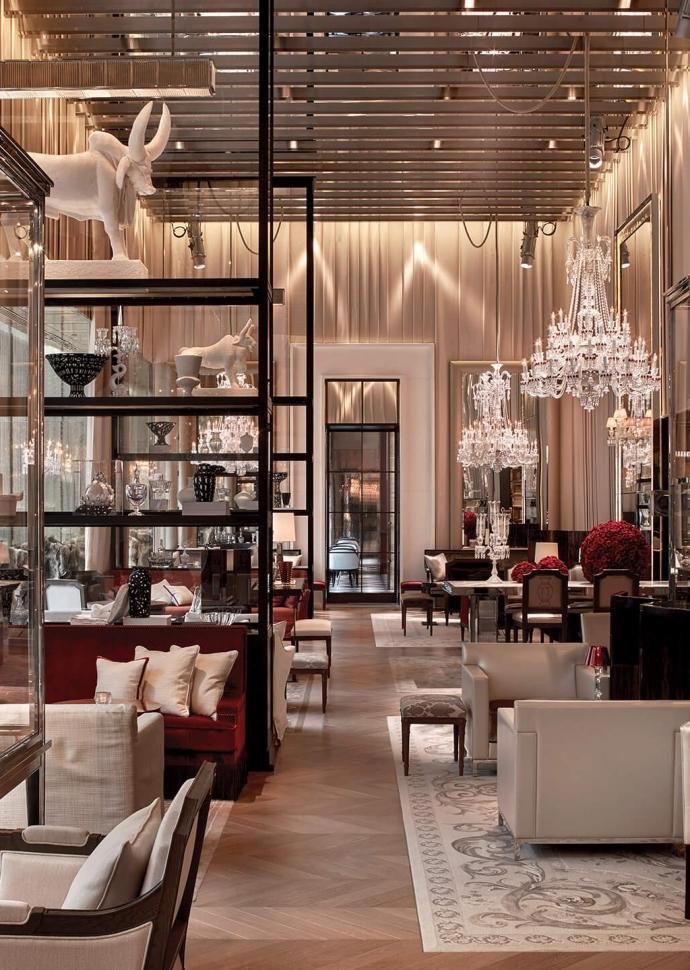
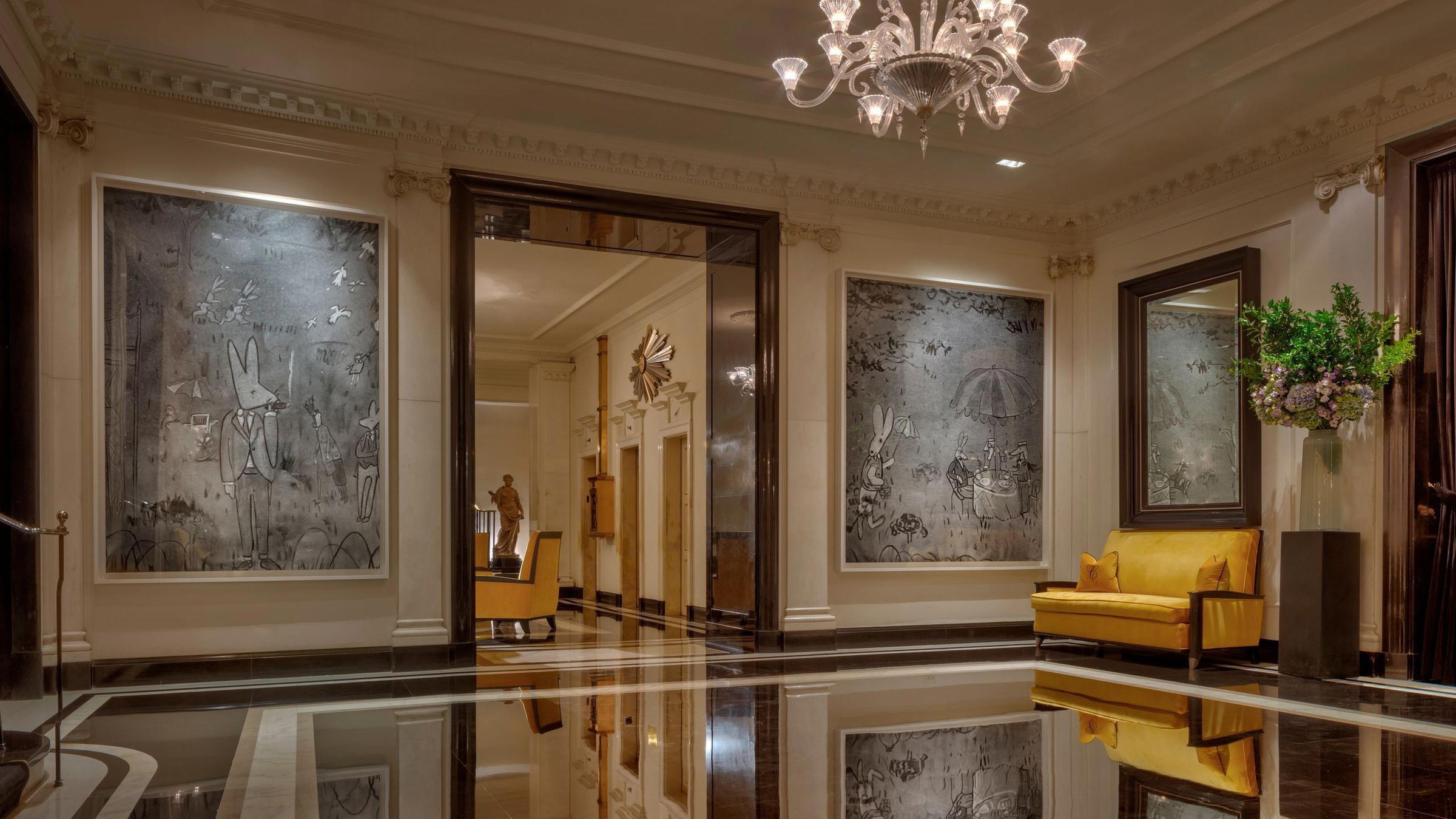
Hotels in New York City
Browse all →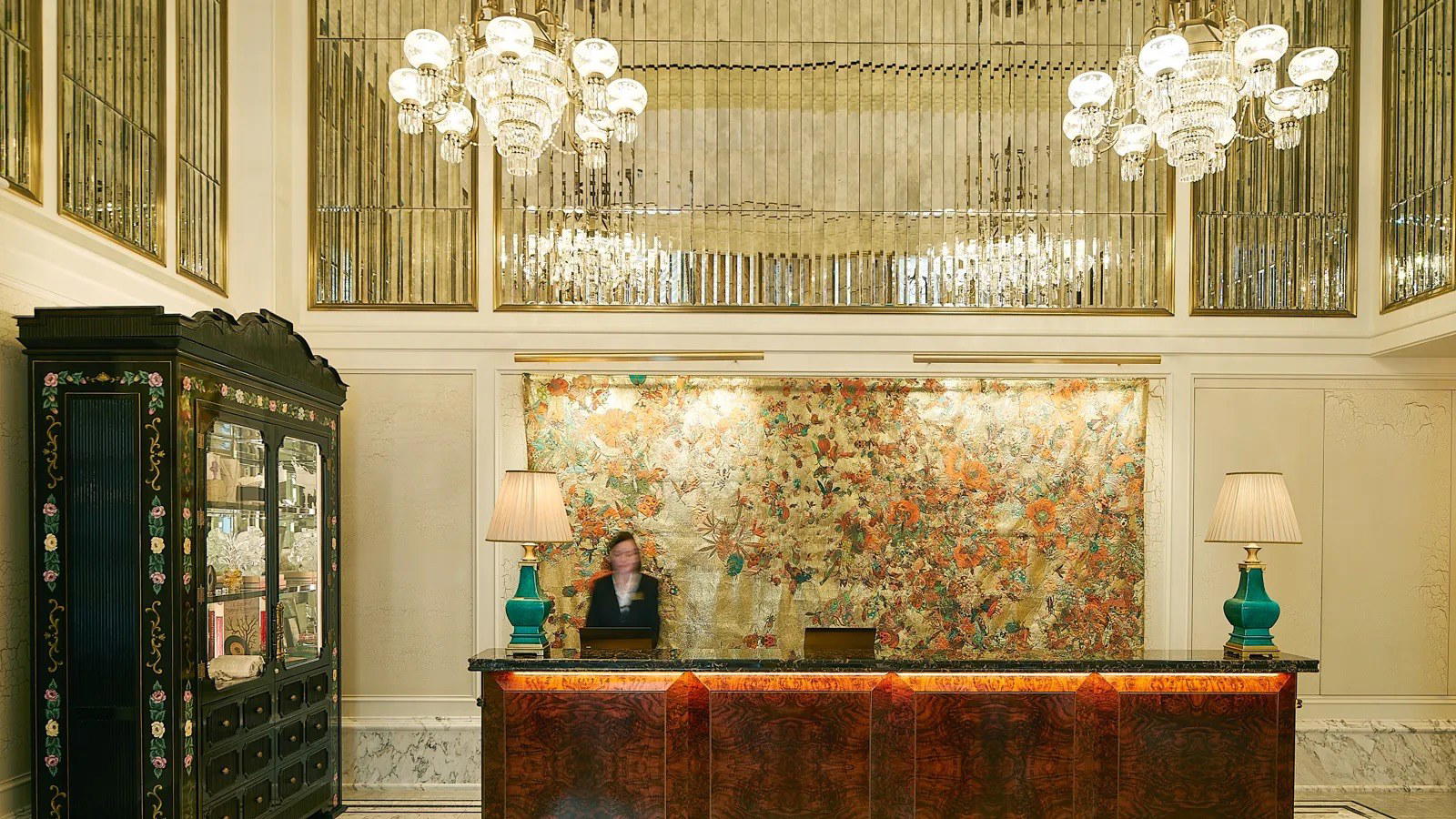
Bars in New York City
Browse all →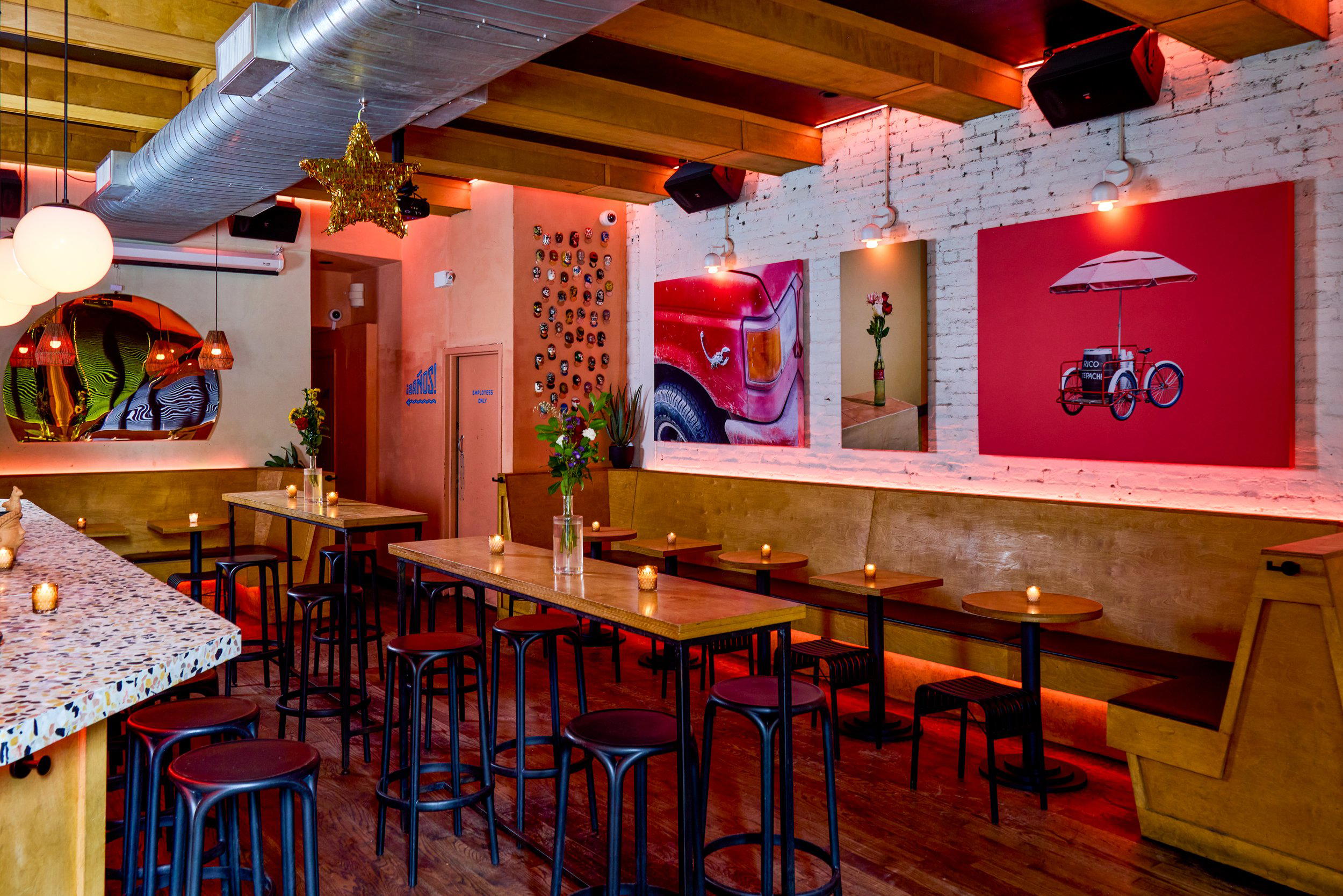
At a Glance
- Modern
- Trendy
- Lively
- Sophisticated
- Business Trip
- Weekend Escape
- Historic Building
- Design Destination
- Wi Fi
- Street Scene
- Wi Fi
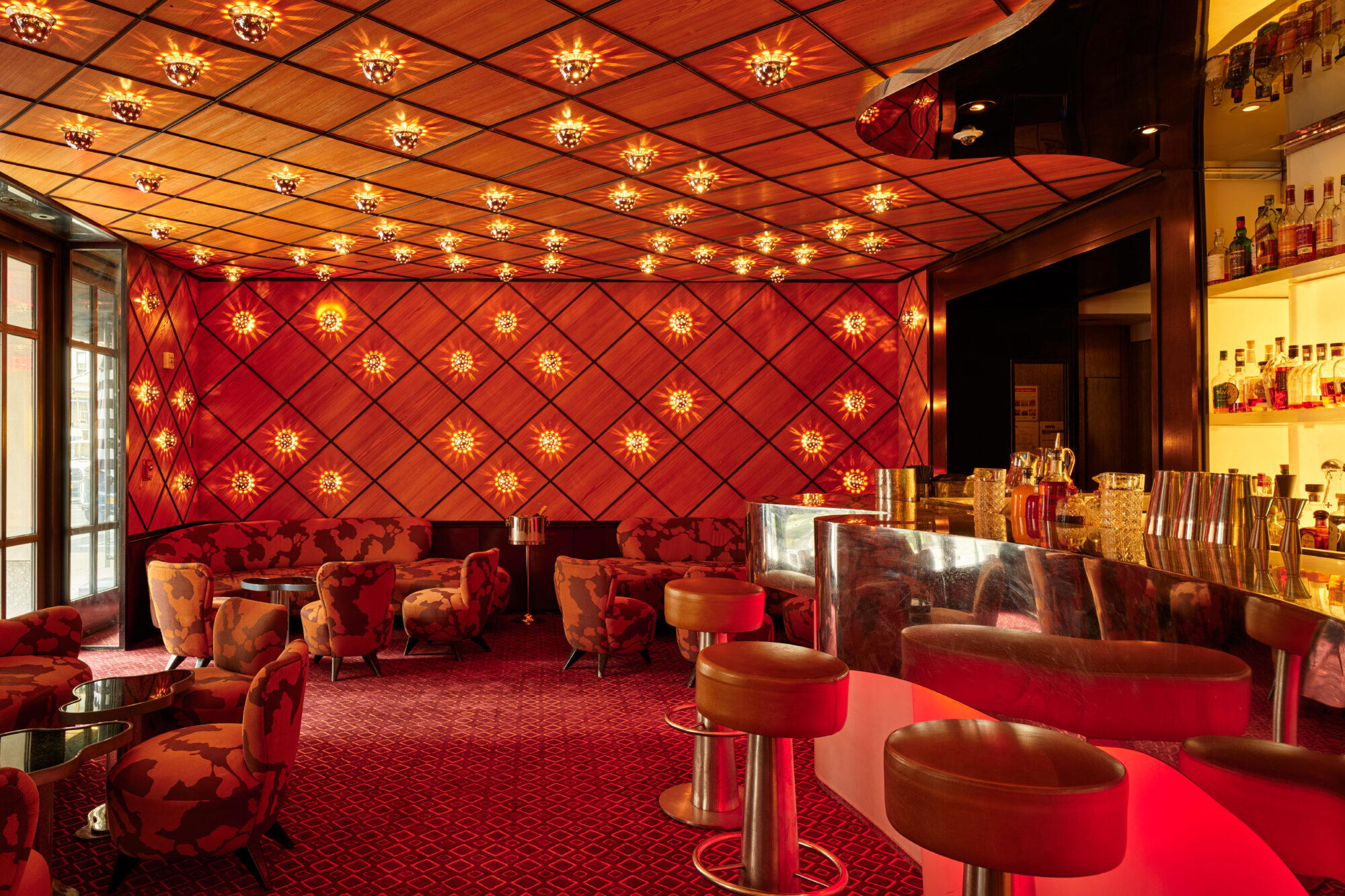
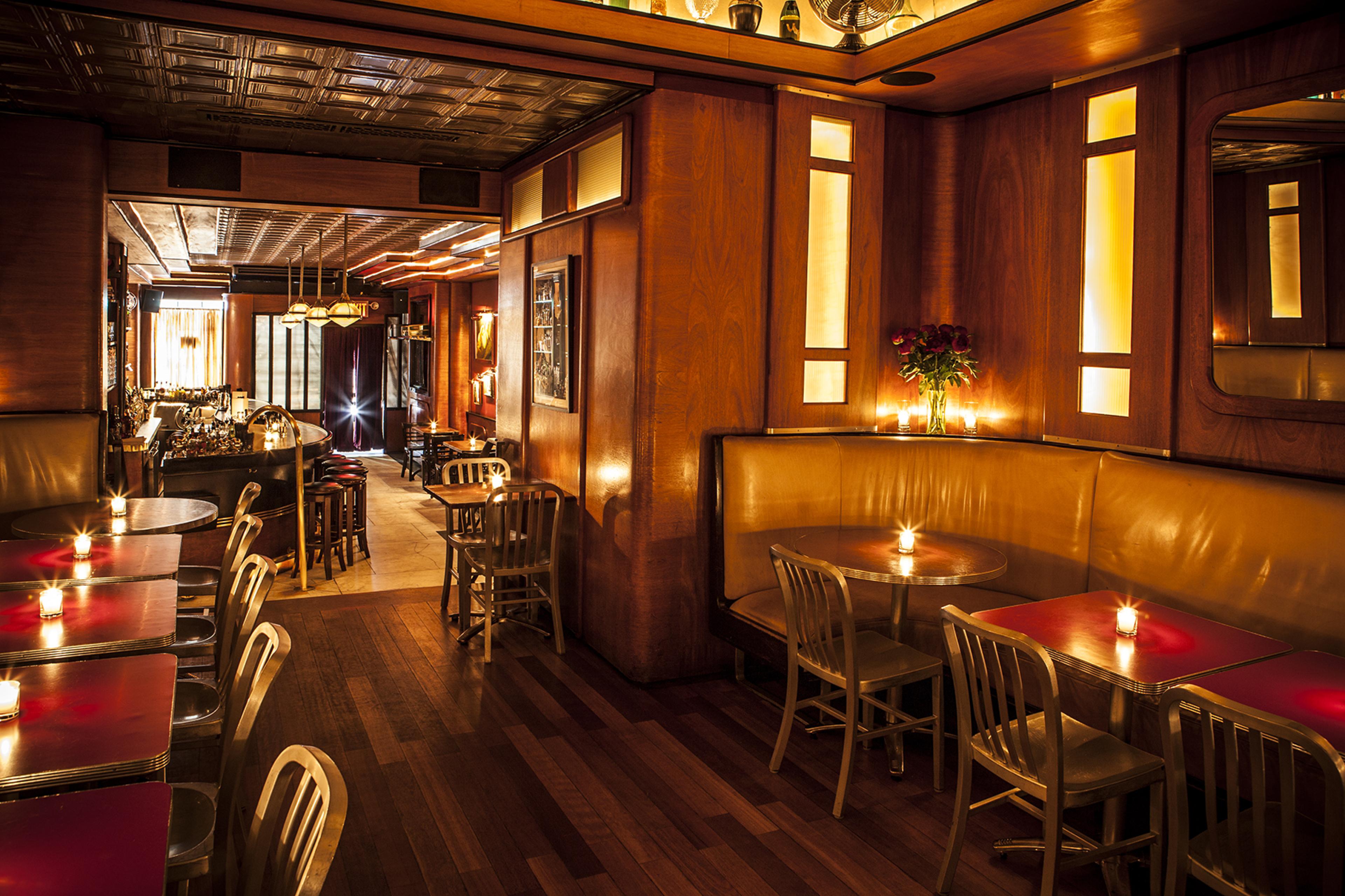
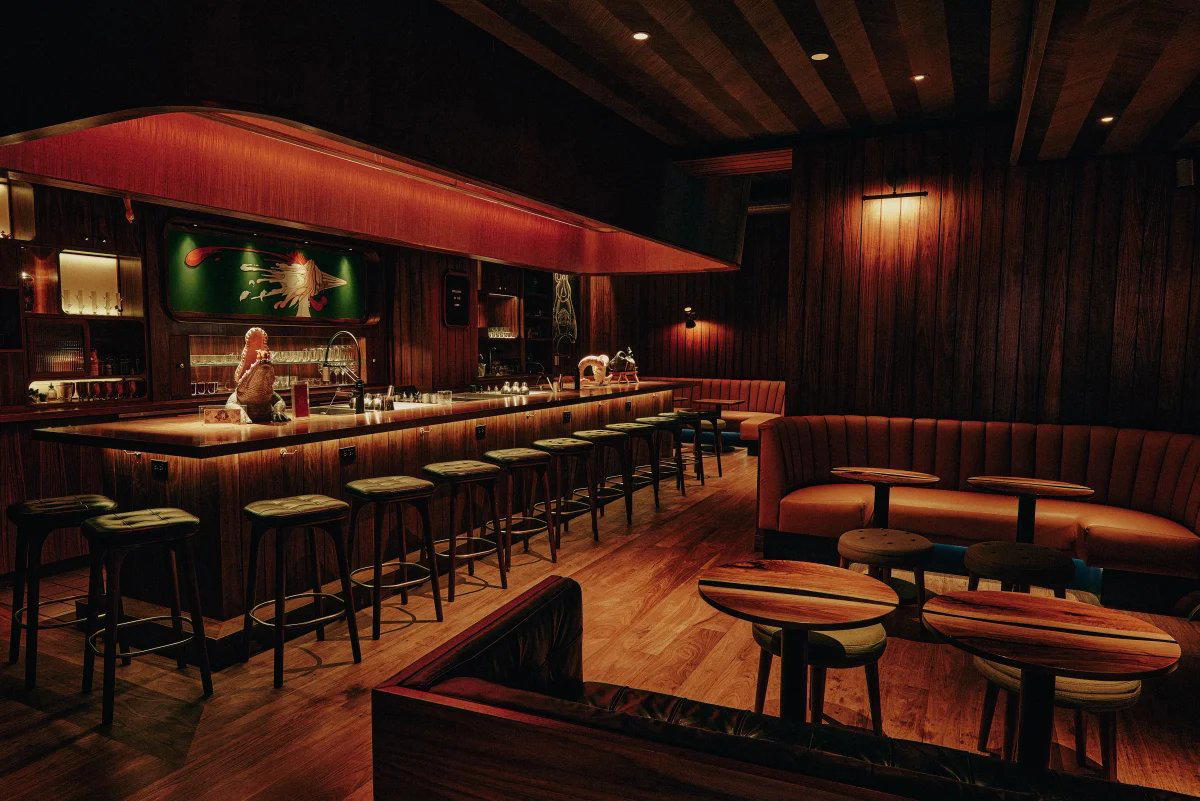
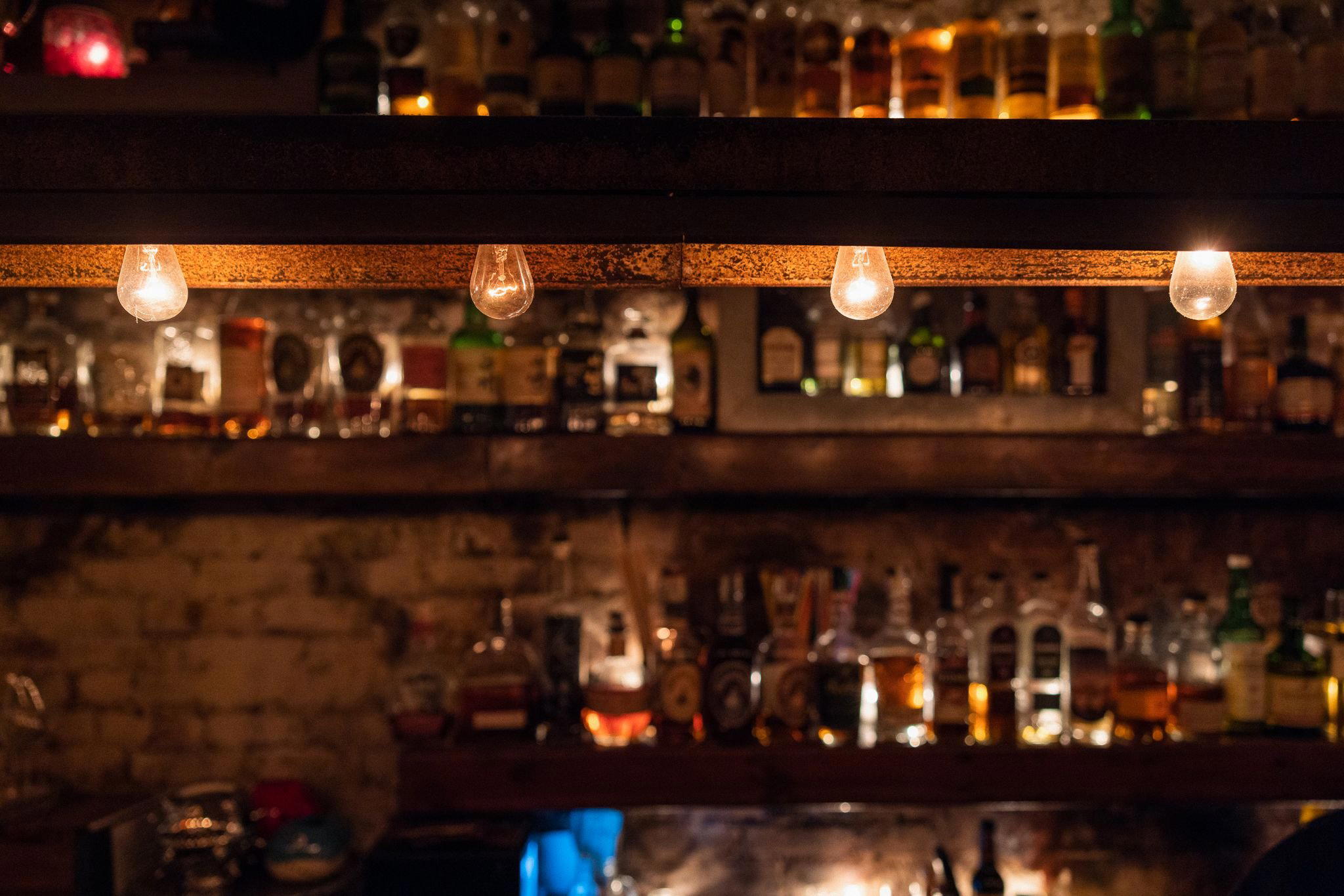
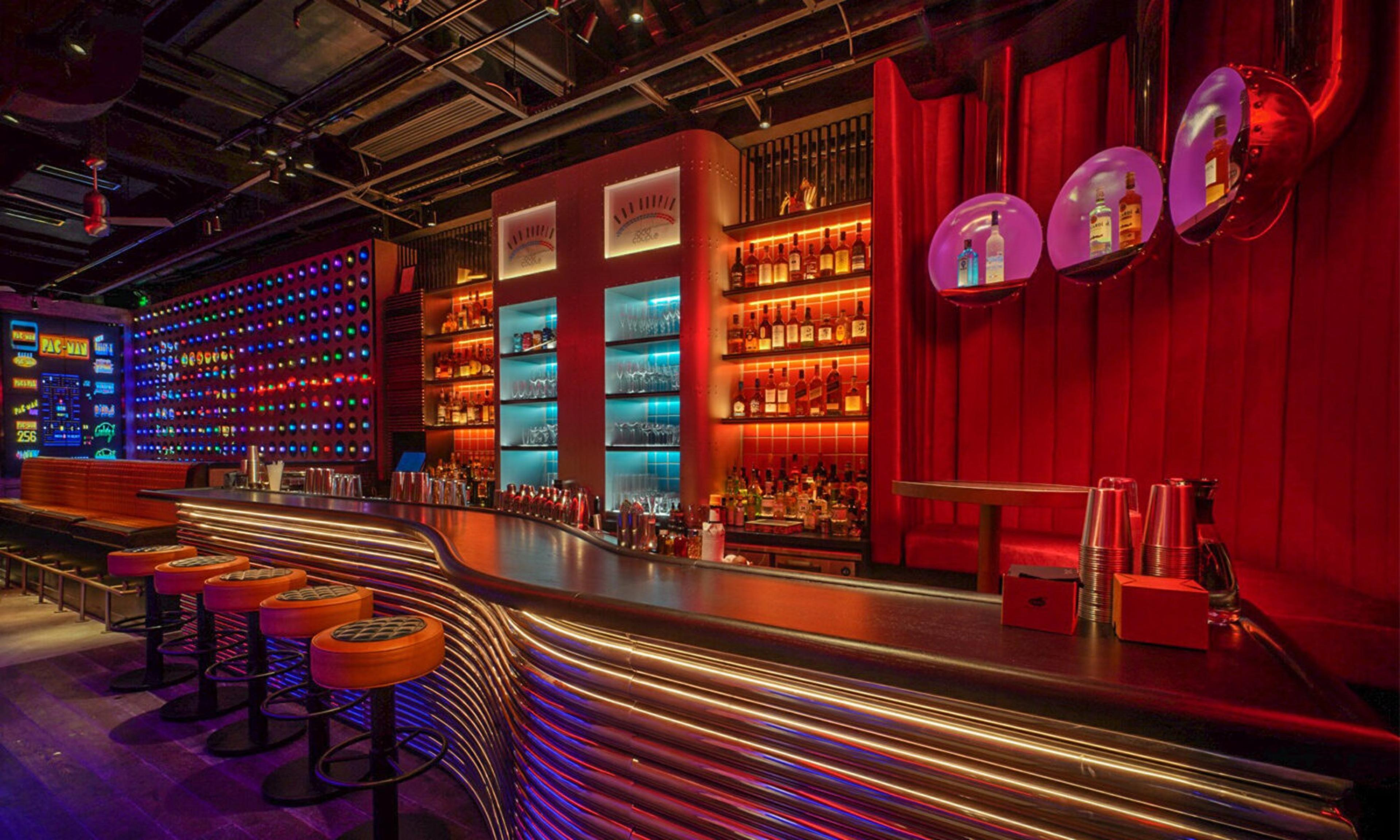
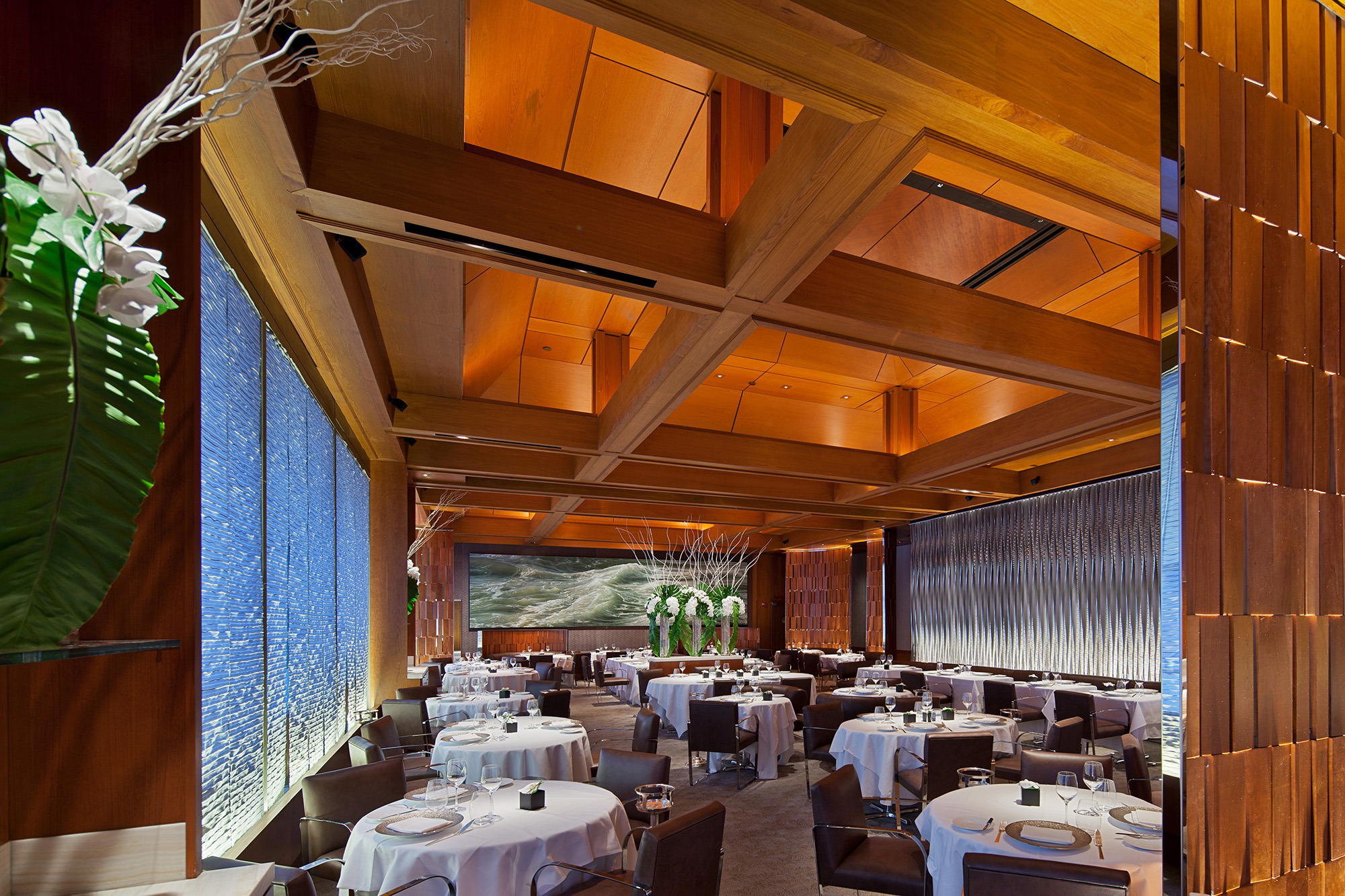
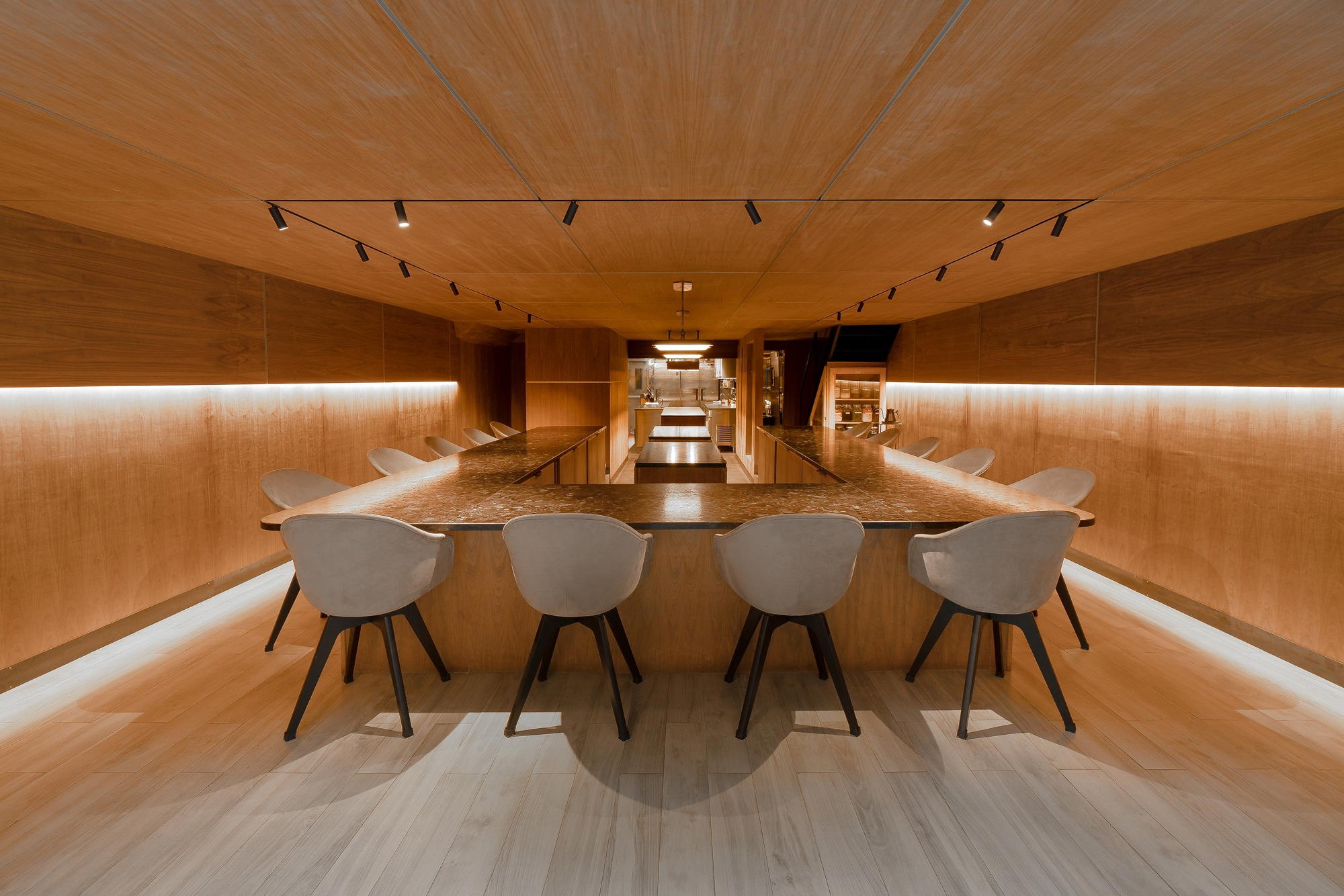
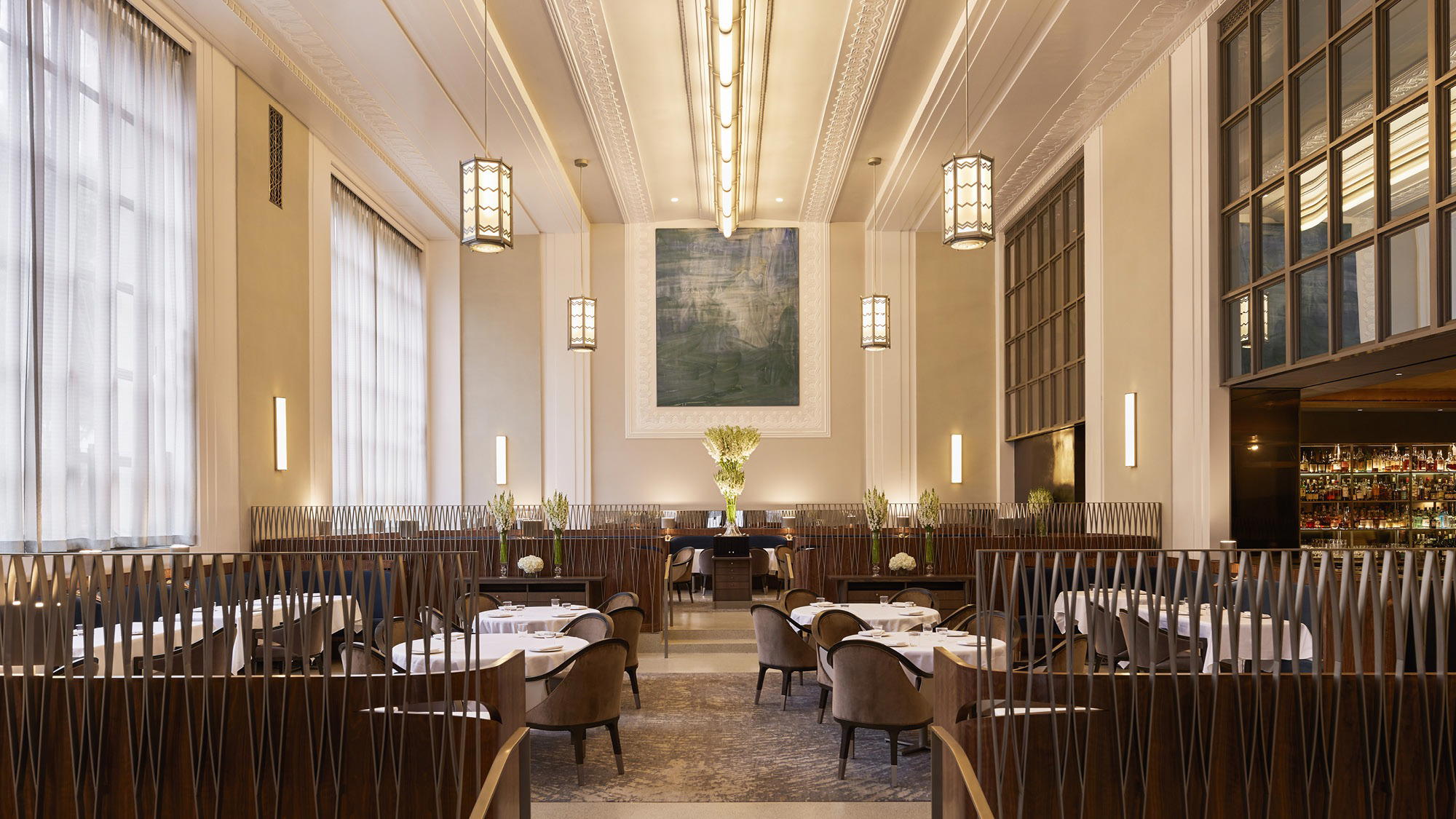
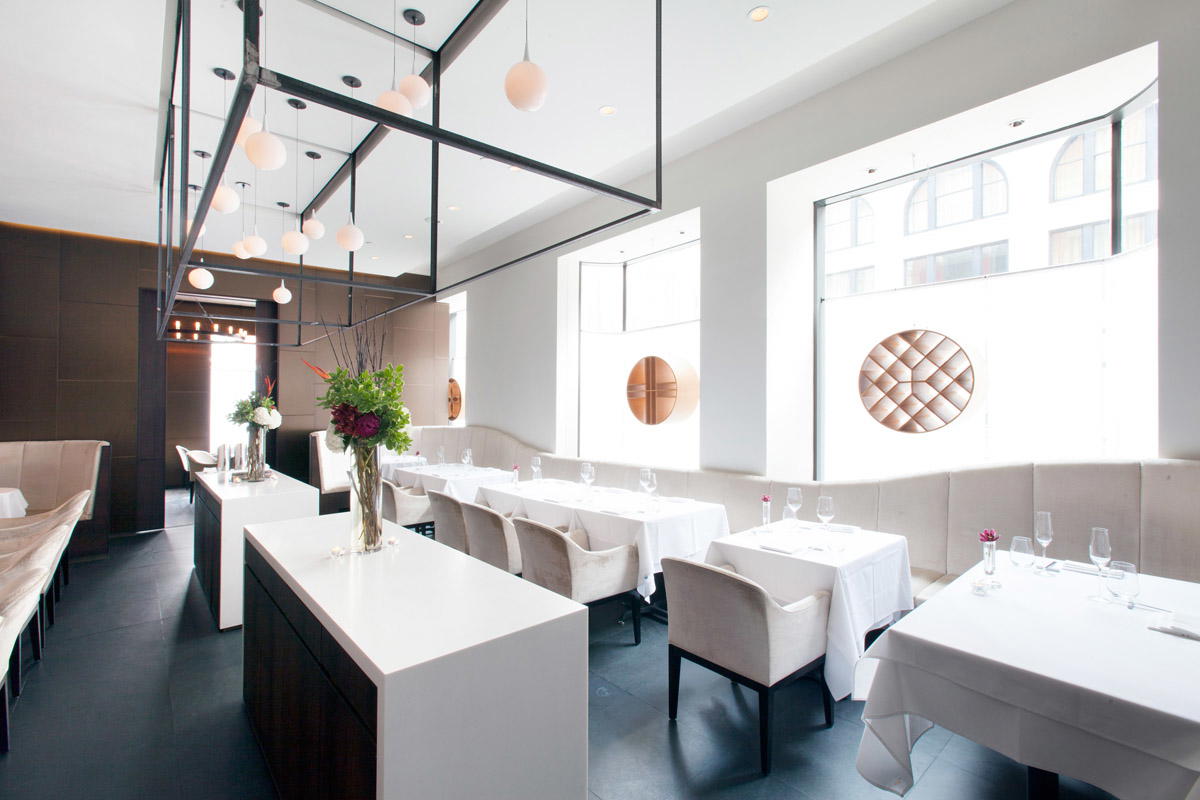
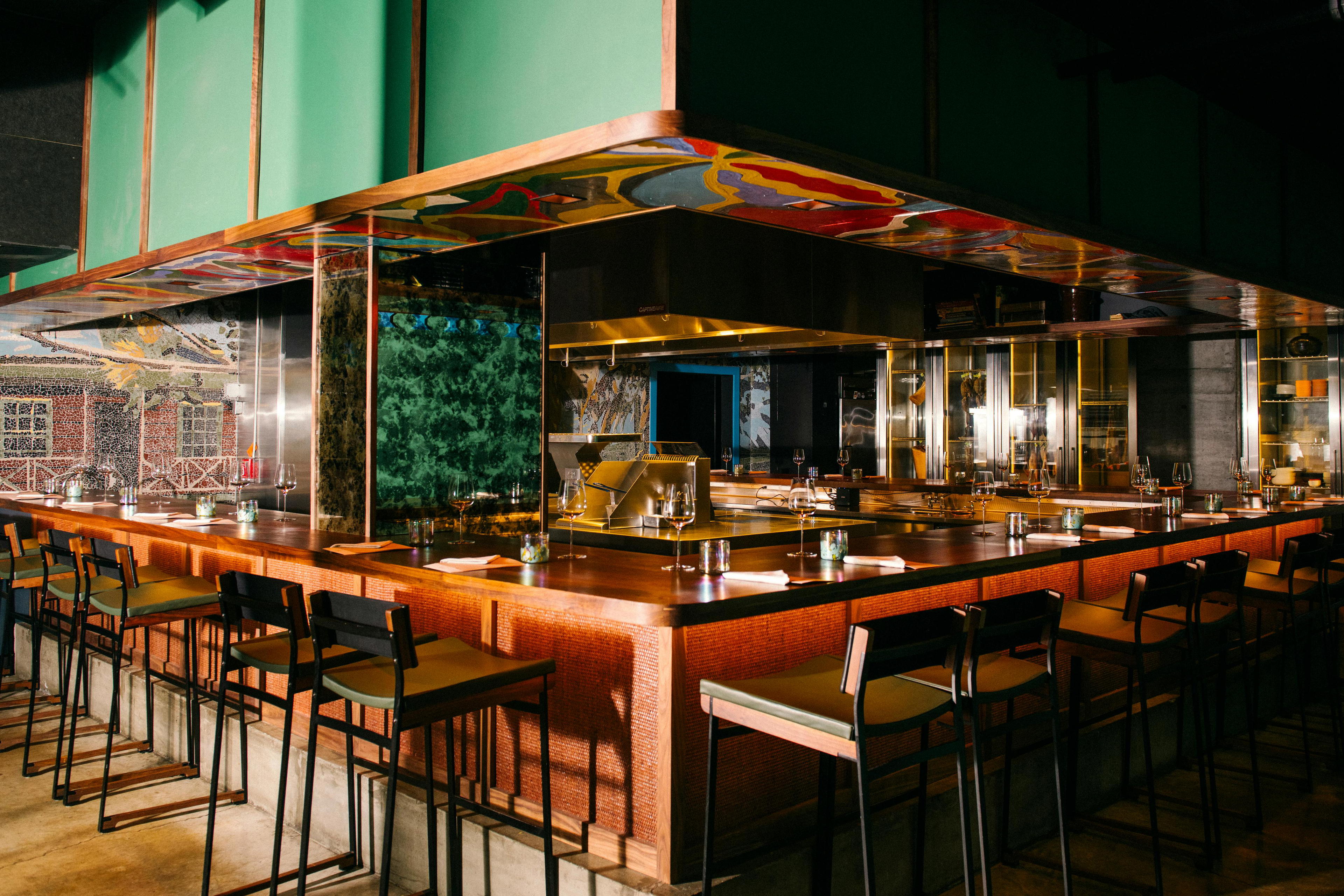
Layered lighting in flexible public spaces and intimate lounges fosters a fluid day-to-night transition with a lively, energetic atmosphere.