RH Guesthouse
RH Guesthouse occupies a converted Meatpacking District address at 55 Gansevoort Street, where the furniture brand's hospitality pivot meets one of Manhattan's most architecturally charged neighbourhoods. The property sits within a broader RH New York gallery complex, making it one of the few places in the city where retail, dining, and lodging share a single continuous atmosphere. Visitors arrive for the design statement as much as the stay itself.

Pearl is the En Primeur Club membership app, where members save venues, book tables and use the concierge.
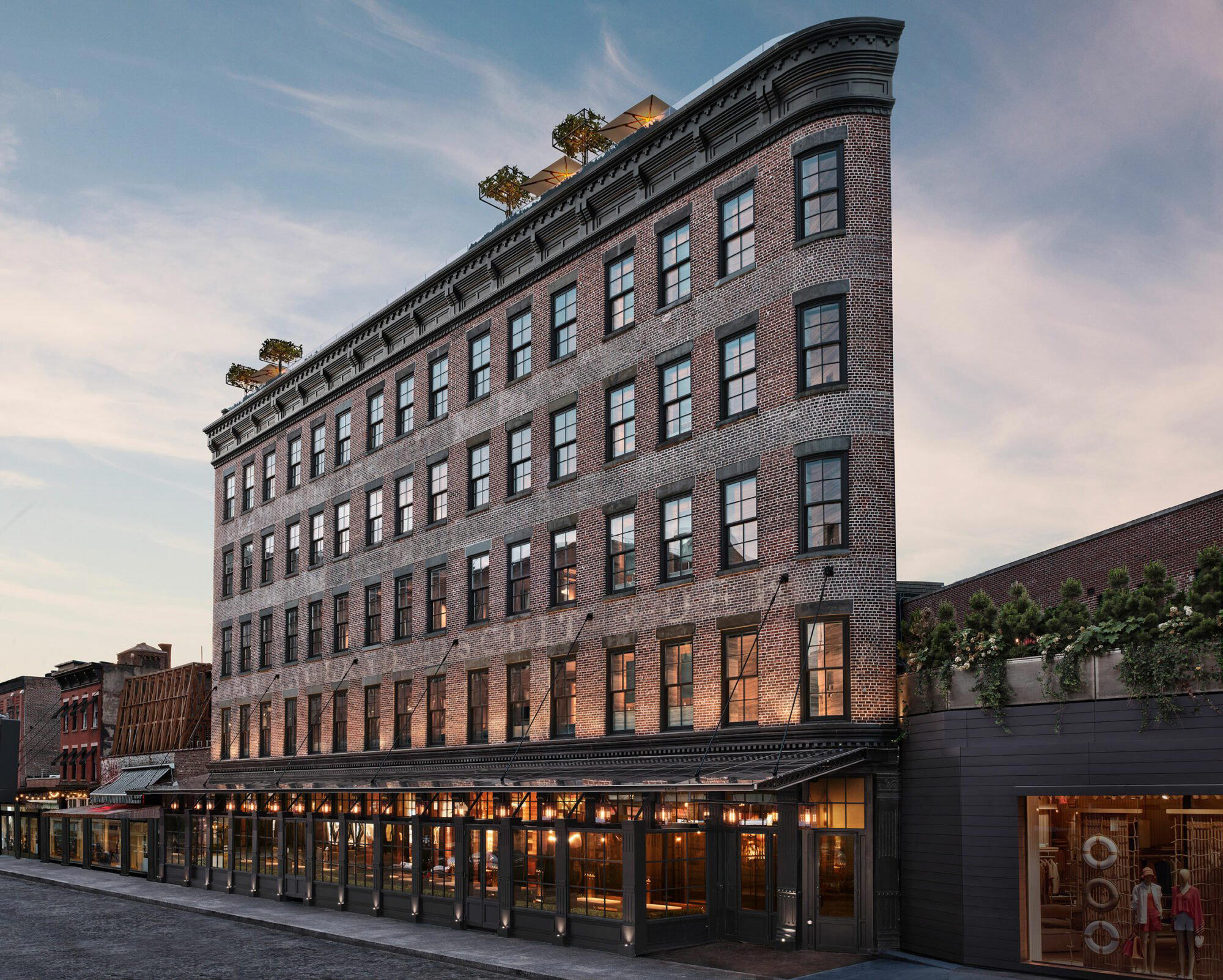
Where a Furniture Brand Became a Hospitality Argument
The Meatpacking District has been through more reinventions than almost any neighbourhood in Manhattan. It moved from its literal function through a period of nightlife dominance in the early 2000s, then shed that identity in favour of fashion flagships, the High Line foot traffic, and a quieter kind of premium retail. The arrival of RH Guesthouse at 55 Gansevoort Street represents the neighbourhood's current chapter: the design-led, brand-extended hospitality format, where the line between a curated retail environment and an actual place to sleep has been deliberately blurred.
RH, formerly Restoration Hardware, made a strategic pivot from catalogue furniture into experiential retail long before that phrase became a cliché. The RH New York gallery on the same block established the template: a converted 1900s townhouse turned into a multi-floor showroom where the furniture is the atmosphere. The Guesthouse extends that logic into accommodation. It is a useful case study in what happens when a brand whose core identity is the domestic interior decides to build an actual domestic interior for paying guests. The result sits in a niche that properties like Casa Cipriani New York also occupy: small-key, design-forward, with an identity tied more to the brand than to a traditional hotel group.
The Evolution From Showroom to Stay
Understanding RH Guesthouse requires understanding the trajectory of the wider RH gallery project. When the New York gallery opened, it operated as a destination in its own right: the rooftop restaurant drew reservations from people who had no intention of buying furniture, and the interior became a reference point for a particular aesthetic of warm materials, classical proportions, and deliberate restraint in colour palette. The Guesthouse followed as a logical extension of that pull. If people were already arriving to inhabit the space for dinner, the question of whether they could stay became commercially obvious.
This kind of brand-to-hotel evolution has precedent elsewhere. In New York, The Greenwich Hotel and Crosby Street Hotel each demonstrate how a distinct design philosophy can hold a small-key property together without the infrastructure of a larger group. RH Guesthouse operates in similar territory, though its starting point is retail rather than hospitality, which gives it a different kind of coherence: every object in the room is, in principle, the product.
The reinvention dynamic cuts both ways. Properties that begin as brand extensions carry the advantage of total aesthetic control and the risk of feeling more like a display than a refuge. How RH Guesthouse resolves that tension across its guest rooms is the central question the property poses to the Meatpacking District's accommodation offer. Compared to properties like The Fifth Avenue Hotel or Aman New York, which position themselves within established luxury hotel frameworks, RH Guesthouse occupies a genuinely different register: the boutique with a brand premise.
Gansevoort Street and the Neighbourhood Logic
The address matters. Gansevoort Street is a short block that carries disproportionate cultural weight in Manhattan. It sits at the northern end of the High Line, adjacent to the Whitney Museum, and within walking distance of the Hudson River waterfront. The neighbourhood's daytime character is now predominantly design and fashion: Bottega Veneta, Alexander McQueen, and several other flagship stores operate within a few hundred metres. In the evening, the density of restaurant options along the adjacent blocks, including Pastis and the cluster of spots along Little West 12th, keeps the area active through late evening.
For a property positioning itself around aesthetic identity, the Meatpacking District is the right neighbourhood. It is one of the few parts of Manhattan where the built environment has been significantly reshaped by design investment over the past two decades, and where the street itself reads as a considered thing. The contrast with, say, a Midtown address is substantial. Properties in quieter or more removed settings, like Troutbeck in Amenia or Post Ranch Inn in Big Sur, achieve their atmosphere through removal from the city. RH Guesthouse achieves its atmosphere by being entirely embedded in one of Manhattan's most visually deliberate streets.
How It Compares Within New York's Small-Key Tier
New York's boutique hotel offer has bifurcated over the past decade. On one side sit properties with clear hospitality pedigree and programming depth: The Mark on the Upper East Side, The Carlyle, A Rosewood Hotel a block away, and The Whitby Hotel in Midtown. On the other sit design-led properties where the physical environment is the primary offer, and where the bar or restaurant is often the anchor that gives the property its public identity. RH Guesthouse belongs to this second category, which means the quality of the associated food and beverage operation carries more weight in the overall guest experience than it would in a more conventionally programmed hotel.
For travellers whose hotel decision begins with aesthetic questions rather than points programmes or room-service menus, the RH format makes a coherent case. The same logic applies at the larger scale to properties like 1 Hotel San Francisco, where brand identity and built environment do the heavy lifting. What distinguishes RH is the specificity of its design language: warm neutrals, classical moulding references, and a material palette that reads as American domesticity at its most considered.
For context on how design-led properties operate at the far end of the luxury range internationally, it is worth noting how different the proposition becomes: Aman Venice, Badrutt's Palace Hotel in St. Moritz, and Bvlgari Hotel Tokyo all carry brand extension logic, but each comes with decades of hospitality infrastructure behind it. RH Guesthouse is at an earlier point in that curve, which is part of what makes it interesting to watch. Browse our full New York City guide for the wider context of where it sits among the city's current accommodation offer.
Know Before You Go
- Address: 55 Gansevoort St, New York, NY 10014
- Neighbourhood: Meatpacking District, Manhattan
- Nearest transit: 14th Street / 8th Avenue (A, C, E lines); 14th Street / Hudson Street (1 line)
- Proximity: One block from the High Line southern terminus; three blocks from the Whitney Museum
- Format: Boutique guesthouse within the RH New York gallery complex
- Booking: Check the RH website directly; walk-in availability at a property of this format and scale should not be assumed
- Leading for: Design-focused travellers, brand-experience visits, Meatpacking District dining access
Awards and Standing
| Venue | Price | Awards |
|---|---|---|
| RH GuesthouseThis venue (the venue you are viewing) | $2,500+ | Not listed |
| Aman New York | Not listed | 3 Michelin Keys · World's 50 Best #87 |
| The Carlyle, A Rosewood Hotel | $1,500–2,500 | 2 Michelin Keys · World's 50 Best #64 |
| Pendry Manhattan West | Not listed | 2 Michelin Keys · La Liste Top Hotels |
| Ace Hotel Brooklyn | $100–200 | 1 Michelin Key · Mr & Mrs Smith Seal of Approval |
| The Ludlow Hotel | $300–500 | 1 Michelin Key · Design Hotels Member |
Continue exploring
More in New York City
Hotels in New York City
All hotels in New York City →
Bars in New York City
All bars in New York City →




Details
- Elegant
- Sophisticated
- Intimate
- Modern
- Ornate
- Romantic Getaway
- Anniversary
- Honeymoon
- Rooftop Pool
- Panoramic View
- Private Dining
- Infinity Pool
- Pool
- Room Service
- Concierge
- Fitness Center
- Skyline
- Waterfront
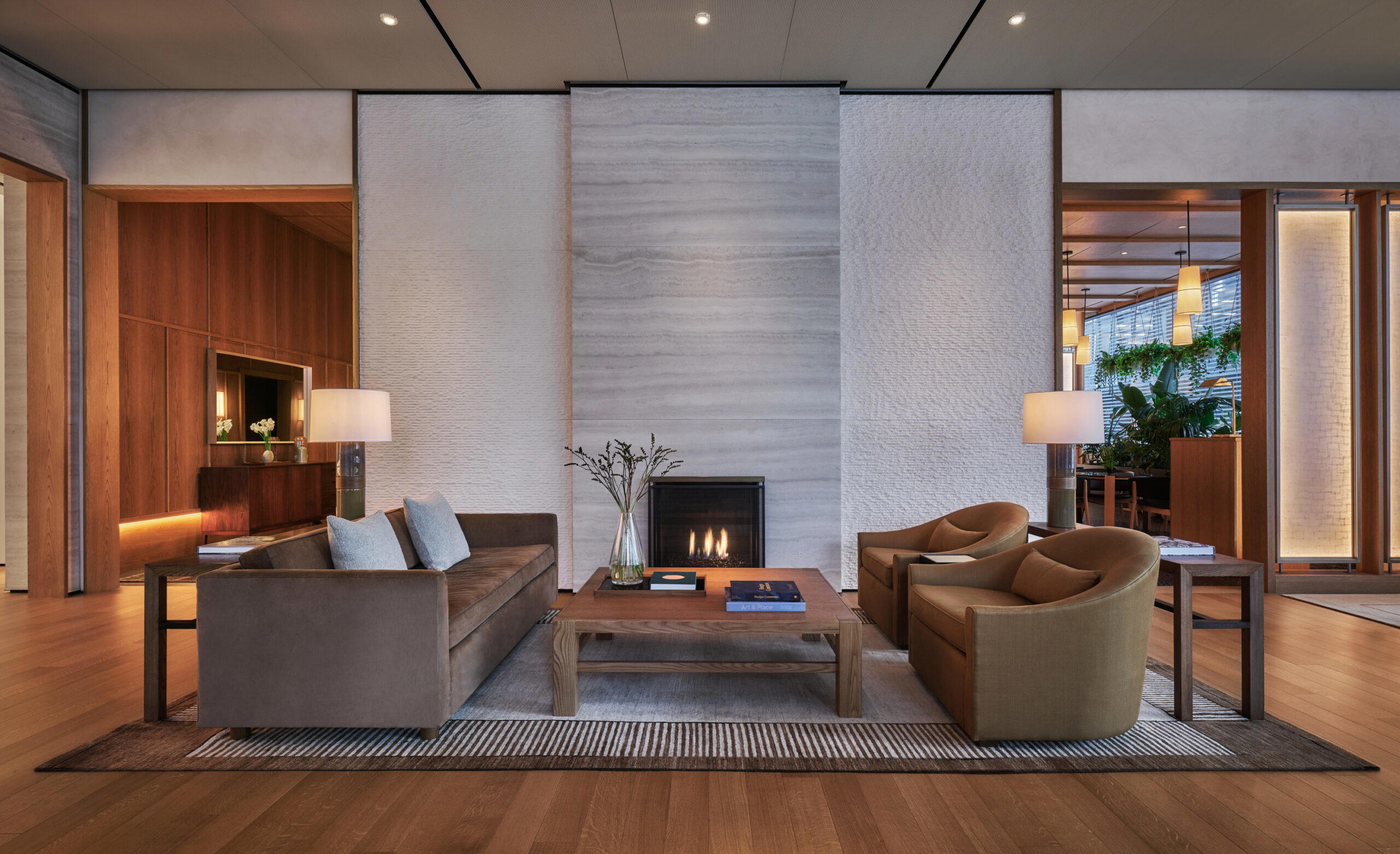
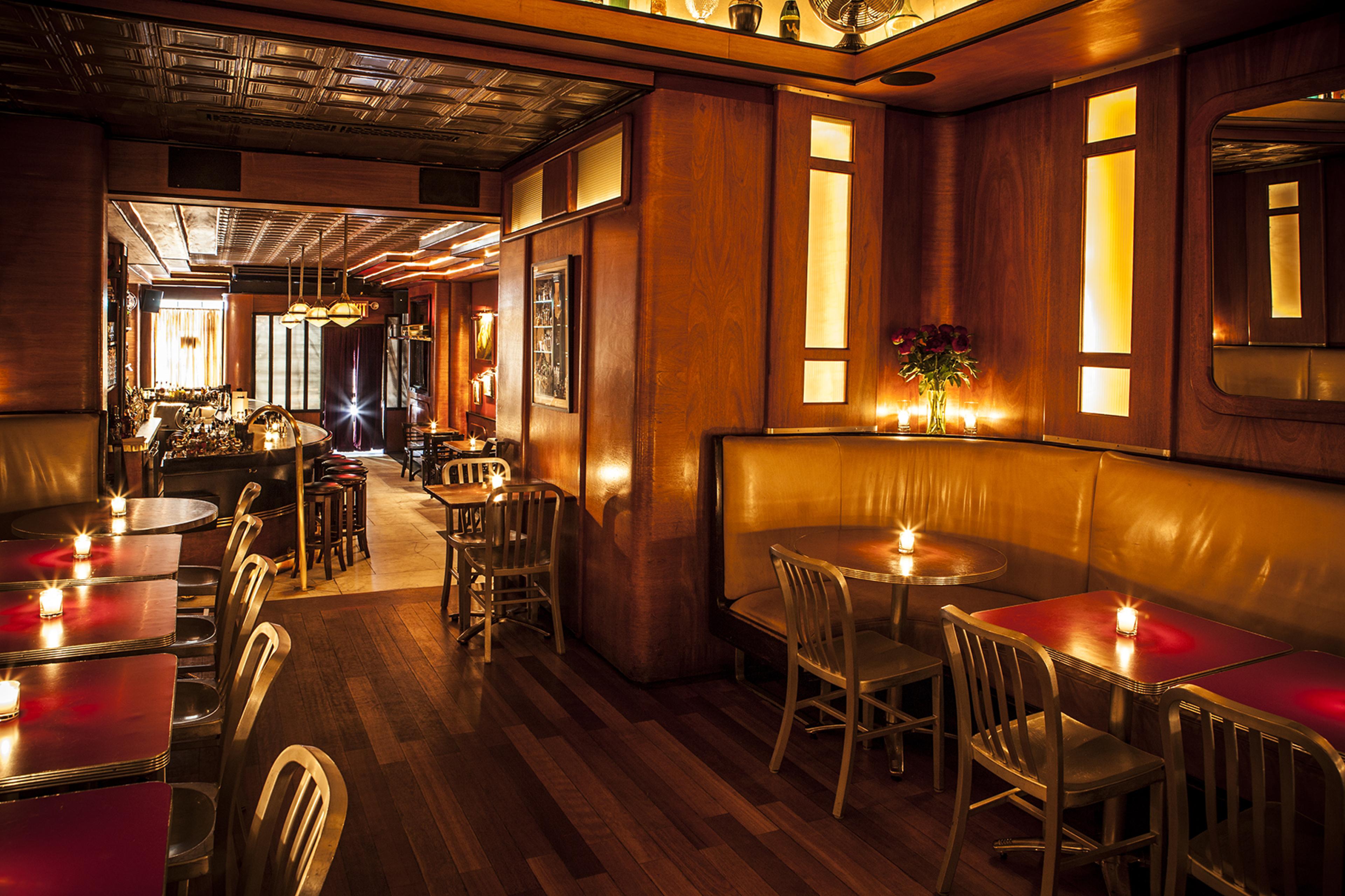
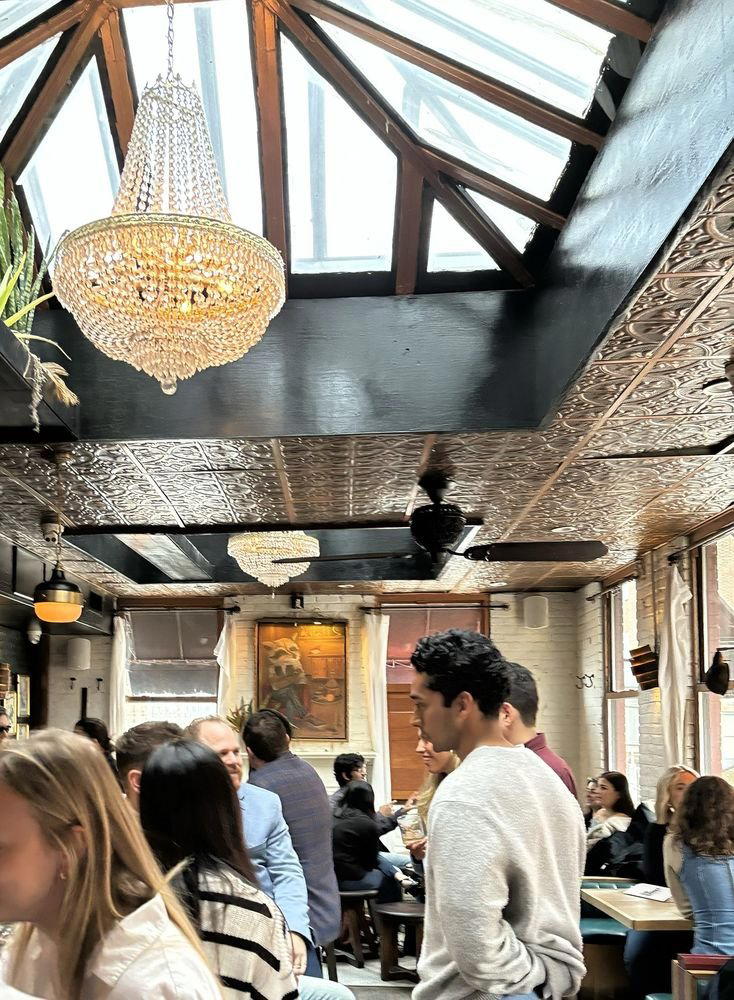
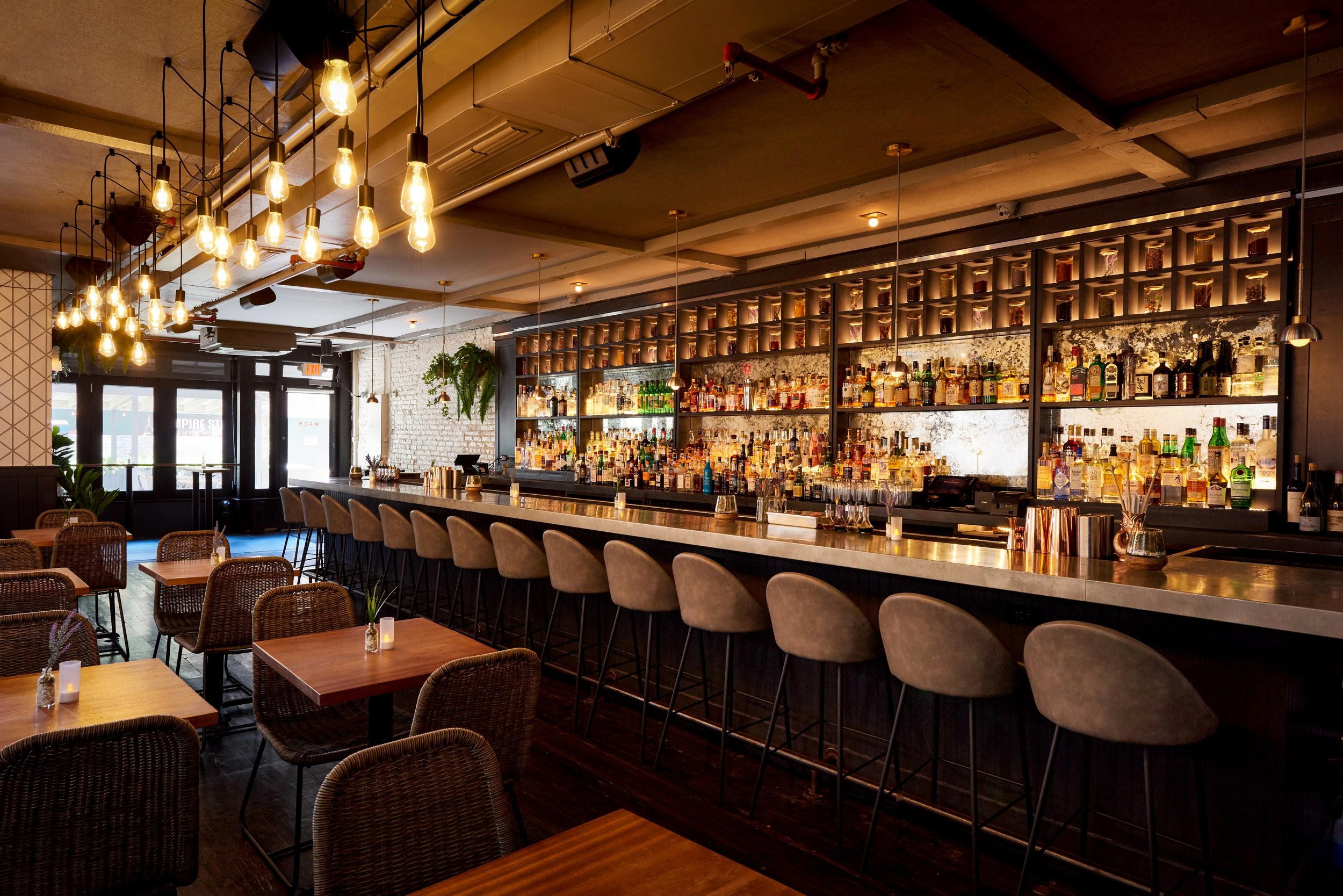
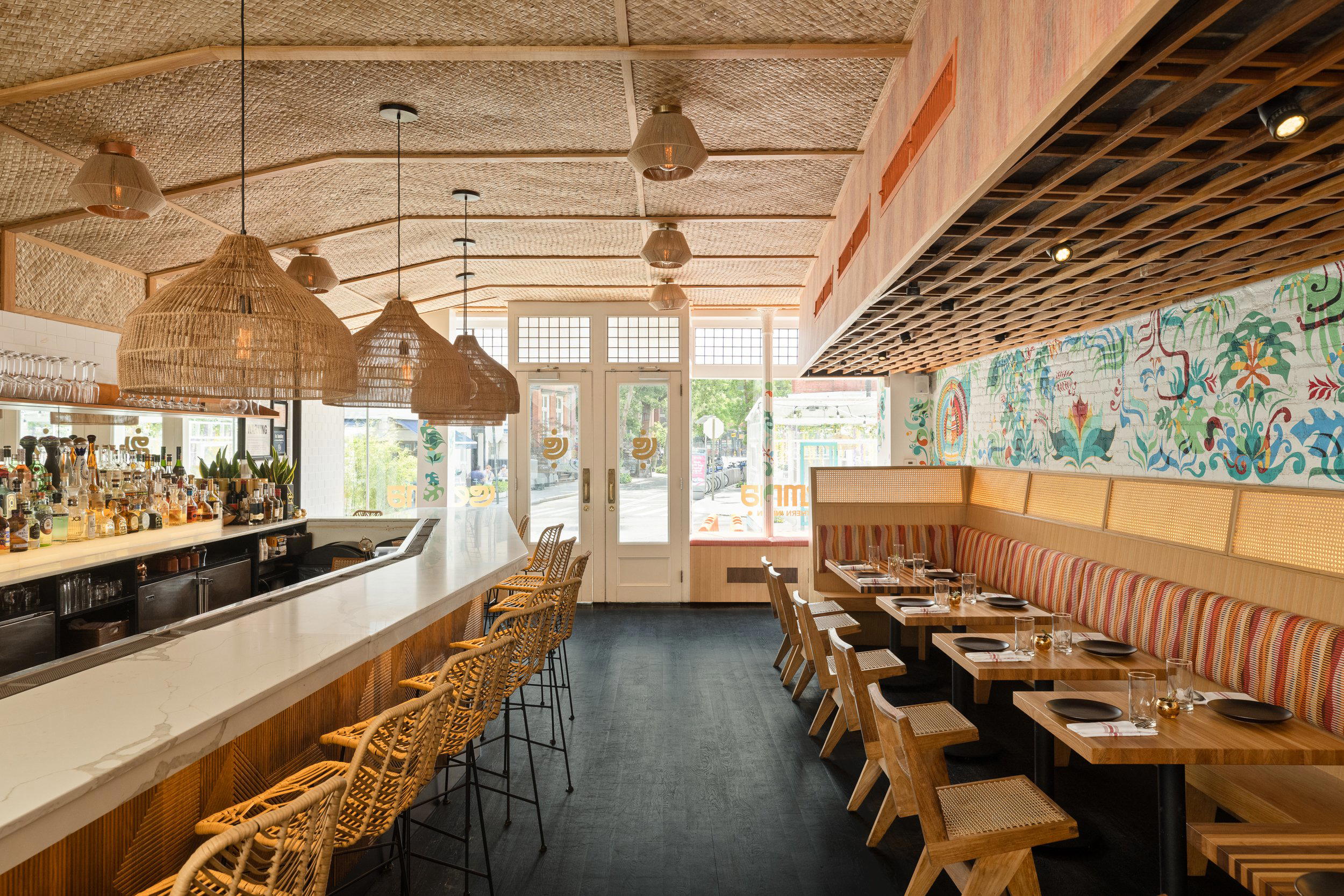
Ornate residential-style atmosphere with floor-to-ceiling European oak, Italian travertine, and wool-velvet upholstery creating timeless yet contemporary luxury.