Where Dubrovnik's Bar Scene Quiets Down Most of Dubrovnik's drinking culture organises itself around two gravitational pulls: the cliff-edge spectacle of places like Buža Bar, where the Adriatic does most of the work, and the wine-forward rooms represented by operators like D'VINO Wine Bar, which lean into Dalmatian and Croatian bottle lists as their primary editorial statement. The piano bar format sits outside both of those categories, and that is precisely why it occupies a specific niche in how the city's evenings can be structured. Abakus Piano Bar is located at Ul. Frana Supila 12, on the road that runs along the eastern edge of the old town between Ploče gate and the Banje Beach area. This stretch sits at a remove from the densest tourist pressure inside the walls, which means arrivals tend to come with intent rather than by accident. The address alone signals something about the crowd it draws. The Piano Bar Format in a Coastal City Globally, the piano bar has undergone a quiet recalibration over the past decade. In cities from New York to Havana, the format has moved away from its mid-century lounge associations and toward something more deliberately crafted, where the instrument sets the room's emotional temperature and the drinks programme is expected to hold its own against that backdrop. Café La Trova in Miami represents one end of that spectrum, where live Cuban music and technically grounded cocktails operate as equal partners. Jewel of the South in New Orleans demonstrates how the format can anchor itself in a city's musical heritage without becoming a museum piece. In Dubrovnik, the live music bar as a category is less developed than its Mediterranean counterparts. The city's evening economy defaults to restaurant terraces, sunset-view bars, and wine rooms. A bar that positions sound — specifically acoustic piano — as its primary organising principle is working against the grain of local convention, which is either a liability or a distinguishing characteristic depending on what the visitor is after. The Drinks Angle Croatia's cocktail culture has been developing unevenly across its cities. Zagreb has produced some of the more technically ambitious programs, with operators like Peaches & Cream Bar demonstrating that the capital's bar scene can compete on craft terms with larger European markets. The Dalmatian coast, by contrast, has historically skewed toward wine and local spirits, travarica, prosek, and Dalmatian herb liqueurs, rather than cocktail construction. A piano bar in this context has a decision to make: lean into local spirit culture and build a drinks list around what the region produces, or operate a more international cocktail programme that treats the setting as its differentiator. Both approaches have precedent. Superbueno in New York City shows how a bar can foreground a specific regional spirit tradition within a technically refined framework. The more interesting question for any Dubrovnik bar in this format is whether it treats Croatian distillation and wine production as source material rather than just local colour. Given the address and format, Abakus sits in a tier where the drinks programme is expected to complement the musical atmosphere rather than compete with it, measured pours, compositions that allow for extended drinking across an evening rather than high-alcohol statement cocktails, and a list that rewards attention without demanding it. Elsewhere on the Dalmatian coast, wine-led bars like Zinfandel Food & Wine Bistro in Split and submerged-cellar operations like Edivo Wine Bar in Drace have demonstrated that the region can produce drinking experiences grounded in local production. Whether Abakus draws from that same well or operates a more international cocktail vocabulary is part of what defines its position in Dubrovnik's bar tier. How It Fits the Dubrovnik Evening The practical sequencing of an evening in Dubrovnik tends to follow a pattern: sunset drinks in a view-facing position, dinner either inside the old town or on the Lapad peninsula, and then a post-dinner drink in a setting that doesn't require navigating the walls again. Abakus's location on Frana Supila makes it accessible from both the Ploče gate side of the old town and the hotel corridor that runs along the coast toward Sveti Jakov. That positioning makes it a logical stop in the second half of an evening rather than an aperitivo destination. The piano bar format also sets different expectations for timing. Venues like Buža Bar are fundamentally afternoon and golden-hour operations, dependent on natural light. A piano bar runs on a different clock, building toward whatever the live programme offers later in the evening. Visitors planning around that distinction will find the format aligns more naturally with a 10pm arrival than a 7pm one. For those building a broader Dalmatian itinerary, the island bar culture represented by venues in Hvar in Stari Grad and Hvar in Lesina operates on a different social rhythm again, and the contrast with a city bar like Abakus is worth factoring into how you structure the trip. Similarly, the Istrian bar scene, represented by operators like Ul. Sv. Križa 24 in Rovinj, skews toward a slower, wine-oriented pace that shares some temperamental DNA with what Abakus appears to offer, even if the formats differ. Planning a Visit Abakus Piano Bar is located at Ul. Frana Supila 12 in Dubrovnik's 20000 postal district, on the road connecting the Ploče gate area to the coastal hotel strip east of the old town. Given the format, booking ahead or arriving early in the evening is advisable during peak summer months, when Dubrovnik's bar capacity tightens considerably from June through August. The shoulder season, particularly May and September, offers the same programme with fewer competing pressures on space. Specific hours, pricing, and booking details are best confirmed directly with the venue. For a fuller picture of Dubrovnik's drinking and dining options by neighbourhood, see our full Dubrovnik restaurants guide. Frequently Asked Questions What's the vibe at Abakus Piano Bar? Abakus occupies a quieter register than most of Dubrovnik's better-known bars. The combination of live piano and a location outside the old town's densest tourist zone produces an atmosphere oriented toward conversation and extended evening drinking rather than high-turnover service. It fits most naturally into the later part of a Dubrovnik evening, after dinner, rather than as a pre-dinner aperitivo stop. Visitors who find the cliff-view bars and wine rooms too loud or too crowded tend to be the ones who find the format worthwhile. What drink is Abakus Piano Bar famous for? No specific signature drink or awarded cocktail programme appears in the public record for Abakus. Croatia's Dalmatian coast has a strong local spirit and wine tradition, and bars in Dubrovnik with a more deliberate drinks focus, like the wine-forward D'VINO Wine Bar, tend to build around that regional foundation. Whether Abakus positions itself within that local tradition or around an international cocktail programme is worth asking the bar directly on arrival. Is Abakus Piano Bar a good fit for an evening visit during Dubrovnik's summer season? The piano bar format and the Frana Supila address both suggest a venue that works better as a deliberate destination than as a drop-in stop. During the peak summer months from June through August, Dubrovnik's bar capacity across the city tightens, and venues with live music programming tend to fill earlier in the evening than their off-season rhythm would suggest. The address sits close to the eastern end of the old town and the coastal hotel strip, making it accessible without requiring a full re-entry into the walls after dinner.
Pearl is the En Primeur Club membership app — saves, bookings, and concierge access live there. Same editors, same standards.
- Address
- Ul. Frana Supila 12, 20000, Dubrovnik, Croatia
- Phone
- +385 20 300 300
- Directions
- Get directions
 Saves & bookings on Pearl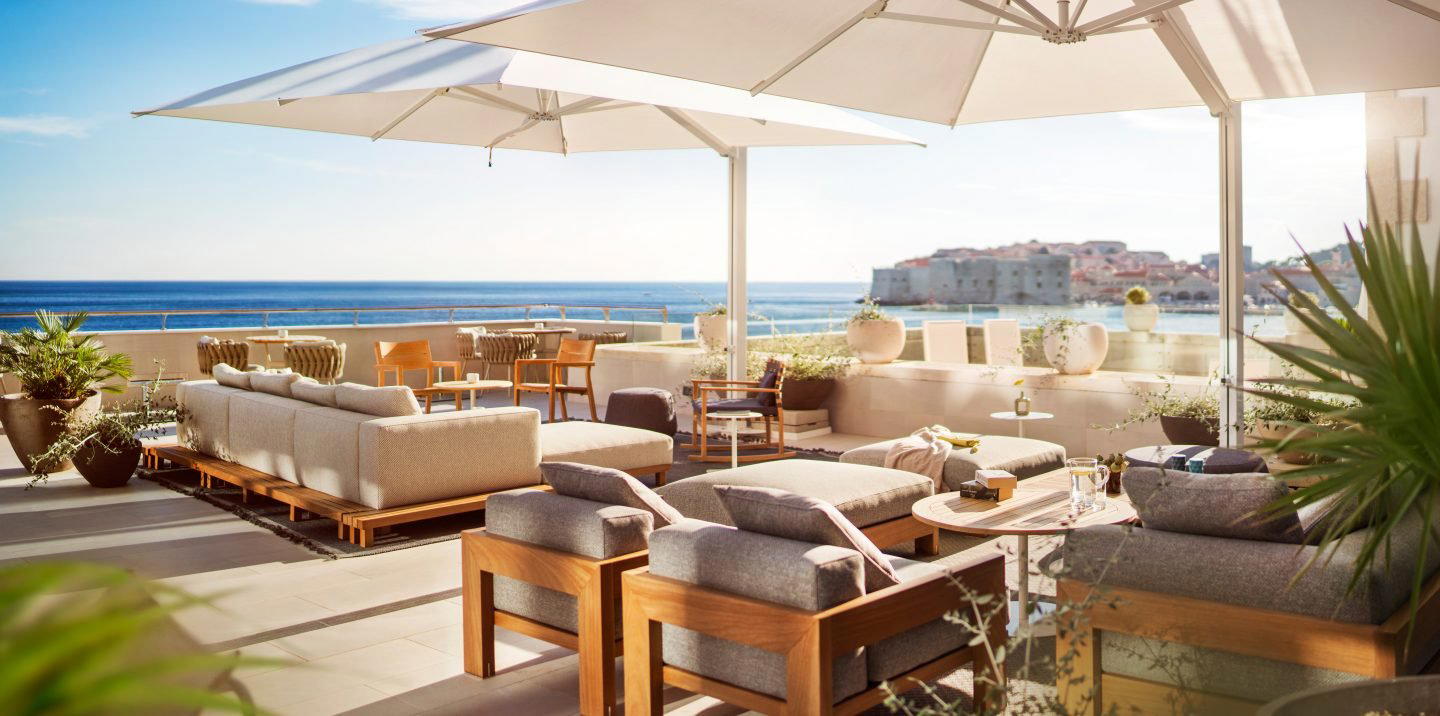
Where Dubrovnik's Bar Scene Quiets Down
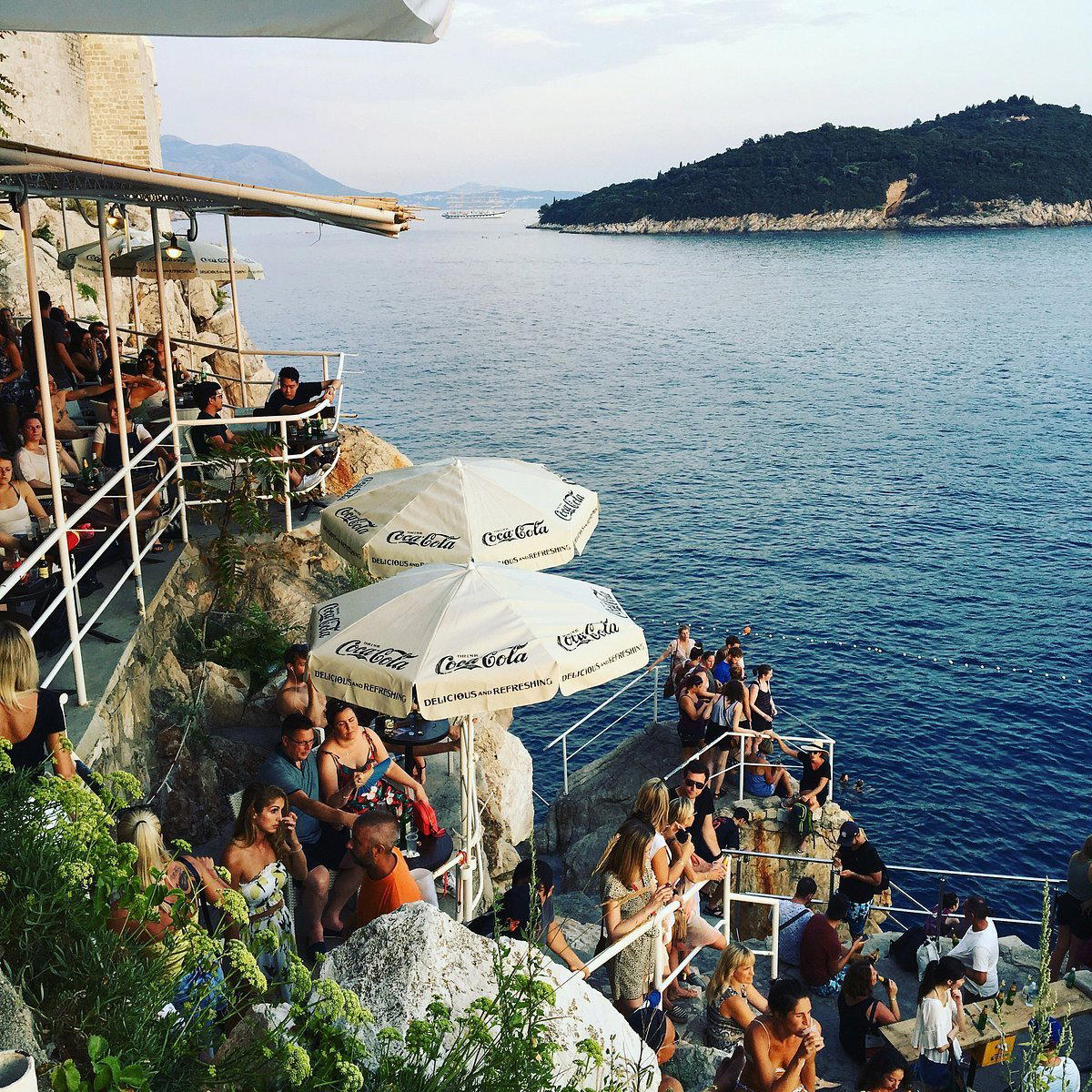
Most of Dubrovnik's drinking culture organises itself around two gravitational pulls: the cliff-edge spectacle of places like Buža Bar, where the Adriatic does most of the work, and the wine-forward rooms represented by operators like D'VINO Wine Bar, which lean into Dalmatian and Croatian bottle lists as their primary editorial statement. The piano bar format sits outside both of those categories, and that is precisely why it occupies a specific niche in how the city's evenings can be structured.
Abakus Piano Bar is located at Ul. Frana Supila 12, on the road that runs along the eastern edge of the old town between Ploče gate and the Banje Beach area. This stretch sits at a remove from the densest tourist pressure inside the walls, which means arrivals tend to come with intent rather than by accident. The address alone signals something about the crowd it draws.
The Piano Bar Format in a Coastal City
Globally, the piano bar has undergone a quiet recalibration over the past decade. In cities from New York to Havana, the format has moved away from its mid-century lounge associations and toward something more deliberately crafted, where the instrument sets the room's emotional temperature and the drinks programme is expected to hold its own against that backdrop. Café La Trova in Miami represents one end of that spectrum, where live Cuban music and technically grounded cocktails operate as equal partners. Jewel of the South in New Orleans demonstrates how the format can anchor itself in a city's musical heritage without becoming a museum piece.
In Dubrovnik, the live music bar as a category is less developed than its Mediterranean counterparts. The city's evening economy defaults to restaurant terraces, sunset-view bars, and wine rooms. A bar that positions sound — specifically acoustic piano — as its primary organising principle is working against the grain of local convention, which is either a liability or a distinguishing characteristic depending on what the visitor is after.
The Drinks Angle
Croatia's cocktail culture has been developing unevenly across its cities. Zagreb has produced some of the more technically ambitious programs, with operators like Peaches & Cream Bar demonstrating that the capital's bar scene can compete on craft terms with larger European markets. The Dalmatian coast, by contrast, has historically skewed toward wine and local spirits, travarica, prosek, and Dalmatian herb liqueurs, rather than cocktail construction.
A piano bar in this context has a decision to make: lean into local spirit culture and build a drinks list around what the region produces, or operate a more international cocktail programme that treats the setting as its differentiator. Both approaches have precedent. Superbueno in New York City shows how a bar can foreground a specific regional spirit tradition within a technically refined framework. The more interesting question for any Dubrovnik bar in this format is whether it treats Croatian distillation and wine production as source material rather than just local colour.
Given the address and format, Abakus sits in a tier where the drinks programme is expected to complement the musical atmosphere rather than compete with it, measured pours, compositions that allow for extended drinking across an evening rather than high-alcohol statement cocktails, and a list that rewards attention without demanding it. Elsewhere on the Dalmatian coast, wine-led bars like Zinfandel Food & Wine Bistro in Split and submerged-cellar operations like Edivo Wine Bar in Drace have demonstrated that the region can produce drinking experiences grounded in local production. Whether Abakus draws from that same well or operates a more international cocktail vocabulary is part of what defines its position in Dubrovnik's bar tier.
How It Fits the Dubrovnik Evening
The practical sequencing of an evening in Dubrovnik tends to follow a pattern: sunset drinks in a view-facing position, dinner either inside the old town or on the Lapad peninsula, and then a post-dinner drink in a setting that doesn't require navigating the walls again. Abakus's location on Frana Supila makes it accessible from both the Ploče gate side of the old town and the hotel corridor that runs along the coast toward Sveti Jakov. That positioning makes it a logical stop in the second half of an evening rather than an aperitivo destination.
The piano bar format also sets different expectations for timing. Venues like Buža Bar are fundamentally afternoon and golden-hour operations, dependent on natural light. A piano bar runs on a different clock, building toward whatever the live programme offers later in the evening. Visitors planning around that distinction will find the format aligns more naturally with a 10pm arrival than a 7pm one.
For those building a broader Dalmatian itinerary, the island bar culture represented by venues in Hvar in Stari Grad and Hvar in Lesina operates on a different social rhythm again, and the contrast with a city bar like Abakus is worth factoring into how you structure the trip. Similarly, the Istrian bar scene, represented by operators like Ul. Sv. Križa 24 in Rovinj, skews toward a slower, wine-oriented pace that shares some temperamental DNA with what Abakus appears to offer, even if the formats differ.
Planning a Visit
Abakus Piano Bar is located at Ul. Frana Supila 12 in Dubrovnik's 20000 postal district, on the road connecting the Ploče gate area to the coastal hotel strip east of the old town. Given the format, booking ahead or arriving early in the evening is advisable during peak summer months, when Dubrovnik's bar capacity tightens considerably from June through August. The shoulder season, particularly May and September, offers the same programme with fewer competing pressures on space. Specific hours, pricing, and booking details are best confirmed directly with the venue. For a fuller picture of Dubrovnik's drinking and dining options by neighbourhood, see our full Dubrovnik restaurants guide.
Continue exploring
More in Dubrovnik
Bars in Dubrovnik
Browse all →
Restaurants in Dubrovnik
Browse all →
Hotels in Dubrovnik
Browse all →

At a Glance
- Romantic
- Scenic
- Elegant
- Cozy
- Sophisticated
- Date Night
- Special Occasion
- Casual Hangout
- Live Music
- Waterfront
- Terrace
- Panoramic View
- Hotel Bar
- Lounge Seating
- Outdoor Terrace
- Craft Cocktails
- Whiskey
- Gin
- Waterfront
Current opening hours
- Monday
- 9 AM–11:30 PM
- Tuesday
- 9 AM–11:30 PM
- Wednesday
- 9 AM–11:30 PM
- Thursday
- 9 AM–11:30 PM
- Friday
- 9 AM–11:30 PM
- Saturday
- 9 AM–11:30 PM
- Sunday
- 9 AM–11:30 PM
Hours can change for holidays and private events. Last verified .
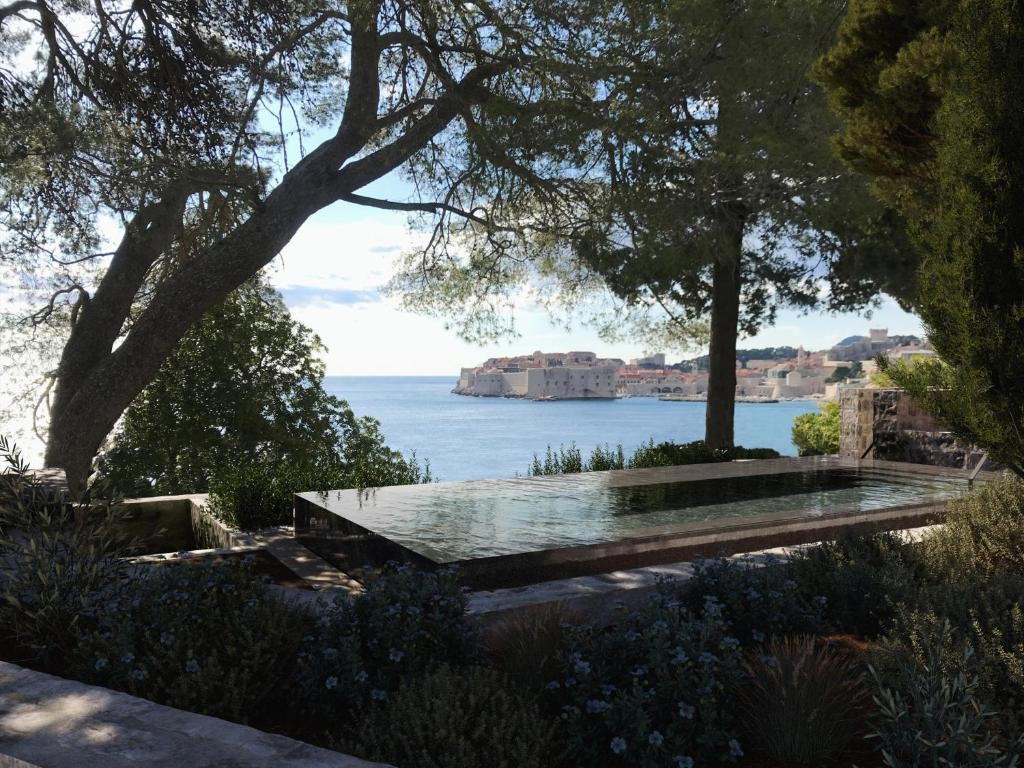
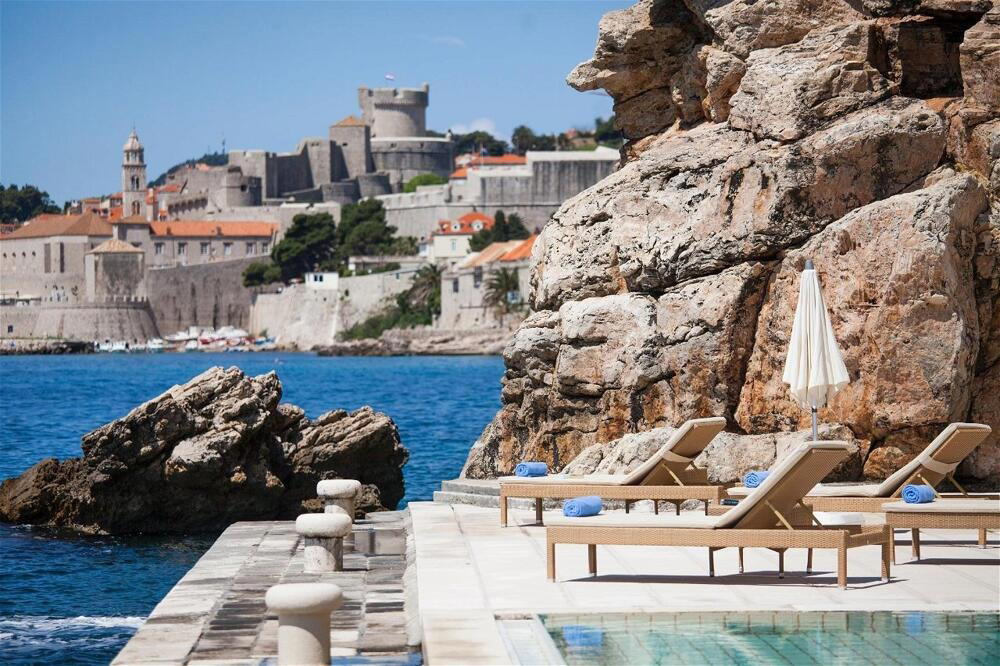
Relaxing and elegant with soothing live piano music, cozy seating, and far-reaching Adriatic Sea views.
Know Before You Go
- Getting there
- Ul. Frana Supila 12, 20000, Dubrovnik, Croatia