
Falstaff Winery - Listed
Dubrovački Podrumi is a historic Konavle wine house in Gruda, rooted in production that dates to 1877 and centered on the southern Dalmatian relationship between coastal climate, regional varieties, and cellar tradition. Its portfolio frames the area through still reds and whites, with Plavac and Malvasija Dubrovačka giving the clearest local reference points.

Pearl is the En Primeur Club membership app — saves, bookings, and concierge access live there. Same editors, same standards.
- Address
- Gruda, Dubrovačko-neretvanska županija, Kroatien
- Directions
- Get directions

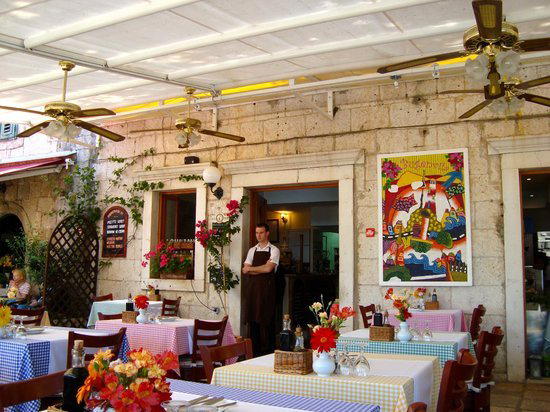
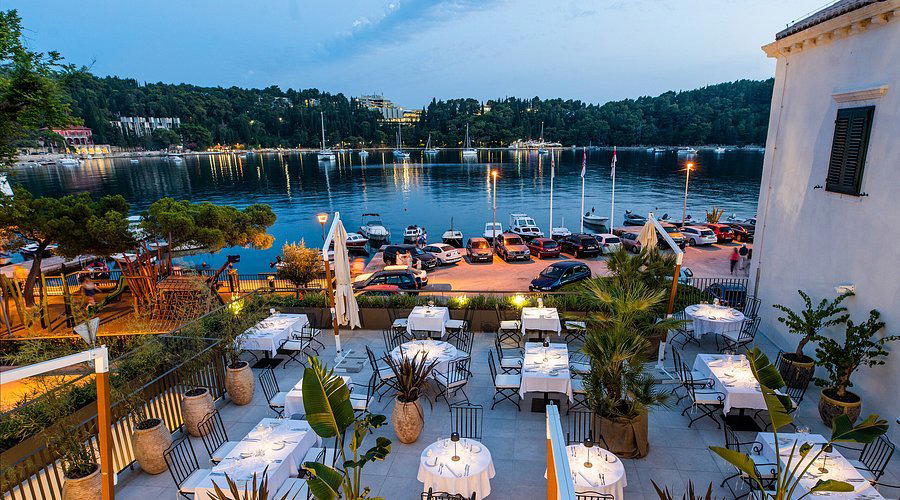
In Gruda, wine culture feels closely tied to the Konavle winegrowing area. The cellar setting at Dubrovački Podrum belongs to that older register: classic, rustic, scenic, and focused on regional varieties rather than on a polished resort-style presentation. This is the kind of address where the interest is the way local wine heritage is presented in a traditional cellar setting, with the surrounding sense of place doing much of the work. The mood is not built around spectacle; it is built around continuity, materials, and the feeling that the cellar belongs to the wine landscape around it.
Dubrovački Podrum is described as a leading historic wine house of the Konavle winegrowing area, with a long heritage of production dating back to 1877. Its appeal is not a specific dining format, tasting schedule, or list of services, but its connection to regional wine culture in Gruda and the surrounding Konavle context. That makes it a more useful reference point for travelers interested in place and tradition than for those trying to compare venues by amenities alone.
Konavle in the glass: regional varieties before cellar theatre
The strongest frame for Dubrovački Podrum is regional identity. The venue is focused on showcasing regional varieties in a traditional cellar setting, which makes it useful for visitors who want a grounded introduction to Konavle wine heritage. Rather than presenting the cellar as a restaurant, bar, or luxury tasting lounge, it is more accurate to understand it as a historic wine house rooted in local production memory. Its character comes from that rootedness: the sense that the wines and the room are connected to the same local story.
That distinction matters. Dubrovački Podrum is not best described through claims about a specific menu, tasting format, food service, seating arrangement, or visitor program. The reliable story is simpler: a long-running Konavle wine house in Gruda, associated with regional varieties and a rustic cellar atmosphere. Keeping the description that clear avoids overstating the experience and keeps attention on what is strongest here: the regional wine identity and the historic frame around it.
The editorial case here is continuity. A production heritage dating back to 1877 gives the venue historical context, while its position as a leading wine house of the Konavle winegrowing area gives it regional significance. Visitors should approach it as a place whose value lies in heritage, setting, and local wine identity. In that sense, the cellar is less a stage for a highly managed visitor experience and more a lens through which to read Konavle’s wine culture.
A historic cellar setting, with heritage as the stronger reason to go
The appeal of Dubrovački Podrum is its historic cellar environment and its role in presenting Konavle wine traditions. The cellar setting gives the visit its texture: rustic rather than glossy, classic rather than contemporary, and scenic in a way that feels tied to the winegrowing area rather than detached from it. For travelers, that atmosphere is part of the point, especially if the goal is to understand why wine is treated as a local inheritance here.
For travelers using Gruda as a base, it is best to separate the cellar’s role from other parts of a trip. Dubrovački Podrum can be understood as a wine-heritage stop, while meals, overnight stays, bars, and non-wine activities in Gruda should be planned separately through current local information. This also helps set expectations: the venue’s confirmed strength is its historic wine-house identity, not a wider package of hospitality claims.
Within a broader wine itinerary, the value of Dubrovački Podrum is its Konavle identity. Other regions and producers may explain different versions of wine heritage, but this Gruda venue is most clearly grounded in the heritage of the Konavle winegrowing area. That focus gives it a specific editorial role: it helps anchor the Konavle part of a trip in a place associated with long local production and regional varieties.
Why this Gruda address matters
The defining argument for Dubrovački Podrum is heritage through place. Many wine regions can offer scenic visits; this venue’s significance is its status as a leading historic wine house of Konavle, with production heritage dating back to 1877 and a traditional cellar setting in Gruda. Those details are enough to give it weight without adding unsupported claims about what a visit must include. Its importance comes from the combination of location, longevity, and the continuing emphasis on regional wine identity.
That makes the experience especially relevant for travelers who want a grounded Konavle wine reference point rather than a claim-heavy destination built around services. The price positioning is listed as $$, and the atmosphere is best described as classic, rustic, scenic, and somewhat hidden-gem in character. The strongest reason to pay attention is the connection between Konavle, regional varieties, and long local wine history. For that reason, Dubrovački Podrum is best read as a heritage-led wine address: modest in the way it should be described, but meaningful within the local wine map.
Recognition history
Dated appearances from independent guides and award organizations, with the underlying list record or original source where available.
Falstaff Winery - Listed
Falstaff






Details
- Classic
- Rustic
- Scenic
- Group Outing
- Celebration
- Solo Exploration
- Wine Education
- Special Occasion
- Estate Grounds
- Private Tasting
- Vineyard
- Plavac
- Malvasija Dubrovacka
- Still Red
- Still White
- Guided Tasting
- Private Tasting
- English
- Croatian
Leading historic wine house of the Konavle winegrowing area, with a traditional cellar setting focused on showcasing regional varieties and the long heritage of production dating back to 1877.