
Corte Campara is a small estate winery in Pastrengo set inside a seventeenth- and eighteenth-century rural farmhouse complex. The draw is less cellar spectacle than place: a quiet courtyard, historic architecture, and Valpolicella Superiore rooted in the red-grape grammar of Veneto, with Corvina, Rondinella, Molinara, and Merlot shaping the house profile.
Pearl is the En Primeur Club membership app — saves, bookings, and concierge access live there. Same editors, same standards.
- Address
- Località Campara, 7, 37010 Pastrengo VR, Italy
- Phone
- +39 333 866 4825
- Website
- cortecampara.com
- Directions
- Get directions
 Saves & bookings on Pearl
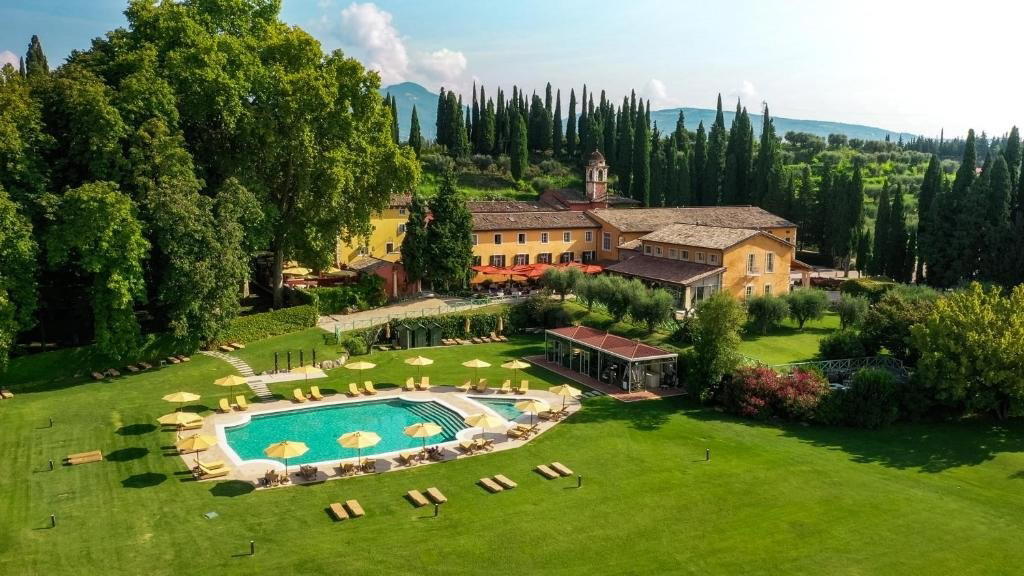
Corte Campara in Pastrengo is best described through its setting: a historic rural farmhouse complex with seventeenth- and eighteenth-century architecture arranged around a large internal courtyard. The atmosphere is rustic, classic and quietly scenic rather than sleek or overtly commercial, and that distinction matters when setting expectations. This is a venue whose identity, at least from the confirmed public information, comes first from place, structure and rural character.
Because the public details are limited, the safest way to approach Corte Campara is as a place-first venue. Its confirmed appeal lies in the old farmhouse character, the courtyard layout and the rural Pastrengo context, not in any specific published menu, tasting format, service style or accolade. In practical terms, that means it should be considered for the feeling of the setting before anything more granular is assumed. The available description points toward atmosphere and architecture, while the details that often define a dining decision remain items to verify directly.
Corte Campara through a Pastrengo lens
What can be stated confidently is that winery belongs to a historic countryside setting in Pastrengo, with a rustic and classic feel shaped by its seventeenth- and eighteenth-century architecture. The reference to both centuries gives the place a layered historic quality, suggesting a complex that has visual depth and an established rural presence rather than the neutrality of a contemporary space.
That makes it most useful for travellers who are choosing a venue by atmosphere. The large internal courtyard and farmhouse complex suggest a slower, more traditional rural mood, but any practical details beyond the confirmed price signal and setting should be checked directly with the venue before planning a visit. The courtyard is central to how the place reads: it gives the farmhouse arrangement a contained, inward-facing character, and helps explain why the winery is better understood as a setting rather than simply as a name on a dining list.
The price level is listed as $$, which gives a general sense of positioning without confirming specific prices, packages or inclusions. It is enough to indicate that the venue is not being framed at the highest visible price tier, but it should not be treated as a substitute for current, specific cost information. Anyone planning around budget, menu scope or occasion should regard the $$ signal as only a broad guide and confirm the details before committing.
A historic rural farmhouse complex
The strongest feature of the winery is architectural rather than programmatic. The venue is described as a historic rural farmhouse complex, with seventeenth- and eighteenth-century buildings arranged around a large internal courtyard. That combination of age, rural use and enclosed layout gives the place its most reliable point of interest. It is not necessary to add extra claims to understand why it may appeal: the farmhouse complex itself is the anchor.
That structure gives the winery its rustic, classic and quietly scenic character. Rather than relying on claims about a particular menu, cellar, chef or hospitality format, the venue can be understood through the preserved farmhouse atmosphere and its Pastrengo setting. The description points to a mood that is grounded and traditional, with the visual weight of older buildings and the calm of a courtyard arrangement doing much of the work. For visitors who respond to context, that may be especially meaningful reason to place it on a shortlist.
It is also important to keep the description proportionate. Historic architecture and a rural courtyard are strong signals, but they do not by themselves confirm how the venue operates on any given day. The safest reading is therefore a measured one: the winery offers a classic farmhouse backdrop in Pastrengo, while the operational details remain separate questions to ask directly.
How to place it in a Pastrengo itinerary
The winery may fit a Pastrengo plan for visitors who value historic rural settings and a calm courtyard atmosphere. The confirmed information is intentionally modest: Pastrengo location, $$ price level, and a farmhouse complex with seventeenth- and eighteenth-century architecture. Within an itinerary, that positions it as an option to consider when the character of the place is central to the decision, especially for travellers who prefer older rural environments over more polished or contemporary-feeling venues.
For planning, compare it with other dining in Pastrengo generically, and confirm any current hours, reservations, menus, accessibility details or services directly with the winery before visiting. That direct confirmation is especially important because the available public description does not establish the practical specifics that can affect a visit. Treat the known elements as a useful starting point: a historic farmhouse complex, a large internal courtyard, a rustic and classic mood, and a broad $$ price signal. Everything beyond those points should be checked at the source so the visit matches current reality rather than assumption.
Recognition history
Dated appearances from independent guides and award organizations, with the underlying list record or original source where available.
Falstaff Winery - Listed
Falstaff
Continue exploring
More in Pastrengo
Wineries in Pastrengo
Browse all →
Bars in Pastrengo
Browse all →
Restaurants in Pastrengo
Browse all →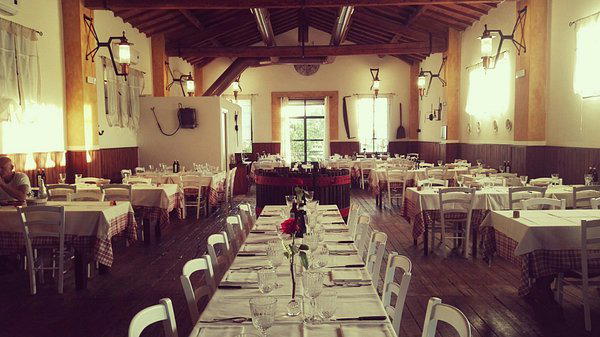
At a Glance
- Rustic
- Classic
- Scenic
- Quiet
- Solo Exploration
- Group Outing
- Wine Education
- Historic Building
- Estate Grounds
Current opening hours
- Monday
- 9 AM–12 PM, 2–7 PM
- Tuesday
- 9 AM–12 PM, 2–7 PM
- Wednesday
- 9 AM–12 PM, 2–7 PM
- Thursday
- 9 AM–12 PM, 2–7 PM
- Friday
- 9 AM–12 PM, 2–7 PM
- Saturday
- 9 AM–12 PM, 2–7 PM
- Sunday
- Closed
Hours can change for holidays and private events. Last verified .
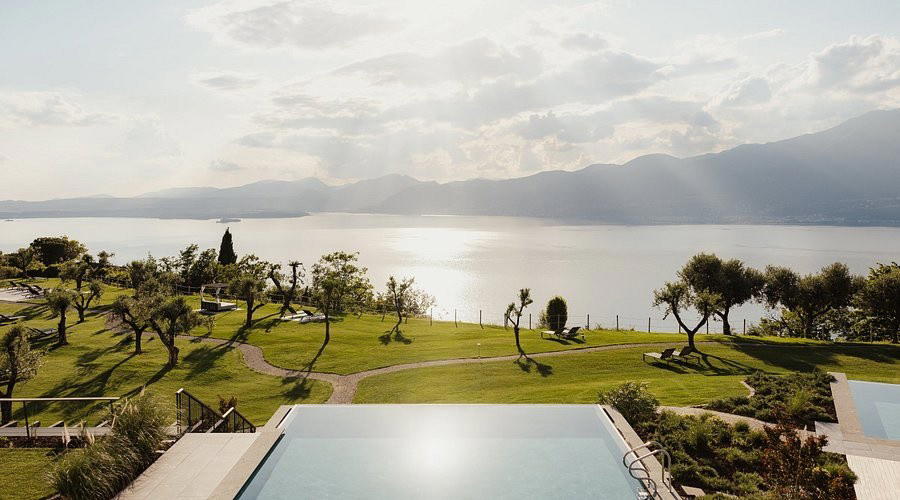
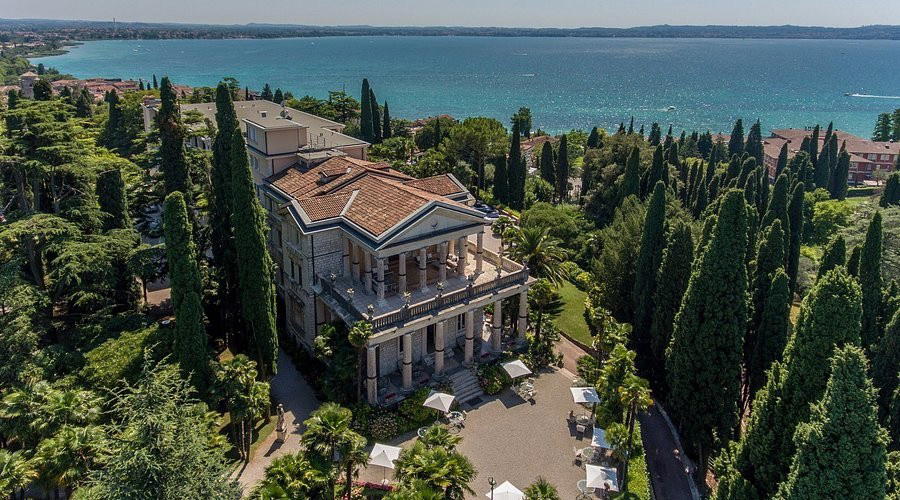
Historic rural farmhouse complex with seventeenth- and eighteenth‑century architecture arranged around a large internal courtyard, giving a rustic, classic and quietly scenic atmosphere rather than a modern commercial tasting room.