Corte Badin

Falstaff Winery - Listed
Corte Badin is a family-run Valpolicella Classica estate in Marano di Valpolicella, focused on traditional red-wine forms shaped by Corvina, Corvinone, Rondinella and Molinara. The interest here is terroir rather than spectacle: vineyard setting, quiet tastings, Amarone and Recioto alongside Valpolicella Classico, and a production culture tied to the Badin district.

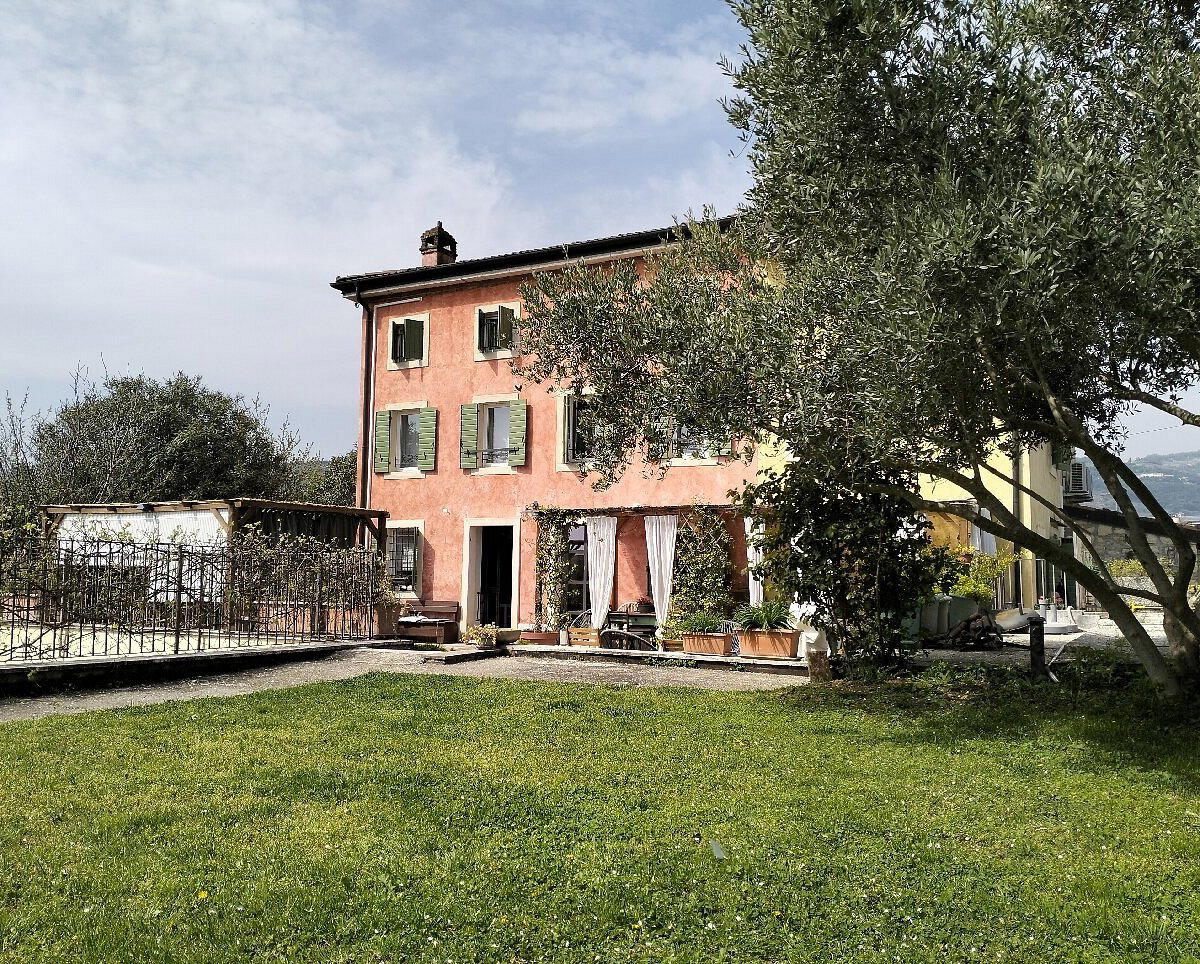
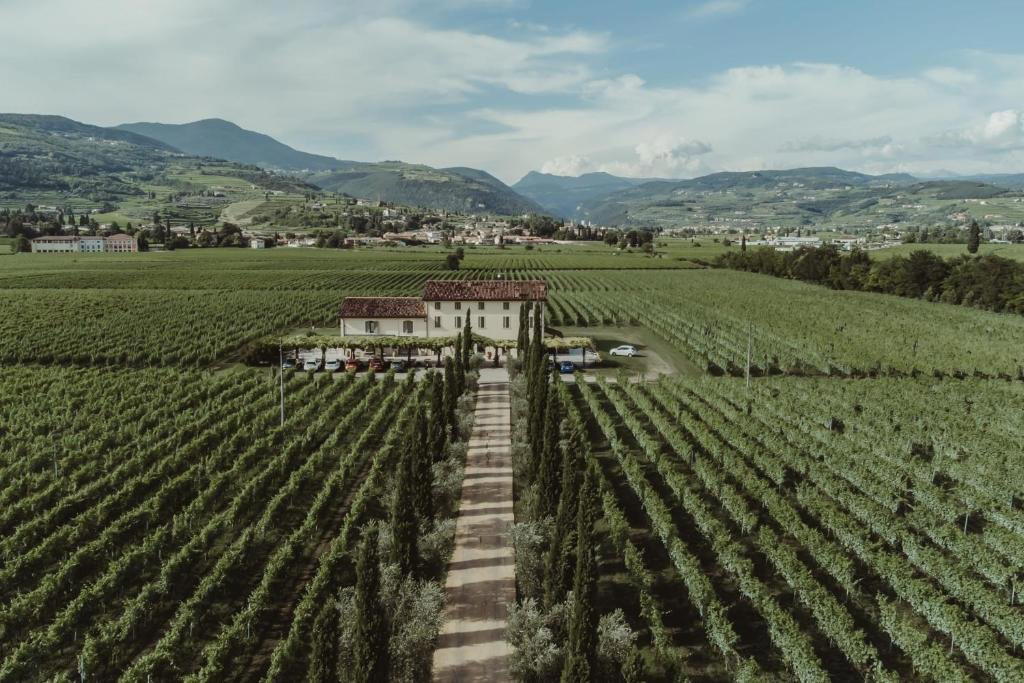
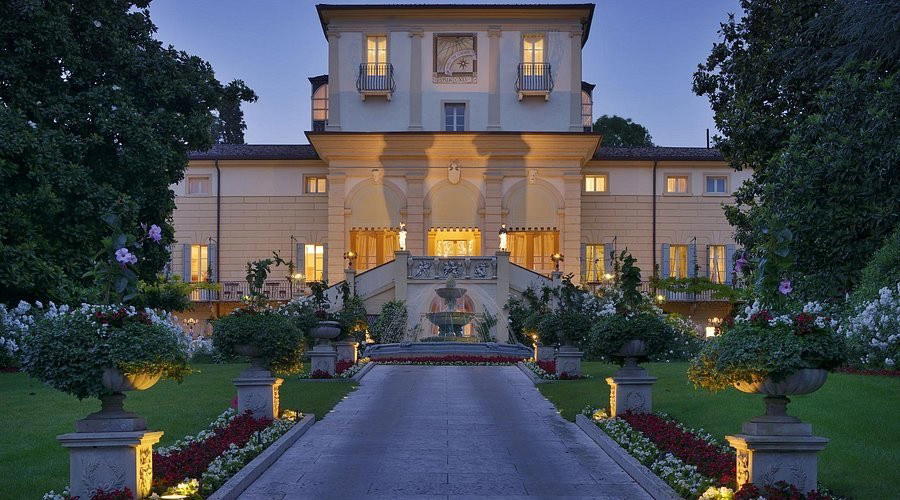
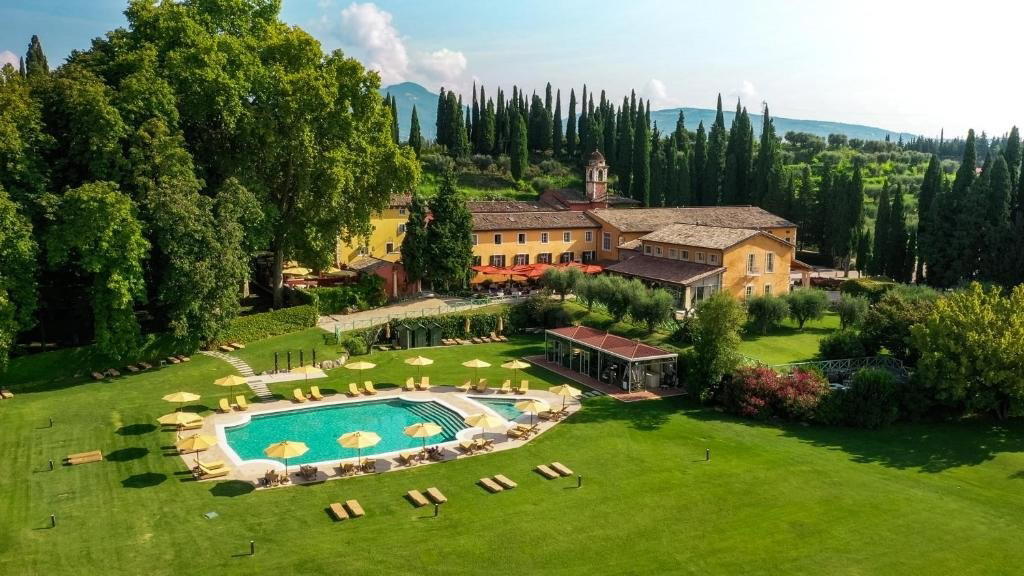
Approaching wine country in Marano di Valpolicella, the tone changes before the glass is poured: vineyard rows, rural buildings, garden views and the quieter rhythm of an estate rather than a polished tasting salon. Corte Badin belongs to that small-scale Valpolicella tradition where the visit is less about architectural theatre and more about reading the place through its reds. The countryside setting matters because Valpolicella Classica is not a generic backdrop; limestone-rich soils, sloping vineyards and a temperate microclimate shape the slow ripening of Corvina, Corvinone, Rondinella and Molinara, the grapes that define the estate’s range.
The larger story is Valpolicella’s split personality. On one side sits fresh, dry Valpolicella Classico, built for clarity and lift. On the other sit appassimento wines, Amarone and Recioto, where partially dried grapes create concentration, weight and sweetness in different forms. Corte Badin works inside that regional grammar rather than against it, which gives the tasting a useful educational arc: lighter Classico first, then the deeper DOCG expressions that show how drying grapes changes texture, alcohol, sugar and tannin.
Valpolicella Classica read through native grapes and appassimento
The estate’s grape set is the region’s core vocabulary: Corvina, Corvinone, Rondinella and Molinara. In Valpolicella, these varieties are valued less as soloists than as a blend, with Corvina often bringing perfume and structure, Corvinone adding body, Rondinella supporting color and resilience, and Molinara contributing a paler, more delicate register when used. That blend-based logic is central to understanding why the wines can move from dry and agile to dark and concentrated without leaving the same local family of grapes.
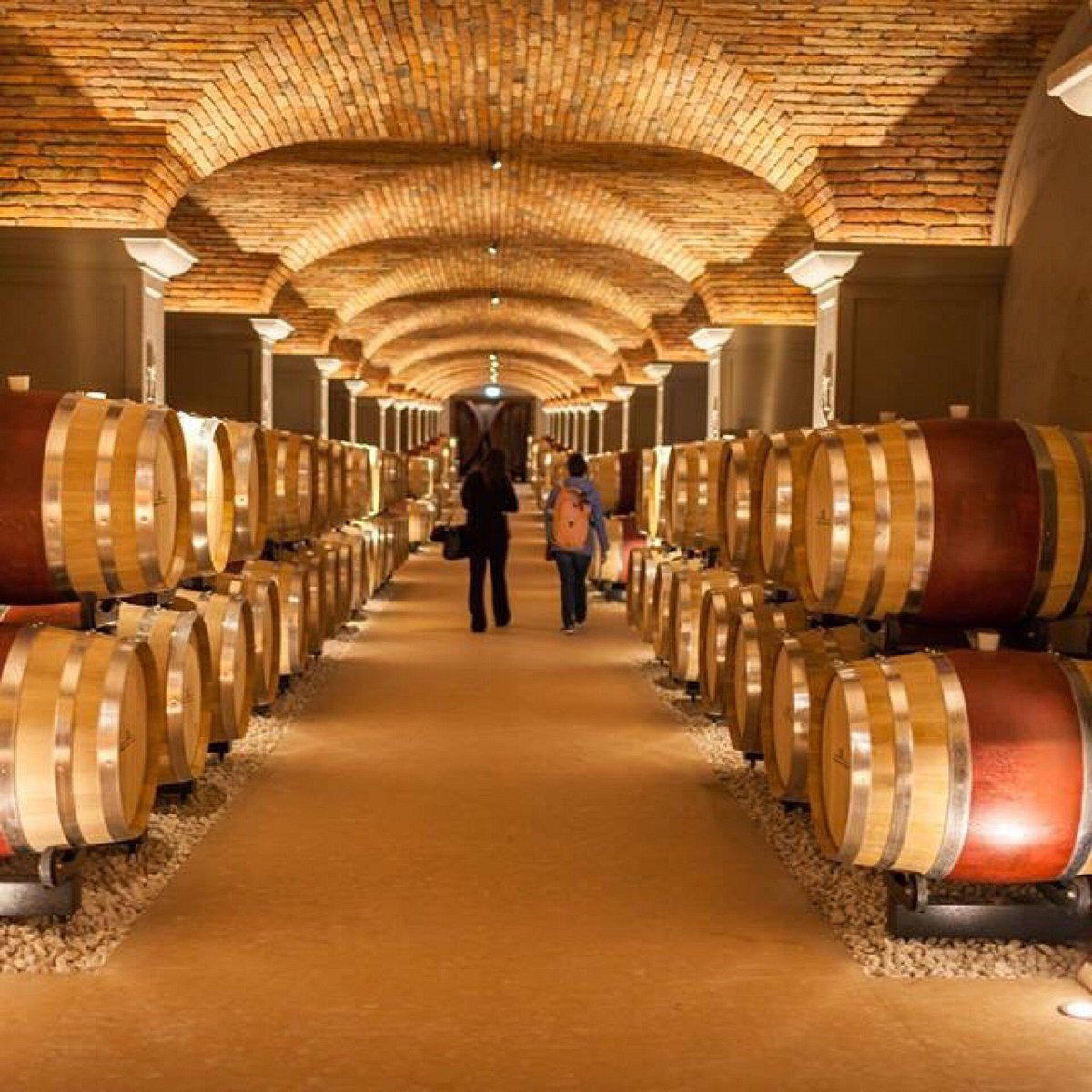
For the Classico expression, the production detail worth noting is restraint. Fermentation with indigenous yeasts and time in cement tanks place emphasis on fruit, acidity and regional character rather than heavy oak. A six-month period in cement followed by bottle aging gives the wine a frame without turning it into an internationalized red. That approach aligns with a broader return, across many Italian appellations, to vessels and fermentations that do not erase origin.
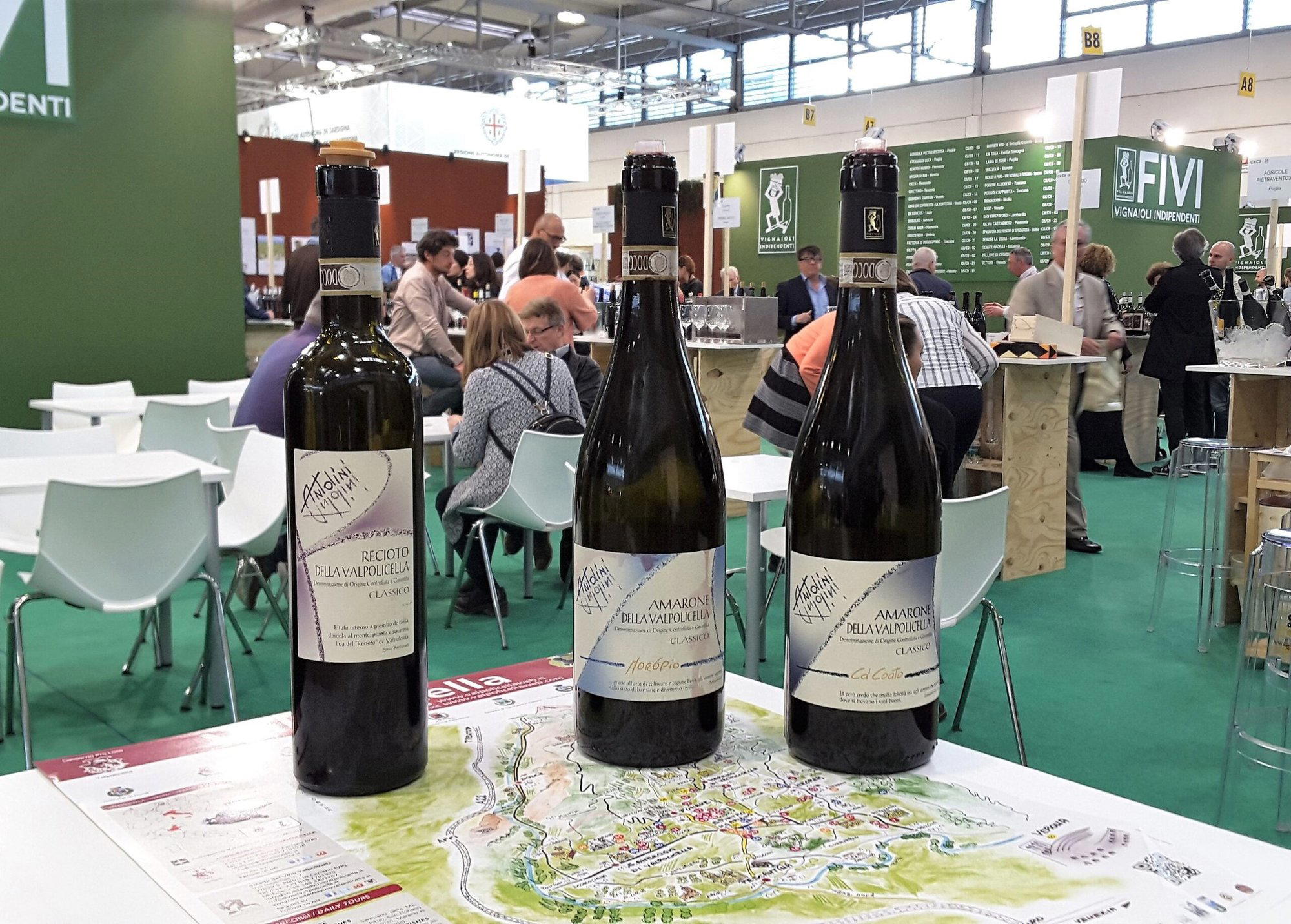
Amarone and Recioto shift the conversation to appassimento, Valpolicella’s defining technique. Grapes are dried before fermentation, concentrating sugar and flavour compounds; Amarone ferments toward a dry, full-bodied red, while Recioto retains sweetness. The difference is not simply dessert versus dinner wine. It is a study in how the same vineyard material can be pushed toward power, bitterness, sweetness or freshness depending on drying and fermentation choices. Corte Badin’s portfolio keeps those reference points close together, which makes the estate useful for drinkers who want to understand the region rather than only collect its famous labels.
A family estate with history in the Badin district
Corte Badin is officially tied to Azienda Agricola Bonazzi Badin, and the family history gives the estate a stronger local anchor than many tasting-room narratives. The Bonazzi family began caring for the vineyards in 1962, while the Badin name carries a longer sharecropping lineage in the district. Roman remains have also been found in the area, a reminder that Valpolicella’s agricultural identity sits on older settlement patterns rather than recent wine tourism alone.
That history should be read as context, not nostalgia. In Valpolicella, continuity matters because land knowledge often accumulates through pruning choices, harvest timing and the handling of drying fruit. Ivo Bonazzi, owner and cellar master, and Giorgio Bonazzi keep the estate in the family-run category, where production scale and hospitality remain closer to the vineyard than to a brand showroom. The estate’s open year is listed as 1970, placing it among producers with decades of local continuity rather than a recent lifestyle project.
The production philosophy is described as sustainable, and the practical signals are agricultural rather than badge-driven: hand work, native varieties, indigenous yeasts and limited production focused on Valpolicella wines. There is no need to overstate that into certification theatre. The more relevant point is that the wines are framed around local farming decisions and traditional cellar choices, which is exactly where Valpolicella Classica either gains or loses its identity.
How to place a Corte Badin tasting within Marano di Valpolicella
Marano di Valpolicella is strongest when treated as wine country, not as a single-stop itinerary. A tasting at Corte Badin fits travelers who want quiet estate context, vineyard and garden views, and guided discussion rather than a high-volume cellar circuit. The format includes estate, guided and educational tastings, with Italian and English among the tour languages. The mood is casual and quiet, and the setting suits couples, small groups and wine-focused travelers more than families with children.
The editorial value of this kind of visit is precision. Valpolicella is often reduced abroad to Amarone, but the region makes more sense when Classico, Amarone and Recioto are tasted as related forms. Corte Badin’s range supports that comparison within one estate: dry red, dried-grape power and sweet DOCG tradition. For drinkers accustomed to single-variety labels, the lesson is also structural, since these wines depend on blending and method as much as vineyard name.
For broader planning in the area, EP Club’s Marano di Valpolicella coverage can be used to map the rest of the trip: Our full Marano di Valpolicella wineries guide, Our full Marano di Valpolicella restaurants guide, Our full Marano di Valpolicella hotels guide, Our full Marano di Valpolicella bars guide and Our full Marano di Valpolicella experiences guide. Nearby winery pages include Aldo Degani, Antolini, Azienda Agricola Novaia, Ca' La Bionda and Campagnola Giuseppe. Further afield, the wider wine index includes 3GP SRL in Treviso, 47 Anno Domini in Trebaseleghe, A Mano Wine in Noci, »der Steiner« Hans Steiner in Podersdorf am See and & Handwein in Mannheim.
Frequently asked questions
What kind of setting is Corte Badin?
Corte Badin is a family-run winery and estate in the Valpolicella Classica countryside, in the Badin district near Marano di Valpolicella. The setting is quiet, casual, and built around vineyards, with outdoor seating and an on-site lot for visitors.
How much does Corte Badin cost?
Pricing at Corte Badin is listed as $$.
What's the address for Corte Badin?
Corte Badin is located at Marano di Valpolicella, Veneto, Italien, Marano di Valpolicella.
What's Corte Badin best at?
Corte Badin is strongest as a reservation-only estate for guided tastings, including vertical and educational formats. Its focus is the Valpolicella Classica grape set, with Corvina, Corvinone, Rondinella, and Molinara at the centre of the experience.
Recognition history
Dated appearances from independent guides and award organizations, with the underlying list record or original source where available.
Falstaff Winery - Listed
Falstaff
Request a visit to Corte Badin
Tell us when you would like to go and how many people, and we put the request to the estate and reply to you by email.
Continue exploring
More in Marano di Valpolicella
Wineries in Marano di Valpolicella
All wineries in Marano di Valpolicella →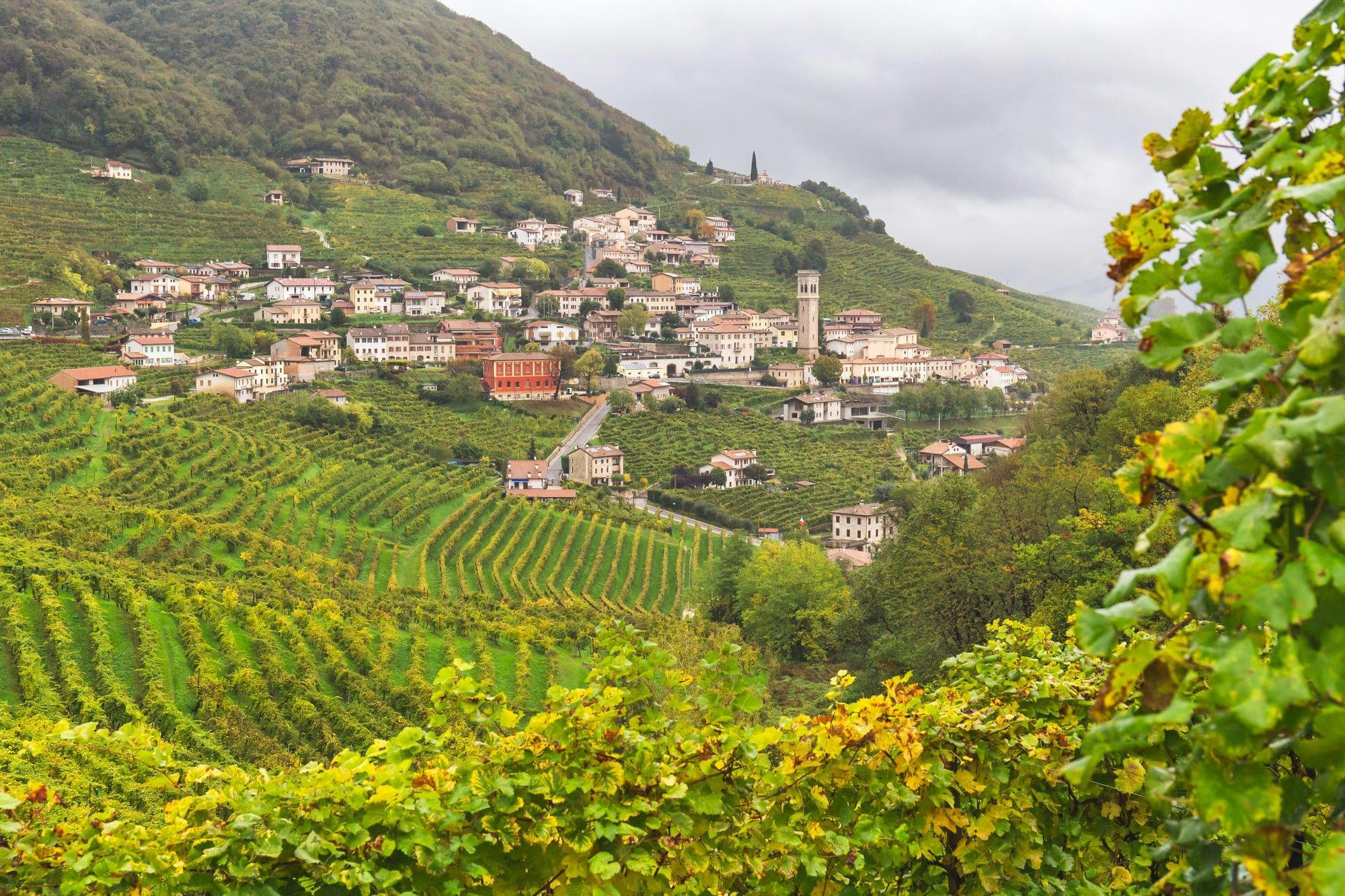
Bars in Marano di Valpolicella
Browse all →
Restaurants in Marano di Valpolicella
All restaurants in Marano di Valpolicella →
Details
- Scenic
- Rustic
- Cozy
- Romantic
- Intimate
- Group Outing
- Romantic Getaway
- Wine Education
- Special Occasion
- Solo Exploration
- Family
- Vineyard Tour
- Estate Grounds
- Private Tasting
- Historic Building
- Sustainable
- Vineyard
- Garden
- Corvina
- Corvinone
- Rondinella
- Molinara
- Still Red
- Estate Tasting
- Guided Tasting
- Vertical/educational Tasting
- Italian
- English
Current opening hours
- Monday
- 9 AM–6 PM
- Tuesday
- 9 AM–6 PM
- Wednesday
- 9 AM–6 PM
- Thursday
- 9 AM–6 PM
- Friday
- 9 AM–6 PM
- Saturday
- Closed
- Sunday
- Closed
Hours can change for holidays and private events. Hours as of .
Family-run Valpolicella estate with a warm, welcoming atmosphere where traditional farming and winemaking methods are paired with a relaxed, intimate tasting experience in a classic rural setting.