Traquair House
Scotland's oldest inhabited house open to visitors, Traquair House in the Scottish Borders combines over 900 years of continuous occupation with estate-brewed ale and preserved interiors that read as living history rather than heritage theatre. The house sits within the Borders' wider tradition of understated, place-rooted hospitality — a category distinct from the polished resort circuits further north.

Pearl is the En Primeur Club membership app — saves, bookings, and concierge access live there. Same editors, same standards.
- Address
- Traquair House, Traquair, Innerleithen EH44 6PW, United Kingdom
- Phone
- +44 1896 830323
- Website
- traquair.co.uk
- Directions
- Get directions
Where the Borders Keeps Its History Intact
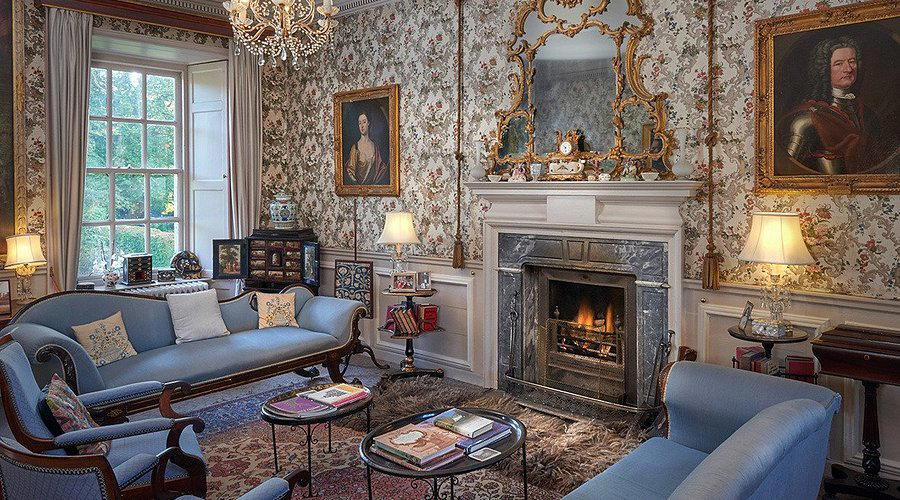
The approach to Traquair sets the tone before you reach the door. A long tree-lined avenue leads to a whitewashed house that has stood, in various configurations, since the twelfth century. This is not a property staged for heritage tourism. The Stuarts of Traquair have occupied the house continuously, and what the visitor encounters is an accumulation of actual use: rooms that have hosted Scottish monarchs, priests hiding during the Reformation, and, in the twentieth century, a working brewery revived after a century and a half of dormancy. In the Scottish Borders, a region that resists the curated-grandeur positioning of the Highland resort circuit, Traquair represents the furthest point on a spectrum from places like Gleneagles in Auchterarder. One trades spa programmes and championship golf for rooms that carry genuine biographical weight.
The Scottish Borders as a Setting for This Kind of Property
The Borders occupies an undervisited position in the British country-house conversation. Properties in the region, including Carfraemill and Burts Hotel in Melrose, operate with a low-volume, place-specific character that differs sharply from the branded country-house hotels of southern England. The contrast with something like Babington House in Kilmersdon or Estelle Manor in North Leigh is instructive: those properties import a metropolitan sensibility into the countryside, while the Borders tradition leans toward the country absorbing you rather than the reverse. Traquair is the clearest expression of that tendency in the region. See our full Scottish Borders restaurants guide for broader context on where the area sits in the British countryside hospitality picture.
The Brewery as Culinary Identity
In the absence of a celebrity-chef restaurant programme, Traquair's culinary identity is built almost entirely around its brewery, which produces ale on the estate using equipment that dates to the eighteenth century. This is the editorial angle that matters here: in a period when country-house hotels across Britain compete on the strength of their dining rooms — whether through Michelin recognition, named chefs, or elaborate tasting formats — Traquair has planted its flag on fermentation rather than plating. The Bear Ale produced on-site is sold in the house and distributed more widely, which means the product carries the property's identity beyond its immediate geography. This is a model seen more commonly in the wine-country lodge format, where the estate product anchors both the experience and the reputation, and it places Traquair in a different conceptual bracket from hospitality-led country houses. Properties that do integrate a full dining programme, such as The Newt in Somerset or Lime Wood in Lyndhurst, build guest experience around food as performance. Traquair builds it around provenance, which is a quieter but equally coherent position.
The Interiors as Evidence Rather Than Set Dressing
Country houses in Britain occupy a wide spectrum from the authentically inhabited to the museum-quality recreation. Traquair sits closer to the inhabited end than almost any comparable property open to the public. The interiors include a priest's hole used during the Reformation, a library with correspondence from Mary Queen of Scots, and the famous Bear Gates, which have been kept shut since 1745 and are subject to a family pledge not to open them until a Stuart returns to the throne. These are not details inserted for narrative effect; they are documented features of the property that shape what a visit actually means. In this sense, Traquair offers something that a purpose-built luxury hotel cannot replicate regardless of design investment: a building that has been on the losing side of Scottish history and still stands.
How It Compares Within the British Country-House Category
Positioning Traquair within the broader British country-house market requires acknowledging that it operates in a different register from most properties that attract a premium travel audience. Claridge's in London sells a version of British heritage that is meticulously managed and service-forward. Scottish properties like Malmaison Edinburgh translate design-led urban hospitality into Scottish urban contexts. Further afield, Langass Lodge in the Western Isles and Ardbeg House in Port Ellen demonstrate how remote Scottish properties can anchor around landscape and a single dominant product, in their case whisky and island character. Traquair belongs to that product-anchored tradition rather than to the service-and-amenity model. It is not competing with Aman New York or Aman Venice on the axis of luxury service. It competes, insofar as it competes at all, on a different axis: authenticity of occupation, depth of historical record, and the specific pleasure of being somewhere that has not been designed for your presence.
Planning a Visit: What to Understand Before You Go
Traquair operates on a seasonal calendar, and visits are primarily organised around the house and gardens rather than an overnight accommodation programme in the conventional sense. The estate has hosted self-catering stays and specific events, but guests seeking the full-service country-house hotel format would be better directed toward Carfraemill or Burts Hotel in Melrose as a Borders base. Innerleithen, the nearest town, sits roughly 30 miles from Edinburgh, which makes a day visit feasible without an overnight commitment. For those combining a Scottish Borders itinerary with wider Scottish travel, the route toward the Highlands passes through contexts served by properties including Dun Aluinn in Aberfeldy and Glen Mhor Hotel in Highland. The grounds at Traquair include a maze and walled gardens that operate independently of house opening times in certain seasons, so confirming opening schedules before visiting is advisable. The brewery shop, which carries estate ales, is among the more practical reasons to build in additional time beyond a quick house tour.
The Reader's Decision
Traquair makes sense for a specific kind of traveller: one who has moved past the amenity checklist and is primarily interested in the texture of place. The house will not deliver spa treatments, tasting menus, or the kind of polished guest-relations experience found at The Fifth Avenue Hotel in New York City or King Street Townhouse in Manchester. What it delivers is rarer: a building that carries more than nine centuries of continuous occupation, an estate ale with a documented lineage, and a set of interiors that have not been reset for contemporary taste. In the British heritage category, that is a specific and credible offer.
Price and Positioning
| Venue | Price | Awards |
|---|---|---|
| Traquair HouseThis venue — the venue you are viewing | Not listed | Not listed |
| Lime Wood | Not listed | 2 Michelin Keys · La Liste Top Hotels |
| Muir, A Luxury Collection Hotel, Halifax | $300–500 | 1 Michelin Key · Forbes 4-Star |
| Raffles London at The OWO | $1,000–1,500 | 3 Michelin Keys · World's 50 Best #28 |
| The Connaught | $1,000–1,500 | 3 Michelin Keys · World's 50 Best #49 |
| 51 Buckingham Gate, Taj Suites and Residences | Not listed | Michelin Selected · La Liste Top Hotels |
Continue exploring
More in Scottish Borders
Hotels in Scottish Borders
Browse all →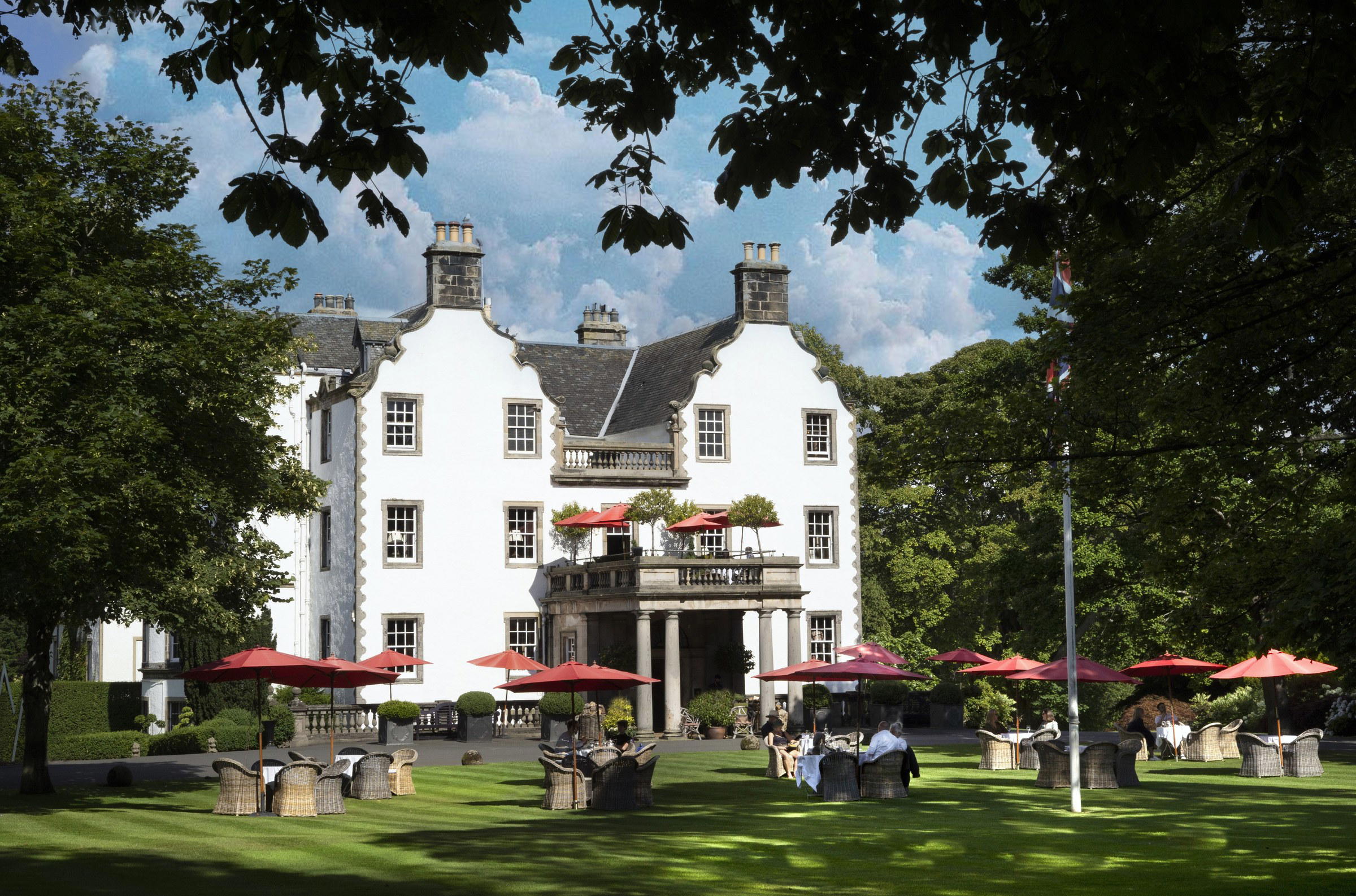
Bars in Scottish Borders
Browse all →
Restaurants in Scottish Borders
Browse all →
Details
- Romantic
- Quiet
- Classic
- Scenic
- Elegant
- Rustic
- Historic
- Romantic Getaway
- Anniversary
- Weekend Escape
- Historic Building
- Garden
- Wi Fi
- Garden
- Step Free Entrance
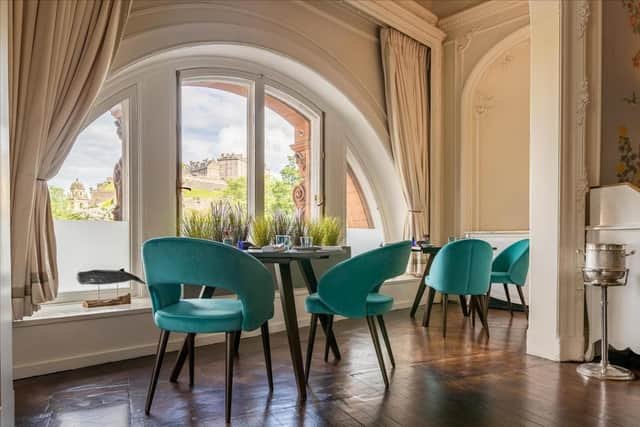
Historic and enchanting with preserved period rooms, ancestral portraits, and a serene, timeless atmosphere evoking centuries of royal and Jacobite history.