The Hoxton, Shoreditch


Michelin Selected · Mr & Mrs Smith Seal of Approval
Shoreditch's hotel offer has always sat closer to the creative-industry end of the spectrum than the West End's formal luxury tier, and The Hoxton, Shoreditch — Michelin Selected in 2025 — makes that positioning explicit. At 81 Great Eastern Street, it trades grand-hotel ceremony for a looser, neighbourhood-rooted format that has shaped how boutique hotels operate across London and beyond.

Pearl is the En Primeur Club membership app — saves, bookings, and concierge access live there. Same editors, same standards.
- Address
- 81 Great Eastern Street, London, UK
- Phone
- +44 (0)207 550 1000
- Directions
- Get directions
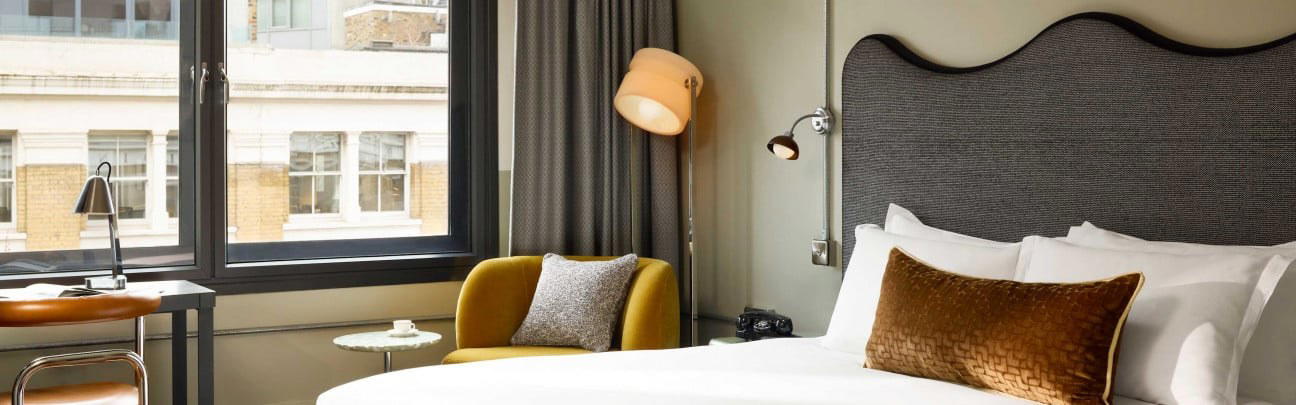
Where Shoreditch's Hotel Tradition Lands on the Spectrum
London's hotel market has a structural divide that rarely gets stated plainly: there is the Mayfair and Belgravia tier — Claridge's, The Connaught, The Savoy — where the architectural grammar is grand and the service model is formal, and then there is everything east of the City, where the operating logic is different. Shoreditch, specifically, developed a hospitality identity built around creative-industry guests, neighbourhood bars that locals actually use, and lobbies that function as co-working spaces by day and social venues by night. The Hoxton, Shoreditch, at 81 Great Eastern Street, was an early and influential expression of that model, and its 2025 Michelin Selected status confirms it has held its position as the area's reference-point property rather than being superseded by the category it helped define.
The physical approach along Great Eastern Street sets the register immediately. This is not a hotel that announces itself through a canopied entrance or a uniformed door team stationed on a wide pavement. The building reads as part of the street rather than apart from it, which is precisely the point. Shoreditch's hospitality culture grew from a refusal to separate the hotel from the neighbourhood, and the Hoxton's ground-floor layout, lobby open to the street, communal tables occupied by guests and non-guests alike, is a direct architectural statement of that value.
The Lobby as the Hotel's Actual Product
In many London hotels, the lobby is a transition space: you move through it to reach your room, the restaurant, or the bar. At the Hoxton, Shoreditch, the lobby is where the hotel's social and operational logic concentrates. The front-of-house team operates across this communal space rather than from behind a formal reception desk, which changes the dynamic of every interaction. Check-in is mobile and conversational; the space is designed to keep people in it rather than move them through it.
This model has since been adopted and adapted by properties across multiple price tiers in London and internationally, but the Hoxton's version is notable because it emerged from a genuine neighbourhood context rather than being imported as a design trend. The area around Great Eastern Street was, at the time the hotel opened, dense with creative studios, small agencies, and the kind of informal working culture that needed a ground-floor room to meet in. The hotel's lobby filled that function, which is why it has remained populated rather than becoming the underused decorative space that similar formats produce when dropped into the wrong context.
For a contrasting sense of how formal London hotel lobbies operate, the scale difference is instructive: Raffles London at The OWO and NoMad London both use their entrance spaces as architectural statements of a different kind, where grandeur is the product being sold from the threshold. The Hoxton's ground floor sells something else: access to a social space that has an identity independent of the hotel's own branding.
Rooms and the East London Context
Shoreditch's accommodation offer has expanded significantly since the Hoxton opened, with serviced apartments, boutique guesthouses, and international mid-market brands all establishing a presence in EC2 and N1. Within that competitive set, the Hoxton's rooms are sized pragmatically, this is not a property competing on square footage, but positioned above the budget tier through finish quality and the value of the ground-floor access described above. The Michelin Selected recognition, which in the 2025 guide covers hotels evaluated on comfort, character, and overall experience rather than on restaurant performance alone, places the Hoxton in a curated tier that includes properties with significantly different price profiles and room counts.
Guests choosing between the Hoxton and, say, The Emory or 1 Hotel Mayfair are making a neighbourhood decision as much as a hotel decision. Shoreditch means proximity to Spitalfields, Brick Lane, and the density of independent restaurants and bars on Curtain Road and Kingsland Road; Mayfair means different access entirely. Neither is a compromise, they are different use cases for London, and the Hoxton serves the east-London use case with more conviction than any West End-oriented property could.
For travellers who want a comparison point outside London, the Hoxton group's approach to neighbourhood integration echoes what properties like Lime Wood in Lyndhurst achieve in a rural context: the hotel becomes an extension of the place around it rather than a sealed environment. The method is entirely different, but the underlying logic is the same.
Food and Drink at Ground Level
The Hoxton, Shoreditch's food and drink operation reflects the same neighbourhood-first logic as its lobby. The ground-floor bar and restaurant draw a mixed clientele, hotel guests and local regulars in roughly equal measure, which keeps the atmosphere from tilting into the insular, guest-only dynamic that affects hotel restaurants in more formal properties. In Shoreditch's bar culture, where the standard for independent venues is high and residents are not short of options, a hotel bar that cannot compete on its own terms empties quickly. The Hoxton's has not.
The team dynamic across front-of-house, bar, and kitchen in this kind of property is worth noting. Because the lobby, bar, and dining spaces are physically continuous rather than separated by doors and dress codes, the front-of-house team effectively covers all three zones. This demands more range from individual staff than the segmented model used in larger formal hotels, and when it works, it produces a hospitality experience that feels coherent rather than departmentally siloed. The Michelin Selected recognition implicitly endorses this coherence: the guide's hotel evaluations weight the overall experience, and a disjointed team dynamic would show up in exactly the categories Michelin assessors prioritise.
Planning a Stay: Practical Notes
Hoxton, Shoreditch sits at 81 Great Eastern Street, within walking distance of Old Street station (Northern line) and a short walk from Liverpool Street (Central, Elizabeth, Hammersmith and City lines), which makes it a practical base for both east London itineraries and cross-city movement. Bookings are handled directly through the Hoxton's own channels, and the property draws consistently high occupancy from both leisure and corporate guests, particularly during London's design and fashion weeks when the Shoreditch area's creative-industry profile intensifies. Arriving on foot or by tube is direct; the street-level entrance requires no special preparation or prior briefing.
Travellers using London as a base for wider UK travel will find the Elizabeth line access from Liverpool Street useful for Heathrow connections, while those exploring beyond the capital might consider how the Hoxton functions as a London anchor alongside properties further afield: Estelle Manor in North Leigh, The Newt in Somerset, or Gleneagles in Auchterarder represent very different registers for the same trip. For city-focused stays, The Rutland in Edinburgh and Hotel du Vin at One Devonshire Gardens in Glasgow sit at a comparable informal-urban tier in their respective cities. For further context on London's restaurant and hotel scene, see our full London restaurants guide.
Internationally, the Hoxton's positioning has a rough equivalent in properties that trade formal grandeur for neighbourhood authority: The Fifth Avenue Hotel in New York City occupies a similar function in its own market, while Badrutt's Palace Hotel in St. Moritz and Hôtel de Paris Monte-Carlo represent the grand-hotel pole against which the Hoxton's model is implicitly defined.
How It Stacks Up
Comparable venues nearby, for context on price, style, and recognition.
| Venue | Cuisine | Price | Awards | Notes |
|---|---|---|---|---|
| The Hoxton, ShoreditchThis venue — the venue you are viewing | Boutique urban hotel with community-focused design. | $100–200 | Michelin Selected · Mr & Mrs Smith Seal of Approval | Not listed |
| The Stratford, Autograph Collection | Lifestyle design hotel evoking New York's well-known long-stay glamour in East London's cultural hub | Not listed | Michelin Selected | Stratford |
| Kettner's | Restored Georgian townhouses with art deco accents evoking 1920s French boudoir luxury. | $300–500 | Michelin Selected · Mr & Mrs Smith Seal of Approval | Soho |
| Charlotte Street Hotel | Hotel | Not listed | 1 Michelin Key · Design Hotels Member | Fitzrovia |
| The Webster | Lifestyle hotel blending Beaux Arts charm with youthful energy and literary heritage. | $300–500 | Not listed | Covent Garden |
| The Zetter Bloomsbury | Georgian townhouse hotel blending period features with eclectic antiques and modern comforts | $300–500 | Michelin Selected | Bloomsbury |
Recognition history
Dated appearances from independent guides and award organizations, with the underlying list record or original source where available.
Michelin Selected
Michelin
Mr & Mrs Smith Seal of Approval
Mr & Mrs Smith
Continue exploring
More in London
Hotels in London
Browse all →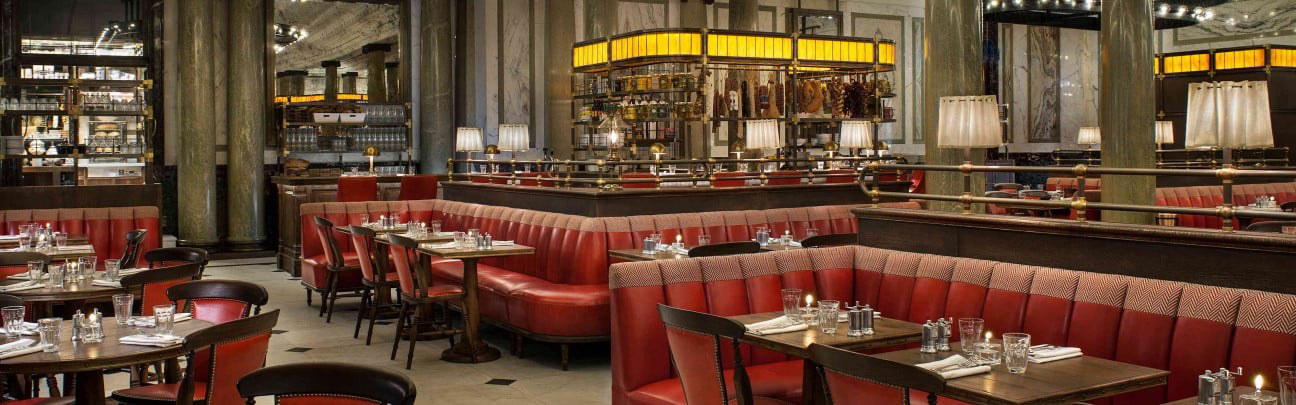
Bars in London
Browse all →
Restaurants in London
Browse all →



Details
- Trendy
- Modern
- Industrial
- Lively
- Weekend Escape
- Rooftop Pool
- Historic Building
- Design Destination
- Wi Fi
- Room Service
- Concierge
- Business Center
- Street Scene
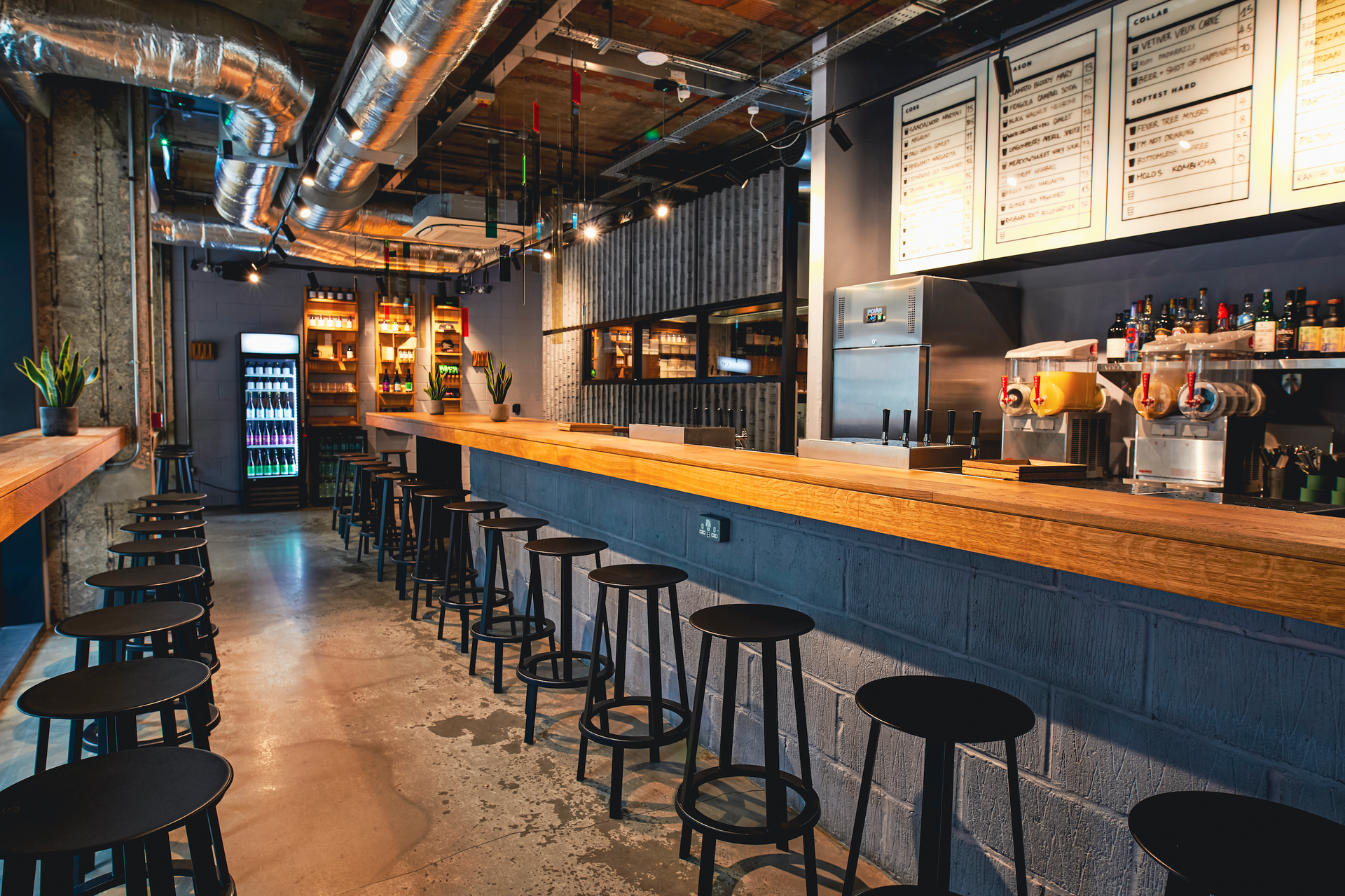
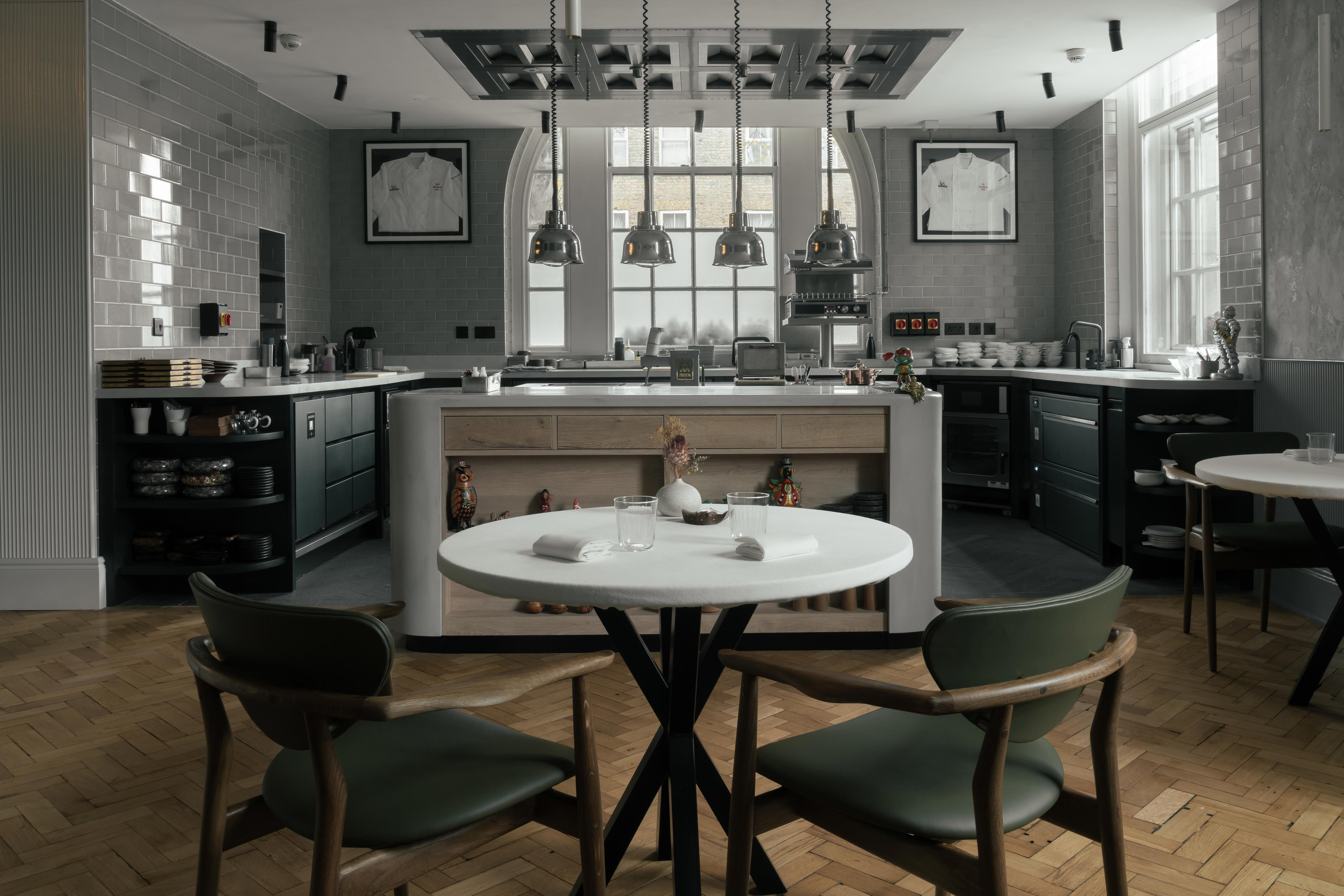
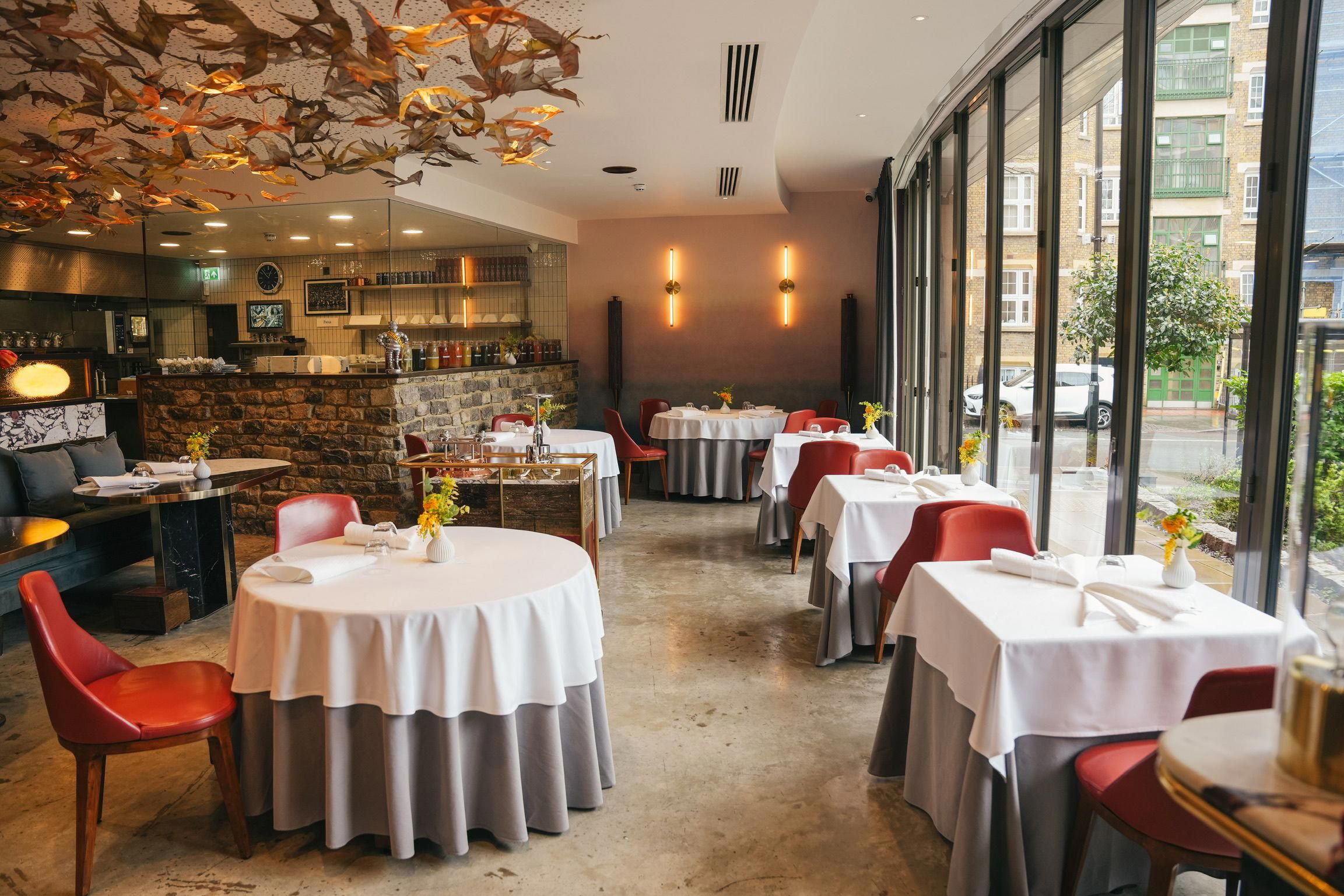
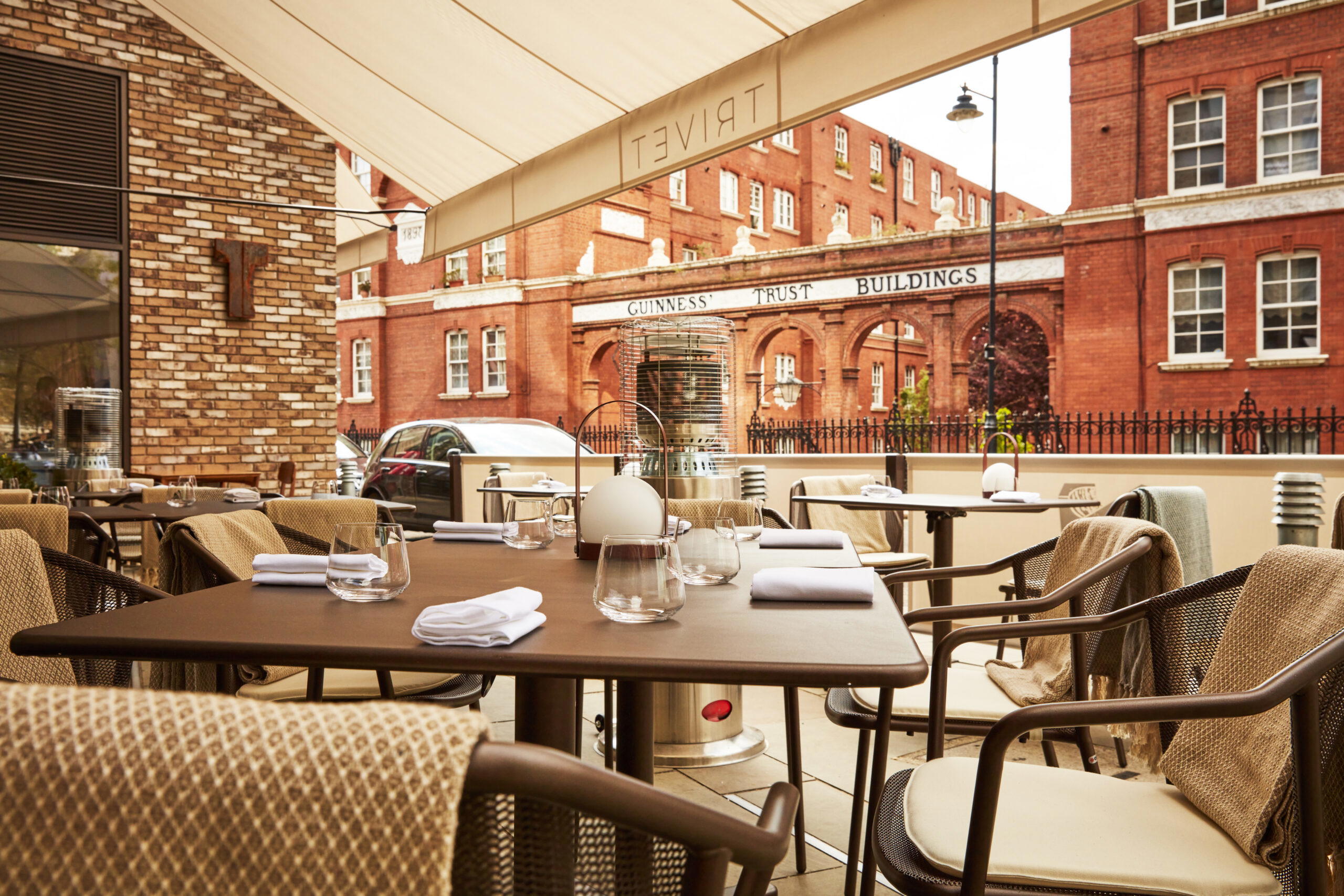
Industrial interiors with parquet floors, brick-clad walls, warm mid-century elements, and lively open-house lobby.