Carfraemill
Carfraemill sits in the heart of the Scottish Borders at Lauder, operating as a roadhouse inn with deep roots in the working landscape around it. The property occupies a position that few comparable stops along the A68 corridor can match: genuine rural character without the artifice that often accompanies rural hospitality. For travellers moving between Edinburgh and the English border country, it functions as a considered overnight rather than a reluctant compromise.

Pearl is the En Primeur Club membership app — saves, bookings, and concierge access live there. Same editors, same standards.
- Address
- Lauder TD2 6RA, UK
- Phone
- +44 1578 750750
- Website
- carfraemill.co.uk
- Directions
- Get directions
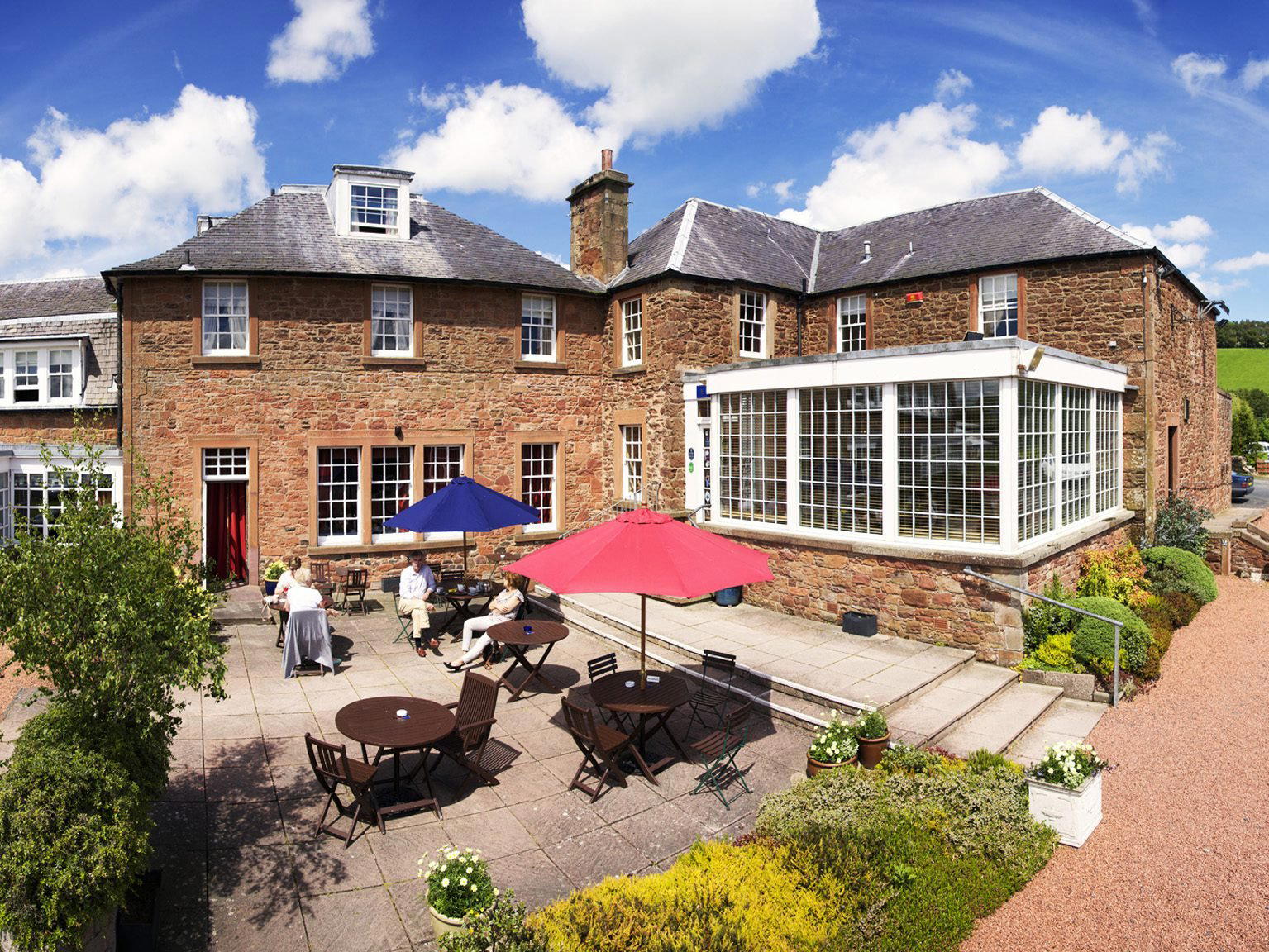
Where the A68 Meets the Lammermuir Hills
The Scottish Borders has long occupied an ambiguous place in British hospitality. Too far south for the Highland romance that drives premium rates at properties like Langass Lodge or Dun Aluinn in Aberfeldy, and too far north for the polished country-house circuit that positions places like Babington House or Estelle Manor, the Borders region tends to attract travellers with a specific purpose: fishing the Tweed, walking the Southern Upland Way, or making a deliberate crossing between Edinburgh and the north of England. Carfraemill, at Lauder on the TD2 6RA postcode along the A68, sits directly in the path of that movement.
The building announces itself as a roadhouse rather than a retreat, and that honesty is part of what distinguishes it within this region. The Borders inn tradition is one of working hospitality, rooted in the agricultural calendar and the droving routes that shaped the landscape for centuries. Carfraemill inherits that lineage in physical terms: stone construction, a position at a natural stopping point between high ground and valley, and a scale that matches practical need rather than aspirational fantasy. Where properties in this category sometimes dress themselves in the language of luxury to compete with formal country-house hotels, Carfraemill's apparent register is more matter-of-fact, which, in the Scottish Borders, carries its own authority.
The Physical Logic of the Building
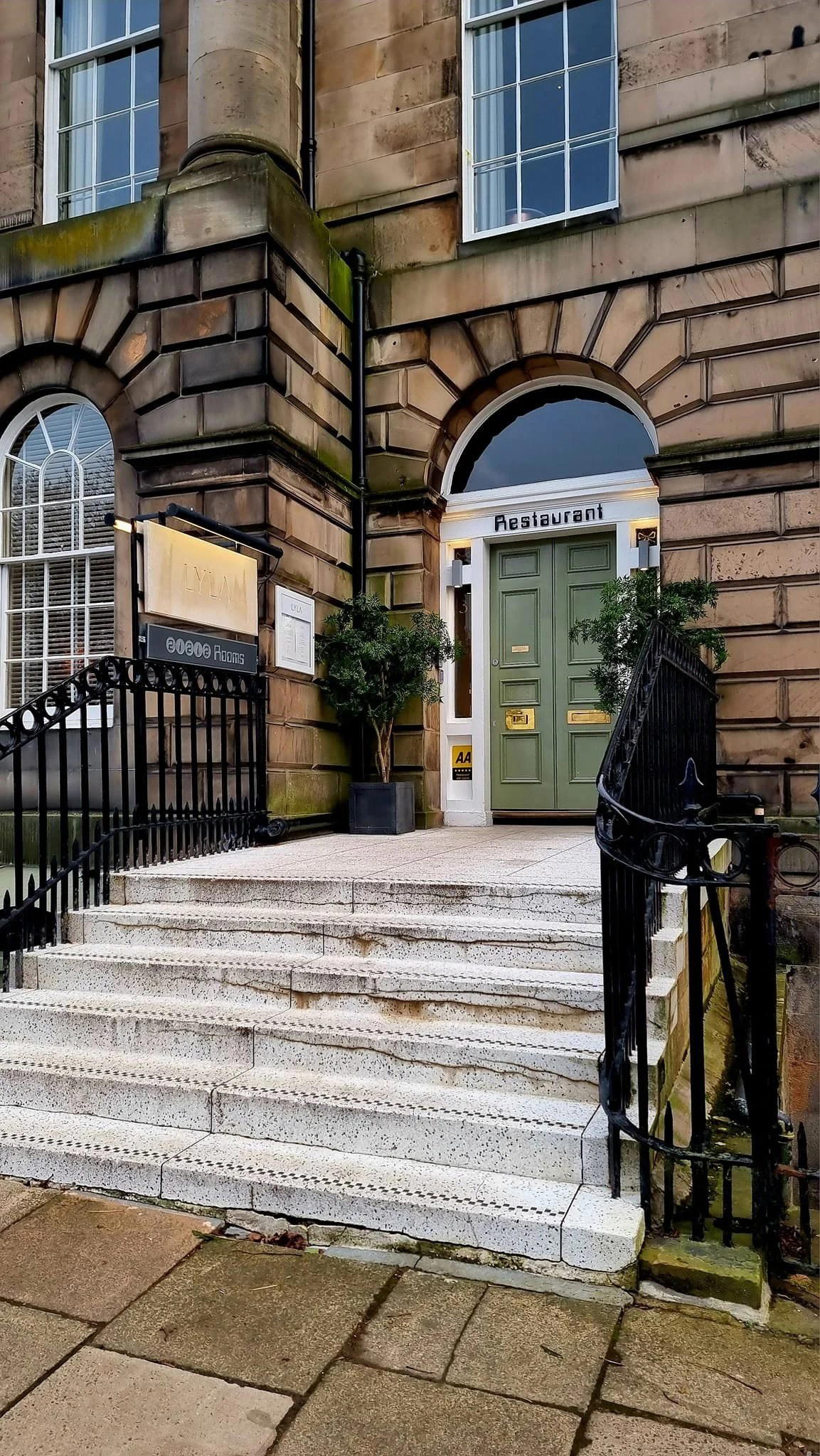
Roadhouse architecture in Scotland developed from necessity, not aesthetics, and the best-preserved examples carry that pragmatism in their proportions. The Scottish Borders variant tends toward rubble-stone or rendered masonry, low rooflines that acknowledge the wind exposure of the upland approaches, and public rooms weighted toward warmth rather than grandeur. Carfraemill reads within this tradition: the structure is oriented toward the road and the valley rather than toward any designed landscape, a reversal of the country-house model where the approach is managed and the vista curated.
This places Carfraemill in a different competitive set from the formal manor properties that define premium Scottish rural hospitality, such as Gleneagles in Auchterarder or Traquair House further into the Borders interior. Those properties are destinations in themselves; the journey to reach them is considered part of the experience. Carfraemill operates as an anchor point on an existing route, which means the building's relationship to its setting is more direct and less mediated. The Lammermuir Hills frame the property to the north and east; the Leader Water runs nearby. The architecture does not attempt to borrow from that scenery so much as acknowledge it as the operative condition of the site.
For travellers approaching from Edinburgh along the A68, the property appears after the city has fully released its gravitational pull, roughly 25 miles south of the capital, at the point where the road begins to engage with more open, less suburban country. That positioning matters: arriving at Carfraemill feels like a genuine transition rather than an incremental one, which is what the leading stopping-point inns in Britain have always offered. Compare this to the city-edge position of Malmaison Edinburgh, which serves an entirely different function for an entirely different type of traveller.
The Borders Inn in Context
Scottish rural hospitality has spent the past two decades pulling in two directions simultaneously. On one side, the growth of premium destination hotels, many affiliated with international groups or positioned against London's top-tier market (see Claridge's or Aman New York for how that premium language translates globally). On the other, the persistence of the working inn model: locally owned, food-and-drink-led, physically embedded in the agricultural community around it. Properties like Burts Hotel in Melrose demonstrate how the latter can develop genuine regional authority without competing on the destination-hotel axis at all.
Carfraemill belongs to this second tradition. The Scottish Borders has a comparatively thin density of hotel stock relative to the Highlands or central Scotland, which means that properties occupying the practical mid-range serve a broader functional role than their equivalents in more tourism-saturated regions. For walkers, cyclists, birders working the Lammermuirs, and drivers on extended journeys between Scotland and England, the choice is often between a property like Carfraemill and a considerably longer drive to a more urban alternative. That structural dynamic gives the inn a position that does not depend on design distinction or award credentials to justify itself.
At the same time, the Borders dining scene has developed enough critical mass, through producers, game suppliers, and the proximity of Edinburgh's supply chains, that a property in this location can offer food that reflects its geography in concrete terms. Game from the surrounding estates, lamb from Borders farms, and the freshwater fish from the Tweed system are the raw material of a regional food identity that the leading Borders inns have always drawn on. How Carfraemill interprets that material is, given the limited data available, a matter for direct experience rather than editorial assertion, but the geography and the tradition create the conditions for it.
For a broader picture of where Carfraemill sits within the Borders hospitality map, our full Scottish Borders restaurants guide covers the region's dining and accommodation scene in detail, including the comparative positioning of properties from Peebles to Jedburgh.
Planning Your Stay
Carfraemill sits at Lauder, TD2 6RA, accessible directly from the A68, which runs between Edinburgh and Newcastle. The A68 route is driveable from Edinburgh in under an hour under normal conditions, making Carfraemill viable both as an overnight stop and as a base for day exploration of the Lammermuir Hills and the broader Borders valley system. For travellers arriving from further south, the property sits roughly equidistant between the English border at Carter Bar and the Edinburgh outer ring, a natural midpoint that has defined stopping-point inns at this location for generations. Seasonal timing matters in this region: spring and autumn bring the leading walking conditions and the most active game and fishing seasons, while summer attracts the highest volume of through-traffic on the A68 corridor.
How It Stacks Up
| Venue | Price | Awards |
|---|---|---|
| CarfraemillThis venue — the venue you are viewing | Not listed | Not listed |
| Lime Wood | Not listed | 2 Michelin Keys · La Liste Top Hotels |
| Muir, A Luxury Collection Hotel, Halifax | $300–500 | 1 Michelin Key · Forbes 4-Star |
| Raffles London at The OWO | $1,000–1,500 | 3 Michelin Keys · World's 50 Best #28 |
| The Connaught | $1,000–1,500 | 3 Michelin Keys · World's 50 Best #49 |
| 51 Buckingham Gate, Taj Suites and Residences | Not listed | Michelin Selected · La Liste Top Hotels |
Continue exploring
More in Scottish Borders
Hotels in Scottish Borders
Browse all →
Bars in Scottish Borders
Browse all →
Restaurants in Scottish Borders
Browse all →
Details
- Cozy
- Rustic
- Classic
- Scenic
- Weekend Escape
- Family Vacation
- Historic Building
- Terrace
- Wi Fi
- Room Service
- Restaurant
- Bar
- Free Parking
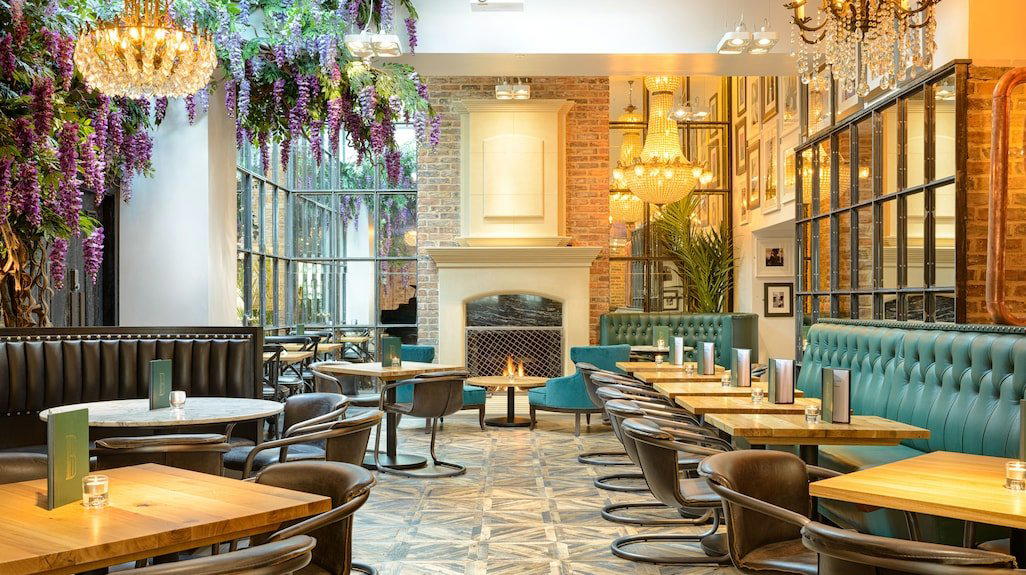
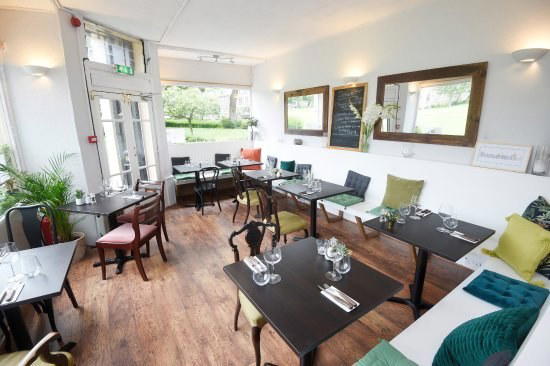
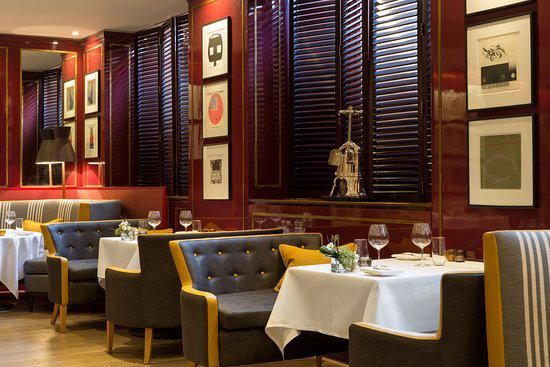
Cosy lounge with roaring fireplaces, elegant traditional design, and charming decor praised for its welcoming and comfortable atmosphere.