Nobu Hotel Manchester
Nobu Hotel Manchester sits in a city where hotel design now carries as much weight as postcode, service model, and restaurant access.

Pearl is the En Primeur Club membership app — saves, bookings, and concierge access live there. Same editors, same standards.
- Address
- Manchester, United Kingdom
- Directions
- Get directions
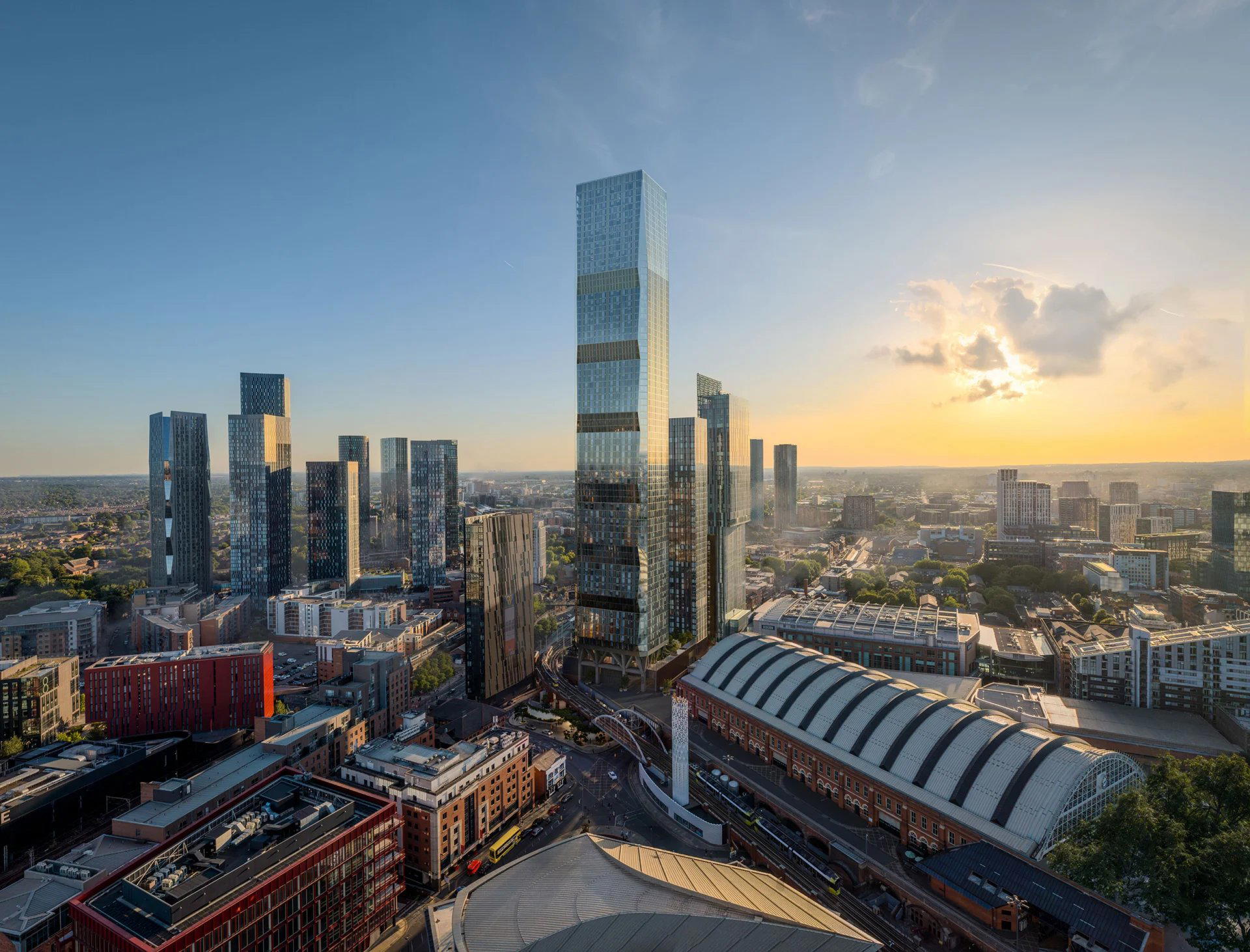
Manchester's hotel scene is being judged by rooms, not just restaurants
Approach a contemporary Manchester hotel and the first argument is usually architectural. The city’s strongest stays tend to announce themselves through scale, material, conversion work, or a particular relationship with the street: Victorian warehouses adapted for overnight guests, former banking chambers turned into theatrical lobbies, townhouse hotels working with domestic proportions, and newer addresses using darker, sharper interiors to signal metropolitan polish. The responsible way to read the property is therefore not as a fully documented hotel profile, but as a lens on what Manchester luxury now asks from a brand-led address.
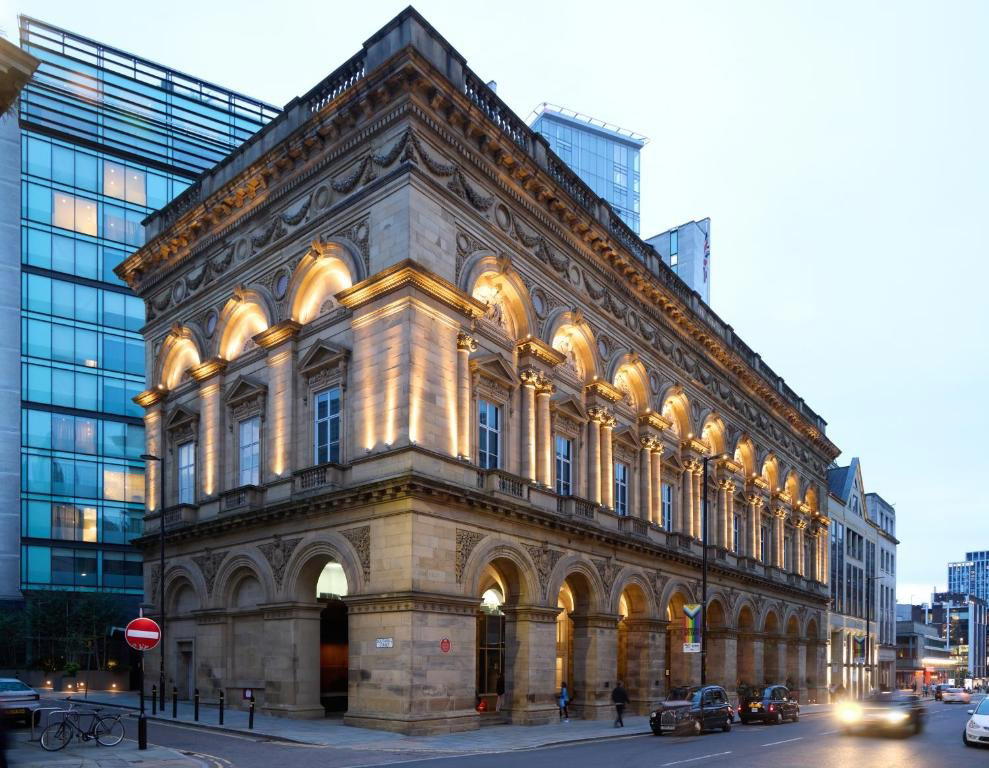
Manchester is no longer a secondary-market hotel city in the old sense. Its better properties compete for guests who may already know London, Edinburgh, Paris, Milan, or New York, and who read design cues quickly: lobby scale, corridor lighting, bar placement, bedroom restraint, bathroom materials, and how the ground floor handles non-resident traffic. The city’s hotel conversation has also split into clear peer sets. There are grand civic buildings such as Kimpton Clocktower Hotel, clubby central addresses such as Hotel Gotham Manchester, boutique townhouse formats such as King Street Townhouse, and sharper contemporary propositions such as Dakota Manchester. A Nobu-branded hotel in Manchester, on name alone, would be judged inside that more design-conscious tier rather than against generic business accommodation.
The design question: brand language versus Manchester character
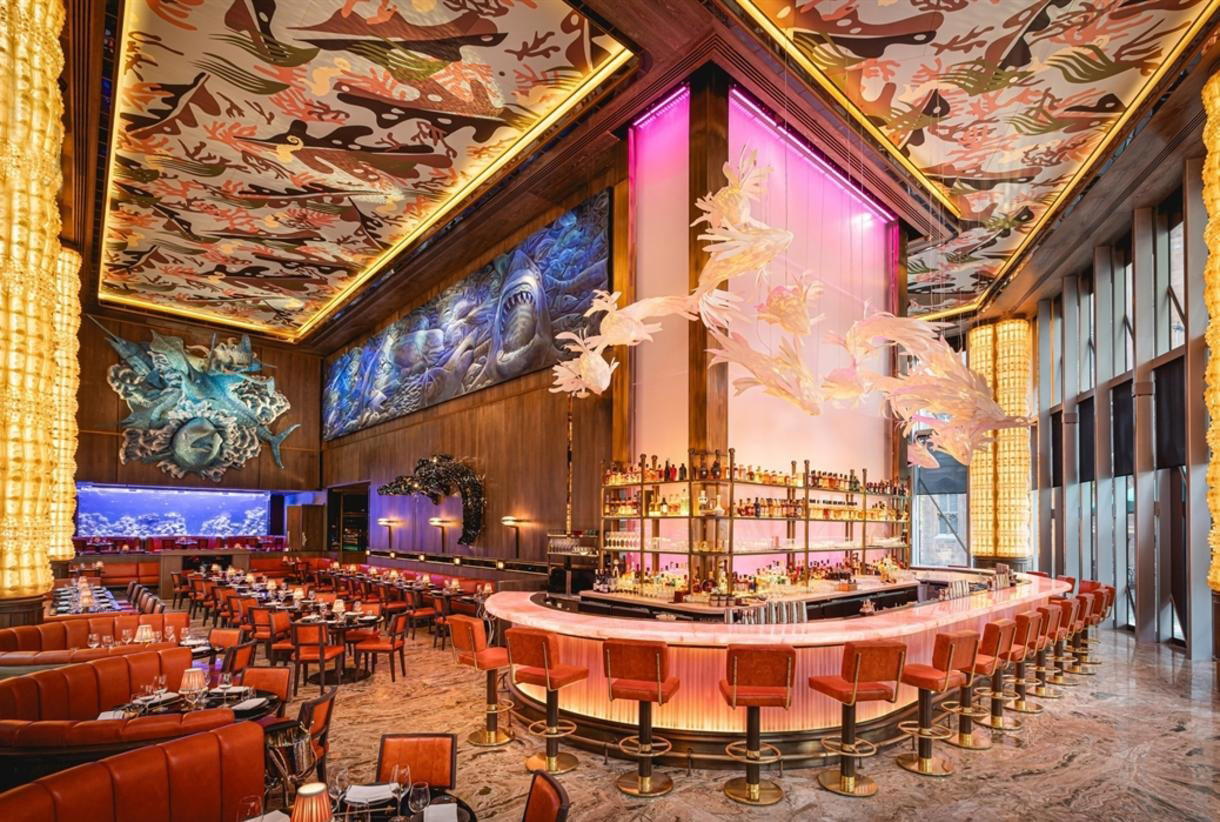
The Nobu name carries an international association with Japanese-inflected hospitality and restaurant-led lifestyle hotels, but EP Club’s record for Nobu Hotel Manchester does not provide verified interiors, architects, room categories, food and beverage details, or opening status. Without confirmed design authorship or physical description, any claim about low lighting, timber, stone, suites, spa areas, or restaurant atmosphere would be speculation. What can be assessed is the competitive expectation the name creates in Manchester: a hotel with that label would need to reconcile a recognisable global aesthetic with a city that has strong existing building stock and a confident sense of its own material culture.
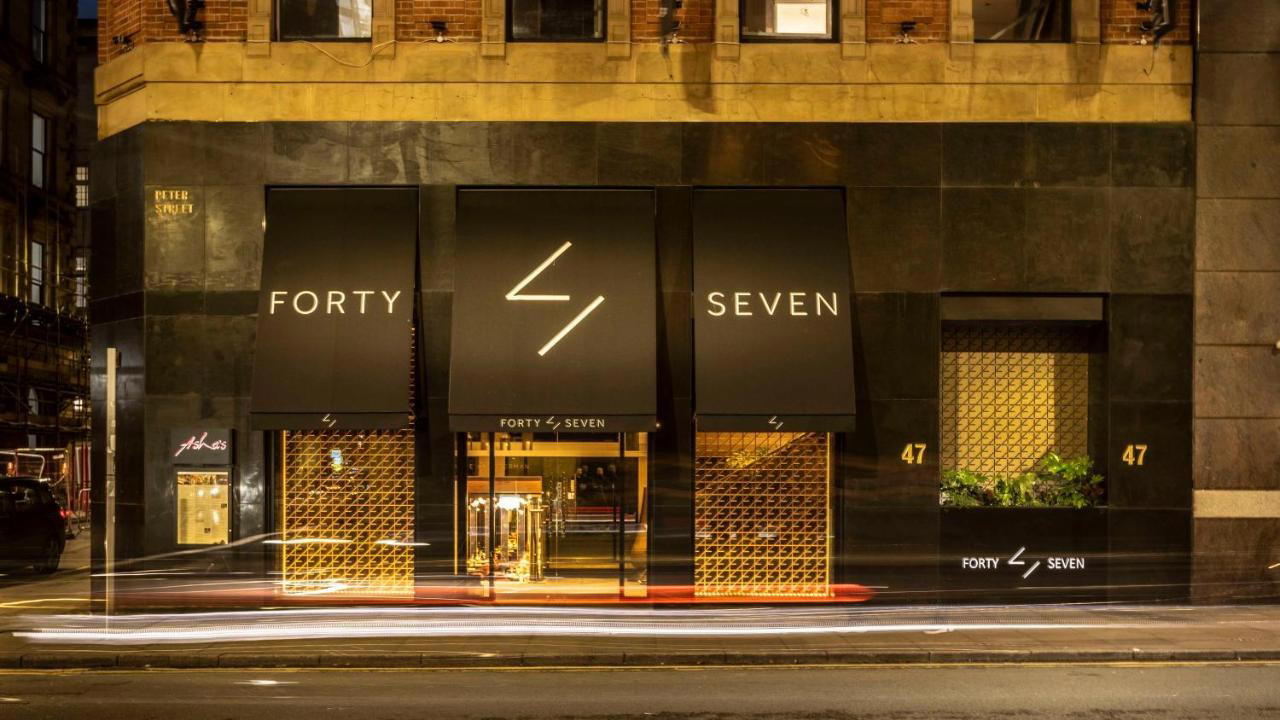
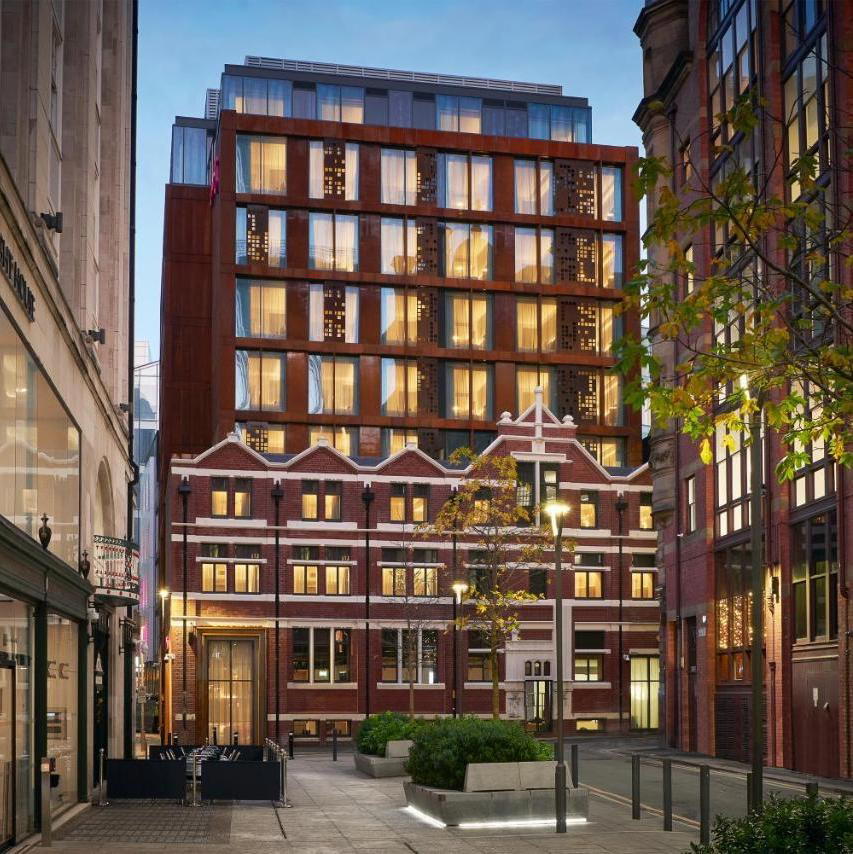
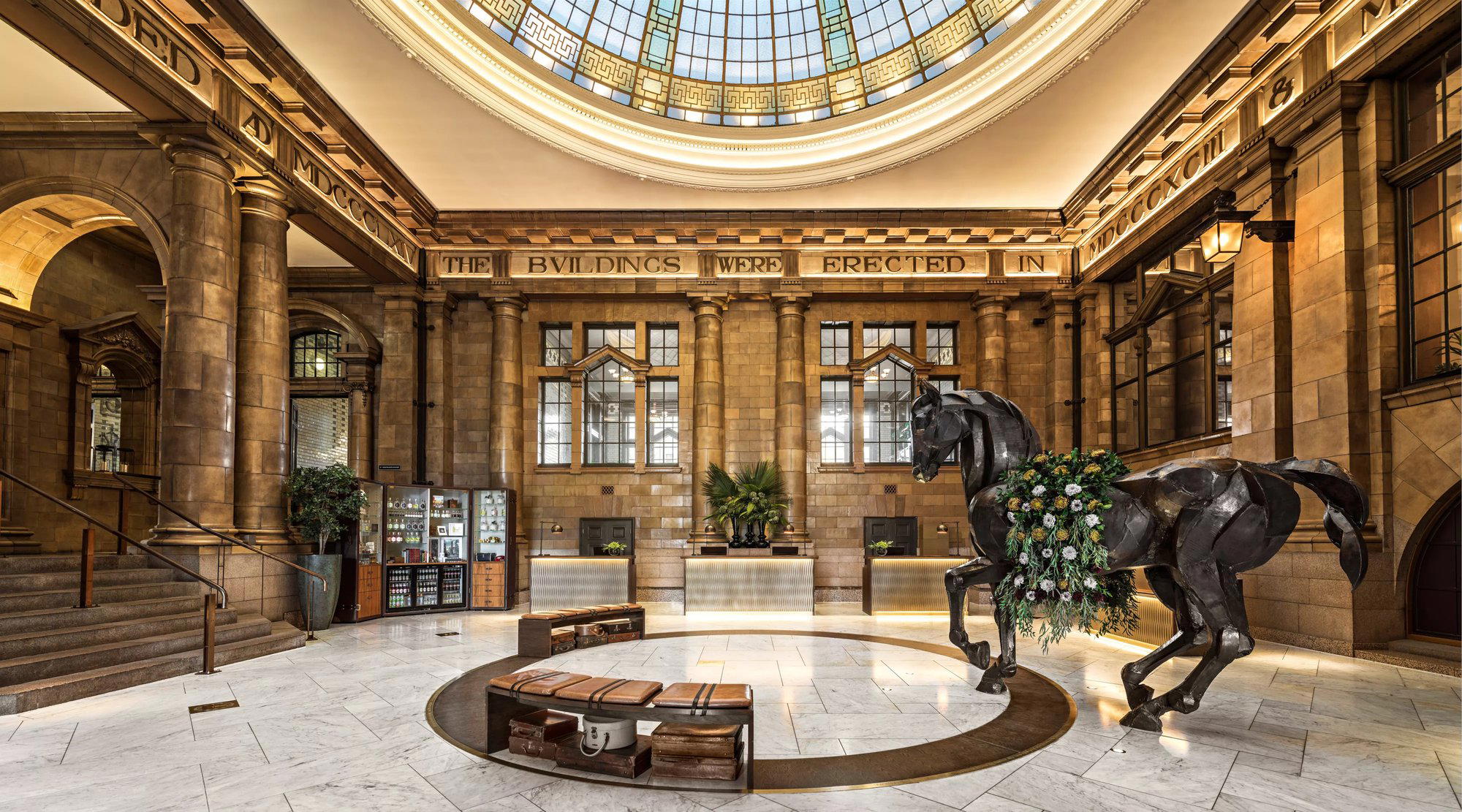
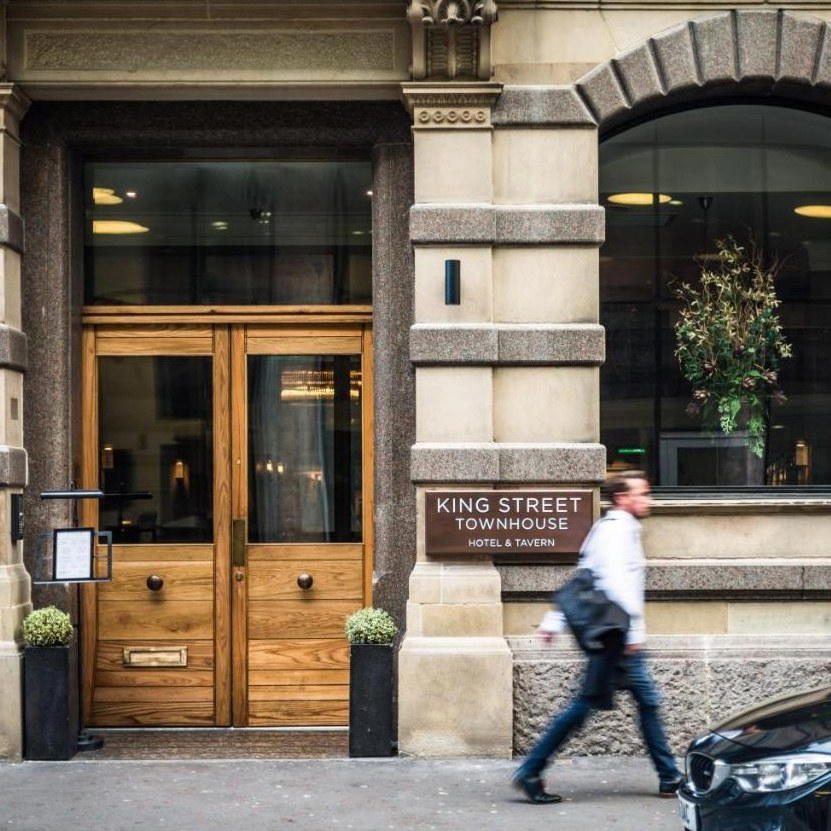
Manchester rewards hotels that understand their envelope. The city’s better conversions do not treat red brick, terracotta, stone, and industrial volume as decorative backdrop. They use those elements to give rooms a reason to exist in Manchester rather than in any interchangeable urban centre. ABode Manchester belongs to the converted-building side of that discussion, while Forty-Seven and King Street Townhouse Hotel show how smaller central hotels can compete through intimacy and location rather than size. Outside the centre, Didsbury House Hotel points to another Manchester pattern: residential calm, less obvious to visitors focused only on central districts, yet useful for travellers who value quieter evenings over lobby theatre.
That is the real editorial test for Nobu Hotel Manchester. A name with global recognition can bring confidence, but Manchester’s hotel market is now experienced enough to expose imported design language that lacks local connection. The city does not need another polished room set without a point of view. It needs hotels that understand when to let the building speak, when to make the restaurant the anchor, and when to keep the bedroom quiet. Until verified design details are available, the strongest claim is conditional: the property’s interest will depend on whether its physical space translates the Nobu brand into Manchester with discipline, not just recognition.
Restaurant-led hotels have changed the city's expectations
Manchester has become more serious about the relationship between where visitors sleep and where they eat. The old separation between hotel dining and city dining has weakened; guests now compare a hotel restaurant not only with other hotels, but with independent rooms across Ancoats, the Northern Quarter, Spinningfields, and the city centre. For wider dining context, Our full Manchester restaurants guide is the useful companion, because it shows how restaurants shape travel decisions rather than simply fill an evening slot.
That means no dish, service rhythm, price level, or chef credential should be inferred here. Still, the hotel belongs to a wider trend that can be discussed safely: premium urban hotels increasingly use food and beverage as identity, not amenity. In cities with strong leisure demand, the restaurant determines who enters the building before check-in time, how locals use the lobby, and whether the hotel has cultural relevance beyond bedrooms. Manchester is especially sensitive to that equation because its independent dining culture has become a serious pull for domestic travel.
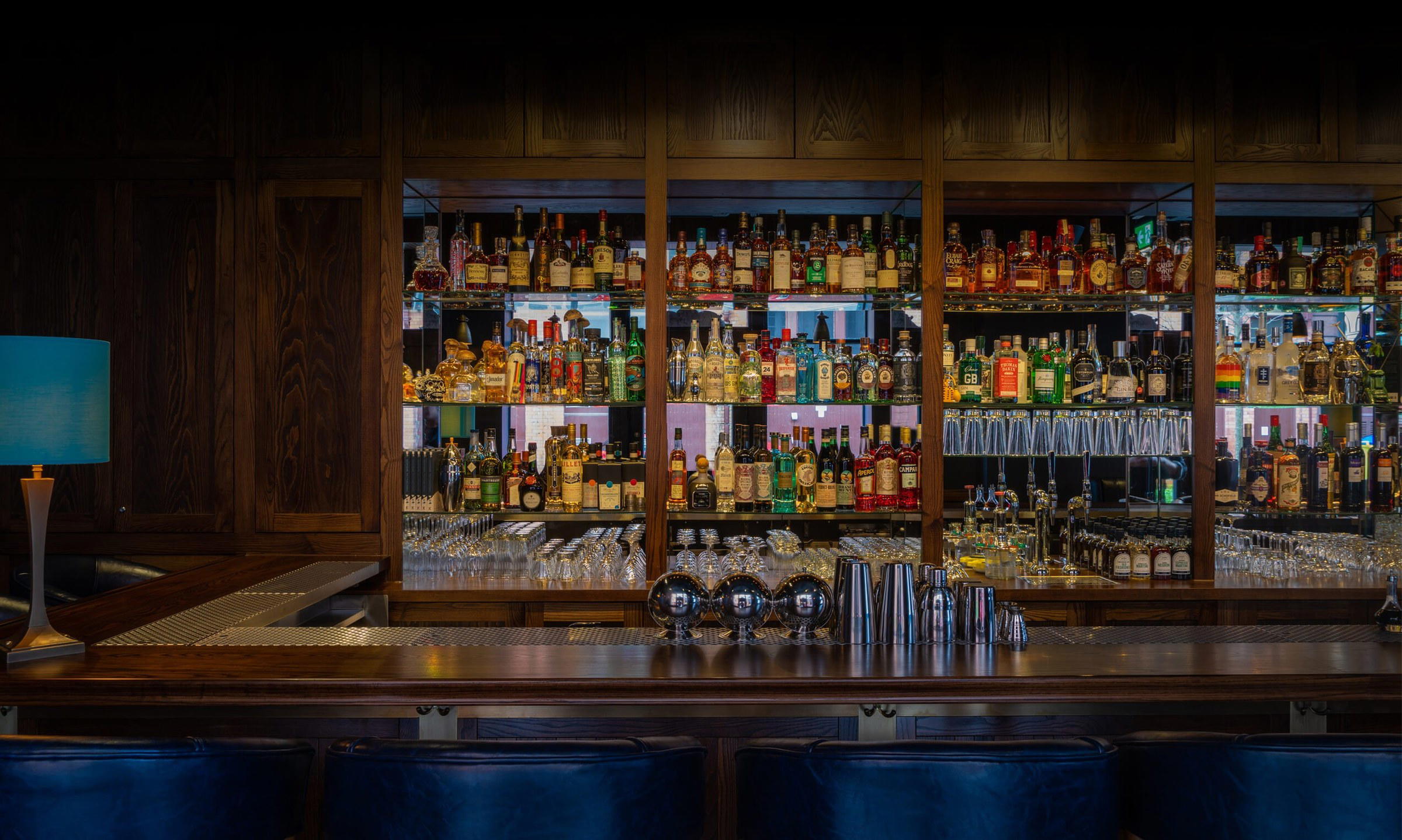
Bars create the same pressure. The city’s strongest hotel bars have to compete against standalone cocktail rooms rather than rely on captive guests. For that wider drinking map, Our full Manchester bars guide gives the necessary context. The point is that any premium hotel entering Manchester now arrives in a market where locals notice whether the bar has depth, whether the room works after dinner, and whether the design supports conversation rather than just photography.
How to place it among Manchester hotels
With no price range or star rating in the record, Nobu Hotel Manchester cannot be ranked responsibly against named competitors on value, room size, service level, or suite category. What can be mapped is the field it would enter. Our full Manchester hotels guide shows a city with several distinct hotel types: large heritage properties, compact boutique stays, business-facing central hotels, townhouse addresses, and design-led independents. A Nobu-branded address would naturally be compared with properties where the ground floor, restaurant identity, and visual language matter as much as sleep quality.
In Britain, design-led hospitality ranges from country-house reinvention at Lime Wood in Lyndhurst and estate hospitality at The Newt in Somerset in Castle Cary to urban grande-dame tradition at The Savoy in London. Private-house energy appears differently at Estelle Manor in North Leigh, while resort scale defines Gleneagles in Auchterarder. Smaller coastal and rural models, including Antonia's Pearls in Charlestown Harbour and Kilchoan Estate in Inverie, make a different promise again: setting first, amenities second.
Those comparisons matter because international hotel names no longer compete only within one city. A traveller weighing Manchester may also be thinking about a Scottish weekend, a London stay, or a European urban break. Hotel du Vin at One Devonshire Gardens in Glasgow provides a townhouse-hospitality reference, while Muir, A Luxury Collection Hotel, Halifax in Halifax shows how waterfront new-build luxury can frame a smaller city. Internationally, the comparison widens to theatrical urban design at The Fifth Avenue Hotel in New York City, palace-hotel tradition at Hôtel de Paris Monte-Carlo in Monte Carlo, and alpine heritage at Badrutt's Palace Hotel in St. Moritz. Manchester does not need to imitate those models, but its premium hotels are increasingly judged by travellers who know them.
Planning a stay with incomplete public data
The planning position is simple: use caution until the essentials are confirmed by an official channel. In a city as walkable as central Manchester, a few streets can change the stay: proximity to Piccadilly, Deansgate, Spinningfields, Oxford Road, or the Northern Quarter affects late-night movement, dining choices, and how much time is lost between meetings or meals.
Manchester also rewards itinerary clustering. A hotel stay pairs differently with restaurants, bars, galleries, football, concerts, and rail connections depending on neighbourhood. For travellers building a broader visit, Our full Manchester experiences guide helps place the hotel decision inside the day, not just the night. Wine-focused travellers can also use Our full Manchester wineries guide for category context, though Manchester is a city-drinking destination rather than a wine-region stay in the vineyard sense. The practical rule is to confirm the hotel’s exact operating details first, then choose dinners and bars by district rather than chasing a single address across town.
Comparable Venues Nearby
Comparable venues nearby, for context on price, style, and recognition.
| Venue | Cuisine | Price | Awards | Notes |
|---|---|---|---|---|
| Nobu Hotel ManchesterThis venue — the venue you are viewing | Luxury mixed-use skyscraper hotel integrated into Manchester’s tallest tower, combining hospitality, residences, and destination dining under the Nobu lifestyle brand. | Not listed | Not listed | Not listed |
| King Street Townhouse Hotel | Hotel | $200–300 | Michelin Selected · Mr & Mrs Smith Seal of Approval | Deansgate |
| Kimpton Clocktower Hotel | Victorian landmark luxury hotel blending heritage with contemporary style | $100–200 | Michelin Selected | Deansgate |
| Forty-Seven | Refurbished Grade-II listed warehouse offering intelligent luxury with bold statements and polished style. | Not listed | Michelin Selected | Deansgate |
| King Street Townhouse Hotel | Historic boutique with contemporary interiors | $200–300 | Michelin Selected · Mr & Mrs Smith Seal of Approval | Deansgate |
| Whitworth Locke, Civic Quarter | Converted cotton mills into design-led aparthotel with co-working and social spaces | Not listed | Not listed | Piccadilly |
Details
- Modern
- Sophisticated
- Minimalist
- Elegant
- Well Known
- Business Trip
- Weekend Escape
- Celebration
- Group Retreat
- Design Destination
- Private Dining
- Panoramic View
- Pool
- Spa
- Fitness Center
- Room Service
- Concierge
- Business Center
- Skyline
- Elevator
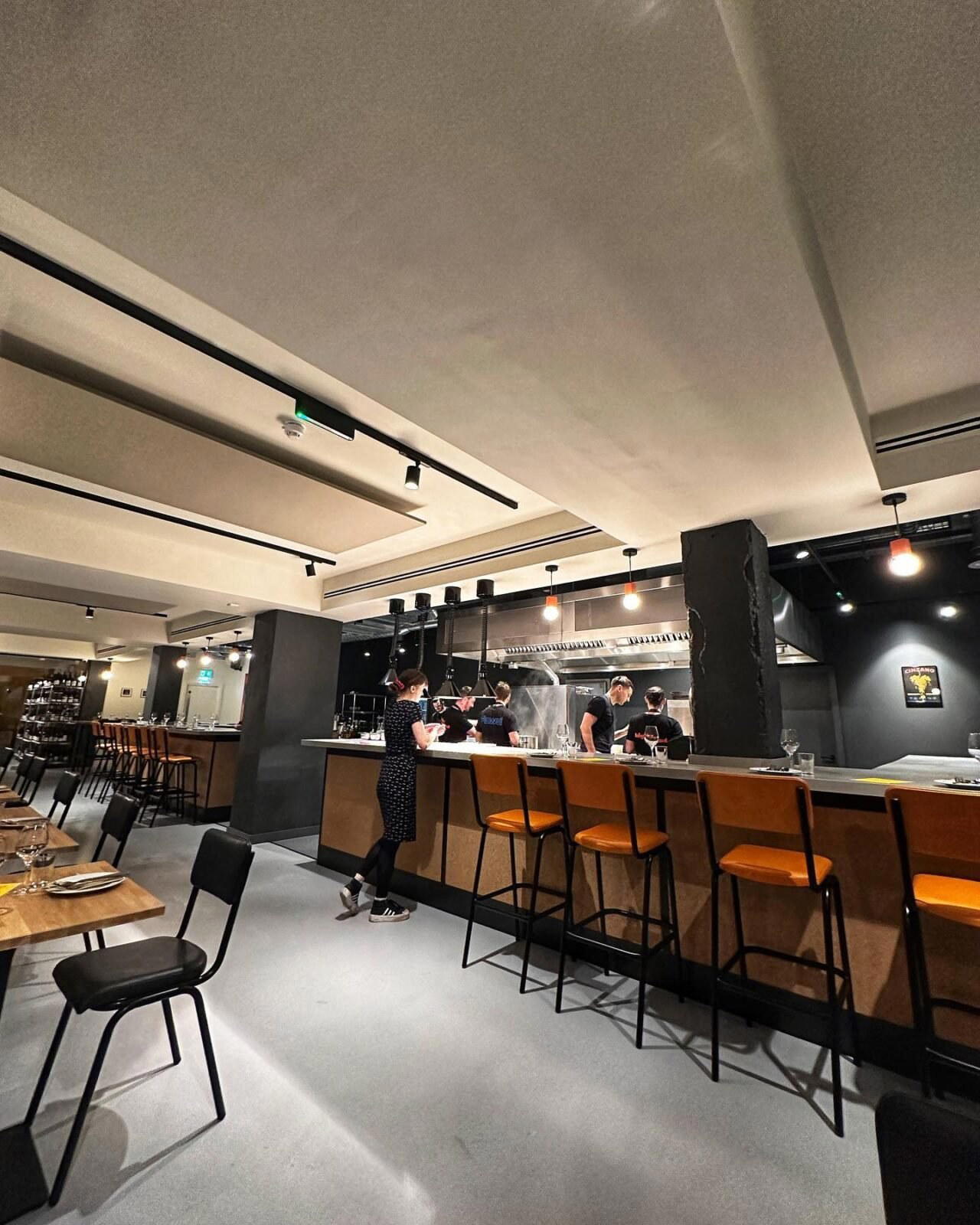
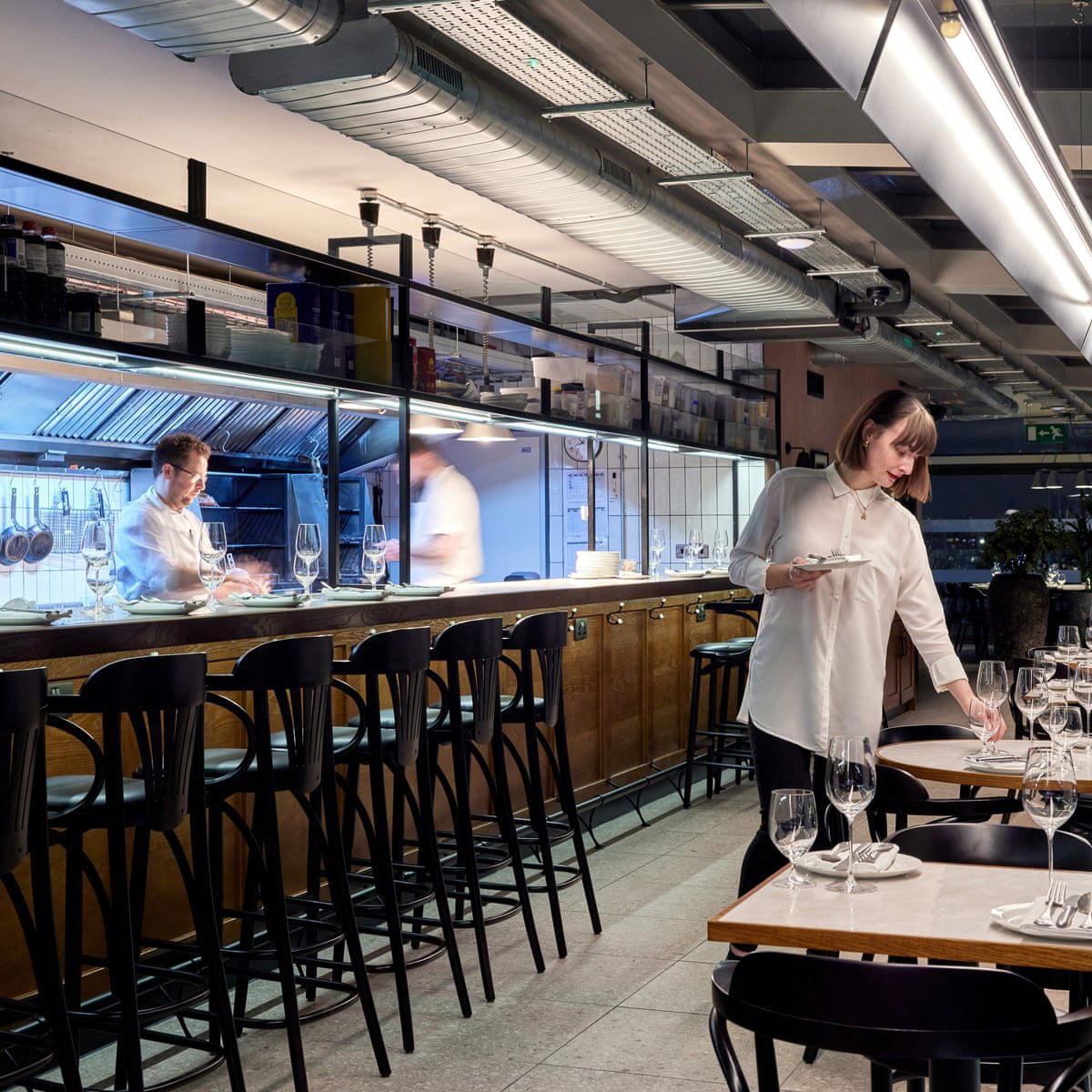
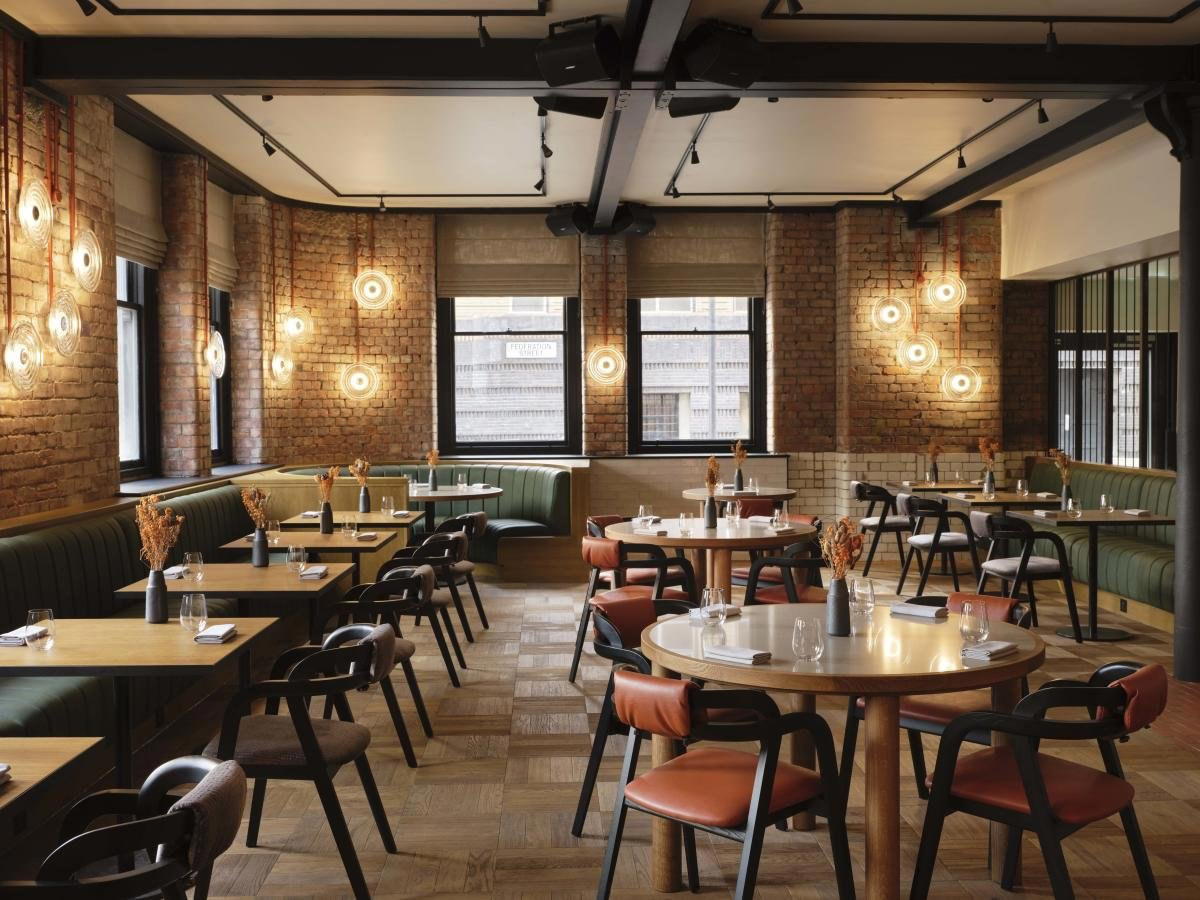
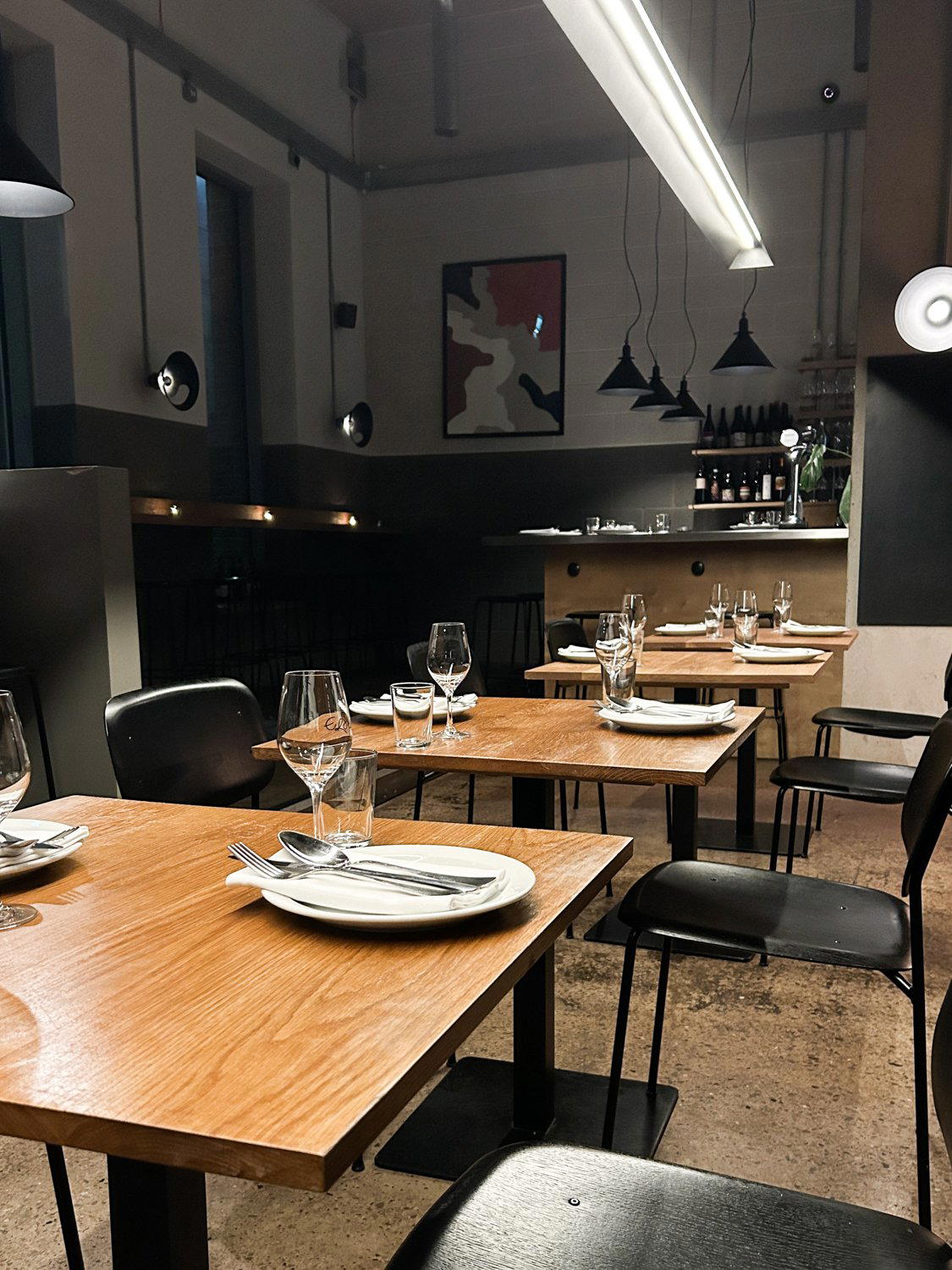
Minimalist, luxury-forward, and refined Japanese-inspired, with a strong architectural presence shaped by Manchester’s industrial heritage and a tower setting that creates a polished, contemporary atmosphere.