The Point Da Nang Golf Club
Situated along the Truong Sa coastline in Ngu Hanh Son district, The Point Da Nang Golf Club occupies a stretch of central Vietnam's most architecturally considered sporting terrain.

Pearl is the En Primeur Club membership app, where members save venues, book tables and use the concierge.
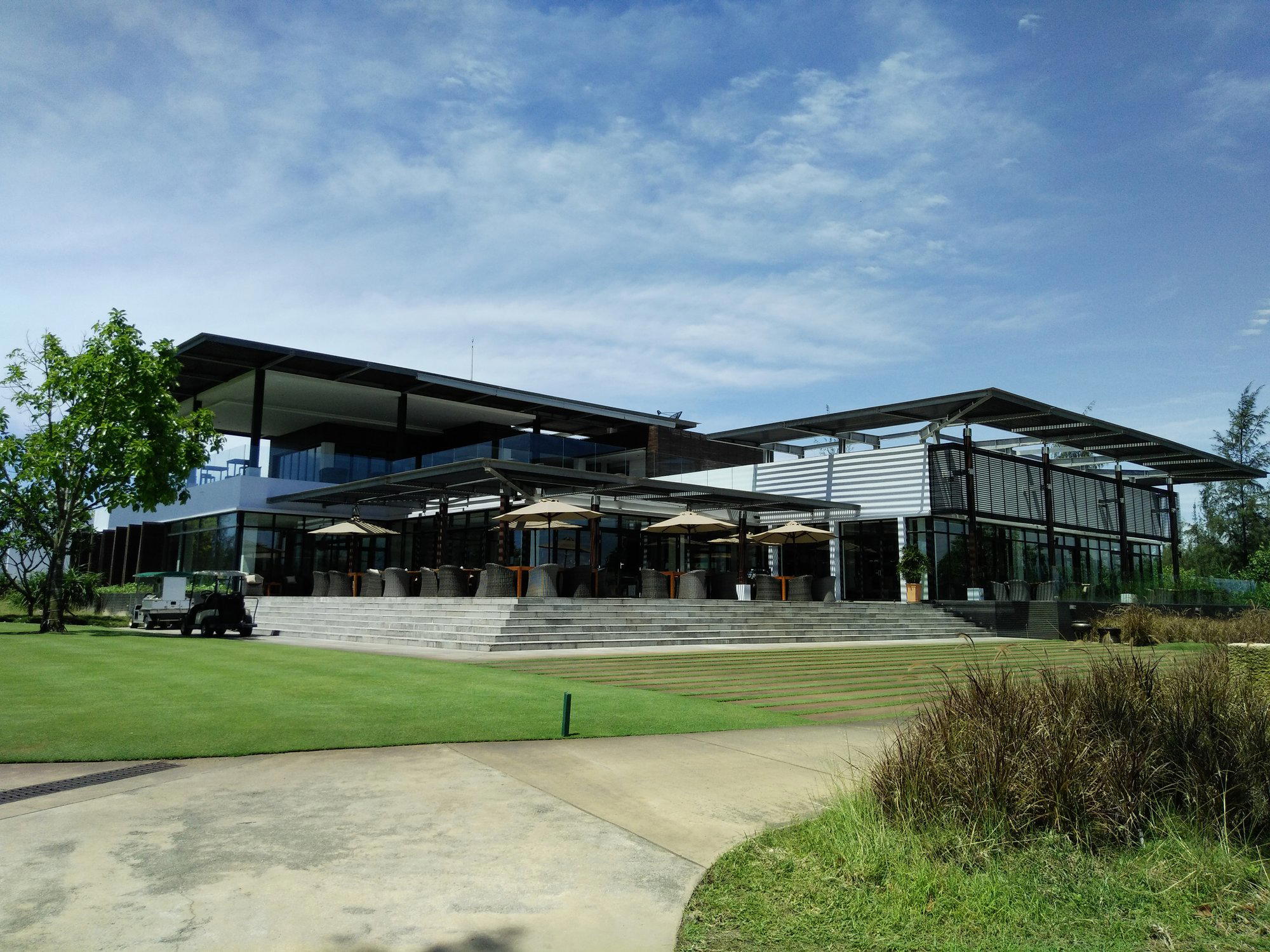
Where the Fairways Meet the South China Sea
Central Vietnam's coastal golf corridor has expanded faster than almost any comparable stretch in Southeast Asia over the past decade. From the marble-hill foothills of Ngu Hanh Son south toward Hoi An, a sequence of courses now competes less on yardage and par count than on how intelligently the built environment responds to what surrounds it. The Point Da Nang Golf Club, positioned along Truong Sa in the Hoa Hai ward of Ngu Hanh Son district, sits inside that design-led conversation. The address alone signals intent: Truong Sa runs the length of a coastline that separates the Da Nang urban sprawl from the South China Sea, and courses that claim this strip are making an architectural argument as much as a sporting one.
Golf in this part of Vietnam operates differently from the inland resort model common in Dalat or the jungle-framed courses further north. The coastal setting compresses the design vocabulary: wind off the sea shapes shot selection, salt air affects turf management, and the visual relationship between water and fairway becomes the dominant aesthetic register. Courses here are judged, at least in part, by how honestly they engage with those conditions rather than how successfully they screen them out. For visitors exploring this stretch, our full Ngu Hanh Son restaurants and venues guide provides broader orientation across the district.
The Architectural Logic of a Coastal Golf Property
The design conversation around Da Nang's premium golf properties tends to converge on one question: does the course work with its coastal topography or merely occupy it? The distinction matters more here than in inland contexts because the South China Sea is not a backdrop you can politely ignore. Properties that treat the waterline as a boundary rather than a design element tend to feel defensive, like they are protecting a manicured interior from an inconvenient exterior. The stronger properties in this corridor do the opposite, using sea views, coastal wind patterns, and natural grade changes to generate interest at the course level rather than papering over flat terrain with architectural features.
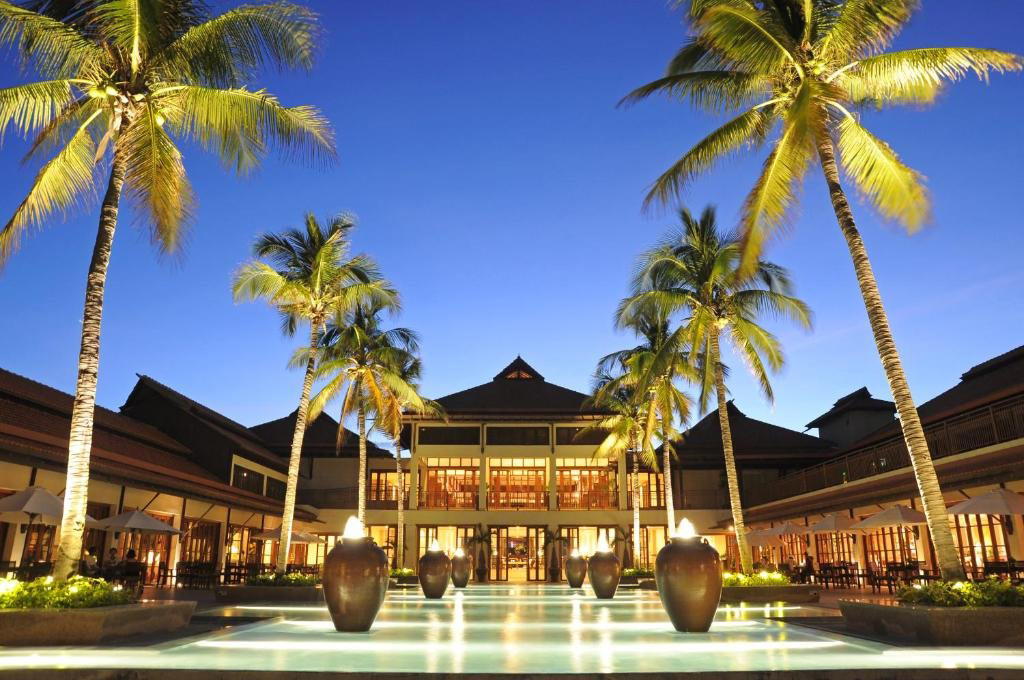
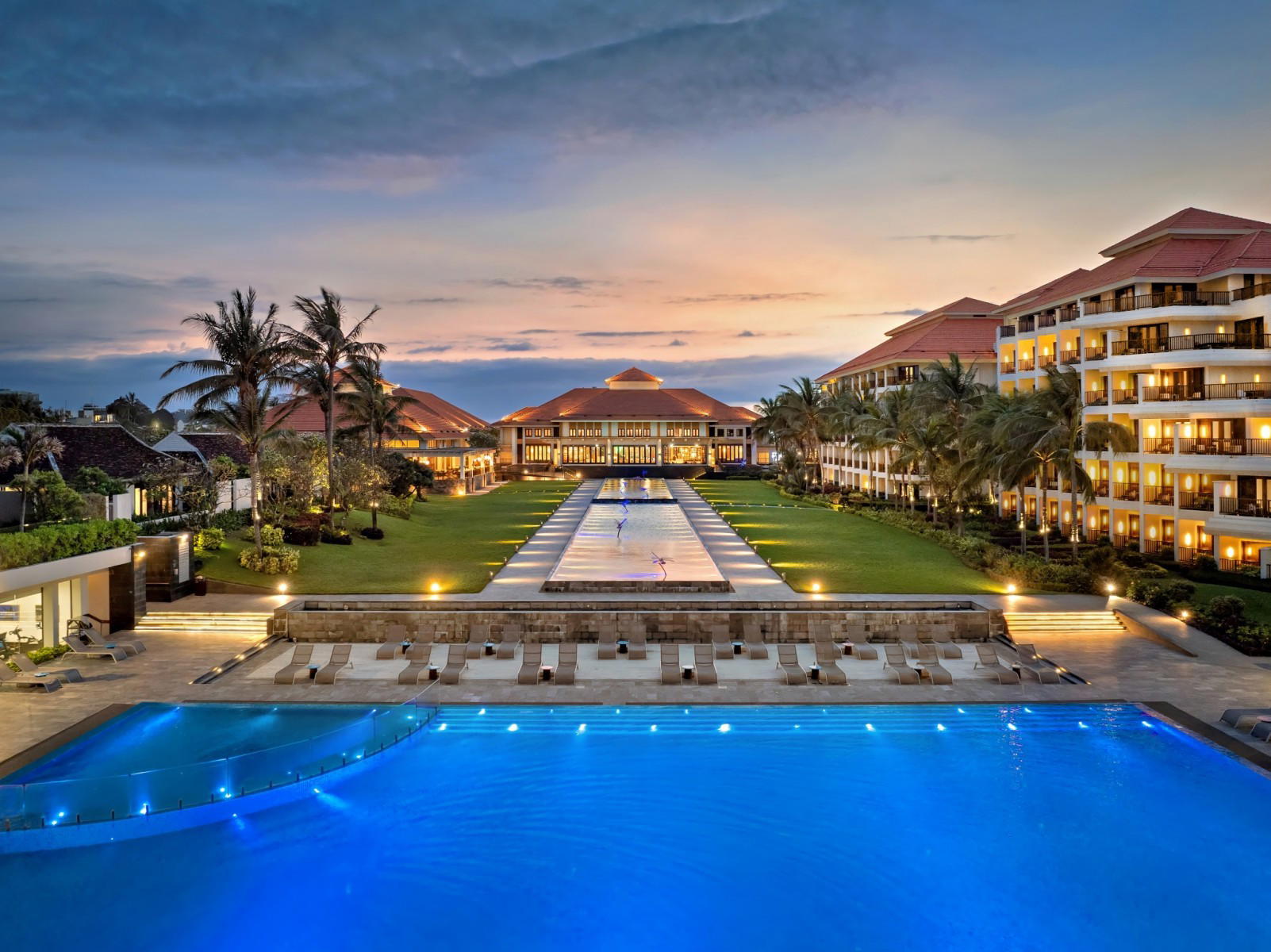
Within the Ngu Hanh Son stretch, The Point Da Nang Golf Club occupies a position where the relationship between built infrastructure and natural site conditions defines the experience more than any single amenity. Clubhouse architecture in this tier of Vietnamese golf development has moved toward a palette of local materials, open-sided pavilions, and indoor-outdoor transitions that reflect a broader regional shift away from the hermetically sealed resort model. The most considered properties along this coast reference the low-rise vernacular of Hoi An's old town architecture while accommodating the functional requirements of a full-service club. Whether The Point follows that trajectory or stakes a different formal position, the coastal address means it is being read against that design benchmark regardless.
For comparison within the region's resort golf tier, the InterContinental Danang Sun Peninsula Resort established an early precedent for integrating high-specification leisure infrastructure into difficult coastal topography. Further south, the Four Seasons Resort The Nam Hai, Hoi An in Dien Duong has set a standard for how premium hospitality responds to a coastal rice-paddy and beach setting. Both represent a design seriousness that the wider Da Nang corridor is increasingly measured against.
The Ngu Hanh Son Setting in Context
Ngu Hanh Son district takes its name from the Five Elements Mountains, a cluster of marble and limestone formations a few kilometres inland from the coast. That geological fact shapes the district's identity: it is simultaneously an ancient pilgrimage site, a working stone-carving industry, and, increasingly, a corridor for resort-scale hospitality investment. The combination is unusual and, for the right visitor, genuinely interesting. A golf round on Truong Sa followed by an afternoon at the marble mountains is a particular kind of itinerary that this district makes possible without requiring significant travel.
The district sits roughly equidistant between Da Nang's urban centre and the historic core of Hoi An, which makes it logistically useful for visitors who want access to both without committing to either as a base. Da Nang International Airport is accessible within a short drive from the Hoa Hai end of Truong Sa, and the road connections south toward the Hoiana Hotel and Suites in Duy Xuyen or the Almanity Hoi An Wellness Resort are direct. For travellers positioning across the broader central Vietnam circuit, properties like Azerai La Residence in Hue or Banyan Tree Lang Co extend the itinerary north without overstretching a week-long trip.
The Broader Vietnam Golf and Resort Context
Vietnam's premium leisure property market has fragmented into distinct tiers over the past five years. At one end, internationally flagged resort hotels with embedded golf access, such as the Novotel Danang Premier Han River in Hai Chau or the Four Points by Sheraton Danang, compete primarily on brand recognition and urban convenience. At the other end, standalone destination properties like Amanoi in Vinh Hy or Anantara Quy Nhon Villas compete on design singularity and remote-coastal positioning. The coastal golf club model, where the sport is the organizing principle rather than an amenity, occupies a middle position: it draws a visitor who is specifically there to play, but who also expects the surrounding infrastructure to meet a certain hospitality standard.
That visitor profile is distinct from the resort guest who plays one round as part of a broader wellness or sightseeing itinerary. Serious golf travel to this corridor increasingly involves multi-course programmes across several days, which means individual clubs are assessed partly on their standalone merit and partly on how they function within a wider routing. Properties that invest in course conditioning, pace of play management, and post-round hospitality tend to accumulate recommendations through golf travel networks faster than those that rely on scenery alone.
The wider Vietnamese resort circuit provides useful orientation for understanding where coastal Da Nang sits in the national hierarchy. Northern beach properties like Hilton Quang Hanh Onsen Resort in Cam Pha or Oakwood Ha Long operate in a different climate register and draw a different seasonal demand pattern. Southern alternatives including Amiana Resort Nha Trang and Asteria Mui Ne Resort in Phan Thiet compete for a drier-season golf visitor who wants to avoid the central Vietnam rainy period between September and January. Da Nang's window of reliably good playing conditions, broadly from February through August, concentrates demand in a way that rewards advance planning.
Planning Your Visit
The most practical entry point for a visit to The Point Da Nang Golf Club is Da Nang International Airport, which receives direct connections from major Southeast Asian hubs and a growing number of long-haul routes. Accommodation options in the immediate Ngu Hanh Son corridor range from the full-service international hotel tier to smaller design properties along the Truong Sa beachfront. Visitors combining golf with cultural interest in the marble mountains or a day trip to Hoi An will find the district's central position genuinely convenient. Given that the coastal golf corridor fills during the February-to-August peak, booking lead times of several weeks are reasonable for serious planning, and the same applies to accommodation at the better-regarded properties along this stretch.
In Context: Similar Options
| Venue | Price | Awards |
|---|---|---|
| The Point Da Nang Golf ClubThis venue (the venue you are viewing) | $1,000–1,500 | Not listed |
| Capella Hanoi | Not listed | 3 Michelin Keys · Michelin Guide New Hotels New Hotel |
| Four Seasons Resort The Nam Hai, Hoi An | $750–1,000 | 2 Michelin Keys · La Liste Top Hotels |
| InterContinental Danang Sun Peninsula Resort | Not listed | 1 Michelin Key · La Liste Top Hotels |
| JW Marriott Hotel Hanoi | $100–200 | Michelin Selected · Forbes Recommended |
| Park Hyatt Saigon | $300–500 | 1 Michelin Key · La Liste Top Hotels |
Continue exploring
More in Ngu Hanh Son
Hotels in Ngu Hanh Son
All hotels in Ngu Hanh Son →
Details
- Scenic
- Elegant
- Modern
- Family Vacation
- Weekend Escape
- Group Retreat
- Golf Course
- Pool
- Fitness Center
- Spa
- Wi Fi
- Tennis Court
- Beach Access
- Golf Course
- Concierge
- Mountain
Quiet, clean, and tranquil with lush green golf course surroundings and modern open-living architecture.