
Michelin Bib Gourmand
Our verdict
A Huế-style bún bò specialist in Ngũ Hành Sơn that builds its broth from scratch each morning. The signature xí quách—a large L-shaped beef bone—anchors the bowl with deep marrow flavour and varied textures, while the thập cẩm version layers in blood curd, pork loaf, tendon, and thinly sliced tongue. Arrive early; beef bone portions sell out.

Pearl is the En Primeur Club membership app — saves, bookings, and concierge access live there. Same editors, same standards.
- Address
- 19 Le Quang Dao Street, Ngu Hanh Son Ward, Da Nang, Da Nang Region, 550000, VNM
- Phone
- +84 97 431 88 25
- Hours
- Daily 6:30 AM–1 PM, 4:30–9 PM
- Website
- guide.michelin.com
- Directions
- Get directions
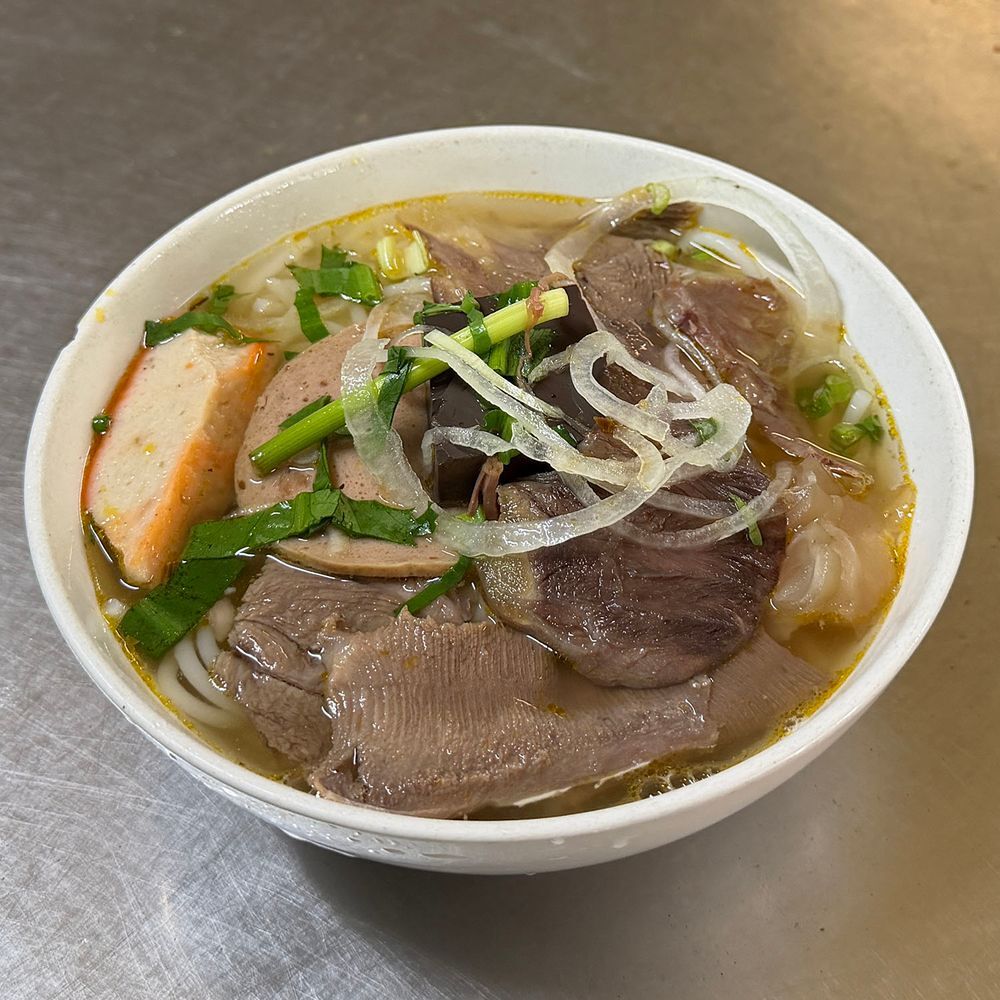
Huế-style bún bò carries a reputation for depth that sets it apart from lighter northern phở or southern hủ tiếu. The broth demands time, lemongrass, fermented shrimp paste, and bones that yield marrow and gelatin. In Da Nang, a city that sits between Huế's imperial culinary legacy and the coast's seafood traditions, shops that execute the style well hold steady neighbourhood followings. Ba Be (Banh Beo, Banh Nam, Banh Bot Loc) and Banh Mi Ba Lan handle other Central Vietnamese specialities with similar focus; Lê Gia Khang operates in that same lane, centred on one dish and ingredient discipline.
Fresh Broth and Bone-In Focus
The kitchen at Lê Gia Khang builds its broth daily, a practice that matters when fermented shrimp paste and lemongrass can tip quickly into bitterness if left too long. The result is a savoury, aromatic base that reads clean rather than muddy. The signature xí quách topping, a large L-shaped beef bone, supplies marrow, cartilage, fatty edges, and lean meat in one piece. That structural variety, combined with the broth's umami weight, gives the bowl textural range without requiring multiple add-ons. For diners who prefer a broader ingredient spread, the thập cẩm version adds beef blood curd, pork loaf, tendon, and thinly sliced beef tongue. The tongue arrives tender, a signal that the kitchen manages cook times across different proteins rather than defaulting to a single blanket approach.
Bún bò in Huế typically includes a plate of herbs, perilla, banana blossom, lime, chilli, that let diners adjust acidity and heat. Lê Gia Khang follows that format, and the herb quality holds through the morning service. Wilted greens or oxidised lime wedges would undermine the broth's clarity; fresh garnishes extend it. The shop's sourcing discipline becomes evident in the beef bone availability: the kitchen runs a limited daily count, and once the bones are gone, latecomers default to boneless versions or the thập cẩm. That ceiling pushes early arrival, typically before 11:00, if the xí quách is the goal.
Ingredient Provenance and Daily Limits
Central Vietnamese cooking privileges ingredient freshness over elaborate technique. Bún bò relies on beef that hasn't been frozen, lemongrass harvested within a day or two, and shrimp paste fermented to a specific funk level. Lê Gia Khang's daily broth preparation locks in those variables, and the beef bone constraint, a function of supply rather than artificial scarcity, signals a sourcing model tied to local butchers rather than wholesale frozen inventory. That approach aligns with other single-dish specialists in Da Nang, where morning sell-outs reflect ingredient ceilings rather than deliberate theatrics. Shops like Thìa Gỗ and Moc in the city operate with similar time windows, though their focus shifts to seafood and broader Vietnamese formats.
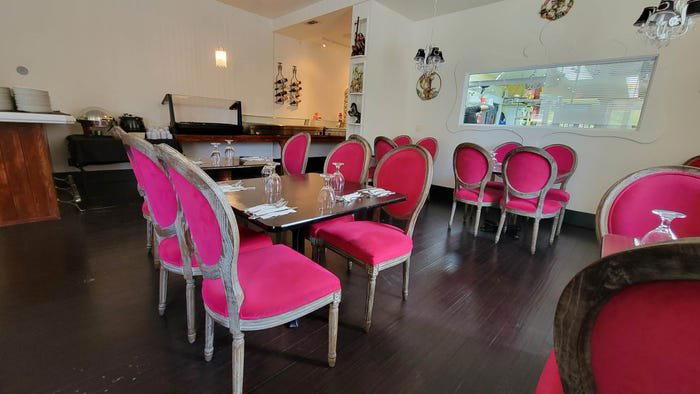
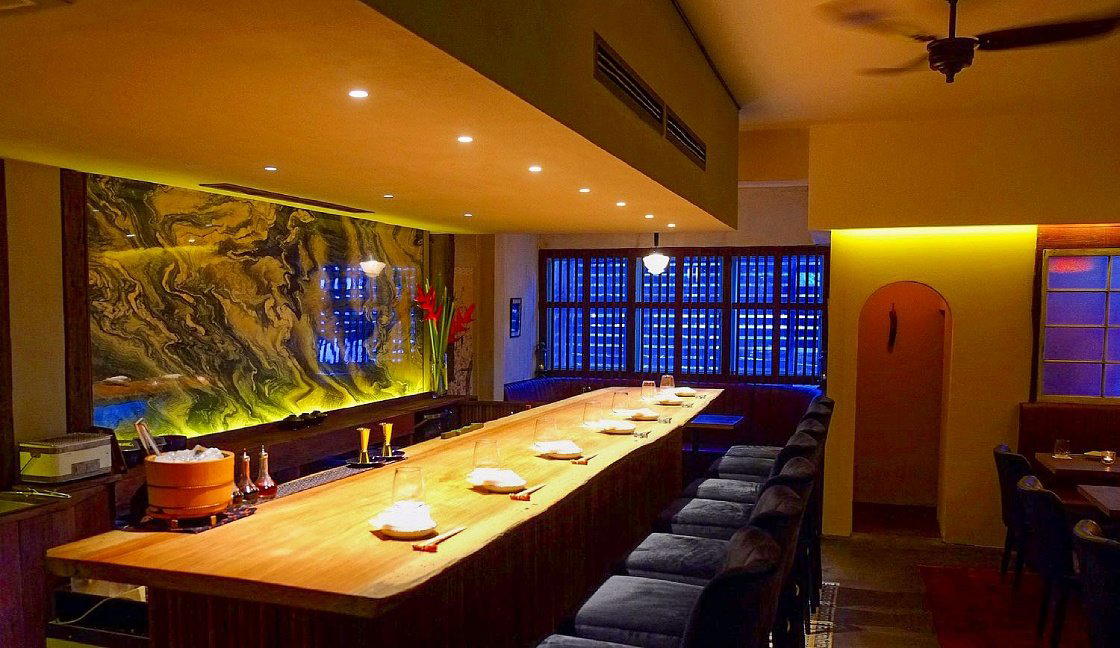
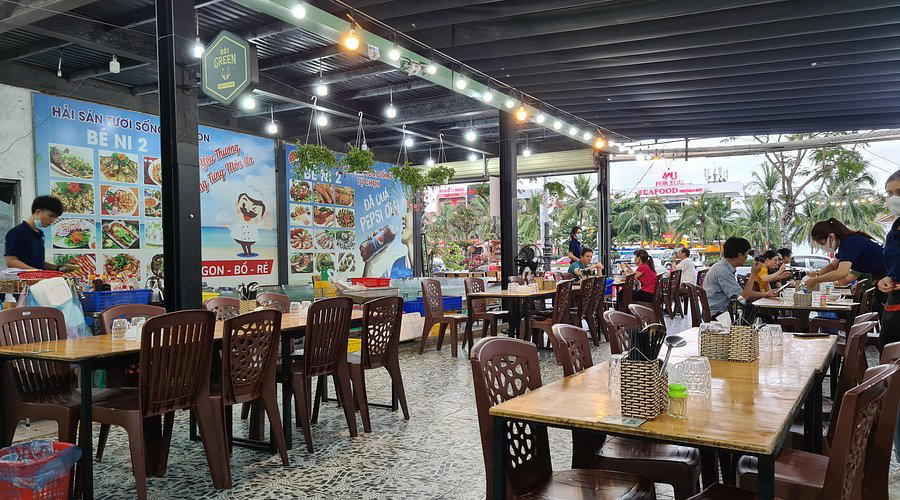
The shop sits on Lê Quang Đạo Street in Ngũ Hành Sơn Ward, a district that stretches from the Marble Mountains to the coastline and holds a mix of local eateries, marble workshops, and mid-range hotels. The area attracts domestic tourists visiting the caves and pagodas, but the dining scene skews local rather than resort-focused. Lê Gia Khang occupies a street-facing shophouse with minimal signage, the kind of setup that requires either word-of-mouth or a specific search. The interior holds plastic stools and communal tables, standard for bún bò shops across Central Vietnam, where speed and turnover matter more than décor. Service is efficient, orders arrive within minutes, and the pace assumes diners know what they want.
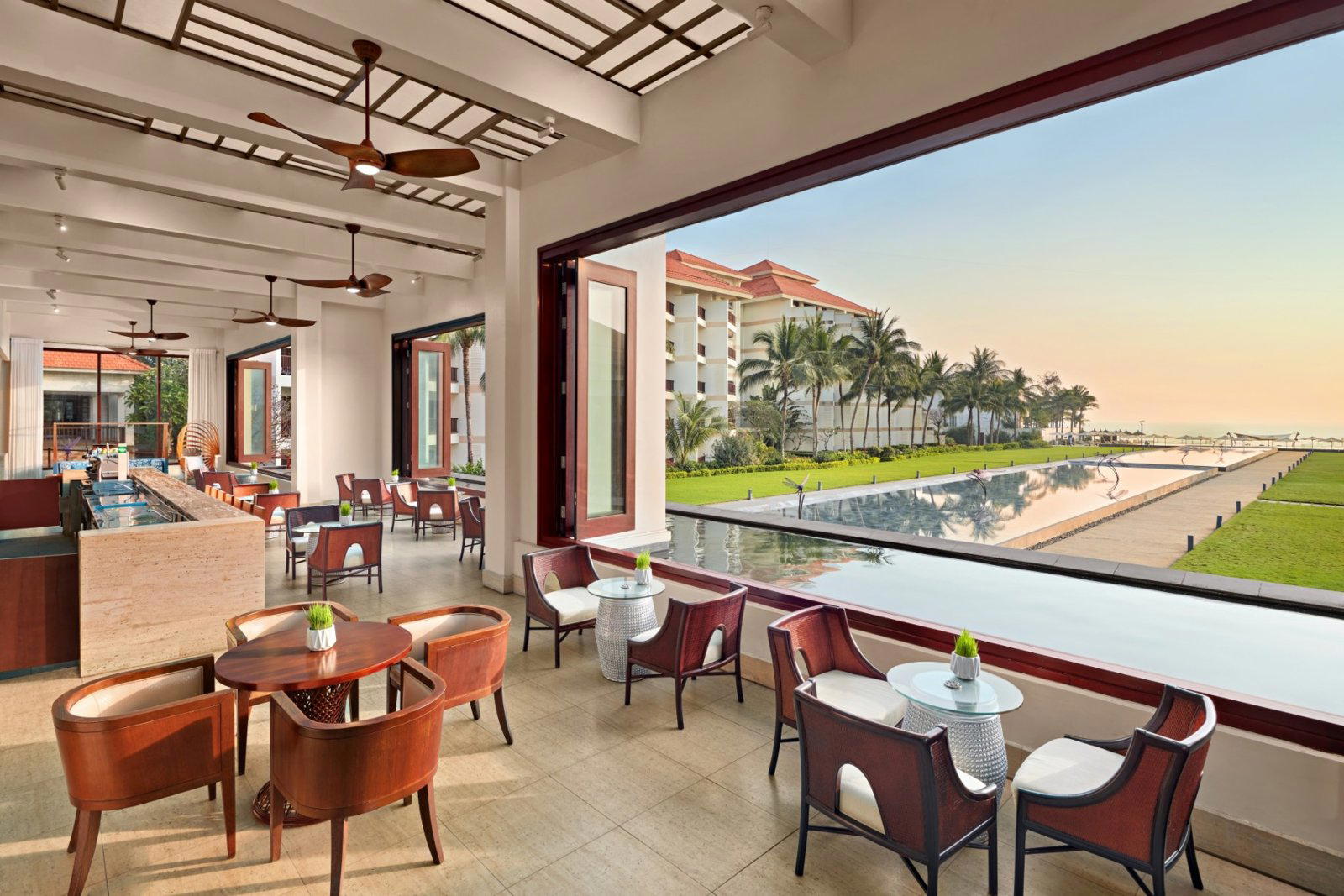
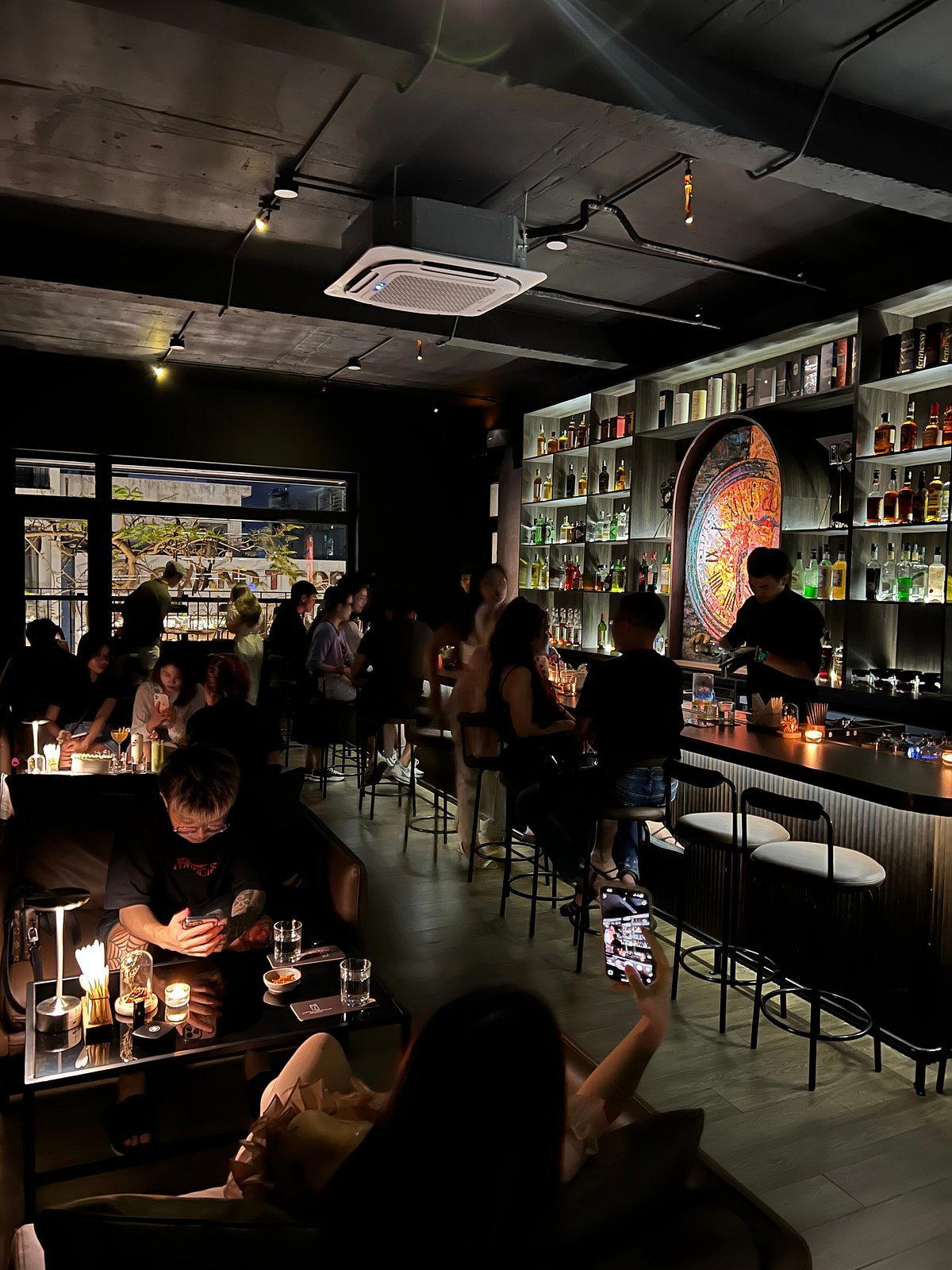
Da Nang's dining landscape divides between resort enclaves along Non Nuoc Beach, Azure Beach Lounge, Barefoot, and Bistro M, and working neighbourhoods where street food holds more weight. Lê Gia Khang sits firmly in the latter category, drawing diners who prioritise broth depth and ingredient sourcing over air conditioning or English menus. For travellers accustomed to resort dining or the polished café scene in Hoi An, the shift to a bare-bones shophouse requires recalibration, but the trade-off is access to cooking that reflects Central Vietnamese standards rather than tourist expectations. Similar specialist formats appear in Hanoi and Ho Chi Minh City, where single-dish shops operate with comparable ingredient discipline and morning sell-out patterns.
The shop does not list hours online, and no formal booking system exists. Arrival between 08:00 and 10:00 aligns with the broth's peak freshness and maximises beef bone availability. By midday, the kitchen often closes or switches to a limited menu. That timing model mirrors other Central Vietnamese specialists, where daily prep defines service capacity rather than extended hours. For diners splitting time between Da Nang's beach hotels and neighbourhood eating, Lê Gia Khang fits into the first half of the day, paired with a visit to the Marble Mountains or a morning walk through the local market. The location is accessible by taxi or motorbike, roughly 10 minutes from Non Nuoc Beach and 15 minutes from the Han River bridges. Street parking is informal; arrive on foot or by two-wheeler to avoid car manoeuvring.
The verdict: Lê Gia Khang delivers Huế-style bún bò with ingredient focus and broth clarity that justify the early wake-up call. The xí quách bone supplies the textural variety that defines the dish, and the daily broth prep keeps the flavour profile clean. The shop's limited beef bone count and morning-only operation mean timing matters more than at resort-backed restaurants, but the payoff is access to Central Vietnamese cooking that prioritises sourcing over convenience. For diners willing to navigate a bare-bones setup and a tight service window, this is the kind of specialist shop that Da Nang's local food culture is built on. For broader context on the city's dining options, see our full Da Nang restaurants guide, or explore Da Nang hotels, bars, and experiences for trip planning.
Frequently asked questions
What kind of recognition has Lê Gia Khang (Ngũ Hành Sơn) received?
Lê Gia Khang (Ngũ Hành Sơn) has received recognition including: This shop specialising in Huế-style bún bò makes its robust, savoury broth fresh every day. Pick from four toppings including the signature xí quách: the large L-shaped beef bone lends deep flavour and a wealth of textures – meat, cartilage….
Where is Lê Gia Khang (Ngũ Hành Sơn) in Da Nang?
Lê Gia Khang (Ngũ Hành Sơn) is located at 19 Le Quang Dao Street, Ngu Hanh Son Ward, Da Nang, Da Nang Region, 550000, VNM, Da Nang.
Can I walk in to Lê Gia Khang (Ngũ Hành Sơn)?
Reservations are recommended for Lê Gia Khang (Ngũ Hành Sơn) in Da Nang. Confirm current policy via the venue's official channels.
What makes Lê Gia Khang (Ngũ Hành Sơn) worth seeking out?
Lê Gia Khang (Ngũ Hành Sơn) is best approached by focusing on the core concept and signature offerings.
Side-by-Side Snapshot
Comparable venues by cuisine and price in the same metro.
| Venue | Cuisine | Price | Awards |
|---|---|---|---|
| Lê Gia Khang (Ngũ Hành Sơn)This venue — the venue you are viewing | Huế-Style Bún Bò | Not listed | Michelin Bib Gourmand |
| Moc | Fresh Vietnamese Seafood | $10–20 | Michelin Plate |
| Thìa Gỗ | Traditional Southern Vietnamese | $1–10 | Michelin Bib Gourmand |
| Indian Aroma Restaurant | Authentic Indian | $10–20 | Michelin Bib Gourmand |
| Quán Nhân | Traditional Vietnamese Duck Porridge | $1–10 | Michelin Bib Gourmand |
| Cô Chủ Nhỏ | Vietnamese Duck Street Food | $1–10 | Michelin Bib Gourmand |
Recognition history
Dated appearances from independent guides and award organizations, with the underlying list record or original source where available.
Michelin Bib Gourmand
Michelin
Details
- Cozy
- Rustic
- Classic
- Casual Hangout
- Family
- Solo
- Group Dining
- Standalone
- A La Carte
Current opening hours
- Monday
- 6:30 AM–1 PM, 4:30–9 PM
- Tuesday
- 6:30 AM–1 PM, 4:30–9 PM
- Wednesday
- 6:30 AM–1 PM, 4:30–9 PM
- Thursday
- 6:30 AM–1 PM, 4:30–9 PM
- Friday
- 6:30 AM–1 PM, 4:30–9 PM
- Saturday
- 6:30 AM–1 PM, 4:30–9 PM
- Sunday
- 6:30 AM–1 PM, 4:30–9 PM
Hours can change for holidays and private events. Last verified .
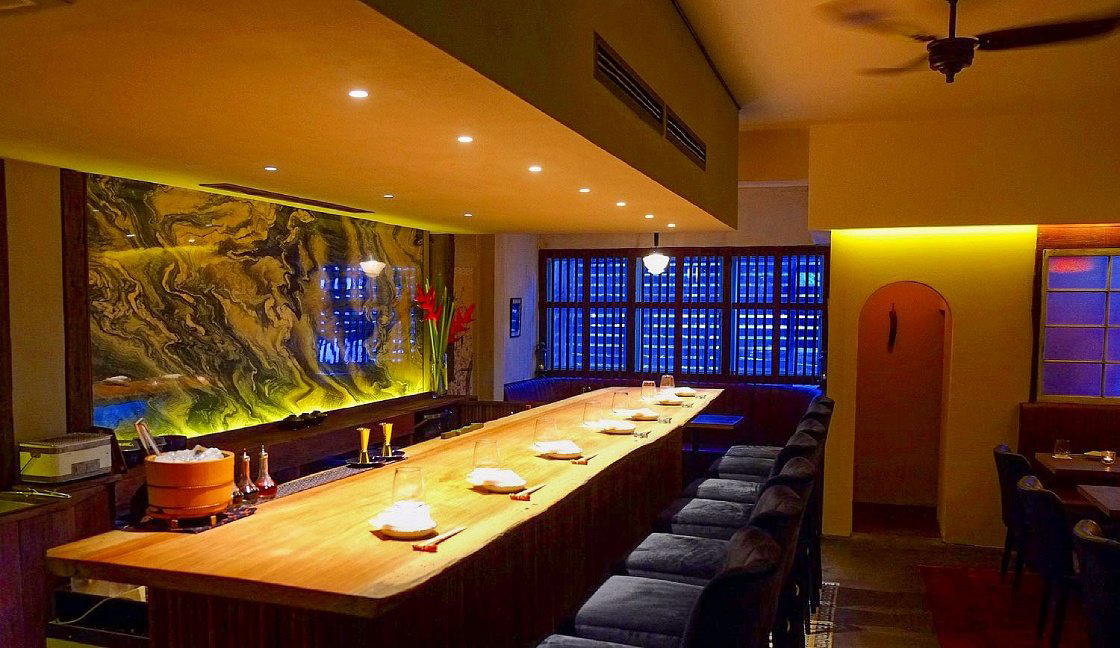
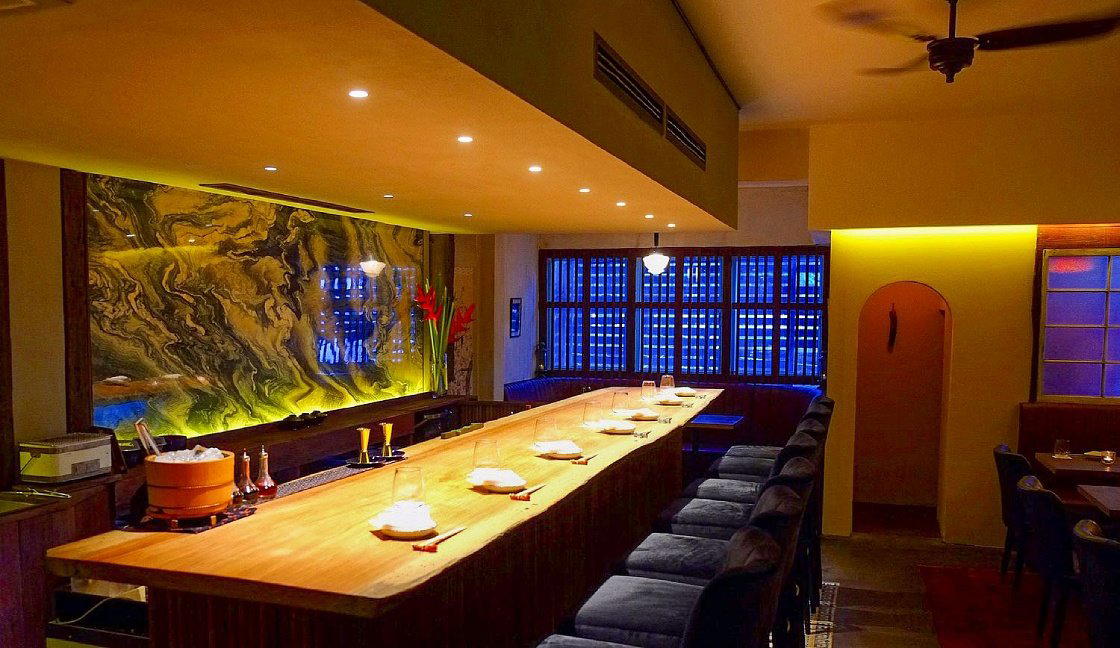
A simple, local neighborhood eatery atmosphere centered on a comforting, no-frills bowl-of-noodles experience.