
Positioned on Via di Santa Chiara, a narrow street within sight of the Pantheon's portico, this Marriott Autograph Collection property sits inside one of Rome's most architecturally loaded neighbourhoods. Michelin Selected for 2025, it occupies a tier of centrally located Roman hotels where the address does much of the storytelling, and the design brief follows the logic of the surrounding stone.
Pearl is the En Primeur Club membership app — saves, bookings, and concierge access live there. Same editors, same standards.
- Address
- Via di Santa Chiara 4/A, Rome, Italy
- Phone
- +39 06 8780 7070
- Directions
- Get directions
 Saves & bookings on Pearl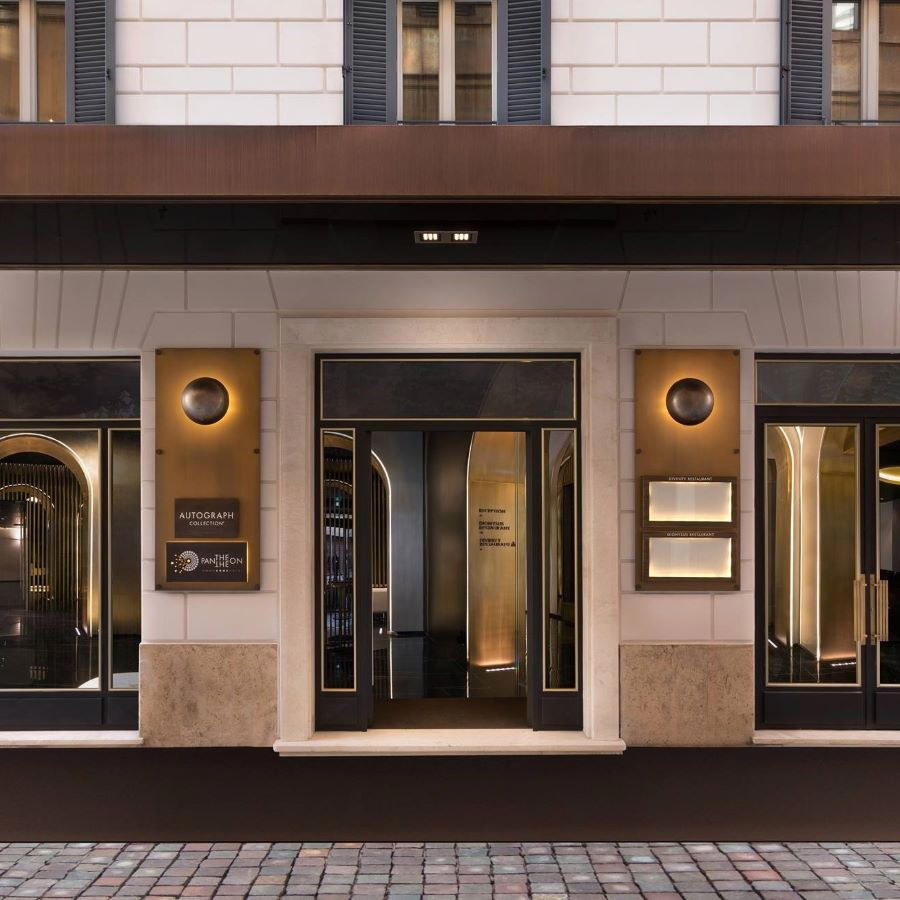
Where the Address Is the Architecture
Certain Roman neighbourhoods operate as permanent arguments about time. The area immediately surrounding the Pantheon, Hadrian's temple, completed around 125 AD and still in near-original condition, is the city's most concentrated demonstration of architectural continuity. Medieval tower bases sit beneath Baroque facades; Renaissance palazzi share walls with ancient column drums repurposed as doorsteps. Hotels here are not chosen for their proximity to a city centre in the conventional sense. They are chosen because the building stock itself constitutes the experience, and because waking within a short walk of among the stronger-preserved ancient structures on earth produces a specific, unreproducible orientation.
The Pantheon Iconic, Autograph Collection occupies Via di Santa Chiara 4/A, a street that runs along the southern edge of the piazza complex. This is not a hotel that positions itself against Rome's contemporary luxury corridor, that conversation happens further north, toward the Spanish Steps and Via Veneto, where properties like Hassler Roma and Hotel Eden have long set the tone. The Pantheon Well-known belongs to a different category: hotels whose primary credential is immersion in Rome's centro storico fabric, where the neighbourhood is the amenity.
The Autograph Collection Position in Rome
Marriott's Autograph Collection flag sits in a specific commercial register: independently spirited properties brought under a loyalty umbrella, with enough curatorial latitude to reflect local character. In Rome, that designation covers a meaningful range. The city's premium independent segment has splintered over the past decade between large-footprint internationals and tightly curated boutique addresses. Properties such as Hotel Vilòn and JK Place Roma operate at the boutique-luxury end with low key counts and high design intensity. Bulgari Hotel Roma anchors the flagship-luxury tier. The Pantheon Well-known reads differently from all of them: its identity is tied less to interior design spectacle and more to the weight of its physical context.
Michelin's hotel selection programme, which produced the 2025 designation carried by this property, applies criteria across comfort, service character, and overall experience quality. The Michelin Selected distinction does not carry the star hierarchy of the restaurant guide, but inclusion signals that the property has been reviewed and found to meet a defined threshold. For travellers cross-referencing across Rome's crowded mid-to-upper hotel tier, the designation offers a useful data point. It places the Pantheon Well-known alongside properties that have passed editorial scrutiny rather than simply marketing spend.
Design Logic in a Palimpsest Neighbourhood
Hotels in the centro storico face a specific architectural problem: how to maintain contemporary comfort standards inside structures that were not designed for mechanical ventilation, en-suite plumbing, or the ceiling heights that modern luxury guests expect. The buildings in this quarter have been modified for centuries, and successful hospitality conversions tend to work with that layered history rather than papering over it.
The Autograph Collection brief, applied across its global portfolio, tends to favour properties where existing character is the starting point rather than an obstacle. In a neighbourhood where Roman masonry, medieval modification, and 18th-century remodelling frequently share the same wall, the design task is largely one of restraint: surface choices that acknowledge the building's age, room proportions that follow historic logic rather than forcing contemporary open-plan formats into spaces that resist them. Whether the Pantheon Well-known achieves this with particular distinction relative to its peers is a question best answered in person, but the framework of the neighbourhood sets a clear editorial standard against which any interior reads.
For comparison within Rome's broader heritage-hotel conversation, Hotel Locarno and Maalot Roma also position through neighbourhood character and architectural integrity rather than landmark-hotel spectacle. Portrait Roma, with its Lungarno group provenance, takes a more fashion-editorial approach to historic fabric. Each represents a different answer to the same Roman question: how do you build a contemporary hotel identity when the address already has one?
Staying Here: What the Location Implies
Via di Santa Chiara sits within walking distance of Campo de' Fiori to the southwest, Piazza Navona to the northwest, and the Jewish Ghetto to the south. The Pantheon itself is effectively at the door. This means the hotel trades on some of Rome's highest foot-traffic streets during daylight hours, and then on a markedly quieter, more residential character once the tourist flux recedes in the evening. The calculus of proximity applies: guests gain immediate access to a density of monuments and restaurants that would require transit from most other Roman addresses, while accepting the acoustic and spatial conditions that come with medieval street widths and proximity to a major tourist site.
Practically, the centro storico location means guests arrive either on foot from Termini via a long walk or taxi, or by cab from Fiumicino or Ciampino. The neighbourhood is not directly served by metro, which is consistent across most of Rome's historic centre.
For those building a wider Italian itinerary beyond Rome, the broader EP Club coverage maps a range of reference points: Aman Venice for the palazzo-immersion approach in Venice; Four Seasons Hotel Firenze for the garden-convent model in Florence; Casa Maria Luigia in Modena for agriturismo-adjacent luxury; and Rosewood Castiglion Del Bosco in Montalcino for Tuscan estate format. On the southern coast, Borgo Santandrea and Il San Pietro di Positano represent the Amalfi tier. For international comparison against similarly positioned heritage-urban hotels, The Fifth Avenue Hotel in New York and Badrutt's Palace Hotel in St. Moritz each occupy analogous niches of address-led identity within their respective cities.
Cuisine and Awards Snapshot
Comparable venues nearby, for context on price, style, and recognition.
| Venue | Cuisine | Price | Awards | Notes |
|---|---|---|---|---|
| The Pantheon Iconic, Autograph CollectionThis venue — the venue you are viewing | Modern luxury boutique in historic Roman palazzo | $$$$ | 5-Star | Not listed |
| Corinthia Rome | Grand boutique palazzo blending 1920s neoclassical architecture with refined contemporary Italian design, positioned as an intimate Roman residence near Parliament. | $$$$ | 5-Star | Colonna |
| Grand Hotel Plaza | Historic 19th-century palace hotel blending original architectural grandeur with modern luxury amenities, positioned as one of Rome's most prestigious addresses. | $$$$ | 5-Star | Campo Marzio |
| Hotel Splendide Royal Roma | Restored 19th-century noble palace blending historical grandeur with modern luxury | $$$$ | 5-Star | Ludovisi |
| Palazzo Dama | Historic palazzo with modern luxury renovations | $$$$ | 5-Star | Campo Marzio |
| Radisson Collection Hotel, Roma Antica | Contemporary luxury palazzo conversion blending rationalist architecture with modern design, emphasizing timeless elegance through tactile materiality and designer furnishings. | $$$$ | 5-Star | Roma Antica |
Recognition history
Dated appearances from independent guides and award organizations, with the underlying list record or original source where available.
Michelin Selected
Michelin
Continue exploring
More in Rome
Hotels in Rome
Browse all →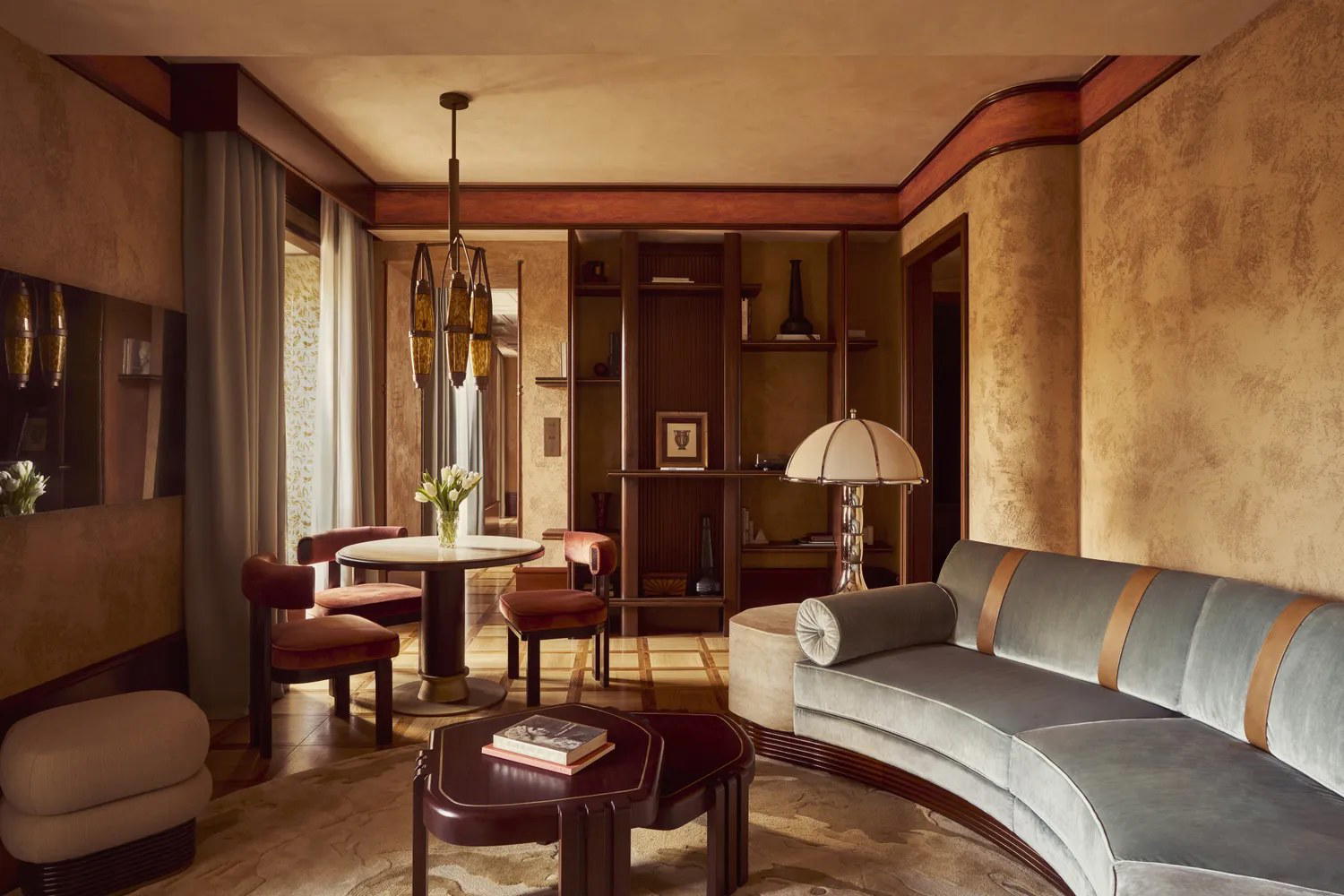
Bars in Rome
Browse all →
Restaurants in Rome
Browse all →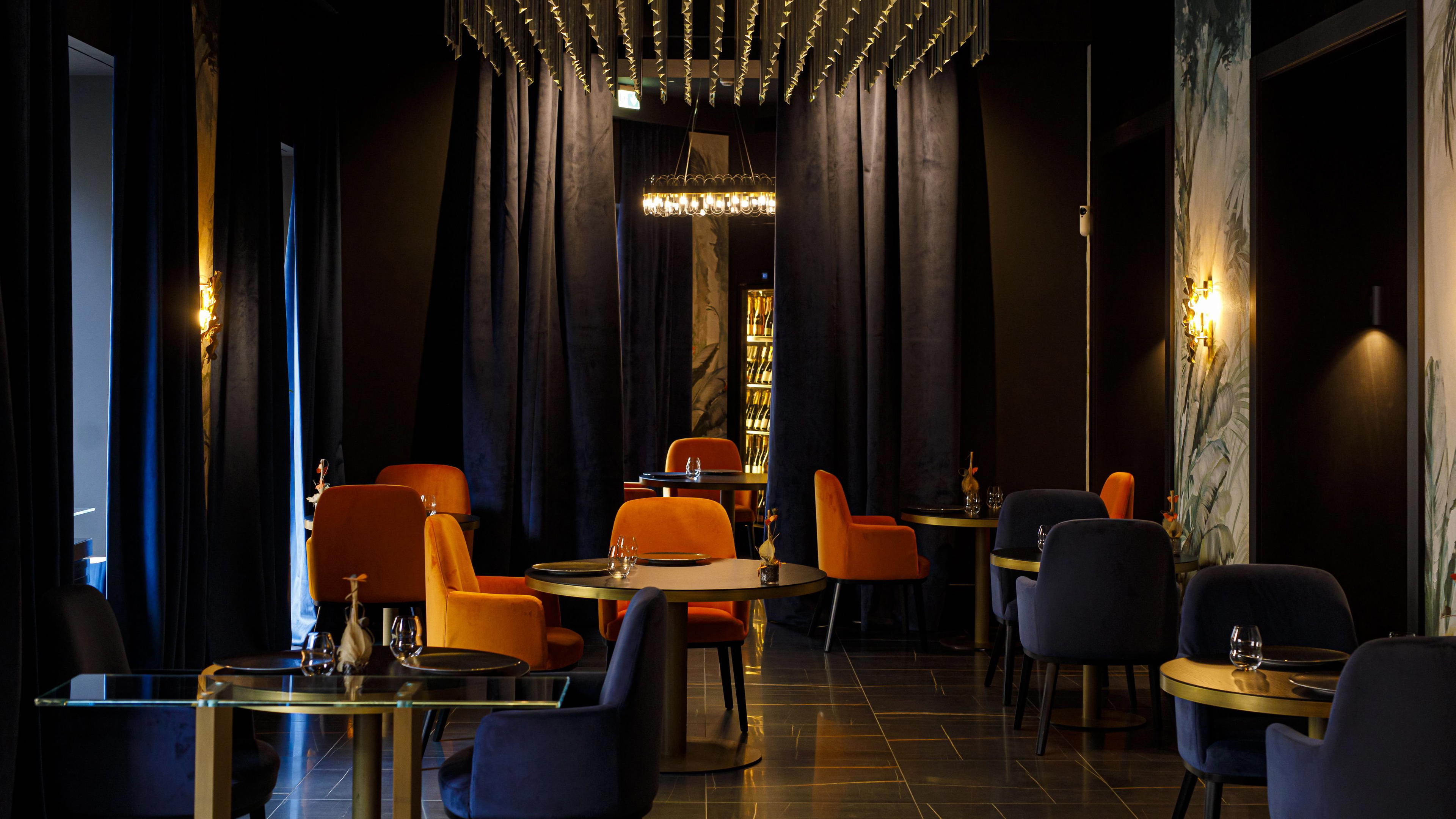

At a Glance
- Elegant
- Modern
- Sophisticated
- Well Known
- Classic
- Romantic Getaway
- Honeymoon
- Anniversary
- Business Trip
- Weekend Escape
- Historic Building
- Panoramic View
- Terrace
- Wi Fi
- Room Service
- Concierge
- Fitness Center
- Restaurant
- Bar
- Skyline
- Street Scene
- Wi Fi
- Room Service
- Concierge
- Fitness Center
- Restaurant
- Bar
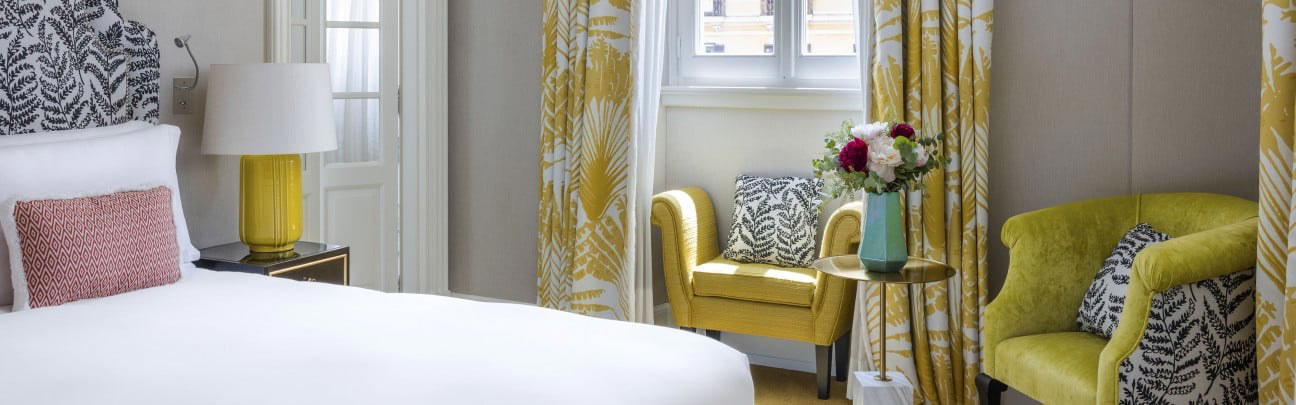
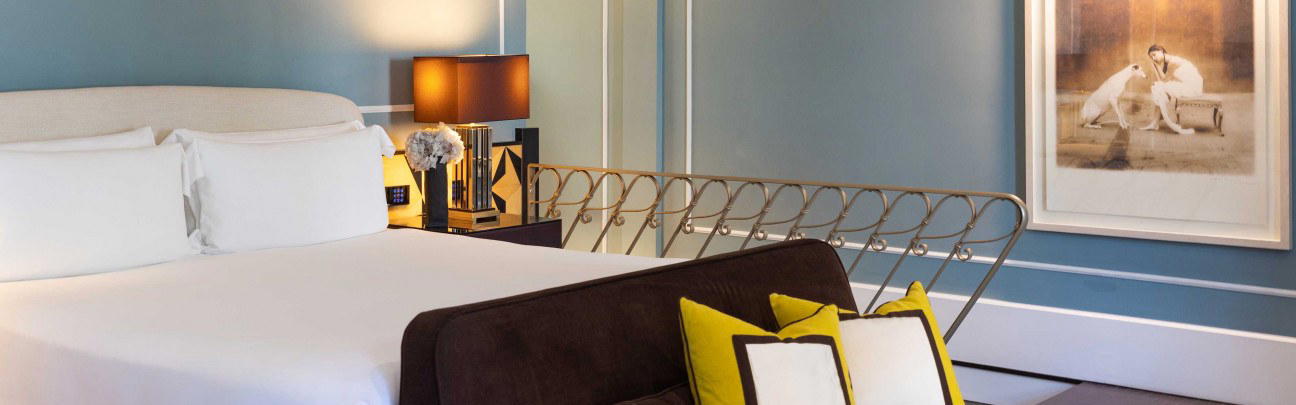
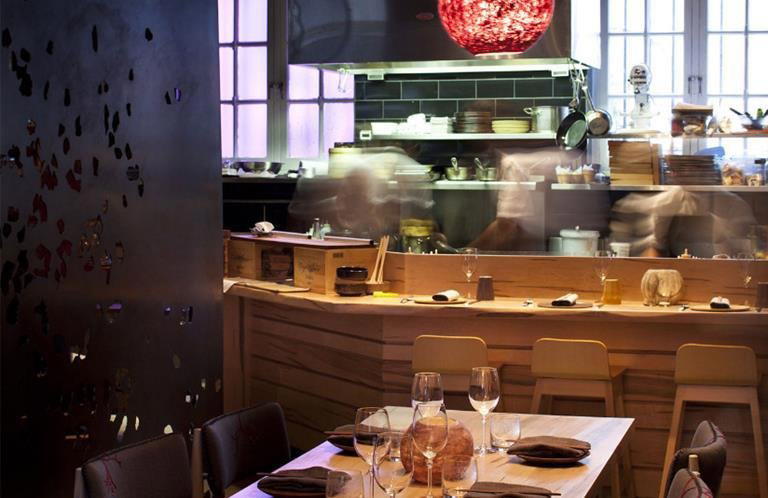
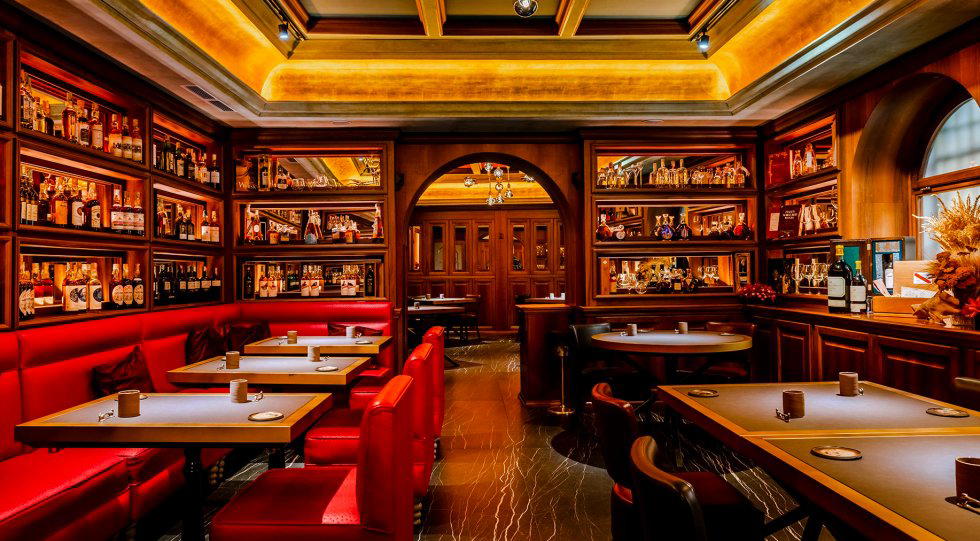
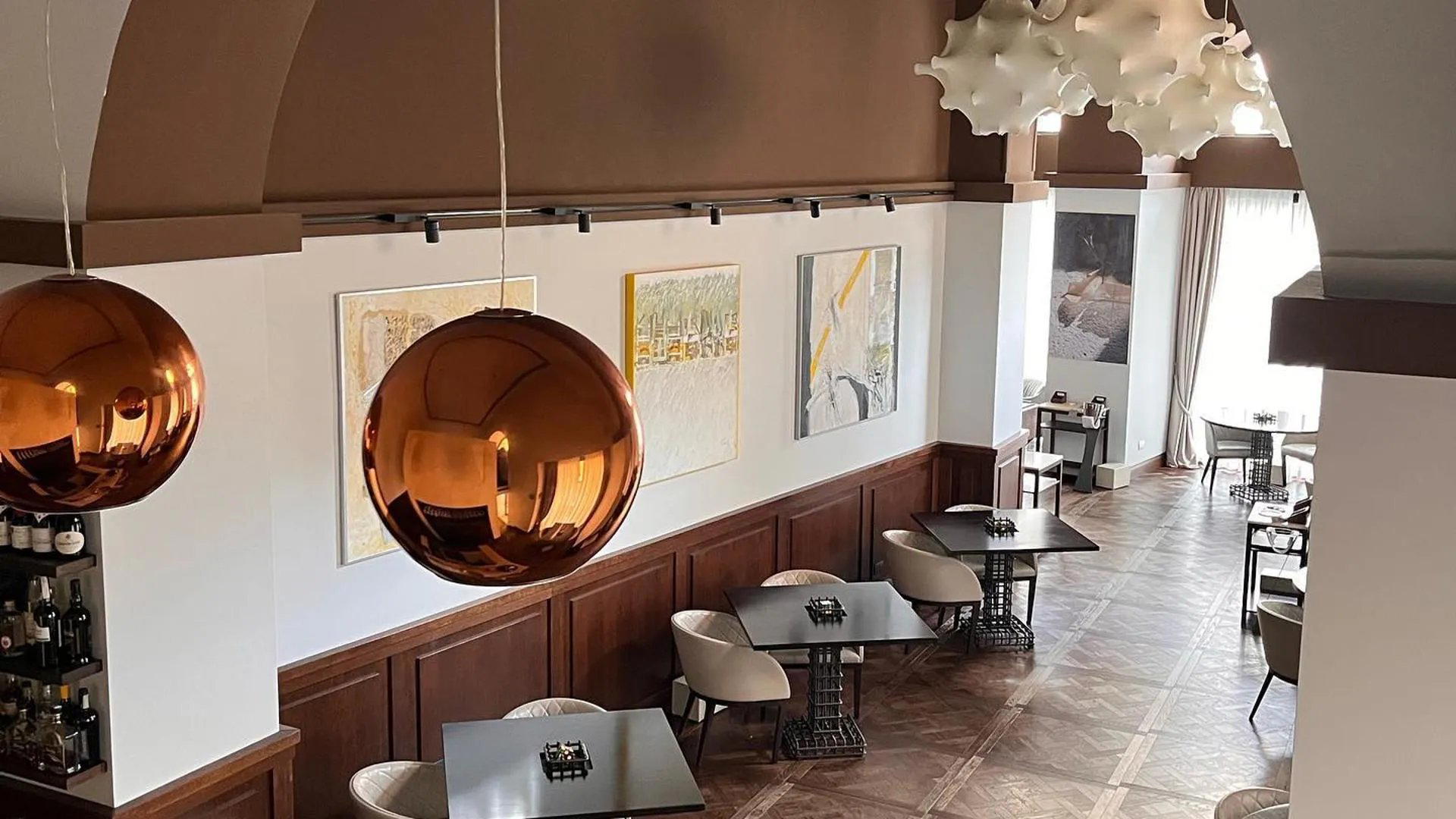
Sophisticated atmosphere with elegant lighting, gold Calacatta marble, black porcelain, brass accents, and warm tones creating a regal yet modern Roman palace feel.