


1 Michelin Key · Michelin Guide New Hotels New Hotel · Town & Country Hotel Awards
Occupying a painstakingly restored 1920s Bank of Italy building at Piazza del Parlamento, Corinthia Rome operates 60 rooms and suites where original frescoes, mosaics, and gold-leaf stuccoes form the backdrop to contemporary Italian dining under chef Carlo Cracco. The hotel's position directly opposite the Palazzo Montecitorio places it at the centre of Roman political and cultural life, with rates from $1,510 per night.

Pearl is the En Primeur Club membership app, where members save venues, book tables and use the concierge.
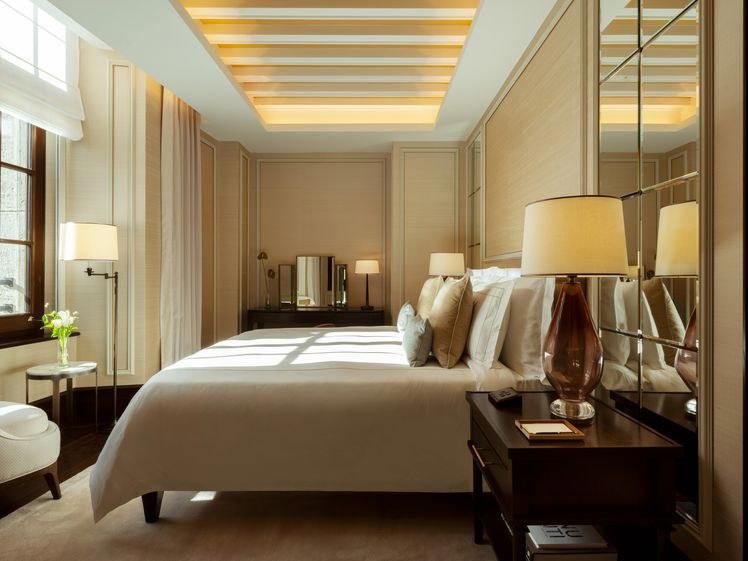
A Bank Vault, a Parliament, and a Hotel That Reads Both
Campo Marzio, the district between the Tiber and the Pantheon, has always been Rome's administrative and ceremonial quarter. The Palazzo Montecitorio has housed the Italian Chamber of Deputies since 1871. The Palazzo Chigi, home of the Prime Minister, is a short walk away. Against this backdrop, the building at Piazza del Parlamento 18 spent the better part of the twentieth century as the operational headquarters of the Bank of Italy, accumulating layers of institutional gravity before closing its doors and sitting dormant for years. When Corinthia took the building on, the renovation brief was as much archaeological as architectural: the 1920s fabric had to be read, stabilised, and then inhabited rather than overwritten. The result, 60 rooms and suites, is one of the more architecturally coherent hotel conversions in Rome's recent history.
Rome has developed a recognisable category of prestige hotel in the last decade: the adaptive-reuse property that trades on the authority of its former life. Bulgari Hotel Roma occupies a palazzo complex with gardens that date to the sixteenth century. Hotel Vilòn works within a seventeenth-century structure off Via della Croce. Corinthia Rome sits in this same tradition but its institutional rather than aristocratic pedigree gives it a distinct register. A banking headquarters reads differently from a noble palazzo: grander in civic scale, more formal in its proportions, and furnished with a specific class of decorative ambition that was meant to project state-adjacent permanence.
What the Ceilings Say
The standard advice for first-time visitors to Italian historic buildings applies with particular force here: look up. The ceiling programme at Corinthia Rome runs from elaborate stucco work detailed in gold leaf through to full fresco cycles, and the quality varies by room in ways that reward attention. The centerpiece is the Sala de Consiglio on the piano nobile, the former boardroom where the bank's governing committee held its sessions. Its ceiling fresco documents the history of Italian coinage from Etruscan currency through to the early twentieth century, a subject that would have read as institutional propaganda when it was commissioned and now functions as an unusually specific piece of cultural record. The Theodoli Heritage Suite incorporates this room, making it the most architecturally significant accommodation in the building. For guests whose priority is the building's history rather than room amenity, this is the relevant category to book.
The decorative programme throughout the 60 rooms extends to inlaid floors, mosaic panels, and the accumulated craft of a period when Italian institutional buildings were expected to embody national cultural ambition. These elements are not reproductions: they are the original fabric of a building that closed before it could be compromised by successive rounds of commercial renovation. That preservation gap, the years of dormancy, is part of what makes the current condition possible.
The Vault, Repurposed
Basement level once held the bank's vault. It now operates as the hotel spa, a transformation that carries a certain architectural logic: both uses require security, controlled atmosphere, and separation from the building's public life above. The current programme draws on ancient Roman bath culture as a conceptual frame, which connects the space to the wider city history while acknowledging that the vault architecture was never designed for leisure. The treatments combine natural and technology-assisted approaches, a format that has become standard in the higher tier of European urban hotel spas.
Hotels at this price point, Corinthia Rome opens from $1,510 per night, are increasingly expected to operate spa facilities that can compete with standalone wellness destinations. Properties elsewhere in Italy at comparable price positions, including Four Seasons Hotel Firenze in Florence and Aman Venice in Venice, have set a reference standard for how historic fabric and contemporary wellness programming can coexist without one undermining the other.
Viride, Piazzetta, and the Cracco Effect
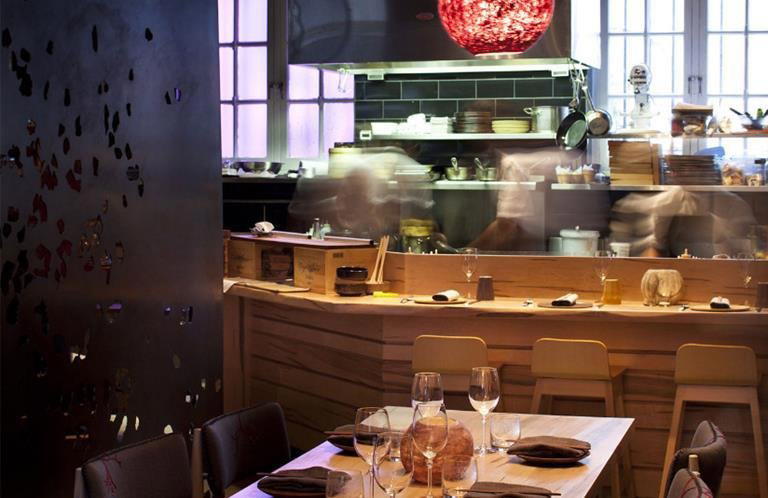
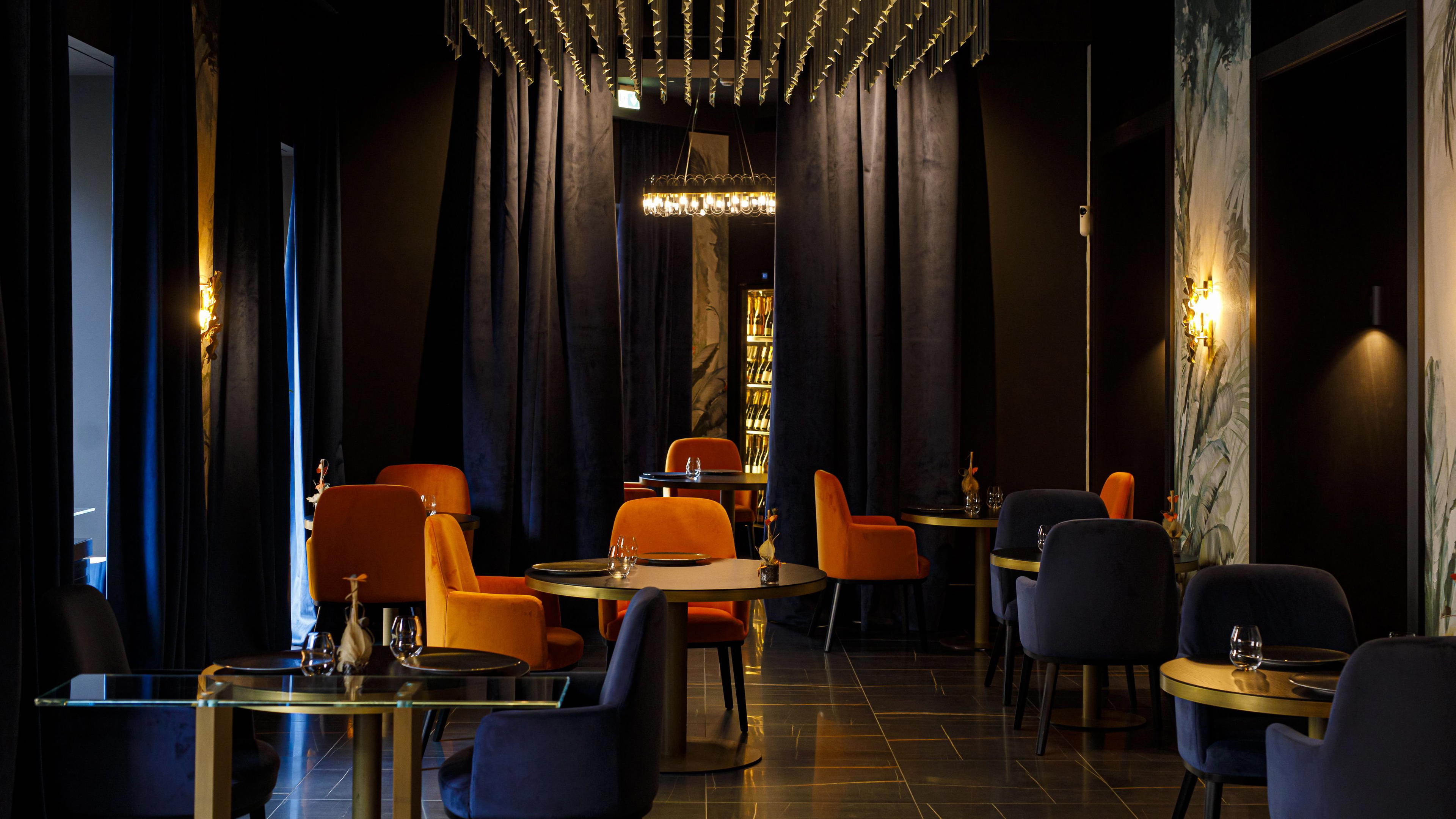
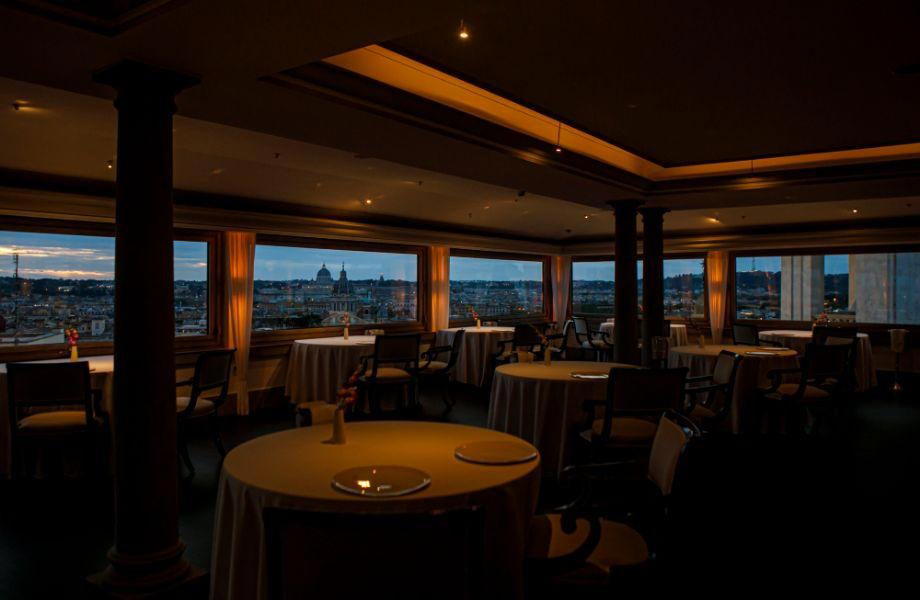
Contemporary Italian hotel dining has moved away from the formula of a single grand restaurant serving all occasions. Corinthia Rome operates two distinct formats. Viride, the main restaurant, carries the name and cooking of Carlo Cracco, a chef whose profile in Italy extends well beyond the professional kitchen: he is a television presence as well as a multi-Michelin-starred operator whose Milan restaurant has been a fixed point in Italian fine dining for years. The association brings a level of external credibility that most hotel restaurants in Rome cannot match. His approach at Viride leans into contemporary Italian haute cuisine, with dishes including a marinated egg and caramelised Russian salad that have become associated with his broader culinary identity.
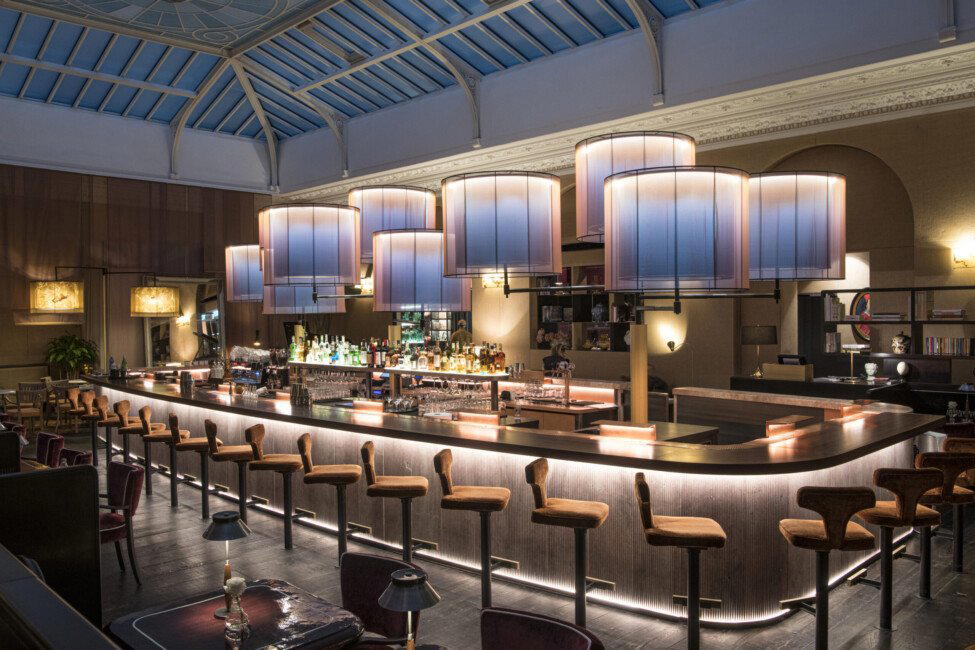
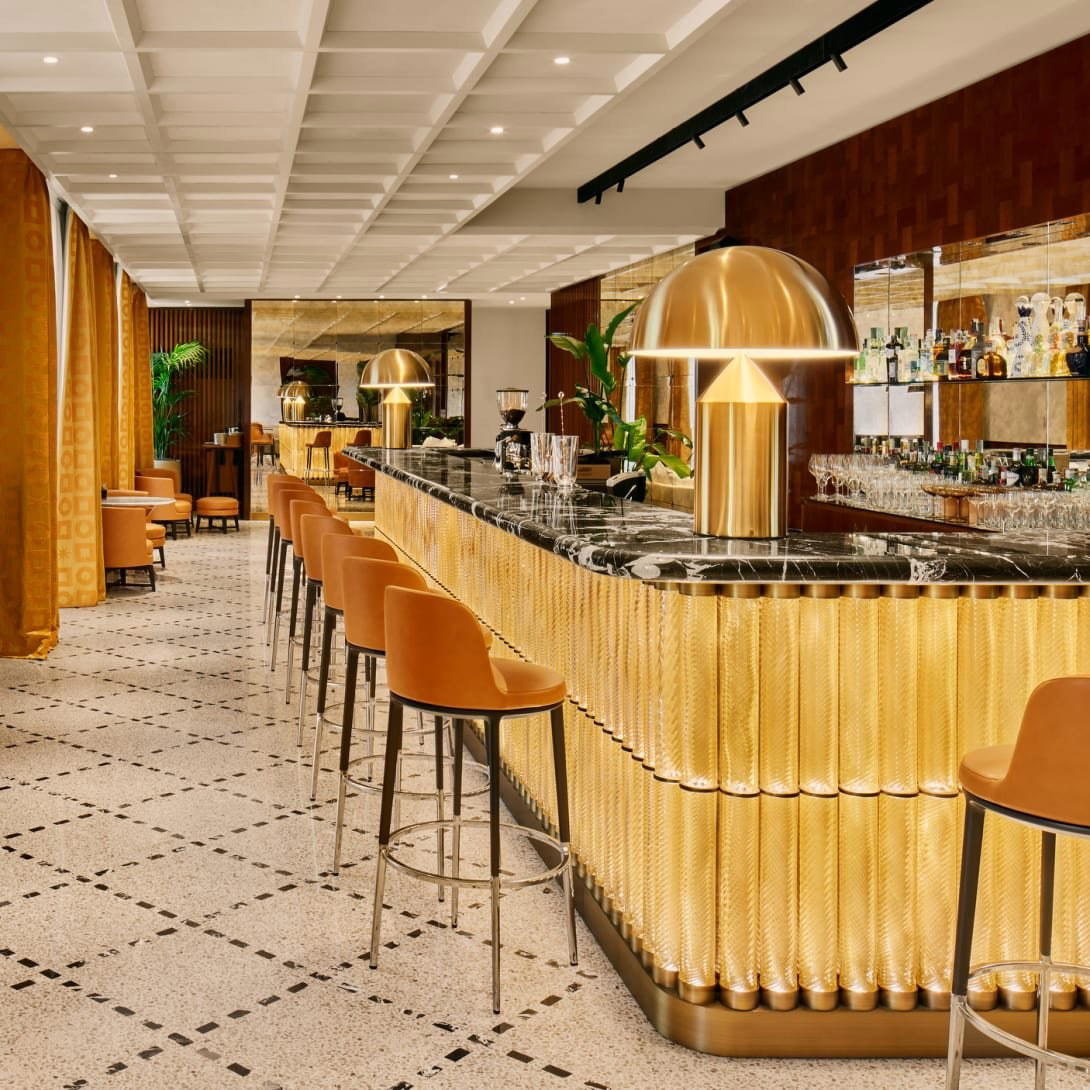
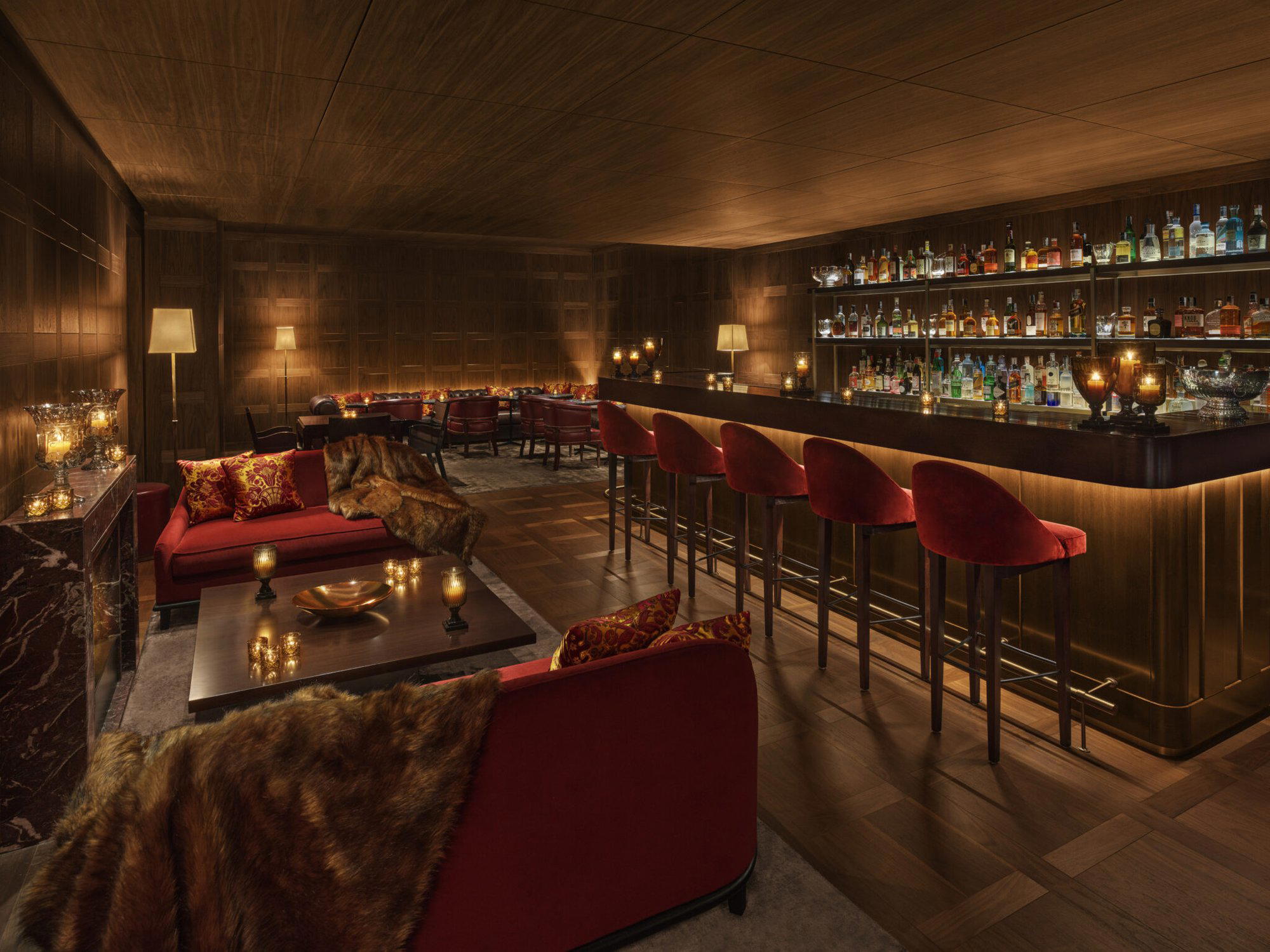
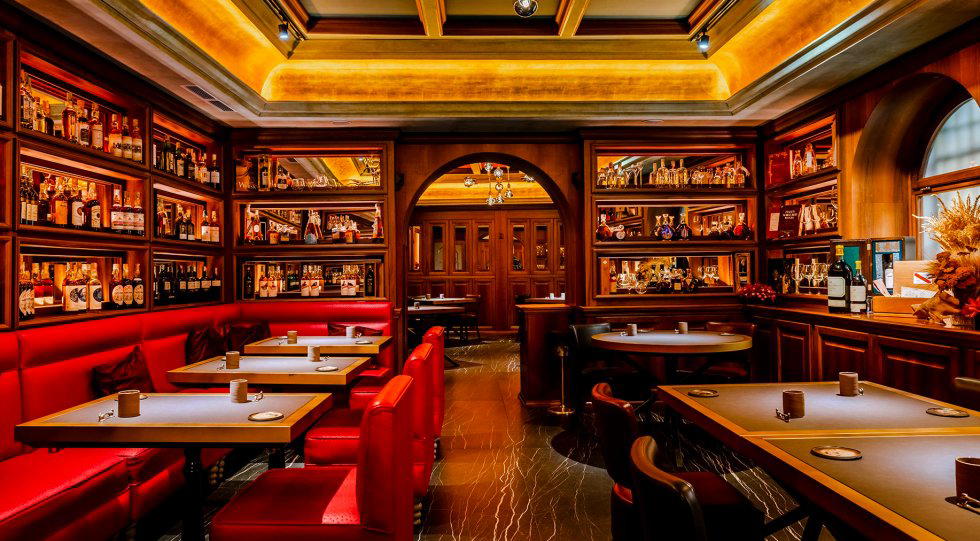
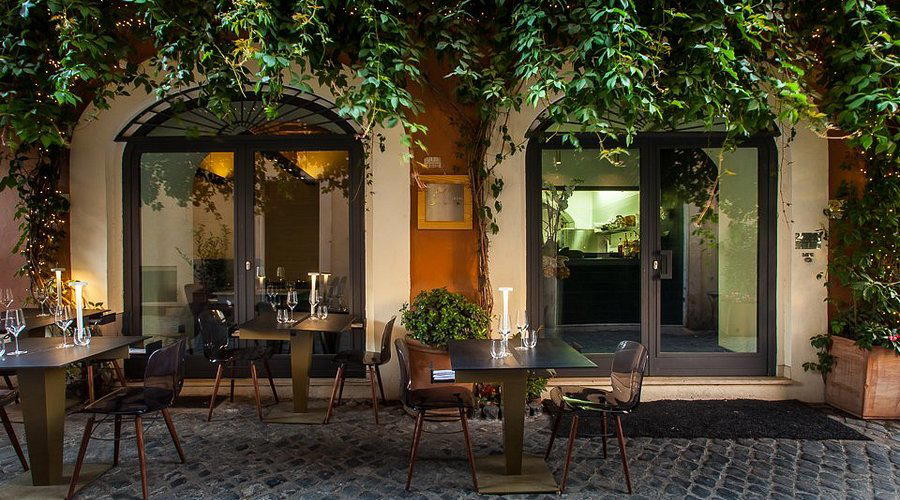
Piazzetta, the open-air bistro format, operates at a different register, with a carbonara that has drawn specific attention for its lightness, an interesting proposition given that carbonara is a dish Rome takes seriously and where any departure from the traditional formula invites scrutiny. The Ocra bar functions as the social hub, and its location in the orbit of the Palazzo Montecitorio means Italian parliamentary figures appear with enough regularity that the bar occupies a recognisable position in Rome's political geography.
For hotel dining context across the city, the EP Club Rome guide maps the full range of options, from neighbourhood trattorias to the hotel restaurants at Hassler Roma, Hotel Eden, JK Place Roma, and Portrait Roma.
Location and the Campo Marzio Quarter
Piazza del Parlamento places the hotel within a five-minute walk of the Pantheon and the Via del Corso, in a district that functions as Rome's civic and commercial centre rather than its tourist perimeter. Hotel Locarno and Maalot Roma operate in nearby streets within the same general zone, confirming Campo Marzio's position as a concentration point for smaller and mid-scale prestige properties. Corinthia Rome is the largest and most architecturally prominent of the group, and its civic-scale building gives it a different presence from the more residential properties in the neighbourhood.
Transport access is direct: the nearest metro is Spagna on Line A, approximately a ten-minute walk, and the Termini interchange is accessible by taxi in under fifteen minutes under normal traffic conditions. For guests arriving from Fiumicino, a private transfer is the standard approach given the hotel's central position and the complexity of luggage logistics on public transport.
Planning a Stay
Rates begin at $1,510 per night, placing Corinthia Rome in the same price tier as the city's established flagship properties. The hotel carries 60 rooms across several categories, with the Theodoli Heritage Suite, incorporating the Sala de Consiglio, representing the building's most historically significant accommodation. Booking directly or through a specialist travel agent typically provides the most direct access to suite inventory, which at 60 keys total is limited by the building's footprint rather than commercial decision.
For travellers building a broader Italian itinerary, comparable heritage-led properties elsewhere in the country include Castello di Reschio in Lisciano Niccone, Casa Maria Luigia in Modena, Rosewood Castiglion Del Bosco in Montalcino, Passalacqua in Moltrasio, Il Pellicano in Porto Ercole, Borgo Santandrea on the Amalfi Coast, Il San Pietro di Positano in Positano, JK Place Capri, Savoia Excelsior Palace Trieste, and Corte della Maestà in Civita di Bagnoregio. For international comparisons at a similar price and heritage tier, The Fifth Avenue Hotel in New York City, Badrutt's Palace Hotel in St. Moritz, and Hôtel de Paris Monte-Carlo offer reference points for the category. Portrait Milano provides a useful Italian urban comparison outside Rome.
Price and Recognition
Comparable venues nearby, for context on price, style, and recognition.
| Venue | Price | Awards | Notes |
|---|---|---|---|
| Corinthia RomeThis venue (the venue you are viewing) | $1,000–1,500 | 1 Michelin Key · Michelin Guide New Hotels New Hotel | Not listed |
| Palazzo Shedir | Not listed | Leading Hotels of World Member | Campo Marzio, Ornate private mansion within 17th-century Palazzo Borghese, restored to ancient splendor with exclusive suites and wellness facilities. |
| The H'All Tailor Suite | Not listed | La Liste Top Hotels | Flaminio, Tailored luxury boutique in historic Rome setting |
| Villa Laetitia | $300–500 | Not listed | Della Vittoria, Belle Époque Art Nouveau mansion restored to original splendor with contemporary design curation |
| Anantara Palazzo Naiadi | $300–500 | 1 Michelin Key · La Liste Top Hotels | Castro Pretorio, Historic palatial luxury blending 19th-century neoclassical architecture with contemporary five-star amenities and wellness experiences. |
| Parco dei Principi Grand Hotel & Spa | $300–500 | Forbes Recommended · Preferred Hotels L.V.X. Collection | Pinciano, Ornate patrician villa recreation with modern comforts |
Recognition history
Dated appearances from independent guides and award organizations, with the underlying list record or original source where available.
Michelin 1 Key
Michelin
Michelin Guide New Hotels New Hotel
Michelin Guide New Hotels
Conde Nast Hot List Hotels
Conde Nast
Town & Country Hotel Awards
Town & Country
Full recognition history (5 entries)
Michelin Selected
Michelin
Continue exploring
More in Rome
Hotels in Rome
All hotels in Rome →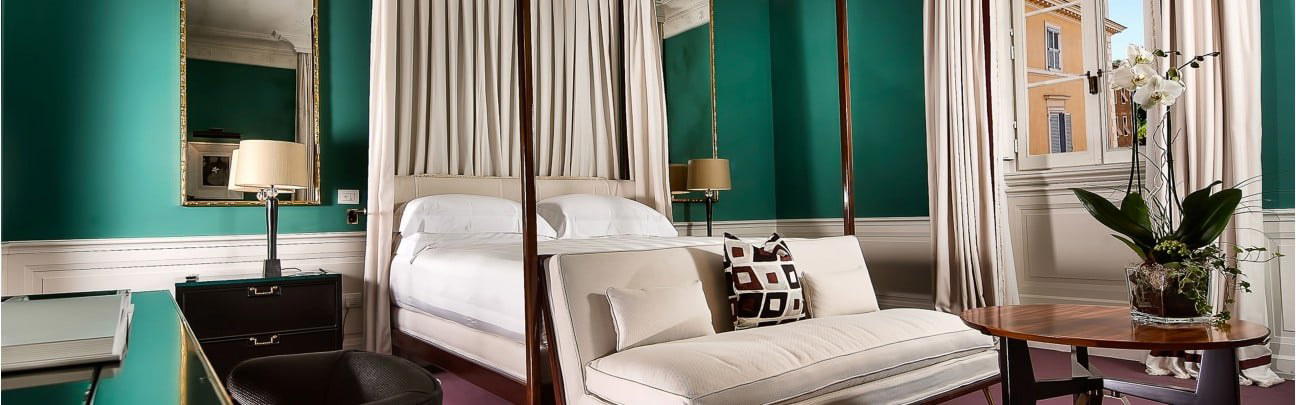
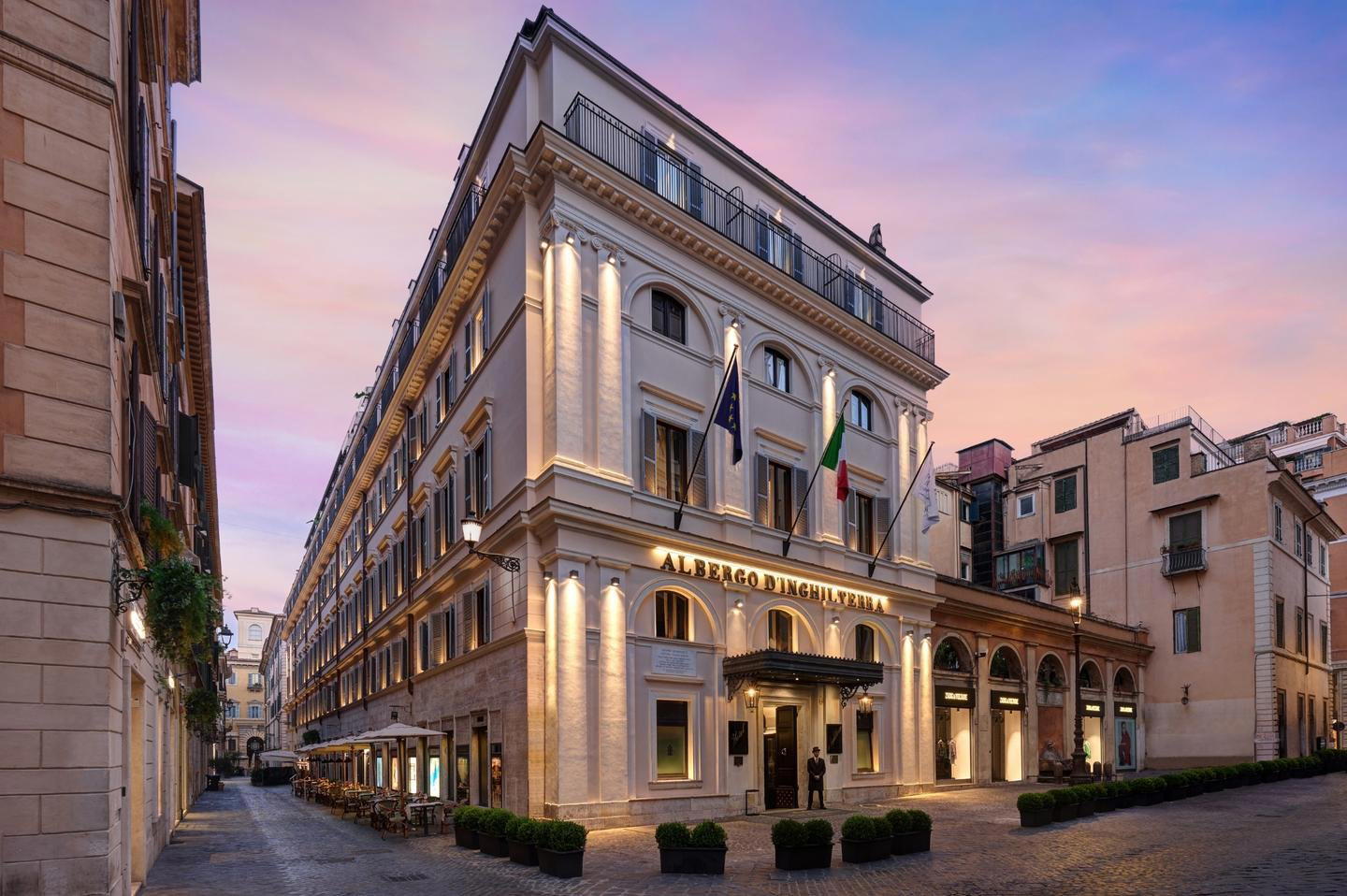
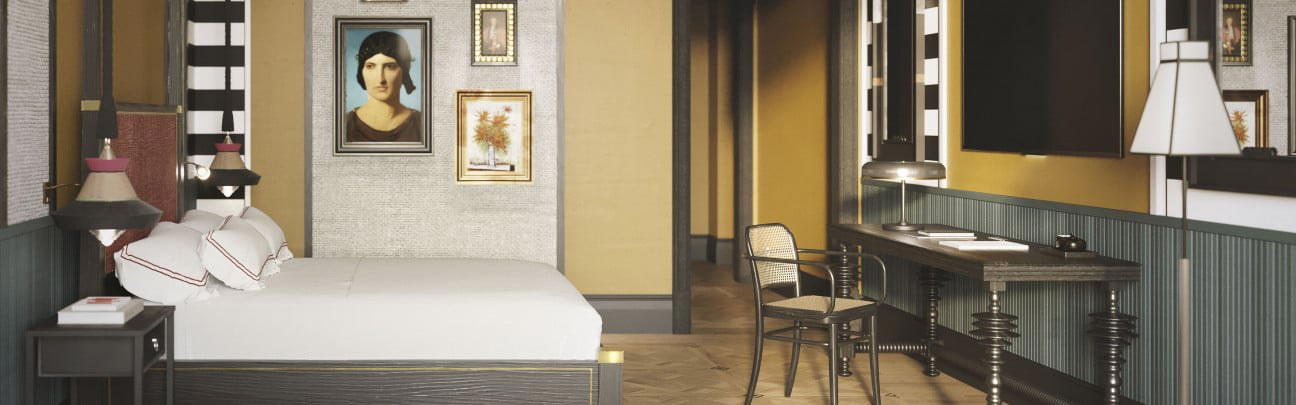
Bars in Rome
All bars in Rome →

Details
- Elegant
- Romantic
- Sophisticated
- Intimate
- Romantic Getaway
- Anniversary
- Business Trip
- Celebration
- Historic Building
- Destination Spa
- Private Dining
- Panoramic View
- Garden
- Spa
- Fitness Center
- Wi Fi
- Restaurant
- Bar
- Room Service
- Concierge
- Valet Parking
- Massage
- Skyline
- Garden
- Wheelchair Accessible
- Elevator
- Accessible Restroom
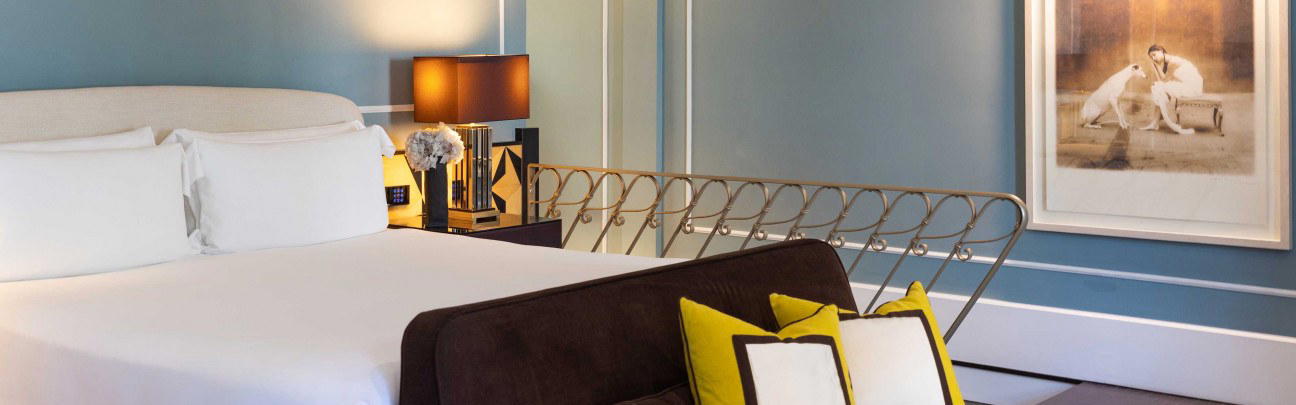
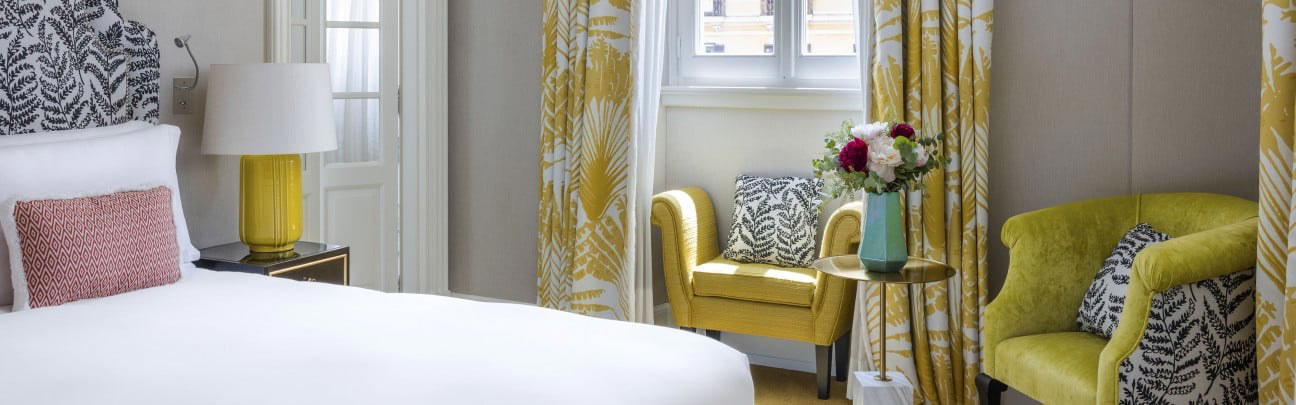
Grand neoclassical interiors with soaring ceilings, natural light from tall windows, allegorical frescoes, and marble detailing create an intimate yet majestic atmosphere that balances historic grandeur with contemporary luxury.