The Mitre Hampton Court



Michelin Selected · Small Luxury Hotels of the World Member
Originally constructed to house visitors to Hampton Court Palace, The Mitre has been reimagined as a contemporary boutique hotel in East Molesey, sitting directly across the river from one of England's great Tudor landmarks. The property works in English country house style, updated for modern stays, and occupies a position that few hotels in the Surrey commuter belt can match for sheer historical proximity.

Pearl is the En Primeur Club membership app, where members save venues, book tables and use the concierge.
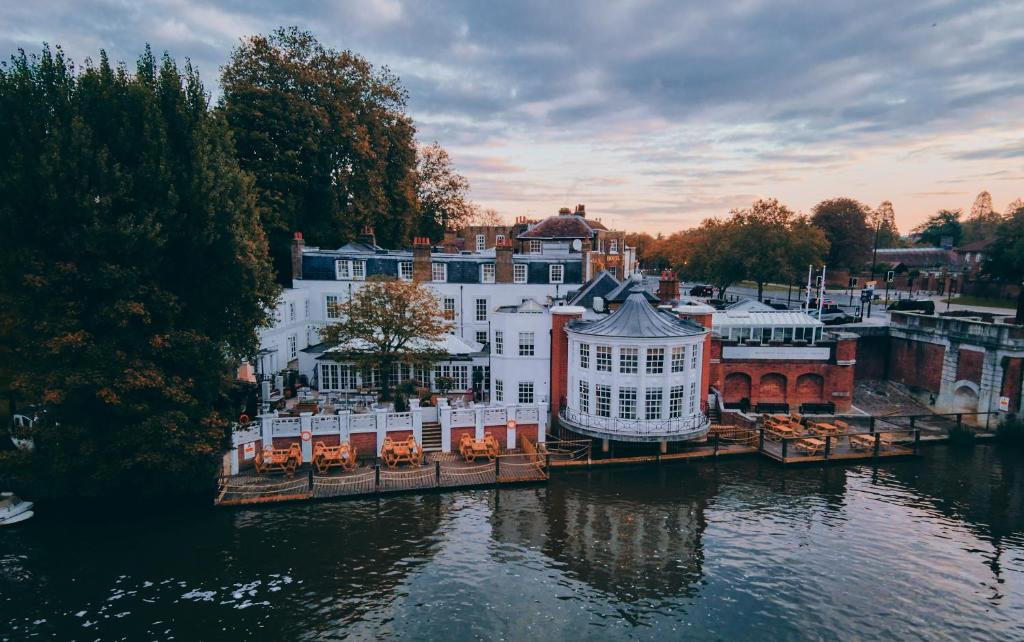
Where Tudor History Meets the Thames Bank
The stretch of the Thames between East Molesey and Hampton Court Palace carries more historical weight per square metre than almost anywhere else in the Surrey commuter belt. Cross the bridge from the palace's Lion Gate and you arrive at Hampton Court Road, where The Mitre occupies a building whose original purpose was to absorb the overflow of royal visitors. That origin point matters architecturally: the building was not designed to be incidental to Hampton Court Palace, but directly functional to it, which gives its riverside position a logic you don't find in properties that simply happened to settle near a landmark.
In the tier of English boutique hotels that have repositioned historic buildings as design-led escapes, The Mitre belongs to a cohort that has moved deliberately away from the heavy drapes and mahogany formality that defined country house hotels in the 1980s and 1990s. The contemporary English country house register it now operates in is characterised by lighter palettes, considered material choices, and a willingness to let the architecture speak without burying it under period furniture. Properties like Lime Wood in Lyndhurst and Estelle Manor in North Leigh operate in adjacent registers, each finding a different balance between historical fabric and modern comfort. The Mitre's point of distinction is its proximity to a working UNESCO World Heritage Site rather than rural seclusion.
The Architecture of a Royal Annex
Buildings originally designed as guest annexes to royal palaces follow a specific spatial logic. They needed to project enough grandeur to be worthy of courtly visitors without competing with the palace itself. The Mitre's structure reflects that hierarchy: substantial enough to command the riverbank, restrained enough to read as secondary to the red-brick Tudor mass visible across the water. That tension between presence and deference is baked into the bones of the building, and any successful renovation of a property like this has to work with that tension rather than override it.
The contemporary boutique treatment the hotel has received operates on a similar principle. Modern English country house design at this level tends to favour natural textures, muted tones, and period architectural details left exposed rather than concealed. The goal, repeated across this category from the New Forest to the Cotswolds, is a kind of edited elegance: comfort without clutter, history without theme-park literalism. For guests arriving by train from London Waterloo (Hampton Court station sits a short walk across the bridge), the transition from city density to this riverbank scale is part of the experience the property is selling.
Spring and early summer are the months when that riverbank setting earns its keep. Between April and June, the Thames path beside the hotel sees its highest footfall, the Palace gardens reach peak colour, and the wider Hampton Court estate hosts events including the RHS Hampton Court Palace Garden Festival in late June or early July, one of the largest flower shows in the world. Staying at The Mitre during that window places guests at the centre of a programme that draws visitors from across the UK and beyond, without requiring them to commute in from London each day.
Placing The Mitre in the Boutique Hotel Conversation
English boutique hotels in historically significant locations now divide fairly cleanly between two approaches. The first group anchors its identity in the building's past, leaning into provenance through décor, narrative, and programming. The second group uses the historical shell as a platform for a contemporary hospitality experience that happens to occupy a remarkable address. The Mitre belongs to the second group: the history is the address, not the performance.
That positioning places it in a different conversation to, say, Claridge's in London, where the building and its accumulated cultural memory are inseparable from the product, or The Newt in Somerset, where the estate's agricultural programming is central to the stay. For a city-break audience arriving from London, that clarity of purpose is often exactly what works.
Across the wider UK boutique hotel market, properties that succeed in this positioning tend to do so through consistent quality of rooms, thoughtful food and drink provision, and the ability to connect guests to their surroundings through practical knowledge rather than scripted experience programming. How The Mitre executes across those dimensions is the question that separates it from the category average, and that is leading assessed by guests whose expectations are calibrated to the contemporary English country house tier rather than either budget travel or grand luxury. For the latter, the scale and staffing of properties like Gleneagles in Auchterarder represent a different order of investment entirely.
Planning a Stay: Practicalities
East Molesey is served directly by South Western Railway from London Waterloo to Hampton Court station, a journey of around 35 minutes. The station exit leads across Hampton Court Bridge to the palace and hotel side of the river, making the approach on foot entirely manageable with carry-on luggage. Driving guests have access to the A309 and nearby parking, though the area around the palace gate sees congestion during peak visiting periods, particularly on summer weekends and during major events at the palace grounds.
For the broader range of boutique hotels across the UK, our full East Molesey restaurants and hotels guide covers the local context in detail. Those building a longer UK circuit alongside a Hampton Court visit might also consider Babington House in Kilmersdon for the Somerset leg, or Hope Street Hotel in Liverpool and King Street Townhouse Hotel in Manchester for northern city stops. Scotland-focused itineraries are well served by properties including Burts Hotel in Melrose, Dun Aluinn in Aberfeldy, and Monachyle Mhor Hotel in Stirling for those who want rural character at the higher end of the independent market.
Comparable Spots, Quickly
Comparable venues nearby, for context on price, style, and recognition.
| Venue | Cuisine | Price | Awards | Notes |
|---|---|---|---|---|
| The Mitre Hampton CourtThis venue (the venue you are viewing) | Historic boutique riverside retreat blending old-world charm with contemporary luxury | Not listed | Michelin Selected · Small Luxury Hotels of the World Member | Not listed |
| Portrush Adelphi | Blending classic charm with modern luxury inspired by local heritage and coastline. | Not listed | Michelin Selected · Mr & Mrs Smith Seal of Approval | Portrush |
| The Talbot Malton | 17th-century coaching inn with Georgian character and modern boutique updates | $200–300 | Michelin Selected · Mr & Mrs Smith Seal of Approval | Yorkersgate |
| Hotel Saint | Contemporary city hotel with skyline views | $500–750 | Preferred Hotels Member | Aldgate |
| Town Hall Hotel | Art Deco heritage building reimagined as a contemporary design hotel with bespoke furnishings and artistic installations. | $200–300 | Michelin Selected · Design Hotels Member | Globe Town |
| Hilton London Wembley | Modern upscale hotel next to Wembley Stadium | Not listed | World Luxury Hotel Awards WLHA Global Winner | Wembley |
Recognition history
Dated appearances from independent guides and award organizations, with the underlying list record or original source where available.
Michelin Selected
Michelin
House & Garden 2026 House & Garden Best Hotels in London
House & Garden
Small Luxury Hotels of the World Member
Small Luxury Hotels of the World
Continue exploring
More in East Molesey
Hotels in East Molesey
All hotels in East Molesey →
Bars in East Molesey
Browse all →



Details
- Romantic
- Elegant
- Classic
- Cozy
- Scenic
- Sophisticated
- Romantic Getaway
- Anniversary
- Weekend Escape
- Waterfront
- Historic Building
- Terrace
- Wi Fi
- Room Service
- Concierge
- Restaurant
- Bar
- Business Center
- Laundry Service
- Waterfront
- Garden
- Wheelchair Accessible
- Step Free Entrance
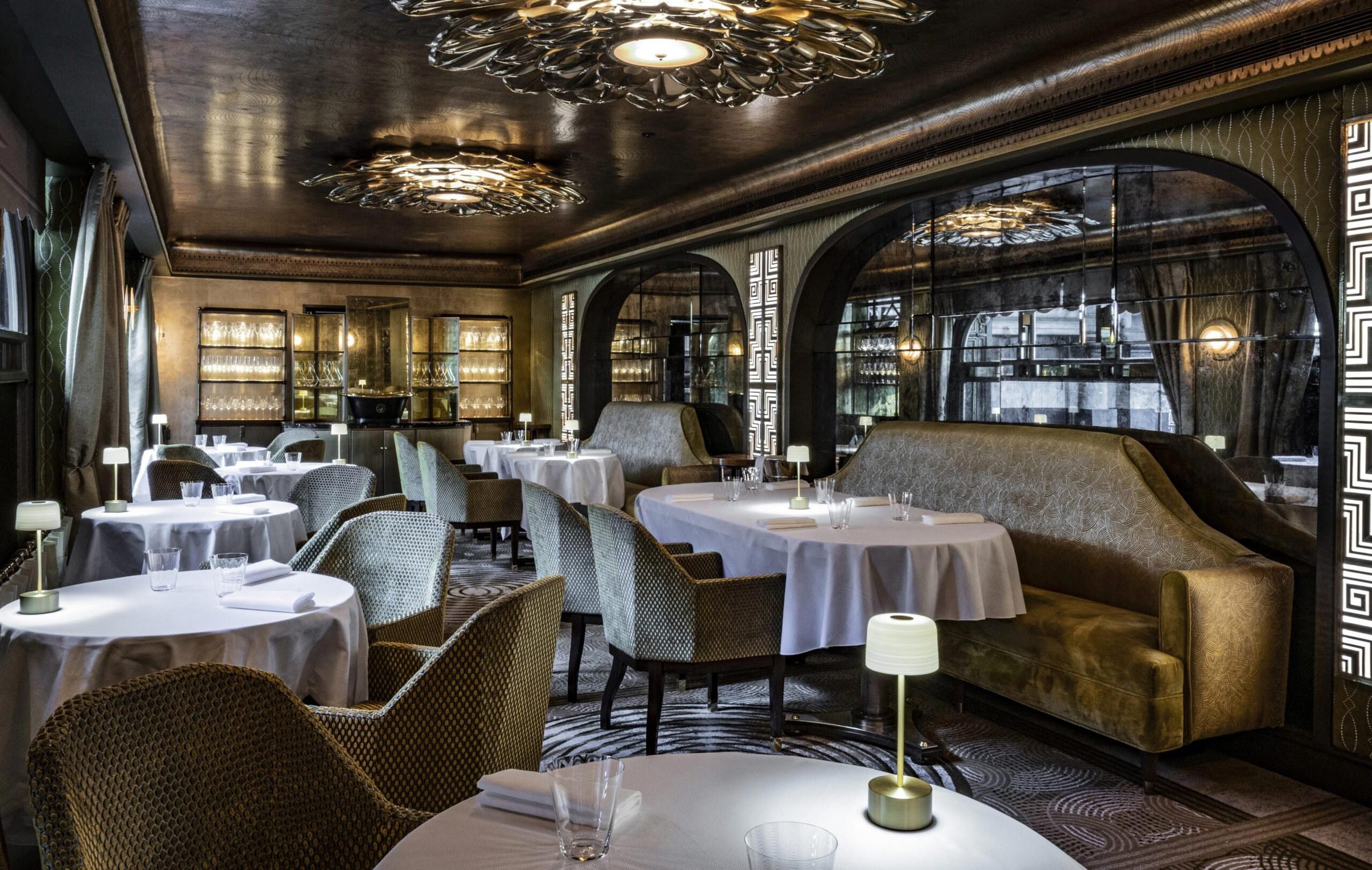
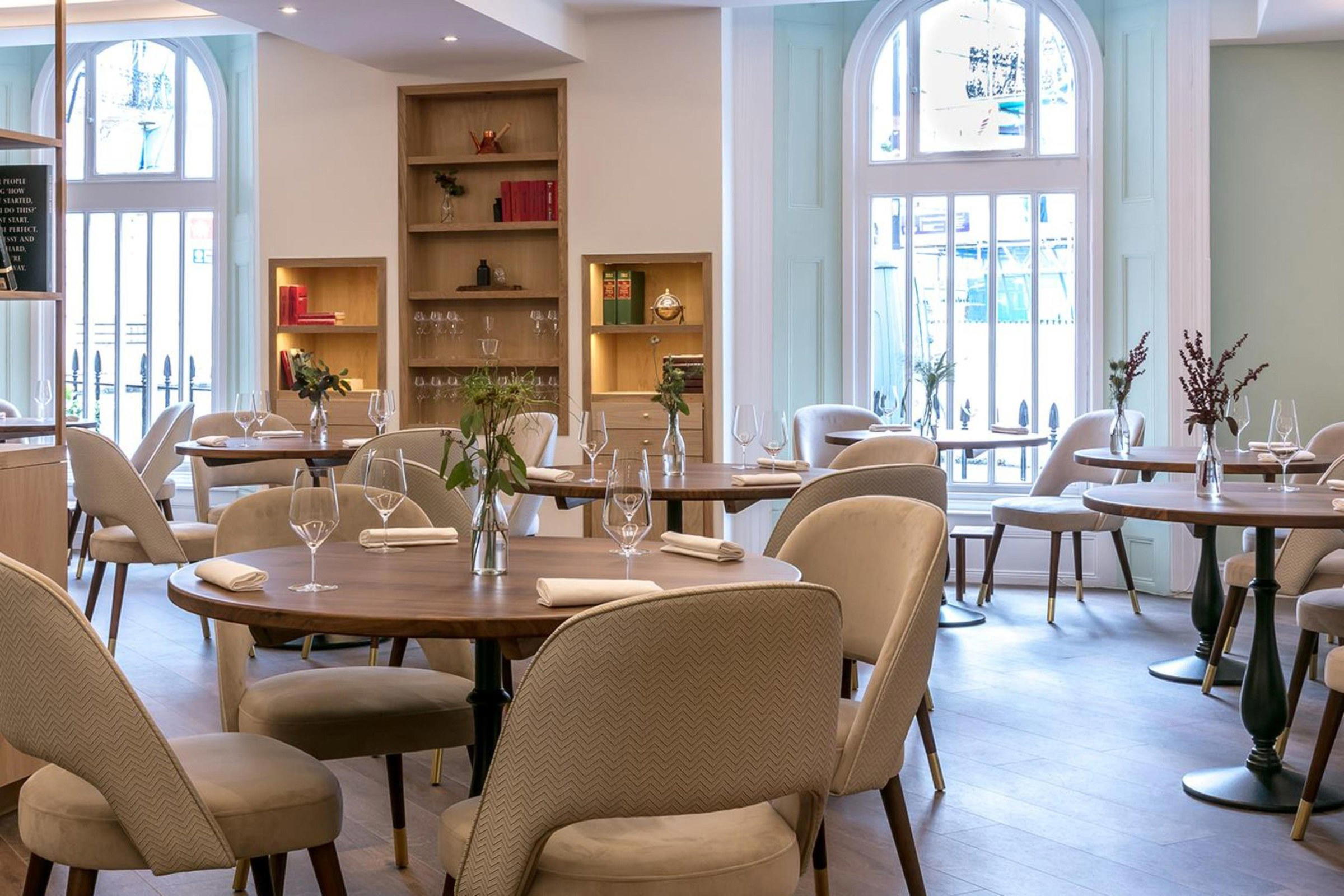
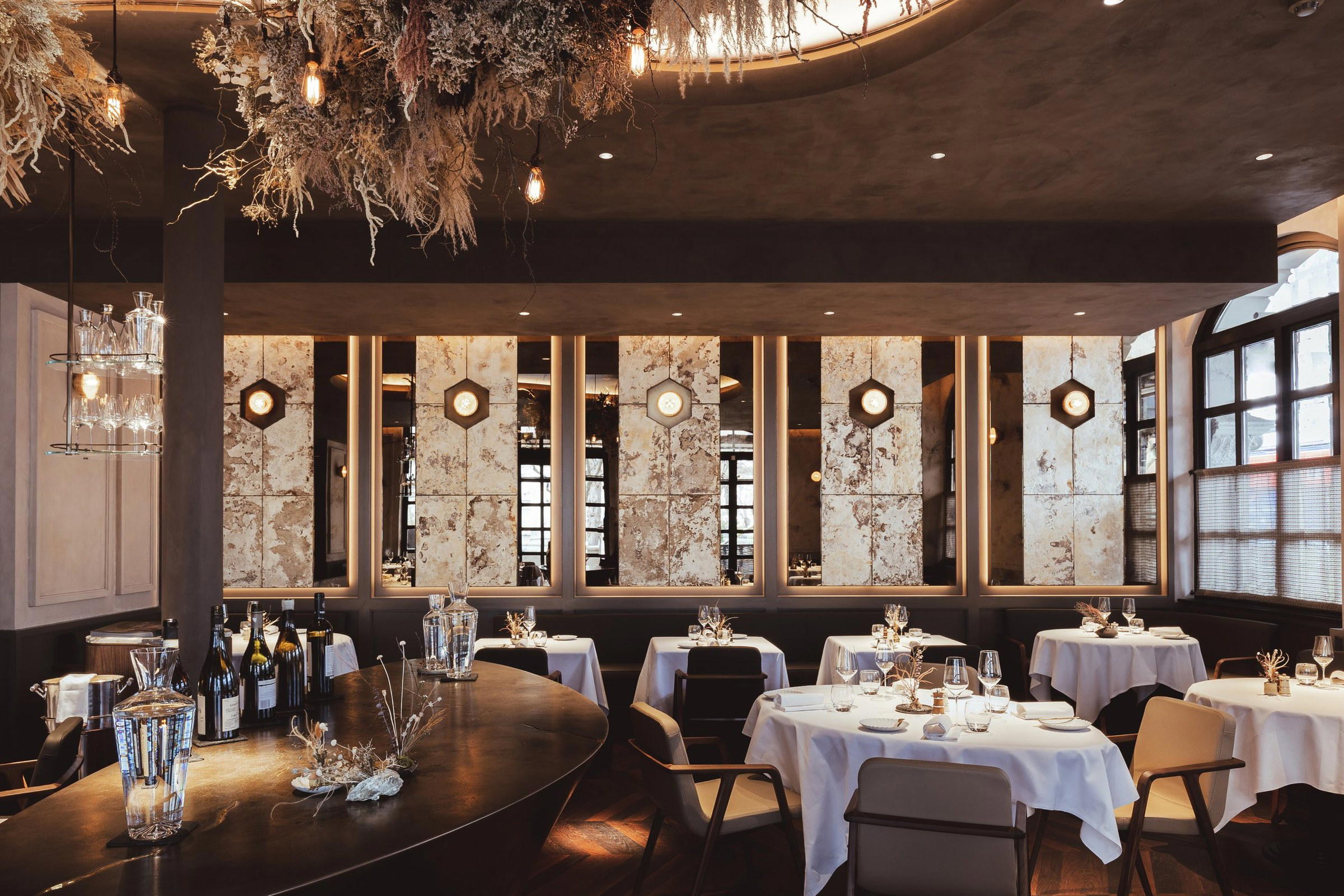
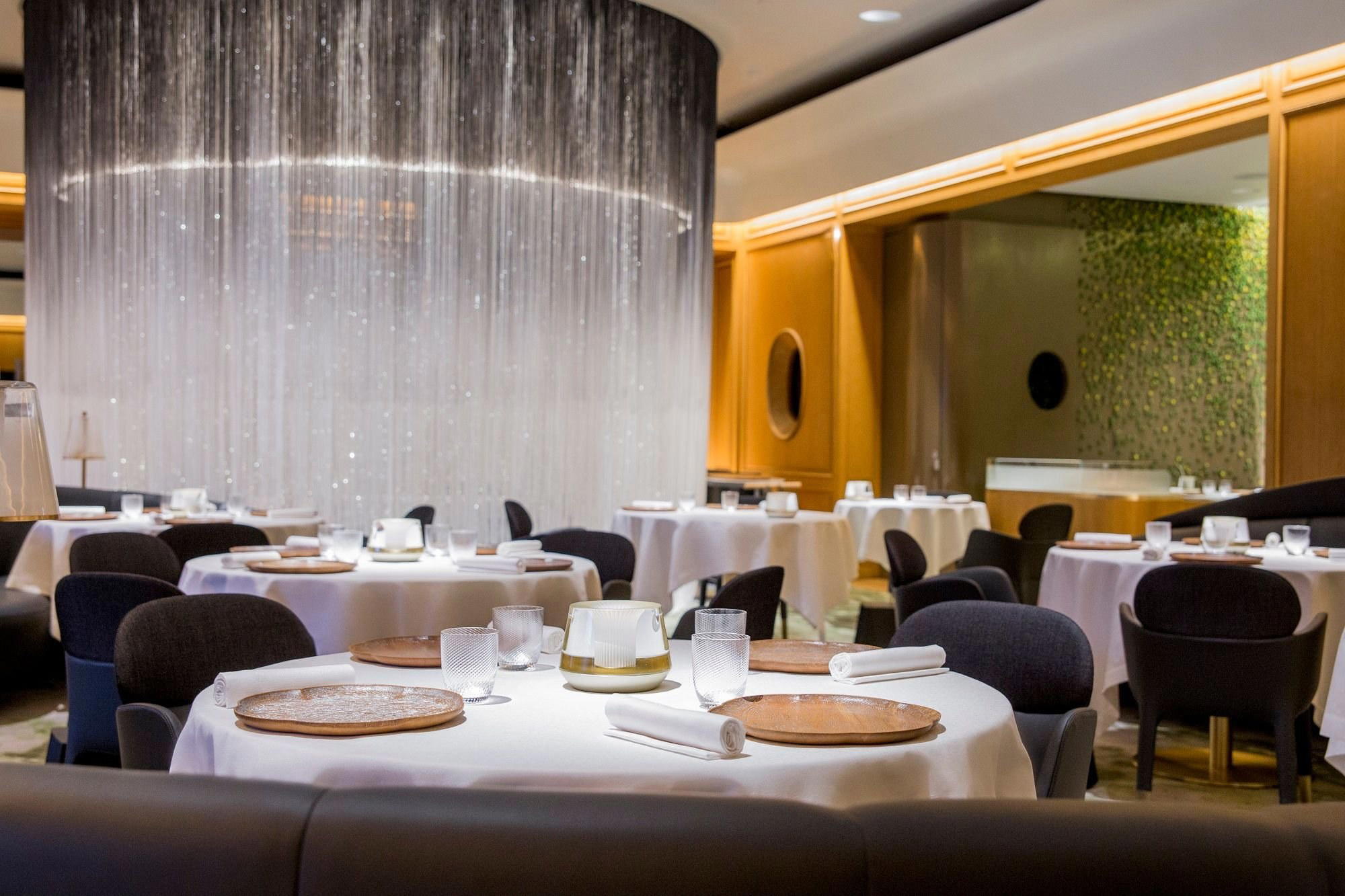
Charming blend of historic elegance and modern luxury with cozy library, riverside terrace, and individually designed rooms featuring personality and comfort.