The Grand York




Michelin Selected · Condé Nast Johansens Best Afternoon Tea · Virtuoso Luxury Hotel Partner
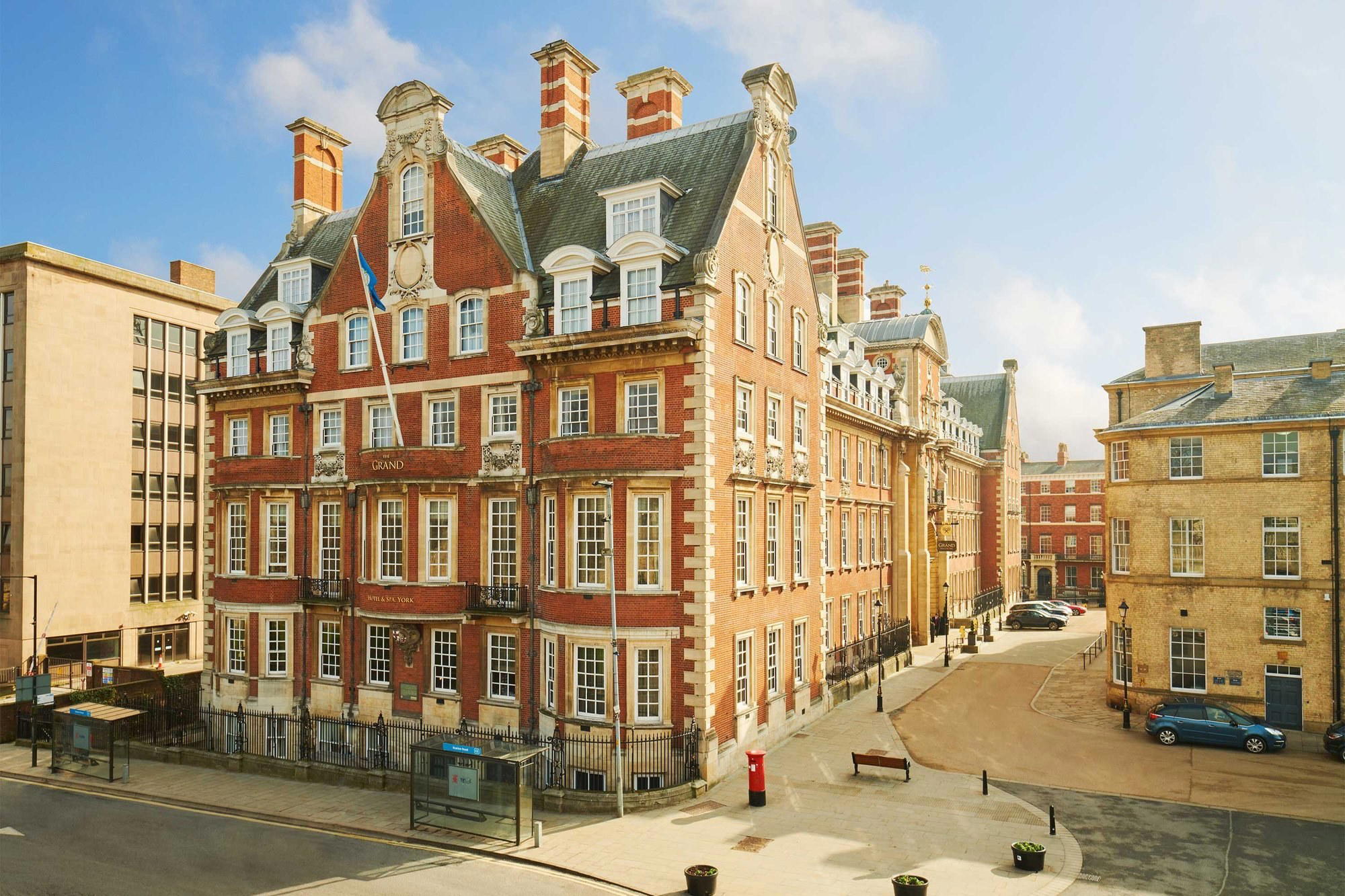
Yorkshire's only five-star hotel occupies the former headquarters of the North Eastern Railway Company on Station Rise, directly beside York's ancient city walls. The Edwardian brick building houses 207 rooms, two restaurants and bars, a cookery school with more than 50 classes, and the subterranean SubRosa Spa. The dining programme draws on local ingredients and frames afternoon tea as a serious house tradition.

Pearl is the En Primeur Club membership app, where members save venues, book tables and use the concierge.
A Railway Palace Repurposed
The grandest buildings in Victorian and Edwardian Britain were not always the cathedrals or the country houses. Frequently they were the railway company headquarters, designed to signal commercial power through Portland stone, marble detailing, and load-bearing brick on a civic scale. The Grand York inhabits exactly that tradition. Built as the nerve centre of the North Eastern Railway Company, the building on Station Rise carries the architectural confidence of an era when rail was the dominant technology of movement. That heritage context matters when you arrive, because the Edwardian facade does something that most contemporary luxury hotels cannot replicate regardless of budget: it communicates a sense of institutional permanence before you step through the door.
Positioned directly alongside the ancient walls that encircle York's city centre, with sightlines to York Minster, the address places guests at a point where the city's Roman, Viking, and Georgian layers are all within walking distance. For visitors using our full York restaurants guide, the hotel's location doubles as a practical base for the wider city rather than a retreat from it. Comparable railway-heritage conversions elsewhere in Britain, such as Hope Street Hotel in Liverpool or King Street Townhouse Hotel in Manchester, share a similar logic of civic-scale architecture repurposed for hospitality, though The Grand York operates in the more rarified bracket as Yorkshire's sole five-star property.
The Dining Programme
In provincial British cities, the gap between hotel dining and independent restaurant dining has historically been wide. Heritage hotels in particular have often treated food as an amenity rather than a programme. The Grand York takes the opposite position: the culinary operation is structured around multiple formats, each designed to hold its own rather than simply feed guests between activities.
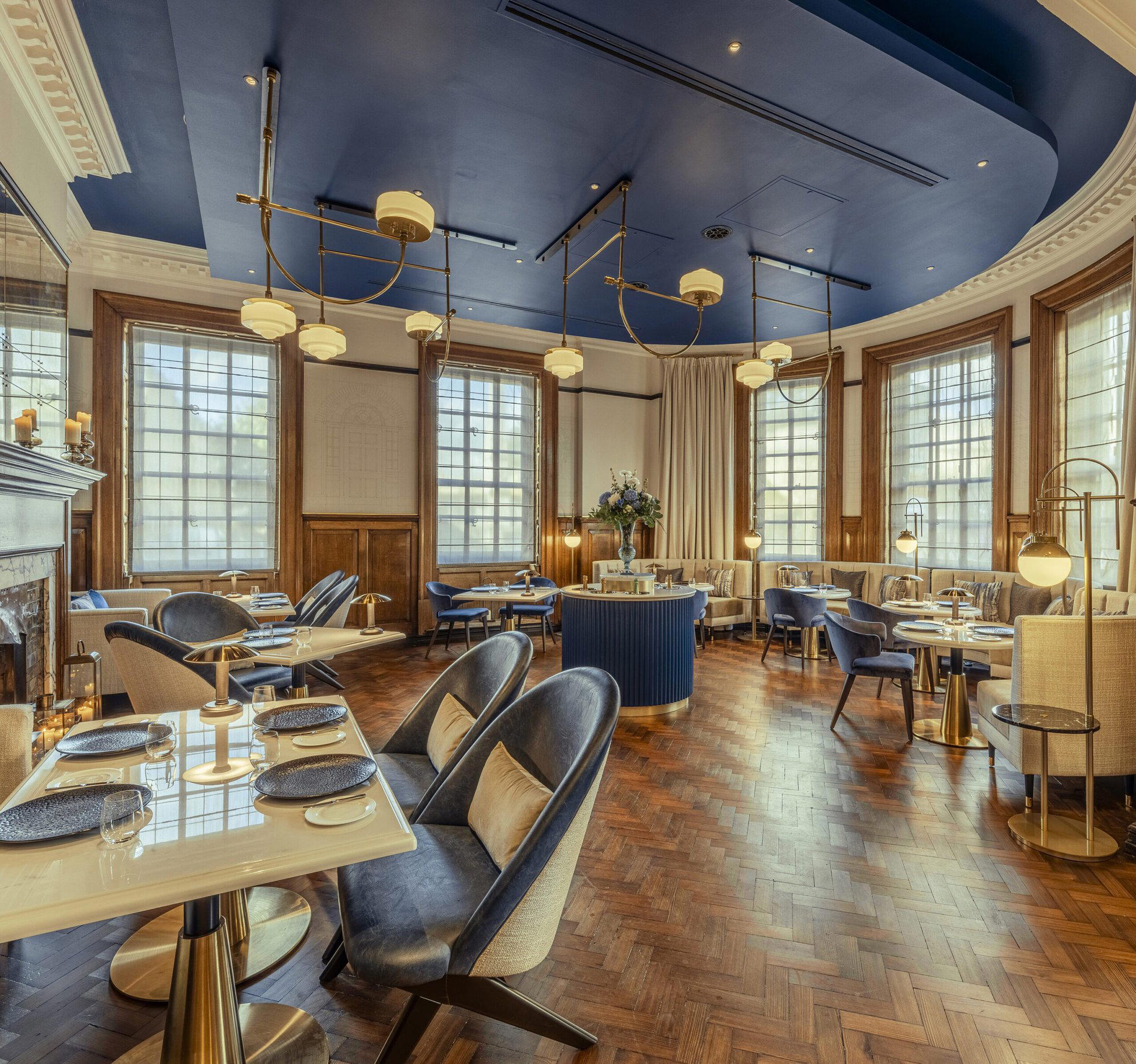
The Rise is the hotel's principal dining space, where afternoon tea arrives on a silver stand with unlimited hot drinks. Afternoon tea in England occupies a specific cultural register, one that rewards seriousness of execution: the quality of the bread, the temperature of scones, the ratio of clotted cream to jam, and the depth of the loose-leaf selection all register immediately with any guest who has eaten the format properly elsewhere. The Rise approaches it as a house signature, which places it in a different category from the function-room teas that many hotels treat as a tickbox offering. For context on where afternoon tea sits in the broader British luxury hotel conversation, properties such as Claridge's in London have long used the format as a primary reputational anchor; The Grand York applies the same logic at a regional scale.
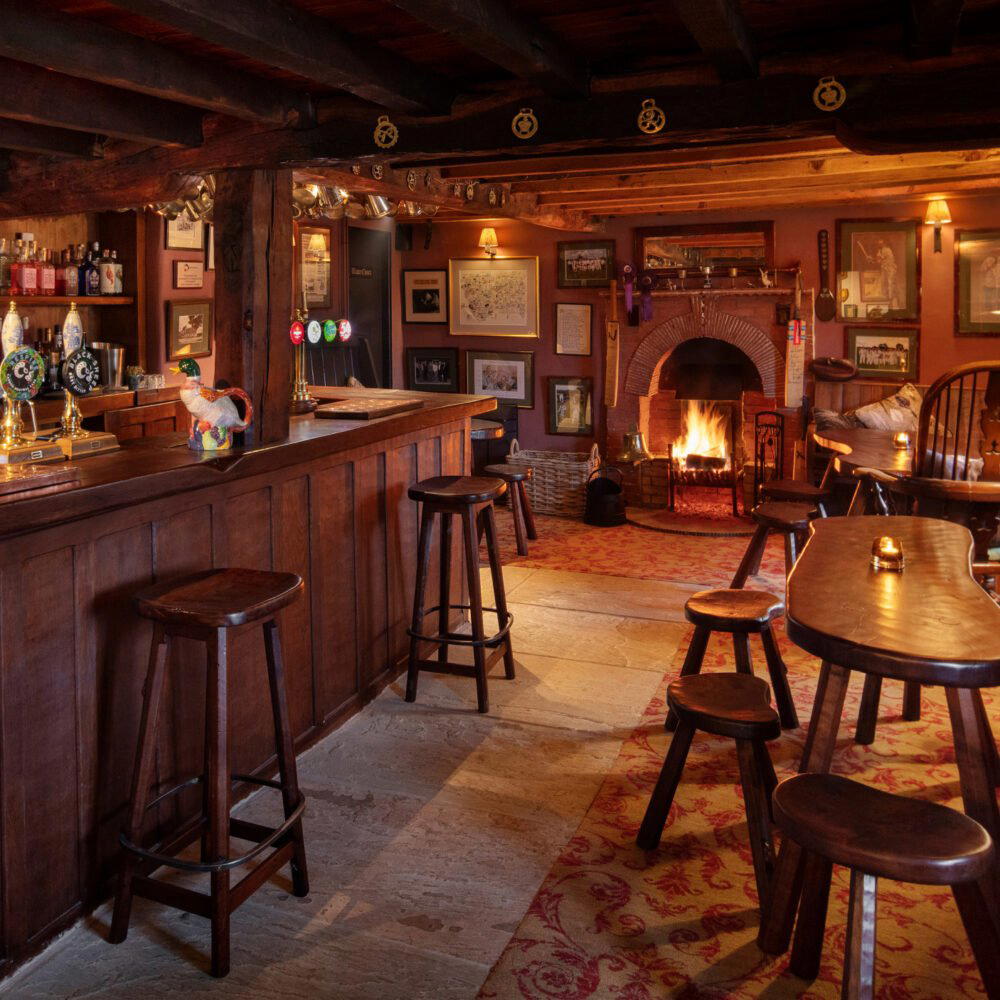
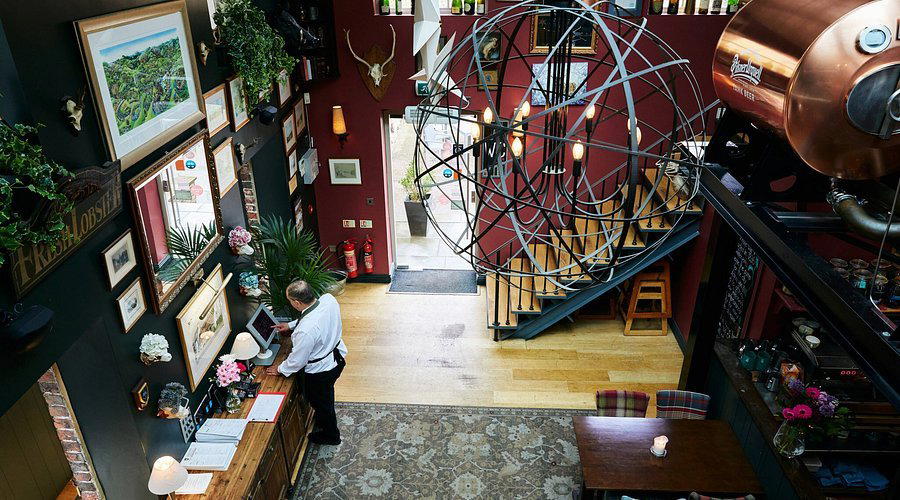
The hotel also operates a bar that references Old World decor, a design approach that signals a deliberate resistance to the stripped-back minimalism that has defined British bar interiors for much of the past fifteen years. Whether that aesthetic choice translates into a strong drinks programme is a question of execution that goes beyond decor, but the intent to position the bar as a destination rather than a corridor is apparent in the design brief.
The Cookery School
Cookery school format has become a meaningful differentiator within the luxury hotel category across Britain. Properties like Lime Wood in Lyndhurst and The Newt in Somerset have used food education programming to deepen guest engagement beyond a single meal. The Grand York opened its cookery school in March 2019, and at 16 working stations it operates at a scale that supports both individual bookings and group formats. The curriculum runs to more than 50 different classes across the year, with a connecting meeting space, dining area, and outside terrace that allow the school to function through all seasons. That breadth of programming places it meaningfully above the single-demonstration format that smaller hotel schools typically offer.
The SubRosa Spa
Spa positioning within luxury hotels tends to resolve into one of two approaches: the light-filled glass pavilion that signals wellness through transparency and nature connection, or the subterranean retreat that works through contrast and withdrawal. The SubRosa Spa at The Grand York belongs to the second school. Located beneath the hotel, it operates on the logic that descent and enclosure produce a specific psychological state that open-plan wellness spaces cannot. The contrast between the marble public rooms above and the shadowed calm below is the conceptual engine of the offering. Whether that framing resonates depends on what a guest is looking for from a spa visit, but as a design proposition it is more considered than the reflexively bright spa interiors that populate many heritage conversions.
The Rooms and Scale
At 207 keys, The Grand York operates at a scale that sits above the boutique tier without reaching the volume of large conference hotels. That middle position carries specific trade-offs. The room count supports genuine hotel infrastructure, including multiple food and beverage outlets, the cookery school, meetings and conference facilities, and the White Rose Lounge, while remaining small enough to maintain service attention across the house. Heritage buildings of this type, when converted at larger scale, often produce rooms of irregular geometry, with some benefiting from original ceiling heights and architectural detail and others inheriting the awkward spaces that come with adapting a working office building. The Grand York's description of spacious guestrooms suggests the conversion has prioritised volume and proportion, with original stonework and marble detailing carried through the public spaces.
For travellers mapping The Grand York against the broader regional luxury hotel picture, it occupies a position without direct competition at the five-star level in Yorkshire. Properties like Grays Court Hotel and The Bow Room Restaurant and The Nevada represent different segments of the York market, while at the national level the closest analogues in terms of heritage-building five-star positioning would include Gleneagles in Auchterarder and Estelle Manor in North Leigh, each of which commands its regional market through a combination of architectural scale and programme depth. Internationally, the railway-heritage luxury conversion model finds expression in properties like Muir, A Luxury Collection Hotel, Halifax in Canada, where civic-scale industrial buildings have become the preferred vessels for premium hospitality.
Planning a Stay
The hotel sits at Station Rise, York YO1 6GD, a short walk from York railway station and immediately adjacent to the medieval city walls. York is well served by direct rail from London King's Cross, with journey times typically under two hours, which places The Grand York in the category of accessible British weekend destinations rather than a multi-night commitment. The cookery school books separately from room reservations and classes fill across the calendar, so guests with a specific class in mind should align bookings early. The afternoon tea at The Rise is the format most likely to require advance planning during peak periods, particularly in autumn and the lead-up to December when York's Christmas market draws significant visitor volume. The SubRosa Spa, given its subterranean format and presumably limited treatment capacity, similarly benefits from early scheduling rather than arrival-day booking.
For those building a broader British heritage hotel itinerary, The Grand York pairs logically with properties in the Scottish Borders or further north: Burts Hotel in Melrose and Malmaison Edinburgh share the same rail corridor and represent complementary points on a journey north. Those looking at the West Country after York might consider Babington House in Kilmersdon or Avon Gorge by Hotel du Vin in Bristol as natural continuations of a heritage-focused itinerary.
Budget and Context
Comparable venues nearby, for context on price, style, and recognition.
| Venue | Cuisine | Price | Awards | Notes |
|---|---|---|---|---|
| The Grand YorkThis venue (the venue you are viewing) | Not listed | $300–500 | Michelin Selected · Condé Nast Johansens Best Afternoon Tea | Not listed |
| Grays Court Hotel and The Bow Room Restaurant | Not listed | $300–500 | La Liste Top Hotels | York Minster, Restored historic townhouse with antique-filled rooms and lush private gardens |
| No. 1 by GuestHouse, York | Not listed | $300–500 | Michelin Selected | Clifton, Grade II Listed Regency townhouse with playful modern reinvention preserving antique features. |
| The Randolph Hotel Oxford, a Graduate by Hilton | Not listed | $200–300 | Michelin Selected | Oxford City Centre, Historic landmark with modern updates |
| voco St. David's Cardiff | Not listed | $100–200 | Michelin Selected | Cardiff Bay, Upscale waterfront landmark with bold, distinctive design and private balconies. |
| Swinney Wood Log Cabins | Belper, luxurious rustic log cabins | Not listed | World Travel Awards | Not listed |
Recognition history
Dated appearances from independent guides and award organizations, with the underlying list record or original source where available.
Michelin Selected
Michelin
Condé Nast Johansens Best Afternoon Tea
Condé Nast Johansens
Virtuoso Luxury Hotel Partner
Virtuoso
Preferred Hotels L.V.X. Collection
Preferred Hotels
Continue exploring
More in York
Hotels in York
All hotels in York →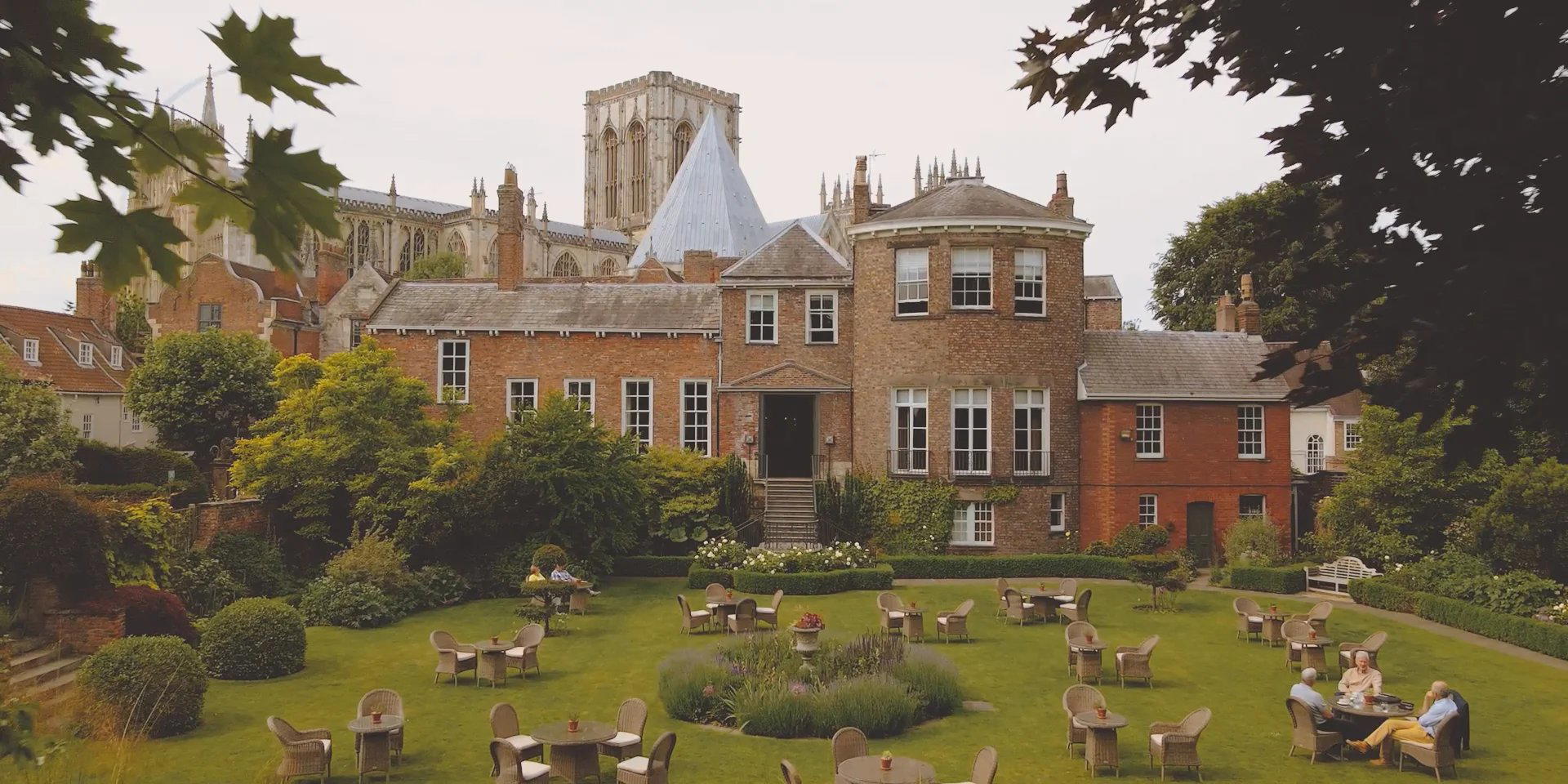
Details
- Elegant
- Classic
- Sophisticated
- Romantic
- Romantic Getaway
- Business Trip
- Anniversary
- Celebration
- Weekend Escape
- Historic Building
- Destination Spa
- Garden
- Terrace
- Wi Fi
- Pool
- Spa
- Fitness Center
- Room Service
- Concierge
- Business Center
- Valet Parking
- Restaurant
- Bar
- Sauna
- Bicycle Rental
- Wheelchair Accessible
- Elevator
- Accessible Restroom
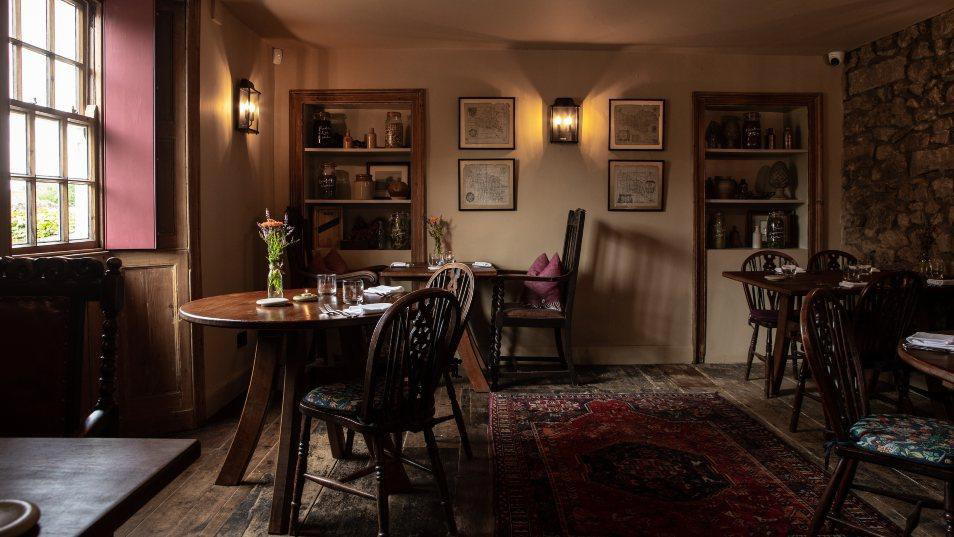
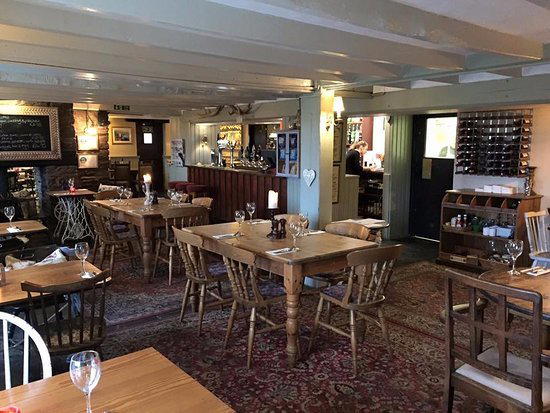
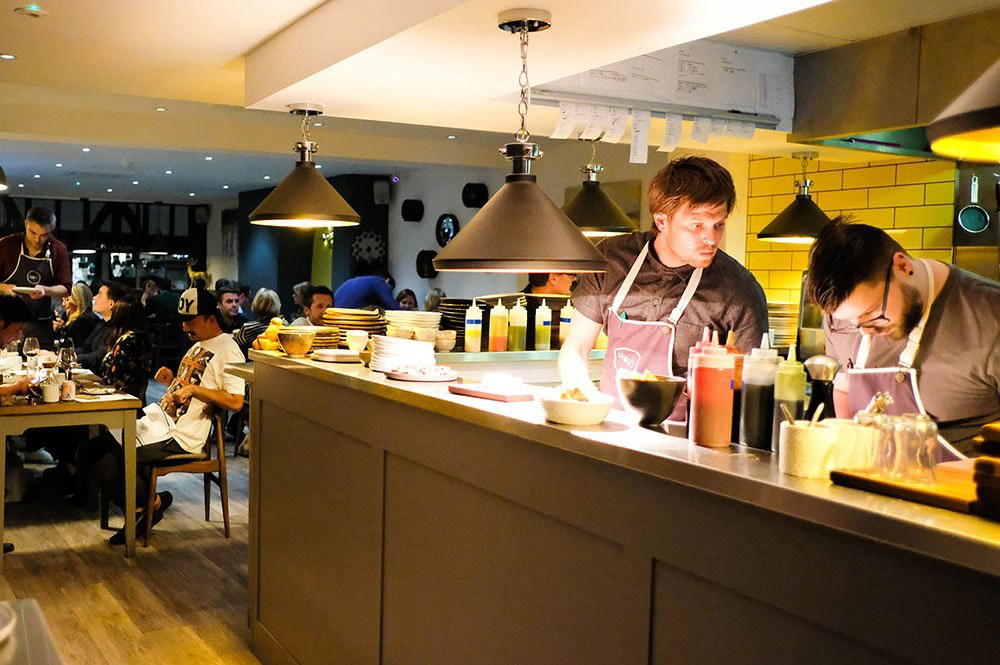
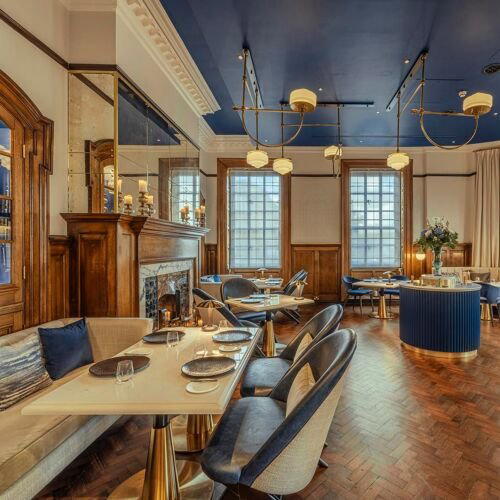
Elegant and refined with period charm in original building sections, contemporary comfort throughout, warm lighting in dining areas, sophisticated bar atmosphere.