Roots York








Roots sits inside a converted Victorian inn beside York's city walls, running tasting menus built entirely around Tommy Banks' Oldstead farm and kitchen garden. The Michelin-starred restaurant ranks #534 in Opinionated About Dining's 2025 European list, with a Core menu at £95 and Signature at £145. A Sunday feast format offers a more accessible entry point into the same seasonal philosophy.
Pearl is the En Primeur Club membership app — saves, bookings, and concierge access live there. Same editors, same standards.
- Address
- 68 Marygate, York YO30 7BH, United Kingdom
- Website
- rootsyork.com
- Directions
- Get directions
 Saves & bookings on Pearl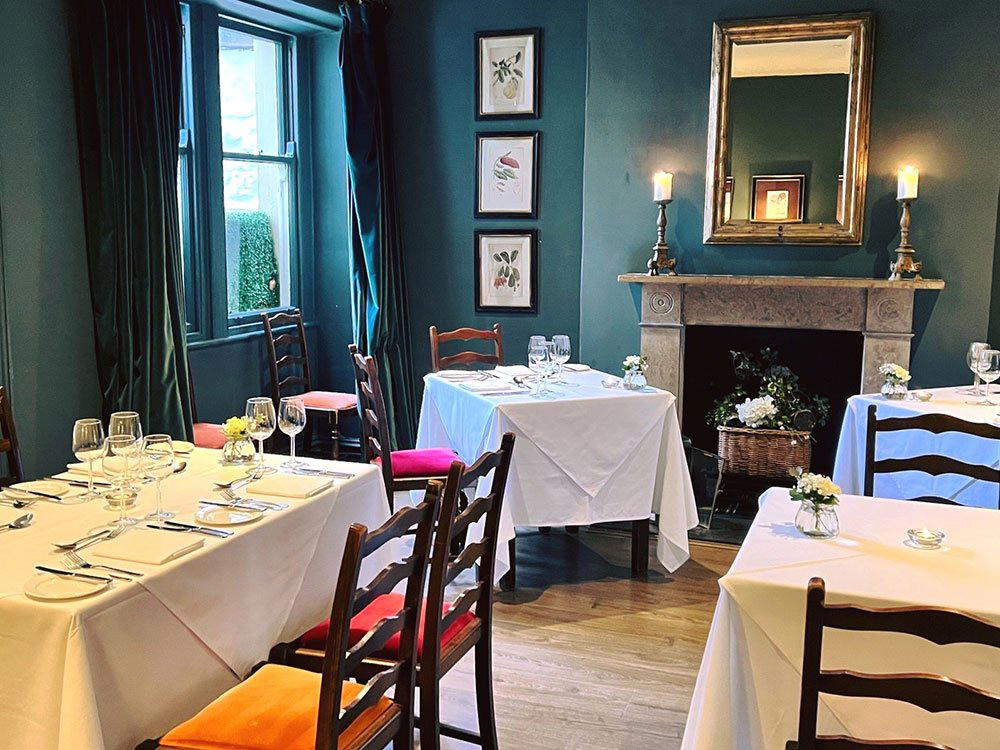
A Victorian Shell, a Farm-Driven Table
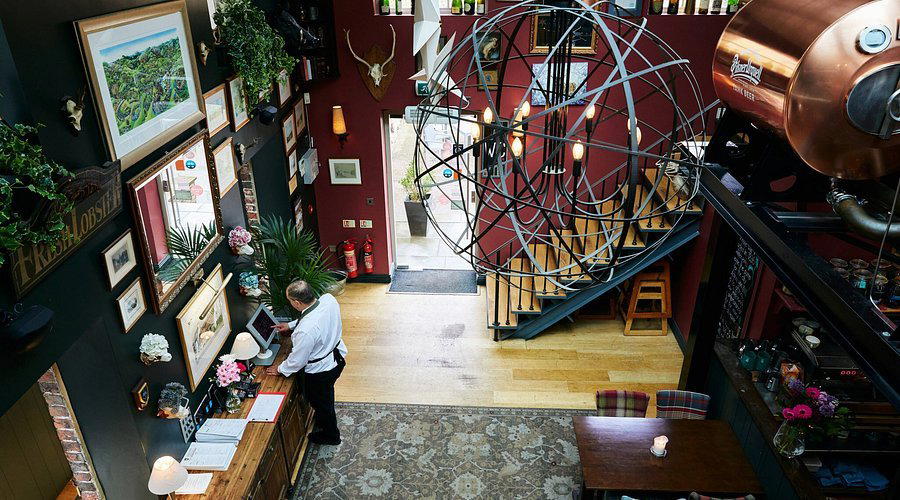
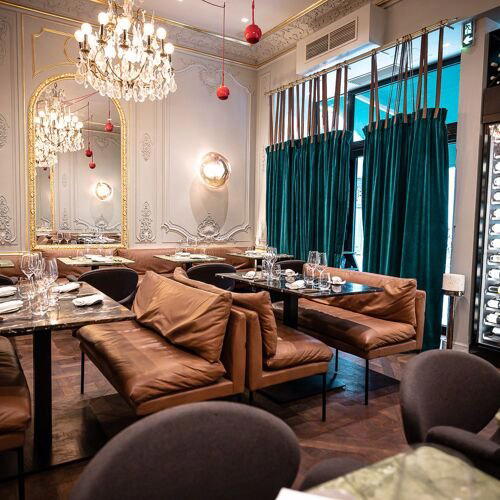
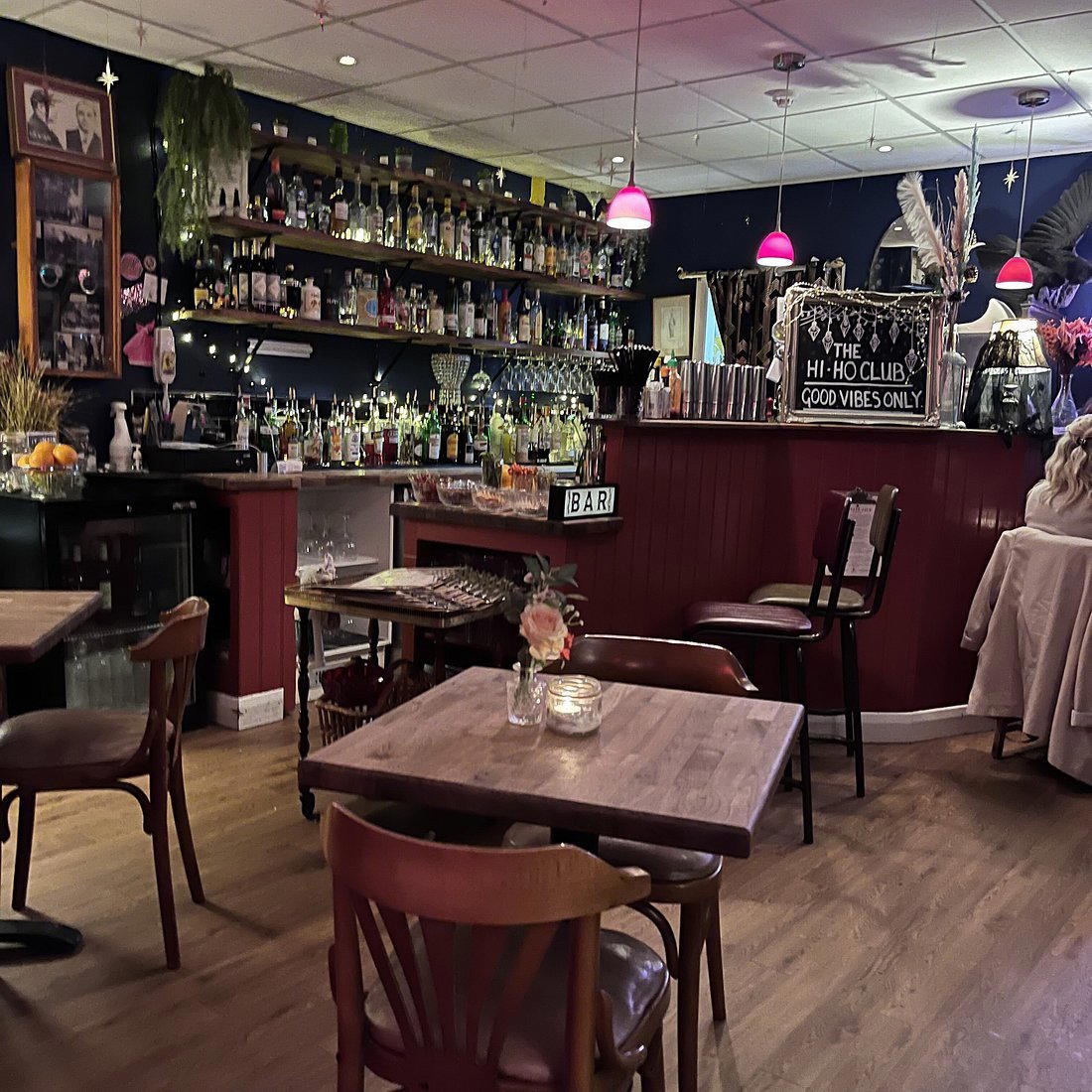
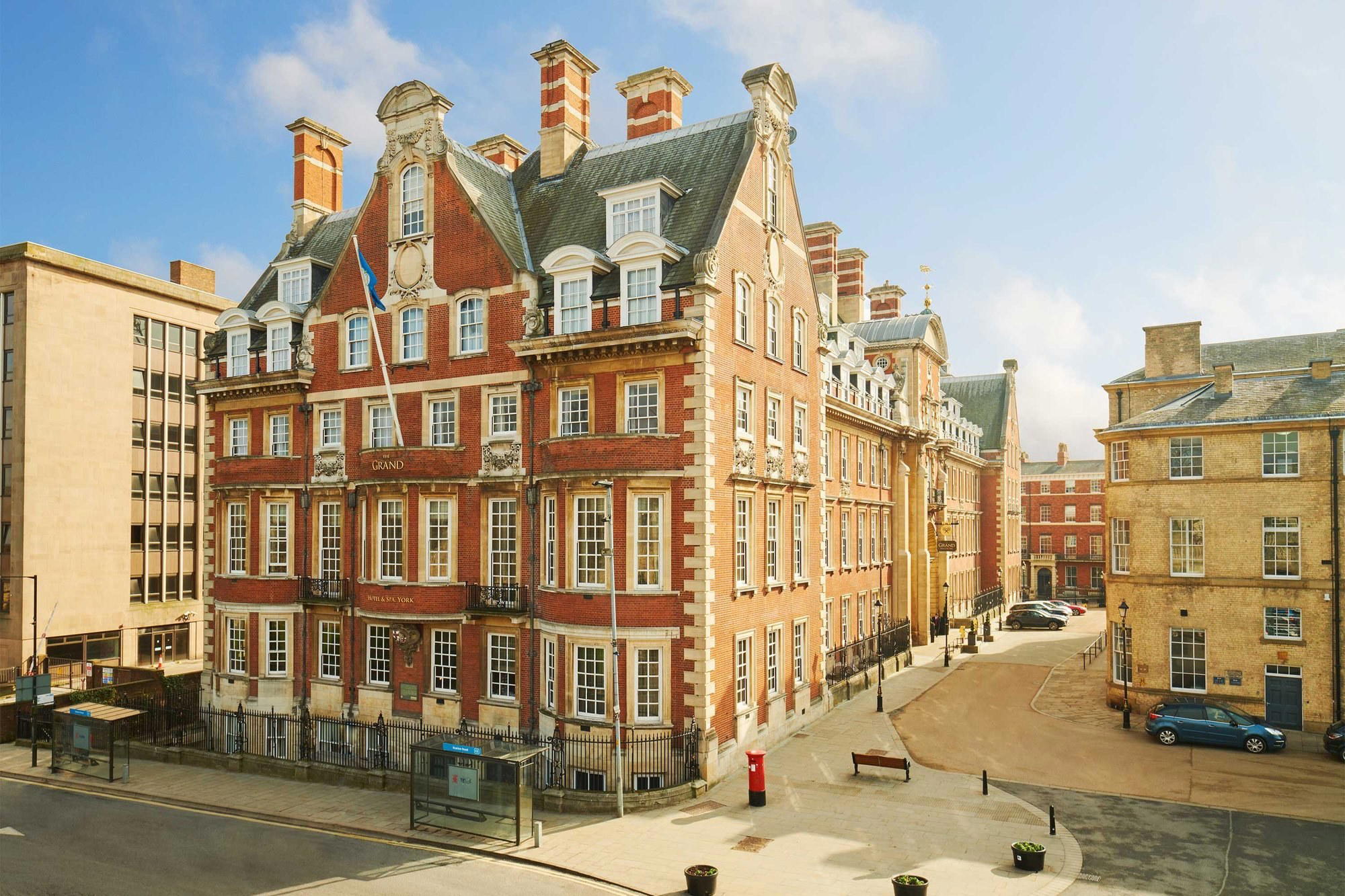
The approach to Roots along Marygate gives little away. The Arts and Crafts frontage of the former Victorian inn reads quietly against the city wall, a restrained exterior that has prompted more than one diner to wonder whether they have the right address. Inside, the register shifts: kilims on the floor, Scandi-style chairs, oak tables whose legs twist into a tangle of metal roots. The room is warm rather than grand, deliberately so. This is a dining format built around produce and season, not architectural spectacle, and the space signals that clearly.
That tension between setting and price point is one of the more debated aspects of modern British tasting-menu dining in provincial cities. York sits in a tier of English destinations where ambitious restaurants must compete for the same special-occasion spend as city-centre London, but without London's density of high-earning regulars. At Roots, the 'Core' menu runs to £95 per person and the 'Signature' to £145, figures that place it in the same bracket as established rural destination restaurants such as L'Enclume in Cartmel and Moor Hall in Aughton, and considerably above mid-range Modern British competitors in York itself, including Skosh and Melton's.
Farm, Garden, and the Three Seasons
The tasting menu draws from Tommy Banks' parents' farm in Oldstead, a kitchen garden, and a small network of regional suppliers. The kitchen frames production across three culinary seasons: the Preservation Season, the Hunger Gap, and the Time of Abundance. Those phases govern not just what appears on the plate but how ingredients arrive: cured, fermented, pickled, or freshly harvested depending on the calendar. This is a cooking philosophy that has been formalised in Banks' book Roots, making the kitchen's thinking transparent in a way that most tasting-menu operations are not.
The approach places Roots in a lineage of farm-anchored British restaurants that includes Gidleigh Park in Chagford and the broader self-sufficiency model pioneered at [L'Enclume]. Where those venues rely on rural isolation as part of their identity, Roots operates as the urban expression of the same logic: city-centre access, hotel proximity, and a converted pub setting, but the same commitment to traceability. For diners who want the provenance narrative without a two-hour drive into the countryside, that positioning is coherent.
The Sunday Feast: A Different Entry Point
Editorial angle assigned here, that of a classic British dining ritual reimagined, applies most directly to the Sunday feast format. This is not a standard roast menu with a tasting-menu price tag attached. The Sunday sitting opens with a sequence of small dishes: charcuterie and pickles from Oldstead, cured salmon with whipped buttermilk, duck liver parfait sealed with rhubarb jelly, and an Old Winchester cheese croquette with coppa. These function as a savoury patisserie course, in the same way that a serious afternoon tea might deploy a sequence of savoury items before arriving at the main event.
Roast itself rotates monthly between chicken, pork, and (at a supplement) rib of beef. The trimmings extend the seasonal vocabulary: duck-fat roast potatoes, cauliflower cheese with Tunworth and mustard, carrots glazed with spruce and tarragon, charred hispi cabbage with wild garlic and parsley crumb, and a Yorkshire pudding that can be filled with braised ox cheek and caramelised onion for a £7 supplement. The feast closes with a mini dessert of Yorkshire rhubarb and toasted oats. Two sittings run at 12 noon and 4pm. For diners who find the full tasting menu price difficult to justify against the setting, the Sunday feast offers a materially different value calculation using the same kitchen and the same produce philosophy.
Where It Sits in the York Dining Field
York's serious dining scene is smaller and more fragmented than its tourism profile might suggest. The city draws significant visitor numbers but supports a relatively thin tier of high-spend restaurants. Bow Room at Grays Court occupies the heritage-hotel end of the market. Fish and Forest and Legacy represent the more ambitious mid-tier. Roots sits at the apex of the local market by award recognition: one Michelin star, ranked #534 in Opinionated About Dining's 2025 Leading Restaurants in Europe list, having climbed from #443 in 2024 and a recommended entry in 2023. That trajectory suggests a kitchen consolidating rather than coasting.
At the national level, Roots competes in a peer group of one-star Modern British restaurants with strong regional identities, a category that also includes Hand and Flowers in Marlow. The cooking register at Roots, deceptively simple presentations with underlying technical depth, is in line with what the broader Modern British category has moved toward over the past decade. Compare the produce-first approach here with the more overtly technique-led formats at The Fat Duck in Bray or the metropolitan polish of CORE by Clare Smyth and The Ledbury in London: Roots makes a different argument, prioritising the integrity of the supply chain over the theatricality of the service sequence. Whether that argument justifies the price in a converted pub rather than a purpose-built dining room is the question that divides the room in the critics' reports.
The Drinks Programme
The wine list is expansive by the standards of a single-site operation, with by-the-glass selections running alongside food-matching packages. Banks Brothers wines-in-a-can appear on the list, an unconventional addition that signals the programme is not trying to mimic the formality of a metropolitan fine-dining cellar. Cocktails draw on foraged and seasonal ingredients, including lemon verbena and woodruff, consistent with the kitchen's preservation-and-harvest logic. The cohesion between the food and drinks programmes is one of the more genuinely integrated aspects of the Roots experience, rather than a wine list that was assembled independently of the kitchen. For the full picture of what York offers in terms of drinks-led venues, our full York bars guide covers the wider field.
Planning a Visit
Roots operates on a limited weekly schedule: Wednesday and Thursday evenings only (sittings from 6pm, last booking 7:30pm), Friday lunch and dinner, Saturday lunch and dinner, and the Sunday feast. The restaurant is closed Monday and Tuesday. The address is 68 Marygate, beside York's city walls, in a quieter residential stretch north of the Minster. Booking is required; the format does not accommodate walk-ins at the tasting-menu price point. For wider context on where to stay and what to do around a visit, our full York hotels guide, York wineries guide, and York experiences guide cover the surrounding territory. The full picture of York's restaurant scene is mapped in our full York restaurants guide. For a different tone of dining in the city, the heritage-property setting at Bow Room at Grays Court or the more accessible pricing at Skosh offer genuine alternatives without requiring a compromise on kitchen seriousness. The Ritz Restaurant in London represents the formal end of the Modern British spectrum, useful as a calibration point for anyone weighing how the Roots experience prices against the national category.
What to Order at Roots York
The tasting menu is the primary format and exists in two versions: the Core menu at £95 per person and the Signature menu at £145 per person. Both draw from the same farm and garden supply chain, with the Signature extending the number of courses and the depth of the sequence. The Sunday feast is the most accessible format financially and structurally, running as a multi-course roast meal with a savoury opening sequence and a dessert close. Diners who have followed the OAD rankings or the Michelin recognition tend to book the Signature for a first visit; those returning, or those with a specific interest in the Sunday format, often find it the more characterful expression of what the kitchen does with seasonal British produce. The well-chosen wine list, available by the glass across all formats, means there is no obligation to commit to a full pairing package, though the matching options are documented as a strong point by regular diners in the annual poll data.
Quick Comparison
A quick peer reference to anchor this venue in its category.
| Venue | Cuisine | Price |
|---|---|---|
| Roots YorkThis venue — the venue you are viewing | Modern British | Not listed |
| The Star Inn The City | Modern European, Modern British | ££ |
| Skosh | Modern British | ££ |
| Arras | Modern Cuisine | £££ |
| Bow Room at Grays Court | Modern British | ££££ |
Recognition history
Dated appearances from independent guides and award organizations, with the underlying list record or original source where available.
AA Rosettes 3 Rosettes
AA Rosettes
Harden's Top 100 UK Restaurants #48
Harden's
Michelin 1 Star
Michelin
Opinionated About Dining Top Restaurants in Europe Recommended
Opinionated About Dining
SquareMeal UK Top 100 Restaurants #56
SquareMeal
Star Wine List
Star Wine List
Michelin 1 Star
Michelin
Opinionated About Dining Top Restaurants in Europe Ranked #534
Opinionated About Dining
The Good Food Guide GFG Very Good
The Good Food Guide
We're Smart World 2 Radishes
We're Smart World
Opinionated About Dining Top Restaurants in Europe Ranked #443
Opinionated About Dining
Opinionated About Dining Top New Restaurants in Europe Recommended
Opinionated About Dining




At a Glance
- Elegant
- Cozy
- Modern
- Relaxed
- Special Occasion
- Date Night
- Open Kitchen
- Extensive Wine List
- Farm To Table
- Local Sourcing
Current opening hours
- Monday
- Closed
- Tuesday
- Closed
- Wednesday
- 6–7:30 PM
- Thursday
- 6–7:30 PM
- Friday
- 12–1:30 PM, 6–7:30 PM
- Saturday
- 12–1:30 PM, 6–7:30 PM
- Sunday
- 12–3:30 PM
Hours can change for holidays and private events. Last verified .
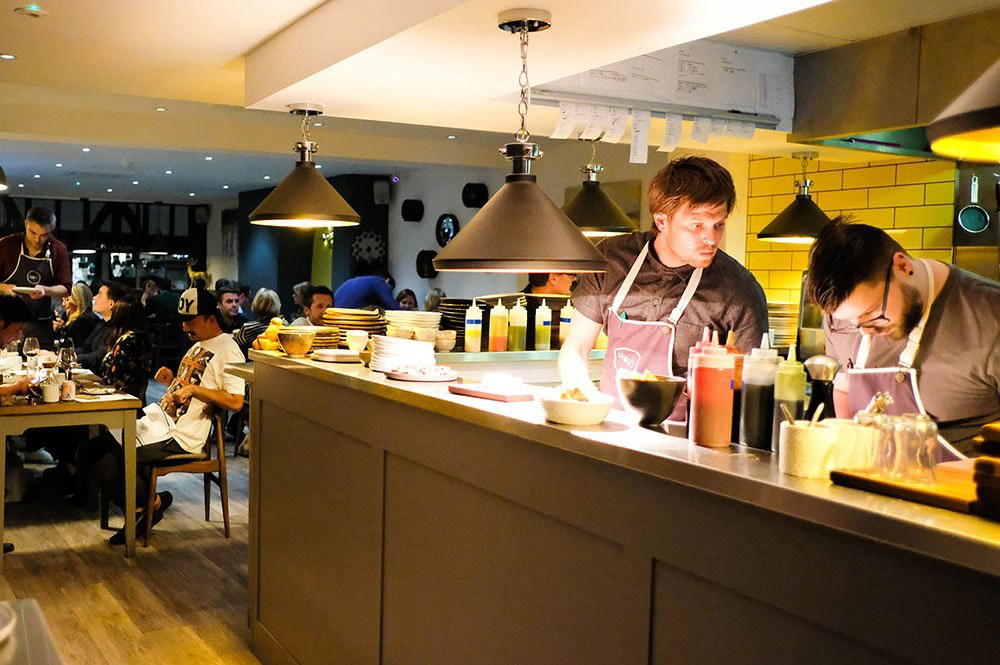
Relaxed and elegant atmosphere in a converted pub with a quiet city setting, though some guests note it can feel monotonous or noisy.