The Abbey Inn

Set against the Gothic ruins of Byland Abbey in the North York Moors, this pub with rooms operates at a different register to the average country pub. Chef Charlie Smith's kitchen draws on the nearby Banks family farm for rare-breed meats and local produce, while the drinks list spans seasonal cocktails, homemade libations, and Yorkshire-brewed ales. A serious dining destination that wears its ambitions lightly.
 Discover on Pearl
Pearl is the En Primeur Club membership app — saves, bookings, and concierge access live there. Same editors, same standards.
- Address
- The Abbey Inn, York YO61 4BD, United Kingdom
- Website
- abbeyinnbyland.co.uk
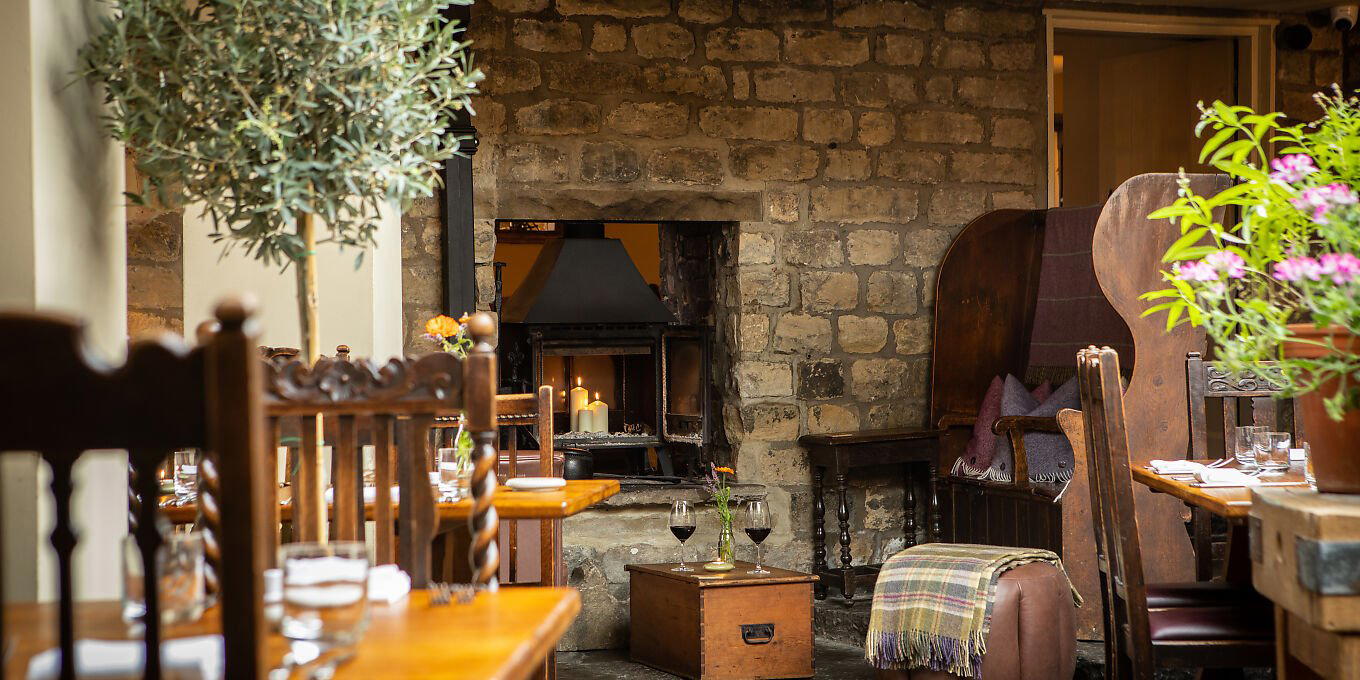
Stone walls, abbey ruins, and a drinks list with something to say
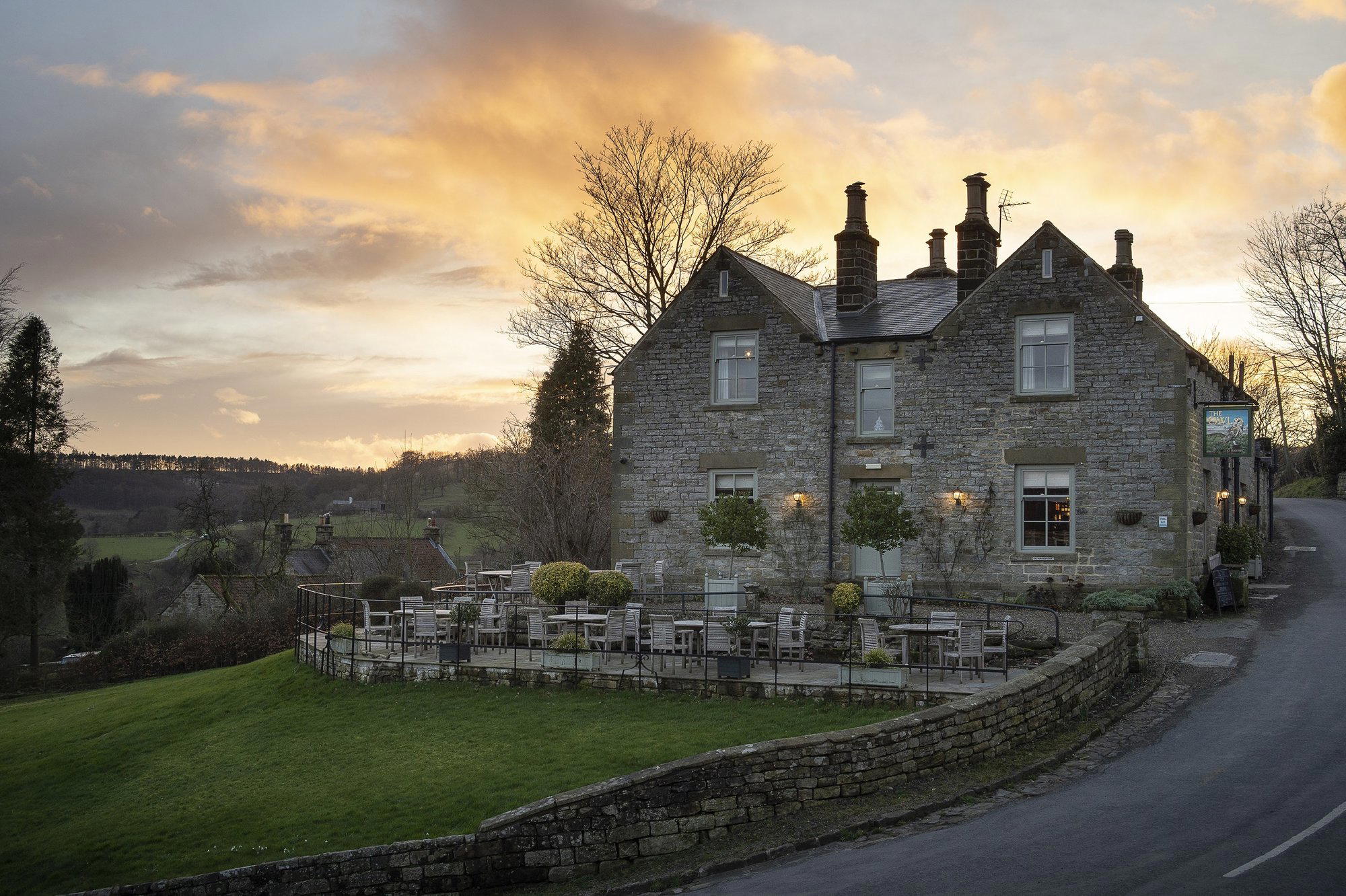
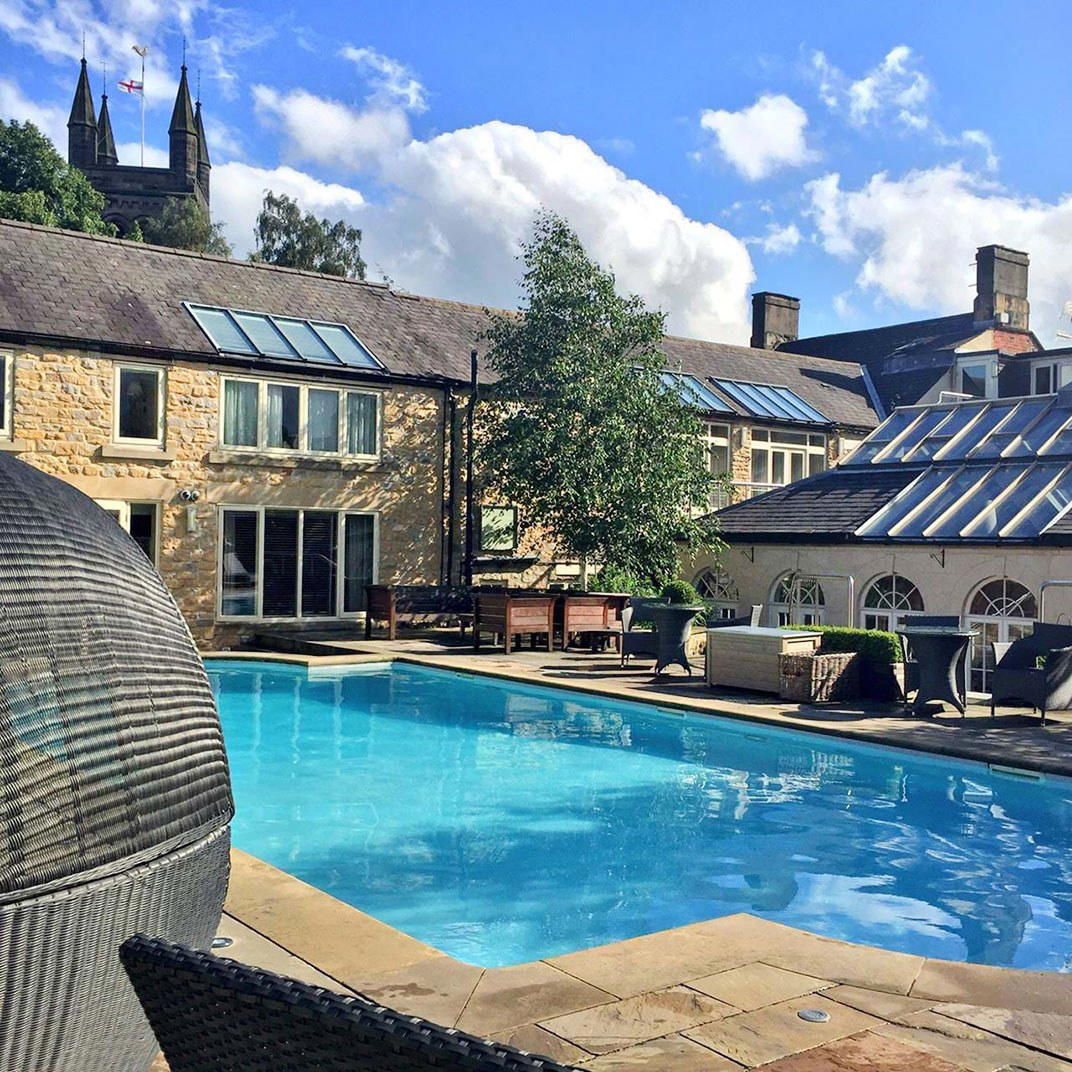
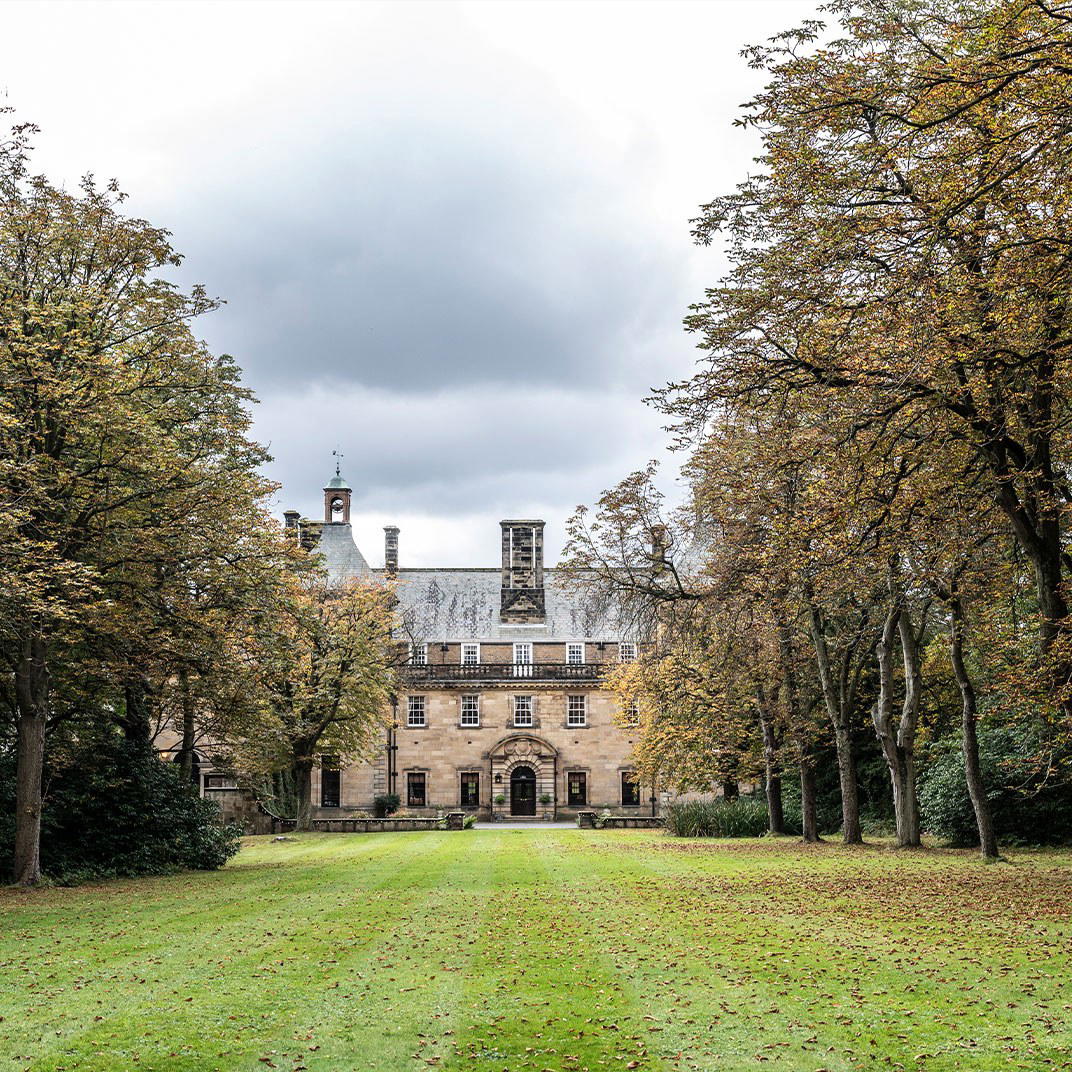
The approach to The Abbey Inn sets expectations immediately. Forested hills give way to open pasture, sheep graze the surrounding fields, and the Gothic stonework of Byland Abbey's ruins frames the entrance in a way that no interior designer could replicate. This is the North York Moors at its most elemental, and the pub sits within that landscape as if it has always been there, because in large part it has. What has changed is what happens inside.
The pub with rooms format occupies a particular niche in British hospitality, somewhere between a destination restaurant and a countryside retreat, with the informality of a local and the culinary ambition of somewhere considerably more formal. The Abbey Inn lands firmly in that bracket, and the drinks programme reflects the same layered thinking as the food operation.
The drinks: seasonal cocktails, homemade libations, and real ale on the same list
Few country pubs in the north of England approach the drinks list with the same editorial confidence as the Abbey Inn. The programme spans seasonal cocktails and homemade libations alongside a selection of Yorkshire-brewed real ales and a short but considered wine list with a good number of options available by the glass. That range matters: it allows the pub to function as a genuine local for drinkers who want nothing more than a pint in the small bar or snug, while also giving the dining rooms a drinks programme that can hold its own alongside a kitchen working at serious level.
The seasonal cocktail approach, building drinks around what is available and what is grown or foraged nearby, reflects a broader shift in British bar culture. Venues like 69 Colebrooke Row in London and Bramble in Edinburgh have built reputations around technical rigour and ingredient provenance in an urban context. The Abbey Inn applies similar thinking in a rural one, where the source of an ingredient is not a marketing point but a practical reality: the Banks family farm sits two miles from the front door. Homemade libations, then, are not a novelty affectation but a logical extension of that proximity.
The real ale offering grounds the venue in its geography. Yorkshire brewing has a long and specific tradition, and a pub this close to the Moors that did not pour local ale would be conspicuous by the omission. Here the ale sits naturally alongside the cocktail list rather than in opposition to it, a balance that venues like Mojo Leeds have found in an urban northern context and that Schofield's in Manchester pursues through a different kind of curation. The Abbey Inn's version is more pastoral but no less considered.
For those comparing the drinks ambition of British regional venues more broadly, the bar programmes at Merchant Hotel in Belfast, Horseshoe Bar in Glasgow, and Avon Gorge by Hotel du Vin in Bristol each represent distinct regional registers. The Abbey Inn's approach, anchored in provenance and seasonality rather than technique-forward theatrics, sits closer to the ethos you find at remote destinations like Digby Chick in the Outer Hebrides or Harbour View and Fraggle Rock Bar on Bryher, where geography determines the drinks character as much as any deliberate programme design. Even internationally, provenance-led drink culture at venues like Bar Leather Apron in Honolulu and design-led wine bars like L'Atelier Du Vin in Brighton show how far this thinking now reaches.
The rooms and the kitchen
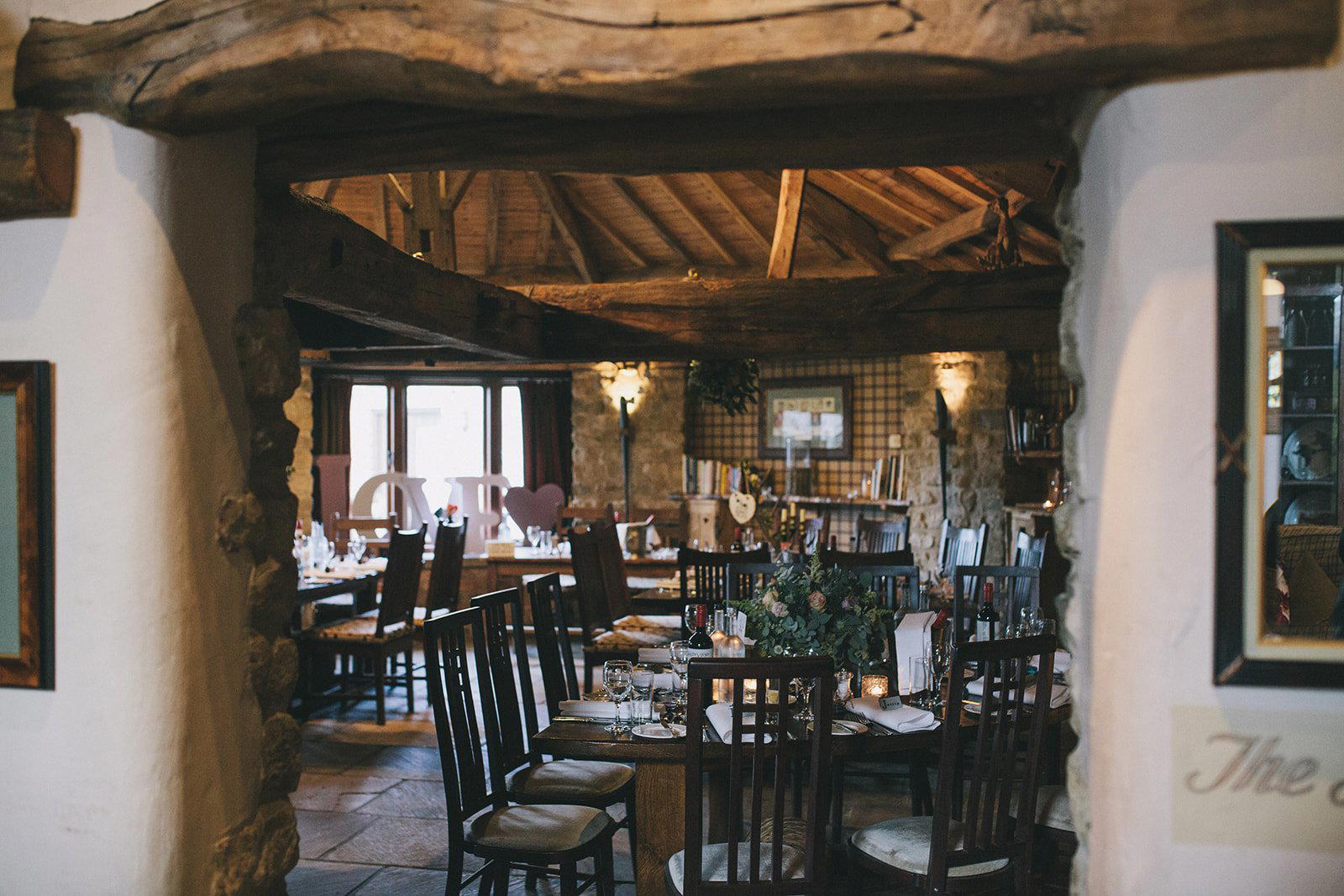
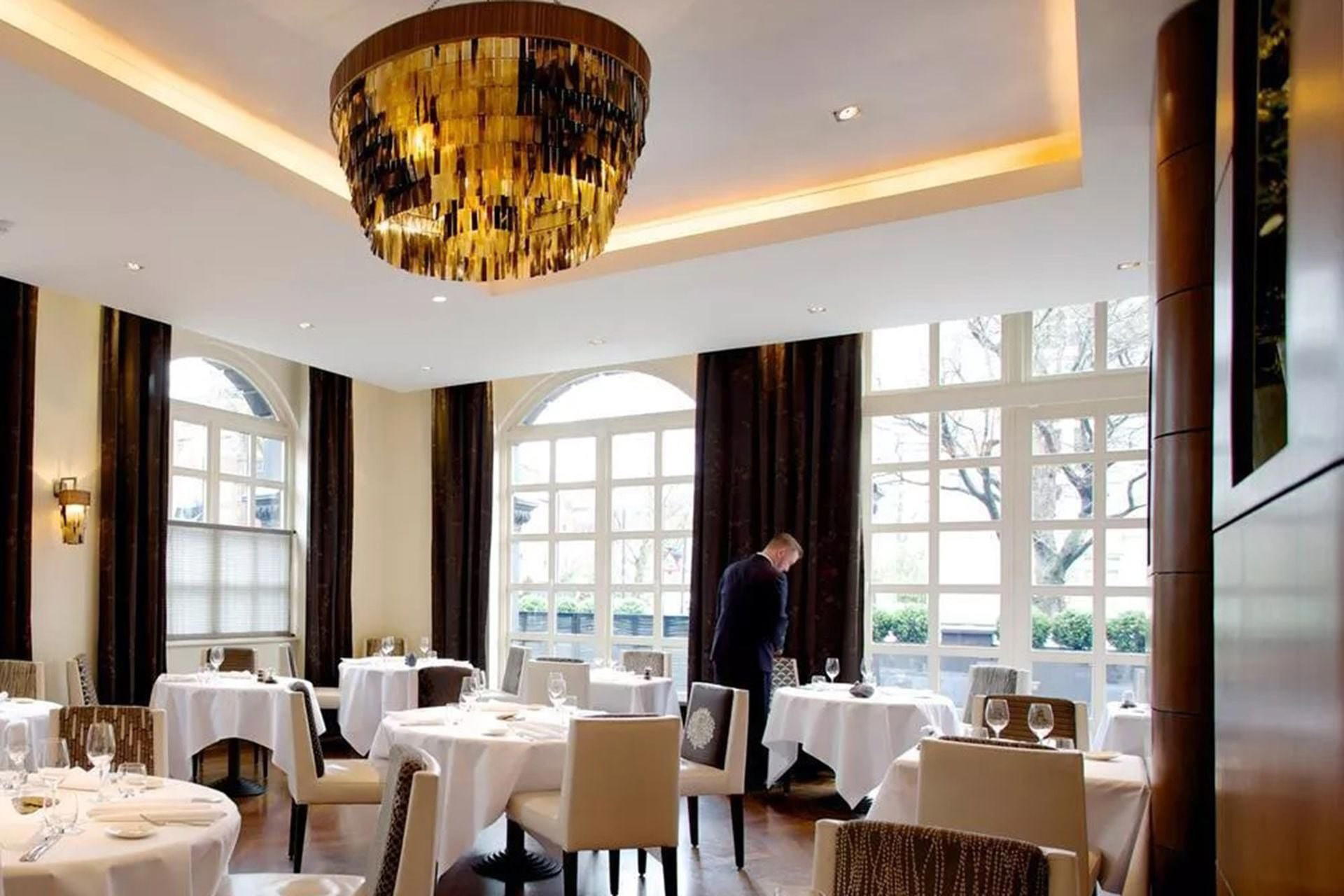
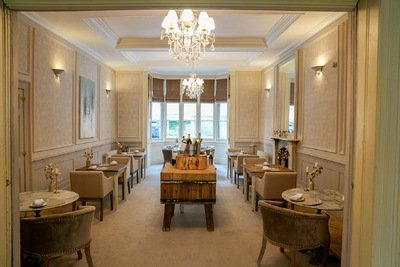
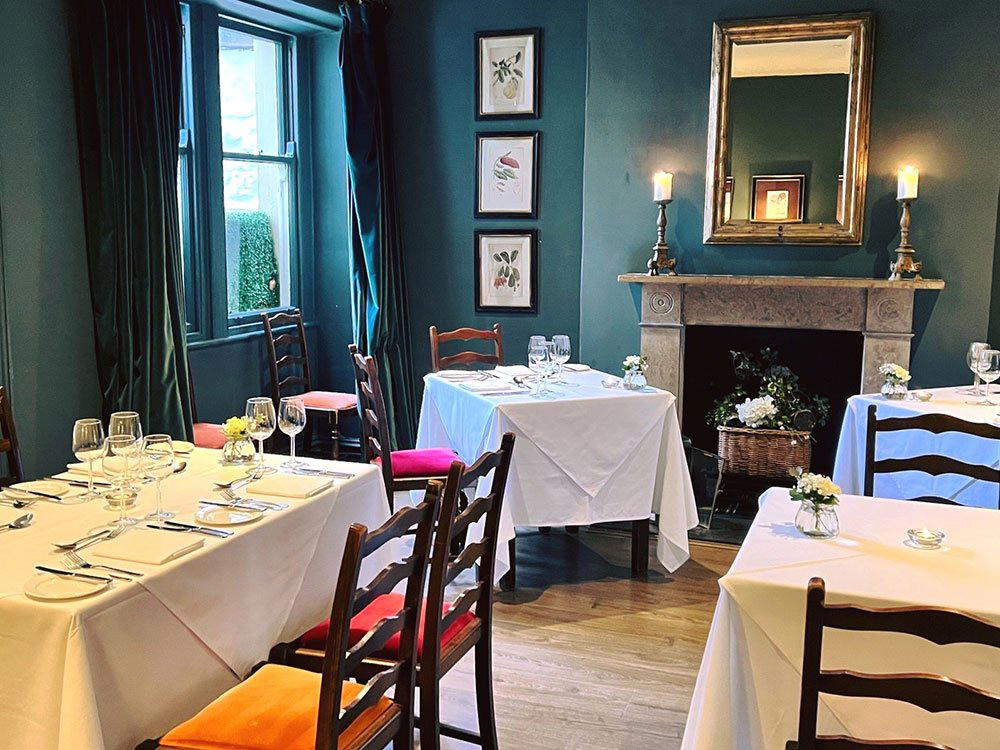
The interior distributes across three dining rooms, the most distinctive being the former piggery: a high-ceilinged space with exposed beams, giant flagstones, and a double-facing log-burning stove. A conservatory-style skylight draws light across the room in a way that shifts the mood between lunch and dinner. The smaller bar and snug offer an alternative register for those who arrive for a drink rather than a full meal, which is part of what gives the pub its genuine dual identity.
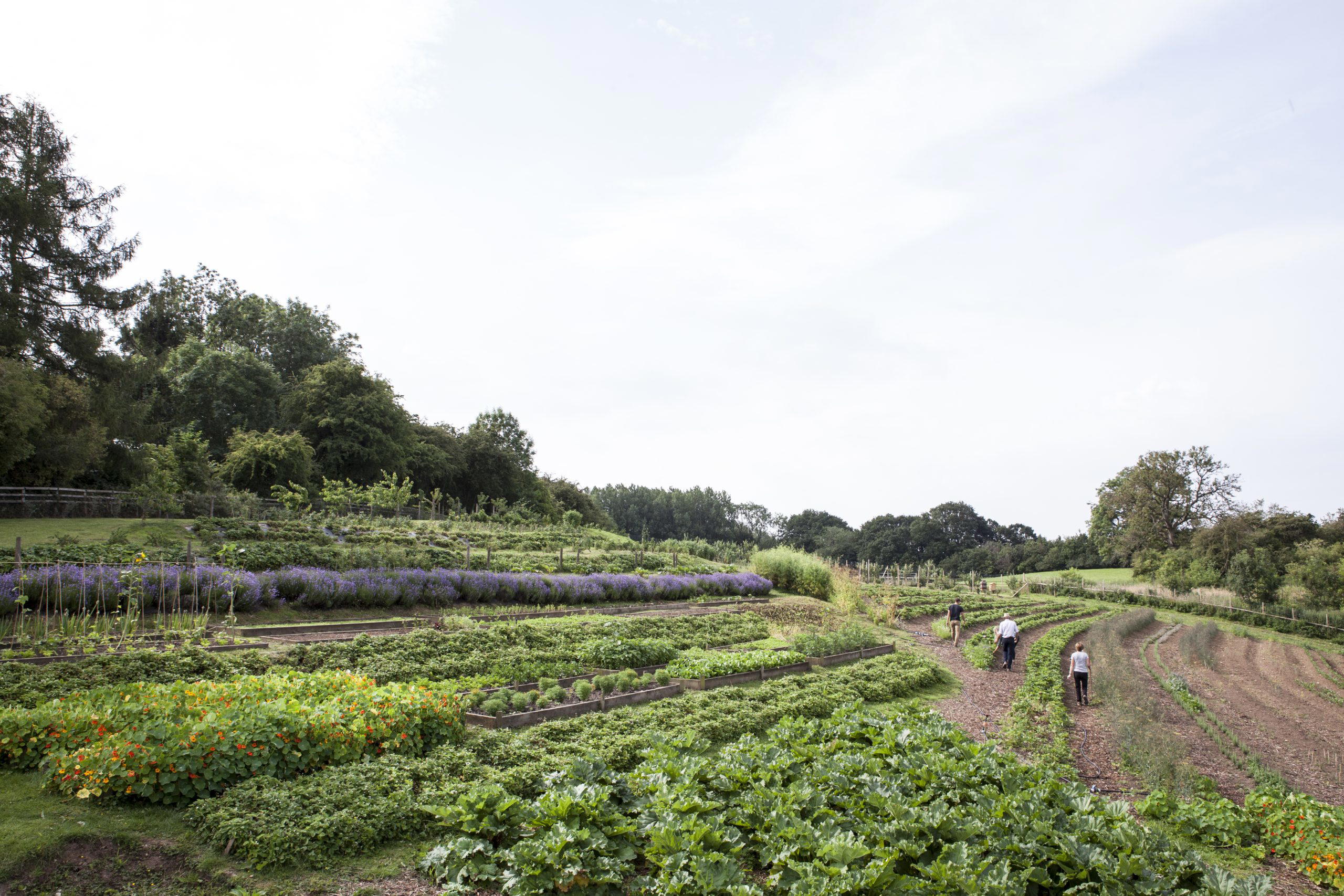
Chef Charlie Smith's kitchen draws directly from the Banks family farm, which supplies rare-breed meats including Berkshire pork and Herdwick lamb. The tartare, cut into uniform nuggets and dressed with wild horseradish, fermented peppers, and smoked bone marrow, demonstrates an approach that is modern and technically precise without announcing itself as such. Smoked beetroot with ewe's curd and preserved Yorkshire rhubarb on linseed crackers lands in similar territory. Sunday lunch brings the farm connection into sharper relief, with the rare-breed roasts among the stronger arguments for timing a visit accordingly.
The connection between the Abbey Inn and the Black Swan at Oldstead, the latter holding a Michelin star a short distance away, places both within the same family operation, and it informs the standards the kitchen works to. That pedigree shows in the sourcing, the technique, and in details as small as a soft-serve sundae finished with Douglas fir and blackcurrant, which reads as a deliberate act of flavour precision rather than a casual dessert afterthought.
Planning a visit
The Abbey Inn is located at York YO61 4BD, making it accessible from York itself and from the wider North York Moors. The pub with rooms format means overnight stays are possible, which makes more sense here than at most venues of this type given the remoteness of the location and the appeal of arriving for Sunday lunch without the pressure of a return drive. The drinks list, which includes wines by the glass and seasonal cocktails alongside local ales, functions well as an all-evening proposition whether or not a full meal is part of the plan. For those assembling a broader picture of eating and drinking in the region, our full Byland restaurants guide covers the wider context.
Quick Comparison
Comparable venues nearby, for context on price, style, and recognition.
| Venue | Cuisine | Price | Awards | Notes |
|---|---|---|---|---|
| The Abbey InnThis venue — the venue you are viewing | pub | $$ | 1 recognition | |
| The Abbey Inn | Modern British Gastropub | $$ | Michelin Plate | Byland |
| Pairings Wine Bar | wine_bar | $$ | 1 recognition | city centre |
| The Eskdale | pub | $$ | 1 recognition | Castleton |
| The Pack Horse | pub | $$ | 1 recognition | Hayfield |
| The Rum Fox | pub | $$ | 1 recognition | Grindleton |
At a Glance
- Cozy
- Rustic
- Relaxed
- Casual Hangout
- Celebration
- Group Outing
- Historic Building
- Garden
- Lounge Seating
- Outdoor Terrace
- Classic Cocktails
- Craft Beer
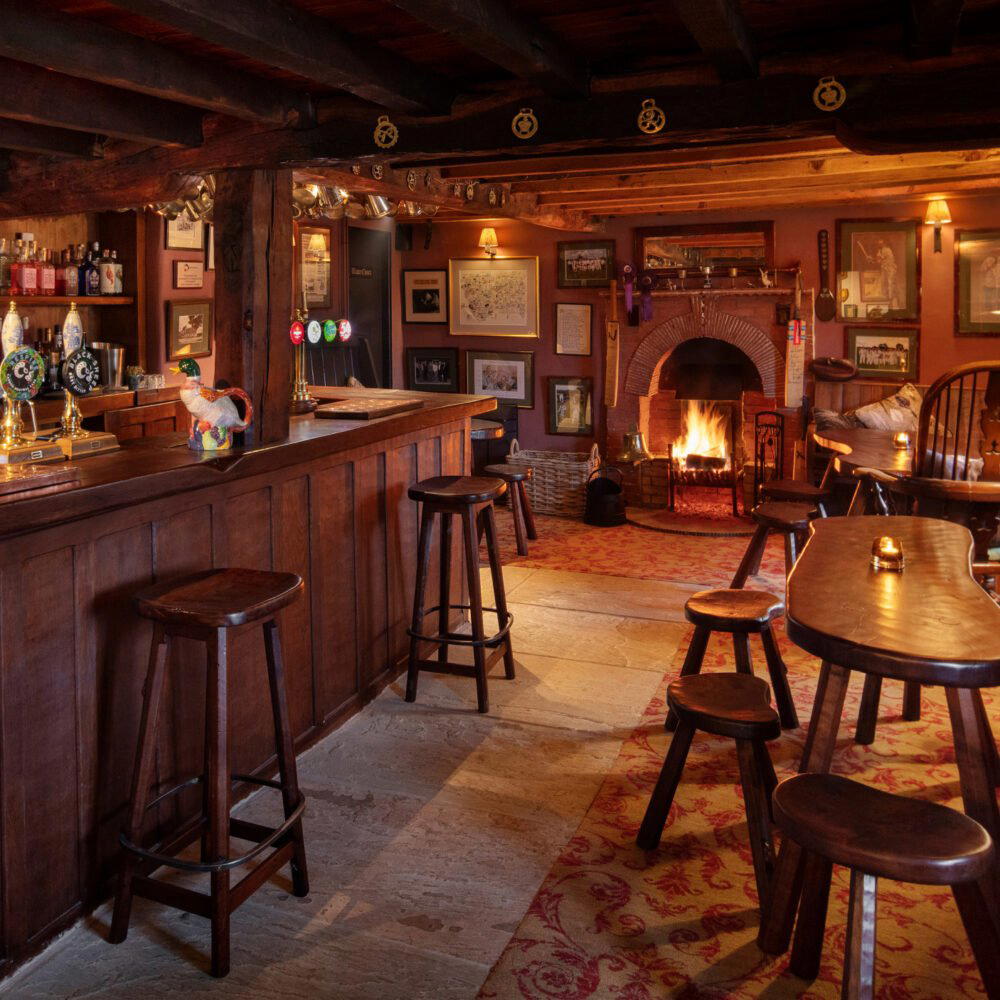
Cozy with flagstone floors, colorful throws, blazing fires in winter, relaxed mood, and handsome rustic finishes.