Grays Court Hotel and The Bow Room Restaurant

La Liste Top Hotels
Set within a medieval townhouse on Chapter House Street, yards from York Minster, Grays Court occupies one of the city's oldest domestic buildings. The Bow Room Restaurant extends into a walled garden that has been in use for centuries. A 93.5-point score in the 2026 La Liste Top Hotels ranking places it among Britain's most recognised historic properties.

Pearl is the En Primeur Club membership app, where members save venues, book tables and use the concierge.
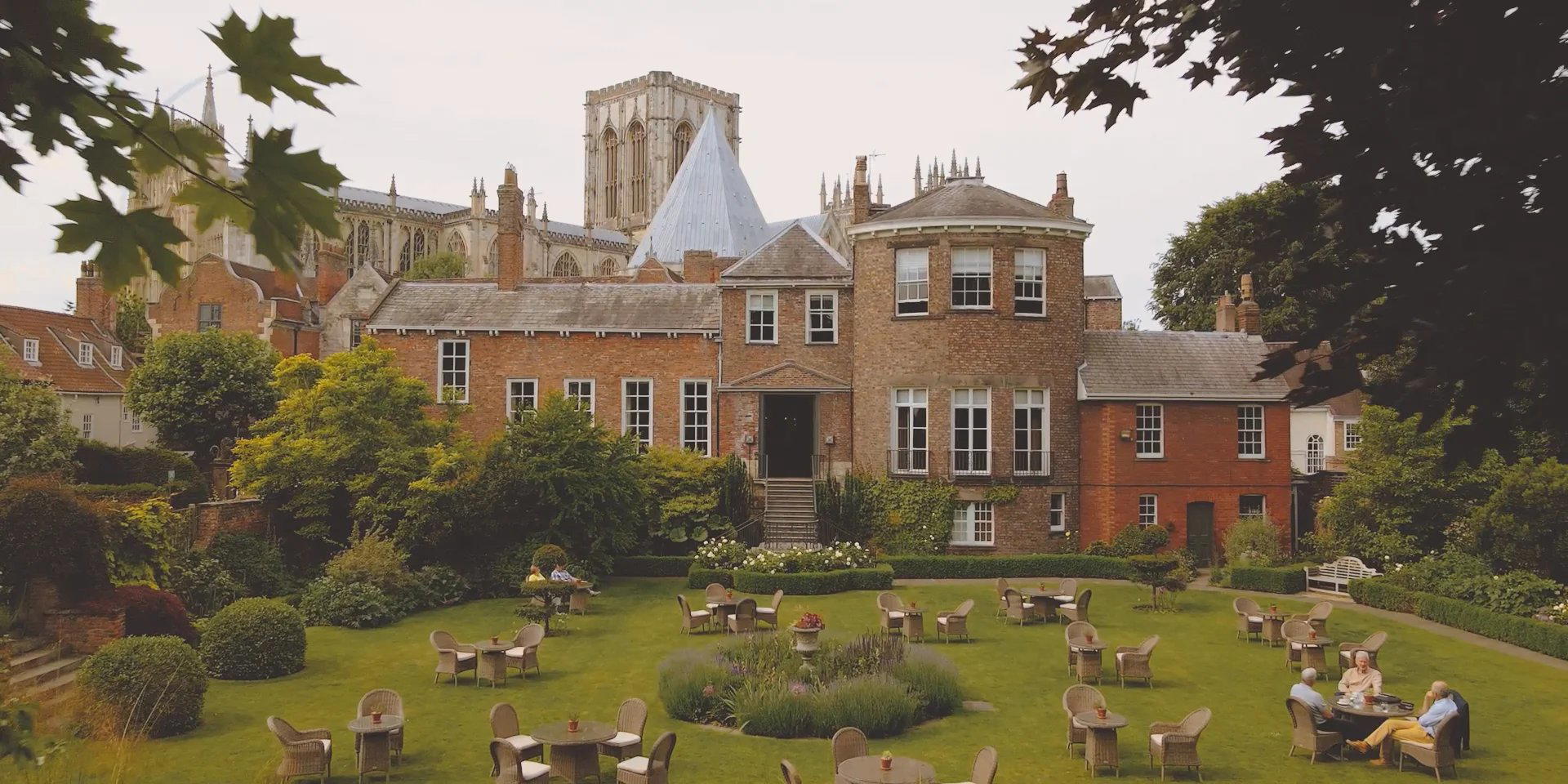
A Building That Predates the Hotel Category Itself
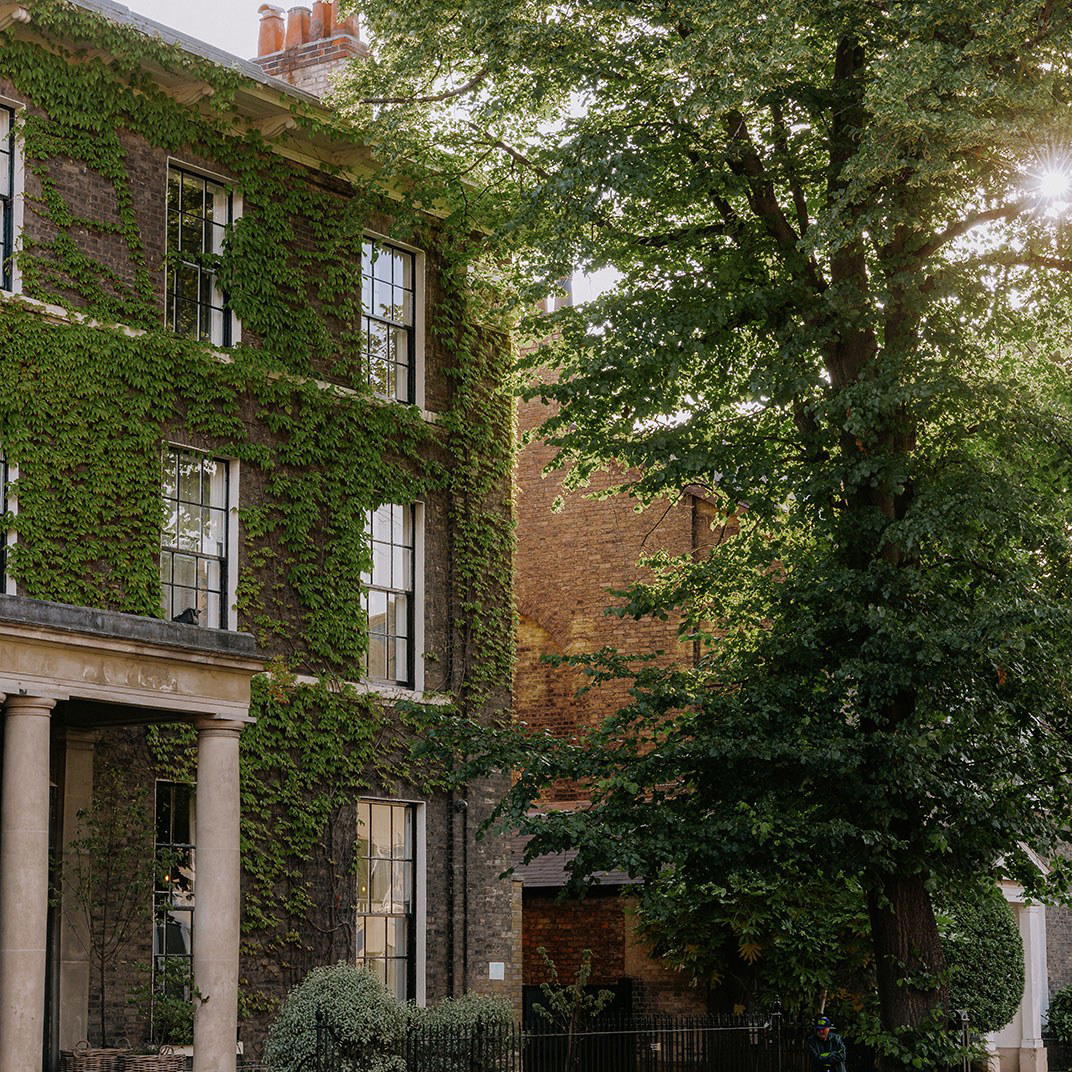
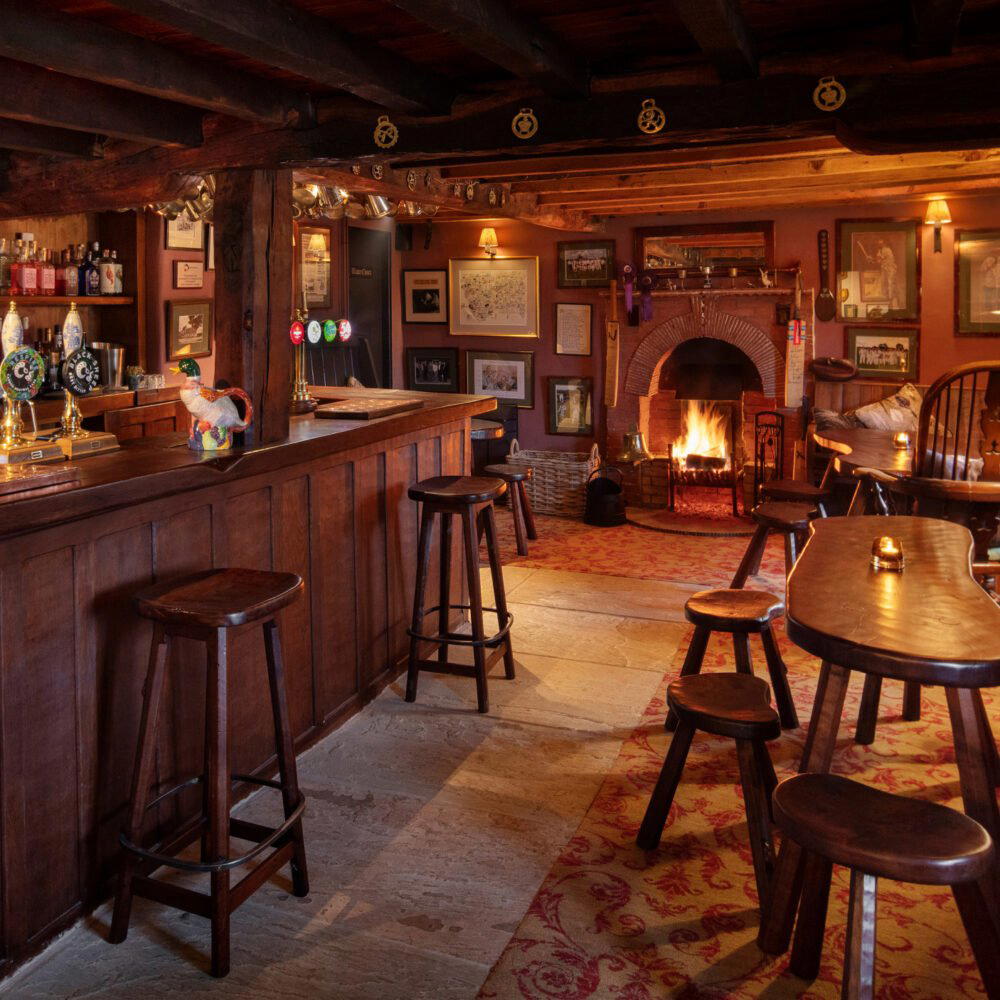
Chapter House Street runs along the north flank of York Minster, and the structures on it were already old when the hotel industry as a concept did not yet exist. Grays Court occupies a medieval townhouse on this street, a property with documented use stretching back to the eleventh century, when it served as a residence for the canons of the Minster. What makes this particular address unusual in the context of British hospitality is not simply the age of the building but the degree to which its architectural fabric has survived intact. Timber-framed interiors, a long gallery of Tudor origin, and a walled garden that has been enclosed and cultivated for several hundred years are not reconstructions or period-appropriate interventions. They are the original structure, in continuous use.
For a reader calibrating where Grays Court sits in the broader field of historic British hotels, the 2026 La Liste Leading Hotels ranking provides a useful coordinate. The property scored 93.5 points, placing it within a tier that includes properties far larger and considerably better resourced in terms of amenity count and room volume. La Liste's methodology weights guest experience, culinary offer, and service consistency against each other, which means a 93.5 from a small-key historic house is a different kind of achievement than the same score from a full-service urban hotel with a spa, multiple restaurants, and a concierge floor. Properties such as Claridge's in London and Gleneagles in Auchterarder operate at enormous scale relative to Grays Court, which makes the score a signal about depth of experience rather than breadth of facilities.
The Bow Room and the Walled Garden
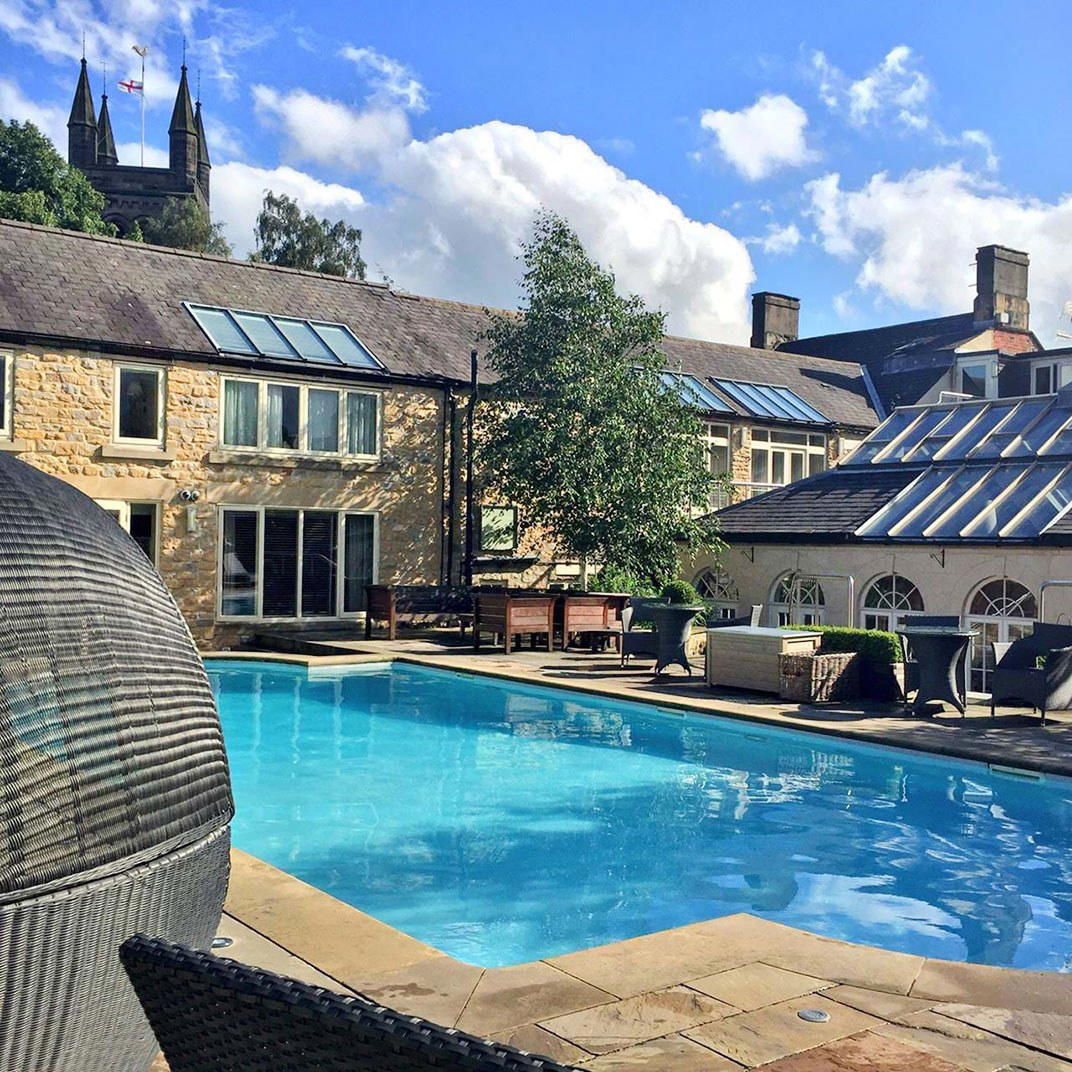
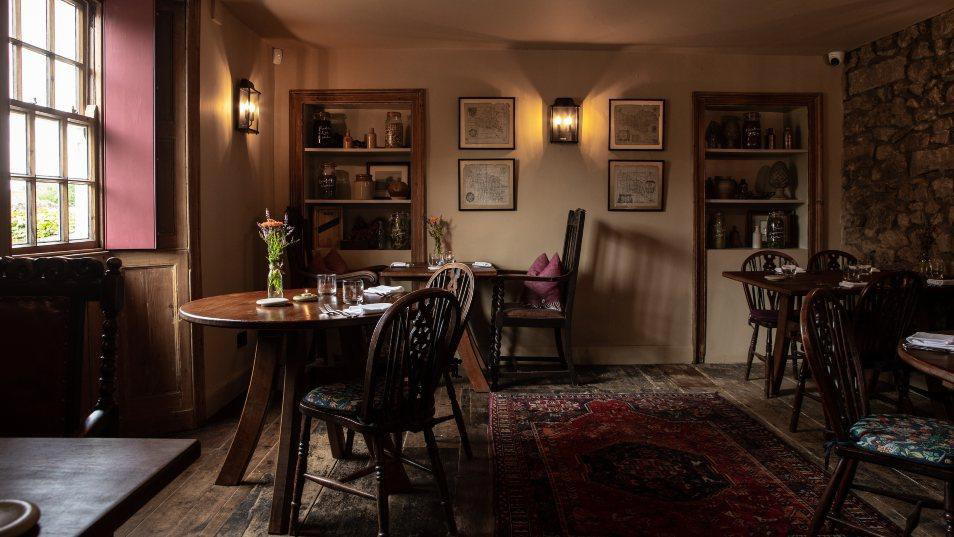
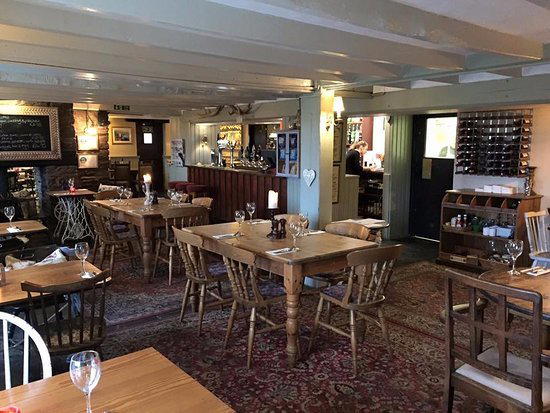
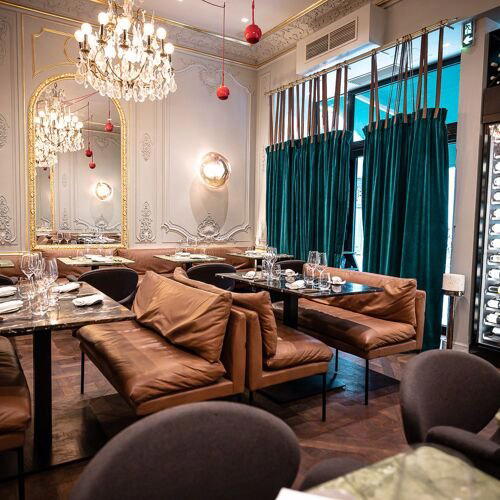
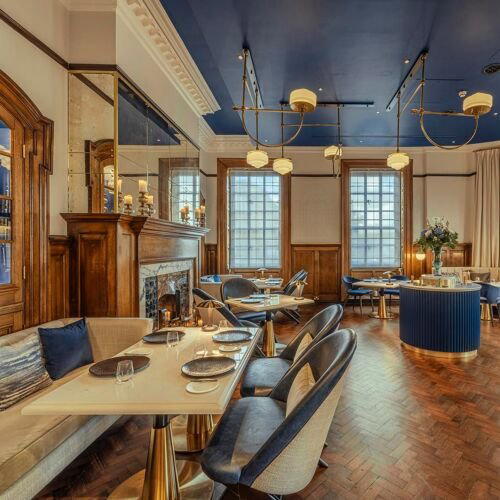
Britain has a well-established tradition of house-hotel dining rooms where the setting does a significant share of the work. The better ones use architectural specificity to frame the meal rather than relying on conventional restaurant design. The Bow Room Restaurant at Grays Court operates within this tradition, drawing on a room with original period features that position it within the Minster precinct's built history. In summer months, the walled garden becomes an extension of the dining experience, offering one of the few genuinely enclosed historic garden settings in central York at this level of service.
York's dining scene at the upper end has historically been modest relative to comparable English cathedral cities. There is no concentration of Michelin-starred restaurants of the kind found in Harrogate or the broader North Yorkshire area, which means properties with strong kitchen programmes tend to absorb a disproportionate share of the special-occasion dining market. The Bow Room's position within a destination hotel on Chapter House Street places it in direct competition with the dining operations at properties such as The Grand York, where scale and a different architectural heritage produce a contrasting offer. For visitors whose priority is the room-to-table continuity of eating in the same historic building where they are sleeping, Grays Court has no direct equivalent in the city centre.
What the Architecture Does That Design Cannot
The design-led boutique hotel that characterises much of contemporary British hospitality, including properties like Estelle Manor in North Leigh and The Newt in Somerset, achieves its character through deliberate curatorial decisions, the selection of materials, the commissioning of furniture, the framing of views. Grays Court achieves its character through the opposite condition: the building already existed, in full, before any hospitality intention was applied to it. The long gallery is not designed to feel historic. It is historic. This is a meaningful distinction for the kind of traveller who has spent time in both categories and can tell the difference between a room that has been aged and a room that has aged.
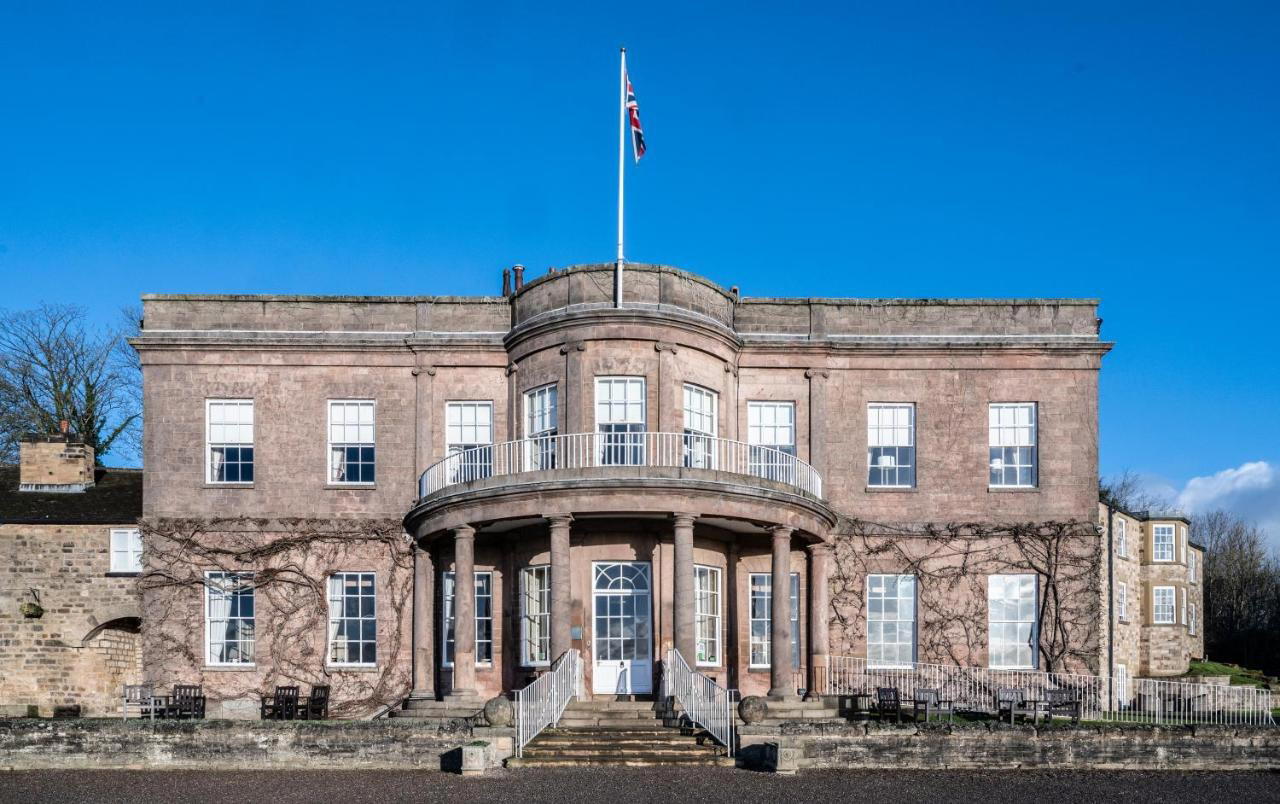
Across the broader range of small British hotels where architectural inheritance is the primary asset, the competitive set is geographically dispersed. Babington House in Kilmersdon, Lime Wood in Lyndhurst, and Burts Hotel in Melrose each use a historic house context differently, with varying degrees of contemporary intervention. Grays Court sits at the more conservative end of that spectrum, where the intervention is restrained and the original fabric is the primary experience on offer.
York as a Context for This Kind of Stay
York concentrates more listed buildings per square mile than almost any other English city. The area immediately around the Minster, including Goodramgate, Ogleforth, and the College Street approaches, contains domestic and ecclesiastical architecture spanning the Norman period through to the late Georgian. Chapter House Street itself is part of this dense historic core. A stay at Grays Court therefore carries a locational logic that extends beyond the property: guests are inside one of the most architecturally coherent medieval precincts in northern Europe, a context that few hotels in Britain can claim with the same geographic precision.
For visitors arriving by rail, York station sits approximately fifteen minutes on foot from Chapter House Street, with the route passing through the city walls at Micklegate Bar and along streets with substantial period character. This matters because the approach to the hotel is itself an extension of the architectural argument the property makes, something that cannot be said of airport-adjacent luxury or motorway-proximate country houses. The journey into the property is, in this case, a meaningful part of the experience.
Other hotels across the north of England offer their own architectural appeals: King Street Townhouse Hotel in Manchester works with Victorian civic architecture, Hope Street Hotel in Liverpool with a converted Georgian terrace context, and The Nevada offers a contrasting register within York itself. None replicates the Minster-precinct position and medieval residential fabric that defines Grays Court's specific offer. Guests looking for a fuller picture of what York's hospitality tier includes can consult our full York restaurants guide.
Planning a Stay
Grays Court is located at Chapter House Street, York YO1 7JH, within the Minster precinct and a short walk from the cathedral's north transept. Given the property's size and the specificity of its offer, booking well in advance is advisable, particularly for summer and bank holiday periods when York's visitor numbers peak and rooms at smaller historic properties fill earliest. The Bow Room Restaurant draws both hotel guests and outside visitors, and the walled garden element is subject to weather and seasonal availability. For guests comparing the top tier of British historic houses, properties such as Muir, A Luxury Collection Hotel, Halifax and Malmaison Edinburgh represent adjacent points of reference in the northern England and Scotland market, each operating with different architectural inheritances and brand affiliations at comparable or overlapping price positioning.
How It Stacks Up
Comparable venues nearby, for context on price, style, and recognition.
| Venue | Cuisine | Price | Awards | Notes |
|---|---|---|---|---|
| Grays Court Hotel and The Bow Room RestaurantThis venue (the venue you are viewing) | Restored historic townhouse with antique-filled rooms and lush private gardens | $300–500 | La Liste Top Hotels | Not listed |
| The Grand York | Historic Edwardian palace reimagined as contemporary luxury hotel blending period architecture with modern amenities. | $300–500 | Michelin Selected · Condé Nast Johansens Best Afternoon Tea | City Centre |
| No. 1 by GuestHouse, York | Grade II Listed Regency townhouse with playful modern reinvention preserving antique features. | $300–500 | Michelin Selected | Clifton |
| The Edwardian Manchester, A Radisson Collection Hotel | Historic landmark reimagined as a modern luxury lifestyle destination | Not listed | Michelin Selected · Virtuoso Luxury Hotel Partner | city centre |
| 60 Hyde Park Gate Hotel | Ornate Victorian mansion blending traditional architecture with contemporary luxury and Italian-inspired design. | Not listed | 5-Star | Kensington and Chelsea |
| Hotel du Vin at One Devonshire Gardens | Victorian townhouse luxury | $300–500 | Michelin Selected | West End |
Recognition history
Dated appearances from independent guides and award organizations, with the underlying list record or original source where available.
La Liste Top Hotels
La Liste
Continue exploring
More in York
Hotels in York
All hotels in York →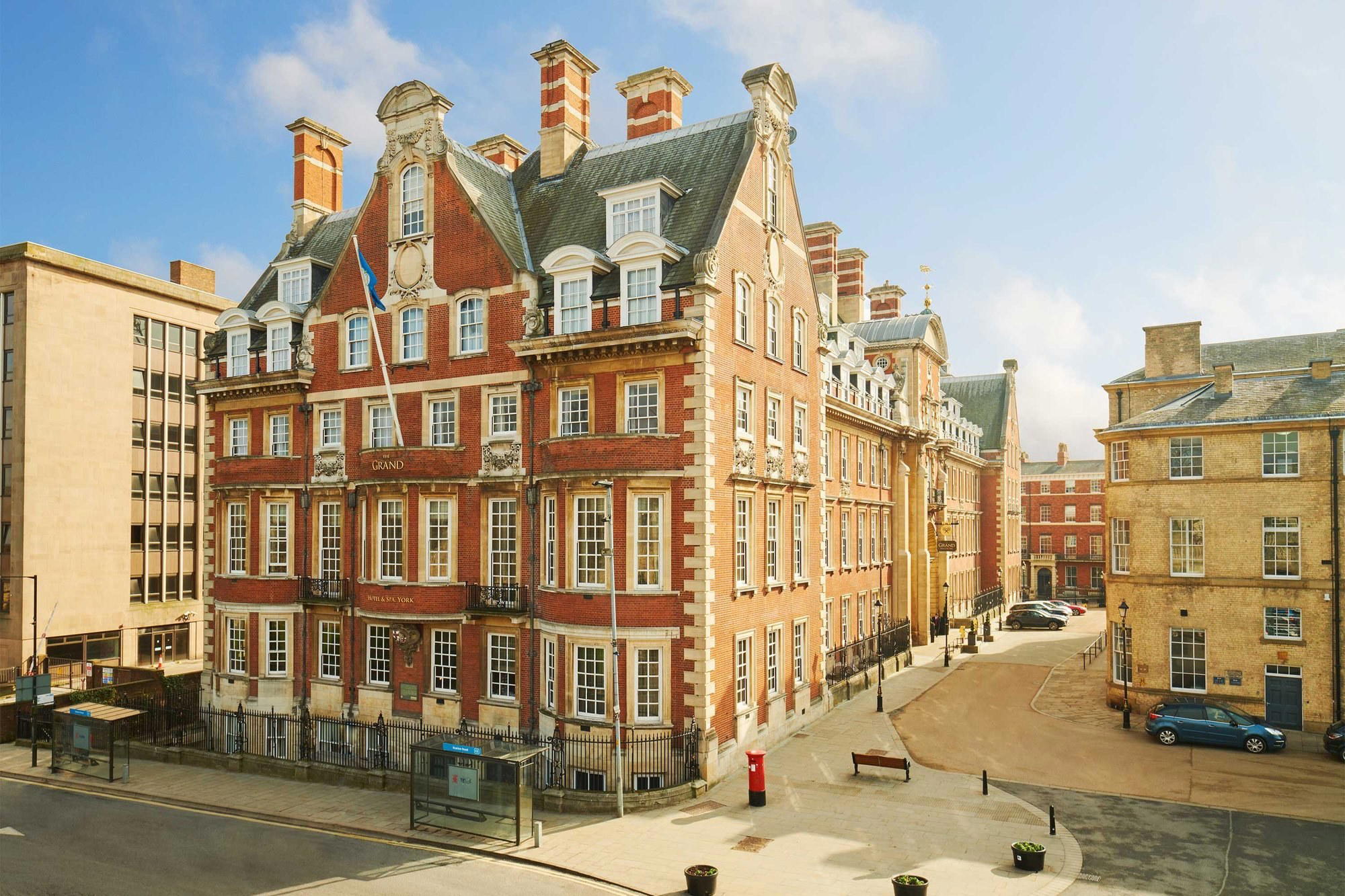
Details
- Romantic
- Quiet
- Elegant
- Classic
- Cozy
- Intimate
- Sophisticated
- Romantic Getaway
- Anniversary
- Weekend Escape
- Historic Building
- Garden
- Wi Fi
- Room Service
- Garden
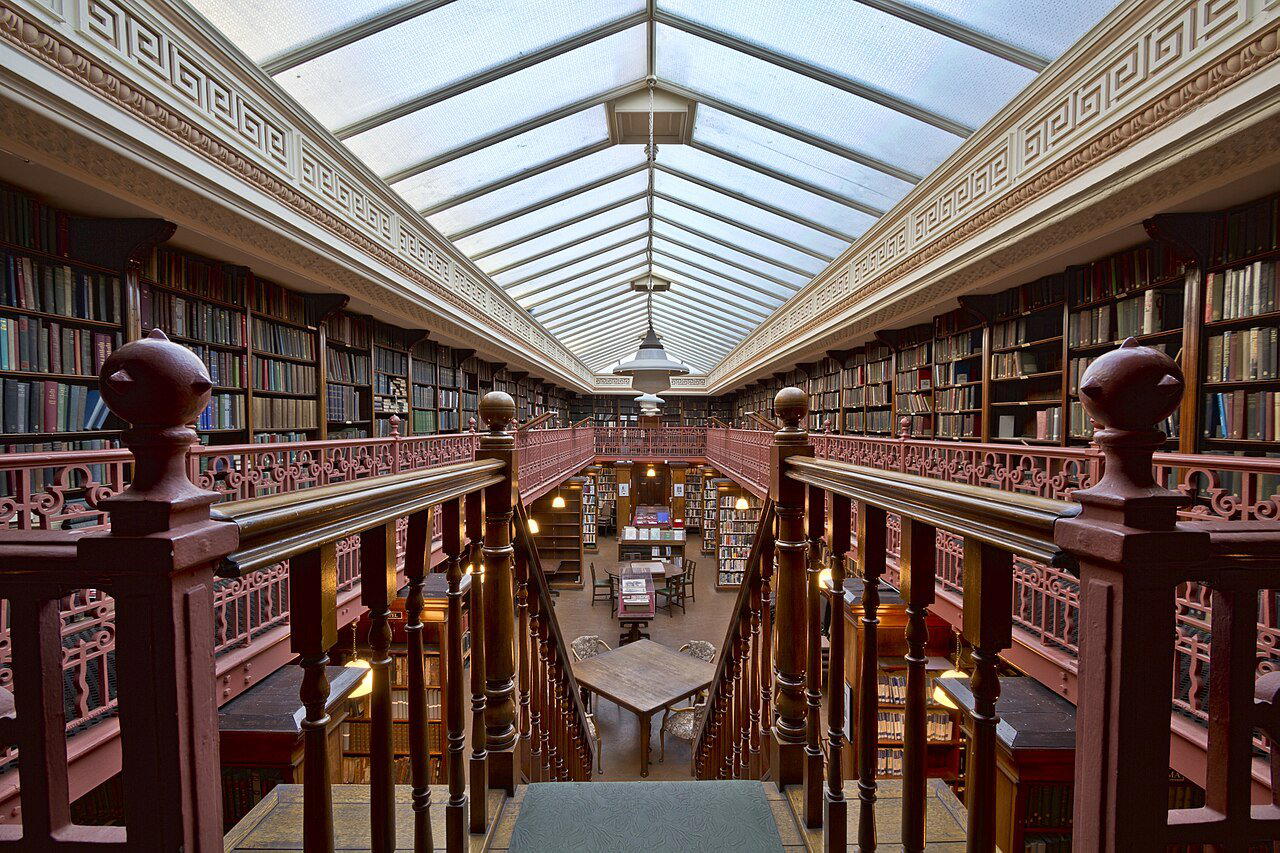
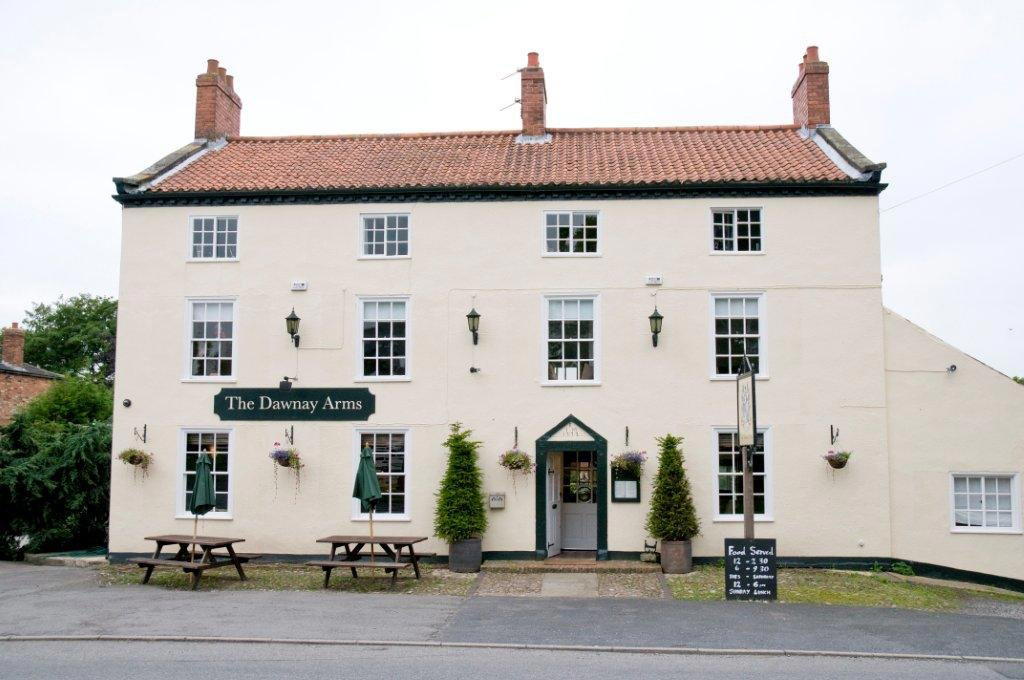
Elegant and peaceful historic atmosphere with warm lighting, cozy lounges, and serene garden views praised for its relaxing haven-like feel.