The Garden City Hotel



Star Wine List · Forbes Recommended · Preferred Hotels L.V.X. Collection
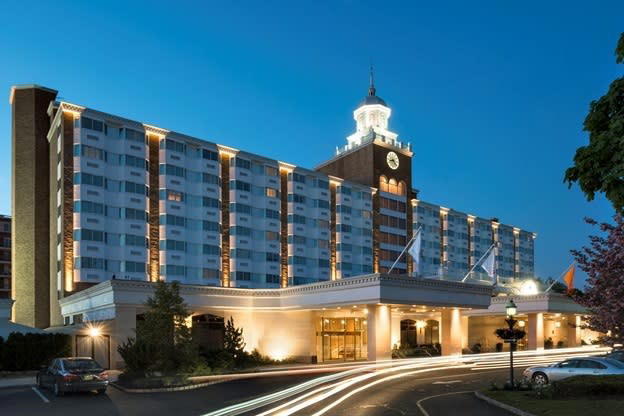
NYC chef David Burke oversees four dining venues on-site, and the nine-floor club level offers keyed elevator access with daily food and beverage perks. The hotel sits seven landscaped acres from Garden City's village centre, directly across the park from the Long Island Rail Road.

Pearl is the En Primeur Club membership app, where members save venues, book tables and use the concierge.
Long Island's Enduring Luxury Standard
Suburban luxury hotels occupy an awkward position in the American market: too far from the city to compete on access, too rooted in local history to pivot toward boutique minimalism. The Garden City Hotel sidesteps that tension by leaning on nearly 150 years of continuous operation, a record that makes it the longest-running luxury property on Long Island. That kind of longevity doesn't guarantee relevance, but it does confer a particular confidence, the hotel knows what it is and prices, programs, and staffs accordingly.
The property sits on seven landscaped acres in Garden City, a Nassau County village whose broad, tree-lined streets and early-twentieth-century mansion architecture set a tone that most suburban hotels struggle to match. The hotel's position across the park from the Long Island Rail Road station is more useful than it might first appear: the LIRR puts Penn Station roughly 45 to 50 minutes away, which means the hotel functions as a legitimate base for New York City access without Manhattan hotel rates. For international travelers comparing options, properties like Aman New York, The Carlyle, A Rosewood Hotel, or The Mark operate at a different price tier and with Manhattan immediacy. The Garden City Hotel offers a distinct value: space, quiet, and a dining programme that punches well above its suburban context.
The David Burke Dining Programme
Celebrity chef partnerships at hotels tend to produce uneven results, a recognisable name on the menu, a handful of signature dishes that travel well in PR, and food that rarely justifies the billing. The Garden City Hotel's arrangement with David Burke runs deeper than that. Burke oversees four distinct venues on the property: the Red Salt Room, King Bar, Patio Bar, and the Rose Room, giving the dining programme genuine variety rather than a single concept stretched across different rooms.
Burke is among a cohort of New York chefs whose public profile is inseparable from a small set of instantly recognisable dishes. The candied bacon on a clothesline, surf-and-turf dumplings, and the Himalayan sea salt dry-aging technique applied to beef are not mere signatures, they have become shorthand for a particular kind of theatrical, technically grounded American cooking that Burke has refined over decades. At a suburban property, those reference points matter: guests arriving for a weekend stay or a corporate event know, more or less, what the kitchen will deliver.
The hotel also holds a Star Wine List recognition for 2026, a credential that signals the wine programme across these venues has been assessed and found to meet a documented standard. Travelers who have visited properties with serious wine programmes, such as Auberge du Soleil in Napa or SingleThread Farm Inn in Healdsburg, will find the Garden City Hotel's list credentialed, if operating at a different scale and price point.
The Saturday afternoon tea, a traditional British format running from 2 to 4 p.m. each week, with a separate menu for children, adds a programming layer that has built its own following. It's a format that works well in this kind of setting: a large, historically grounded hotel with the physical space and service staffing to execute a seated tea service properly.
The Lobby and Common Spaces
Hotel lobbies in the American luxury segment have split between two dominant approaches: the high-design statement arrival (favoured by newer urban properties like The Fifth Avenue Hotel or Crosby Street Hotel) and the curated-familiar approach that prizes comfort and local reference over spectacle. The Garden City Hotel's lobby falls into the second category, with original artwork from Indiewalls, a local arts organisation, available for viewing and purchase. It's a genuinely local curation model rather than a contracted art advisory programme, and it connects the building to the Nassau County creative community in a way that feels functional rather than decorative.
The lower level houses Red Hots Spa, a fitness centre equipped with Technogym machines, and a heated indoor pool with access to an outdoor patio. The Technogym specification is worth noting for regular gym users: it's a commercial-grade brand used in high-end fitness facilities internationally, which sets it apart from the generic hotel gym equipment found at comparable suburban properties. For guests comparing wellness-focused stays, properties like Canyon Ranch Tucson or Kona Village, A Rosewood Resort in Kailua Kona operate at a different scale, but within the suburban New York hotel category, the Red Hots Spa complex is a meaningful differentiator.
Rooms and the Club Level
Standard rooms across the property's 280 keys measure 392 square feet, a size that positions them comfortably within the upper-mid luxury tier for the New York metro area, where room dimensions often shrink as location premiums rise. Rooms are finished in soft grey and white with wainscoting and traditional moulding details, and the bed configuration runs to king or two double options. In-room amenities include a 47-inch television, safe, mini-fridge, Keurig coffee maker, Frette robes and slippers, and a Luxe Dreams pillow-leading mattress with an accompanying pillow menu. Bathrooms carry Carrara tile floors and Gilchrist and Soames products, with Deluxe King rooms offering shower-only configurations behind etched glass, and Deluxe Double rooms including a bathtub.
The ninth-floor club level is where the tier distinction becomes meaningful. Keyed elevator access creates a separation between club-floor guests and the wider hotel population, and the wood-panelled Club Lounge operates a genuinely useful daily programme: continental breakfast, afternoon charcuterie and cheese, and all-day soft drinks and snacks by a fireplace. For guests who value those touchpoints, the club floor effectively functions as a smaller hotel within the hotel, and the privacy dividend is real in a 280-room property.
Pets are accommodated with dedicated amenities including arrival treats, plush beds, and pet sitting or walking services on request, a level of pet hospitality that goes beyond simple fee-based acceptance and has become a point of difference for travellers with animals.
Garden City's Village Context
The hotel's immediate surroundings reward exploration on foot. Garden City's village boutiques and Restaurant Row are within walking distance, and the neighbourhood's architectural character, gracious mansions, wide streets, mature trees, provides a physical setting that most American suburban hotel districts don't approach. The scale is human rather than commercial, which matters for guests arriving from dense urban environments.
For those considering the Long Island hotel in the context of a longer East Coast or American trip, the property sits within reasonable range of other distinct regional stays. Troutbeck in Amenia offers Hudson Valley country-house character to the north, while Raffles Boston anchors the other end of the Northeast corridor. Further afield, Four Seasons at The Surf Club in Surfside, Little Palm Island Resort and Spa in Little Torch Key, Post Ranch Inn in Big Sur, Sage Lodge in Pray, Amangiri in Canyon Point, Hotel Bel-Air in Los Angeles, and 1 Hotel San Francisco each represent different American luxury registers worth comparing for a multi-stop itinerary. For international reference, Aman Venice, Badrutt's Palace Hotel in St. Moritz, and Bvlgari Hotel Tokyo frame the upper end of the global luxury hotel category that the Garden City Hotel connects to by lineage, if not by price tier.
The broader New York dining and hotel context is covered in our full New York City restaurants guide, which maps properties and restaurants across Manhattan and the outer boroughs. For Manhattan-based luxury with a different profile, more urban, more design-forward, Casa Cipriani New York, The Whitby Hotel, and The Greenwich Hotel each operate in a different register. The Garden City Hotel's proposition is distinct: Long Island's longest-running luxury property, with a serious dining programme, a credentialed wine list, and seven acres of grounds that no Manhattan property can replicate.
Know Before You Go
- Address: 45 7th Street, Garden City, New York 11530
- Rooms: 280 total; standard rooms at 392 sq ft; club-level rooms on the ninth floor with keyed elevator access
- Dining: Red Salt Room, King Bar, Patio Bar, Rose Room, all under David Burke's oversight
- Afternoon Tea: Traditional British format, Saturdays 2–4 p.m.; children's menu available
- Wellness: Red Hots Spa, Technogym fitness centre, heated indoor pool with outdoor patio access
- Wine Recognition: Star Wine List (2026)
- Guest Rating:
- Transit: Long Island Rail Road station across the park; approximately 45–50 minutes to Penn Station, Manhattan
- Pets: Welcome, with dedicated amenities and pet sitting or walking on request
- Club Level Perks: Continental breakfast, afternoon charcuterie and cheese, all-day soft drinks and snacks in the Club Lounge
Booking and Cost Snapshot
Comparable venues nearby, for context on price, style, and recognition.
| Venue | Price | Awards | Notes |
|---|---|---|---|
| The Garden City HotelThis venue (the venue you are viewing) | Not listed | Star Wine List · Forbes Recommended | Not listed |
| Royalton Park Avenue | $300–500 | Preferred Hotels Member | Midtown South-Flatiron-Union Square, Luxury boutique hotel positioned as the cornerstone of the NoMad neighborhood, blending contemporary design with upscale hospitality. |
| The Knickerbocker | $300–500 | Leading Hotels of World Member | Midtown-Times Square, Contemporary luxury lifestyle hotel in historic Beaux-Arts building |
| Waldorf Astoria | Not listed | 2 Michelin Keys · Star Wine List | Midtown East, Flagship Park Avenue grande dame blending restored landmark glamour with contemporary ultra-luxury service and residences. |
| The Chatwal - The Unbound Collection by Hyatt | $500–750 | Star Wine List · Virtuoso Luxury Hotel Partner | Midtown-Times Square, Historic Art Deco landmark blending old-world glamour with modern luxury |
| Lotte New York Palace | Not listed | La Liste Top Hotels · Forbes Recommended | Midtown-Times Square, Classic luxury palace hotel with rich history and timeless elegance |
Recognition history
Dated appearances from independent guides and award organizations, with the underlying list record or original source where available.
Star Wine List
Star Wine List
Forbes Recommended
Forbes
Preferred Hotels L.V.X. Collection
Preferred Hotels
Full recognition history (4 entries)
Forbes Recommended
Forbes
Continue exploring
More in New York City
Hotels in New York City
All hotels in New York City →
Bars in New York City
All bars in New York City →




Details
- Elegant
- Sophisticated
- Classic
- Business Trip
- Wedding
- Weekend Escape
- Terrace
- Wi Fi
- Pool
- Spa
- Fitness Center
- Room Service
- Concierge
- Business Center
- Valet Parking
- Street Scene
- Wheelchair Accessible
- Elevator
- Step Free Entrance
- Accessible Parking
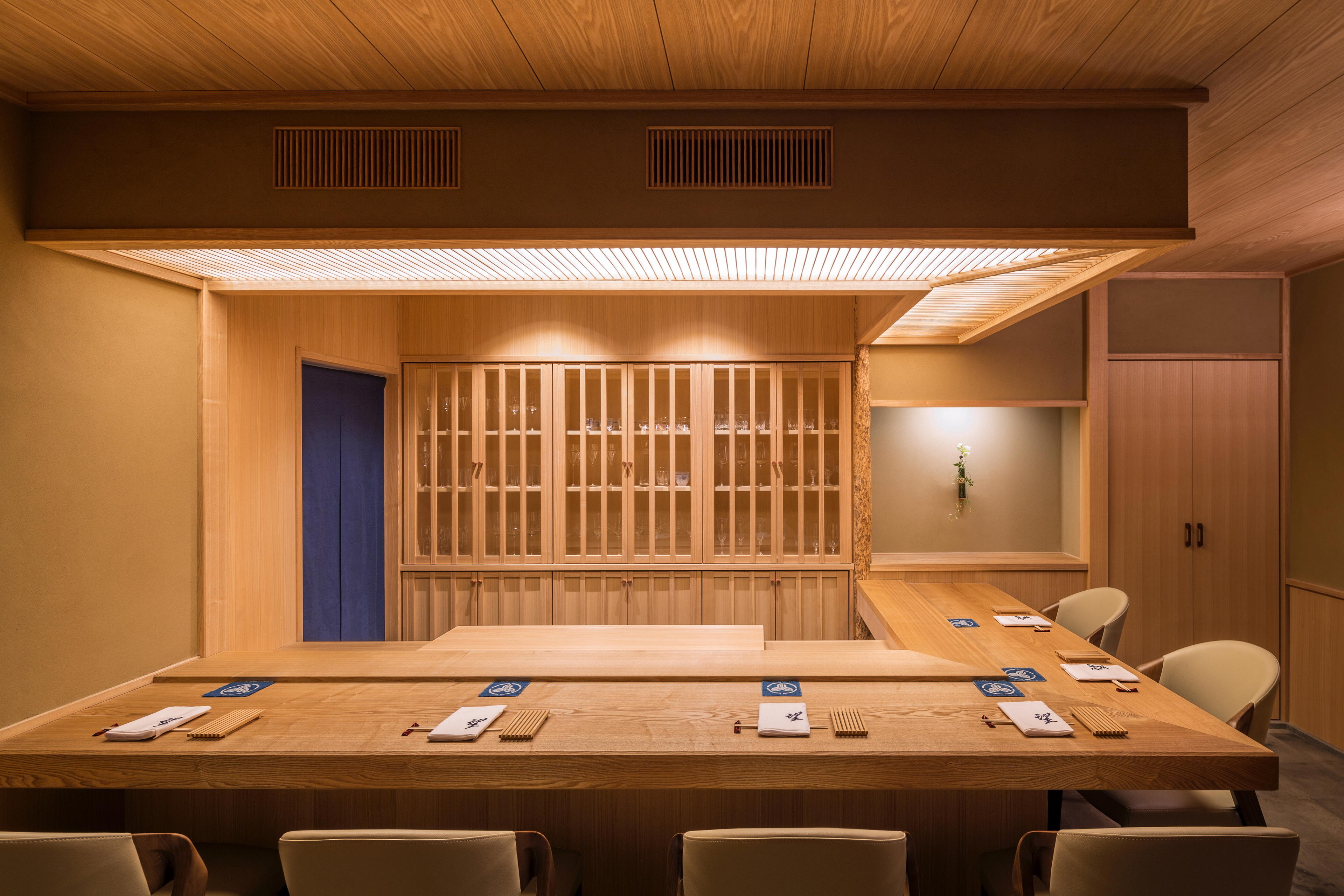
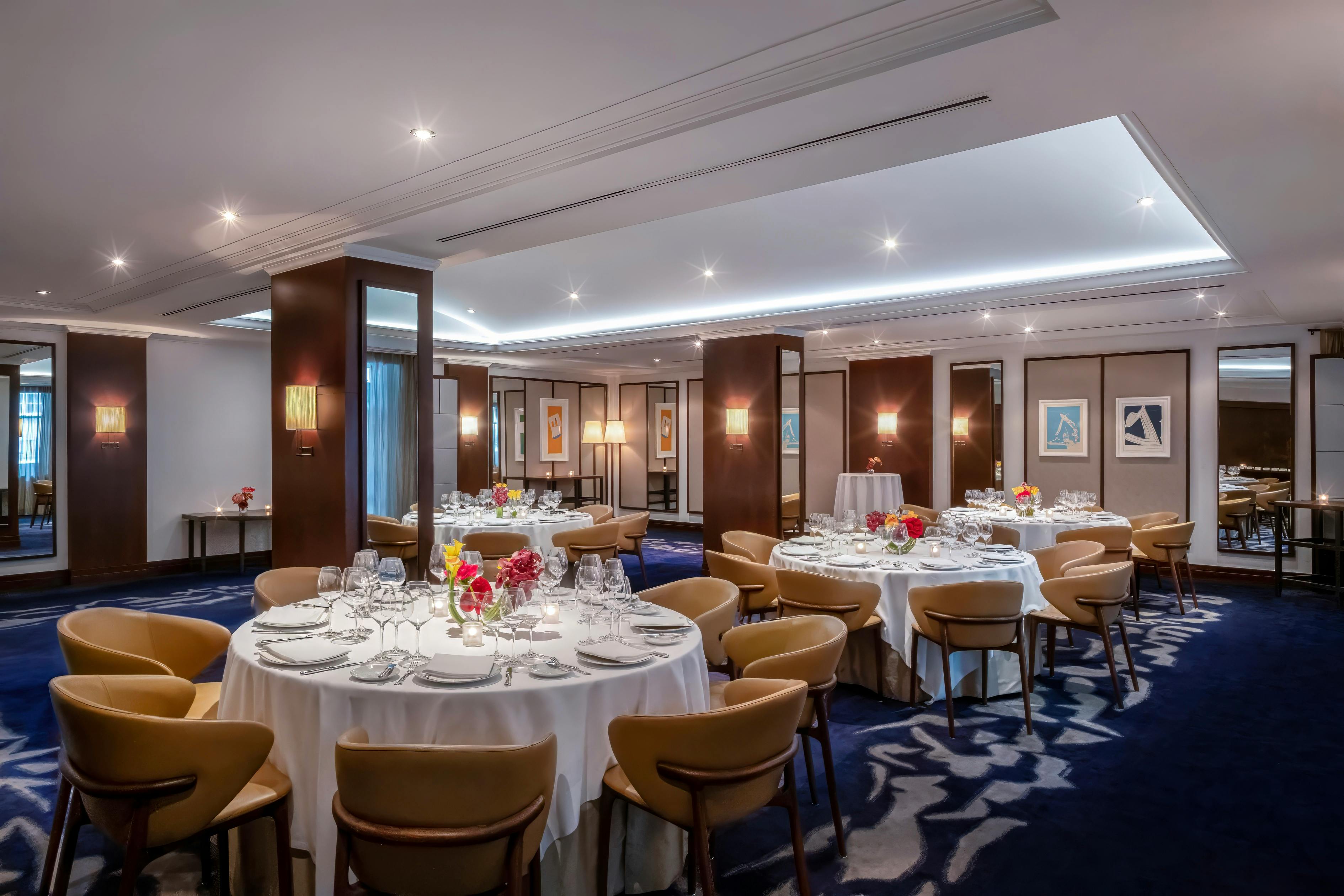
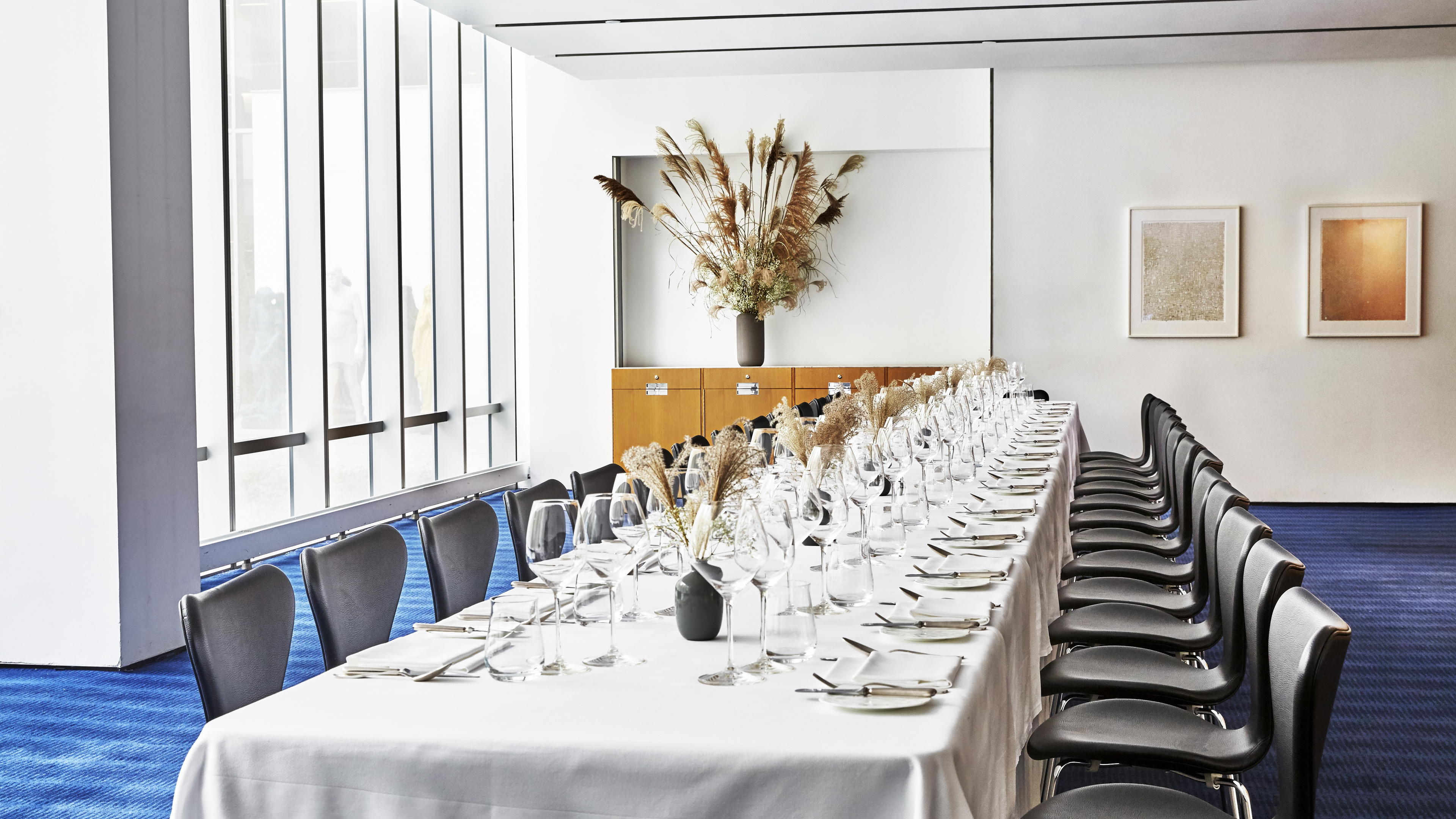
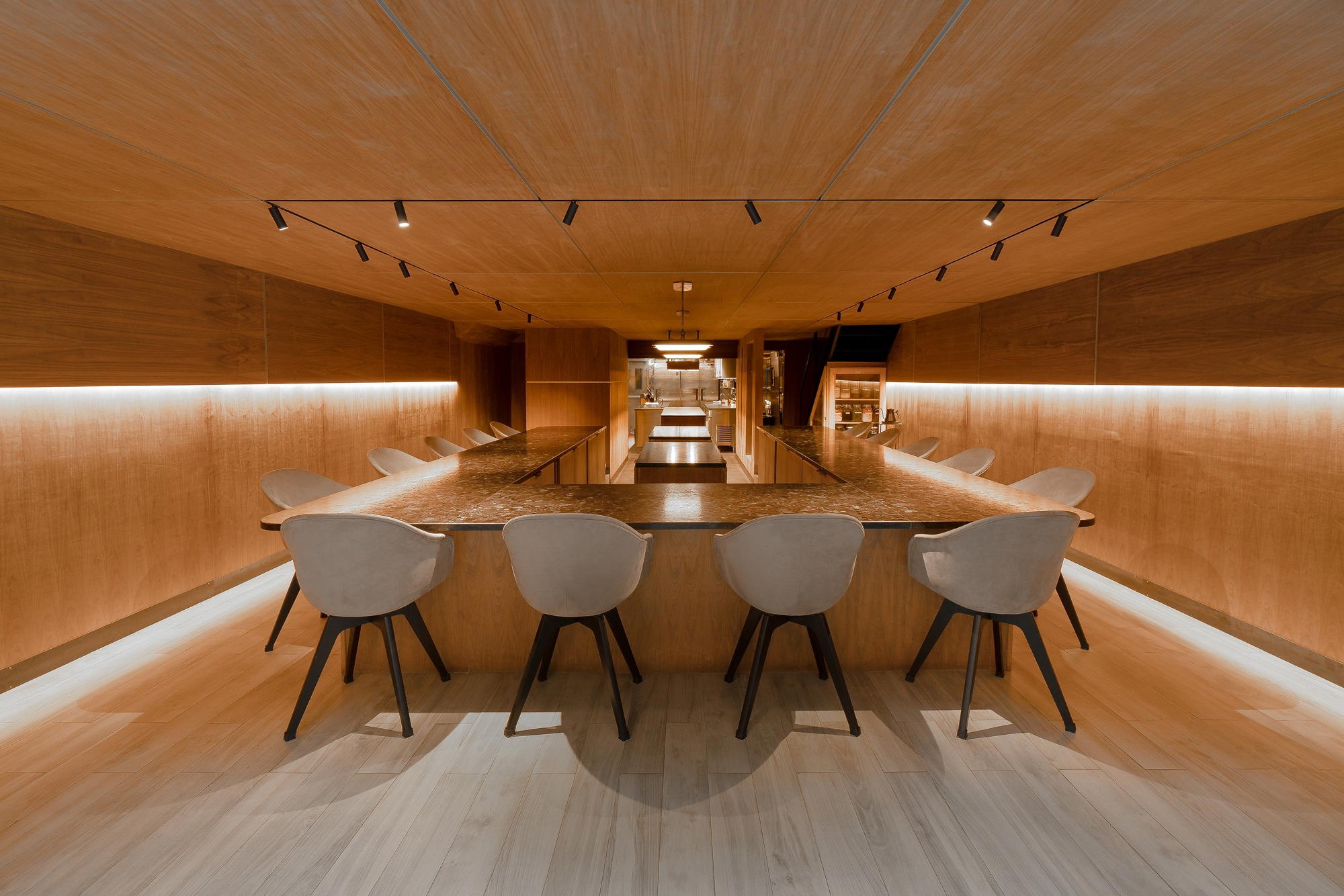
Elegant and sophisticated atmosphere with custom millwork, plush furnishings, cozy restaurant lighting, and a welcoming lobby fireplace, praised for its clean, modern yet classic comfort.