
Michelin Selected
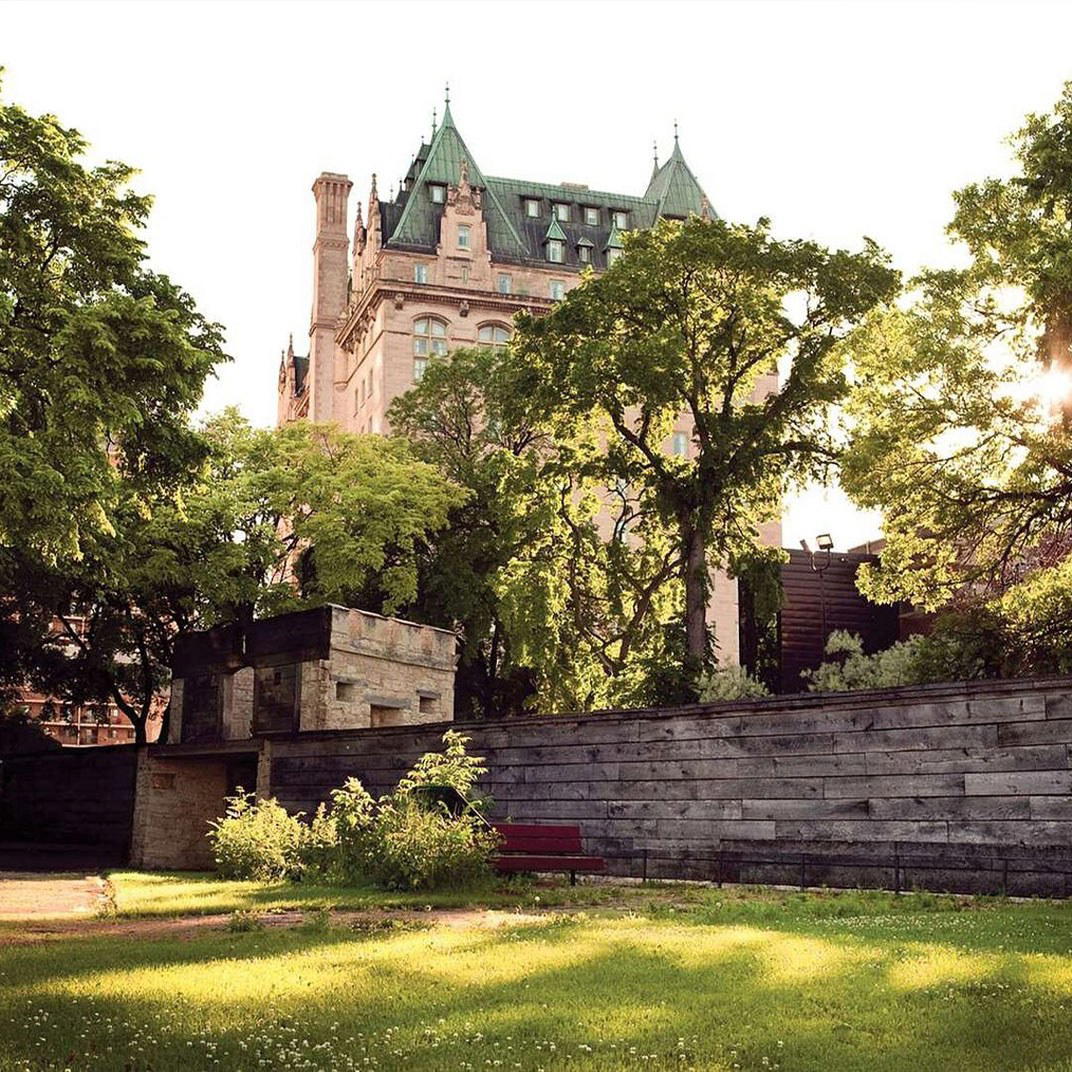
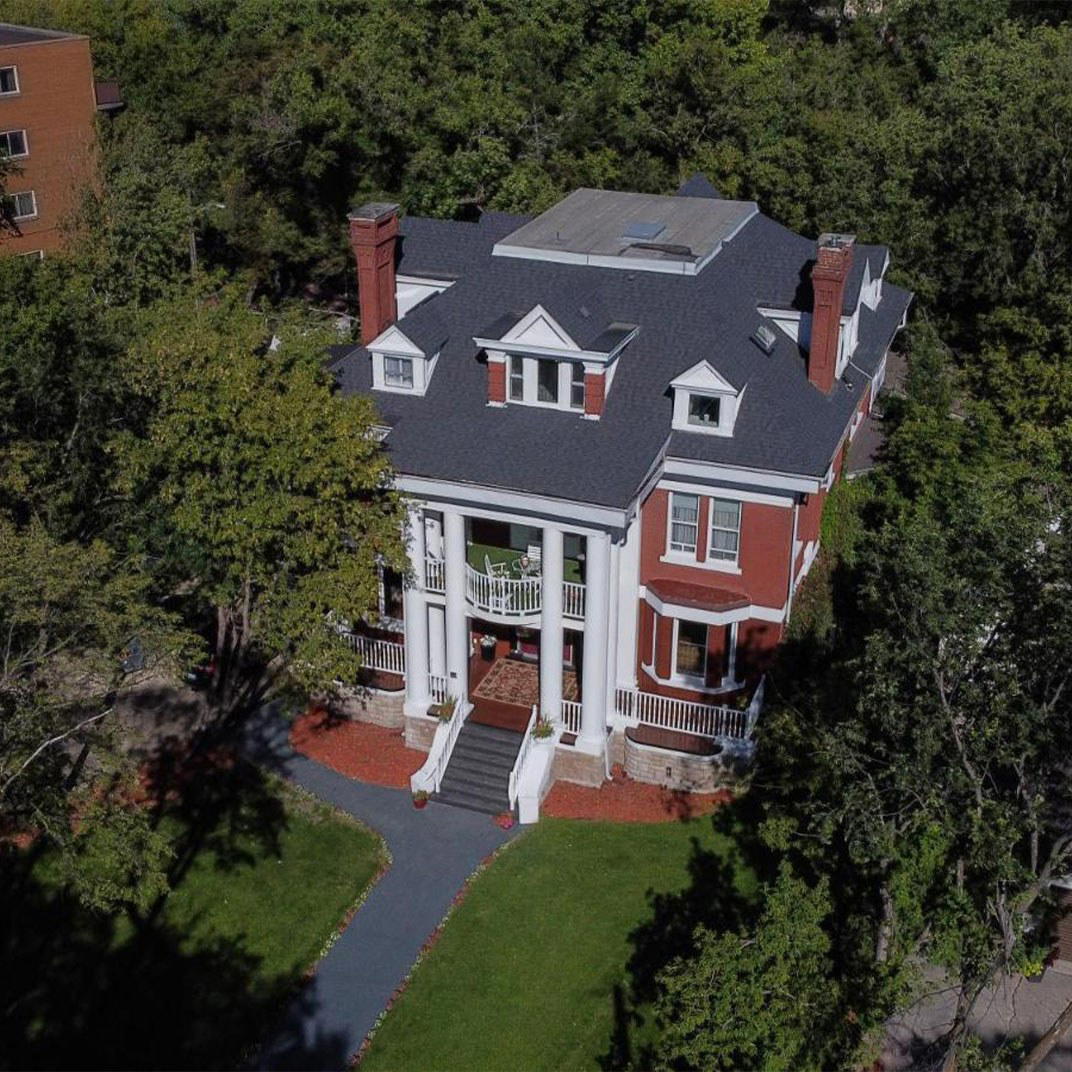
The Fort Garry Hotel has anchored Broadway at Main since 1913, its French château turrets and grand interior stonework placing it in a rare category of Canadian railway hotels that have survived largely intact. A Michelin Selected property in 2025, it operates as Winnipeg's most architecturally significant hotel address and draws travellers who treat the building itself as the point of the stay.

Pearl is the En Primeur Club membership app — saves, bookings, and concierge access live there. Same editors, same standards.
- Address
- 222 Broadway, Winnipeg, MB R3C 0R3, Canada
- Phone
- (888) 855-4599
- Website
- fortgarryhotel.com
- Directions
- Get directions
A Railway Hotel That Outlasted Its Era
Winnipeg's hotel market in 2025 splits between contemporary design-led properties like Alt Hotel Winnipeg and the small number of historic buildings substantial enough to carry architectural weight on their own. The Fort Garry Hotel, at 222 Broadway, belongs firmly to the second category. Commissioned by Grand Trunk Pacific Railway and opened in 1913, it was designed in the French château style that became the signature language of Canada's railroad-era grand hotels, the same architectural lineage visible in properties like Fairmont Banff Springs, Fairmont Chateau Lake Louise, and Fairmont Chateau Whistler. Unlike most of those properties, Fort Garry operates independently, which shapes both its identity and its pace of change.
The building's exterior reads as a deliberate civic statement. The limestone facade, conical turrets, and arched entrance on Broadway were intended to project permanence at a moment when Winnipeg was positioning itself as the commercial capital of western Canada. More than a century later, that architectural ambition still registers. Approaching the hotel from Broadway, the scale of the structure commands the block in a way that contemporary hospitality construction rarely attempts.
Inside: How the Bones Have Held Up
Canadian railway hotels of this generation share a common interior grammar: high coffered ceilings, carved stone detailing, grand staircases, and formal public rooms scaled for a time when lobbies functioned as social theaters. The Fort Garry has retained those structural bones. The main ballroom and formal dining spaces preserve original plasterwork and proportions that would cost many times their historic price to replicate. In a hospitality market increasingly dominated by modular design and efficient footprints, this kind of spatial generosity is worth treating as a credential rather than a novelty.
The hotel earned Michelin Selected status in the 2025 Michelin Hotels guide, placing it in the same recognition tier as properties across Canada that meet the guide's threshold for quality accommodation. For Winnipeg specifically, this positions Fort Garry as the city's most formally credentialed historic hotel address. The Fairmont Winnipeg and No. 5 East occupy different segments of the city's upper accommodation market, but neither carries the same combination of architectural provenance and independent operation.
The Architectural Case for Staying Here
Grand historic hotels in Canada have followed divergent paths since the mid-twentieth century. Many were absorbed into international chains, which brought capital for restoration but also standardization pressure. Others were converted to condominiums or offices when hospitality economics turned against them. A third group, smaller still, has managed to remain operational as hotels while preserving their original character under independent or locally-rooted ownership. Fort Garry belongs to this third group, which gives it a different texture from chain-managed peers like the Fairmont Empress Hotel in Victoria or Le Mount Stephen in Montréal, though those properties share the same railroad-era pedigree.
The case for choosing Fort Garry over a newer Winnipeg property is fundamentally architectural. Travellers who want a building that actively participates in the stay, where the corridor proportions, the ceiling height of the common rooms, and the materiality of the public spaces create a specific kind of spatial experience, will find this property operating at a level that newer construction in any price bracket cannot reproduce. Travellers who prioritize gym amenities, minimalist interiors, or proximity to the Exchange District's restaurant concentration may weight their options differently.
This dynamic is not unique to Winnipeg. Across Canada, independent historic hotels occupy a specialist niche that premium travellers with an architectural sensibility tend to seek out explicitly. Properties like Manoir Hovey in North Hatley and Hôtel Quintessence in Mont-Tremblant operate in this same register, where the physical fabric of the building is a primary part of what is being sold. Internationally, the same logic applies to addresses like Badrutt's Palace Hotel in St. Moritz and Hôtel de Paris Monte-Carlo, where architectural longevity functions as a trust signal that no new construction can manufacture.
Broadway's Position in the City
The hotel sits on Broadway at the southern edge of Winnipeg's downtown, adjacent to the legislative precinct. This placement is architecturally coherent: the boulevard was designed as Winnipeg's grand civic axis, and the hotel's scale and style complement the surrounding institutional buildings. The location is less walkable to the Exchange District's restaurant concentration than some travellers expect, but it is within reasonable distance of The Forks, the city's major cultural and dining node at the junction of the Red and Assiniboine rivers. For a broader picture of where to eat and drink in the city while staying here, our full Winnipeg restaurants guide maps the key areas and venues.
For travellers whose Canada itinerary extends beyond Winnipeg, the Fort Garry makes a logical anchor point for a western Canada circuit that might include architecturally or experientially significant properties elsewhere in the country. The spectrum runs from wilderness-remote formats like Fogo Island Inn in Joe Batt's Arm and Clayoquot Wilderness Lodge in Tofino to urban addresses like Four Seasons Hotel Toronto and Rosewood Hotel Georgia in Vancouver, with Fort Garry sitting in a distinct category as the prairie region's most historically grounded hotel option.
Planning the Stay
The hotel's address at 222 Broadway places it roughly ten minutes by car from Winnipeg James Armstrong Richardson International Airport. As the property operates independently and room categories, pricing, and booking channels can shift, checking directly via the hotel's official channels before finalizing plans is advisable. Winnipeg's winters are among the most severe of any Canadian city, with temperatures routinely dropping below minus twenty Celsius between December and February, which affects how much of any stay will be spent outdoors; the hotel's enclosed corridors and internal amenities carry more practical weight in winter than they would in a milder climate. Summer, particularly July, brings the city's most active festival calendar, including the Winnipeg Folk Festival and Folklorama, which increases demand across the city's upper accommodation tier. Booking several weeks in advance for summer travel is standard practice rather than exceptional caution. For comparisons at other design-conscious Canadian addresses, The Dorian, Autograph Collection in Calgary, Hotel-Musee Premieres Nations in Wendake, Le Germain Charlevoix Hotel & Spa in Baie-St-Paul, Hastings House Country House Hotel on Vancouver Island, The Royal Hotel in Picton, Alt Hotel Ottawa Airport, and Banff Sunshine Village Ski & Snowboard Resort represent the range of what Michelin's Canadian selections cover across different formats and regions. Internationally, The Fifth Avenue Hotel in New York City offers a useful benchmark for how a historic urban address translates its architectural provenance into a contemporary hotel proposition.
At-a-Glance Comparison
Comparable venues nearby, for context on price, style, and recognition.
| Venue | Cuisine | Price | Awards | Notes |
|---|---|---|---|---|
| The Fort Garry HotelThis venue — the venue you are viewing | Historic urban resort with Chateau-style architecture | Not listed | Michelin Selected | Not listed |
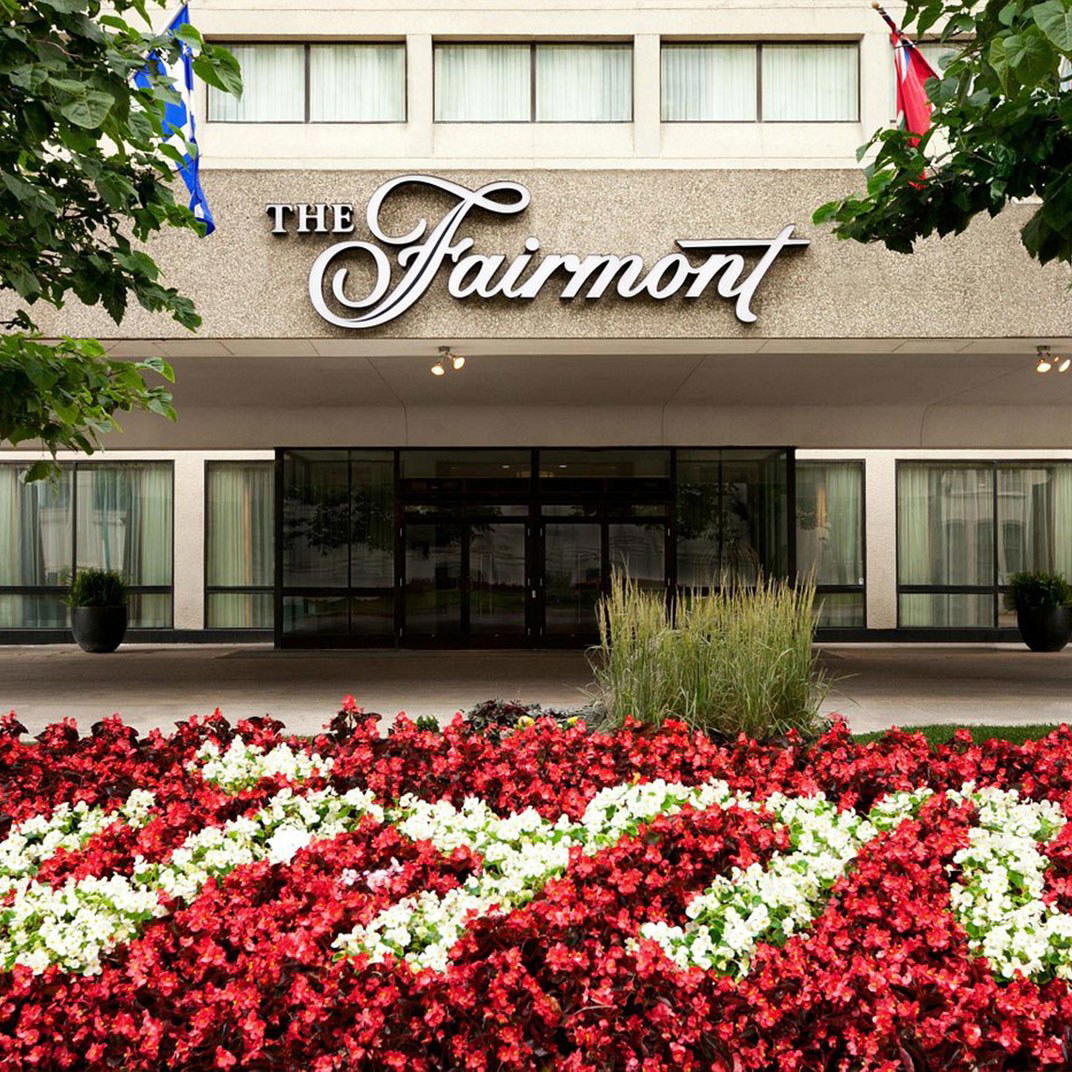
| Fairmont Winnipeg | Modern high-rise with classic luxury positioning | $100–200 | Michelin Selected | Exchange District |
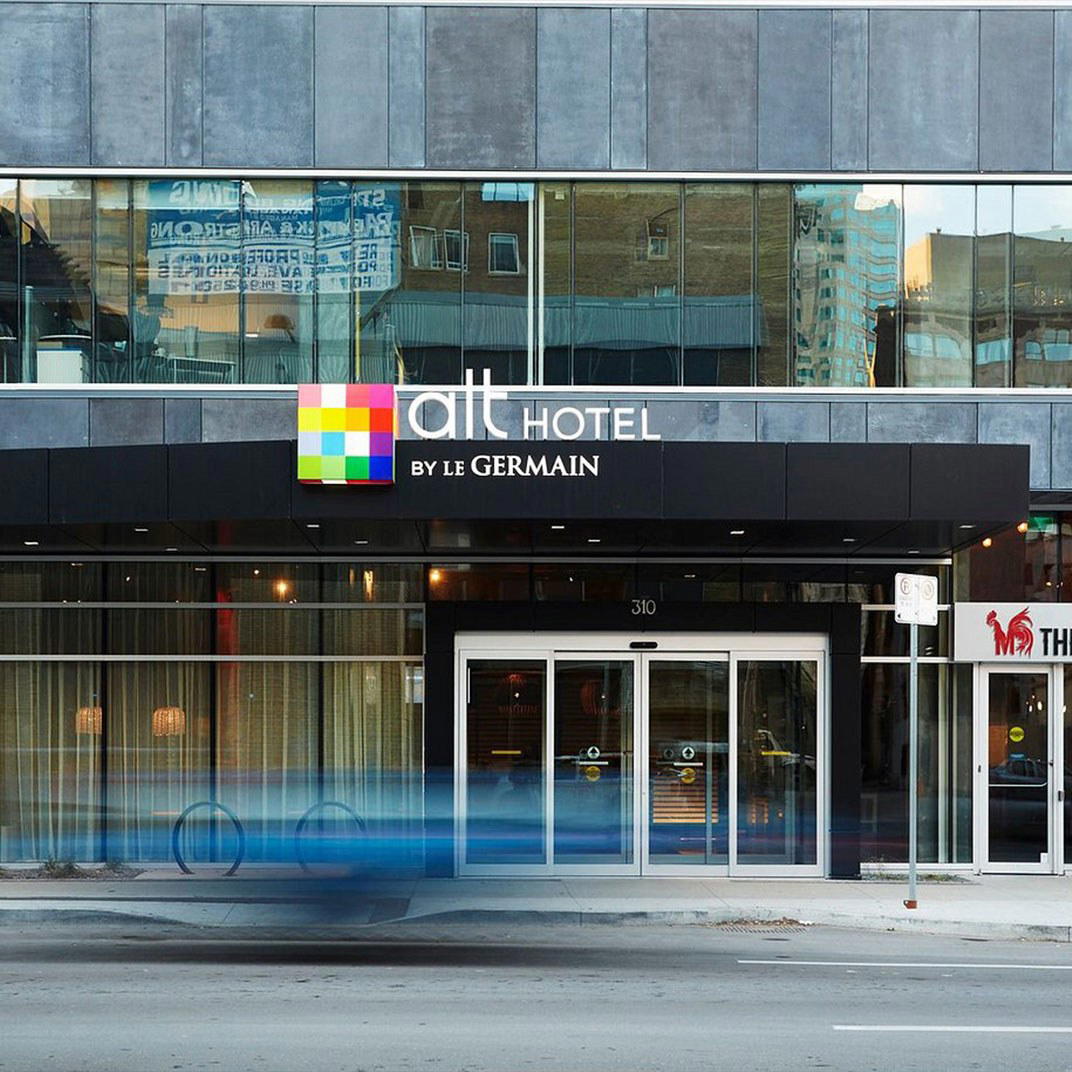
| Alt Hotel Winnipeg | No-frills-chic boutique hotel concept combining affordable style with modern design and eco-friendly building standards. | $100–200 | Michelin Selected | Sports, Hospitality and Entertainment District (SHED) |
| No. 5 East | Contemporary guesthouse with understated comfort and thoughtful details. | $1–100 | Michelin Selected | downtown Winnipeg |
| Basecamp Revelstoke | modern boutique resort with apartment-style suites | Not listed | Michelin Selected | Downtown Revelstoke |
| Hastings House | Luxury country-house resort with historic manor-house character. | Not listed | Not listed | Ganges |
Recognition history
Dated appearances from independent guides and award organizations, with the underlying list record or original source where available.
Michelin Selected
Michelin
Continue exploring
More in Winnipeg
Hotels in Winnipeg
Browse all →
Bars in Winnipeg
Browse all →
Restaurants in Winnipeg
Browse all →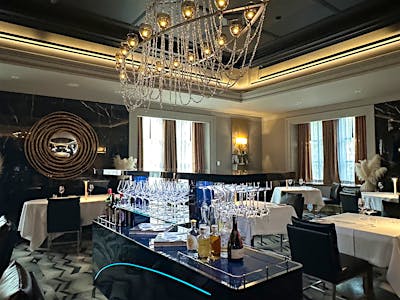
Wineries in Winnipeg
Browse all →
Details
- Classic
- Elegant
- Sophisticated
- Well Known
- Business Trip
- Anniversary
- Weekend Escape
- Historic Building
- Spa
- Fitness Center
- Room Service
- Concierge
- Wi Fi
- Street Scene
- Elevator
Grand interiors with marble floors, chandeliers, ornate plasterwork, and elegant public spaces blending historic charm with contemporary styling.