Our verdict
On Corydon Avenue, Winnipeg's most food-literate strip, Né de Loup occupies a position that rewards the attentive diner. The name itself — French for 'born of wolf' — signals an instinct toward something wilder and more grounded than the neighbourhood's café-heavy norm. For a city developing serious culinary credibility, it is a restaurant worth tracking.

Pearl is the En Primeur Club membership app — saves, bookings, and concierge access live there. Same editors, same standards.
- Address
- 1670 Corydon Ave, Winnipeg, MB R3N 0K4, Canada
- Phone
- (204) 487-1529
- Hours
- Mon–Tue ClosedWed–Sun 5–10 PM
- Website
- nedeloup.com
- Directions
- Get directions
- Booking
- Book on the venue's website
The menu
What to order
- Torched Baby Gem Lettuce with lemon, pistachio, crème fraîche, and chervil
- Beets
- Braised fennel
- Parisian Gnocchi
Corydon Avenue and the Case for Sourcing-First Dining
Winnipeg's Corydon Avenue has long functioned as the city's most concentrated corridor of independent restaurants, running from Italian-influenced trattorias at its western end through to a newer generation of chef-driven rooms that prioritise ingredient provenance over dining-room spectacle. Né de Loup, at 1670 Corydon, sits inside that newer wave. The name — French for 'born of wolf' — carries a deliberate wildness that positions the restaurant apart from the polished hospitality vernacular common to the strip's more established addresses.
In Canadian prairie cooking, the sourcing question has become the defining one. Manitoba's agricultural geography is formidable: bison and elk from the northern plains, freshwater fish from Lake Winnipeg and its tributaries, root vegetables that winter storage turns from practical necessity into a craft. Restaurants across the country that have committed seriously to this kind of ingredient discipline, from Eigensinn Farm in Singhampton to Fogo Island Inn Dining Room in Joe Batt's Arm, have demonstrated that the most compelling Canadian cooking is less about technique borrowed from Europe and more about an honest reckoning with what grows, grazes, or swims nearby. Né de Loup operates in that tradition.
What the Name Signals About the Approach
A restaurant that chooses a French phrase meaning 'born of wolf' for its signage is not making an accidental statement. The phrase evokes something foraged, feral, and rooted in a specific terrain, qualities that align directly with the sourcing-first approach that defines serious prairie cooking at this moment. Across Canada, the most closely watched dining rooms of the past decade have tended to frame their identity through place rather than through the chef's biography or imported technique. Tanière³ in Quebec City built its reputation on indigenous and pre-colonial ingredient research. Narval in Rimouski works the St. Lawrence terroir with similar discipline. Né de Loup places itself in that current of thought by leading with its identity rather than its credentials.
This is worth noting because Winnipeg's dining scene has historically been assessed against larger Canadian cities, Toronto's Alo, Montreal's Jérôme Ferrer - Europea, Vancouver's AnnaLena, as a secondary market with aspirations but not the infrastructure. That framing is becoming less useful. The prairie restaurant that grounds itself in what Manitoba actually produces, rather than approximating what works in a coastal city, is operating from a position of genuine advantage.
The Winnipeg Context: A City Developing Its Own Dining Grammar
Winnipeg's most compelling restaurants have been developing a recognisable character over the past several years. DEER + ALMOND established an early claim to ingredient-driven small-plate cooking that influenced a generation of local cooks. 529 Wellington holds the formal end of the market. NOLA brought a Louisiana-influenced energy to the Exchange District. YUJIRO demonstrated that Japanese precision had an audience in the city. Né de Loup on Corydon enters a scene that has already done the groundwork of convincing Winnipeg diners that ambition and locality are compatible.
Corydon itself is a useful barometer for where the city's dining is heading. The avenue's density of independent operators, and the residential neighbourhood surrounding it, means that restaurants here are accountable to a local clientele that returns regularly rather than a tourist flow that forgives one-off performances. That dynamic tends to sharpen kitchens. It also tends to produce restaurants that are genuinely embedded in their community rather than designed for a moment of viral attention.
For a broader map of where Né de Loup sits in the city's full dining picture, our full Winnipeg restaurants guide gives context across neighbourhoods and price tiers.
Prairie Sourcing in a National Frame
The sourcing conversation in Canadian dining has matured significantly. A decade ago, farm-to-table language was applied loosely enough that it functioned as marketing rather than method. The restaurants that have since earned lasting credibility, including Restaurant Pearl Morissette in Lincoln and The Pine in Creemore, did so by making sourcing structurally visible in the menu rather than rhetorically prominent in the branding. The distinction matters: one approach changes what you cook; the other changes how you describe what you would have cooked anyway.
Manitoba's specific larder, pickerel and goldeye from the province's lake systems, Hutterite colony produce, wild game from the boreal fringe, gives a sourcing-focused kitchen material that does not require romanticism to be compelling. These are ingredients with real seasonal rhythms and genuine geographical specificity. A restaurant that builds its menu around them is not borrowing an aesthetic from coastal fine dining; it is doing something different in kind. For international comparison, the gap in approach resembles the distance between a Le Bernardin in New York City and a hyper-local coastal house: both operate at high levels, but their relationship to ingredient origin is fundamentally different.
Planning a Visit
Né de Loup is located at 1670 Corydon Avenue in Winnipeg's River Heights neighbourhood, accessible from downtown by a short drive west along Corydon or via the Pembina Highway transit corridor. Winnipeg winters are severe enough that January and February visits require planning around road conditions, while the June-to-September window brings the city's most comfortable outdoor dining weather. For comparably priced independent restaurants in smaller Canadian markets, Cafe Brio in Victoria and Busters Barbeque in Kenora give a sense of the regional spectrum Né de Loup operates within. Visitors arriving from out of province may also find Lazy Bear in San Francisco a useful international benchmark for the genre of intimate, sourcing-forward dining that Né de Loup represents.
Frequently asked questions
Is Né de Loup good for families?
The setting on Corydon Avenue — a neighbourhood street rather than a downtown dining district — suggests a less formal environment than a destination tasting-menu counter. That said, Né de Loup's focus on ingredient-driven cooking skews toward an adult dining audience rather than a broad family format.
What's the overall feel of Né de Loup?
Né de Loup sits on Corydon Avenue in Winnipeg's River Heights neighbourhood, a stretch that runs independent and locally owned rather than chain-driven. The name — a French phrase meaning 'born of wolf' — signals a kitchen with a defined point of view rather than a broad-appeal bistro. Expect something purposeful and ingredient-focused over something casual and crowd-pleasing.
How does Né de Loup fit into Winnipeg's broader independent dining scene?
Né de Loup joins a cohort of Winnipeg restaurants — including DEER + ALMOND — that have pushed the city's dining identity toward a more defined, locally anchored approach over the past decade. Located at 1670 Corydon Ave in River Heights, it operates in the city's most concentrated corridor of independent restaurants rather than in a downtown hotel or entertainment district. That positioning reflects a kitchen oriented toward regulars and returning visitors rather than transient tourist traffic.
What do people recommend at Né de Loup?
Given the restaurant's sourcing-first approach on Corydon Avenue, the kitchen likely rotates its offering around seasonal Manitoba produce. Contacting the venue directly before visiting is the most reliable way to understand current menu direction.
Where do I go for Né de Loup?
Né de Loup is located at 1670 Corydon Ave, Winnipeg, MB R3N 0K4, Canada, Winnipeg.
What's the best way to book Né de Loup?
No phone number or website is currently listed for Né de Loup at 1670 Corydon Ave, Winnipeg. Checking third-party reservation platforms such as OpenTable or Resy for Winnipeg listings is a practical starting point. Alternatively, visiting the restaurant in person on Corydon Avenue during service hours may be the most direct route.
Comparable Spots, Quickly
Comparable venues nearby, for context on price, style, and recognition.
| Venue | Cuisine | Price | Awards | Notes |
|---|---|---|---|---|
| Né de LoupThis venue — the venue you are viewing | Modern French Bistro | Not listed | Not listed | Not listed |
| YUJIRO | Japanese Sushi and Seafood | Not listed | Canada's 100 Best Restaurants #65 | Winnipeg |
| DEER + ALMOND | Modern Canadian Tasting Menu | $50–100 | Canada's 100 Best Restaurants #50 | Exchange District |
| 529 Wellington | Canadian Prime Steakhouse | $50–100 | Star Wine List · Wine Spectator Best of Award of Excellence | Crescentwood |
| NOLA | Modern Fusion Small Plates | $50–100 | Canada's 100 Best Restaurants #88 | St. Boniface |
| Restaurant Limousine | Contemporary French Bistro | $50–100 | Not listed | Saint-Lambert Village |
Continue exploring
More in Winnipeg
Restaurants in Winnipeg
Browse all →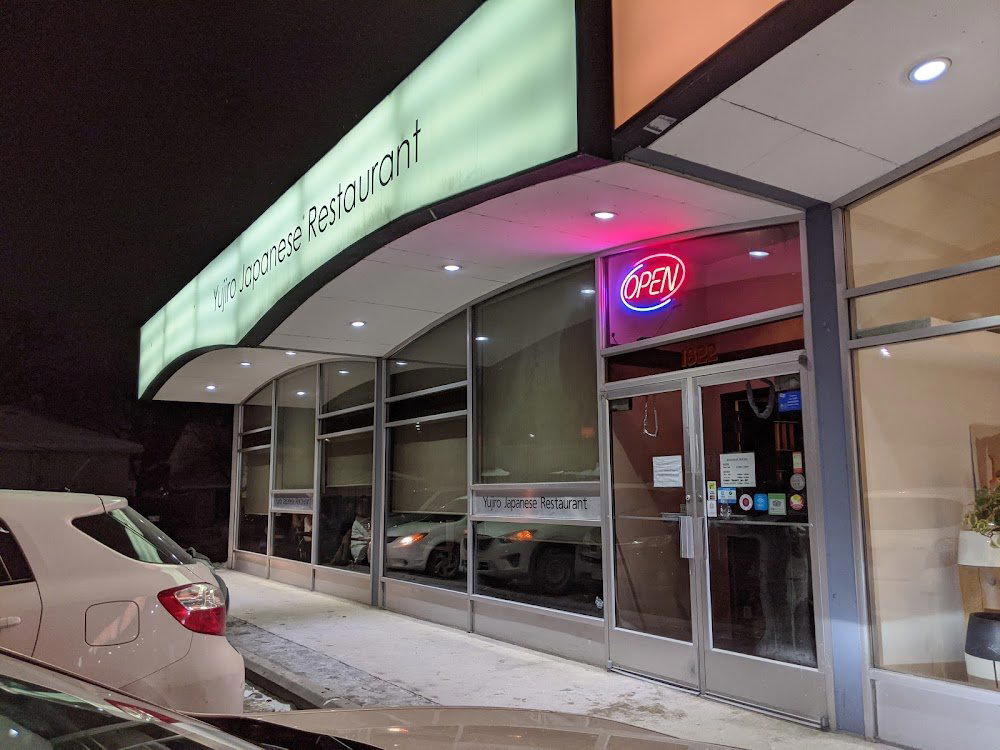
Bars in Winnipeg
Browse all →

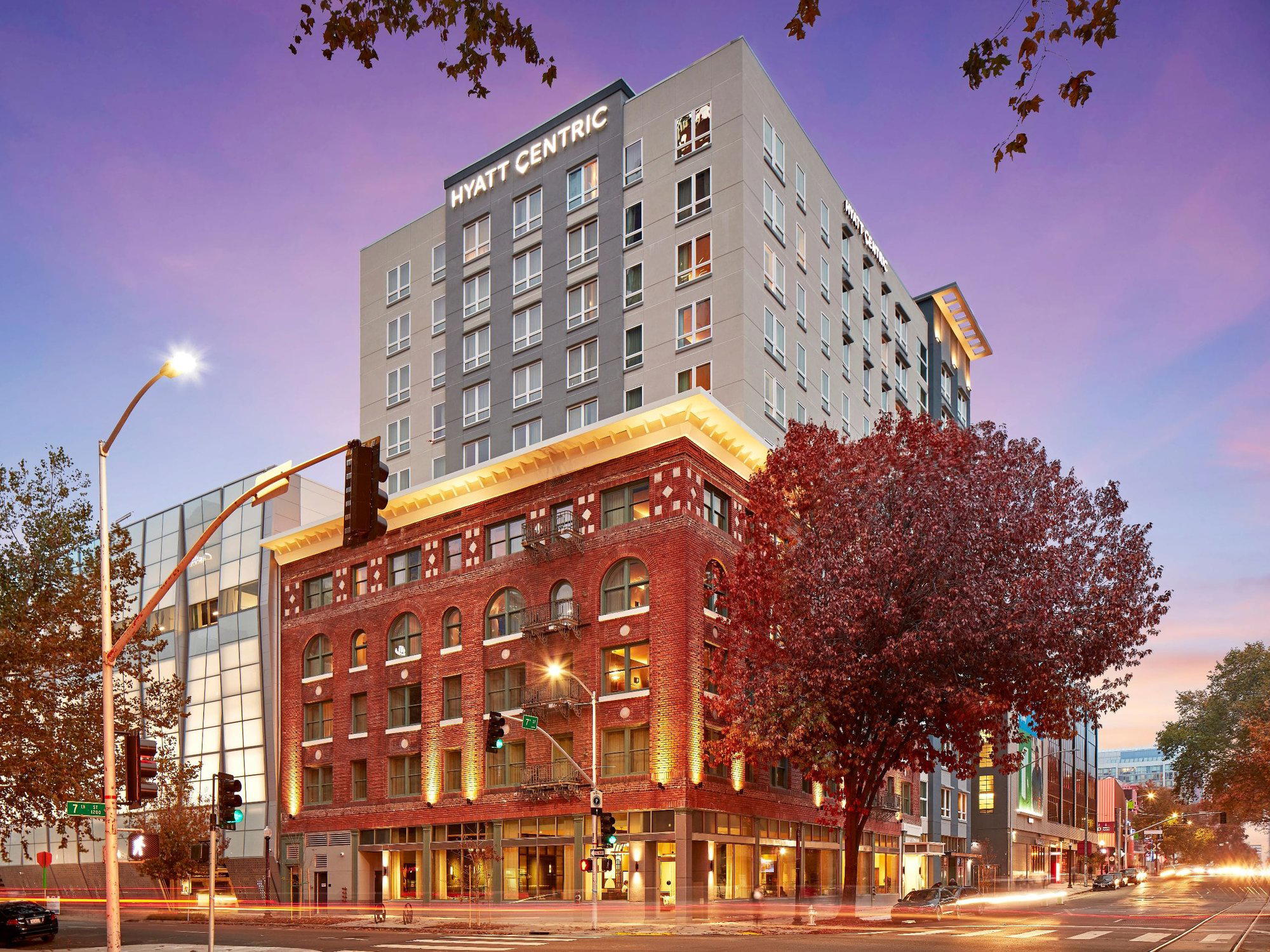
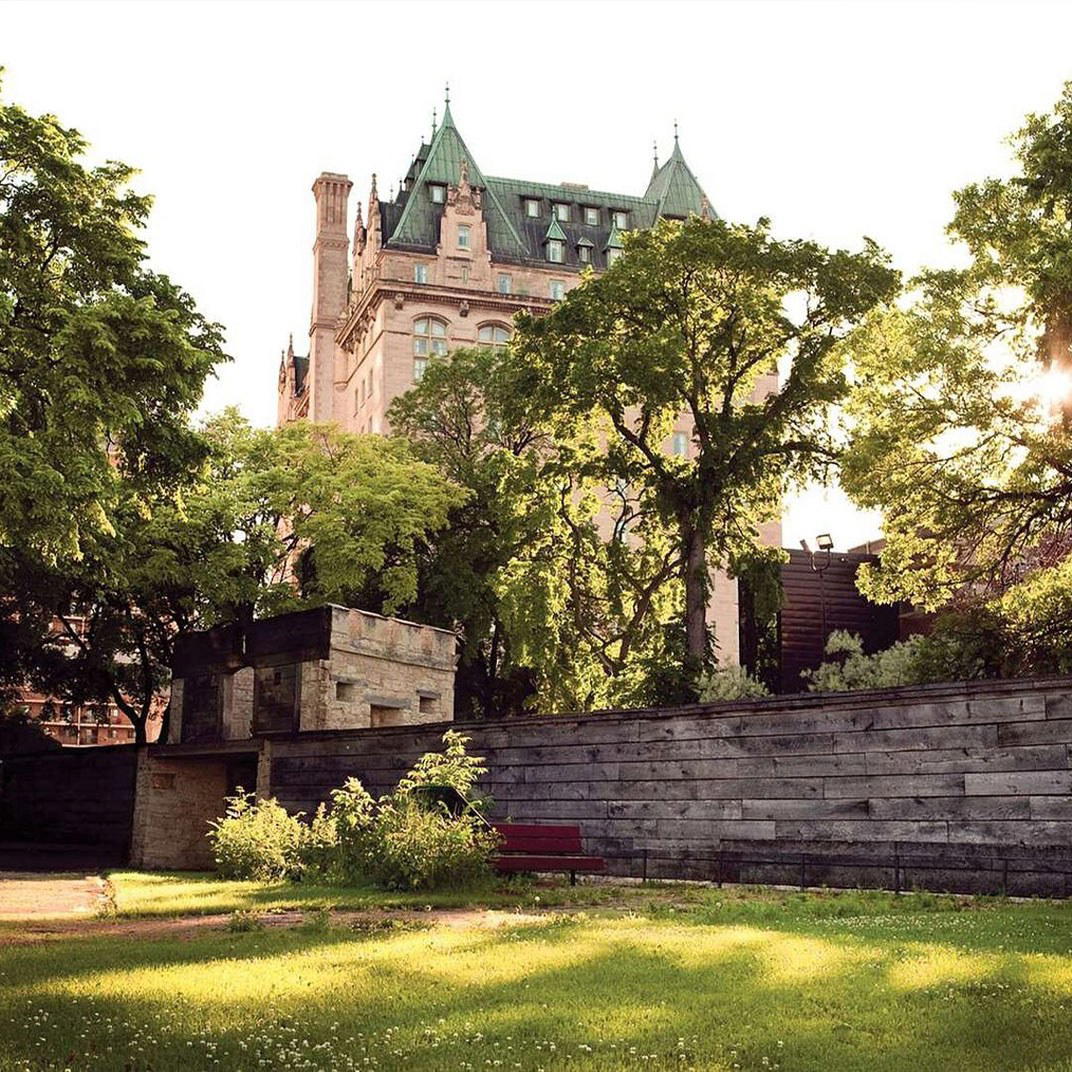
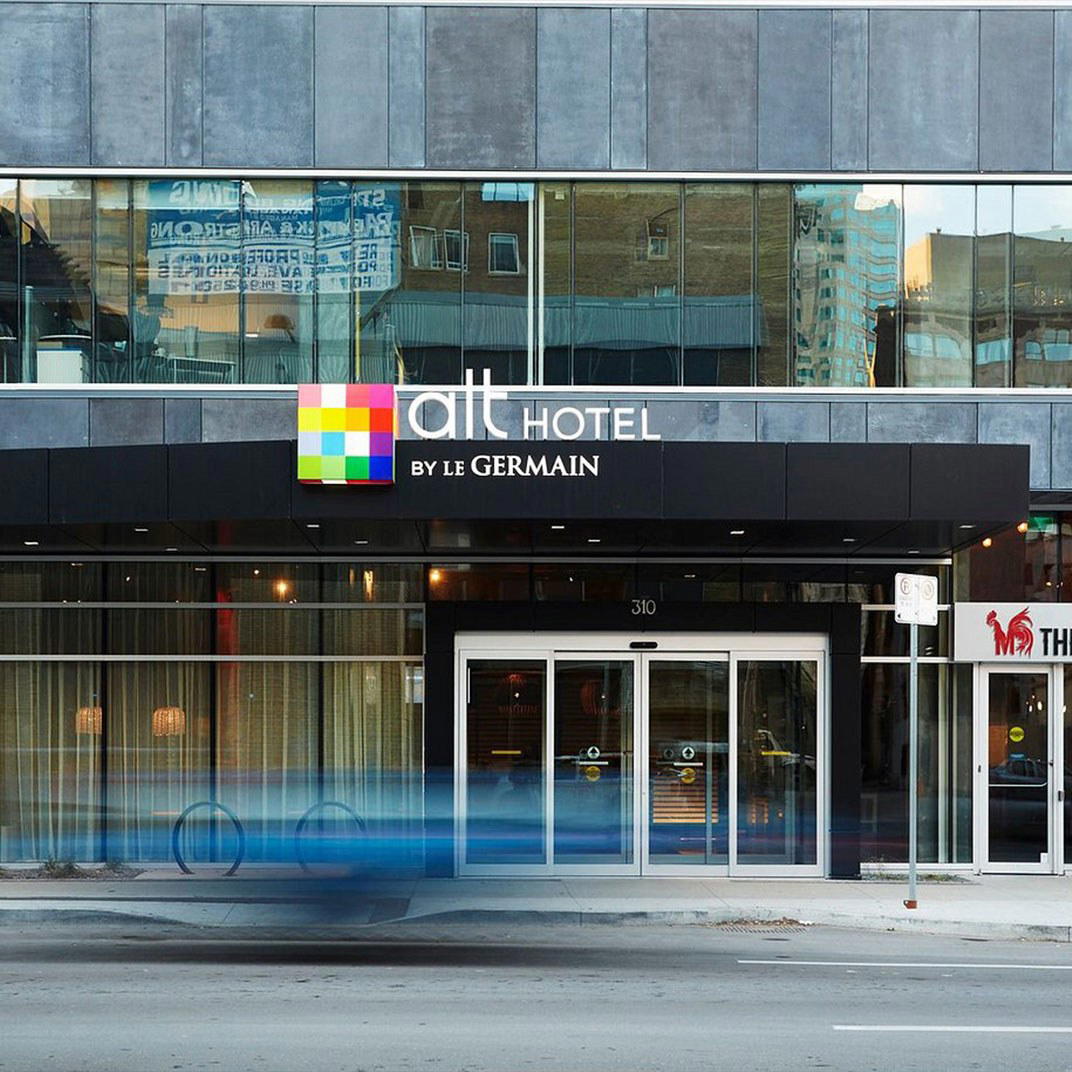
Hotels in Winnipeg
Browse all →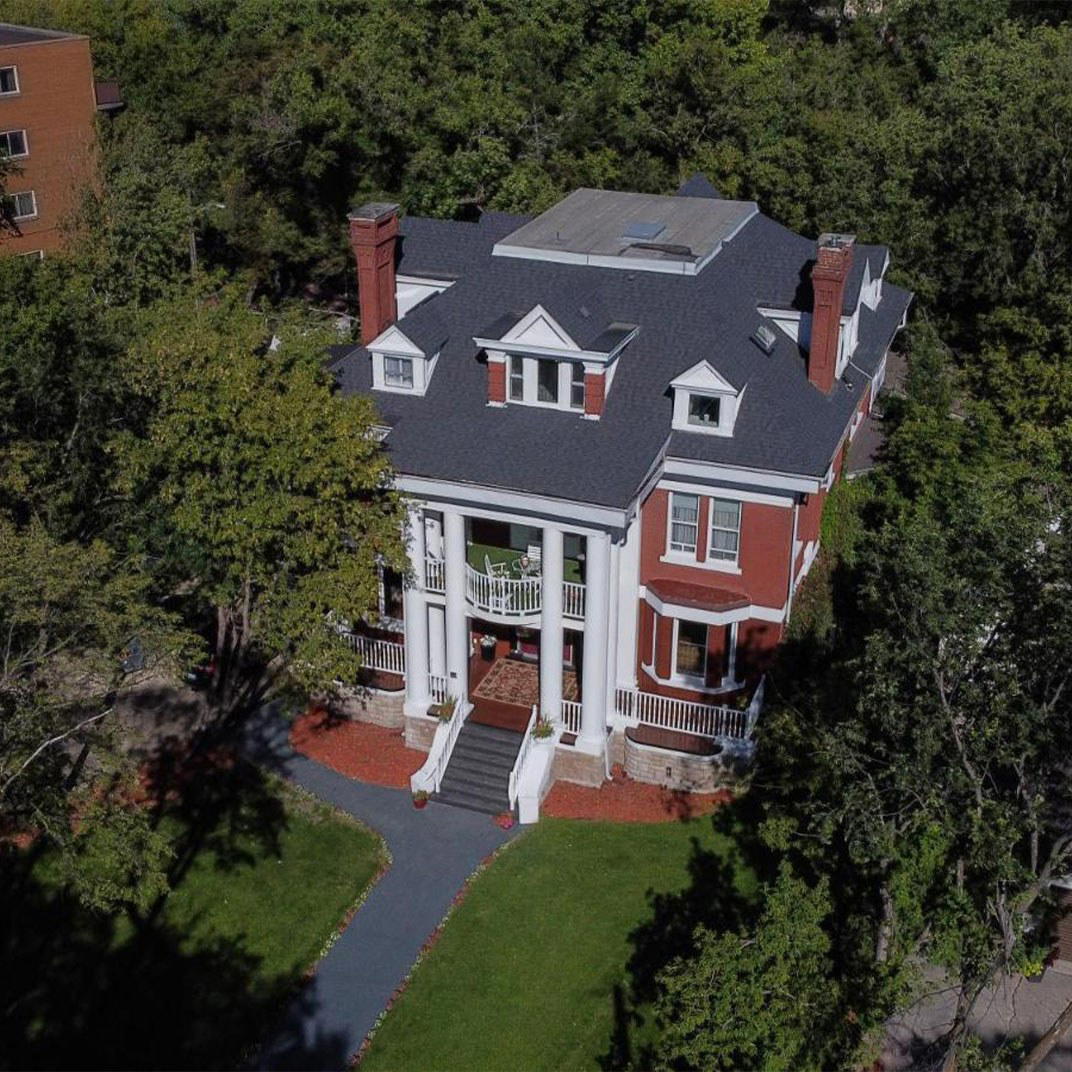
Wineries in Winnipeg
Browse all →
Details
- Cozy
- Intimate
- Elegant
- Romantic
- Classic
- Sophisticated
- Date Night
- Special Occasion
- Celebration
- Private Dining
- Design Destination
- Standalone
- Local Sourcing
- Small Plates
- Vegetarian Friendly
Current opening hours
- Monday
- Closed
- Tuesday
- Closed
- Wednesday
- 5–10 PM
- Thursday
- 5–10 PM
- Friday
- 5–10 PM
- Saturday
- 5–10 PM
- Sunday
- 5–10 PM
Hours can change for holidays and private events. Last verified .
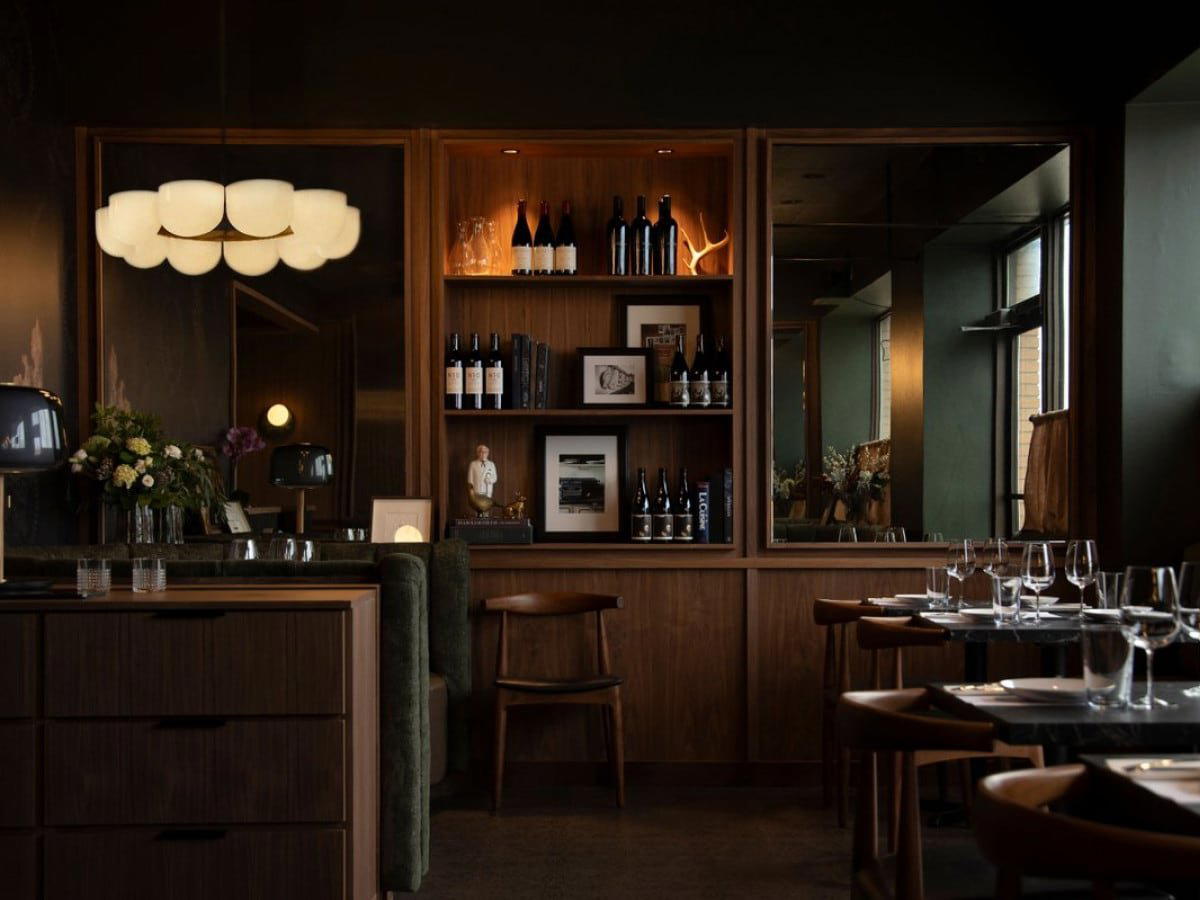
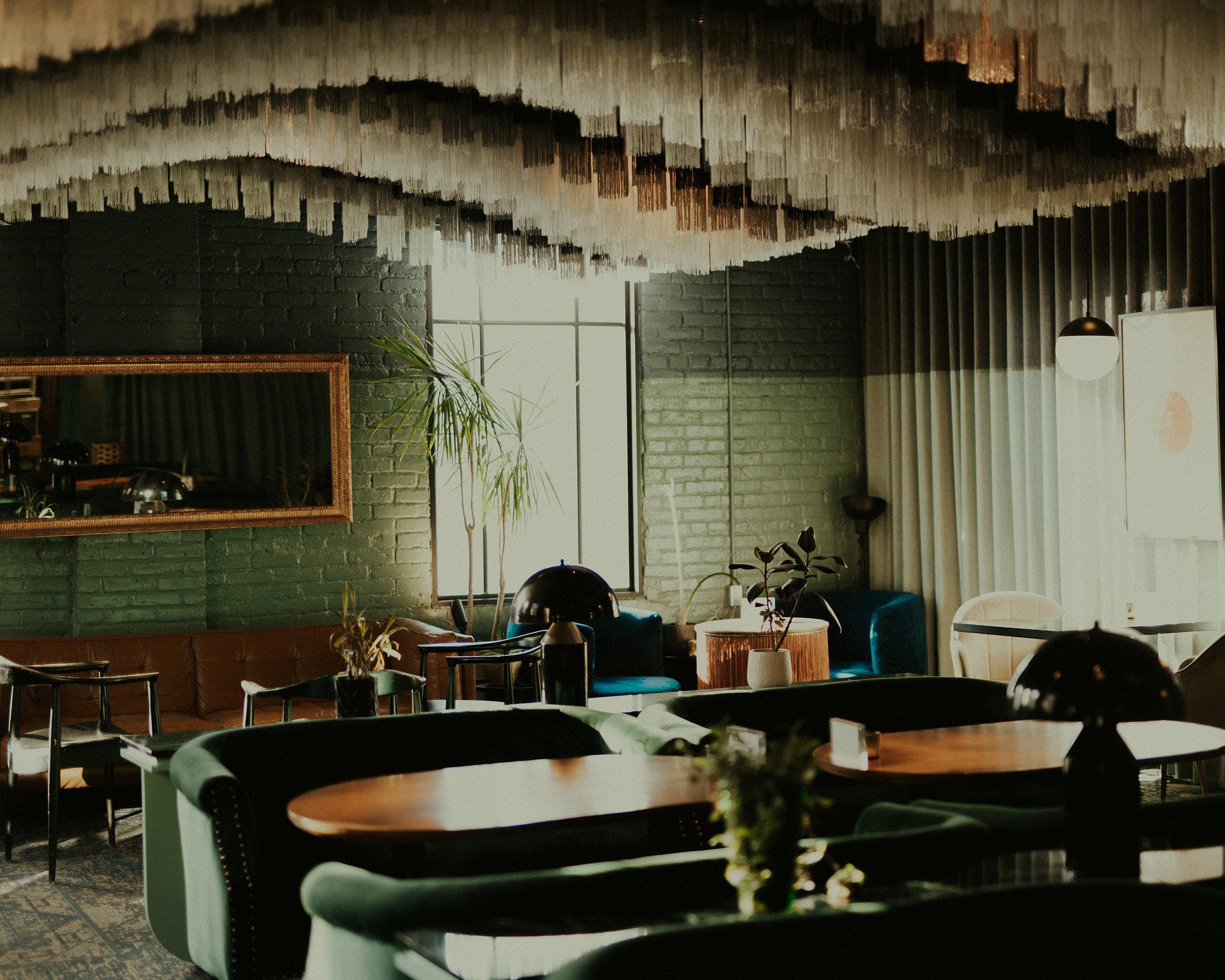
Dim lighting with dark woods, rich textured fabrics, and plush rounded banquettes create a timeless, cozy European hideaway atmosphere designed for meaningful conversation.