Banff Sunshine Village sits above the treeline in the Canadian Rockies, operating across three mountain faces with a snow season that typically stretches from November into late May. The resort's position at elevation — base lodge at 1,660 metres, summit at 2,730 metres — means consistent powder conditions that define Alberta's ski calendar and draw a mix of serious terrain seekers and first-time alpine visitors.
Pearl is the En Primeur Club membership app — saves, bookings, and concierge access live there. Same editors, same standards.
- Address
- Alberta, Canada
- Phone
- +1 403 705 4000
- Website
- skibanff.com
- Directions
- Get directions
 Saves & bookings on Pearl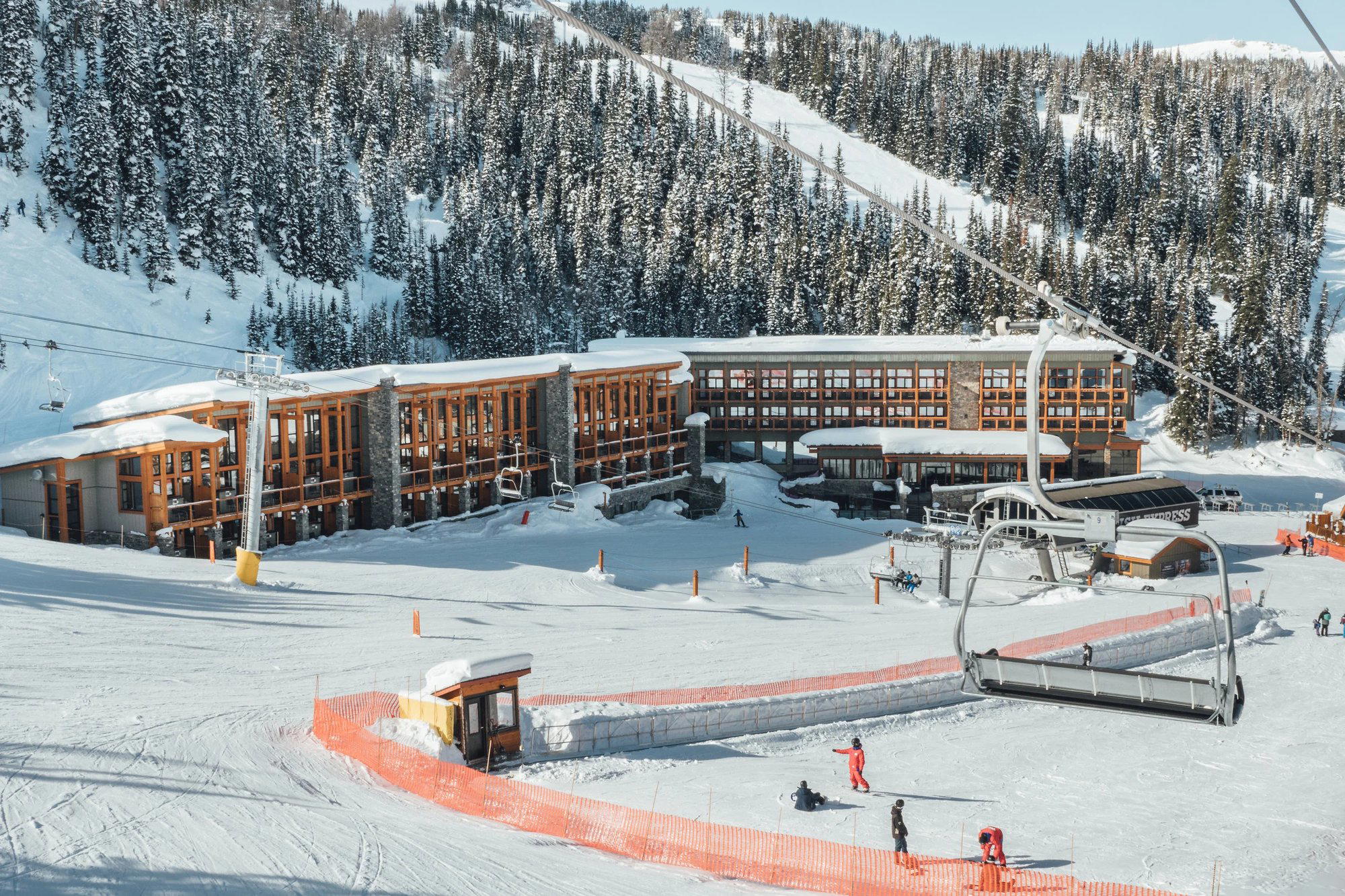
Where the Canadian Rockies Set the Terms
High-alpine ski resorts in western Canada divide into two broad categories: those that trade on proximity to an urban centre, and those that trade on elevation and snow reliability. Banff Sunshine Village belongs firmly to the second group. With a base at roughly 1,660 metres and a summit approaching 2,730 metres, it operates above the treeline for much of its terrain, which means the mountain's weather patterns — and the experience of skiing here — are shaped more by the Rockies than by anything constructed at the base. That distinction matters when choosing between Alberta's mountain options. For context on the broader Banff accommodation picture, the Fairmont Banff Springs and Fairmont Chateau Lake Louise both offer valley-floor luxury with direct access to the wider national park network, while Sunshine operates as the mountain's own vertical world.
The season here is one of the longest in Canada, typically running from early November through to late May, roughly 155 to 160 days depending on snowpack. That extended window places Sunshine in a different planning conversation from coastal resorts, where maritime weather introduces more variability. Skiers comparing options across western Canada will find that Whistler's volume and vertical metres draw one kind of visitor, while Sunshine's sustained season and high-elevation consistency draw another. The Fairmont Chateau Whistler anchors that coastal mountain experience; Sunshine anchors something drier, colder, and more reliably powder-focused in the interior Rockies.
Three Mountains, One Ticket
Canadian Rockies ski resorts have moved toward consolidated multi-mountain passes, and Sunshine participates in the regional SkiBig3 arrangement alongside Lake Louise Mountain Resort and Mt. Norquay. That structure changes the planning logic for a multi-day trip: a single pass covers terrain profiles that range from groomed beginner runs to exposed alpine bowls, without the friction of separate ticketing. For visitors spending a week in the region, the three-mountain format offers genuine variety rather than the diminishing returns of exhausting a single hill.
Sunshine's own terrain spans three mountain faces, Lookout, Standish, and Goat's Eye, with the last offering some of the most demanding pitch in the area. The gondola connects the valley base to the resort village at mid-mountain, which means the ski-in, ski-out lodge sits above the parking level, creating a separation between the driving-and-parking experience and the on-snow one that visitors who have stayed at equivalent high-elevation properties will recognise immediately. Properties like Deer Lodge and Moraine Lake Lodge offer comparable immersion in the park's deeper geography, though in non-ski contexts.
The Guest Experience at Elevation
Above-treeline skiing changes what service has to mean. Weather windows close faster, terrain exposure is higher, and the guest who arrived at a groomer's pace may find themselves re-routing by mid-morning. The operational model at resorts like Sunshine reflects this: patrol presence across alpine zones, avalanche management on a daily schedule, and a lift network calibrated to move people across terrain faces rather than simply to a single summit and back. The mountain's guest experience is shaped as much by how those systems operate as by any single amenity at the lodge.
For the lodge-stay visitor specifically, the on-mountain accommodation option at Sunshine removes the daily gondola commute, which matters when conditions are at their leading at first light. That ski-in, ski-out positioning is a practical advantage that changes the rhythm of a ski day in ways that valley-floor stays cannot replicate, regardless of how well-appointed the valley property is. Travellers who have experienced the same trade-off at high-elevation properties elsewhere in Canada, or at places like Clayoquot Wilderness Lodge in Tofino, where access itself shapes the experience, will understand the logic immediately.
Situating Sunshine in the National Park Context
Banff National Park's boundaries impose limits that shape the commercial development of everything inside them. Ski resorts operating within the park cannot expand infrastructure without federal review, which means Sunshine's terrain and lift count are unlikely to change dramatically in the near term. That constraint also functions as a preservation mechanism: the mountain's character is relatively fixed, and the alpine environment above the gondola station remains genuinely wild in the way that only Parks Canada-governed land tends to be.
For visitors whose travel in Canada extends beyond the Rockies, the contrast with non-park resort properties is instructive. Fogo Island Inn in Joe Batt's Arm and Manoir Hovey in North Hatley represent the country's design-led, destination-hospitality tier in entirely different landscape contexts. Sunshine sits in a separate category: a specialist mountain operation within a protected area, where the draw is the terrain and the snow, and where the national park designation is as much a part of the product as the lift infrastructure. For broader Canada hotel planning, our full I D No 9 restaurants and hotels guide maps the wider region's options across price tiers and experience types.
Planning a Visit
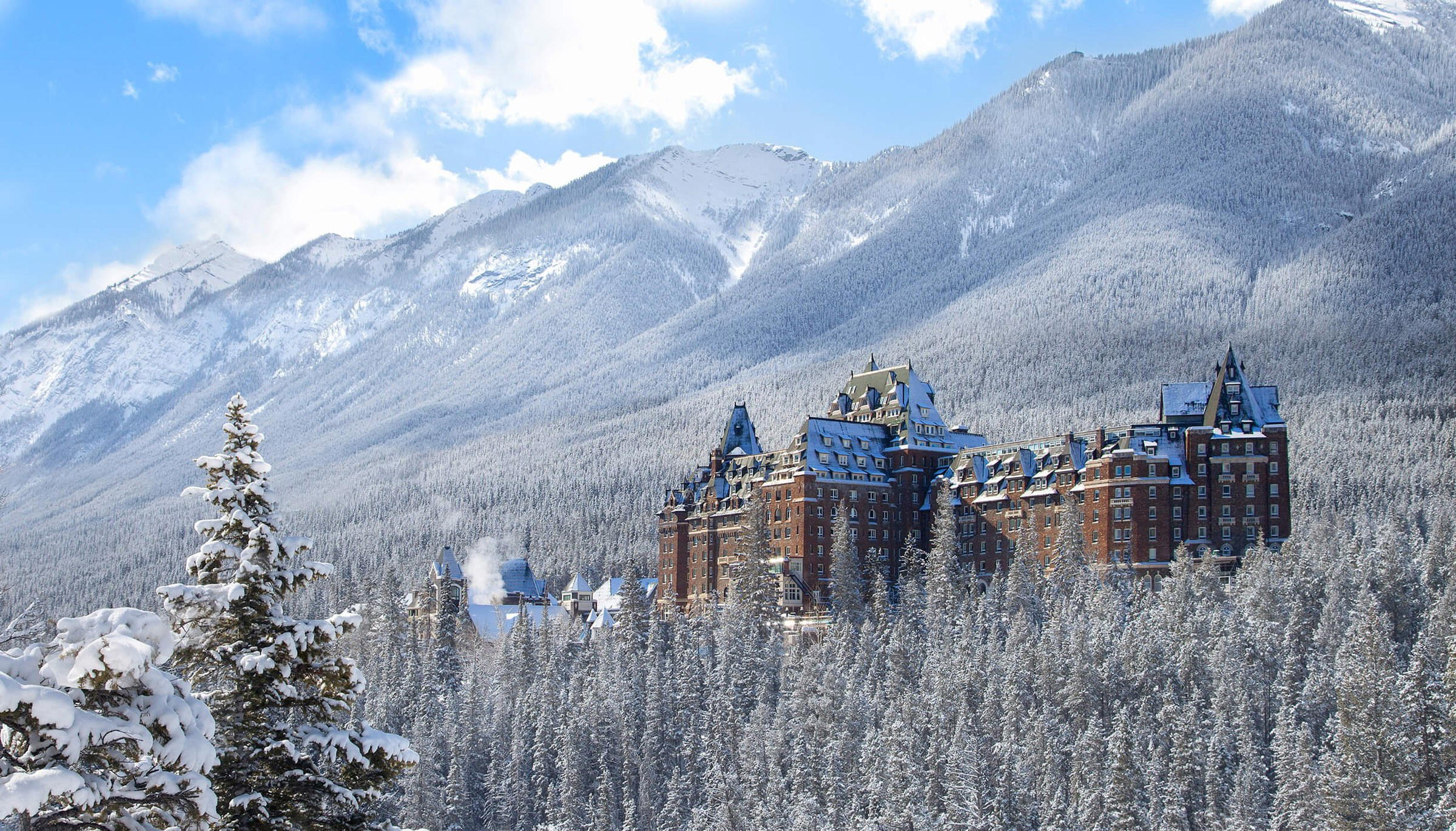
Access to Sunshine is via Highway 1 west of Banff townsite, with a dedicated access road leading to the gondola base at the valley floor. No vehicle access extends to the mid-mountain resort village itself; the gondola is the only way up for guests not arriving on ski or snowboard. That operational detail defines the experience for first-time visitors and is worth understanding before booking. Accommodation in Banff town, at properties like the Fairmont Banff Springs, provides a comfortable base with morning shuttle options; the on-mountain lodge removes the shuttle requirement entirely at the cost of road access to town in the evenings.
For travellers combining a Rockies ski trip with time in Calgary, The Dorian, Autograph Collection in Calgary covers the city-end of the itinerary with a design sensibility that suits the same demographic drawn to high-elevation mountain experiences. The drive from Calgary to the Sunshine access road runs approximately 90 minutes in clear winter conditions, though mountain weather and highway closures can extend that. Peak season falls in January and February for snowpack, while the shoulder months of November and May offer quieter lift lines with less predictable conditions. The long season makes March and April a strong choice for those who want spring corn snow on the upper mountain without the compressed crowds of the main winter holiday period.
What It’s Closest To
| Venue | Cuisine |
|---|---|
| Banff Sunshine Village Ski & Snowboard ResortThis venue — the venue you are viewing | This venue |
| Four Seasons Hotel Toronto | Michelin 2 Key |
| Fairmont Chateau Whistler | Michelin 2 Key |
| Four Seasons Resort Whistler | Michelin 2 Key |
| Rosewood Hotel Georgia | Michelin 2 Key |
| Fairmont Banff Springs | Michelin 1 Key |

At a Glance
- Scenic
- Rustic
- Energetic
- Family Vacation
- Weekend Escape
- Group Retreat
- Ski In Ski Out
- Panoramic View
- Wi Fi
- Fitness Center
- Mountain
- Wi Fi
- Fitness Center
Current opening hours
- Monday
- 8 AM–5:30 PM
- Tuesday
- 8 AM–5:30 PM
- Wednesday
- 8 AM–5:30 PM
- Thursday
- 8 AM–5:30 PM
- Friday
- 8 AM–5:30 PM
- Saturday
- 8 AM–5:30 PM
- Sunday
- 8 AM–5:30 PM
Hours can change for holidays and private events. Last verified .
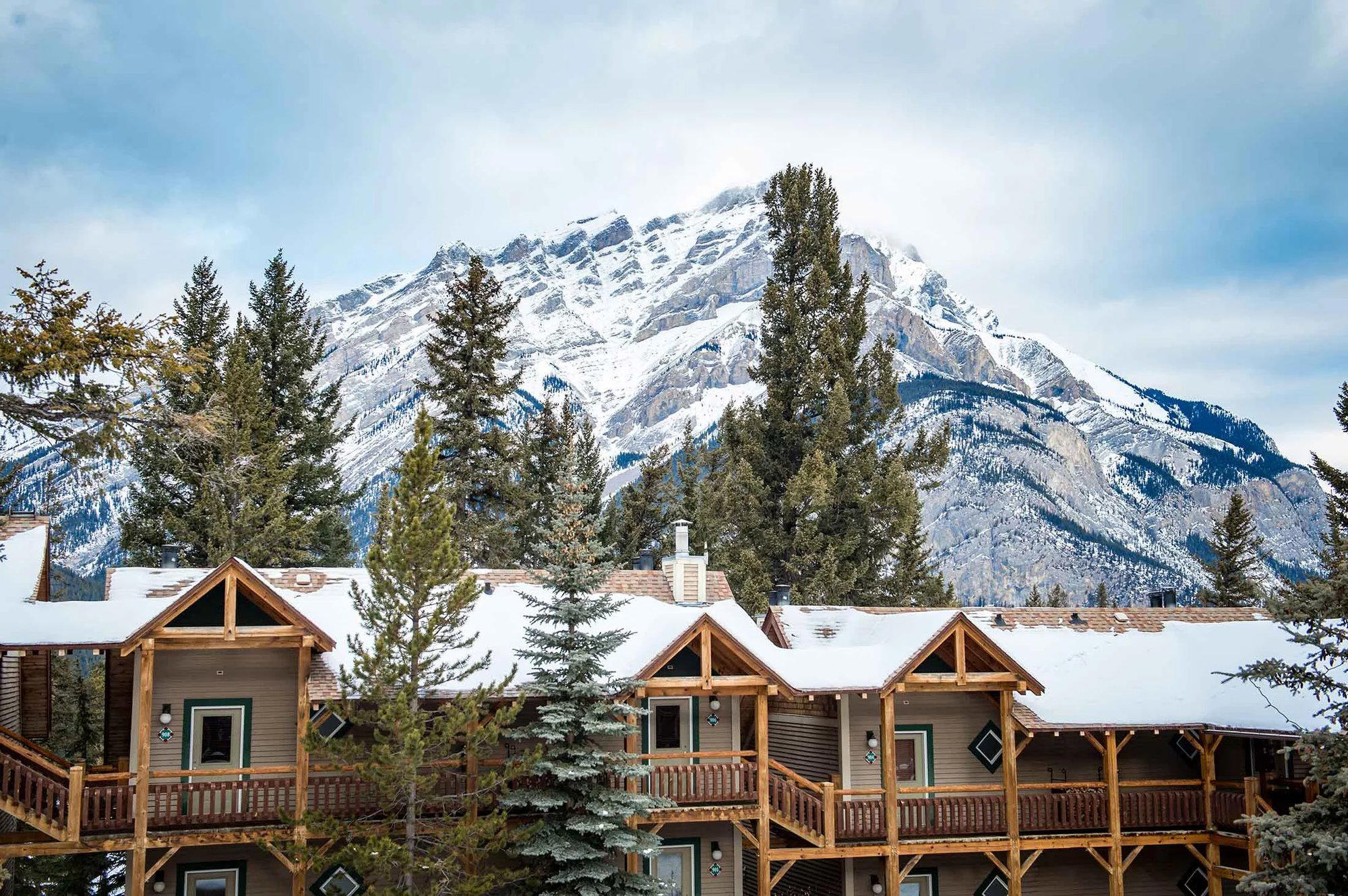
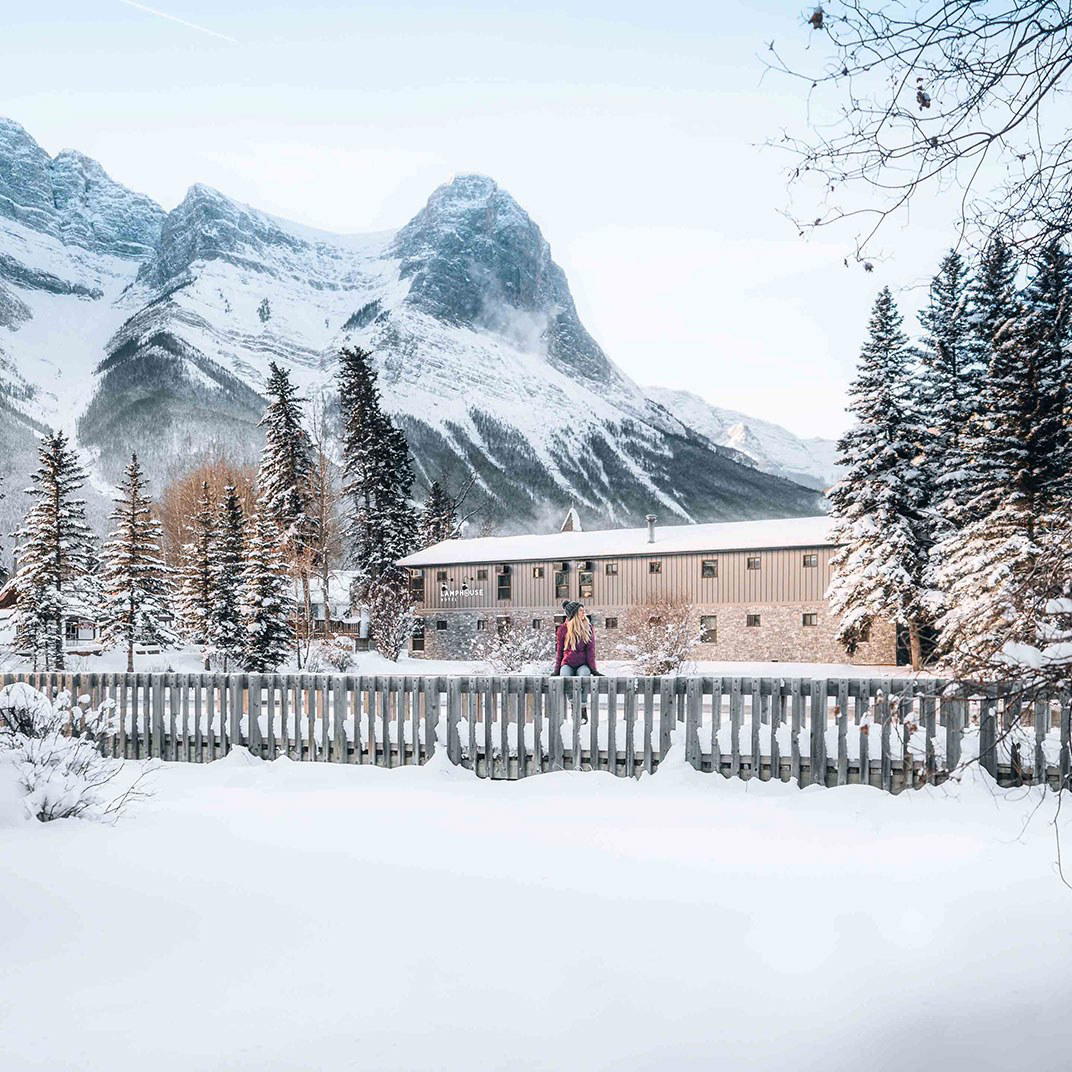
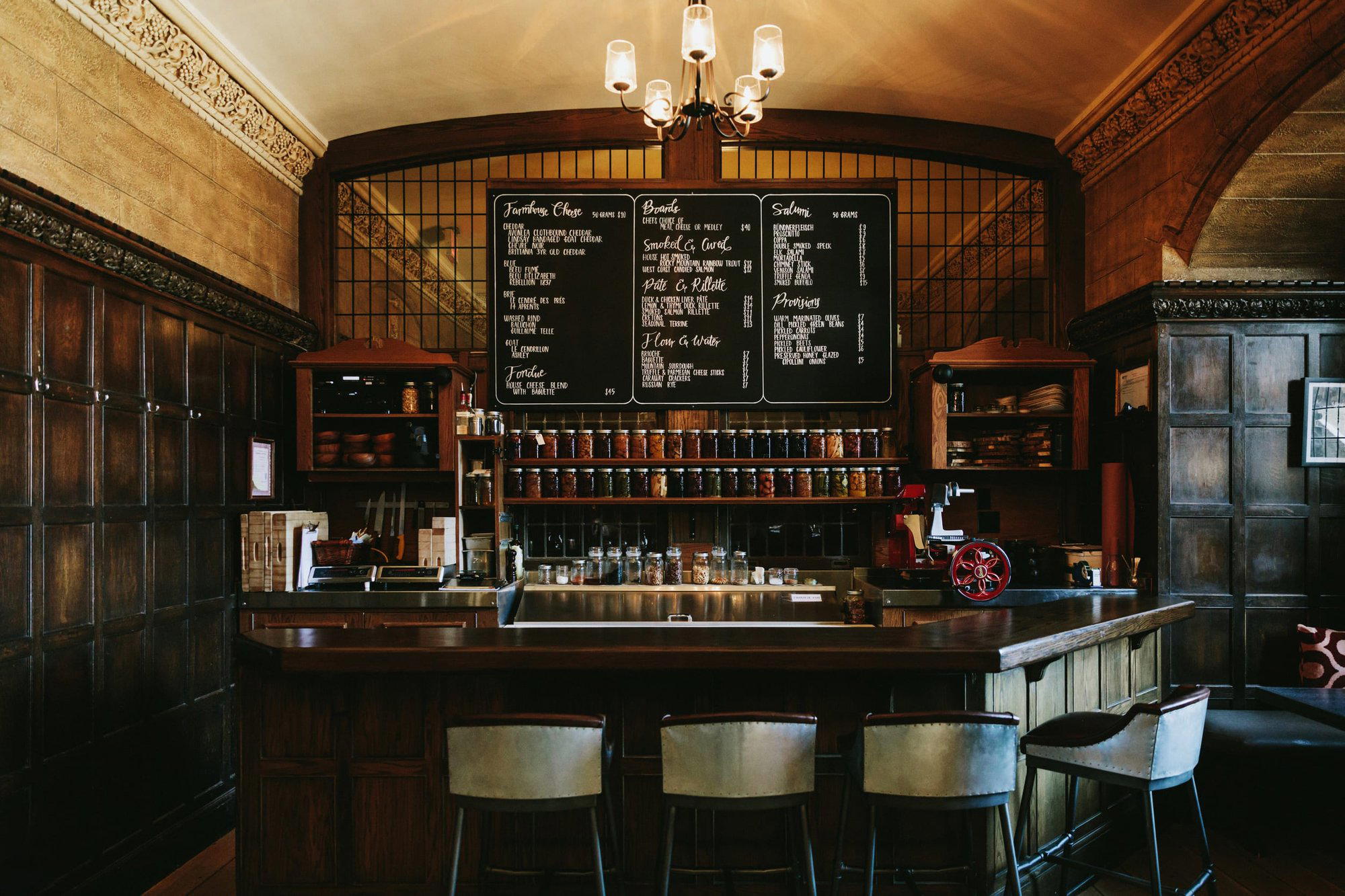
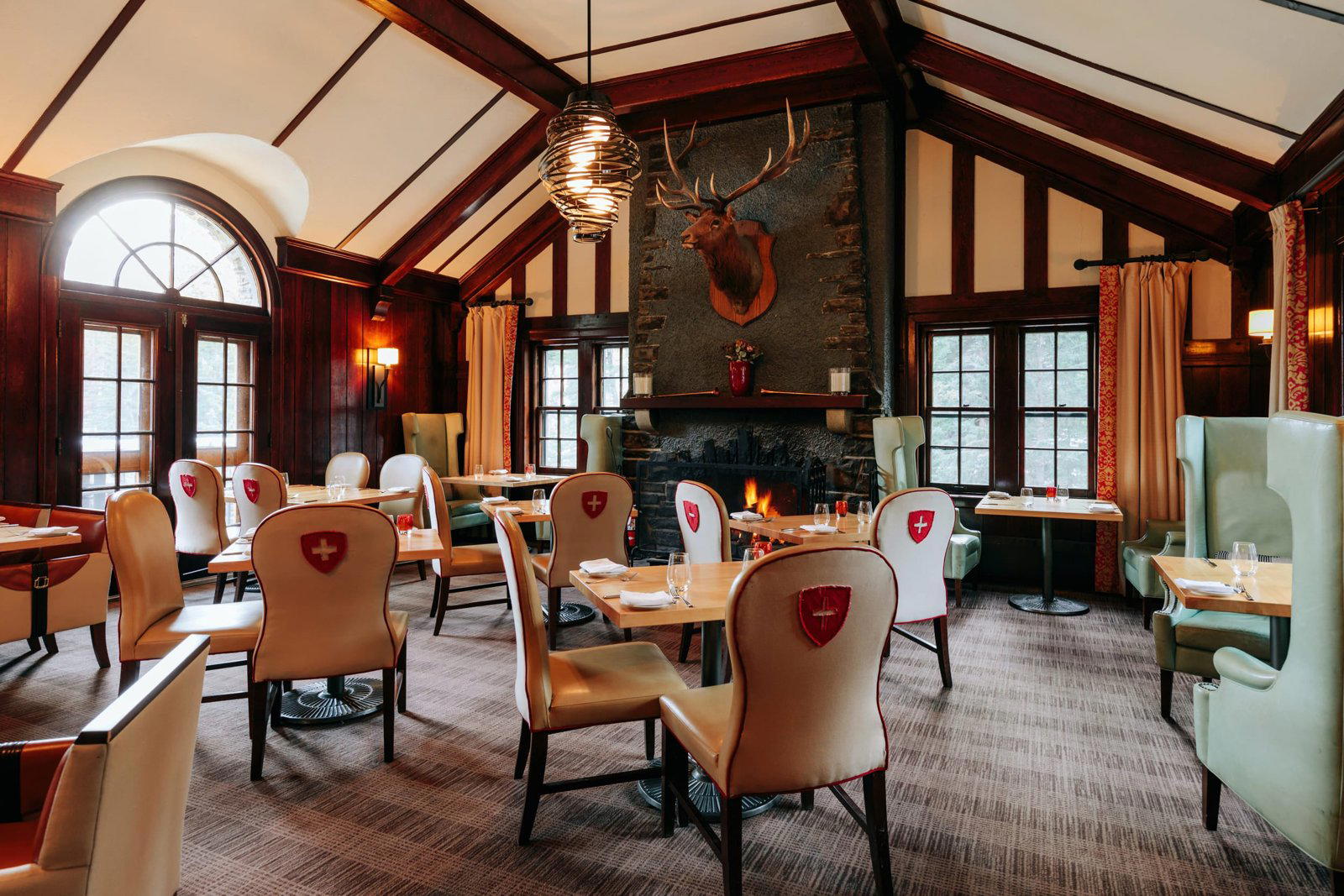
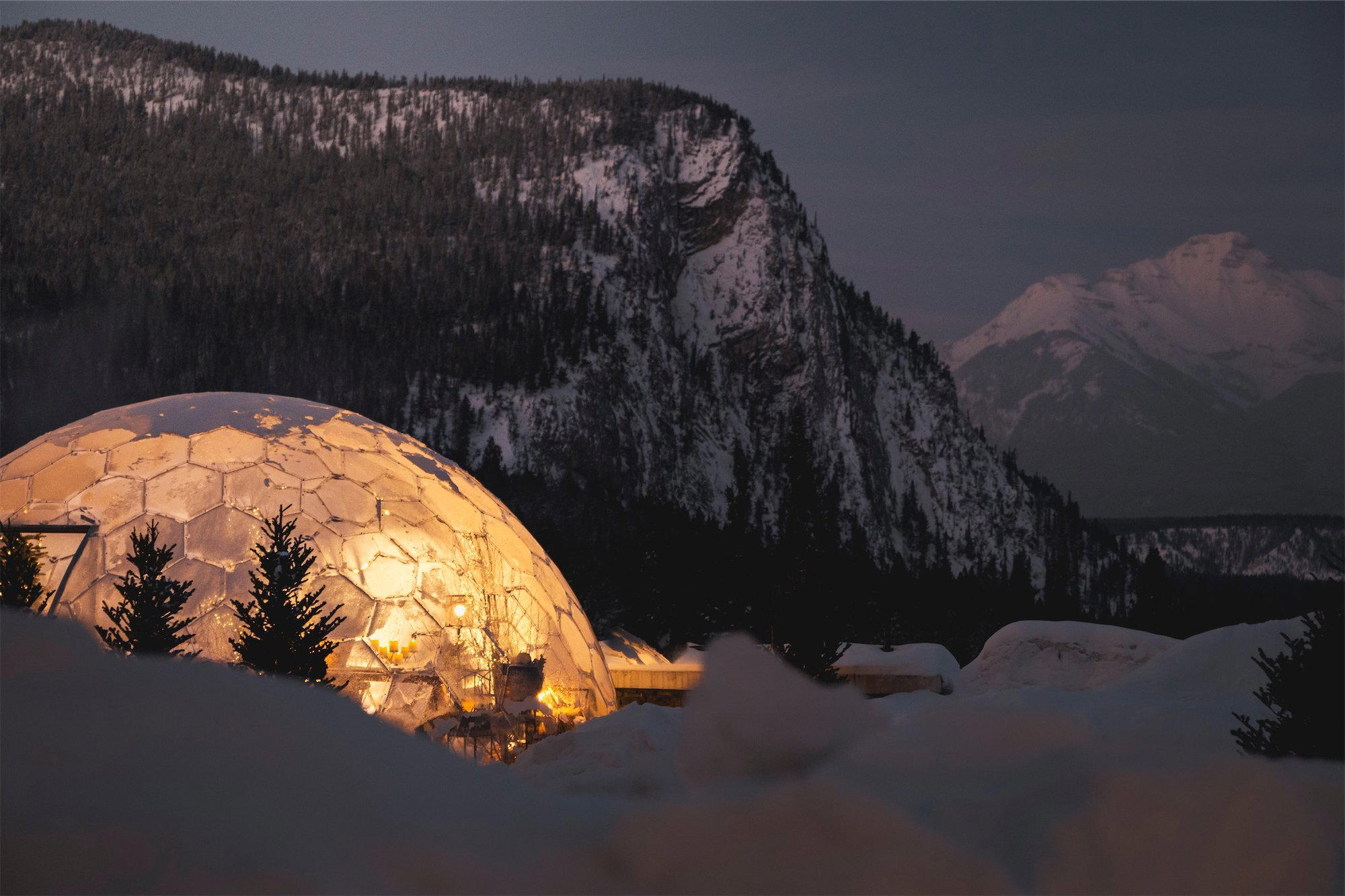
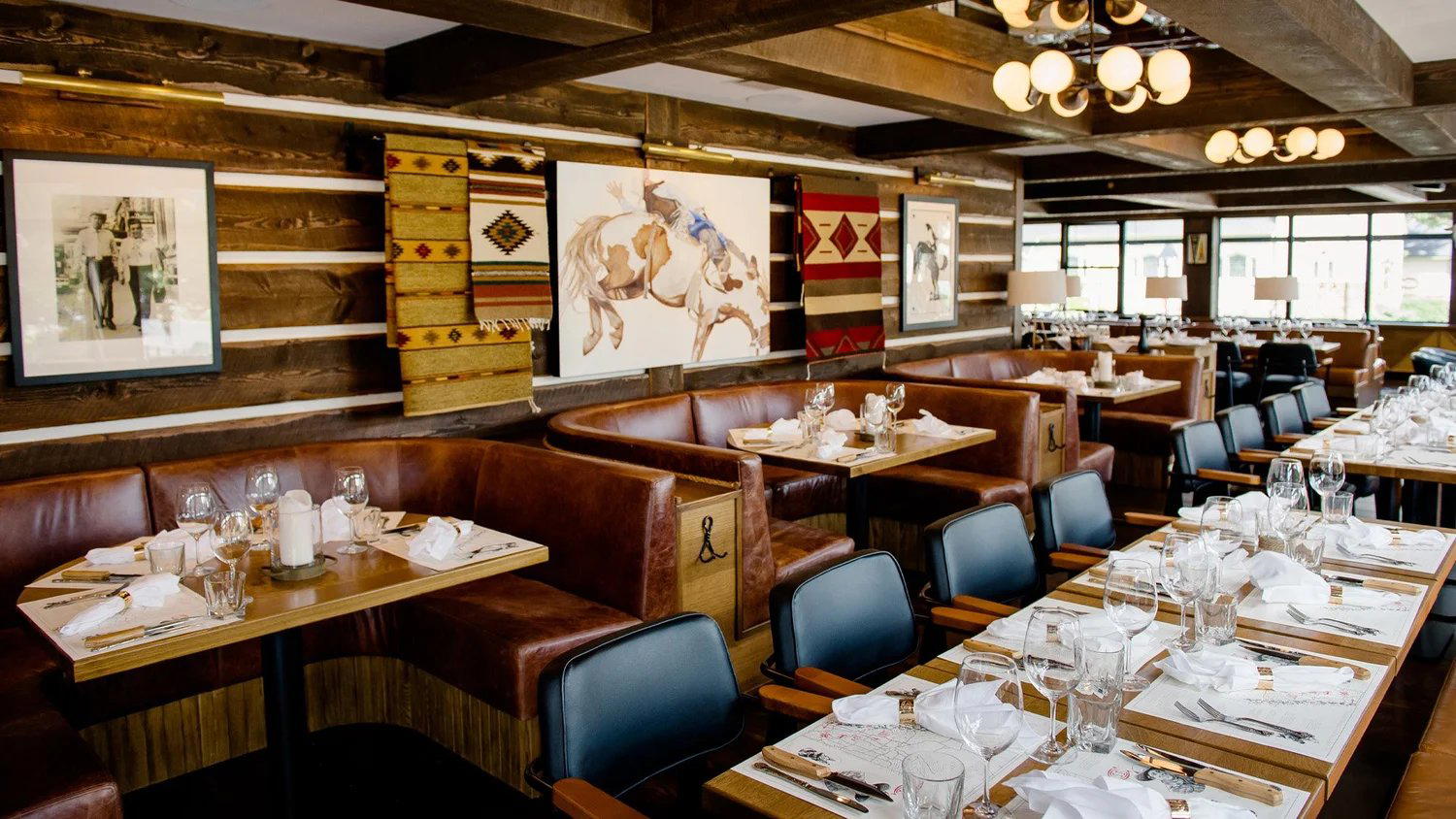
Cozy alpine lodge atmosphere with dramatic 360-degree mountain views and a focus on immersive ski-centric experiences.
Know Before You Go
- Getting there
- Alberta, Canada