
On a quiet lane in the heart of Macau's older residential fabric, Sip Bar and Café occupies a different register from the casino-adjacent lounges that define much of the city's drinking scene. The atmosphere is deliberately low-key, the scale intimate, and the draw is as much about the pace of the experience as any single drink on the menu.
Pearl is the En Primeur Club membership app — saves, bookings, and concierge access live there. Same editors, same standards.
- Address
- MacaoTv. dos Lirios, 18號, Va Van Edf., 18B
- Phone
- 6658 6820
- Website
- facebook.com
- Directions
- Get directions
 Saves & bookings on Pearl
A Different Frequency in Macau's Bar Scene
Macau's drinking culture splits cleanly along a familiar fault line. On one side sit the grand hotel bars: The Ritz-Carlton Bar & Lounge, The St. Regis Bar, 38 Lounge, and Long Bar, each operating within the grammar of international luxury hospitality: high ceilings, extensive spirits libraries, and a clientele that tends to flow in from adjacent casino floors. On the other side, a smaller and quieter cohort of neighbourhood bars has taken root in the older residential lanes of the peninsula, where the architecture is Portuguese-influenced and the pace is several registers slower. Sip Bar and Café belongs to that second category, and the gap between the two is as much about intent as price point.
The venue sits on Travessa Dos Lírios, a narrow lane in the older residential section of Macau, at an address most visitors would not encounter unless they were looking for it specifically. That positioning is not incidental. In cities where the dominant bar format is tied to hotel infrastructure and gaming-floor footfall, the few bars operating outside that system tend to serve a different purpose: they draw the city's own population, the long-term residents, the people who want a drink without the machinery of the entertainment industry humming around them.
What the Space Communicates
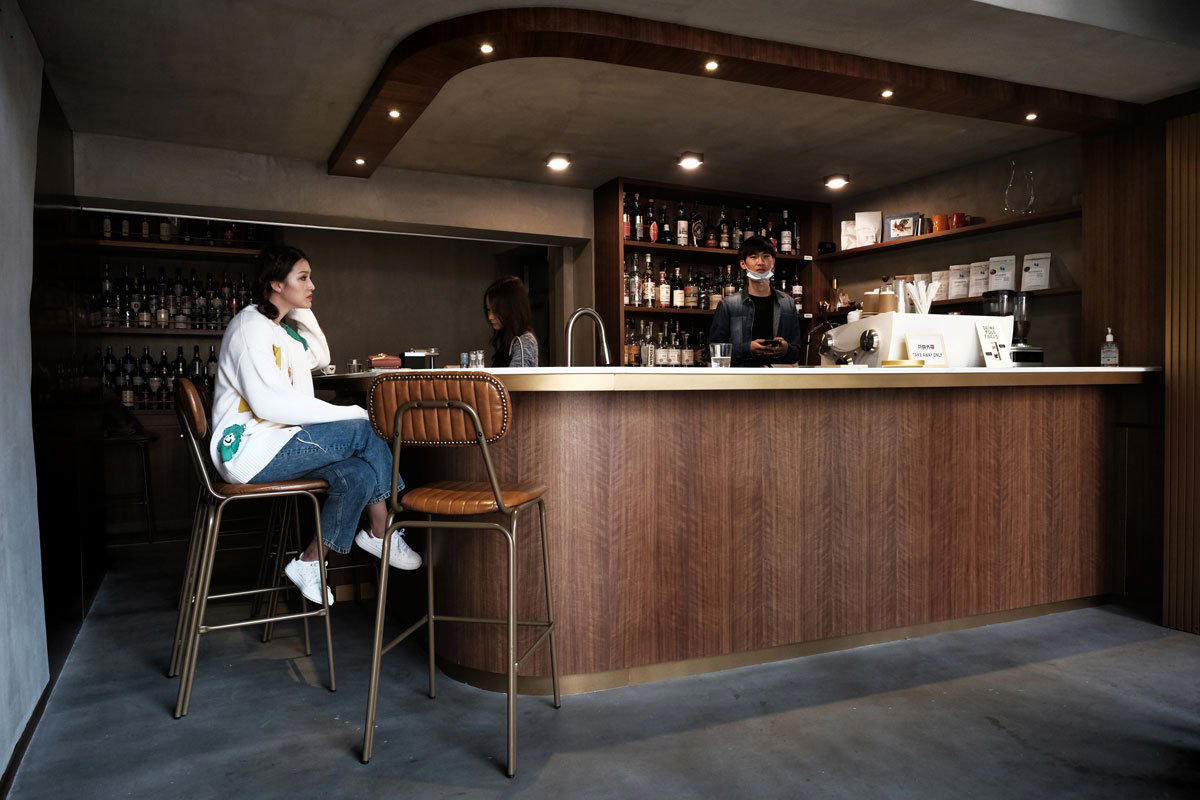
The atmosphere at Sip is deliberately intimate. The scale is small, the format oriented toward personal experience rather than spectacle, and the environment is shaped around the idea of quiet time as a value in itself. That is a recognisable format across several of the stronger independent bars in the Pearl River Delta region: Hope & Sesame in Guangzhou built its reputation on a similar register of considered calm, while Obsidian Bar in Shenzhen operates in a comparable low-volume, high-attention mode. The common thread is a shift away from bar-as-performance toward bar-as-conversation, where the interaction between guest and bartender carries more weight than the room itself.
In Macau specifically, that shift has been slower to arrive than in cities like Shanghai, where Coa has spent years building a technical program around mezcal and agave spirits with enough editorial consistency to attract regional attention. The city's reliance on casino-linked hospitality means that independently operated bars exist in a smaller, more uncertain commercial space. Sip occupies that space without apparent apology, which is itself a form of editorial statement.
The Craft Behind the Counter
The editorial angle that applies most precisely to a venue of this type is the hospitality approach: what the person behind the bar is doing, and what that communicates about the bar's values. At the smaller independent bars that have gained traction across Chinese cities over the past decade, including Janes & Hooch in Beijing and CMYK in Changsha, the bartender's role has shifted from service operative to something closer to host and curator.
Sip's positioning as a café-bar hybrid is relevant here. The dual format, which pairs coffee or tea service with alcohol, is a format that broadens the circumstances under which a guest might visit. It also changes the dynamic at the counter: a bartender working a café-bar format is handling a wider range of guest states and needs, which tends to produce a more conversational, less transactional service style. The comparison venue in this regard would be the quieter end of the Honolulu bar spectrum, where Bar Leather Apron has long operated on the premise that attentive hospitality and a focused spirits program are more durable draws than room design or celebrity association.
Where It Sits in the Macau Drinking Map
Visitors arriving in Macau for the first time tend to orient themselves around the Cotai Strip or the Lisboa cluster on the peninsula, where the hotel bars are densely concentrated and easily legible. The older lanes of the peninsula, including the area around Travessa Dos Lírios, require a different navigational logic: they reward pedestrian exploration and local knowledge rather than map-app routing to a landmark. That friction is part of what keeps venues like Sip operating at a particular scale.
For context on how Macau's bar and restaurant scene maps more broadly, the full Macau restaurants and bars guide covers the range from casino-integrated luxury to neighbourhood independents. Sip sits at the independent end, where the commercial conditions are different and the guest relationship is correspondingly closer.
The regional bar circuit has been developing steadily. FLAIR in Wuhan represents a different expression of the same underlying shift: bars outside the tier-one cities and resort destinations finding their own vocabulary for considered drinking. Macau, with its unusual mix of Chinese and Portuguese urban heritage and its long history as a hospitality destination, produces a particular version of that vocabulary, and the independents operating in its older residential fabric are a meaningful part of the picture.
Planning a Visit
Sip Bar and Café is located at 18B, 華運樓, 18 蓮莖巷, on Travessa Dos Lírios in central Macau. The venue is accessible on foot from the main peninsula transport links, though the lane itself is narrow and best reached by walking from a nearby landmark rather than by vehicle. Given the intimate scale of the space, timing matters: smaller bars of this type in Chinese cities tend to fill quickly on weekend evenings, and the experience shifts meaningfully between a quiet weekday afternoon and a busier weekend session. The café dimension of the format means daytime visits are a viable option, which is not always the case at bars operating on a purely evening schedule.
The Quick Read
Comparable venues nearby, for context on price, style, and recognition.
| Venue | Cuisine | Price | Notes |
|---|---|---|---|
| Sip Bar and CaféThis venue — the venue you are viewing | Macau Peninsula, lounge | $$ | Not listed |
| Imperial Court | Not listed | $$$$ | NAPE, Lingnan / Cantonese Fine Dining |
| Macau Soul | Not listed | $$ | Rua de Sao Paulo, wine_bar |
Recognition history
Dated appearances from independent guides and award organizations, with the underlying list record or original source where available.
Star Wine List
Star Wine List
Continue exploring
More in Macau
Restaurants in Macau
Browse all →
At a Glance
- Cozy
- Casual Hangout
- Seated Bar
Inviting and community-focused with friendly service.