

529 Wellington holds a White Star recognition from Star Wine List, placing it among Winnipeg's more seriously curated dining addresses. Located on Wellington Crescent, the restaurant operates in a city whose food scene has matured considerably over the past decade. For wine-forward dining in the Canadian Prairies, it represents a reference point worth knowing.
Pearl is the En Primeur Club membership app — saves, bookings, and concierge access live there. Same editors, same standards.
- Address
- 529 Wellington Crescent, Winnipeg, MB R3M 0B9, Canada
- Phone
- +1 204-487-8325
- Website
- 529wellington.ca
- Directions
- Get directions
 Saves & bookings on Pearl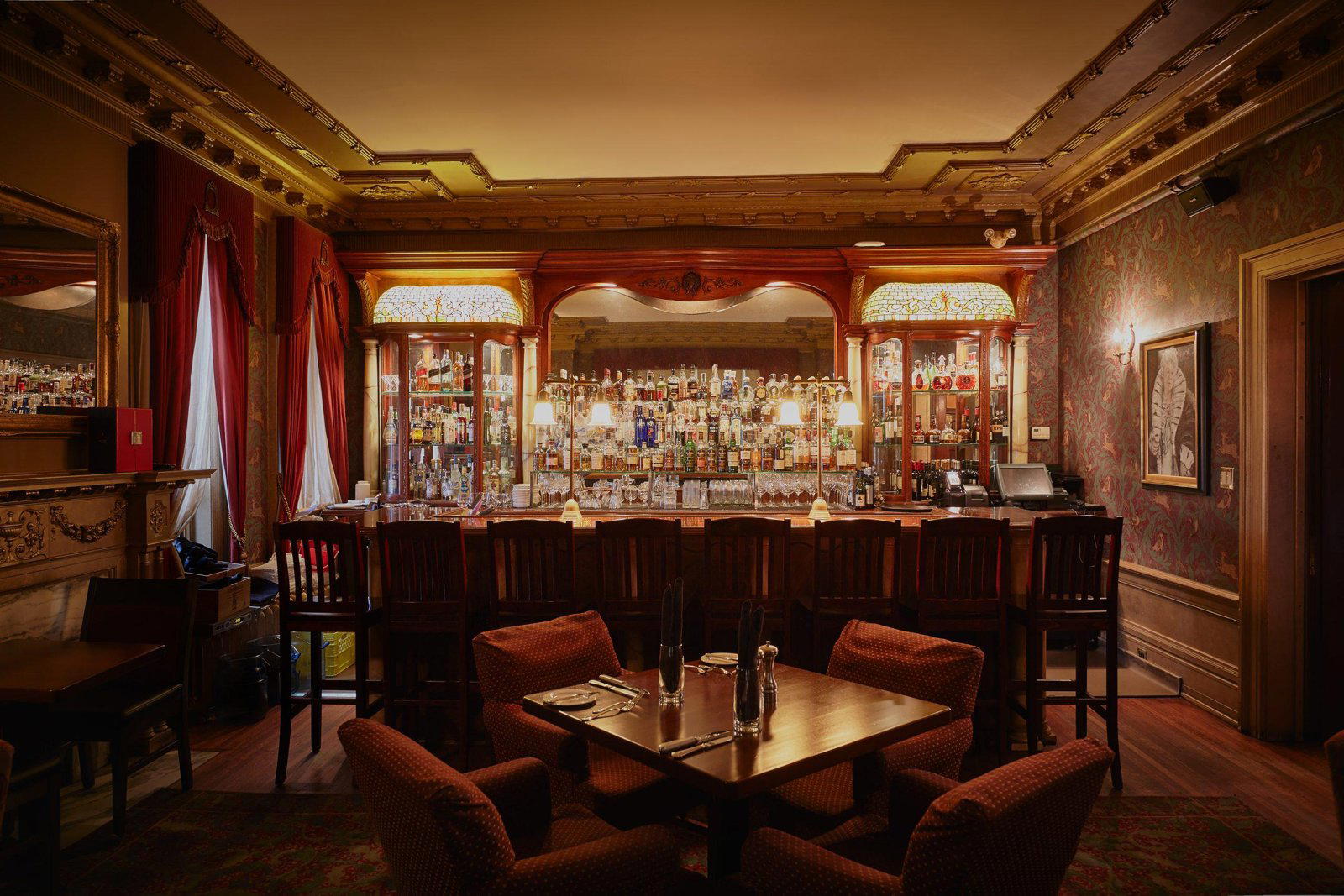
Wellington Crescent and the Question of Serious Dining in Winnipeg
Wellington Crescent is one of Winnipeg's more storied addresses, a tree-lined residential corridor that has quietly anchored the city's upscale west end for generations. Restaurants that take root here tend to reflect the neighbourhood's register: measured, considered, and oriented toward a local clientele rather than tourist traffic. 529 Wellington operates in that tradition, and its White Star recognition from Star Wine List — awarded in December 2021 — signals something specific: a wine program assembled with enough depth and coherence to merit independent critical attention, which in a Prairie city is a meaningful credential.
Winnipeg's dining scene has undergone a genuine shift over the past fifteen years. The city that once relied on steakhouses and chain dining now supports a tier of independent restaurants that engage seriously with sourcing, wine, and format. 529 Wellington belongs to that upper bracket, alongside addresses like DEER + ALMOND, NOLA, and YUJIRO, each representing a distinct approach to what a Winnipeg restaurant can be in the current era.
Sourcing in the Prairies: Why Geography Shapes the Plate
The ingredient story in Prairie cooking is, by necessity, a regional one. Manitoba sits at the centre of a significant agricultural zone: heritage grains, cold-climate root vegetables, game, freshwater fish from lakes that most coastal diners will never encounter, and short-season produce whose intensity is a direct product of the climate. Restaurants that engage honestly with this geography tend to produce food that reads differently from urban coastal kitchens, not lesser, but calibrated to different materials and different rhythms.
This sourcing question is increasingly central to how serious Canadian restaurants differentiate themselves nationally. Compare the farm-to-table density of a place like Eigensinn Farm in Singhampton, where the sourcing is literally the real estate, or the hyper-regional philosophy at Tanière³ in Quebec City, which has built a national reputation on northern Quebec ingredients. Prairie restaurants occupy a different but equally compelling position in that conversation: access to ingredients that are genuinely scarce elsewhere, in a region where the culinary infrastructure to support ambitious cooking has arrived relatively recently.
Restaurants on Wellington Crescent serve a clientele that has means and appetite for quality, which tends to support investment in sourcing. The neighbourhood's residential character also creates a dynamic different from Winnipeg's Exchange District or downtown core: regulars expect consistency, seasonal responsiveness, and a wine program that reflects genuine knowledge rather than a perfunctory list. The Star Wine List White Star recognition at 529 Wellington speaks directly to that last point.
The Wine Program as Editorial Statement
Star Wine List's White Star designation is awarded to restaurants whose wine programs meet a defined standard of quality and curation, not merely breadth. In Canada, the same recognition has been extended to a small cohort of restaurants, including Alo in Toronto, Jérôme Ferrer - Europea in Montréal, and Restaurant Pearl Morissette in Lincoln.
A wine program that earns independent recognition functions as a statement about the overall seriousness of a restaurant. It implies kitchen and floor working in alignment, a list selected to complement the food rather than simply populate a menu, and staff capable of navigating it with guests. In a city without a long history of fine wine culture, building that infrastructure requires genuine investment and sustained effort over time.
For comparison, consider how wine-led restaurants in smaller Canadian cities have used list recognition to reframe their competitive positioning nationally. Narval in Rimouski and The Pine in Creemore operate in similarly non-metropolitan contexts and have used sourcing and wine program discipline to attract attention well beyond their immediate geography. 529 Wellington occupies an analogous position in the Prairie context.
The Room and the Register
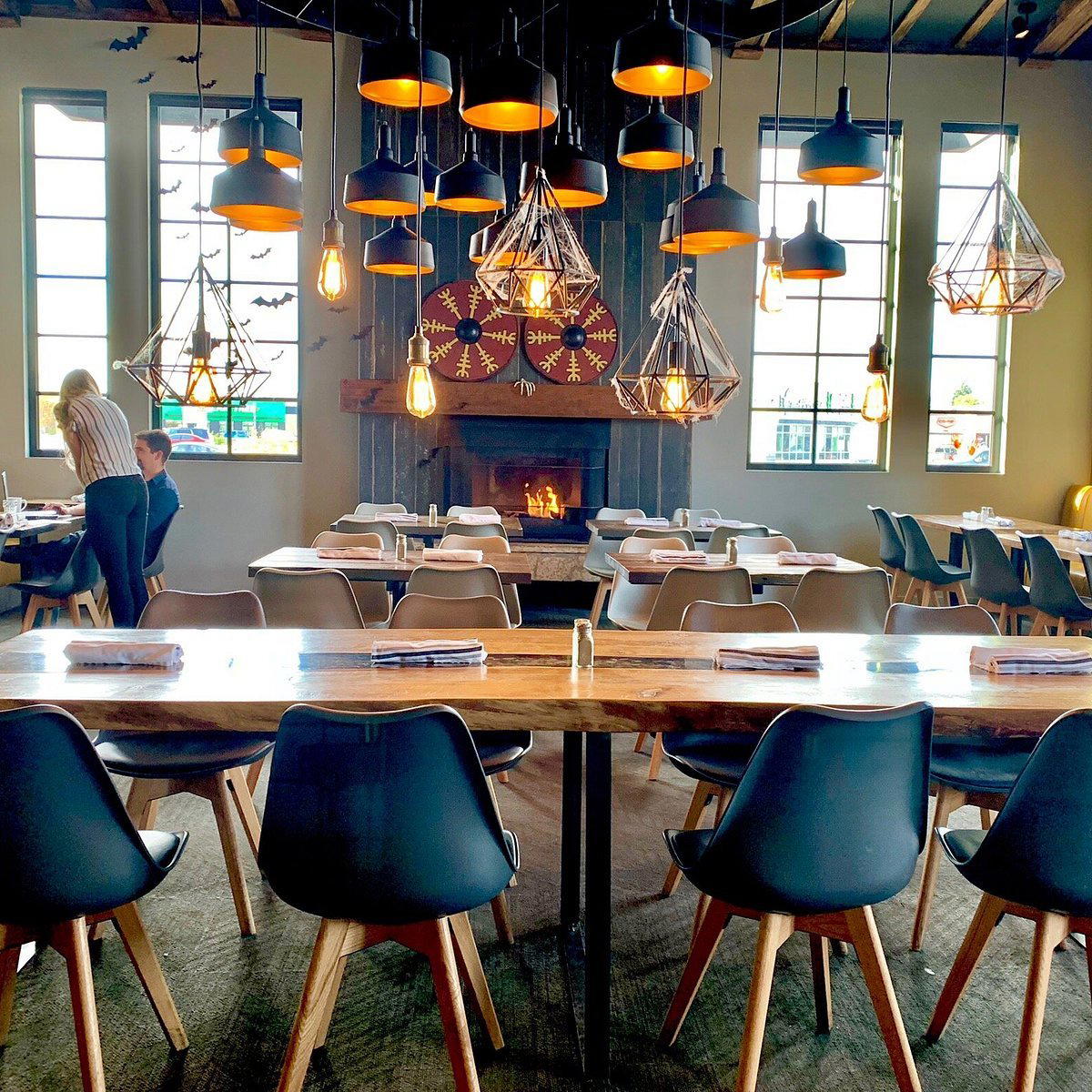
Wellington Crescent properties tend toward a particular architectural vocabulary: older residential buildings adapted for hospitality use, with details that carry the weight of the neighbourhood's history. A restaurant at this address is unlikely to be a glass-and-steel contemporary build; the physical environment is more probably one of warm materials, considered lighting, and a spatial scale that favours conversation over spectacle. That register aligns with serious wine dining, where the room should recede enough to let the food and the glass take precedence.
Winnipeg winters are severe enough that the approach to a restaurant matters practically as well as atmospherically. Arriving on Wellington Crescent in January is a different experience from a summer evening when the crescent's elm canopy is intact. Seasonal timing affects not just the physical approach but the menu logic: winter cooking in the Prairies draws on preserved, aged, and stored ingredients in ways that summer cooking does not, and a kitchen engaged with regional sourcing will reflect that shift visibly.
Where 529 Wellington Sits in a Wider Canadian Picture
Canadian fine dining has broadened its geographic footprint significantly in the past decade. The national conversation used to compress around Toronto, Vancouver, and Montréal, with occasional gestures toward Quebec City. That compression has eased. Restaurants in cities like Winnipeg now participate in a national dialogue about sourcing, wine, and format in ways that would have been difficult to sustain a generation ago. AnnaLena in Vancouver and Le Bernardin in New York City operate at a different scale and with different institutional support, but the underlying questions about where ingredients come from and how a wine list should function are shared across that spectrum.
For visitors to Winnipeg, or for residents who follow the national scene, 529 Wellington represents the kind of address that rewards attention precisely because it is operating in a context where the work of building serious dining culture is still visible. The Star Wine List recognition provides an external reference point; the Wellington Crescent address provides the neighbourhood anchor; and the broader Prairie sourcing context provides the editorial angle that makes the restaurant worth understanding on its own terms, not just as a local option. See our full Winnipeg restaurants guide for the wider picture, or explore Winnipeg hotels, bars, and experiences to plan around a visit.
How 529 Wellington Winnipeg compares with similar nearby venues.
| Venue | Awards |
|---|---|
| 529 Wellington | Star Wine List (2026) |
Recognition history
Dated appearances from independent guides and award organizations, with the underlying list record or original source where available.
Star Wine List
Star Wine List
Wine Spectator Best of Award of Excellence
Wine Spectator
Continue exploring
More in Winnipeg
Restaurants in Winnipeg
Browse all →
Bars in Winnipeg
Browse all →
Hotels in Winnipeg
Browse all →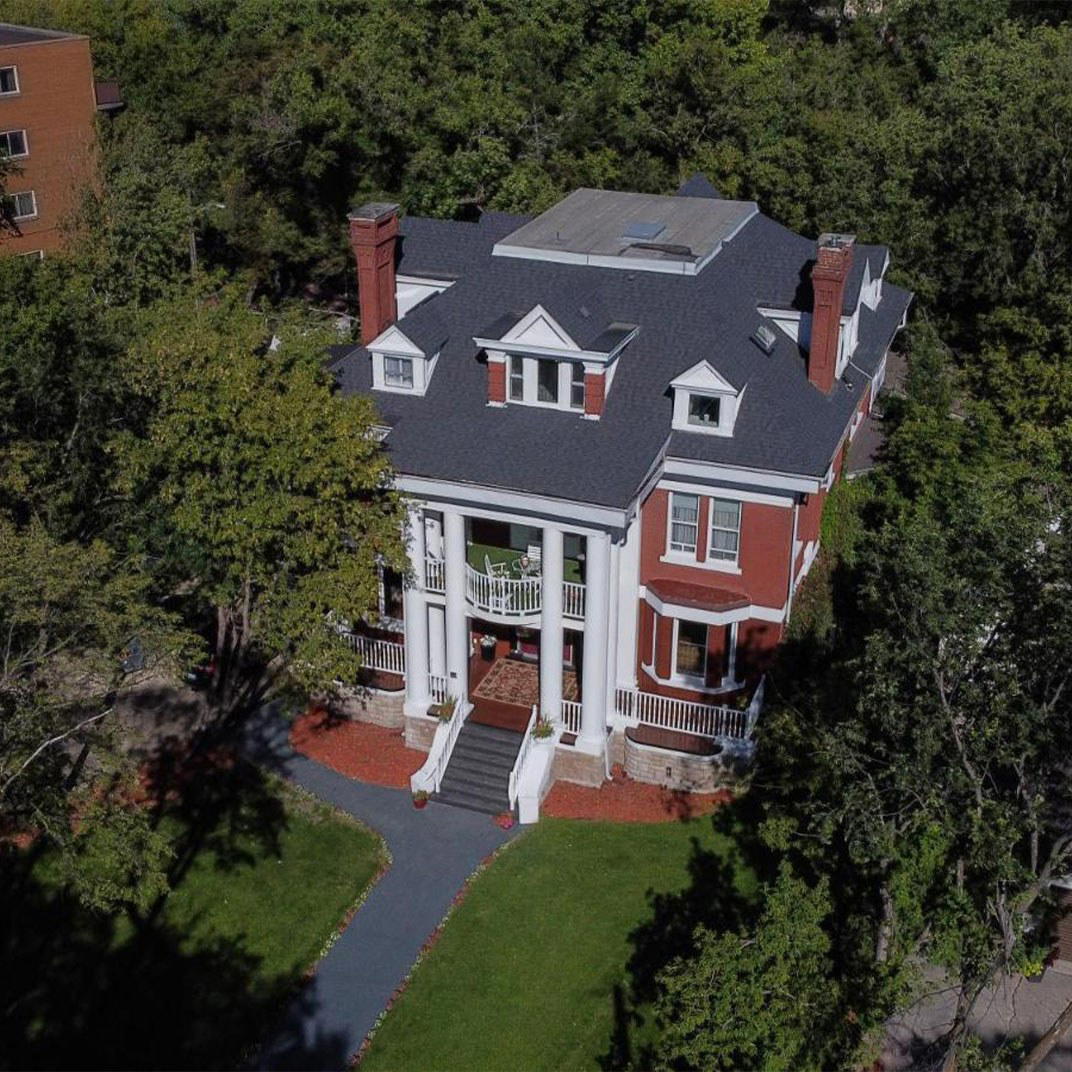
Wineries in Winnipeg
Browse all →
At a Glance
- Elegant
- Sophisticated
- Classic
- Cozy
- Special Occasion
- Celebration
- Date Night
- Group Dining
- Historic Building
- Terrace
- Extensive Wine List
Current opening hours
- Monday
- 11 AM–10 PM
- Tuesday
- 11 AM–10 PM
- Wednesday
- 11 AM–10 PM
- Thursday
- 11 AM–10 PM
- Friday
- 11 AM–10 PM
- Saturday
- 4:30–10 PM
- Sunday
- 4:30–9 PM
Hours can change for holidays and private events. Last verified .
Elegant atmosphere in a century-old mansion with warm lighting, separate dining rooms, and a pretty riverside patio.
Know Before You Go
- Getting there
- 529 Wellington Crescent, Winnipeg, MB R3M 0B9, Canada