
Fairmont Winnipeg occupies a landmark address at 2 Lombard Place in the heart of downtown, earning Michelin Selected recognition in 2025. The property sits within the connected network of Winnipeg's skywalk system, positioning it as one of the city's most practical bases for business and leisure travel. Service depth and brand consistency place it in a distinct tier among Winnipeg's accommodation options.
Pearl is the En Primeur Club membership app — saves, bookings, and concierge access live there. Same editors, same standards.
- Address
- 2 Lombard Place, Winnipeg, MB R3B 0Y3, Canada
- Phone
- +1 204-957-1350
- Website
- fairmont.com
- Directions
- Get directions
 Saves & bookings on Pearl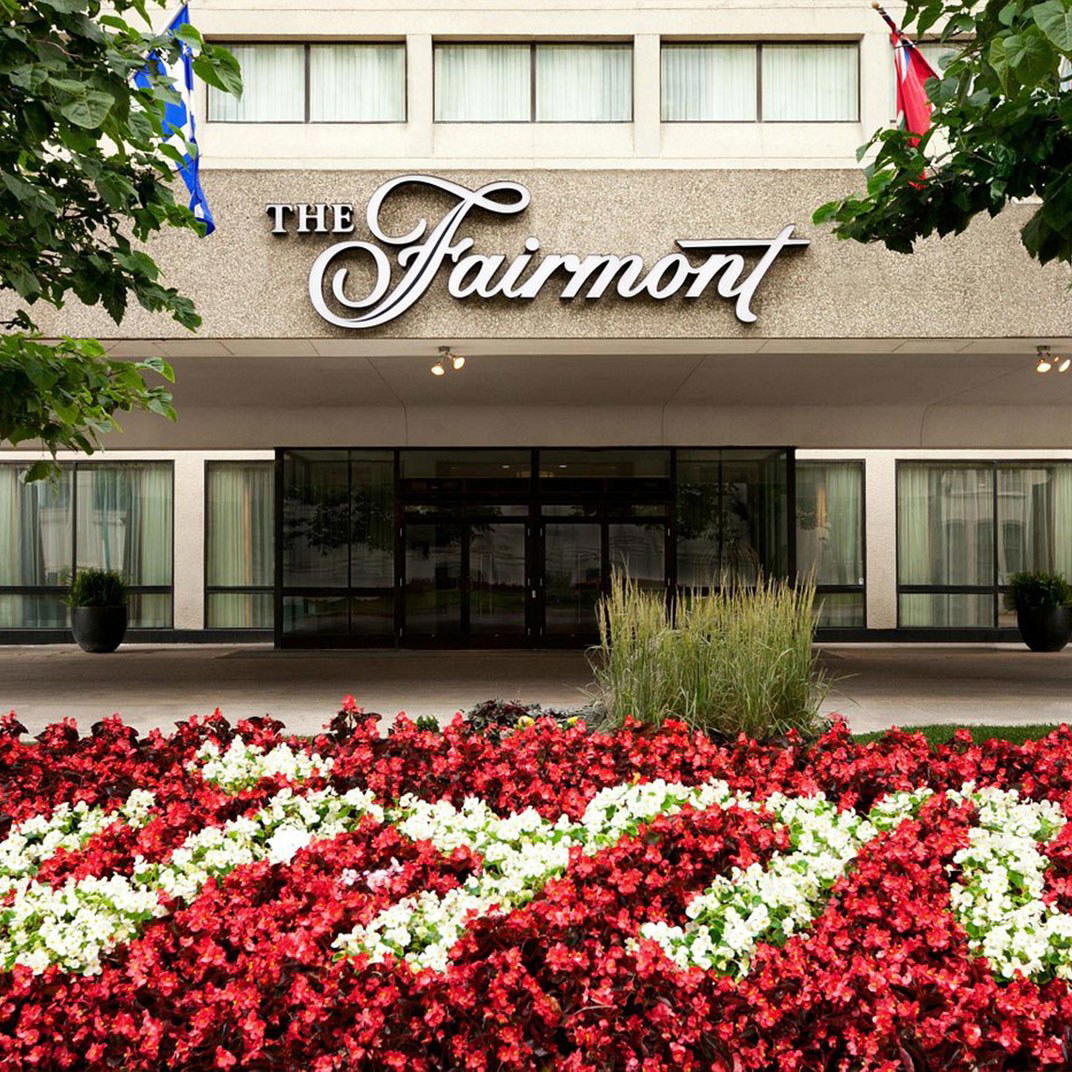
Where Downtown Winnipeg Anchors Its Hospitality Identity
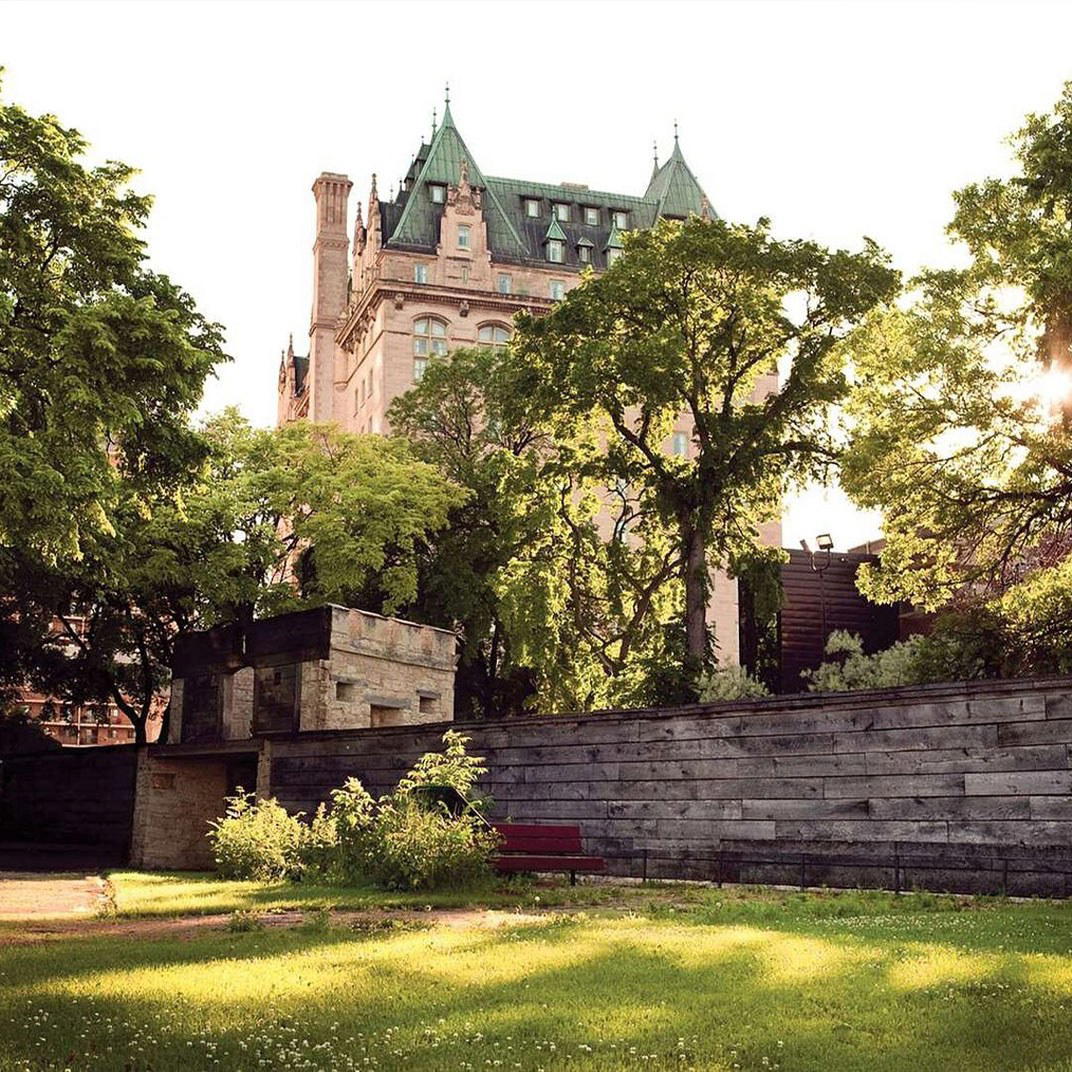
Winnipeg's downtown hotel market divides along a familiar axis: independent properties with architectural character, like The Fort Garry Hotel with its Edwardian limestone facade on Broadway, and branded full-service properties that draw on institutional infrastructure to deliver consistent, high-volume hospitality. Fairmont Winnipeg belongs firmly to the second category, and it does so from one of the city's most connected addresses. Located at 2 Lombard Place, the property sits at the intersection of Portage and Main, a corner that carries almost mythological status in Canadian urban geography as one of the continent's windiest intersections and the symbolic centre of the country's longitudinal midpoint.
That address is not incidental. Fairmont properties across Canada have historically leveraged their civic positioning as part of their identity, from Fairmont Chateau Lake Louise in the Rockies to Fairmont Empress Hotel in Victoria on the Inner Harbour. The Winnipeg property follows that logic: it is planted where the city transacts business and organises itself culturally, connected to the underground skywalk network that links offices, the convention centre, and neighbouring towers. For a traveller arriving in January, when temperatures can fall to minus 30 Celsius, that connectivity is a material advantage rather than a marketing point.
Michelin Selected in 2025: What the Recognition Signals
The Michelin Selected designation, awarded to Fairmont Winnipeg as part of the Michelin Hotels guide 2025, places the property in a curated tier that sits below Michelin Key recognition but above the general hotel market. Michelin's hotel selections apply broadly similar criteria to their restaurant assessments: quality of physical environment, consistency of service delivery, and positioning within a broader hospitality context. Inclusion signals that inspectors found the property meeting a baseline of quality that distinguishes it from the undifferentiated mid-market. For Winnipeg, the designation carries particular weight as a signal of the city's broader maturation as a destination.
Within Canada's Michelin Selected hotel cohort, Fairmont Winnipeg sits in a competitive peer group that includes properties in major urban centres. The brand itself is well-represented in that group, with Fairmont Chateau Whistler and Fairmont Banff Springs among the Michelin-recognised properties carrying the same flag. What distinguishes the Winnipeg entry is that it operates in a secondary market without a natural landscape backdrop, earning recognition on the basis of the property itself rather than the scenery surrounding it.
The Service Model at Scale
Fairmont's brand architecture rests heavily on a formalised service culture, a point of distinction from the boutique tier occupied by properties like No. 5 East and the design-forward approach of Alt Hotel Winnipeg. Where boutique properties calibrate service through individual character and owner-led attention, a Fairmont property delivers through systems: trained front-of-house protocols, loyalty programme integration via the Accor network, and a physical infrastructure built for volume without sacrificing attentiveness. The result is a form of anticipatory service that functions at scale, and for guests whose travel patterns take them across multiple cities, the consistency is itself a feature.
This model places Fairmont Winnipeg in a different conversation from the properties that compete on architectural individuality. Across Canada, properties like Le Mount Stephen in Montréal or Rosewood Hotel Georgia in Vancouver attract guests partly through their narrative distinctiveness. The hotel attracts a different traveller: someone who wants the physical security of knowing what they are getting, executed to a standard that Michelin has independently validated.
Positioning Within the Wider Canadian Luxury Hotel Market
Canada's premium hotel market has fragmented considerably over the past decade, splitting between international flag properties, design-led independents, and remote experiential offerings. At one end of that spectrum sit properties like Fogo Island Inn and Clayoquot Wilderness Lodge in Tofino, which define their offer around ecological context and limited capacity. At the other end sit urban full-service properties like Fairmont Winnipeg and Four Seasons Hotel Toronto, which compete on urban convenience, meeting infrastructure, and brand recognition.
The hotel occupies a specific position within that urban tier: it is the market-leading full-service property in a city that does not yet command the same international leisure travel profile as Vancouver, Toronto, or Montréal. That positioning shapes how the property operates. Conference and business travel anchor the demand base, with the Portage and Main location ensuring proximity to the financial and legal district that concentrates in those blocks. Leisure guests benefit from the same infrastructure built for business: a property that runs efficiently because it has to, not because it occasionally tries.
For travellers looking at comparable properties in smaller Canadian cities, the comparable set might include The Dorian in Calgary or Hotel-Musée Premières Nations in Wendake, each serving distinct city contexts with their own hospitality logic. Manoir Hovey in North Hatley and Hôtel Quintessence in Mont-Tremblant represent the Quebec resort alternative for those prioritising seclusion over urban access. Globally, the standard for urban flagship luxury sits with properties like Hôtel de Paris Monte-Carlo and Badrutt's Palace Hotel in St. Moritz, against which the Fairmont network competes not in scale of opulence but in geographical breadth and operational reliability.
Planning Your Stay
The hotel's address at 2 Lombard Place connects directly to the city's Plus-15-equivalent skywalk system, making it practical for winter arrivals regardless of conditions outside. The property draws heavily on Accor's ALL loyalty programme, and prior enrolment before booking is worth noting for guests who accumulate points across the network. Winnipeg's shoulder seasons (May to June and September to October) offer particularly temperate conditions for exploring the Exchange District and the Forks, both walkable from the property. For independent properties nearby, The Fort Garry Hotel remains the architectural alternative for those who prefer a historic building, while Alt Hotel Winnipeg and No. 5 East serve the design-focused traveller at a lower price point. Further afield, Le Germain Charlevoix in Baie-St-Paul, Hastings House on Vancouver Island, and The Royal Hotel in Picton represent the independent tier for those building a wider Canadian itinerary. For a comparable full-service urban experience in the United States, The Fifth Avenue Hotel in New York City offers a useful benchmark. Alt Hotel Ottawa Airport also serves as a practical transit comparison for travellers connecting through eastern Canada.
Cuisine and Recognition
Comparable venues nearby, for context on price, style, and recognition.
| Venue | Cuisine | Price | Awards | Notes |
|---|---|---|---|---|
| Fairmont WinnipegThis venue — the venue you are viewing | Modern high-rise with classic luxury positioning | $$$$ | 4-Star | Not listed |
| The Fort Garry Hotel | Historic urban resort with Chateau-style architecture | $$$ | 4-Star | downtown |
| Alt Hotel Winnipeg | No-frills-chic boutique hotel concept combining affordable style with modern design and eco-friendly building standards. | $$ | 3-Star | Sports, Hospitality and Entertainment District (SHED) |
| No. 5 East | Contemporary guesthouse with understated comfort and thoughtful details. | $$ | 3-Star | downtown Winnipeg |
| Naturally Pacific Resort Campbell River | Modern boutique resort blending natural elements with luxury amenities | $$$ | 4-Star | Campbell River |
| Basecamp Revelstoke | modern boutique resort with apartment-style suites | $$$ | 4-Star | Downtown Revelstoke |
Recognition history
Dated appearances from independent guides and award organizations, with the underlying list record or original source where available.
Michelin Selected
Michelin
Continue exploring
More in Winnipeg
Hotels in Winnipeg
Browse all →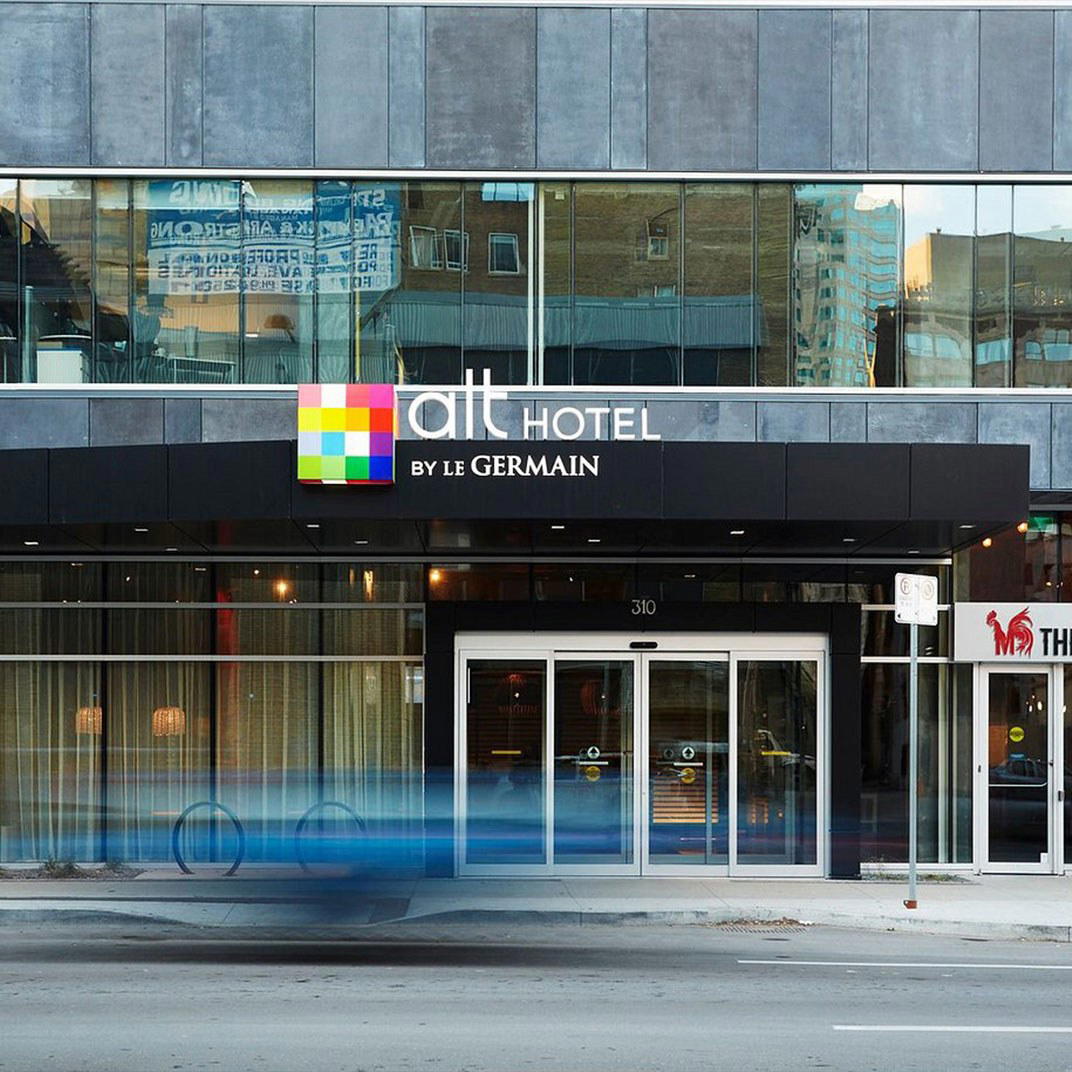
Restaurants in Winnipeg
Browse all →
Wineries in Winnipeg
Browse all →
At a Glance
- Elegant
- Sophisticated
- Classic
- Business Trip
- Weekend Escape
- Historic Building
- Pool
- Spa
- Fitness Center
- Room Service
- Concierge
- Valet Parking
- Skyline
- Pool
- Spa
- Fitness Center
- Room Service
- Concierge
- Valet Parking
Inviting atmosphere with well-appointed rooms, attentive service, and a serene indoor saltwater pool offering city views.