The Chambers Hotel

Michelin Selected
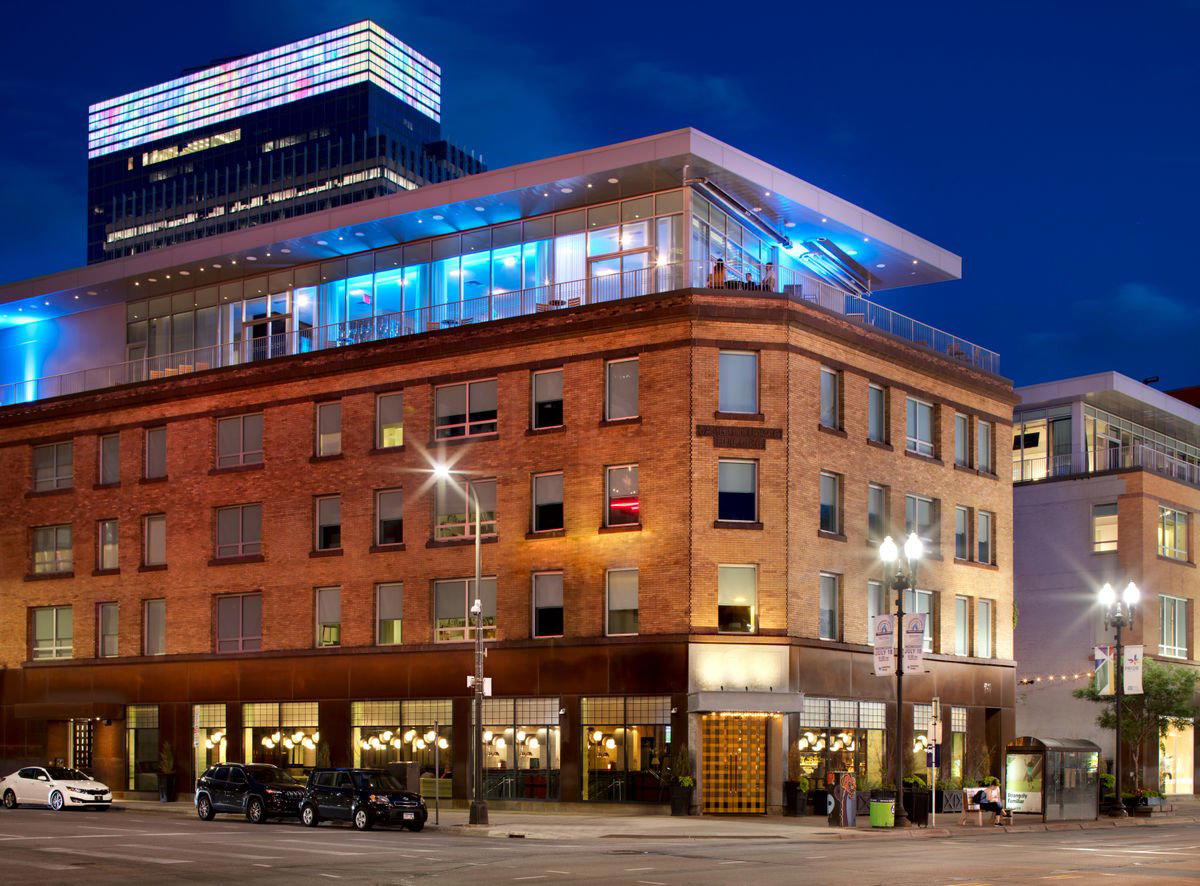
The Chambers Hotel occupies a converted building at 901 Hennepin Ave in Minneapolis, positioning itself at the intersection of art, design, and hospitality in the heart of the city's cultural district. With Minneapolis's arts scene as its immediate context, the property draws guests who treat the hotel itself as a curatorial experience. Check the EP Club Minneapolis guide for booking and planning context.

Pearl is the En Primeur Club membership app, where members save venues, book tables and use the concierge.
Art as Infrastructure: The Chambers Hotel in Context
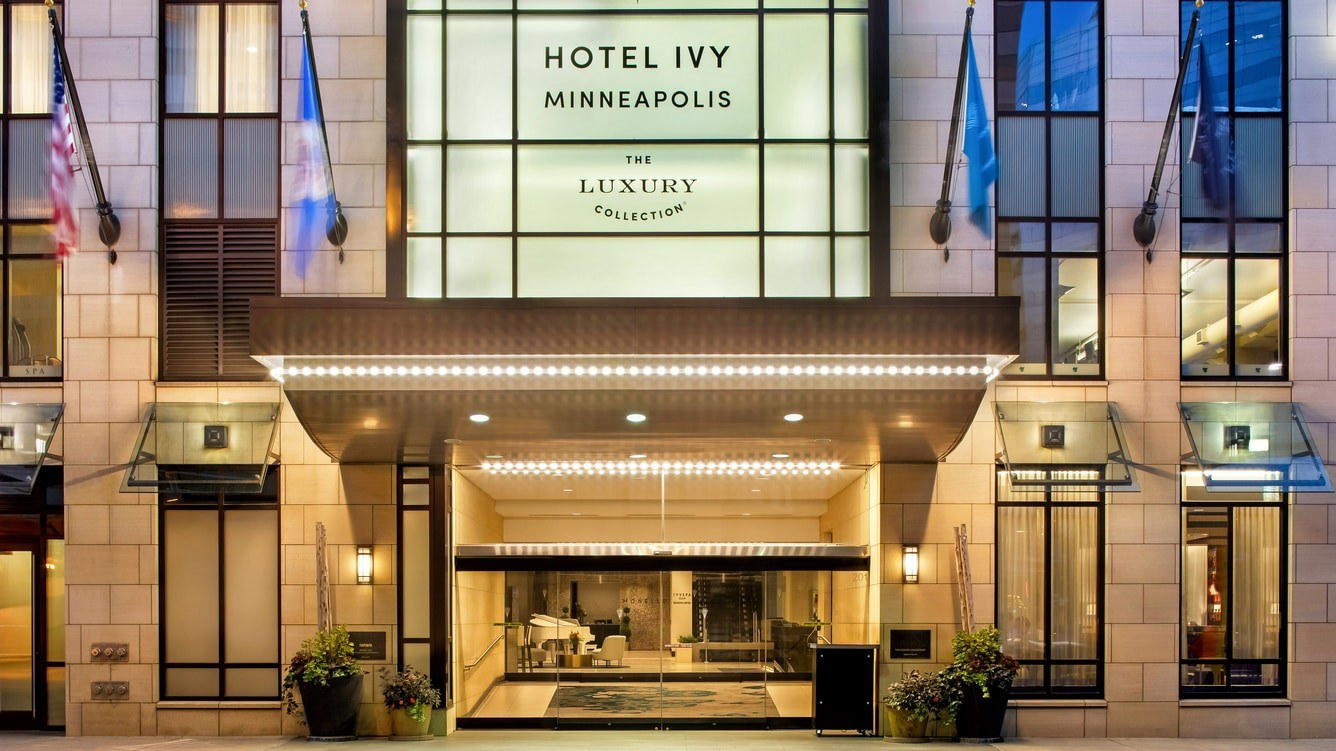
Minneapolis has developed a distinct tier of design-led hotels that resist the branded-box model dominant across American mid-market hospitality. The city's arts infrastructure, anchored by institutions like the Walker Art Center a few blocks north on Hennepin Avenue, has created genuine demand for properties that position culture as a guest amenity rather than lobby decoration. Hewing Hotel took the converted-warehouse route in the North Loop; Hotel Ivy, A Luxury Collection Hotel, Minneapolis anchors its identity in architectural heritage. The Chambers Hotel, at 901 Hennepin Ave, takes a different approach: the property's identity is built around a permanent, museum-caliber contemporary art collection integrated throughout the building rather than consigned to the lobby.
That positioning matters for how the hotel sits in Minneapolis's competitive set. The Four Seasons Hotel Minneapolis operates in a different register entirely, with the scale and amenity stack of a full international luxury brand. The Chambers trades scale for specificity, and its location on Hennepin Avenue places it within walking distance of the city's theater district, the Minneapolis Central Library, and the pedestrian energy of downtown's main cultural corridor. For guests whose priorities align with those coordinates, the positioning is deliberate and coherent.
The Physical Experience: Entering on Hennepin
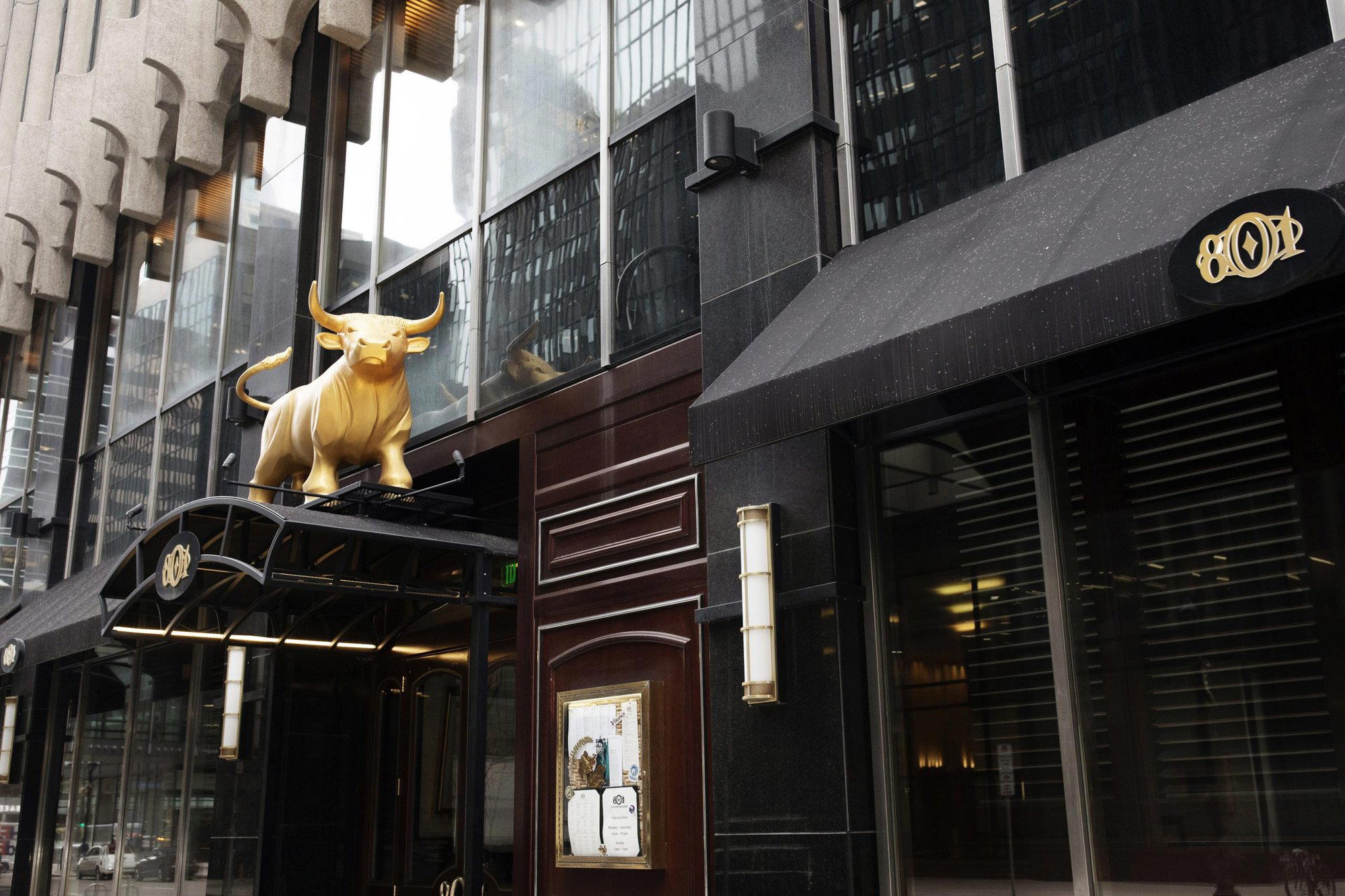
Hennepin Avenue functions as Minneapolis's central spine, and the stretch around 9th Street has an urban density that distinguishes it from the skyway-dependent corridors farther south. Arriving at the Chambers means arriving on the street, with the scale of a converted urban building rather than a purpose-built hotel tower. The art collection visible from the entrance signals immediately that this property operates on different terms from a standard downtown hotel.
The art program here is not a selection of prints or locally-sourced photography. Works by artists including Damien Hirst have been documented as part of the collection, placing the hotel in a peer category more associated with boutique properties in New York's Chelsea district or Los Angeles's arts-adjacent neighborhoods than with typical Midwest hospitality. For travelers who use properties like Aman New York in New York City or The Fifth Avenue Hotel in New York City as reference points, the Chambers reads as a regional iteration of the art-integrated urban hotel format rather than an outlier.
Responsible Design and the Minneapolis Urban Context
The editorial angle around sustainability in urban hospitality often defaults to solar panels and linen reuse cards. More meaningful signals are embedded in how a property relates to its urban fabric: whether it reinforces existing neighborhood walkability, whether it restores rather than replaces existing architecture, and whether its programming connects guests to local cultural ecosystems rather than sealing them inside a self-contained amenity bubble.
On all three measures, the Chambers Hotel's structural choices align with what urban planners and responsible travel advocates describe as low-footprint luxury. The Hennepin Avenue location means guests have immediate pedestrian access to the city's cultural institutions, reducing the car dependency that inflates the carbon and community impact of many American hotel stays. The building's adaptive reuse model preserves existing urban fabric rather than contributing to the demolition-and-rebuild cycle that characterizes much new-build hotel development. And the art collection, by centering contemporary artists rather than hospitality-generic decor, creates a connection between guests and the creative economy that extends beyond the hotel's own walls.
This approach has parallels at properties across different geographies. Troutbeck in Amenia grounds its identity in the preservation of an existing historic estate. SingleThread Farm Inn in Healdsburg builds its entire program around a closed-loop agricultural model. The Chambers operates a different version of the same logic: use what exists, program around local culture, and treat the building's relationship to its neighborhood as a design decision rather than an accident.
How the Chambers Sits Against the Minneapolis Hotel Field
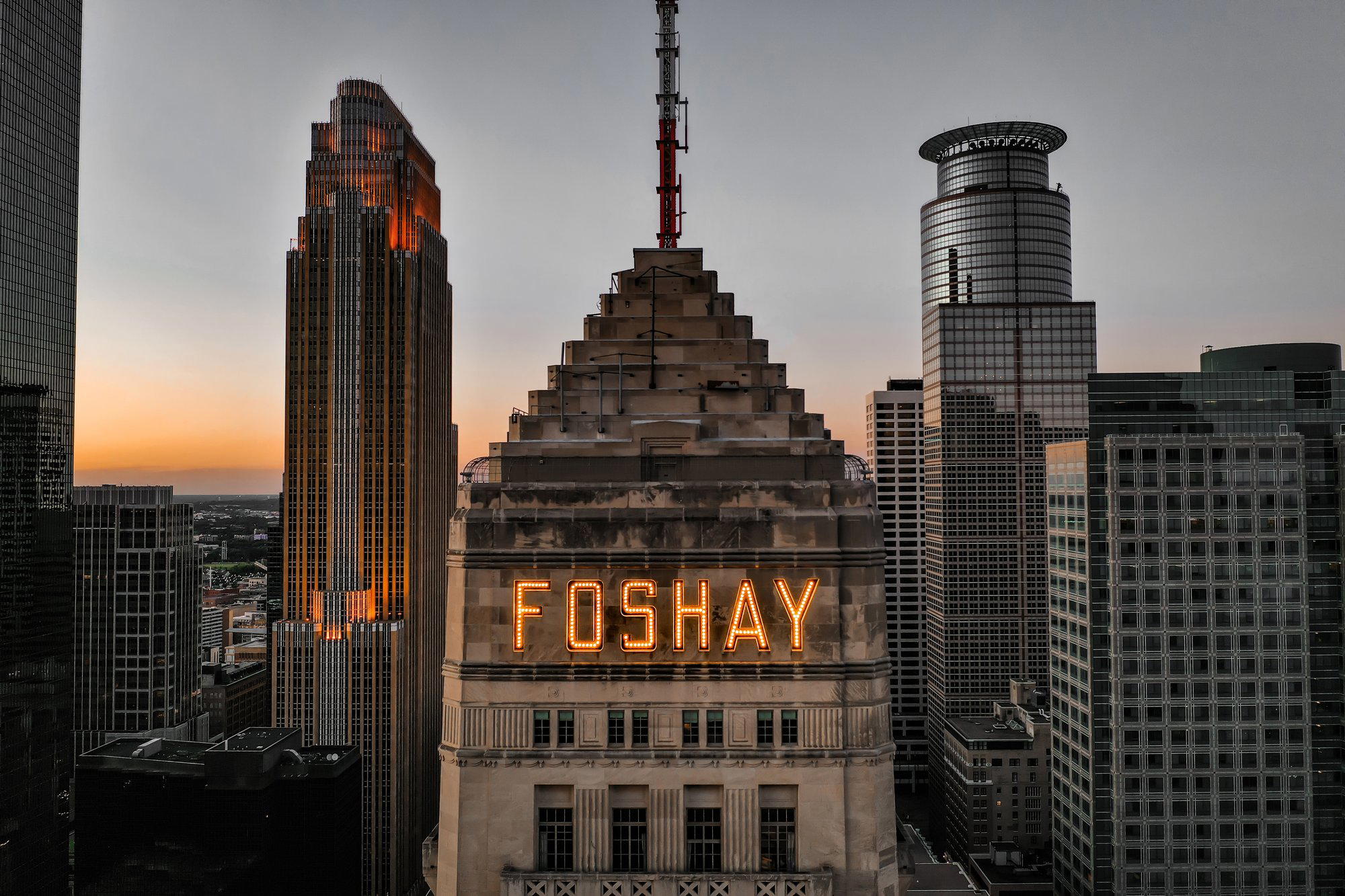
Minneapolis's hotel field has diversified considerably over the past decade. The W Minneapolis - The Foshay occupies a landmark Art Deco tower and trades on architectural history. Aloft Minneapolis targets the value-conscious traveler comfortable with the brand's standardized format. Nicollet Island Inn offers a quieter, residential-scale alternative on the Mississippi. The Marquette Hotel, Curio Collection by Hilton sits within the IDS Center complex. Alma integrates dining and accommodation in a format that appeals to food-led travelers.
The Chambers occupies a gap in that field: design-serious, art-forward, and downtown-located, without the full-service infrastructure of the Four Seasons or the heritage overlay of the Foshay. That niche is well-matched to travelers arriving for arts events, design conferences, or corporate visits to Minneapolis's creative industry sector. It is less obviously suited to large-group conference business or families requiring multiple connecting rooms.
For comparison across different American markets, the art-hotel format the Chambers pursues has stronger precedents in cities with concentrated contemporary art markets. Hotel Bel-Air in Los Angeles and Raffles Boston in Boston operate at different price and service levels, but all three share the principle that hospitality properties can carry cultural authority independent of their food and beverage programs.
Planning a Stay: What to Know
The hotel's address at 901 Hennepin Ave places it in the heart of Minneapolis's downtown arts district, within a short walk of the theater district venues on Hennepin and the Loring Park neighborhood to the northwest. The Minneapolis-Saint Paul International Airport is approximately 12 miles south, with light rail service on the Blue Line connecting the airport to downtown stations near the property. Given downtown Minneapolis's connected skyway system, winter visits are more manageable than the city's January temperatures might suggest, though the Hennepin corridor itself requires street-level navigation for most cultural destinations.
For context on how the Chambers compares to other Minneapolis options, see our full Minneapolis restaurants and hotels guide.
Travelers whose reference points for art-integrated properties include Amangiri in Canyon Point, Post Ranch Inn in Big Sur, or Aman Venice in Venice will recognize the structural logic: build around a curatorial identity that gives the property meaning beyond its room count. The Chambers applies that logic to an urban Midwest context, which remains a less saturated competitive space than comparable properties on either coast.
Price Lens
| Venue | Price | Awards |
|---|---|---|
| The Chambers HotelThis venue (the venue you are viewing) | $200–300 | Michelin Selected |
| Four Seasons Hotel Minneapolis | Not listed | 1 Michelin Key |
| Hotel Ivy, A Luxury Collection Hotel, Minneapolis | $300–500 | Michelin Selected · Forbes Recommended |
| Aloft Minneapolis | $100–200 | Not listed |
| Hewing Hotel | $200–300 | Michelin Selected |
Recognition history
Dated appearances from independent guides and award organizations, with the underlying list record or original source where available.
Michelin Selected
Michelin
Continue exploring
More in Minneapolis
Hotels in Minneapolis
All hotels in Minneapolis →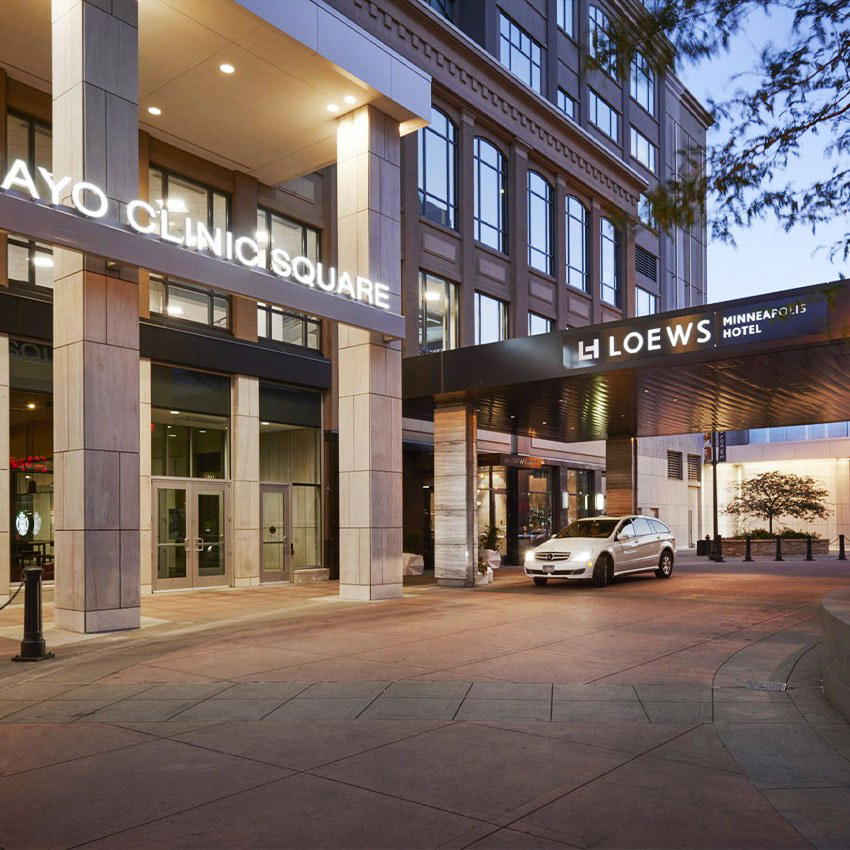
Details
- Modern
- Trendy
- Sophisticated
- Elegant
- Business Trip
- Weekend Escape
- Rooftop Pool
- Historic Building
- Design Destination
- Panoramic View
- Wi Fi
- Fitness Center
- Room Service
- Concierge
- Skyline
- Street Scene
- Elevator
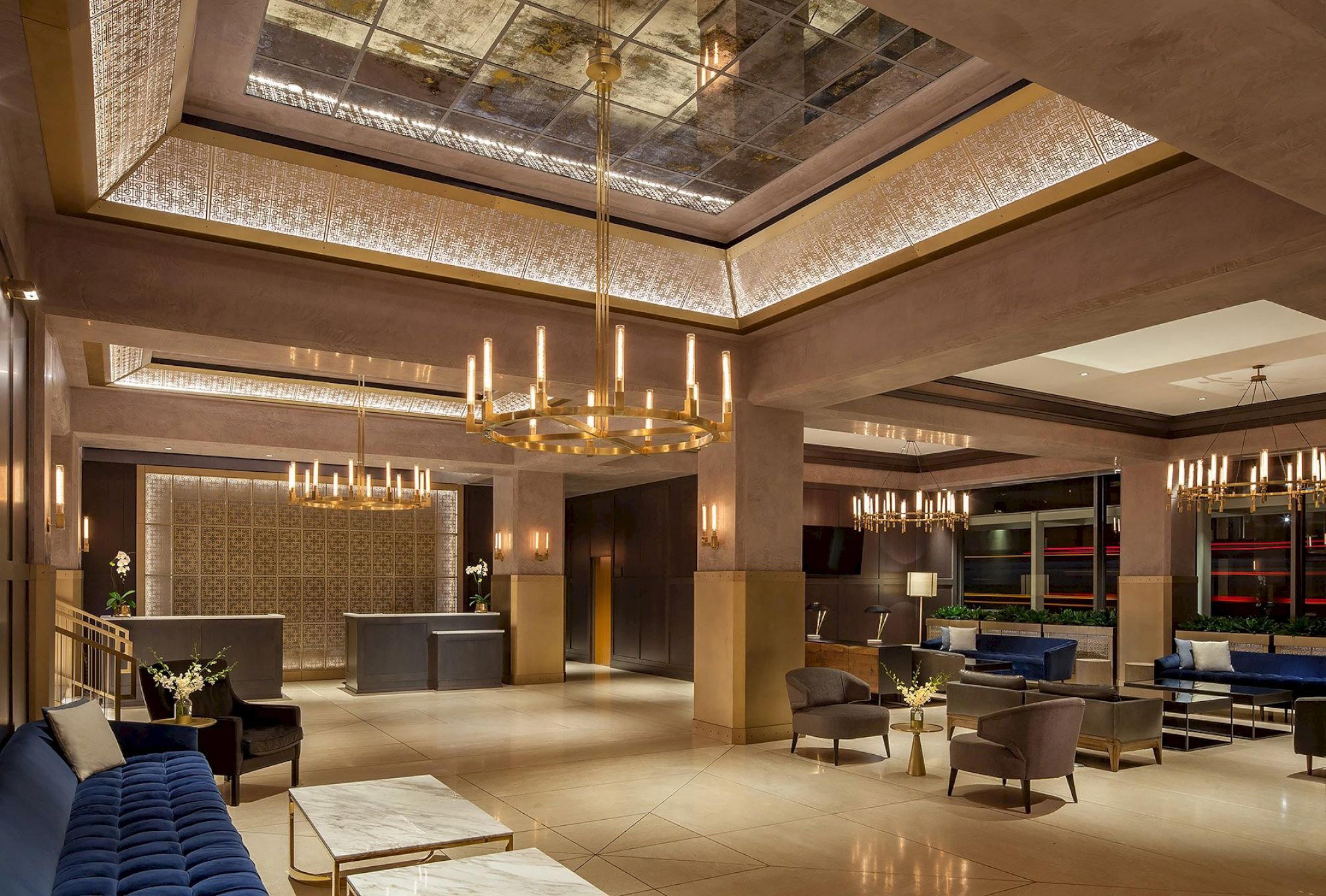
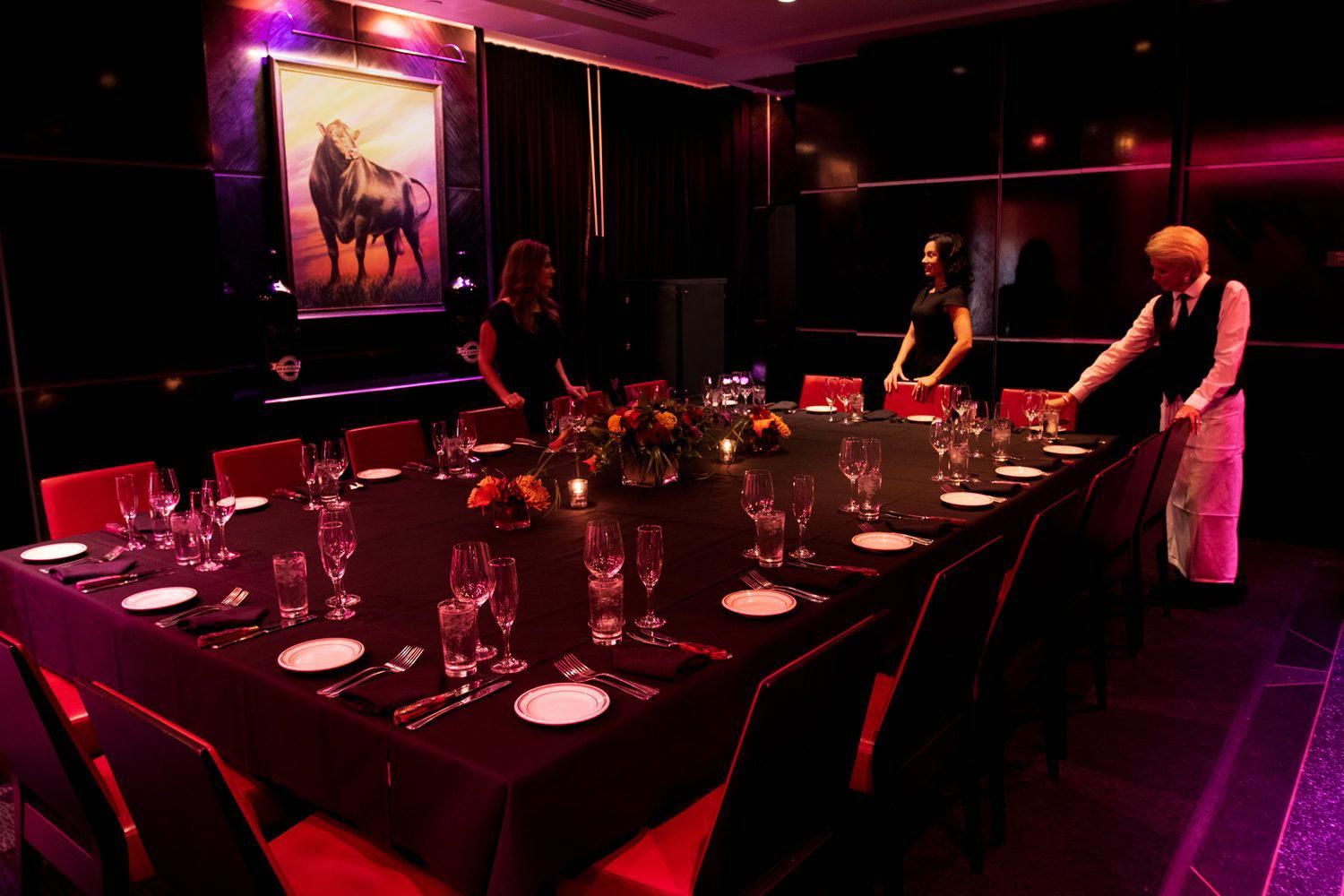
Modern ambiance with original artwork in every room, sweeping city views, lush courtyard fire pit, and dramatic rooftop lounge.