Nicollet Island Inn
Nicollet Island Inn occupies a 19th-century limestone building on the only inhabited island in the Mississippi River within Minneapolis city limits, placing it at a remove from the downtown hotel corridor while remaining minutes from the central business district. The address alone separates it from the city's larger convention-scale properties and positions it alongside a small category of character-driven stays in the Upper Midwest.

Pearl is the En Primeur Club membership app, where members save venues, book tables and use the concierge.
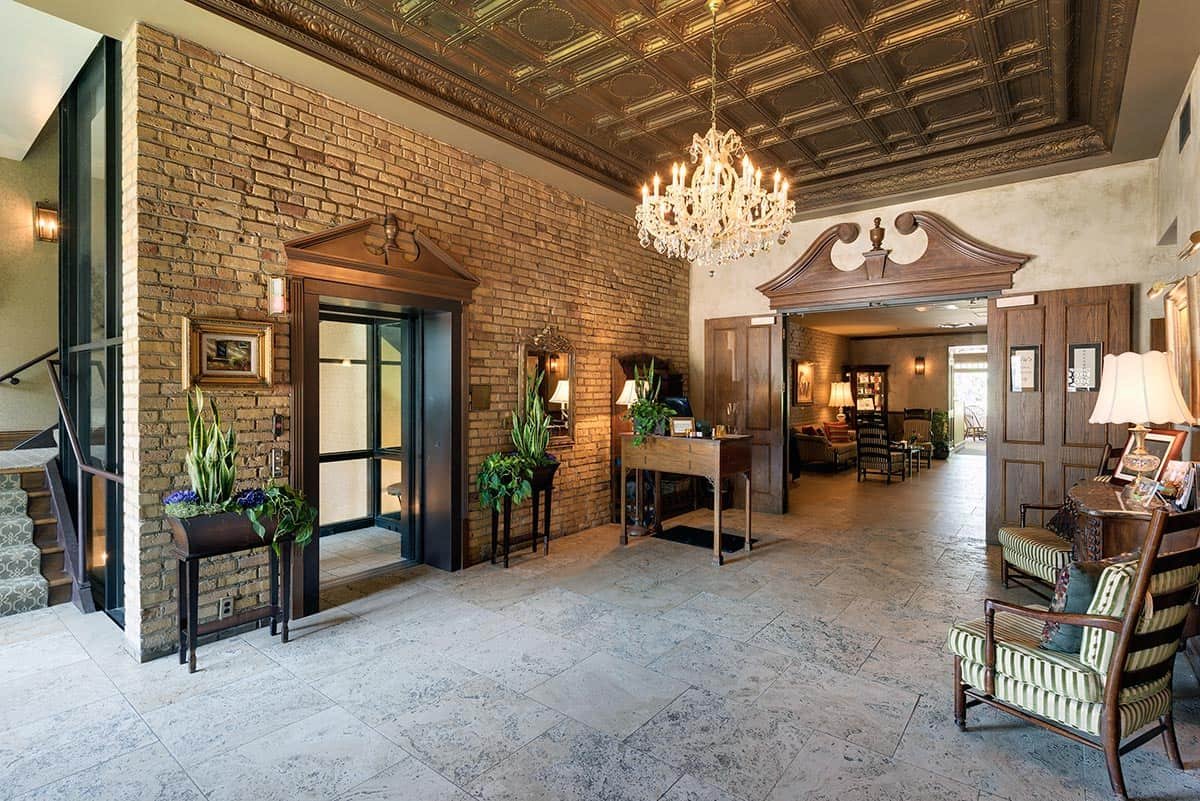
An Island Address in a River City
Minneapolis is not typically read as a river city, despite sitting at the confluence of the Mississippi and Minnesota rivers. Most of its hotel inventory clusters around the downtown core, the convention center corridor, or the North Loop warehouse district, where properties like the Hewing Hotel and Aloft Minneapolis occupy converted industrial buildings or purpose-built towers. Nicollet Island Inn breaks from that pattern entirely. It sits on Nicollet Island, the only inhabited island on the Mississippi within Minneapolis city limits, at 95 Merriam St, a short walk from the Stone Arch Bridge and the St. Anthony Falls Historic District. The physical separation from the grid of downtown streets is immediate and legible: you cross a bridge to get here, and the shift in atmosphere follows.
That kind of address, where a body of water creates genuine distance from the surrounding urban fabric, is comparatively rare in American city-center hospitality. You encounter it at properties like Little Palm Island Resort & Spa in Little Torch Key, where the separation is complete and tropical, or in a different register at Aman Venice, where the lagoon frames everything. Nicollet Island operates at a more modest scale, but the structural logic is the same: the water creates a psychological threshold that larger downtown competitors cannot replicate with design alone.
The Building as Context
The inn occupies a 19th-century limestone structure, and that material matters in a city where most premium hospitality has migrated into either glass-tower formats, as at the Four Seasons Hotel Minneapolis, or heavily styled converted-industrial buildings. Limestone construction of this vintage is not common in Minneapolis's surviving built fabric, which makes the building itself a form of distinction that no renovation budget can manufacture from scratch.
The broader category of historic inn hospitality in the United States, the kind found at properties like Troutbeck in Amenia or Post Ranch Inn in Big Sur, tends to attract guests who are specifically not looking for the brand-consistency signals of a managed luxury chain. Nicollet Island Inn fits that orientation. It is not affiliated with a major hotel group, which places it outside the loyalty-point calculus that drives a significant portion of bookings at flagged properties like the Hotel Ivy, A Luxury Collection Hotel, Minneapolis or the The Marquette Hotel, Curio Collection by Hilton.
Location as a Practical Advantage
Island position reads as seclusion from inside the property, but the geography is more functional than romantic isolation would suggest. The Stone Arch Bridge connects the island to the St. Anthony Main neighborhood on the east bank, and the central business district sits roughly a ten-minute walk across the Hennepin Avenue Bridge to the west. That proximity is what separates Nicollet Island Inn from rural inn formats: guests can attend events at Target Center, dine along Washington Avenue, or visit the Minneapolis Institute of Art and return to an address that feels removed from the city's density. For reference, visitors planning to explore the broader Minneapolis dining scene will find our full Minneapolis restaurants guide a useful planning resource.
Immediate neighborhood around the inn also carries its own texture. The St. Anthony Falls area is one of Minneapolis's oldest districts, and the riverfront here connects to the Mill City Museum and the ruins of flour milling infrastructure that shaped the city's industrial identity. Guests who approach from the Stone Arch Bridge on foot encounter this history before they arrive at the front door, which is a different kind of arrival sequence than a tower hotel lobby provides.
Where It Sits in Minneapolis's Hotel Spectrum
Minneapolis's accommodation options have expanded meaningfully over the past decade, with the Four Seasons entry and the repositioning of several North Loop properties raising the ceiling on what the city's hotel market can deliver at the premium end. Against that backdrop, Nicollet Island Inn competes on different terms: it offers a specific historic address and a river-island setting that no amount of renovation can replicate elsewhere in the city.
Properties like The Chambers Hotel or the W Minneapolis - The Foshay compete on design identity and downtown centrality. Alma draws on its restaurant reputation to anchor its hospitality offer. Nicollet Island Inn's competitive position is geographic before it is anything else. That is either a clear advantage or an irrelevance depending on what a given traveler is looking for, and that clarity of identity is one of the more useful signals the property sends.
For travelers accustomed to making similar location-first decisions at properties like Auberge du Soleil in Napa or Sage Lodge in Pray, where the address does substantial work before you open the door, the decision logic here is familiar. You are choosing a position first, then accepting the property's specific offer within that position.
Planning Your Stay
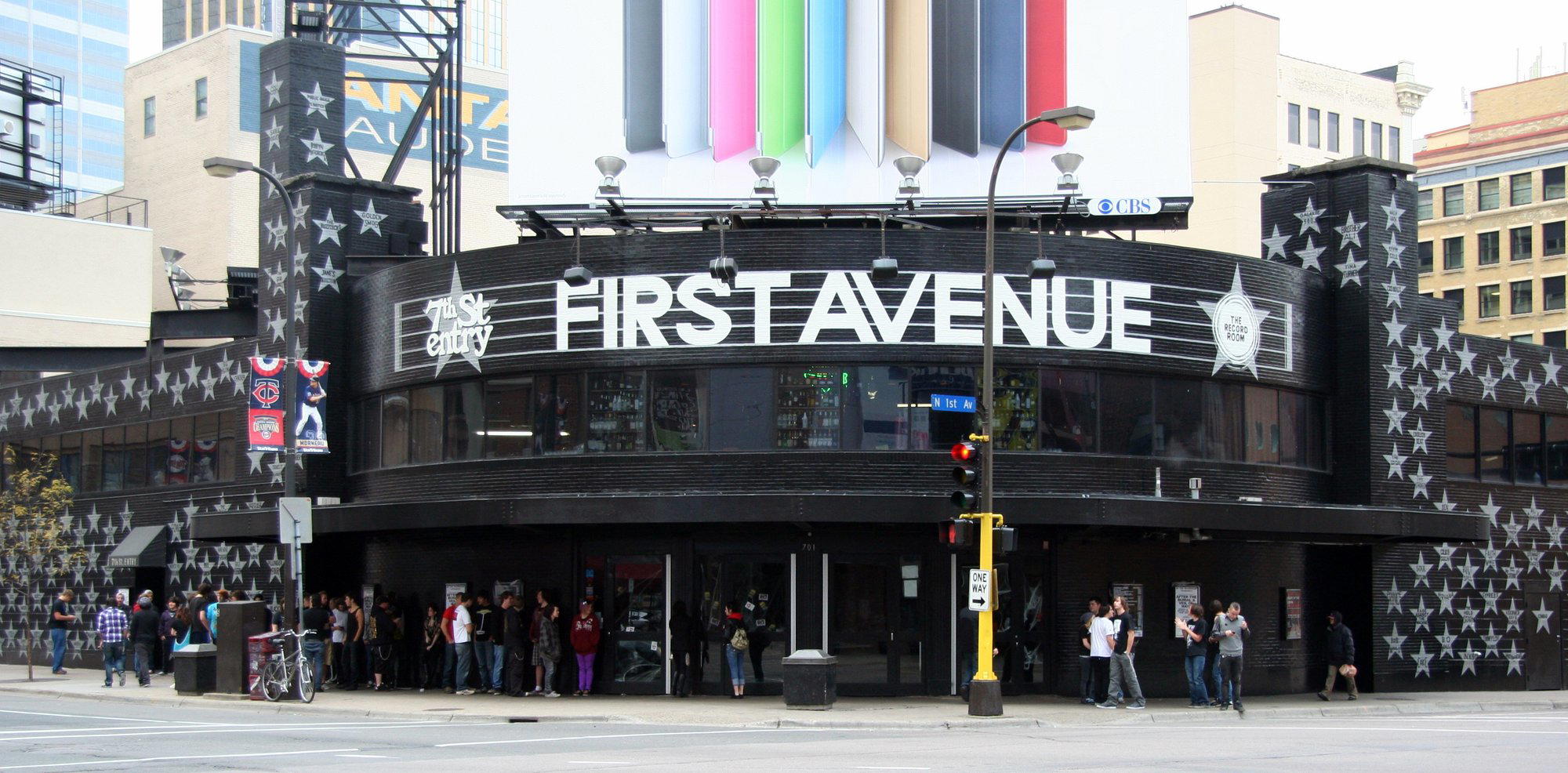
Weekend bookings during Minneapolis's summer season, which runs roughly from late May through early September when river activity peaks and the outdoor dining scene along the waterfront is most active, will draw higher demand than midweek winter visits. Groups traveling for events at nearby venues, including the Guthrie Theater on the West Bank or First Avenue in the entertainment district, will find the location convenient to both. Comparable island and historic-inn formats at properties like SingleThread Farm Inn in Healdsburg or Raffles Boston typically see their tightest availability windows around major local events and holidays, and the same pattern likely applies here.
The Quick Read
| Venue | Price | Awards |
|---|---|---|
| Nicollet Island InnThis venue (the venue you are viewing) | $100–200 | Not listed |
| Four Seasons Hotel Minneapolis | Not listed | 1 Michelin Key |
| Hotel Ivy, A Luxury Collection Hotel, Minneapolis | $300–500 | Michelin Selected · Forbes Recommended |
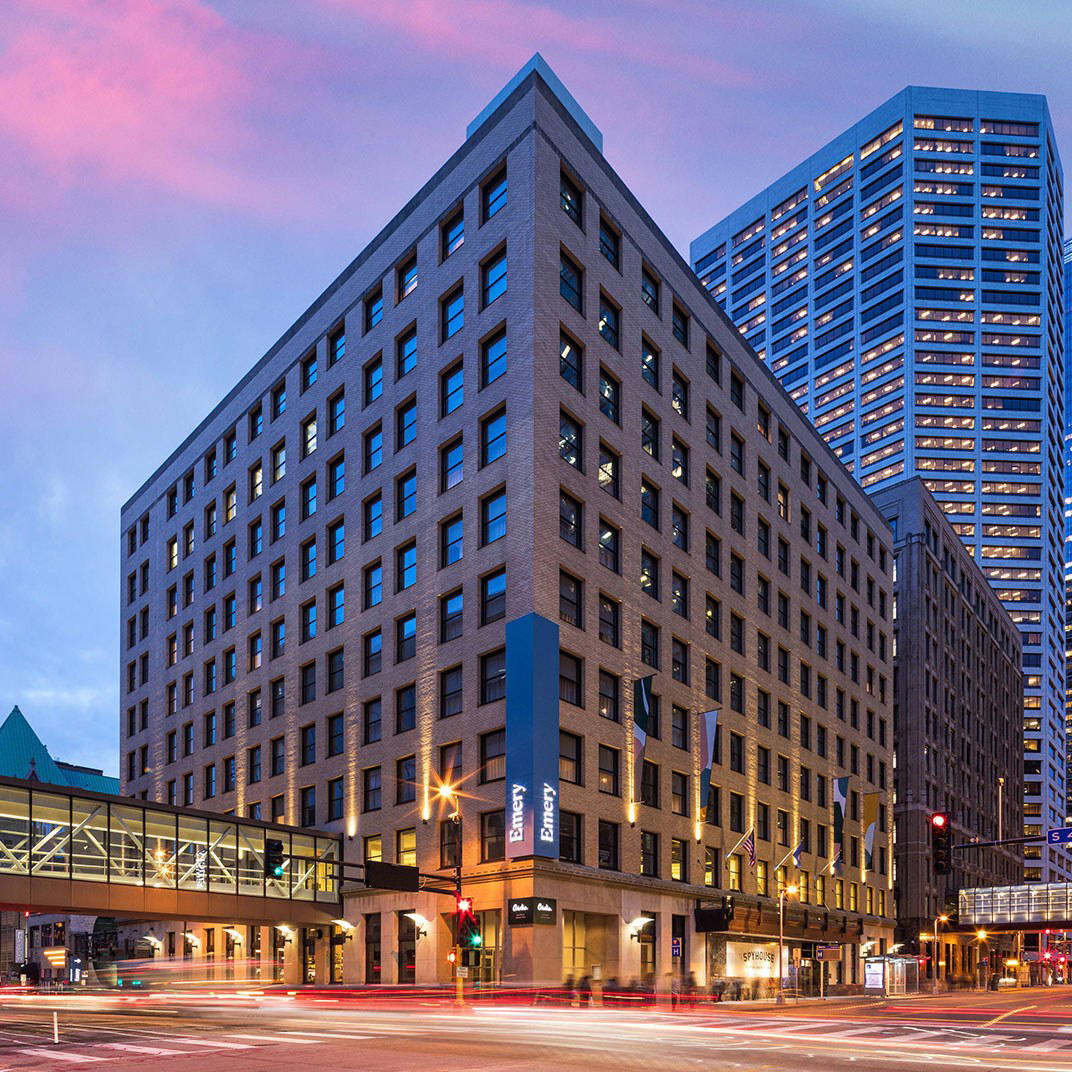
| Aloft Minneapolis | $100–200 | Not listed |
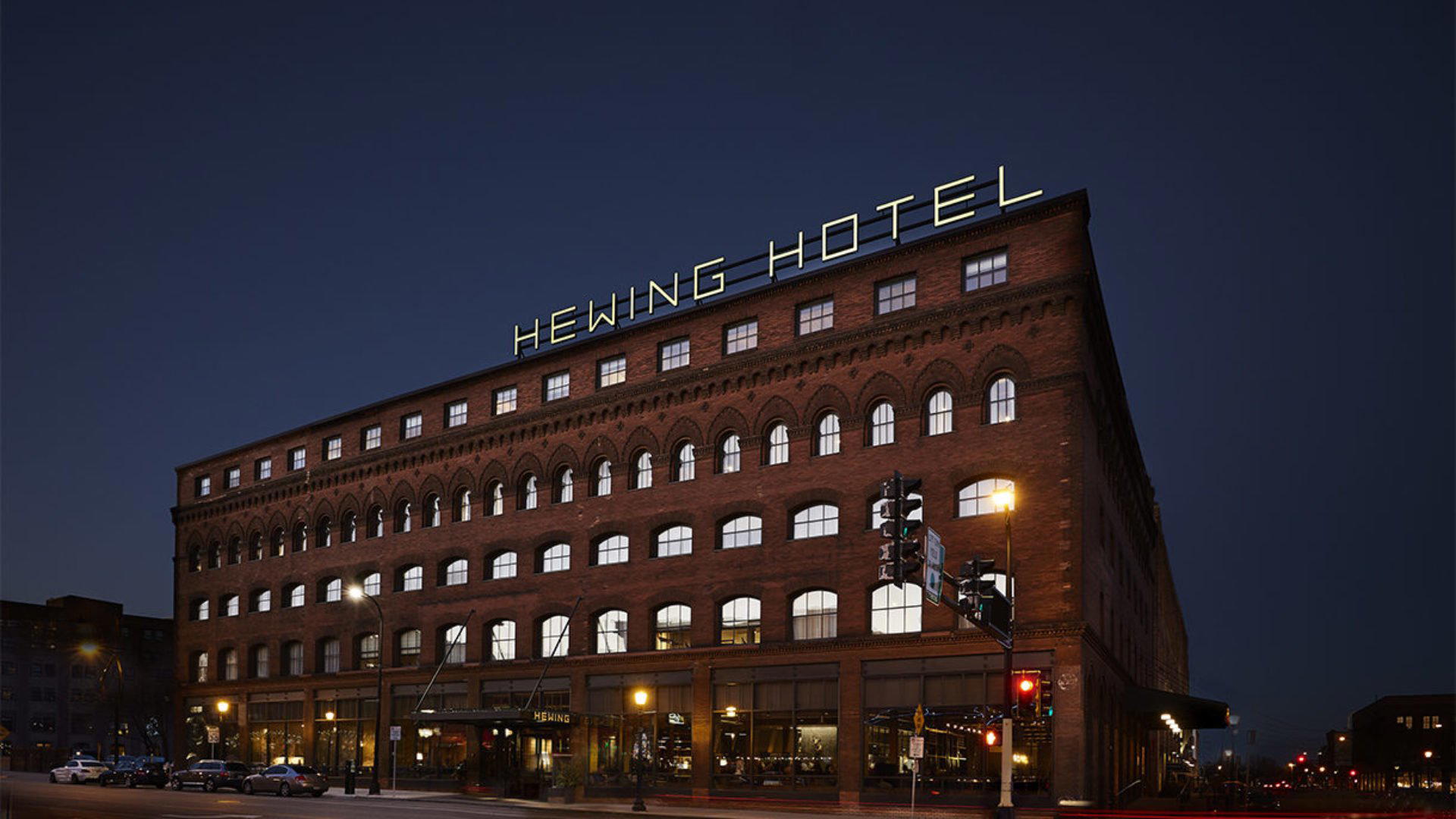
| Hewing Hotel | $200–300 | Michelin Selected |
Continue exploring
More in Minneapolis
Hotels in Minneapolis
All hotels in Minneapolis →


Details
- Romantic
- Historic
- Cozy
- Intimate
- Quiet
- Romantic Getaway
- Anniversary
- Weekend Escape
- Waterfront
- Historic Building
- Terrace
- Wi Fi
- Room Service
- Restaurant
- Bar
- Garden
- Parking
- Waterfront
- Skyline
- Elevator
- Wheelchair Accessible
Charming historic atmosphere with a quiet, intimate oasis feel along the river.