Demi


Relais Chateaux Award
Our verdict
Demi sits in Minneapolis's Warehouse District and operates at the top of the city's tasting menu tier, where American contemporary cooking meets a communal table format that distinguishes it from the standard fine-dining blueprint. Chef Gavin Kaysen brings international training to a room that feels grounded in its neighbourhood rather than abstracted from it.

Pearl is the En Primeur Club membership app — saves, bookings, and concierge access live there. Same editors, same standards.
- Address
- 212 N 2nd St Suite 100, Minneapolis, MN 55401
- Phone
- (612) 404-1123
- Hours
- Mon–Tue ClosedWed–Sun 5–11 PM
- Website
- demimpls.com
- Directions
- Get directions
- Booking
- Book on Tock
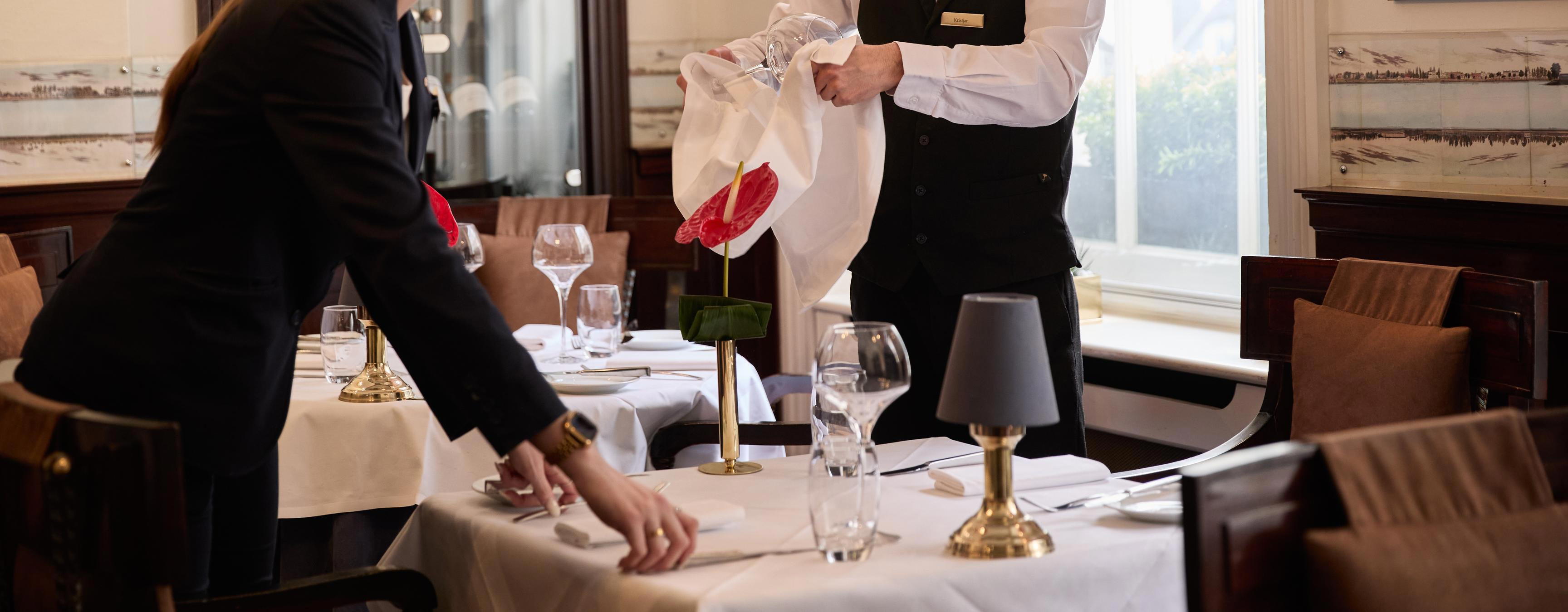
The Warehouse District's Tasting Menu Benchmark
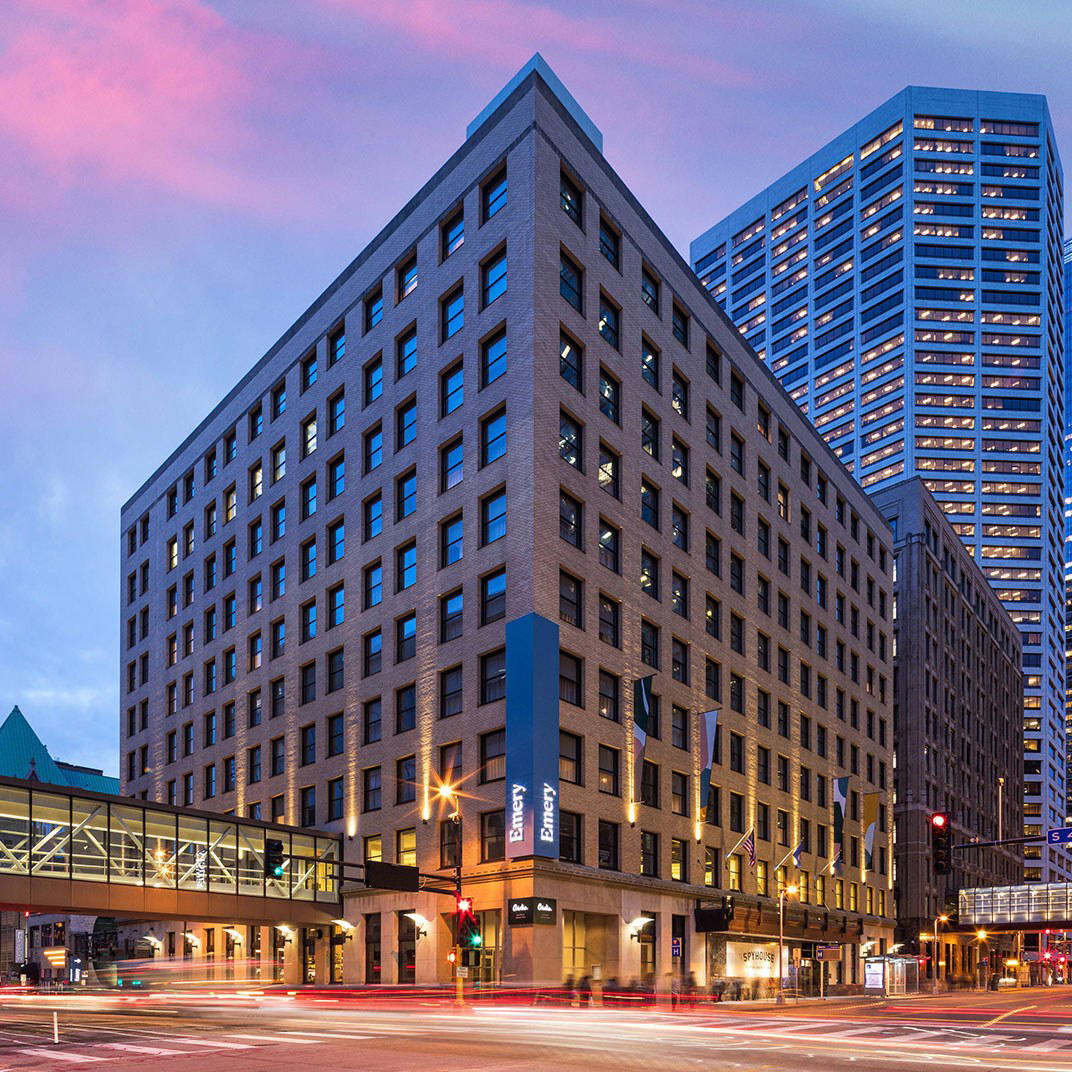
Minneapolis's Warehouse District has spent the better part of two decades converting industrial bones into something resembling a serious dining address. The neighbourhood's shift from storage and light industry to galleries, studios, and restaurants followed a pattern familiar to anyone who tracks American urban dining: a few anchor venues arrive, they bring a crowd, and the character of the blocks gradually reorganises around them. At 212 N 2nd St, Demi functions as one of those anchors. It occupies a suite in a building that retains the district's warehouse proportions, and the effect as you approach is one of deliberate restraint: the signage is minimal, the entrance does not announce itself aggressively, and the format inside, a communal table experience centred on a tasting menu, asks something specific of the guest before a single dish arrives.
That format matters more than it might initially appear. The communal table is not a novelty gimmick here. It positions Demi in a narrow tier of American fine-dining operations that treat the table arrangement as a structural argument about hospitality, not just a seating configuration. The closest national comparisons are places like Lazy Bear in San Francisco, where the communal format emerged from supper club origins, or the chef-counter model at Alinea in Chicago, where the room is deliberately composed to control the guest's experience at every stage. Demi's version is less theatrical than Alinea and less casual in origin than Lazy Bear, but it shares the underlying premise: that fine dining works differently when the physical arrangement of the room refuses to let guests fully privatise their experience.
Where Demi Sits in the Minneapolis Fine-Dining Conversation
Minneapolis has a mature dining scene that tends to be underweighted in national coverage relative to its actual depth. Owamni holds a James Beard Award for Leading New Restaurant and has reshaped how the city's food media talks about Indigenous cuisine. Spoon and Stable, also from Gavin Kaysen, operates at a different register, more accessible in format and slightly broader in its audience. Hai Hai, James Beard-nominated and well-regarded for its creative approach to Southeast Asian cooking, represents the kind of mid-upscale restaurant that fills the space between neighbourhood casual and full tasting menu commitment. And 112 Eatery has held its position as a late-night institution for well over a decade.
Demi operates above most of this. The tasting menu format, the communal table, and the Warehouse District address place it in the tier where the evening's price and duration are fixed commitments, not choices made at the table. The difference is that Demi does this in a mid-size Midwestern city where the cultural pressure to justify the price point against coastal peers is constant and where the restaurant has, by the evidence of its ratings, made a credible case.
Chef Gavin Kaysen and the Training Context
The tasting menu format in American fine dining has a specific lineage, and where a chef trained tends to define which branch of that lineage they inhabit. Kaysen's background includes time at Le Bernardin in New York City, one of the restaurants that set the template for French-inflected technique at the top of American dining, as well as competition credentials that place him in the small group of American chefs with documented international-level technical standing. That background informs Demi's American Contemporary positioning: the cuisine is not trying to replicate a European model but it carries the structural confidence that comes from having been trained inside one. For comparable trajectories at different scales and cities, look at how Emeril's in New Orleans or Cafe Mado in New York City position American contemporary cooking against its European reference points.
Spoon and Stable, Kaysen's other Minneapolis project, serves as the approachable counterpart to Demi's intensity. The two restaurants share an aesthetic sensibility but address different demands: one is a restaurant you visit on a Tuesday; the other is an event you plan around. For visitors to Minneapolis trying to understand where Demi fits, the relevant comparison is not other Minneapolis restaurants but the small national category of chef-driven tasting menu rooms where a single format is held to a consistent standard across many seatings. Cortina in Big Sky is one regional example of how American contemporary fine dining translates outside major urban centres; Demi is Minneapolis's version of that argument made on its own terms.
The Neighbourhood and Who Actually Goes
The Warehouse District's dining character is shaped partly by proximity to Target Field and the North Loop's concentration of younger professional residents, and partly by the gallery and arts activity that kept the neighbourhood activated through the urban-conversion years. Demi draws from this geography but does not depend on it. The regulars at a tasting menu restaurant of this type tend to be anniversary diners, corporate hosting, and the specific subset of local food-serious residents who treat the format as a quarterly or annual commitment rather than a spontaneous evening out. That audience is smaller than the one that fills Brasa Rotisserie on a Friday, but it is consistent, and consistency is what funds the precision a tasting menu operation requires.
Practically, guests should understand the format before booking. The communal table means you are sharing a room experience with other parties in a way that a private table does not replicate. The tasting menu means the duration and the decision-making are mostly predetermined. Annual closures are confirmed around key holidays, including late November, Christmas Eve and Christmas Day, and New Year's Day, so booking around those windows requires checking current availability. Demi does not maintain the kind of open walk-in policy that works at neighbourhood restaurants; the format requires advance planning, and the lead time reflects both the seat count constraints of a communal table format and the volume of demand the ratings suggest. For broader context on what else Minneapolis has to offer at this level and across categories, see our full Minneapolis restaurants guide, our full Minneapolis hotels guide, our full Minneapolis bars guide, our full Minneapolis wineries guide, and our full Minneapolis experiences guide.
Frequently asked questions
Does Demi work for a family meal?
No. Demi is built around a set tasting menu format with a communal table arrangement, which makes it a poor fit for family dining. It is designed for focused, adult dining experiences rather than flexible group meals. For Minneapolis families, a neighbourhood restaurant without a prix-fixe commitment will serve better.
What's the vibe at Demi?
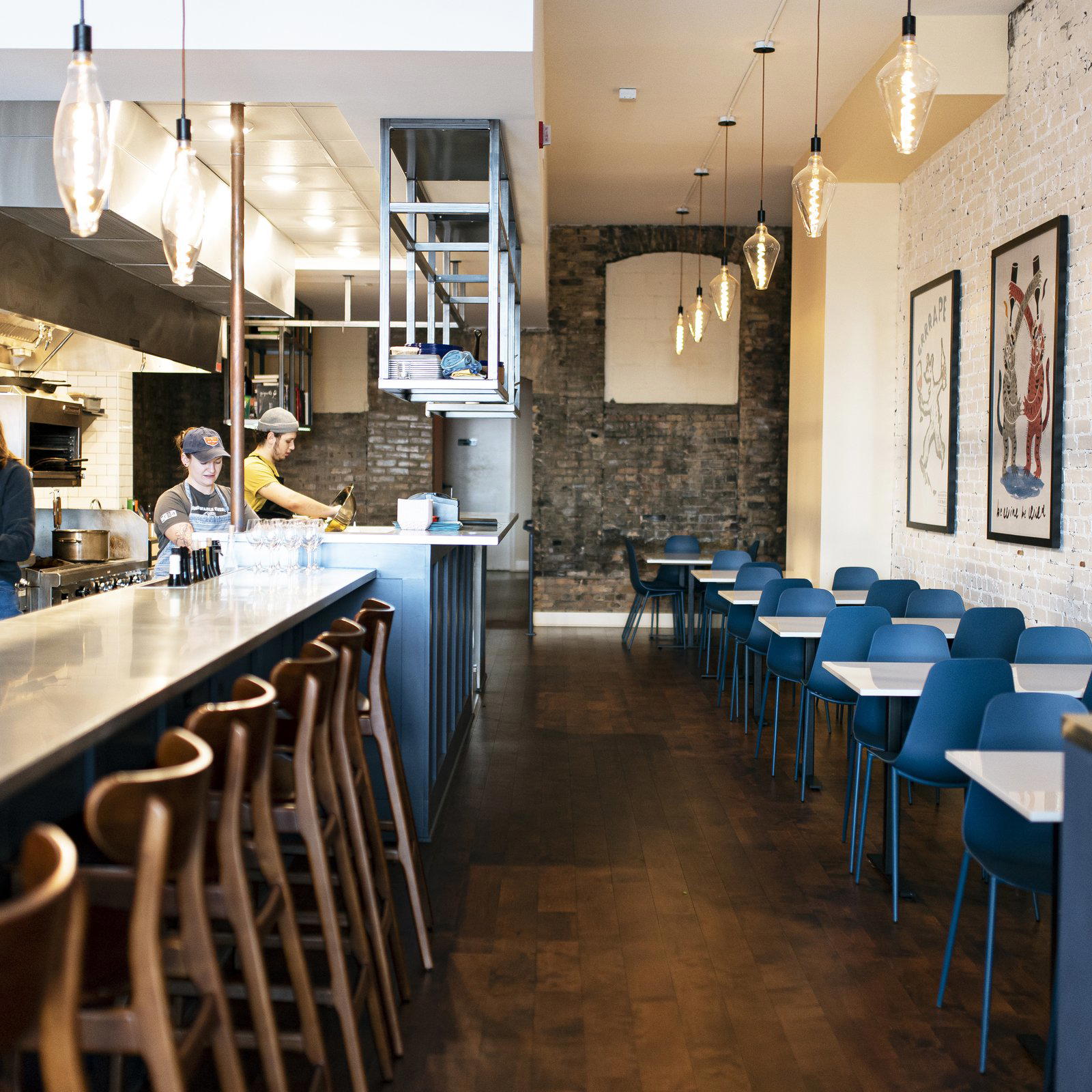
Demi occupies a converted Warehouse District space at 212 N 2nd St, and the room reflects that industrial context: composed rather than animated, with the communal table format creating proximity between guests without encouraging table-to-table noise. Chef Gavin Kaysen's approach shapes the tone — precise and deliberate, consistent with Minneapolis's upper-tier tasting room character rather than the looser energy of a neighbourhood bistro.
Does Demi have a Michelin star or similar recognition?
Demi has received recognition including: HIGHLIGHTS: • TASTING MENU • COMMUNAL TABLE • WHAREHOUSE DISTRICT • UNUSUAL FINE-DINING EXPERIENCE DIRECTIONS & ACCESS: Annual closure from 27/11/2025 to 27/11/2025: restaurant from 24/12/2025 to 25/12/2025: restaurant from 01/01/2026 to ….
What's the best thing to order at Demi?
Demi operates on a tasting menu format, so guests receive the full progression rather than selecting individual dishes. Chef Gavin Kaysen's American Contemporary approach defines the menu direction, and the format is the point — arriving with a preference for one course over another misses how the room works. The communal table experience and the sequenced menu together form what EP Club members rate at 4.8 out of 5.
A Tight Comparison
Comparable venues nearby, for context on price, style, and recognition.
| Venue | Cuisine | Price | Awards | Notes |
|---|---|---|---|---|
| DemiThis venue — the venue you are viewing | Modern American Tasting Menu | $150–200 | Relais Chateaux Award | Not listed |
| Moose & Sadie's | American | Not listed | Not listed | North Loop, American Cafe |
| The Old Nicollet Diner | Classic American Diner | $20–30 | Not listed | Eat Street, Classic American Diner |
| noa | California-Inspired Modern American Fusion | $30–50 | Not listed | WeDo, California-Inspired Modern American Fusion |
| Stray Dog | American Burgers & Gastropub | $20–30 | Not listed | Nicollet Island - East Bank, American Burgers & Gastropub |
| Eat Street Social | Modern American Bistro | Not listed | Not listed | Eat Street, Modern American Bistro |
Recognition history
Dated appearances from independent guides and award organizations, with the underlying list record or original source where available.
Opinionated About Dining Top Restaurants in North America Recommended
Opinionated About Dining
Relais Chateaux Award
Relais Chateaux
Full recognition history (3 entries)
Relais Chateaux Award
Relais Chateaux
Continue exploring
More in Minneapolis
More from Chef Gavin Kaysen
Browse all →
Restaurants in Minneapolis
Browse all →
Bars in Minneapolis
Browse all →

Details
- Intimate
- Elegant
- Modern
- Sophisticated
- Date Night
- Special Occasion
- Celebration
- Chefs Counter
- Open Kitchen
- Extensive Wine List
- Local Sourcing
- Tasting Menu
- Vegetarian Friendly
Current opening hours
- Monday
- Closed
- Tuesday
- Closed
- Wednesday
- 5–11 PM
- Thursday
- 5–11 PM
- Friday
- 5–11 PM
- Saturday
- 5–11 PM
- Sunday
- 5–11 PM
Hours can change for holidays and private events. Last verified .
Secluded and minimalist with a central open kitchen, warm friendly service, and an engaging family-like atmosphere.