On a quiet soi off Sukhumvit, The Cabochon Hotel occupies a different register from Bangkok's riverside towers and Silom high-rises. The property reads as a deliberate counterpoint to large-footprint luxury: low-key address, limited scale, and a design sensibility that draws on mid-century Thai collecting culture rather than international brand templates. For travellers who treat the hotel itself as an argument for a particular way of being in the city, it warrants close attention.

Pearl is the En Primeur Club membership app — saves, bookings, and concierge access live there. Same editors, same standards.
- Address
- 14/29 Sukhumvit 45 Alley, Klongton Nua, Watthana, Bangkok 10110, Thailand
- Phone
- +66 2 259 2871
- Website
- cabochonhotel.com
- Directions
- Get directions
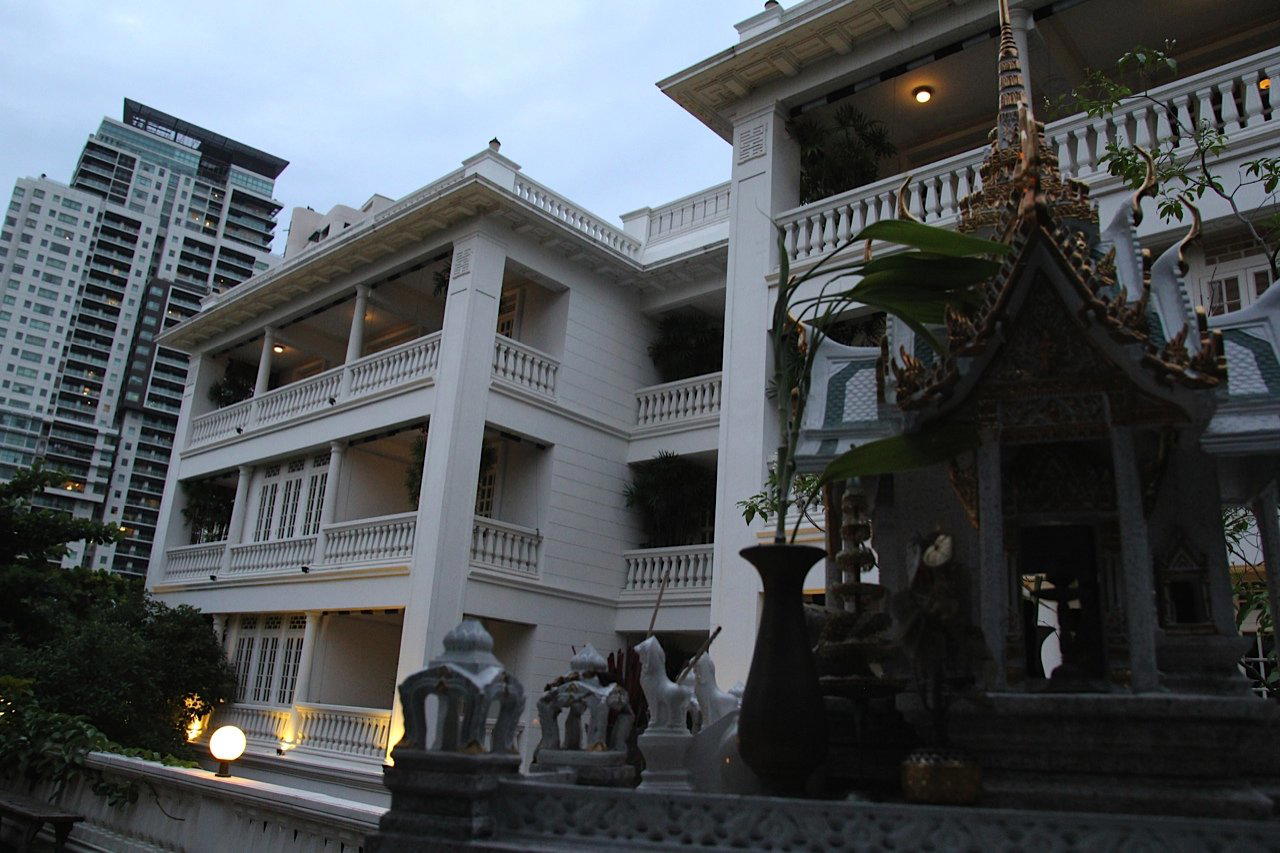
A Different Frequency on Sukhumvit 45
Bangkok's premium hotel market has divided fairly cleanly over the past decade. On one side sit the large riverside towers: the Mandarin Oriental Bangkok, the Capella Bangkok, and the Four Seasons Bangkok at Chao Phraya River, all operating at scale and trading on their address along the Chao Phraya. On the other side sits a smaller, quieter cohort: design-led properties with limited keys, neighbourhood addresses rather than landmark locations, and a deliberately restrained approach to hospitality. The Cabochon Hotel sits firmly in that second category, on Sukhumvit Soi 45 in the Watthana district, where the street noise drops several decibels the moment you leave the main road.
Arriving from Sukhumvit, the shift in atmosphere is immediate. The soi is residential in character — the kind of street where Bangkok reveals itself in layers rather than spectacle. This positioning is not accidental. Properties in this tier are making a statement about what premium hospitality looks like when it is not organised around a grand lobby or a river view. The argument is quieter, and deliberately so.
Design as Editorial Point of View
Thailand's independent boutique sector has, in recent years, split between two approaches. One borrows from the international design hotel playbook: minimal surfaces, neutral palettes, and a deliberately global aesthetic that could read as contemporary luxury in any city. The other draws on local collecting traditions, Thai modernism, and mid-century Southeast Asian material culture. The Cabochon occupies the latter territory, with an interior that functions more as a curated private residence than as a hotel in the conventional sense.
This matters for the sustainability conversation. Properties that source their character from existing material culture — antiques, regional craft, inherited furniture vocabularies, operate with a fundamentally different relationship to consumption than those that commission everything new. There is no freshly manufactured aesthetic to maintain, no cycle of refurbishment driven by branding timelines. The objects carry their own history, and that history does the work that new procurement would otherwise require. Across Thailand, this approach is more common at resort properties, Four Seasons Resort Chiang Mai and Pimalai Resort and Spa in Koh Lanta both draw on regional material traditions, but it is comparatively rare in Bangkok's urban hotel stock.
Internationally, the contrast is instructive. Properties like Aman Venice derive much of their appeal from the same logic: existing architecture and inherited objects as the primary medium of luxury, rather than new construction. The Cabochon applies a version of that thinking to a mid-century Bangkok townhouse context.
Where It Sits in Bangkok's Lodging Hierarchy
Bangkok rewards travellers who understand its geography in terms of neighbourhoods rather than just landmarks. Sukhumvit is a long, complex artery, and Soi 45 in Watthana puts guests in a part of the city that is residential, walkable to a handful of serious restaurants, and well-connected by BTS Skytrain from the nearby Phrom Phong station. This is a meaningfully different base than the Chao Phraya riverside, where properties like the The Peninsula Bangkok and Rosewood Bangkok situate guests in a more ceremonial, transit-dependent part of the city.
The Phrom Phong and Thong Lo stretch of Sukhumvit has matured into one of Bangkok's more interesting dining and coffee corridors, and the Cabochon's address puts guests within reach of it without the full immersion in the BTS-corridor hotel density that characterises options closer to Asok or Nana. The Park Hyatt Bangkok and The Okura Prestige Bangkok anchor the Ploenchit end of the market; the Cabochon reads as a deliberate withdrawal from that concentration.
For Thailand more broadly, this kind of property occupies a niche that the island resorts have developed more fully than Bangkok. Soneva Kiri in Trat and Six Senses Yao Noi in Phang Nga have built entire operational philosophies around low-impact, high-specificity hospitality. The Cabochon brings some of that sensibility into an urban context, which is a harder argument to make convincingly in a city as kinetic as Bangkok.
Ethical Sourcing and the Urban Boutique Model
The sustainability case for small urban boutiques is structural rather than performative. A property with limited rooms generates less operational waste per guest interaction than a 200-key tower with multiple food-and-beverage outlets, a spa floor, and a rooftop pool running at partial capacity. The building footprint is fixed; the throughput is controlled. This is not the same as a certification or a declared environmental programme, but it represents a different material relationship to the city and its resources.
Across Southeast Asia, the properties that have made the most credible sustainability arguments tend to be the ones where scale is genuinely constrained, not just marketed as intimate. Amanpuri in Phuket and Samujana Villas in Koh Samui operate on this logic at the resort level. The Cabochon applies it in Bangkok, where the temptation to expand, add outlets, and compete on amenity count is considerably stronger.
For travellers with a preference for properties that do not perform scale as a proxy for quality, this is worth registering. Our full Bangkok hotel and dining context is mapped in our full Bangkok guide, which positions the Cabochon relative to the full range of options across the city's neighbourhoods.
Planning Your Stay
The Cabochon is located at 14/29 Sukhumvit 45 Alley, Klongton Nua, Watthana, Bangkok 10110. The nearest BTS station is Phrom Phong on the Sukhumvit line, making the property direct to reach from both Suvarnabhumi Airport (via the Airport Rail Link to Makkasan or Phaya Thai, then BTS connection) and from the central hotel and commercial districts. Booking should be made directly through the property or via a specialist travel agent, as independent boutique hotels in this tier typically do not distribute heavily through online travel agencies. Given the limited key count, availability is tighter than at larger properties, and advance planning of several weeks is advisable for peak season travel between November and February.
Travellers choosing between Bangkok's independent boutique tier and the large-brand options at the riverside should treat the choice as a neighbourhood and experience question first. The Cabochon does not compete on amenity volume with the The Siam or the Grand Hyatt Erawan Bangkok. It competes on specificity, material character, and neighbourhood positioning, which are different criteria altogether.
A quick peer list to put this venue’s basics in context.
| Venue | Cuisine | Price | Awards |
|---|---|---|---|
| The Cabochon HotelThis venue — the venue you are viewing | This venue | Not listed | Not listed |
| Mandarin Oriental Bangkok | Michelin 3 Key, World's 50 Best | $500–750 | 3 Michelin Keys · World's 50 Best #10 |
| Capella Bangkok | Michelin 2 Key, World's 50 Best | Not listed | 3 Michelin Keys · World's 50 Best #2 |
| Rosewood Bangkok | Michelin 2 Key, World's 50 Best | $200–300 | 2 Michelin Keys · Michelin Guide New Hotels New Hotel |
| Park Hyatt Bangkok | Michelin 2 Key | Not listed | 2 Michelin Keys · La Liste Top Hotels |
| The Peninsula Bangkok | Michelin 2 Key | $300–500 | 1 Michelin Key · La Liste Top Hotels |
Continue exploring
More in Bangkok
Hotels in Bangkok
Browse all →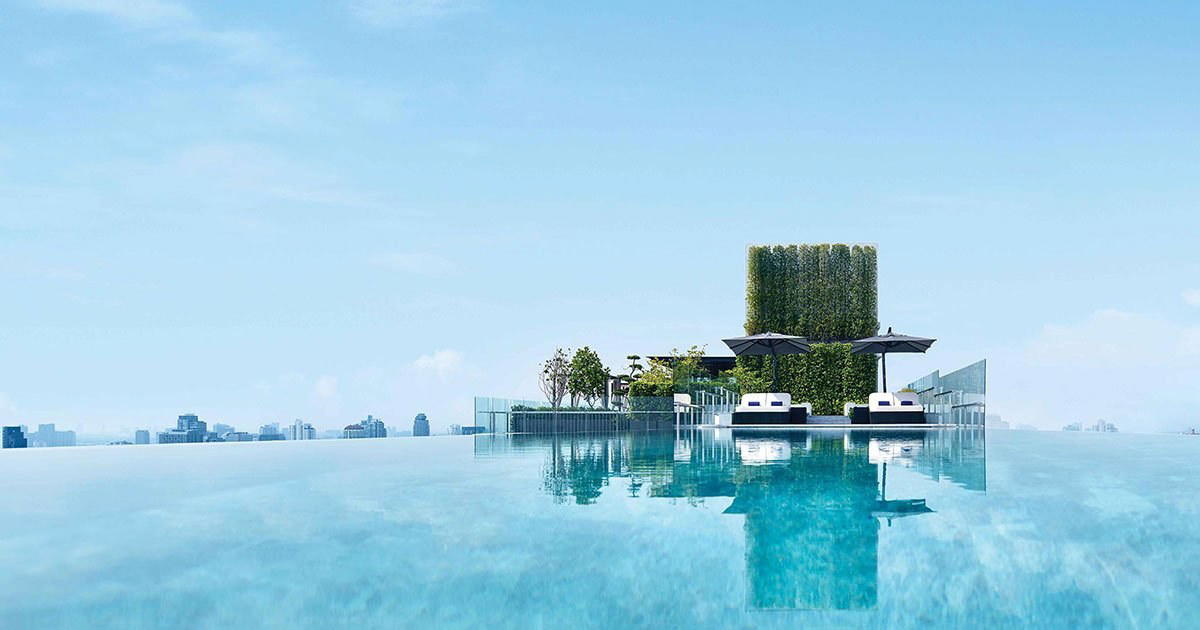
Bars in Bangkok
Browse all →
Restaurants in Bangkok
Browse all →
Details
- Elegant
- Sophisticated
- Cozy
- Intimate
- Classic
- Romantic Getaway
- Weekend Escape
- Anniversary
- Rooftop Pool
- Wi Fi
- Pool
- Room Service
- Concierge
- Restaurant
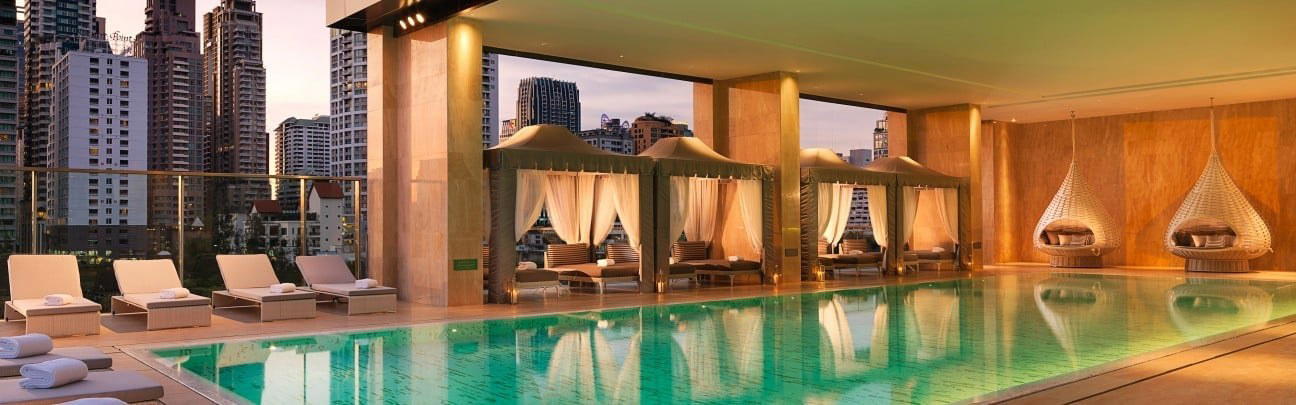
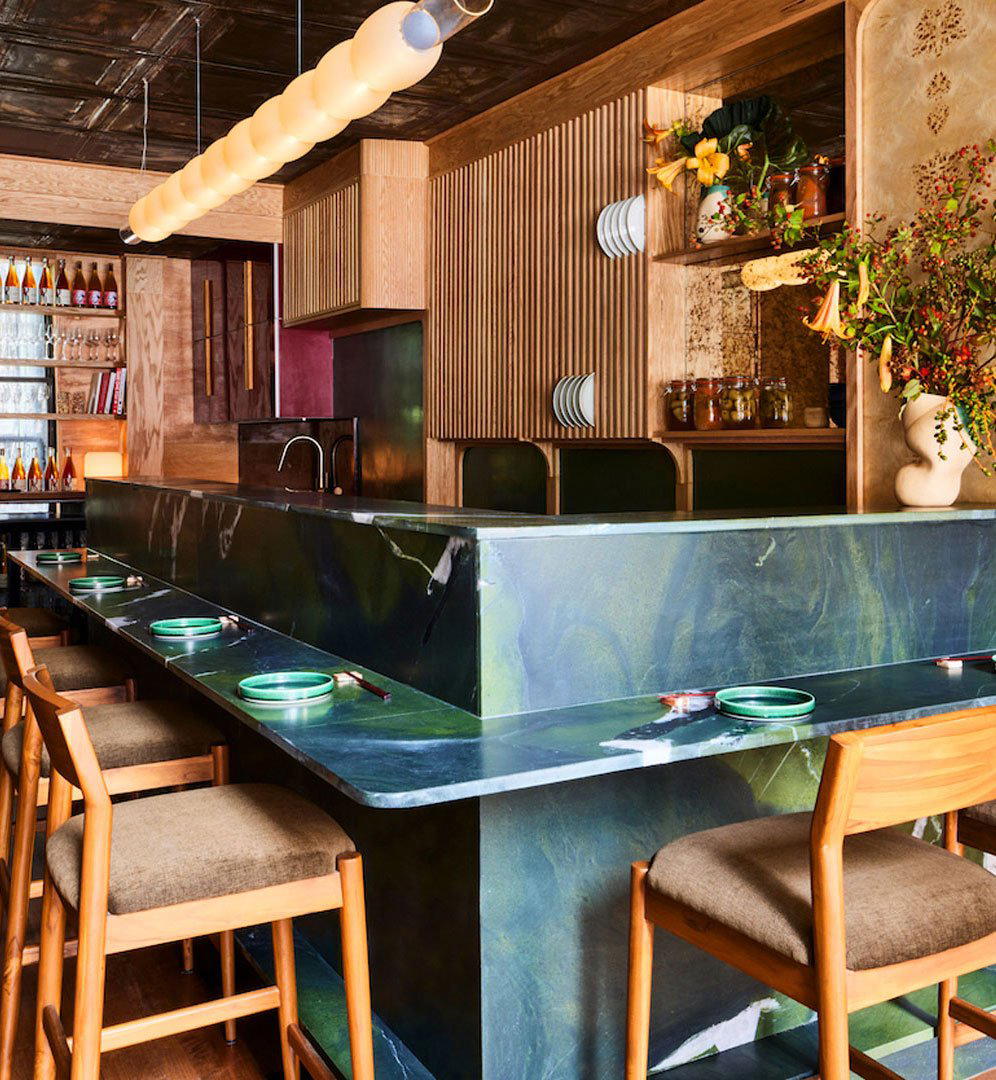
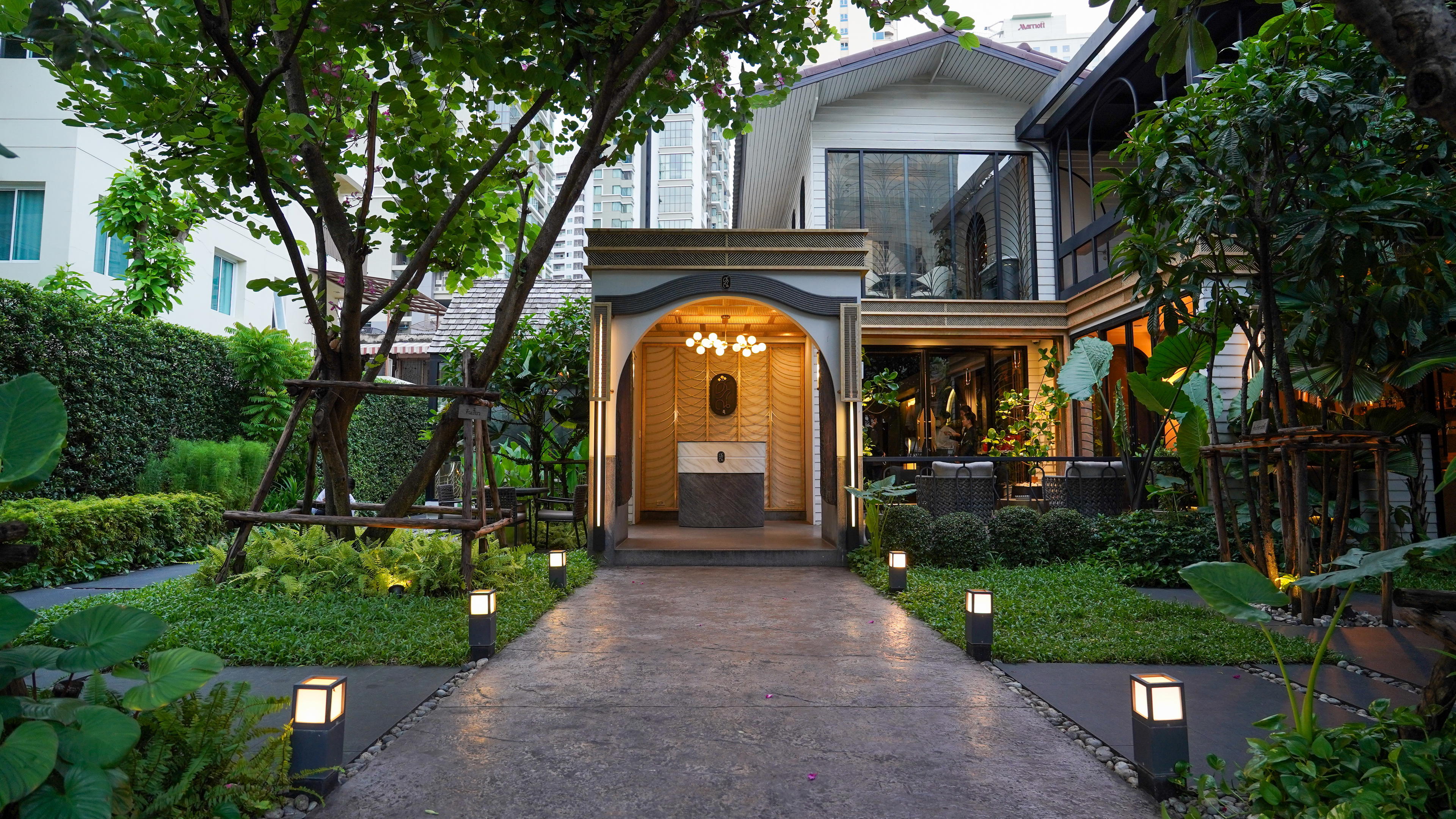
Atmospheric with muted colors, aged wooden floors, antique furnishings, and a peaceful retreat vibe featuring a tiny library and rooftop pool catching the breeze.