The Boatshed Hotel
On Waiheke Island's western shore, The Boatshed Hotel occupies a position that places it within a small category of New Zealand coastal retreats where the waterfront setting does most of the architectural work. Its Oneroa address puts guests within reach of the island's vineyards and beaches, at a remove from Auckland that feels deliberate rather than merely geographic.
Pearl is the En Primeur Club membership app — saves, bookings, and concierge access live there. Same editors, same standards.
- Address
- Tawa and Huia Street, Oneroa, Auckland 1081, New Zealand
- Phone
- +64 9 372 3242
- Website
- boatshed.co.nz
 Saves & bookings on Pearl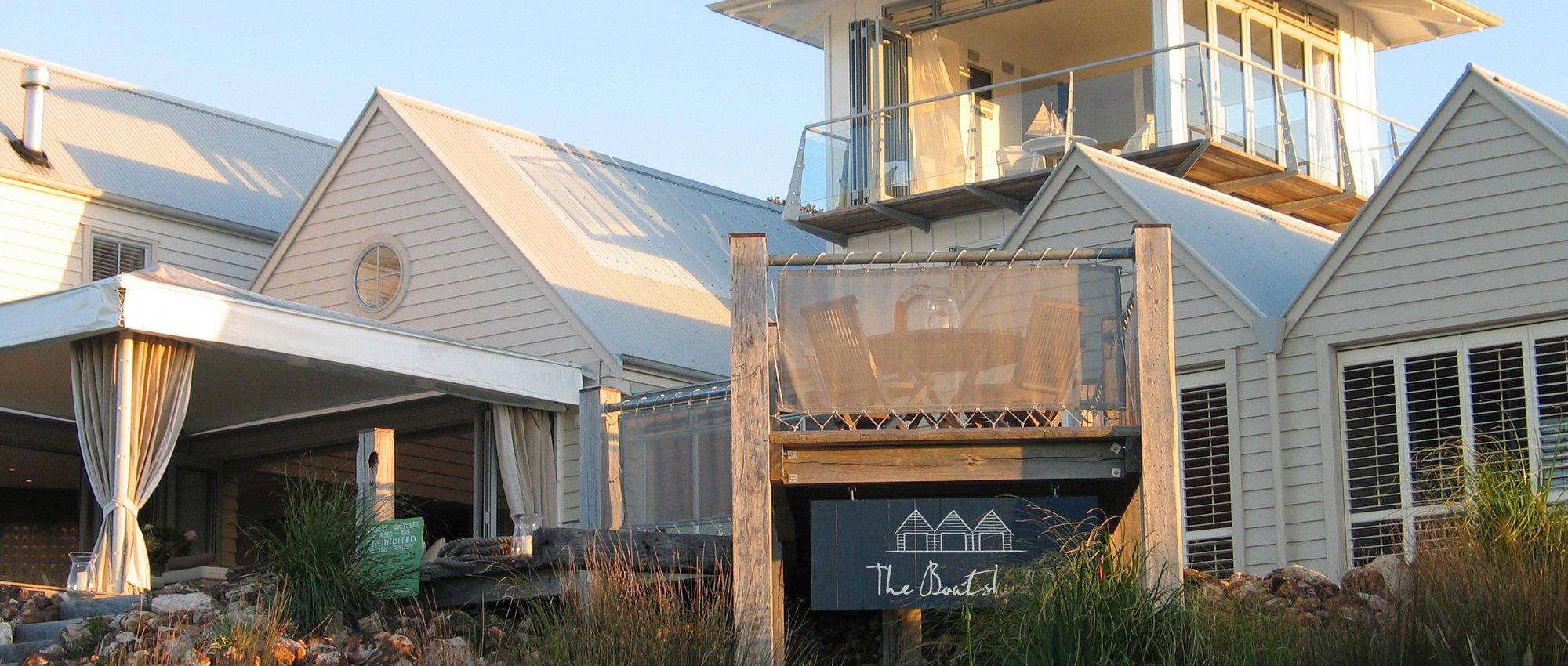
Where Coastal Architecture Meets the Hauraki Gulf
Waiheke Island has developed a distinct hospitality identity over the past two decades, one that separates it cleanly from the resort conventions of mainland New Zealand. The island's premium accommodation tier is defined less by square footage or amenity lists and more by relationship to landscape: how a property positions itself against the sea, the pohutukawa canopy, or the vineyard rows that run down to the waterline. The Boatshed Hotel, addressed at Tawa and Huia Street in Oneroa, sits inside this design-led cohort, where the physical environment is not backdrop but primary material.
Oneroa is Waiheke's westernmost village and the first significant settlement visitors reach after the Matiatia ferry terminal. That proximity matters. The village holds the island's highest concentration of galleries, wine bars, and independent restaurants within a walkable radius, which means a property here absorbs the cultural texture of Waiheke without requiring guests to drive to it. For comparison, properties further along the island's ridge, toward Onetangi or Palm Beach, trade accessibility for seclusion. Oneroa trades the opposite: you are in the life of the island from the moment you arrive.
The Design Logic of a Boatshed
The boatshed as architectural type carries specific cultural weight in New Zealand coastal vernacular. Historically functional, these structures were built close to the water's edge, with wide openings toward the sea and a pragmatic material palette of weathered timber, corrugated iron, and galvanised hardware. When hospitality properties invoke this typology, they are making a deliberate compositional choice: the design should feel earned by the site rather than imposed upon it. At Oneroa, that logic places a premium on visual connection to the Hauraki Gulf, on materials that age with salt air rather than resist it, and on a spatial sequence that moves guests from arrival toward water with minimal obstruction.
New Zealand's premium coastal accommodation has split into two recognisable strands. The first is the large-footprint lodge with full-service programming, exemplified by properties like Huka Lodge or Blanket Bay, where scale supports a comprehensive on-site offering. The second is the smaller, design-specific property that relies on site quality and spatial curation over volume of amenity. The Boatshed Hotel belongs to the latter category. That positioning aligns it with properties like Omana on the island's eastern side, where the defining credential is the quality of the physical experience rather than the breadth of programming.
Waiheke Island in the Context of New Zealand's Premium Accommodation Scene
To understand where The Boatshed Hotel sits competitively, it helps to map Waiheke against the wider New Zealand property scene. New Zealand's luxury accommodation is geographically dispersed: Eagles Nest anchors the Northland end, Rosewood Kauri Cliffs holds the Far North coast, while the South Island produces its own cluster from Fiordland Lodge through to Queenstown. Waiheke occupies a specific niche within this map: it is the one premium destination that is also genuinely accessible from a major city, reachable by a 35-minute ferry from the Auckland CBD. That accessibility does not diminish the experience; it defines a different kind of traveller profile. Guests at Waiheke properties are often combining a short island stay with broader New Zealand travel rather than making the island the sole destination.
Properties like Helena Bay Lodge or Annandale Villas require significant commitment to reach; Waiheke does not. That changes the planning calculus for guests and gives Waiheke properties an advantage in capturing the Auckland-based international traveller who has limited time but refined expectations.
What the Setting Produces
The editorial case for The Boatshed Hotel rests on geography and building type before it rests on any specific amenity. Oneroa's coastal position on the Hauraki Gulf gives the property access to a quality of light that changes character across the day, from the flat grey of early morning to the hard gold of late afternoon when the gulf reflects back at the hills. The boatshed typology, when properly executed, channels this into the guest experience through orientation, material honesty, and the absence of visual clutter between interior and waterfront.
This places the hotel in a design conversation that runs across New Zealand's most considered coastal properties. Hapuku Lodge in Kaikoura resolves the tension between alpine and coastal through its treehouse structures. Solitaire Lodge on Lake Tarawera uses a peninsula site to create 360-degree water orientation. Each approach represents a different resolution of the same design problem: how to make a building feel native to a landscape that does not require architecture to be compelling.
For guests making the comparison, it is worth noting that Waiheke's vineyard density, among the highest of any New Zealand island, means that the island's wine culture is inseparable from its accommodation offer. Properties like Carnmore Chateau Marlborough solve this through direct vineyard integration. On Waiheke, the integration is looser but more pervasive: the island's producers are within cycling or taxi distance of almost any Oneroa address, which makes the wine programme a function of geography rather than ownership.
Planning a Stay
The hotel is reached via the Waiheke Island ferry service from Auckland's downtown terminal at Quay Street. Sailings run regularly across the day, with journey times of approximately 35 minutes. Guests travelling from further afield through Auckland may want to compare with other Auckland-region properties: Rosewood Cape Kidnappers in Hawke's Bay is a logical extension for a longer New Zealand itinerary, as is Otahuna Lodge near Christchurch for South Island access. For those whose itineraries extend beyond New Zealand entirely, the design-led coastal register of the hotel finds international parallels at properties like Aman Venice, where the relationship between building and water body is similarly the primary architectural argument.
The shoulder months of March and April carry settled weather with reduced competition for ferry capacity and island bookings, making them the practical choice for guests who prioritise experience over seasonality. For an international frame of reference for design-led boutique hotels at this price tier, The Fifth Avenue Hotel in New York and Aman New York represent the broader category of properties where spatial quality is the primary credential.
At-a-Glance Comparison
Comparable venues nearby, for context on price, style, and recognition.
| Venue | Cuisine | Price | Awards | Notes |
|---|---|---|---|---|
| The Boatshed HotelThis venue — the venue you are viewing | Nautical-inspired seaside boutique with vernacular beach cottages and bungalows | $$$$ | 5-Star | Not listed |
| The Central Hotel Queenstown, A Naumi Chapter | Contemporary luxury boutique with artistic flair and design-led positioning targeting sophisticated adult travelers. | $$$$ | 5-Star | Central Queenstown |
| Takatu Lodge & Vineyard | Contemporary boutique vineyard lodge blending modern architecture with natural surroundings. | $$$$ | 5-Star | Matakana |
| hotel_title_sofitel-queenstown-hotel-spat | Timeless French chic with sophisticated New Zealand design | $$$$ | 5-Star | central Queenstown |
| Cordis, Auckland | Modern landmark of elegance with skyline views | $$$$ | 5-Star | Grafton |
| QT Wellington | quirky art boutique hotel | $$$$ | 4-Star | Te Aro |
Continue exploring
More in Oneroa
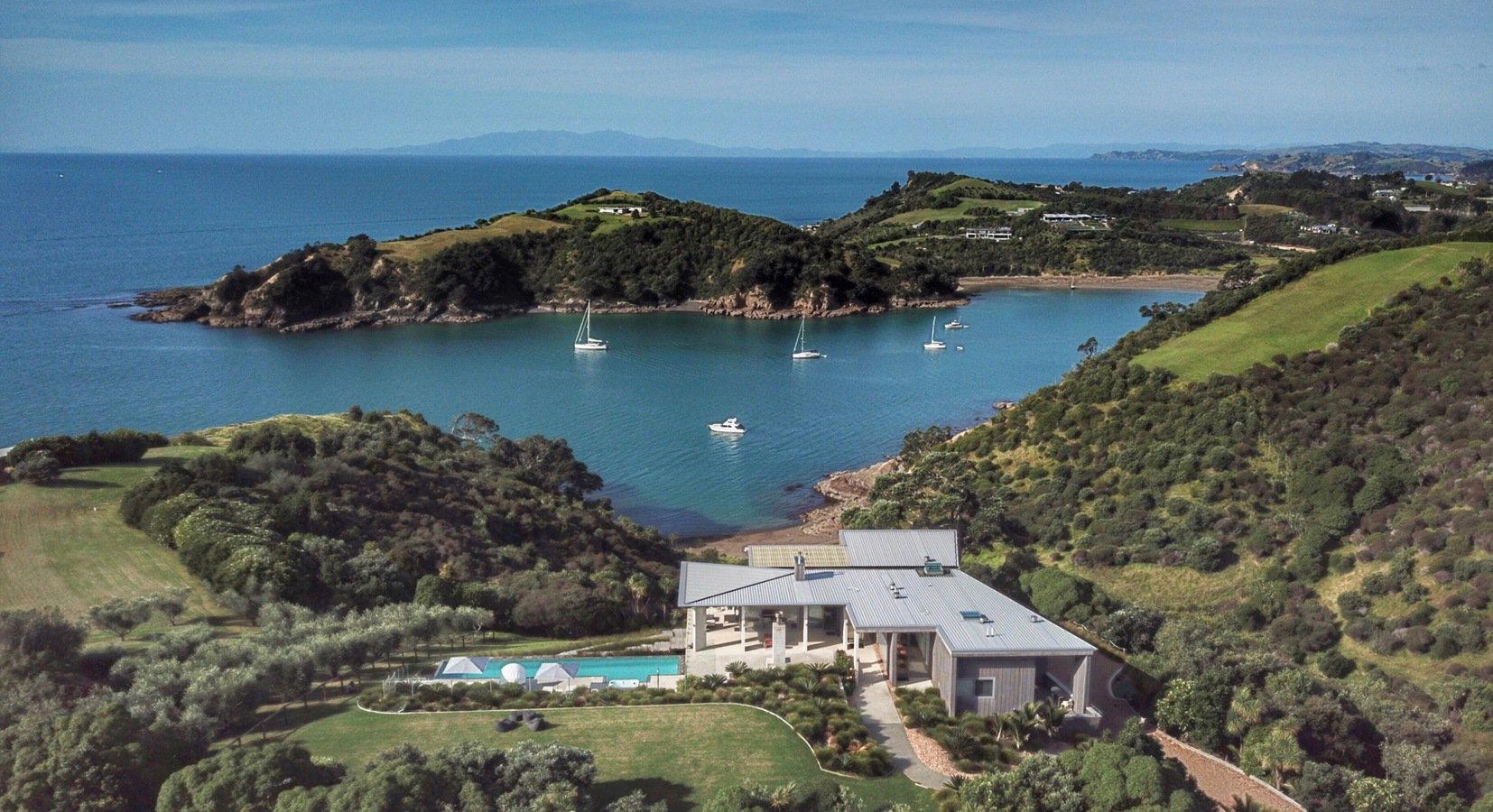
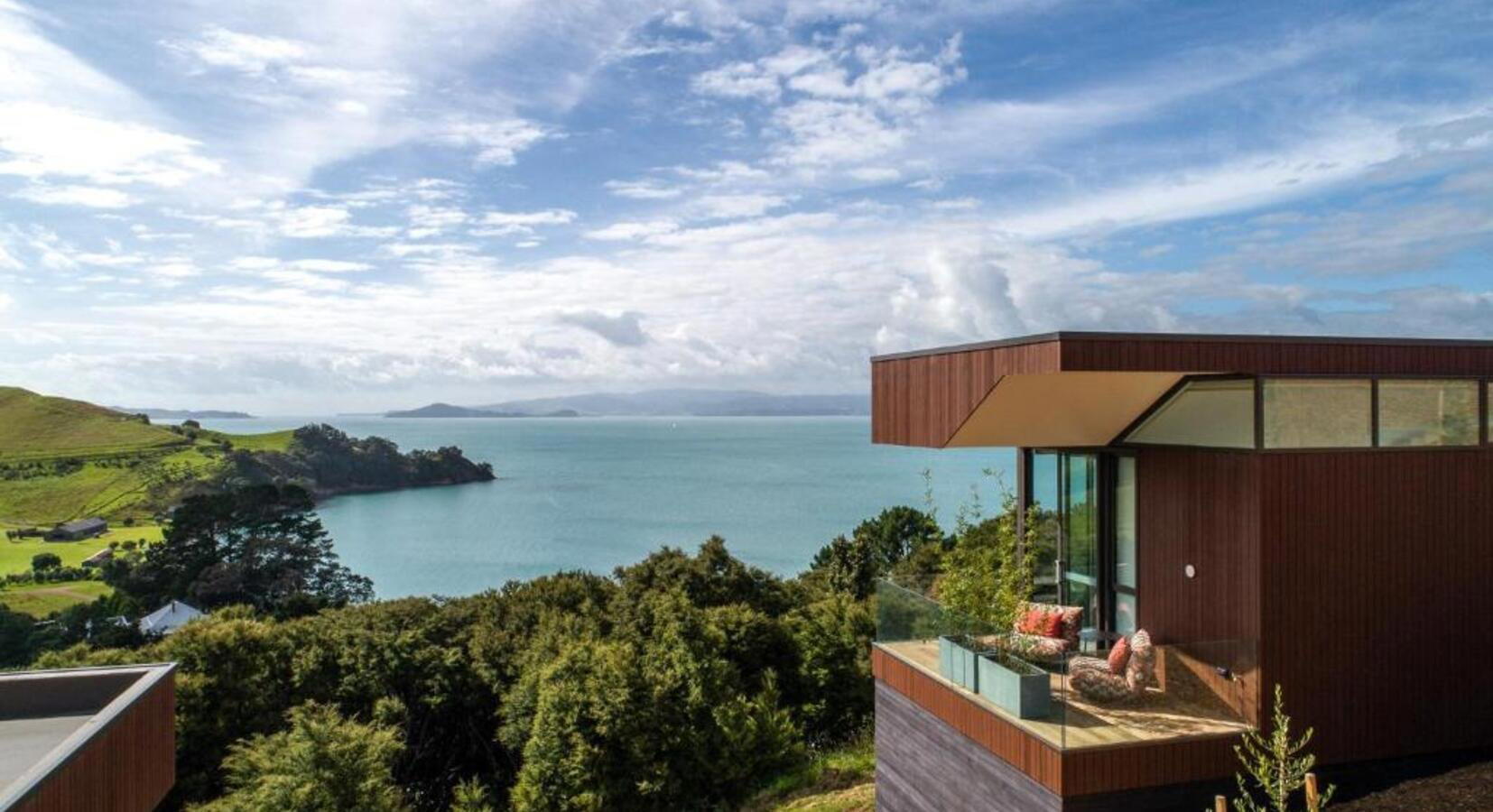
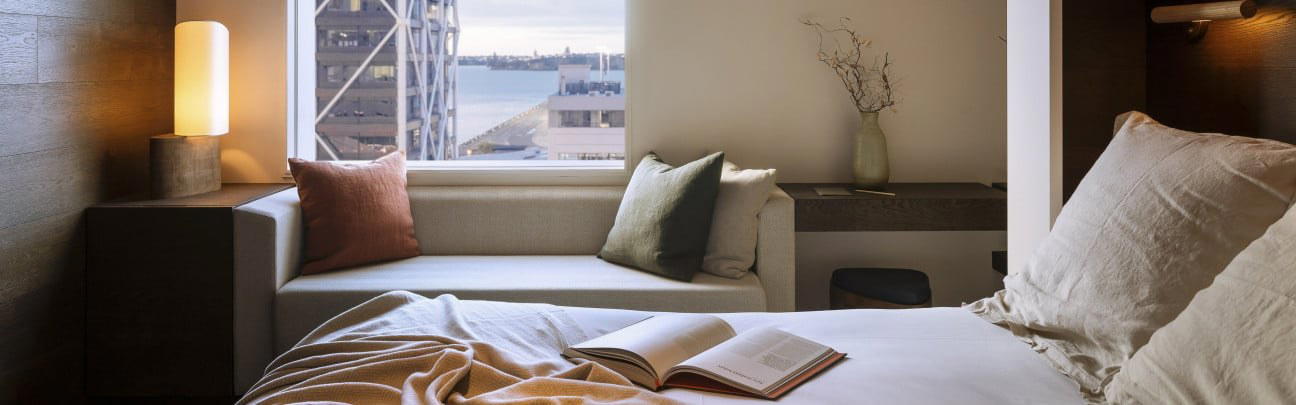
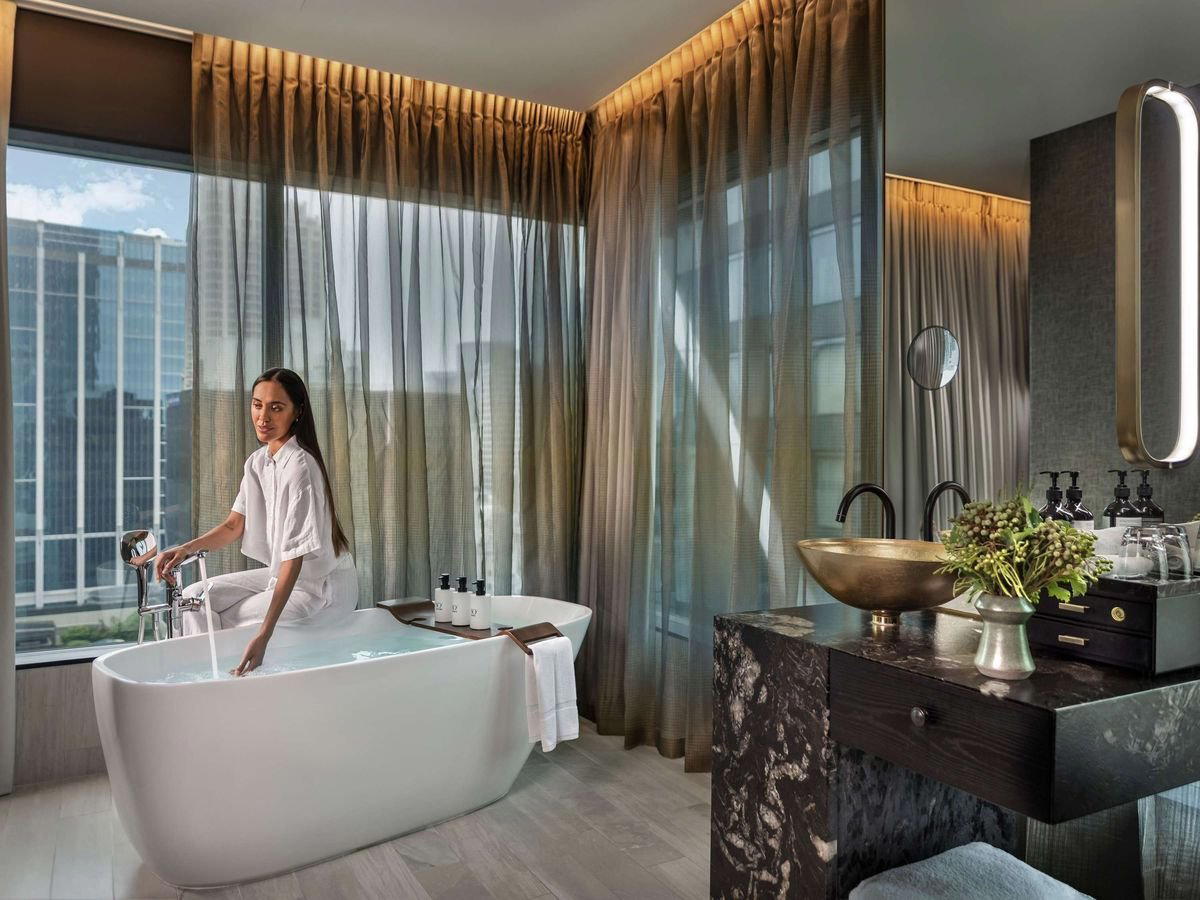
Hotels in Oneroa
Browse all →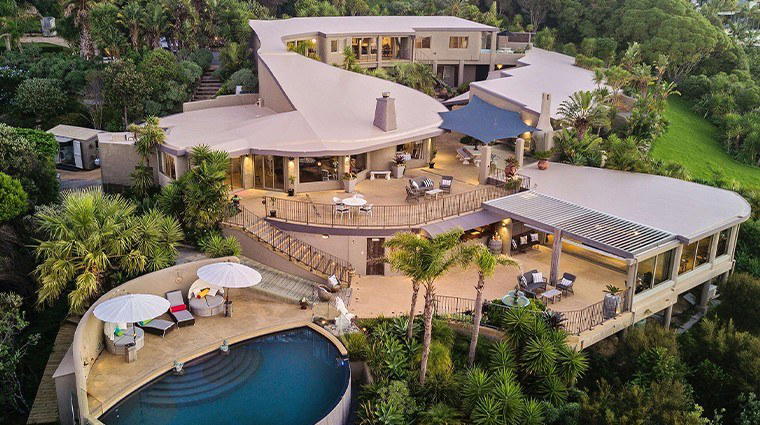
Bars in Oneroa
Browse all →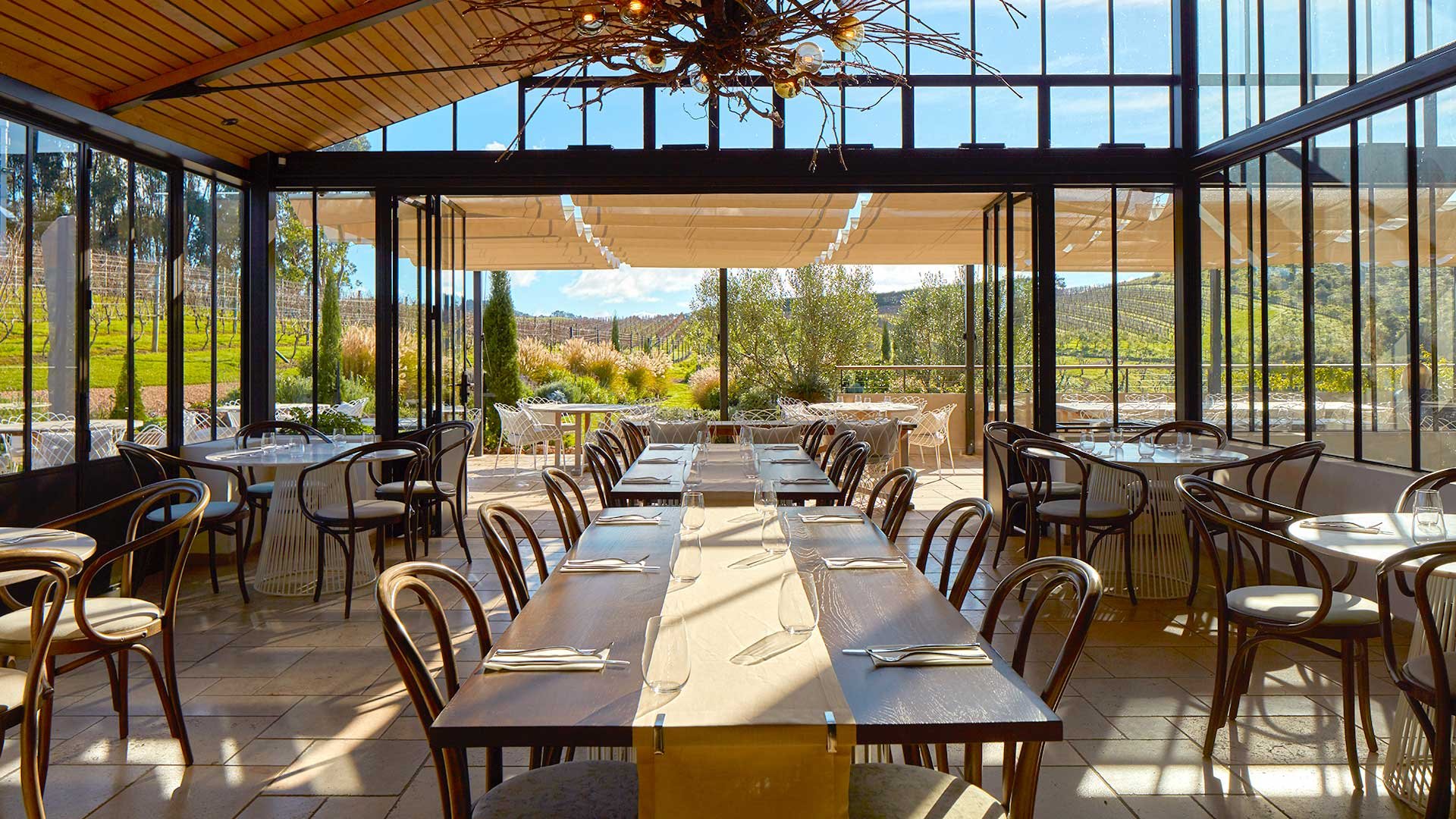
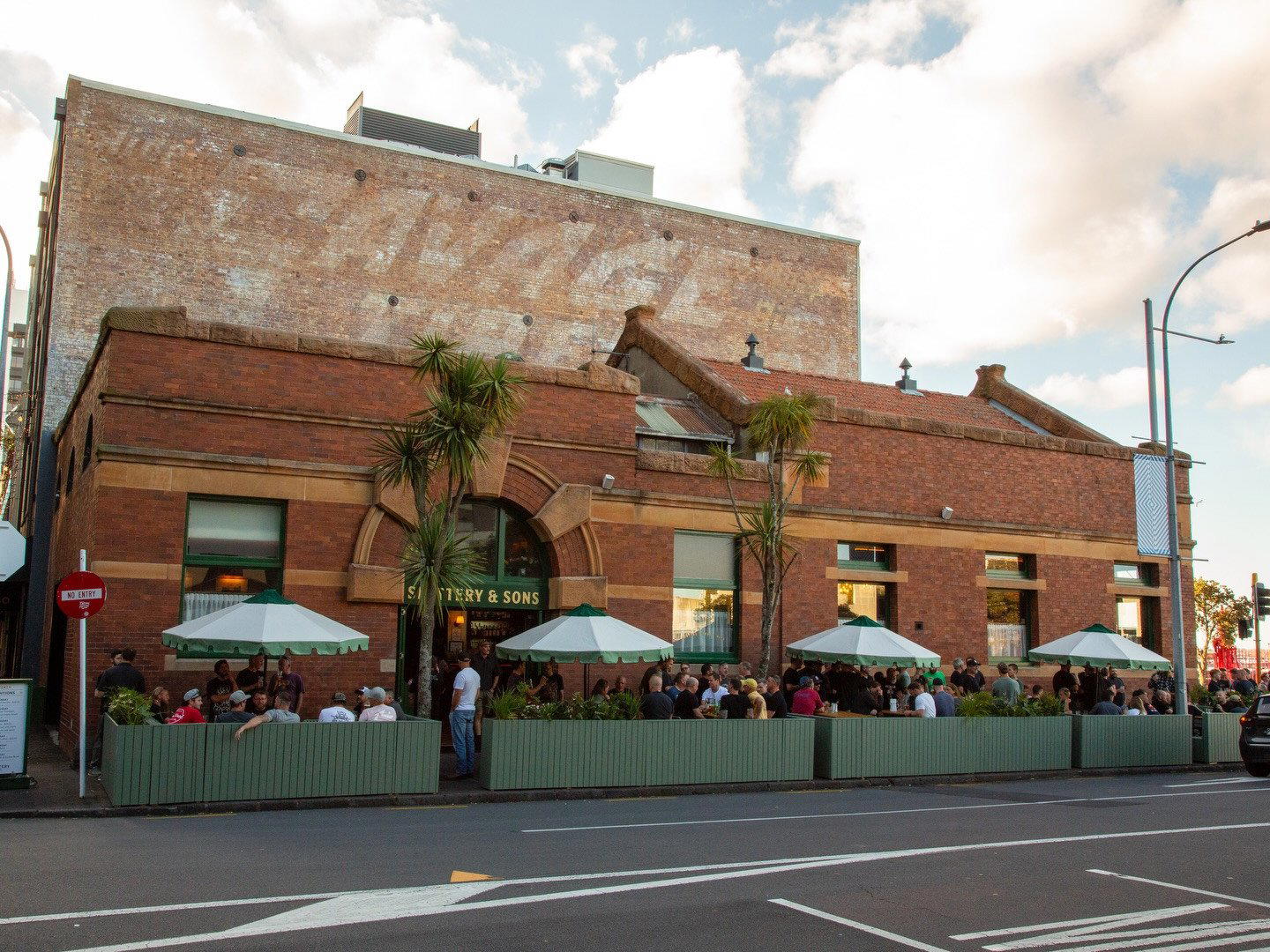
Restaurants in Oneroa
Browse all →

Wineries in Oneroa
Browse all →
At a Glance
- Romantic
- Scenic
- Cozy
- Elegant
- Bohemian
- Romantic Getaway
- Honeymoon
- Weekend Escape
- Anniversary
- Waterfront
- Panoramic View
- Private Dining
- Terrace
- Wi Fi
- Air Conditioning
- Room Service
- Concierge
- Beach Access
- Waterfront
- Wi Fi
- Air Conditioning
- Room Service
- Concierge
- Beach Access
Relaxed barefoot luxury with nautical themes, whitewashed timber, open fires, and airy spaces overlooking the sea.