On Via San Raffaele, steps from the Duomo, STRAF occupies a position in Milan's centro storico that most hotels can only approximate. As a member of Design Hotels, the property belongs to a curated international network that prioritises architectural thinking and spatial identity over brand uniformity, placing it in a distinct tier from the palazzo conversions and chain flagships that dominate the same postcode.
Pearl is the En Primeur Club membership app — saves, bookings, and concierge access live there. Same editors, same standards.
- Address
- Via S. Raffaele, 3, 20121 Milano MI, Italy
- Phone
- +39 02 805081
- Website
- straf.it
- Directions
- Get directions
 Saves & bookings on Pearl
A Counter Position in Milan's Hotel Scene
Milan's luxury hotel market is largely defined by two poles: the grand palazzo tradition, represented by properties like the Grand Hotel et de Milan and the Hotel Principe di Savoia, and the contemporary brand flagships, from the Bvlgari Hotel Milan to the Mandarin Oriental Milan. STRAF Hotel is a 4-star hotel in Milan, a design-led independent with a specific architectural identity and an affiliation, Design Hotels, that signals curatorial intent rather than operational scale. That membership places it alongside properties chosen for spatial thinking, local material sensibility, and a refusal to default to category conventions. In a city that treats aesthetics as a civic obligation, that positioning matters.
The address on Via San Raffaele, steps from the Duomo's north flank, is as central as Milan gets. For a hotel of this character, that proximity is not incidental, it places guests inside the rhythm of the city's historic core, where the morning crowds moving toward the Galleria Vittorio Emanuele II and the afternoon light on the cathedral facade are part of the stay, not a destination requiring a taxi.
The Design Hotels Affiliation and What It Implies
Design Hotels as a collection operates as a quality signal for a specific type of traveller: one who reads spatial decisions as editorial ones, and who treats the physical environment of a stay as part of the overall experience rather than a neutral backdrop. Member properties are selected on design coherence, and the affiliation connects STRAF to a global comparable set that includes properties like 3Rooms 10 Corso Como and the culturally-rooted Vico Milano within the city itself.
Where the Portrait Milano operates on boutique service depth and residential intimacy, and where a property like Passalacqua on Lake Como trades on estate atmosphere, STRAF's proposition is grounded in its architectural moment and urban density. It reads as a city hotel in the fullest sense: embedded, specific, and oriented toward the street rather than away from it.
The Ritual of Arrival and What the Location Demands
The editorial angle assigned to hotel stays at this level is often the dining ritual, but at STRAF, the more instructive ritual is the one that begins before check-in: the approach. Via San Raffaele runs in the shadow of the Duomo's eastern elevation, which means that arriving on foot from Milan Centrale (roughly 25 minutes by metro on the M3 yellow line to Duomo station, which deposits guests at the cathedral square) involves the full compression of Milanese street life before the hotel threshold is crossed. That sequence, the Piazza del Duomo, the Galleria arcade, the narrowing of Via San Raffaele, shapes the arrival.
For guests arriving from Aman Venice or making a broader Italian circuit that includes Four Seasons Hotel Firenze or the Borgo Santandrea on the Amalfi Coast, STRAF represents a deliberate gear-shift: from landscape-anchored luxury to urban density. That transition is part of why the property works for a specific type of itinerary.
Milan's Design Hotel Tier: Context and Peer Comparison
The broader Design Hotels network in Italy includes properties with different atmospheric registers. Castello di Reschio in Umbria, Corte della Maestà in Civita di Bagnoregio, and Casa Maria Luigia in Modena all occupy the rural or small-city end of the spectrum, where the design logic responds to landscape and heritage. STRAF's version of that same design commitment is applied to metropolitan density, a harder problem in some respects, since the city's existing visual noise demands a more assertive interior position.
Within Milan specifically, the comparison that clarifies STRAF's positioning most sharply is against the large-format luxury tier: the Hotel Principe di Savoia and the branded flagships operate at a service scale and room count that STRAF does not attempt to match. The trade is deliberate. Smaller, more architecturally specific hotels in the Design Hotels network generally prioritise spatial coherence over amenity breadth. Whether that trade suits a given stay depends on what the traveller is actually optimising for.
Planning a Stay: Practical Coordinates
Via San Raffaele 3 places the hotel within walking distance of the Galleria Vittorio Emanuele II, La Scala, and the Pinacoteca di Brera, the last requiring a 15-minute walk north through the quadrilatero. For Fashion Week (February and September) and the Salone del Mobile (typically April), the centro storico location compresses logistics considerably: most showrooms and event venues in the Tortona and Navigli districts are 20 minutes by taxi, and the Fiera Milano fairgrounds are accessible in under 30 minutes on the M1 red line.
Guests building a broader Italian circuit should note that the property's urban density makes it a natural anchor for arrivals by rail: Milan Centrale is the terminus for Frecciarossa services from Rome, Florence, Venice, and Naples, which means STRAF can function as an entry point into an Italian journey that continues to Rosewood Castiglion del Bosco in Montalcino, Borgo Egnazia in Puglia, or Il Pellicano in Porto Ercole without involving a single domestic flight.
For the dining dimension of a stay in this location, the centro storico offers density but not always depth, the restaurants immediately around the Duomo skew heavily toward tourist volume. The more instructive dining tier sits in Brera, the Navigli canal district, and the streets around Corso Magenta. The 10 Corso Como Café in the Porta Garibaldi area represents a useful reference point for the city's design-conscious food culture, aligned in sensibility, if not in postcode, with what STRAF's affiliation implies.
Peers Worth Knowing
Comparable venues nearby, for context on price, style, and recognition.
| Venue | Cuisine | Price | Notes |
|---|---|---|---|
| STRAF Hotel - A Member of Design HotelsThis venue — the venue you are viewing | Contemporary boutique design hotel merging art, architecture, and unconventional materials within a historic 18th-century palazzo. | $$$ | Not listed |
| 3Rooms 10 Corso Como | Design-focused boutique hotel showcasing mid-20th century modernist furniture and contemporary art within a historic Milan complex. | $$$ | Porta Garibaldi - Porta Nuova |
| Worldhotel Casati 18 | Recently renovated boutique hotel blending historic architecture with modern Italian design | $$$ | Porta Venezia |
| The Square Milano Duomo | Prestigious urban boutique hotel in historic building with modern renovations. | $$$$ | Duomo |
| Nhow Milan | Fashion & Design hotel in a repurposed industrial building | $$$ | Tortona |
| Hotel Cristoforo Colombo | Classic urban hotel in historic 19th-century building with modern comforts. | $$$ | Buenos Aires - Porta Venezia - Porta Monforte |
Continue exploring
More in Milan
Hotels in Milan
Browse all →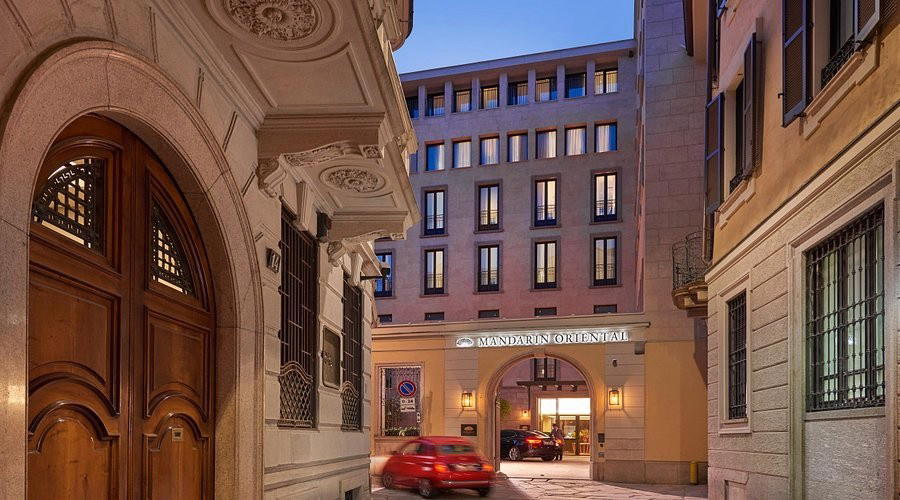
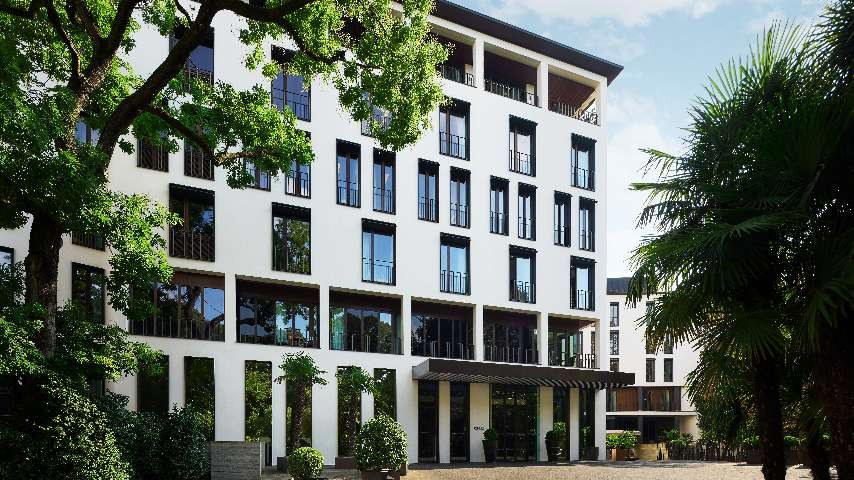
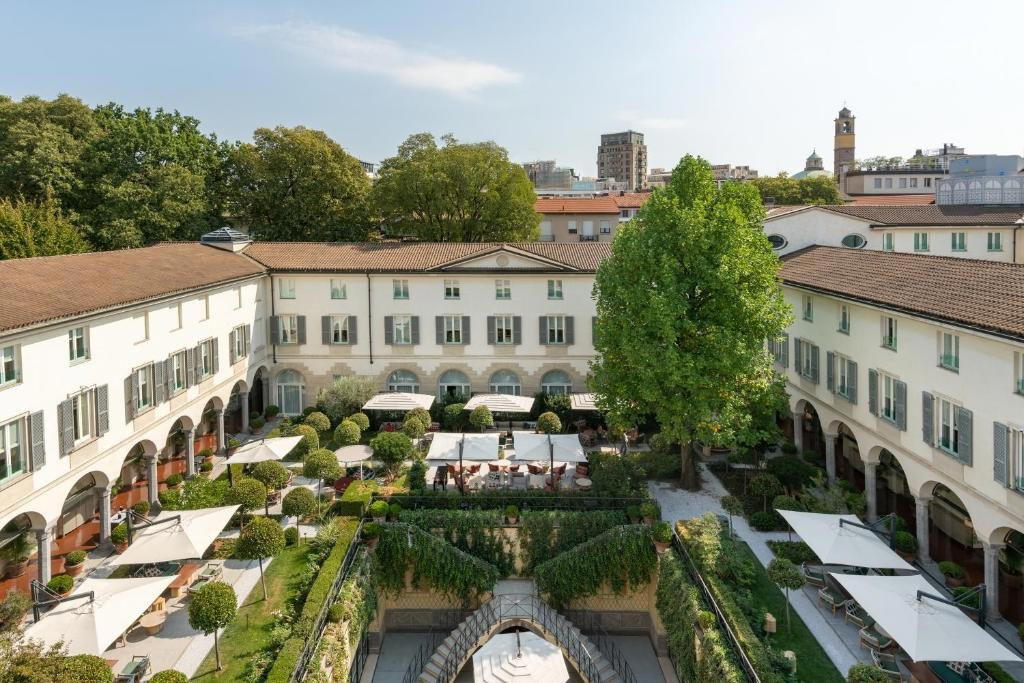
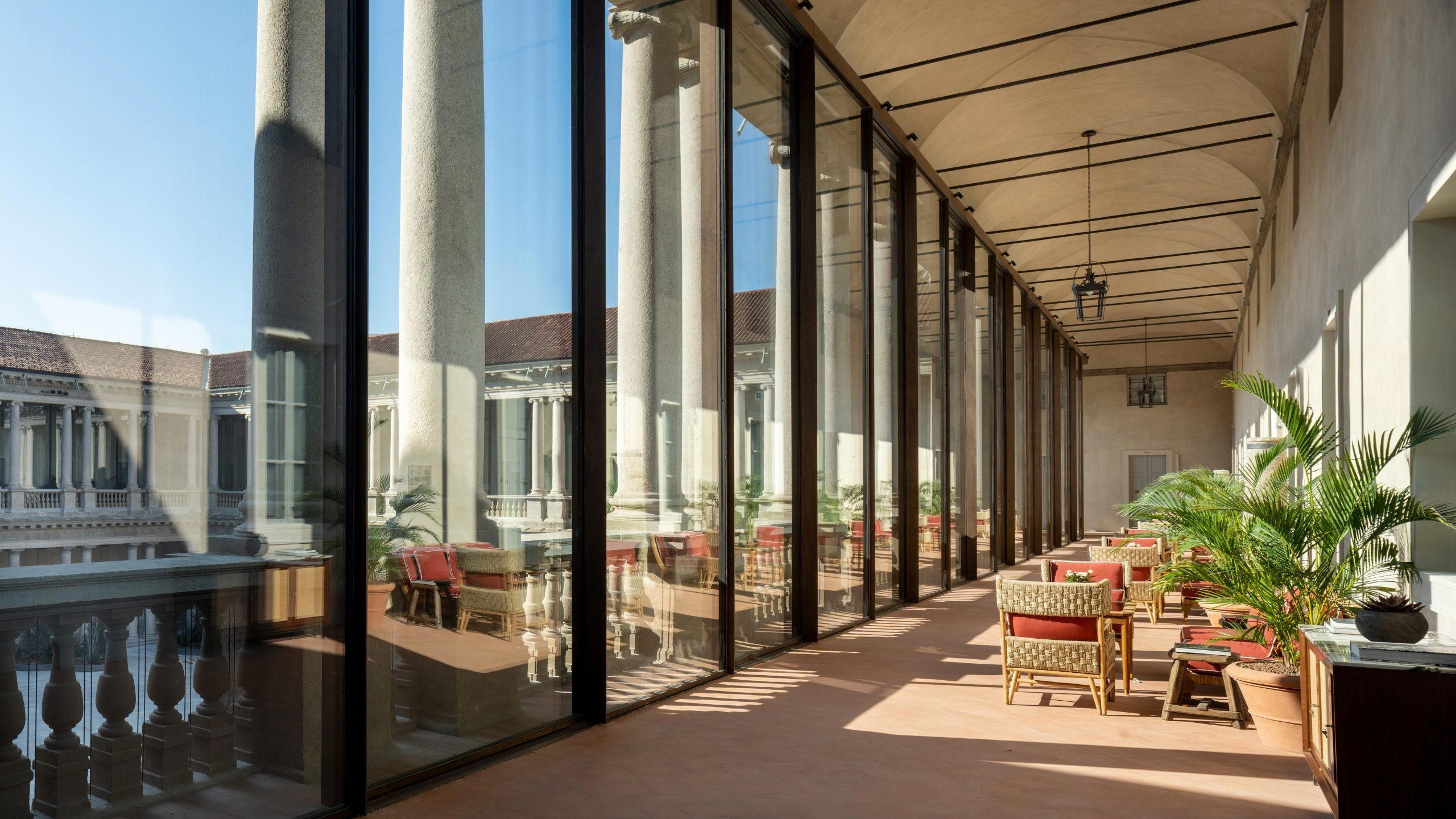
Bars in Milan
Browse all →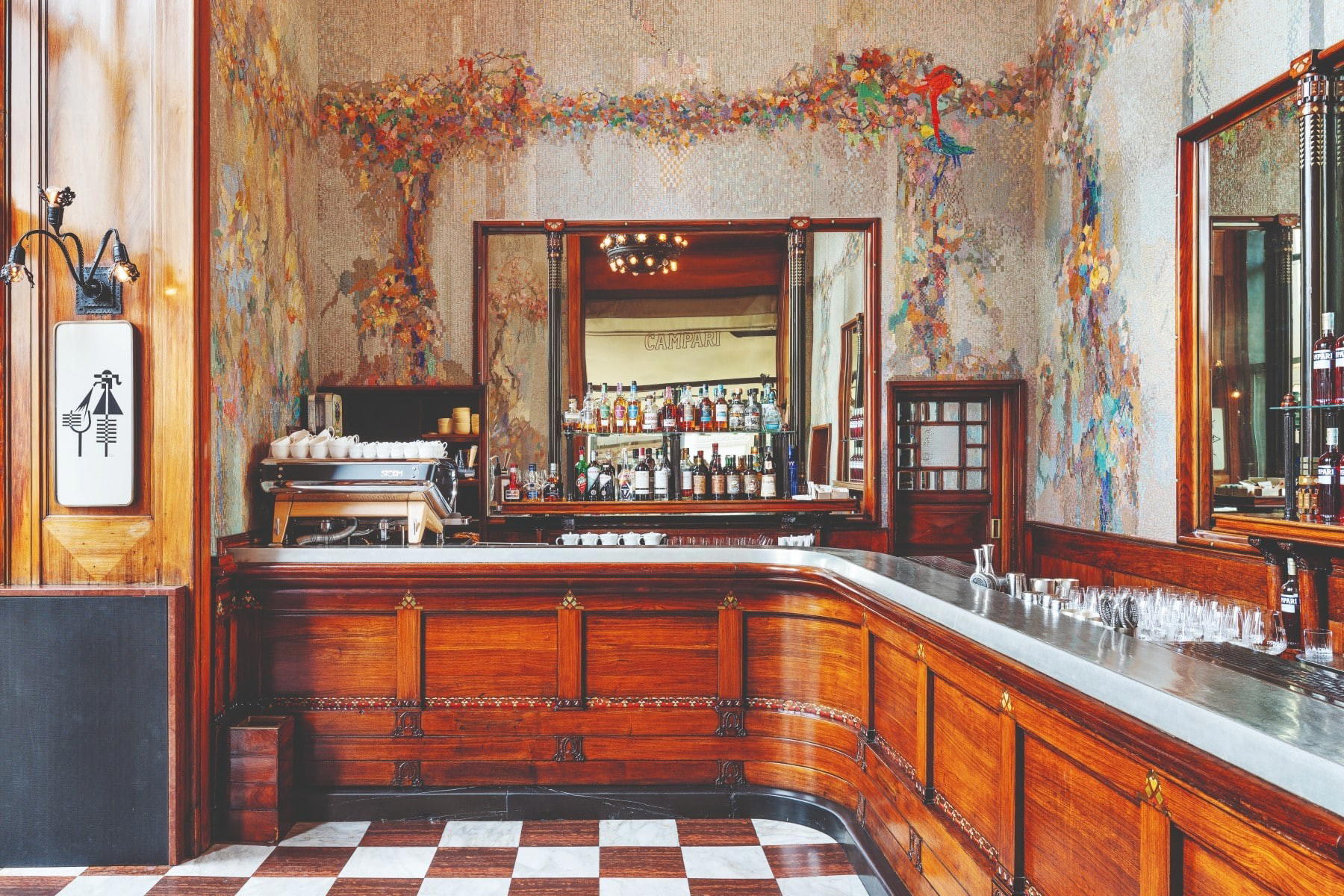
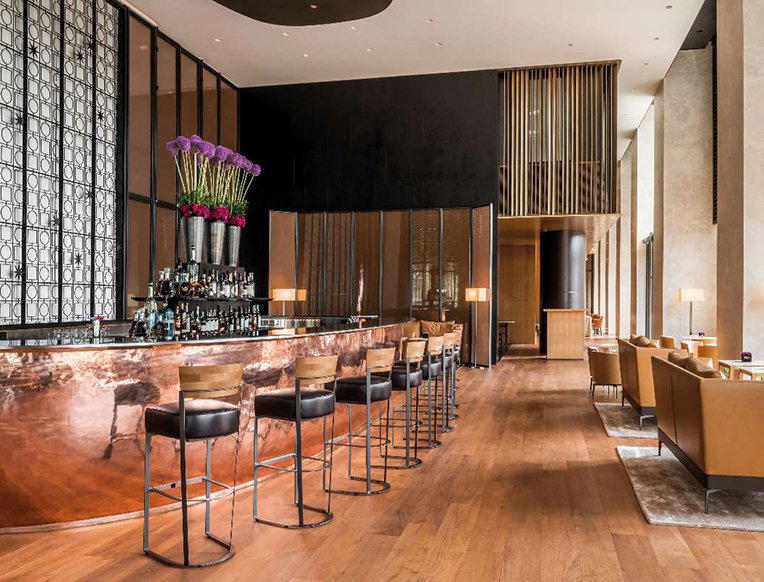
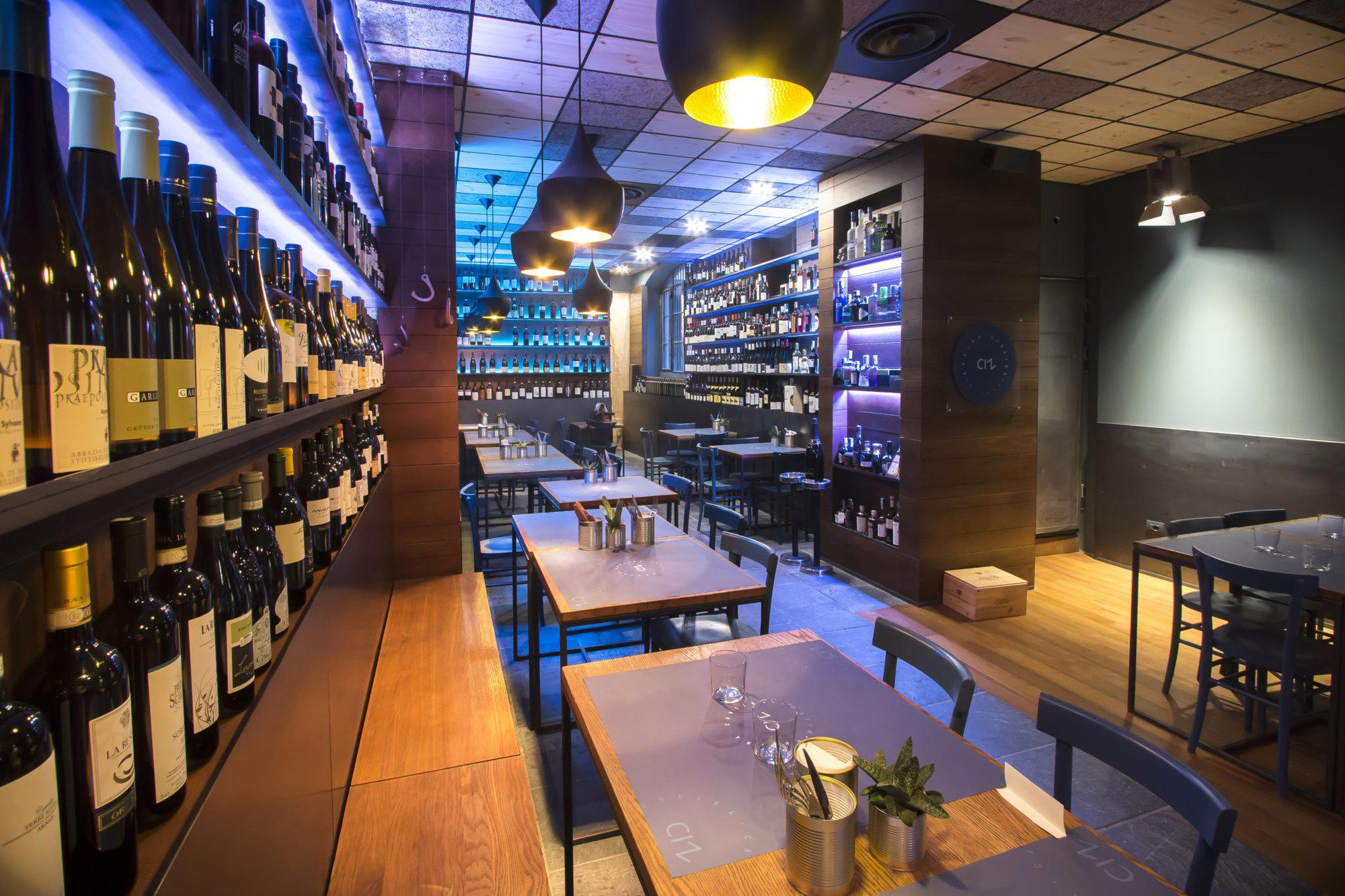
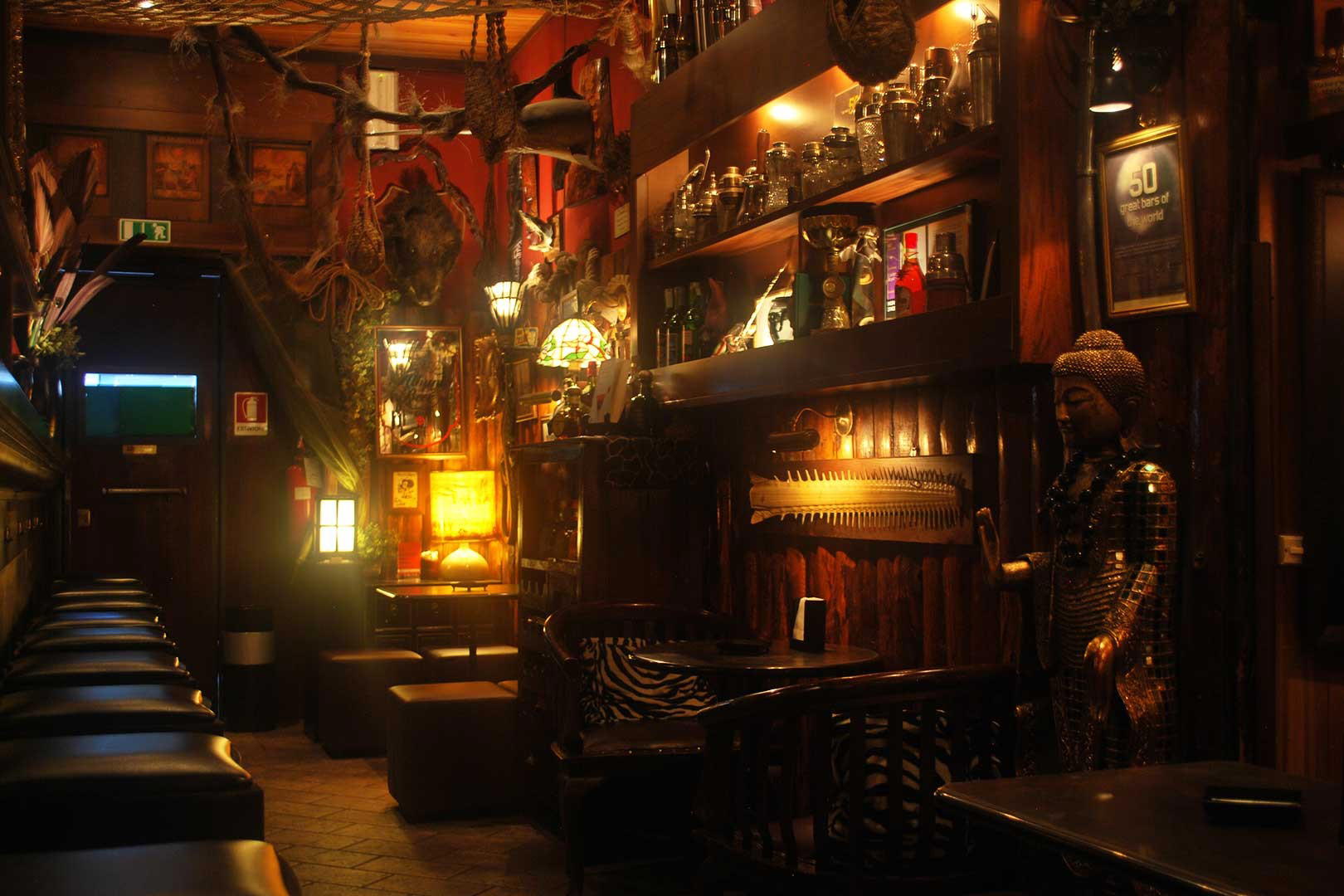
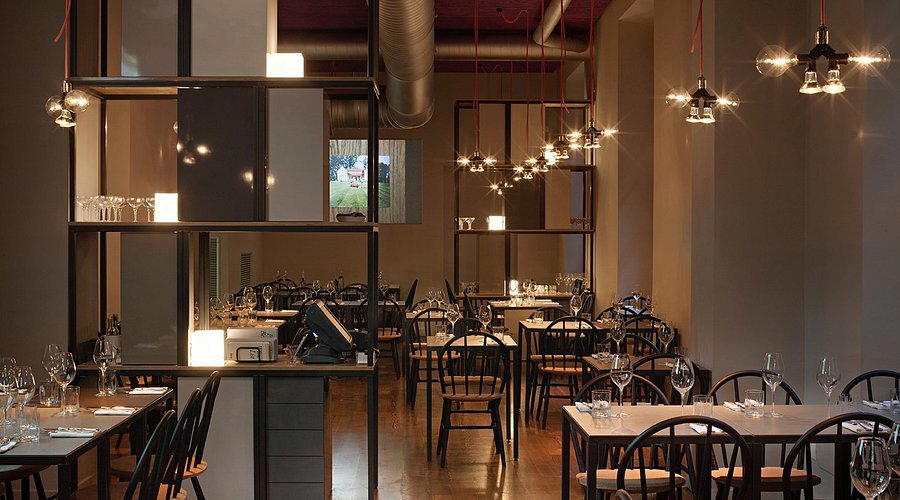
Restaurants in Milan
Browse all →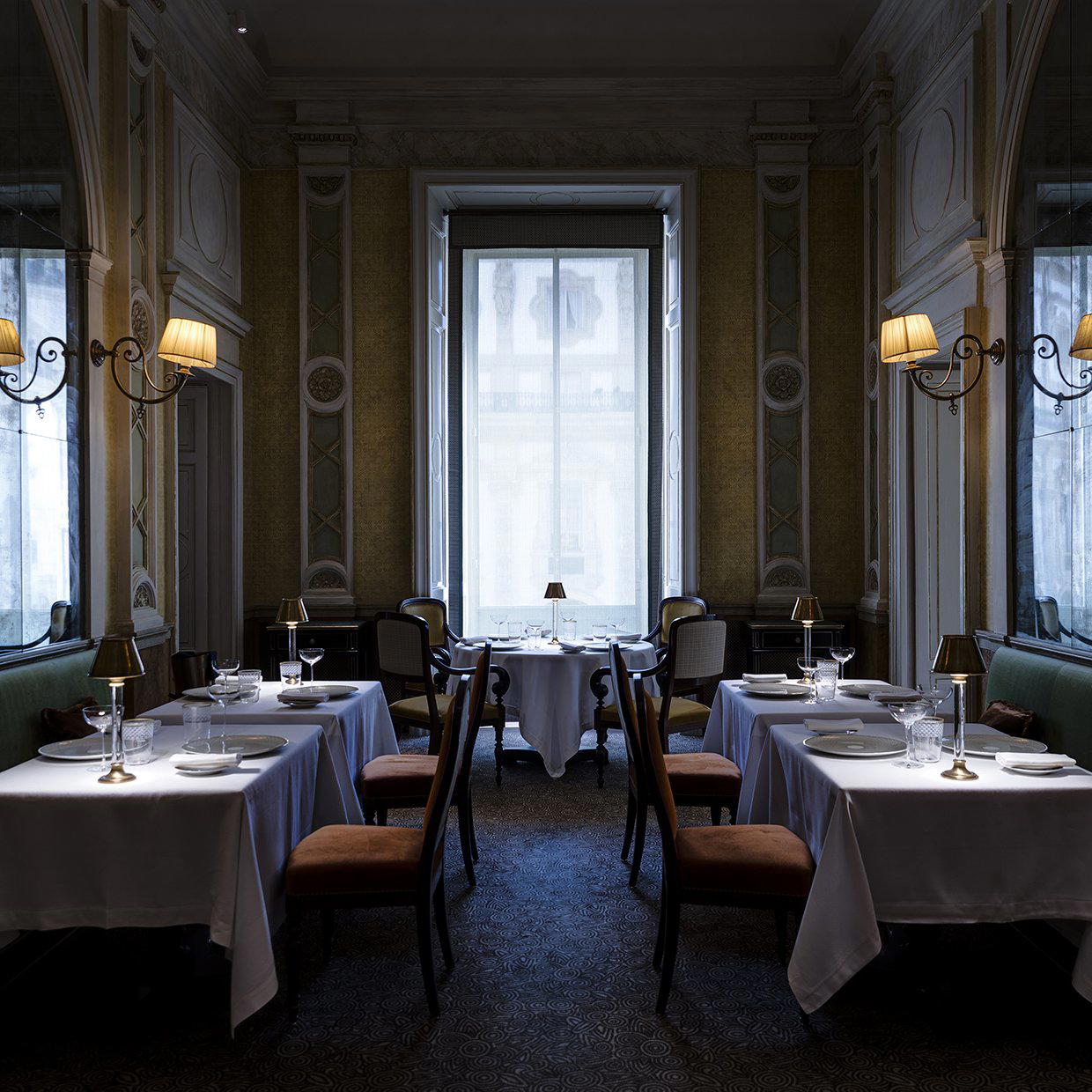
Wineries in Milan
Browse all →
At a Glance
- Modern
- Industrial
- Minimalist
- Trendy
- Sophisticated
- Well Known
- Romantic Getaway
- Business Trip
- Weekend Escape
- Design Destination
- Historic Building
- Rooftop Pool
- Destination Spa
- Wi Fi
- Pool
- Spa
- Fitness Center
- Room Service
- Concierge
- Business Center
- Restaurant
- Bar
- Street Scene
- Wi Fi
- Pool
- Spa
- Fitness Center
- Room Service
- Concierge
- Business Center
- Restaurant
- Bar
Industrial-chic with moody, artistic lighting; raw materials and contemporary installations create an avant-garde atmosphere that shifts from intimate and contemplative in rooms to lively and energetic in the bar at night.