Six Senses Fiji




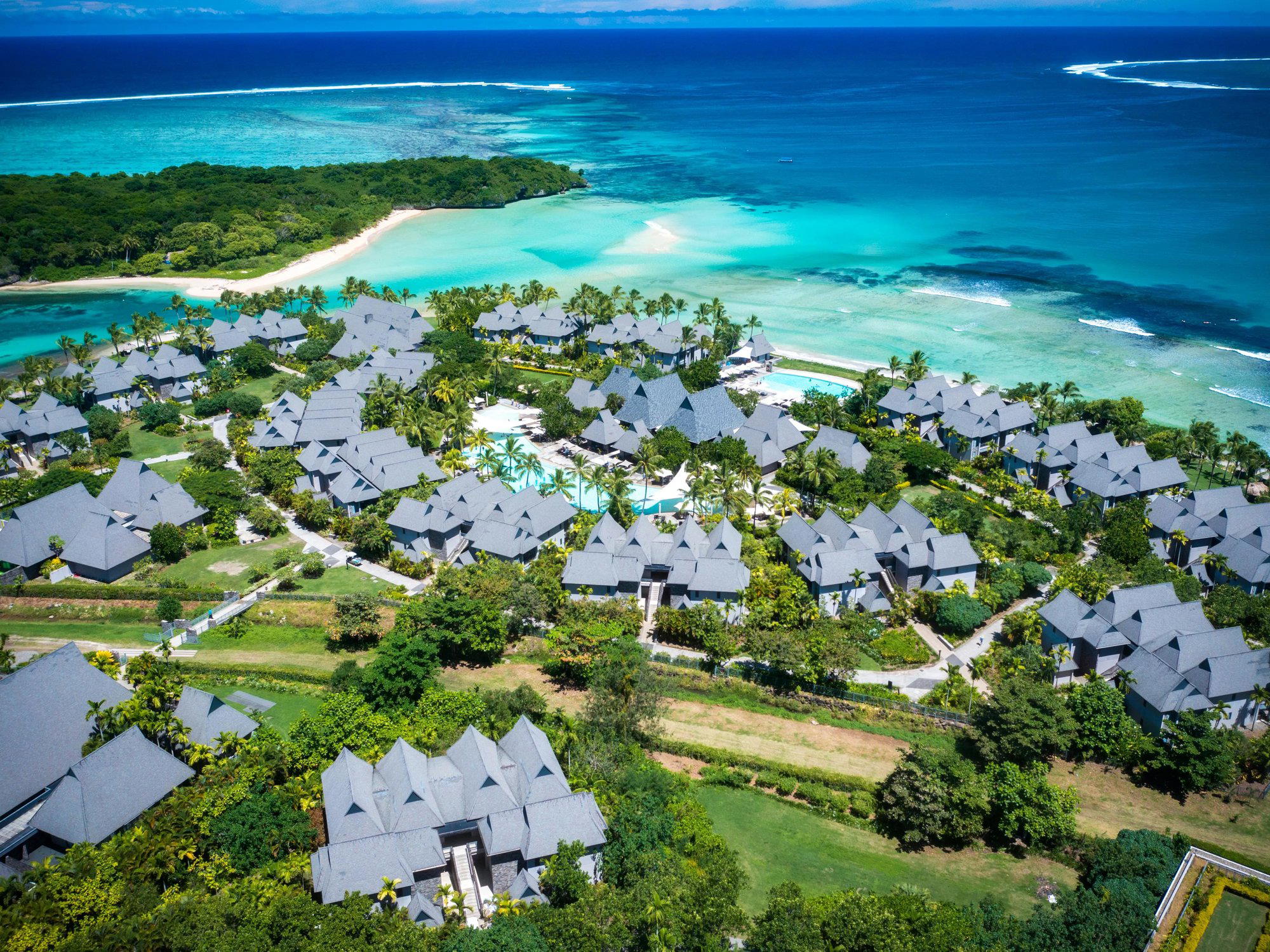
On Malolo Island, Six Senses Fiji occupies 120 acres of protected bay with 24 pool villas and multi-bedroom residences designed to echo a traditional Fijian village. The property earned 90.5 points on La Liste's 2026 Top Hotels ranking and runs entirely on solar power, with four dining venues drawing on an onsite organic garden. A 30- to 45-minute speedboat transfer from Port Denarau Marina keeps it deliberately removed from the mainstream Fiji circuit.
Pearl is the En Primeur Club membership app — saves, bookings, and concierge access live there. Same editors, same standards.
- Address
- Malolo Island, Fiji
- Phone
- +679 666 5028
- Website
- sixsenses.com
- Directions
- Get directions
 Saves & bookings on Pearl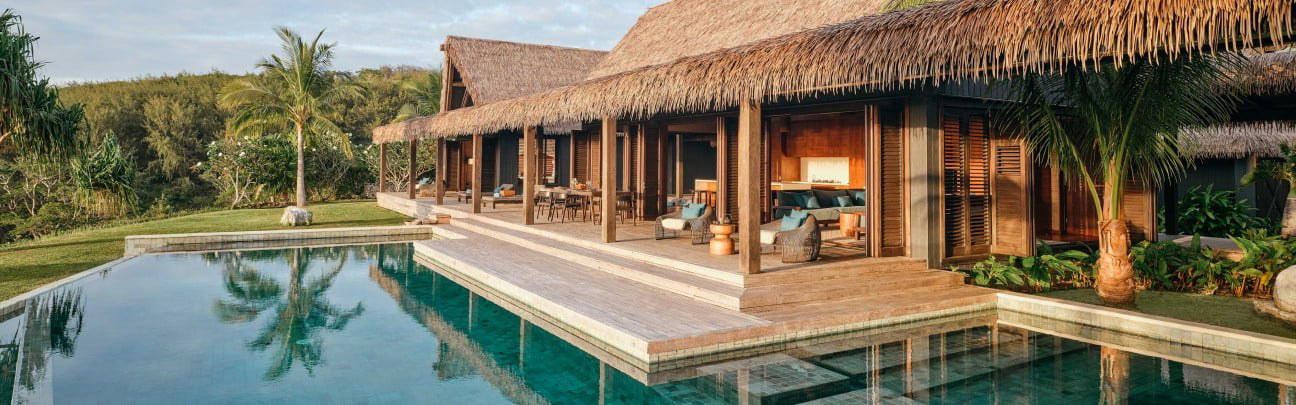
Architecture as Argument: How Six Senses Fiji Speaks in Thatch and Timber
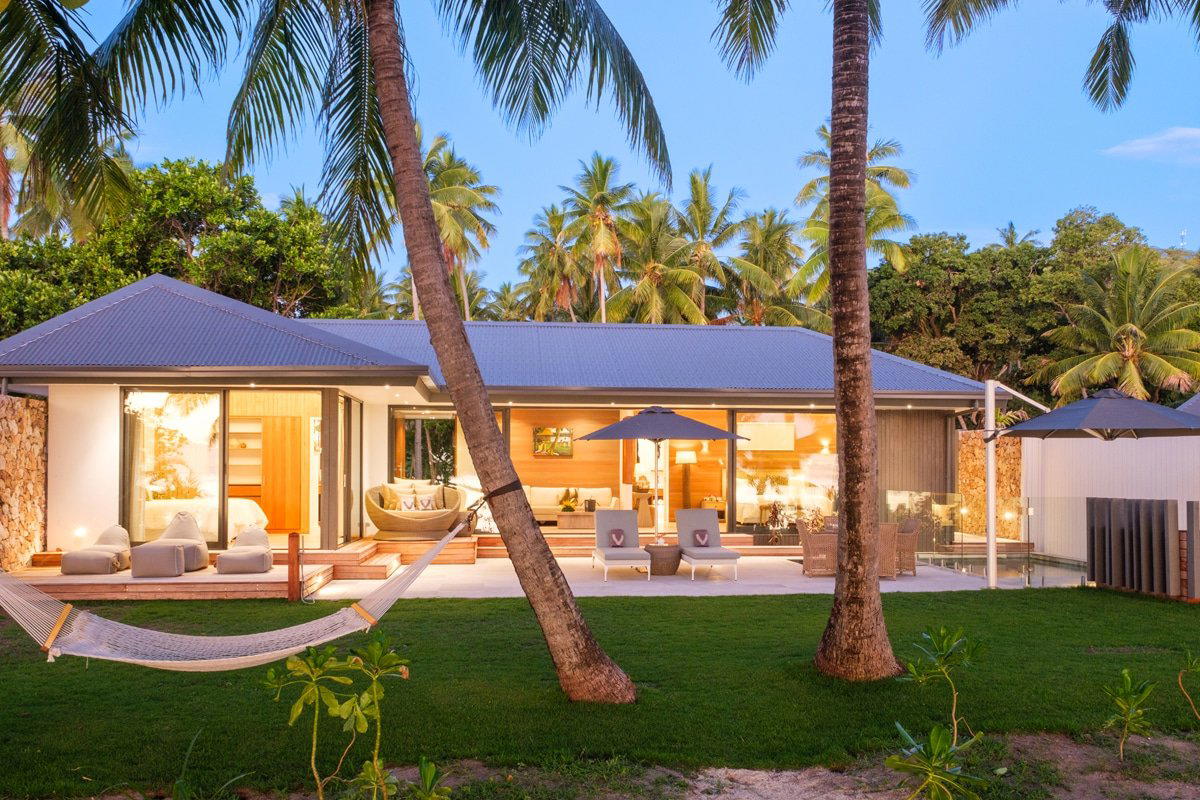
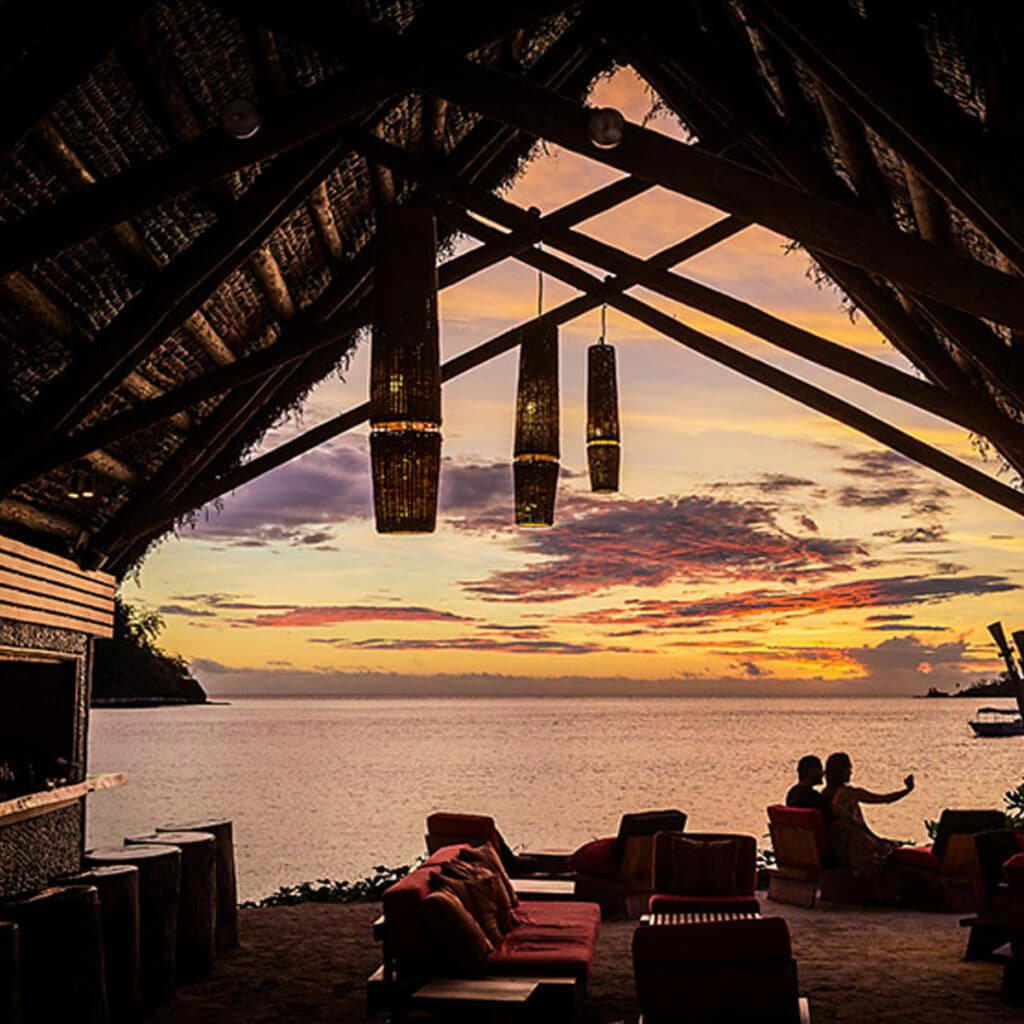
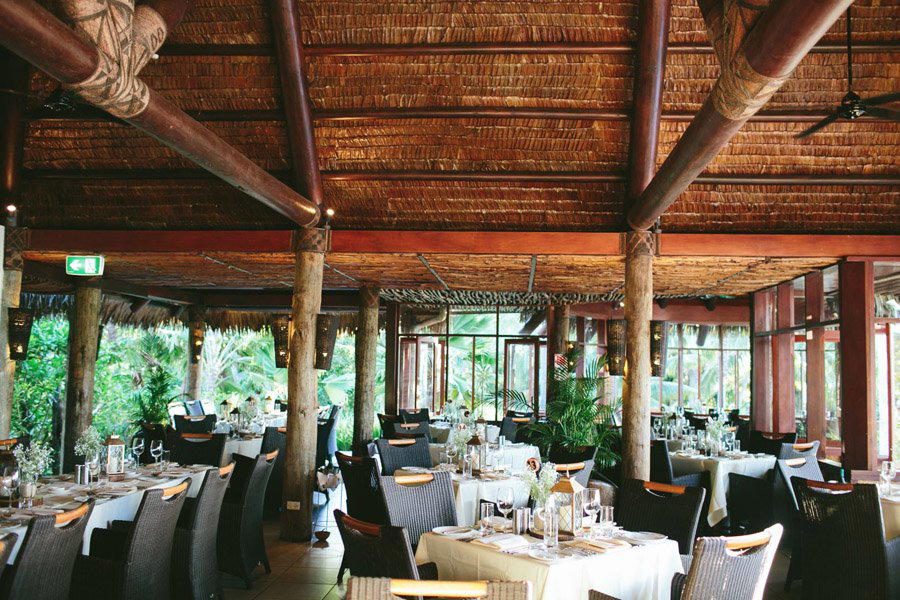
The design language of premium Pacific island resorts has long split between two poles: international-luxury uniformity, all polished concrete and infinity-edge geometry, and vernacular-led architecture that draws from local building tradition. Six Senses Fiji falls firmly in the second camp. Arriving by speedboat across the protected bay of Malolo Island, the resort reads from the water as a loose cluster of thatch-roofed structures set against dense tropical vegetation rather than a single hotel mass. That visual grammar is deliberate and structurally load-bearing to the guest experience that follows.
The 24 villas and residences reference the spatial logic of a Fijian village rather than the corridor-and-room sequence of conventional resort planning. Thatch roofing and dark timber exteriors carry through to interiors finished with tapa barkcloth, traditional sculpture, and photography that reads as curatorial rather than decorative. The effect is coherence without pastiche: the material vocabulary is consistent enough to feel intentional, but the scale of the villas, ranging from 1,200 to 1,600 square feet for one- and two-bedroom configurations, means the design never crowds the space it inhabits.
The 120-Acre Property and How It Distributes Itself
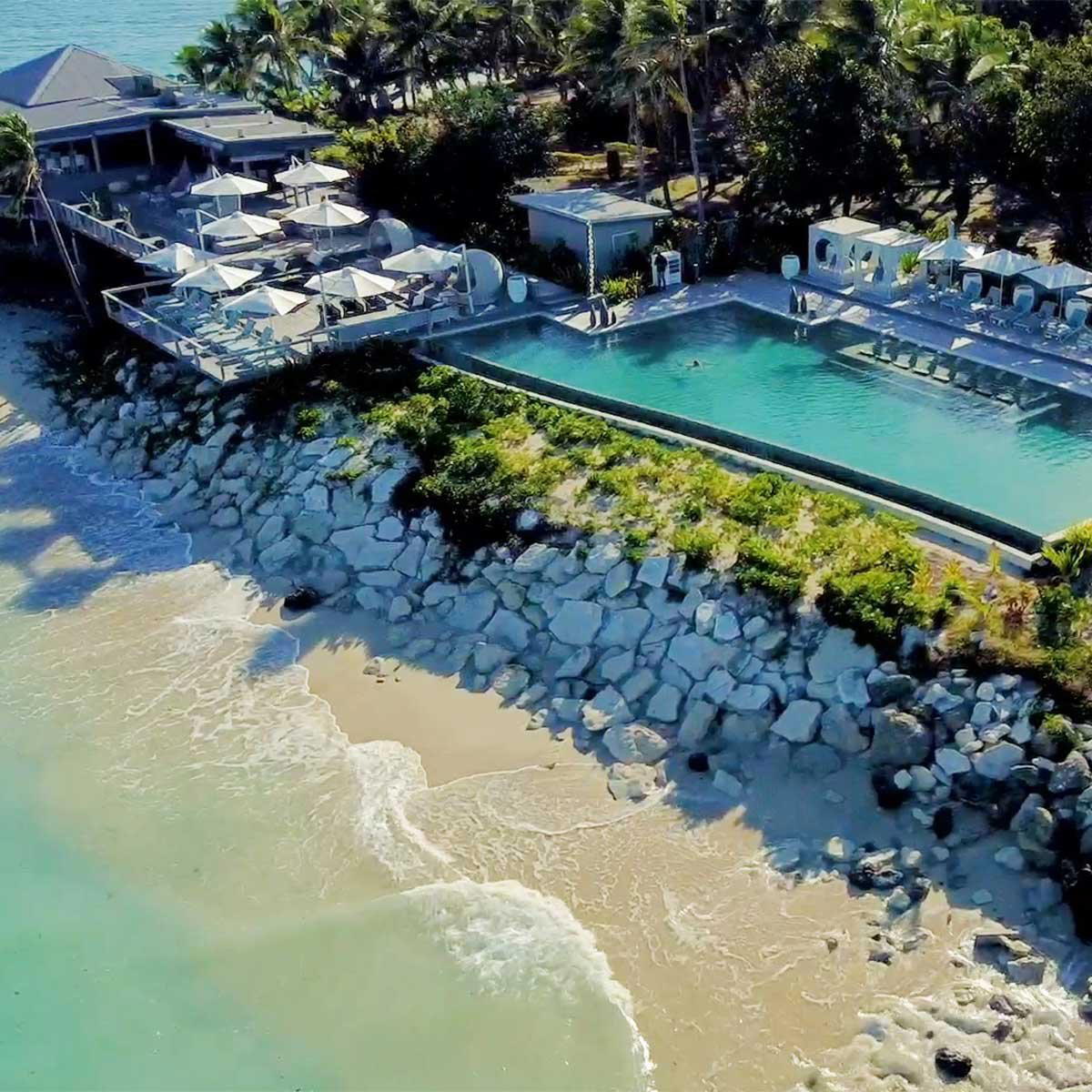
Six Senses Fiji spreads across 120 acres of Malolo Island, a footprint that keeps the resort from feeling dense even when occupancy reaches its ceiling. The 84 rooms, villas, and residences are dispersed across that acreage in a way that gives the property a low-impact presence on the island. The multi-bedroom residences, running from two to five bedrooms and between 6,500 and 10,500 square feet, function more like self-contained compound living than hotel accommodation: private pools, fully equipped kitchens, barbecue facilities, and dedicated staff including a nanny for up to eight hours daily and an experience manager who handles activity booking and scheduling. Couples and solo travellers at the other end of the scale find the one- and two-bedroom pool villas, each with private plunge pool, a lounge deck, and an open-air bathroom, appropriately scaled.
One practical advantage worth noting for those choosing Malolo Island specifically: the bay's geography means swimming is possible at low tide. At many comparable Fiji properties, the tide recedes to expose reef rather than swimmable water. That distinction matters across a week-long stay.
Wellness Infrastructure at Scale
Within the Six Senses group, spa programming is a defining category rather than an amenity add-on, and the Fiji property reflects that priority in its built form. The Wellness Village functions as a distinct zone within the property, set in tropical jungle and scaled to operate as something closer to a dedicated health facility than a hotel spa floor. Treatments are customised around nutrition, exercise, and sleep programmes drawn up by trained medical professionals on site. The Alchemy Bar, where guests prepare their own scrubs and massage oils, extends the wellness ethos into participatory format. An aerial yoga practice, guided meditation, and a treetop yoga pavilion with open ocean sightlines complete a programme that positions the spa as a functional centre of the stay rather than an optional supplement.
Food and Drink: Four Venues, One Operating Principle
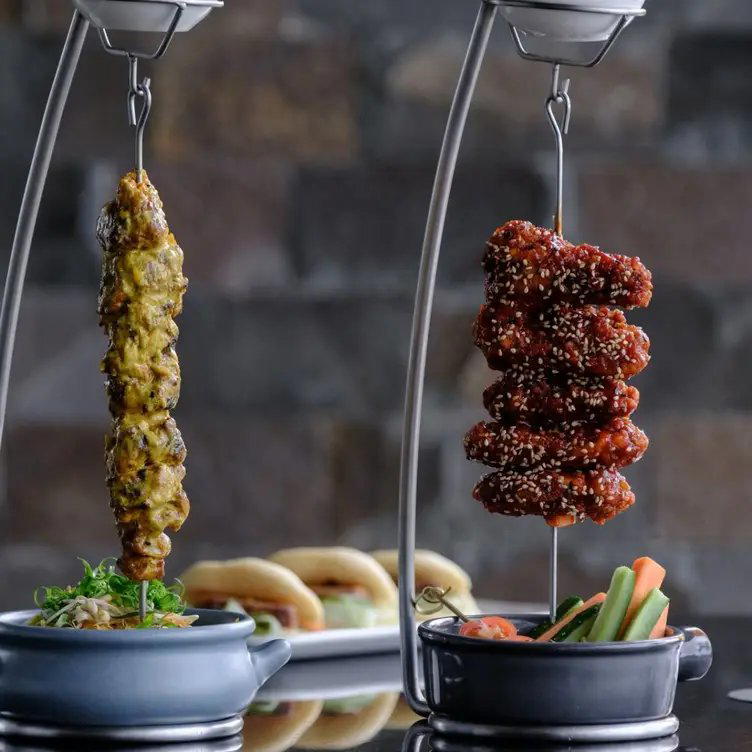
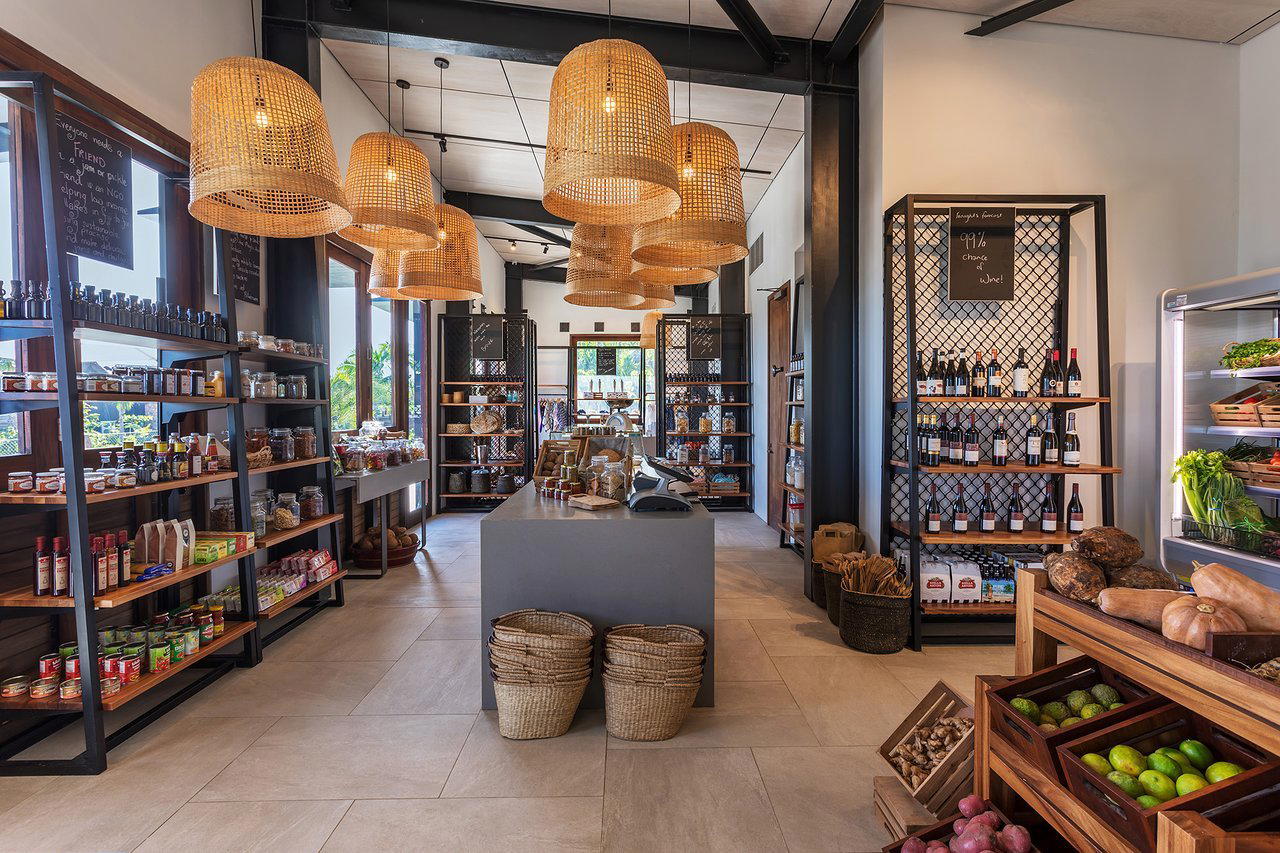
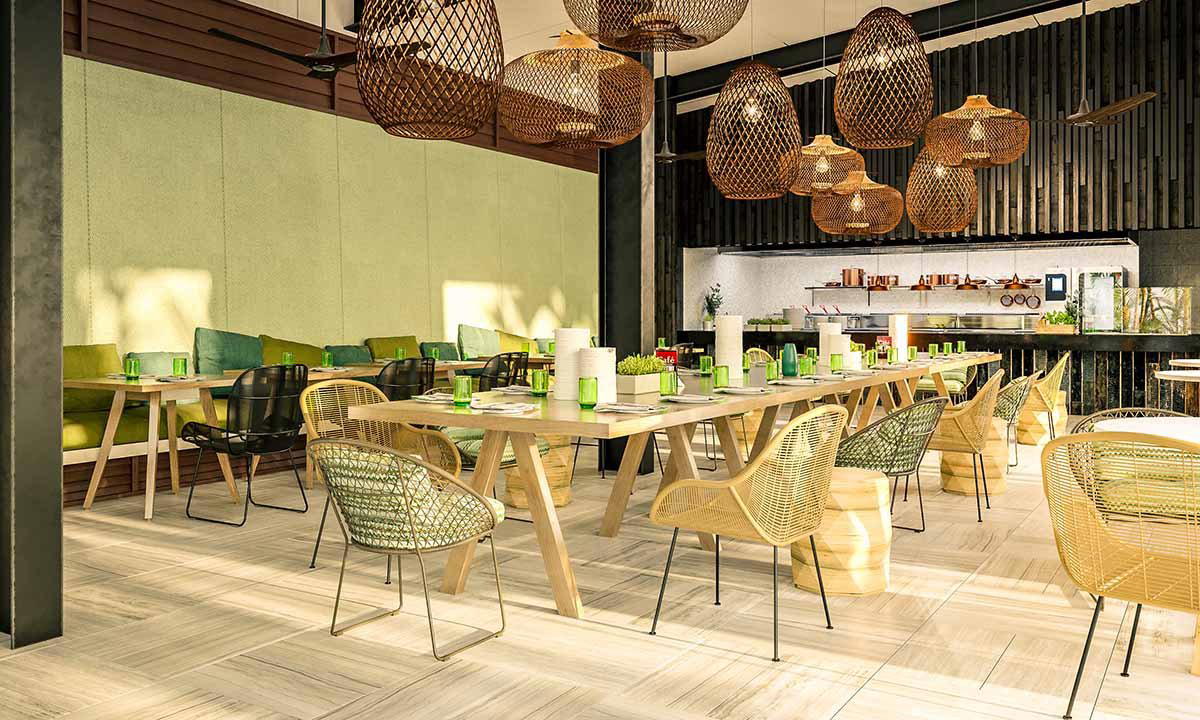
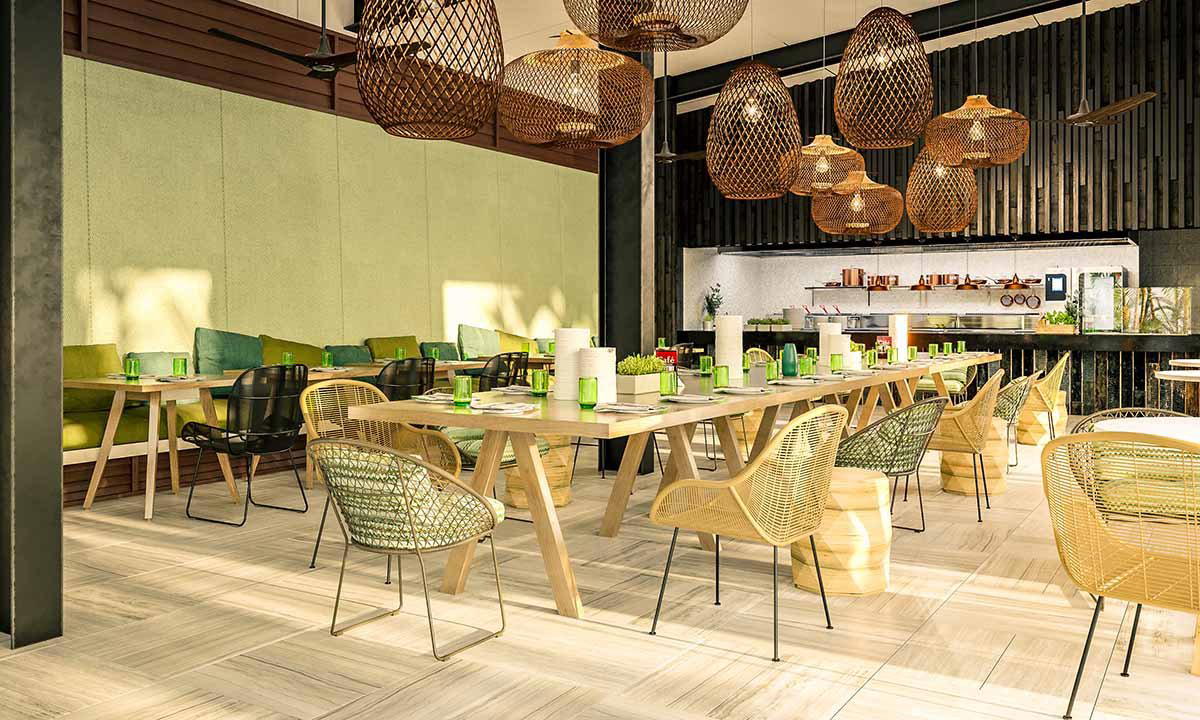
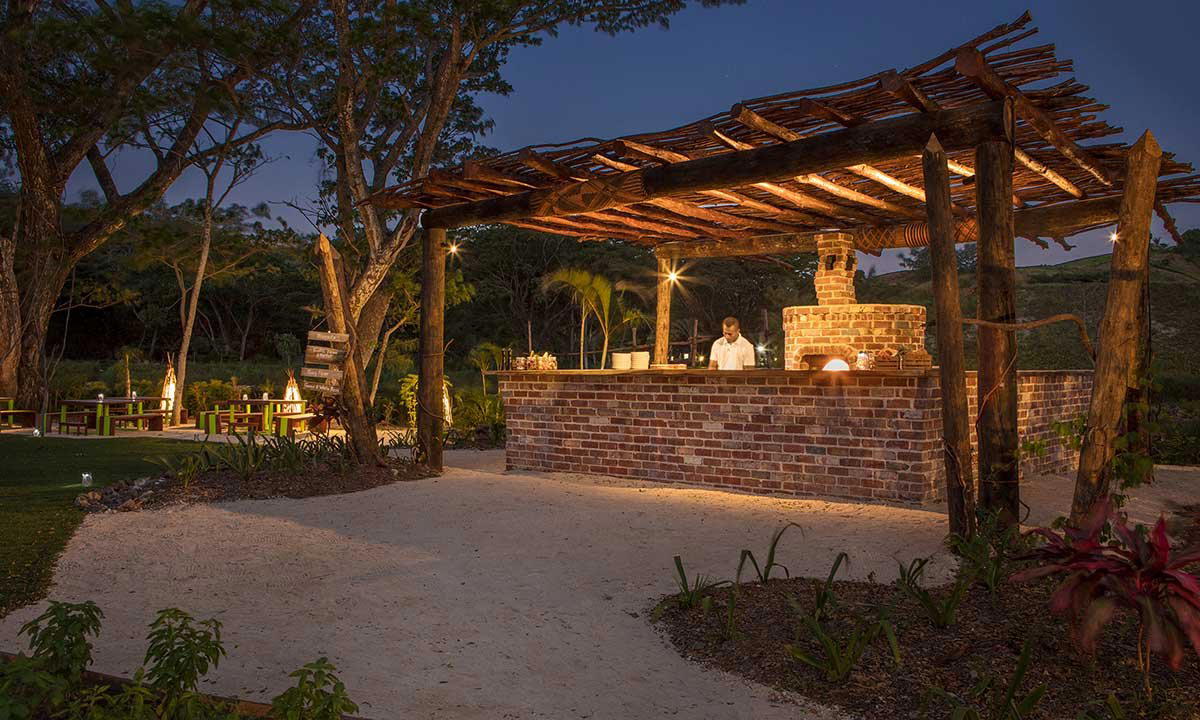
Pacific island resorts have traditionally relied on imported produce to maintain menu ambition, accepting the carbon cost as inseparable from the luxury proposition. The hotel runs against that default through an onsite organic garden and chicken coop, a honeybee farm, and a culinary philosophy that treats the chef and mixologist as a single functional unit rather than parallel departments. The central Tovolea restaurant builds around Fijian-inspired cooking, while Rara Restaurant and Bar draws its menu predominantly from the property's garden and overlooks the marina. Teitei Pizzeria operates in open air after dark. A farmers-market-inspired gourmet deli handles quick-format eating. The breadth across four venues means guests have genuine rotation across a week-long stay without leaving the property.
Sustainability as Engineering, Not Positioning
The hotel holds the distinction of operating the largest micro-grid in Fiji using Tesla battery storage and is 100 percent solar-powered. A glass-bottle water plant eliminates single-use plastic from the property entirely. Composting, a working farm, and an active coral planting project complete an environmental programme that functions at the infrastructure level rather than as a guest-facing communications exercise.
Water, Land, and Getting There
The resort's water sports programme covers scuba diving, snorkelling, surfing, windsurfing, stand-up paddling, kayaking, hobie cats, and jet skis, with instruction available in surfing and diving. Coral reforestation activities extend the marine engagement into conservation participation. On land, nature walks, hiking, tennis, cultural village visits, cooking classes, and mixology lessons distribute the programme across activity types and energy levels. A full-day kids club with structured educational programming, combined with the nanny service included with residence bookings, makes the property operationally practical for multi-generational groups in a way that more adult-oriented properties in the Fiji premium set do not.
Reaching the hotel requires a 30- to 45-minute speedboat transfer from Port Denarau Marina. A helicopter charter from Nadi International Airport or Port Denarau cuts that to approximately 15 minutes via the resort's helipad. Guests with tight connections should factor the speedboat timing carefully; the transfer window is non-trivial for anyone catching onward flights the same day. Rates start from $2,500 per night.
Guests who regularly move between this tier of island property and urban luxury properties will find the Six Senses programme coherent with what Aman New York, Cheval Blanc Paris, and Bvlgari Hotel Tokyo offer in their respective urban contexts: a clearly articulated design position, a wellness programme with genuine infrastructure behind it, and a food-and-drink offering that can sustain a week without fatigue. The difference is the Pacific setting, the low-tide swimming bay, and the solar-powered grid underpinning all of it. For those comparing within the Fiji market specifically, also consider Nanuku Resort in Pacific Harbour, Wakaya Private Island Resort, InterContinental Fiji Golf Resort and Spa on Viti Levu, and The Fiji Orchid in Nadi.
Comparison Snapshot
Comparable venues nearby, for context on price, style, and recognition.
| Venue | Cuisine | Price | Awards | Notes |
|---|---|---|---|---|
| Six Senses FijiThis venue — the venue you are viewing | Barefoot luxury eco-resort with locally-inspired design and natural aesthetics emphasizing sustainability and connection to place. | $$$$ | Michelin 2 Key | Not listed |
| Kokomo Private Island | Exclusive family-run private island resort blending Fijian tradition with ultra-luxury privacy. | $$$$ | World's 50 Best #50, 5-Star | Yaukuve Levu Island |
| The Remote Resort | Secluded beachfront villas on a private peninsula. | $$$$ | Michelin 2 Key | Nawi |
| Jean-Michel Cousteau Fiji Islands Resort | Eco-luxury Fijian beachfront bures blending natural materials with modern comforts. | $$$$ | Michelin 1 Key | Savusavu Bay |
| Nanuku Resort | tropical-chic all-villa beachfront resort with seamless indoor-outdoor living | $$$$ | 5-Star | Pacific Harbour |
| Turtle Island | Barefoot luxury with locally-crafted furnishings and sustainable design; villas built from island-grown hardwoods with solar power and minimal environmental impact. | $$$$ | 5-Star | Yasawa Islands |
Recognition history
Dated appearances from independent guides and award organizations, with the underlying list record or original source where available.
Forbes Recommended
Forbes
La Liste Top Hotels
La Liste
Mr & Mrs Smith Smith Seal of Approval
Mr & Mrs Smith
Virtuoso Luxury Hotel Partner
Virtuoso
Forbes Recommended
Forbes
Michelin 2 Keys
Michelin
Continue exploring
More in Malolo Island
Hotels in Malolo Island
Browse all →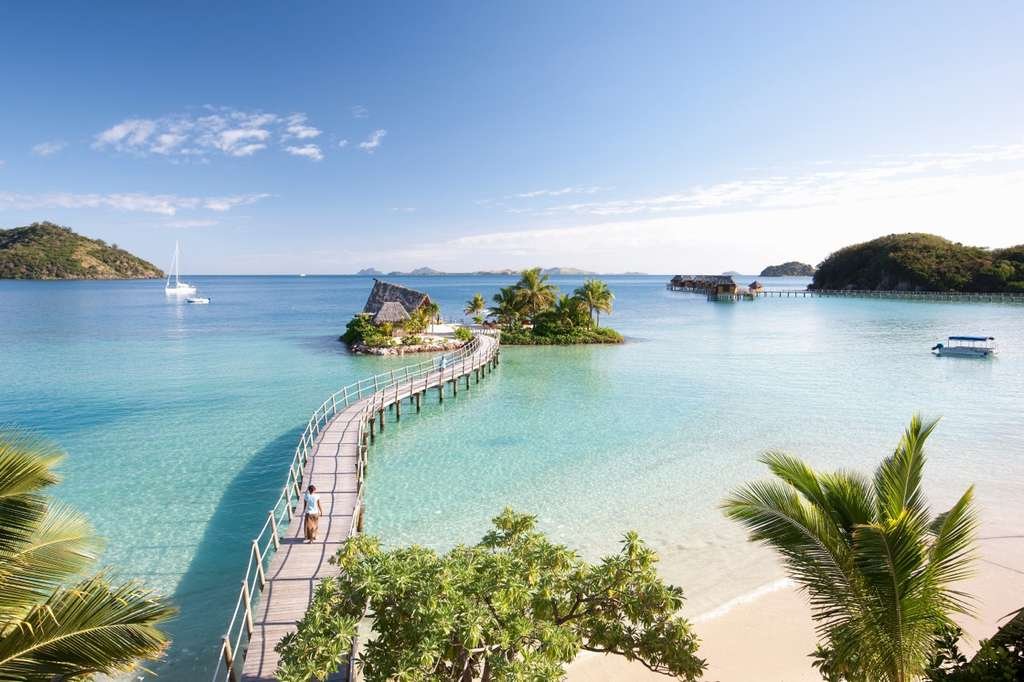
Bars in Malolo Island
Browse all →
At a Glance
- Romantic
- Scenic
- Elegant
- Ornate
- Honeymoon
- Romantic Getaway
- Family Vacation
- Wellness Retreat
- Anniversary
- Destination Wedding
- Beachfront
- Private Villa
- Butler Service
- Infinity Pool
- Destination Spa
- Panoramic View
- Private Dining
- Garden
- Wi Fi
- Pool
- Spa
- Fitness Center
- Room Service
- Concierge
- Kids Club
- Beach Access
- Restaurant
- Bar
- Sauna
- Tennis Court
- Waterfront
- Garden
- Wi Fi
- Pool
- Spa
- Fitness Center
- Room Service
- Concierge
- Kids Club
- Beach Access
- Restaurant
- Bar
- Sauna
- Tennis Court
Tranquil and welcoming with warm Fijian charm; guests describe the atmosphere as lively yet relaxing, with immaculate beachfront settings and attentive service creating a sense of exclusivity and tropical paradise.