Jean-Michel Cousteau Fiji Islands Resort


On Vanua Levu's Savusavu Bay, this 25-bure resort built on a former coconut plantation operates at the intersection of conservation and hospitality. All meals are included, a full-time marine biologist leads reef programming, and the absence of in-room televisions and telephones is a deliberate design choice, not an oversight. It is one of the more coherent arguments in Fiji for slowing down completely.
Pearl is the En Primeur Club membership app — saves, bookings, and concierge access live there. Same editors, same standards.
- Address
- Lesiaceva Pt Road, Savusavu
- Phone
- +679 992 8280
- Website
- fijiresort.com
- Directions
- Get directions
 Saves & bookings on Pearl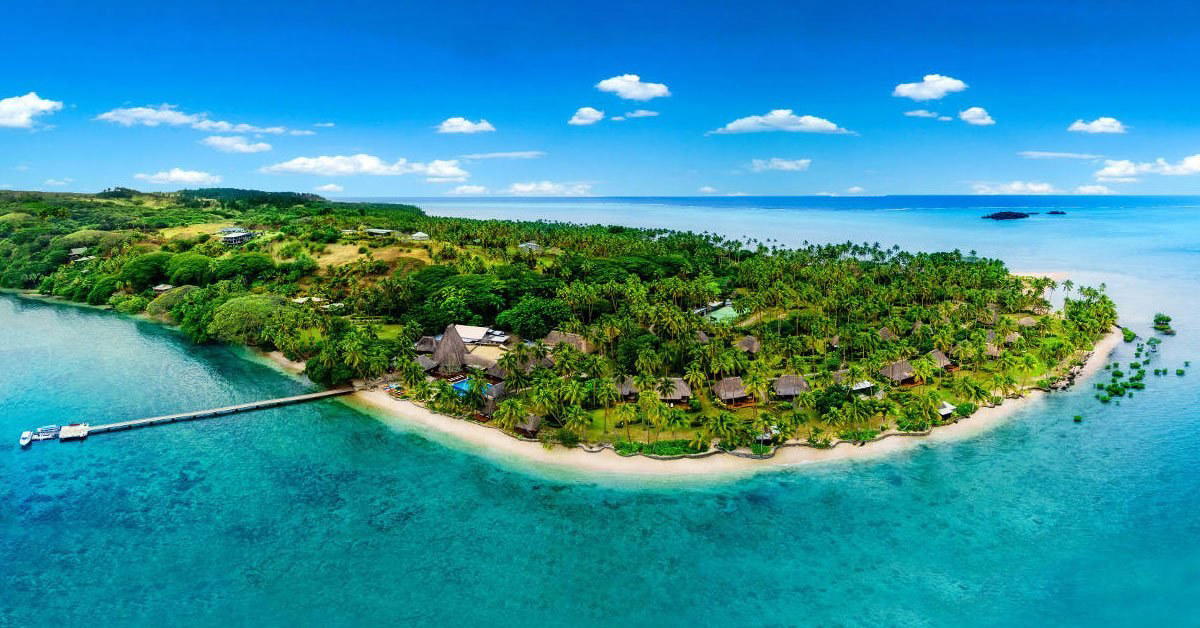
Where the Architecture Insists on Stillness
Vanua Levu, Fiji's second-largest island, does not attract the volume of visitors that Viti Levu's resort corridor does. The road to Savusavu Bay is quieter, the pace slower, and the properties that have chosen to build here have largely done so because the location draws a particular kind of guest. On Lesiaceva Point, on a 17-acre site that was once a working coconut plantation, the Jean-Michel Cousteau Fiji Islands Resort makes its case through architecture before anything else: 25 individual bures, each constructed from local timbers, each capped with traditional thatching, each oriented to give the occupant either a garden view or an unobstructed line toward the bay.
The bure format is not a decorative flourish in Fijian hospitality. It is the foundational residential unit of Fijian village life, a structure designed for natural ventilation, material honesty, and physical separation from the community while remaining part of it. At a luxury property, adapting that form requires a careful balance: the structure must read as authentically Fijian while meeting the comfort thresholds of international guests. At this resort, that balance leans toward restraint. Rattan furnishings, king-size beds, oversized bathrooms, and private decks are present, but the deliberate absence of in-room telephones and televisions signals that the design philosophy is not simply about adding amenities behind a thatched roof. The room is asking you to be somewhere else.
That ethos places this property in a specific cohort within Fiji's luxury accommodation market. Fiji's premium tier has long split between large-footprint international brands with full amenity stacks and smaller, conservation-adjacent properties where the physical environment is the primary offering. The Jean-Michel Cousteau Resort belongs firmly to the latter. With 25 bures across 17 acres, the density is low by design. Compare that positioning to COMO Laucala Island, Fiji in Laucala Island or Kokomo Private Island in Yaukuve Levu Island, which operate on a similarly intimate scale, and a clearer picture of this comparable set emerges: small, intentional, and oriented around what surrounds them rather than what is built.
The Logic of the Plantation Site
Building on a former coconut plantation is not incidental to the resort's identity. It anchors the property in Vanua Levu's agricultural history, and it shapes the grounds in ways that newer resort construction cannot replicate. Mature palms and established vegetation provide a canopy density that takes generations to grow, and they situate the bures within an existing landscape rather than imposing structures onto cleared land. The plantation origins also inform the spa program: treatments now use virgin coconut oil harvested locally by the people of Wailevu Village on Savusavu Bay, creating a supply chain that connects the resort's wellness offering directly to the surrounding community.
This kind of material sourcing is increasingly common as a marketing claim across Fiji's premium sector, but the specificity here, a named village, a named oil, a documented relationship, sets it apart from generic references to "local ingredients." It is the difference between a design principle and a design detail.
Marine Programming as Architecture's Extension
Fiji is consistently cited in dive literature as carrying some of the highest soft coral diversity on the planet, and Savusavu's position on Vanua Levu places guests close to reef systems that have not absorbed the same diver volumes as sites off Nadi or the Mamanuca Islands. The resort's response to this geographic advantage goes further than most: a full-time marine biologist, Johnny Singh, is on staff to lead reef interpretation for guests. That is not a seasonal hire or a partnership with a third-party dive operator. It is a staffing decision that reflects a commitment to treating the underwater environment as part of the resort's programming architecture rather than an optional excursion.
For a property carrying the Cousteau name, this is consistent with the legacy it invokes. Jean-Michel Cousteau, son of Jacques Cousteau, built his own career around ocean advocacy and documentary filmmaking, and the resort's conservation emphasis is not simply brand positioning. The on-site marine biologist, the sustainability commitments, and the structured reef programming form a coherent argument about what this property believes hospitality in a marine environment should look like. Properties like Dolphin Island in Dolphin Island and The Remote Resort on Vanua Levu share some of this conservation-adjacent positioning, but the formalized marine education component distinguishes the Cousteau property within that group.
What a Week Here Actually Contains
The resort operates on an all-inclusive model that covers all meals, non-alcoholic beverages, and round-trip transfers between the resort and Savusavu Airport. Four scheduled off-site excursions are included each week: a village visit to Nukubalavu (approximately two miles from the resort, home to many staff members), a rainforest and waterfall hike, a mangrove trip, and a farmers market visit in Savusavu town. These are not optional upgrades. They are built into the weekly rhythm, meaning guests who arrive without a plan will still encounter Fijian village life, local agriculture, and coastal ecology in a structured way.
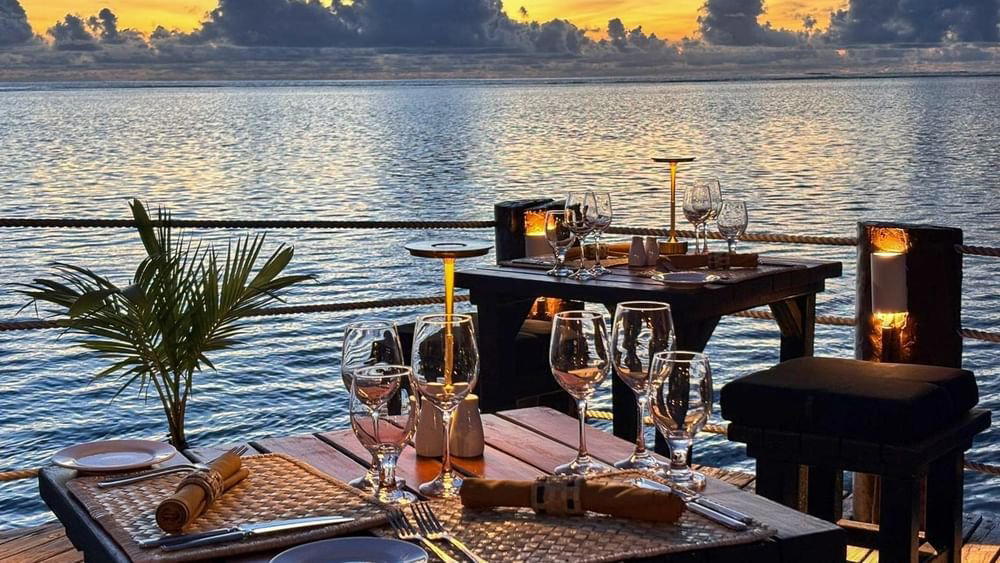
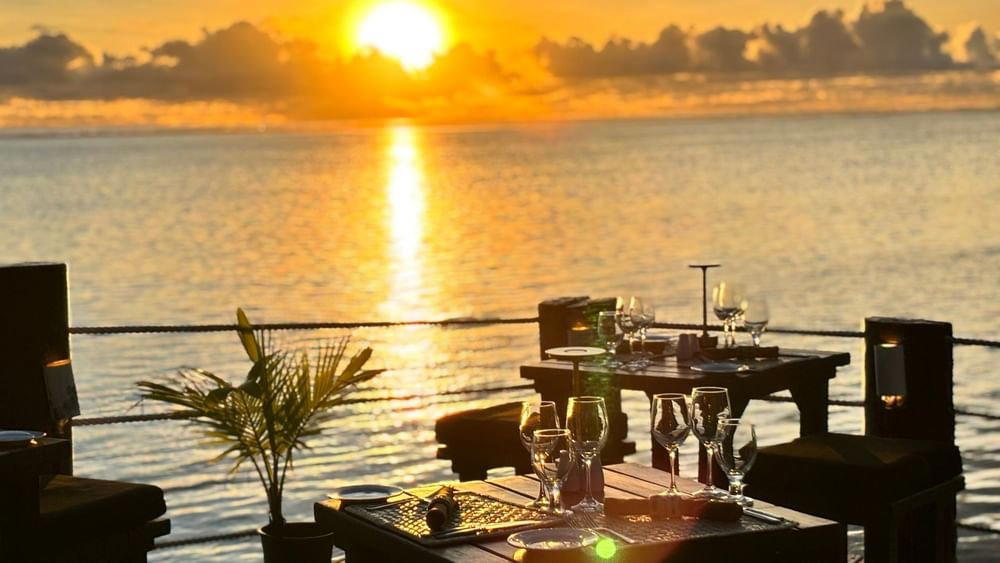
Dining takes place either in the restaurant overlooking Savusavu Bay or poolside, with Fijian cuisine supplemented by South Pacific and Asian-inflected dishes. The kitchen accepts fresh catch brought in by guests, which is a practical acknowledgment that fishing is a genuine activity here, not a resort amenity performed for photographs. Live musicians perform traditional Fijian songs during meals, and kava ceremonies are offered as part of the cultural programming rather than as a ticketed experience.
For families, the "Bula Camp" mirrors the adult activity schedule in a format designed for children of all ages, covering land, water, and reef activities. The resort has received recognition as a family-friendly luxury property, which places it in a different competitive conversation from adults-only properties such as Raiwasa Private Resort in Taveuni Island or Turtle Island in Yasawa Islands.
How to Arrive and What to Expect
Access to the resort requires a two-stage journey. From Nadi International Airport, guests take a one-hour inter-island flight to Savusavu Airport; the resort provides complimentary ground transfers from there. Savusavu Airport is small and the connecting flight schedule is limited, so arrival day planning matters. The resort's all-inclusive structure means there is no cost ambiguity once on the ground, though Guests considering this property against Namale the Fiji Islands Resort and Spa in Savusavu, which occupies a similar all-inclusive position on the same island, should request direct rates and compare inclusions carefully.
Complimentary Wi-Fi is available across the property, which softens the no-television, no-telephone policy without contradicting it. The design removes passive consumption while leaving communication intact, a distinction that matters for guests traveling with work obligations or with children who need connectivity for reasons other than entertainment.
For a broader map of where this property sits within Fiji's full spectrum of luxury accommodation, from the large-footprint international resort model represented by InterContinental Fiji Golf Resort & Spa in Viti Levu to the ultra-private island formats of Wakaya Private Island Resort in Wakaya Island and Vomo Island, Fiji in Vomo Island, see our full Vanua Levu Island restaurants guide. Other Fiji properties worth positioning against this one include Likuliku Lagoon Resort in Yaro, Nanuku Resort in Pacific Harbour, Six Senses Fiji in Malolo Island, Taveuni Palms Resort in Matei, and The Fiji Orchid in Nadi.
In Context: Similar Options
Comparable venues nearby, for context on price, style, and recognition.
| Venue | Cuisine | Price | Awards | Notes |
|---|---|---|---|---|
| Jean-Michel Cousteau Fiji Islands ResortThis venue — the venue you are viewing | Eco-luxury Fijian beachfront bures blending natural materials with modern comforts. | $$$$ | Michelin 1 Key | Not listed |
| The Remote Resort | Secluded beachfront villas on a private peninsula. | $$$$ | Michelin 2 Key | Nawi |
| Dolphin Island | Exclusive-use private island with traditional Fijian bures and Pacific island lifestyle design. | $$$$ | 5-Star | Nananu-i-Ra |
| Kokomo Private Island | Exclusive family-run private island resort blending Fijian tradition with ultra-luxury privacy. | $$$$ | World's 50 Best #50, 5-Star | Yaukuve Levu Island |
| InterContinental Fiji Golf Resort & Spa | Luxury beachfront resort echoing traditional Fijian village layout across 35 acres of tropical gardens. | $$$$ | 5-Star | Natadola Bay |
| Vomo Island, Fiji | Luxurious private island villas with private pools and beachfront access | $$$$ | 5-Star | Vomo Island |
Recognition history
Dated appearances from independent guides and award organizations, with the underlying list record or original source where available.
Virtuoso Luxury Hotel Partner
Virtuoso
Michelin 1 Key
Michelin
Continue exploring
More in Vanua Levu Island
Hotels in Vanua Levu Island
Browse all →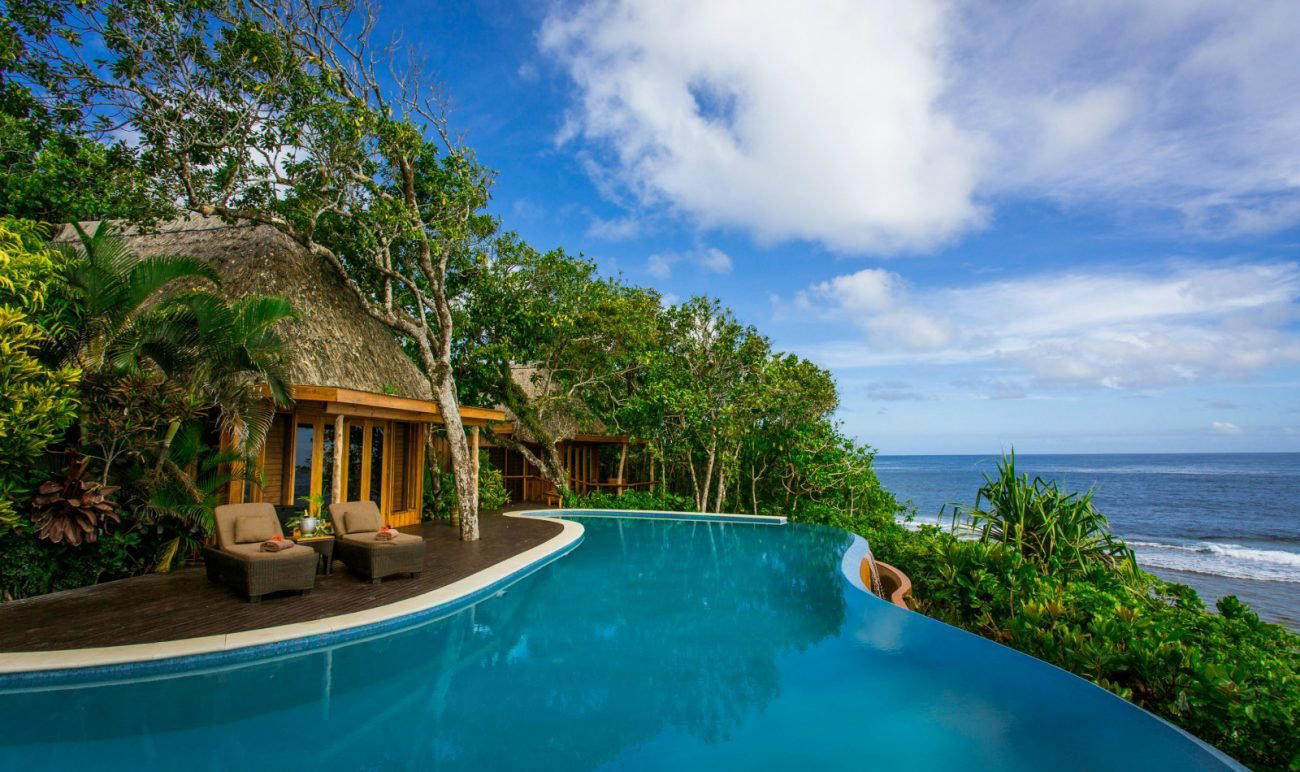
Bars in Vanua Levu Island
Browse all →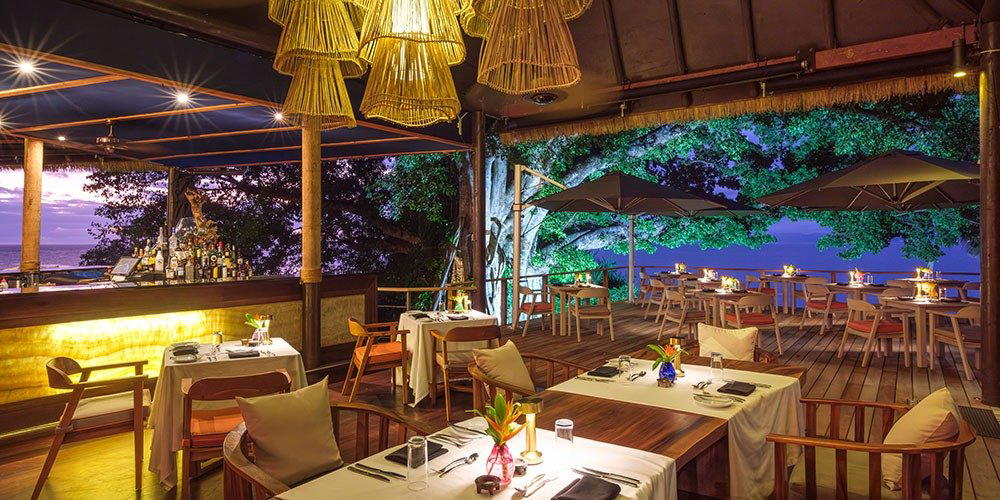
Restaurants in Vanua Levu Island
Browse all →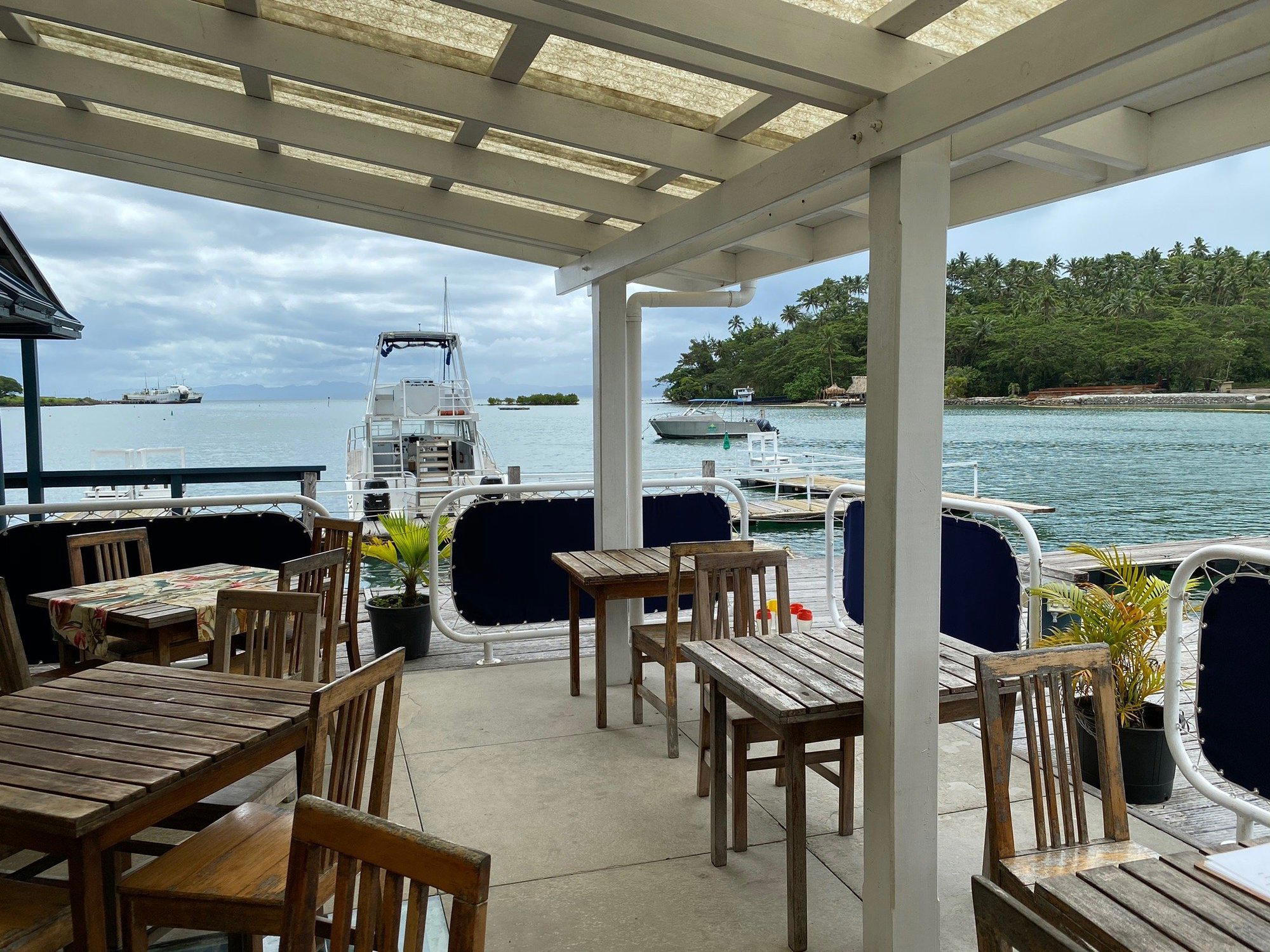
At a Glance
- Scenic
- Elegant
- Intimate
- Sophisticated
- Family Vacation
- Romantic Getaway
- Honeymoon
- Wellness Retreat
- Beachfront
- Infinity Pool
- Private Villa
- Destination Spa
- Panoramic View
- Pool
- Spa
- Kids Club
- Beach Access
- Tennis
- Wi Fi
- Restaurant
- Concierge
- Fitness Center
- Waterfront
- Garden
- Pool
- Spa
- Kids Club
- Beach Access
- Tennis
- Wi Fi
- Restaurant
- Concierge
- Fitness Center
Relaxed tropical paradise with ocean breezes, thatched-roof bures, and warm Fijian hospitality fostering a serene yet adventurous family atmosphere.