
Likuliku Lagoon Resort sits on Malolo Island off Fiji's Mamanuca coast, operating in a tier of overwater and beachfront properties where architectural restraint and lagoon access define the competitive hierarchy. Recognised by La Liste's Top Hotels ranking with 96 points in 2026, it belongs to a comparable set measured less by scale than by design specificity and proximity to reef. A considered choice for travellers prioritising place over amenity lists.
Pearl is the En Primeur Club membership app — saves, bookings, and concierge access live there. Same editors, same standards.
- Address
- Yaro
- Phone
- +679 666 3344
- Website
- likulikulagoon.com
- Directions
- Get directions
 Saves & bookings on Pearl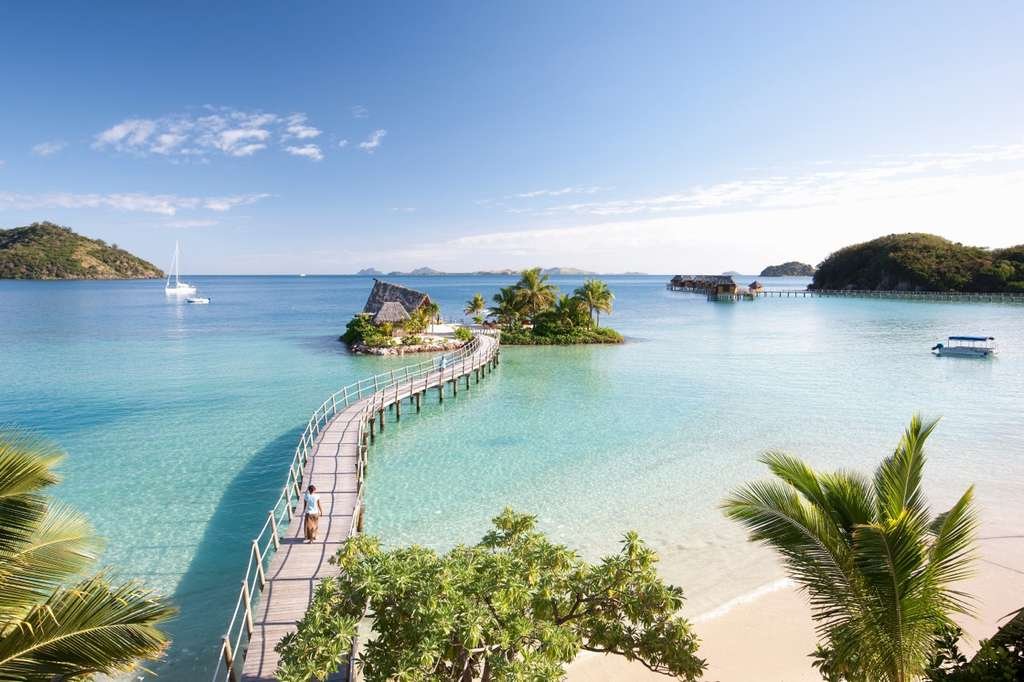
Where the Architecture Does the Work
Fiji's premium resort tier has sorted itself along a clear axis in recent years: large-footprint properties with comprehensive amenity programmes on one side, and smaller design-led resorts where the physical environment carries most of the experiential weight on the other. Likuliku Lagoon Resort sits firmly in the second category. Located in Yaro, Fiji, it operates as one of the few Fijian resorts to offer true overwater bungalows, a format that elsewhere in the Pacific has become a benchmark against which all premium island accommodation is measured.
The overwater bungalow is an architectural idea that rewards restraint. When the structure is too heavy, the connection to water is lost. When it is too minimal, the accommodation reads as gimmick rather than environment. Likuliku's overwater villas are designed to resolve that tension, positioning guests directly above the lagoon with glass floor panels and private ladders into the water below. The effect is less about luxury in the conventional sense and more about an unmediated relationship with the marine environment. The resort earned 96 points in the La Liste Leading Hotels ranking for 2026, a credential that places it among a global set of properties assessed on architectural and hospitality quality rather than brand recognition alone.
The Mamanuca Setting as Structural Argument
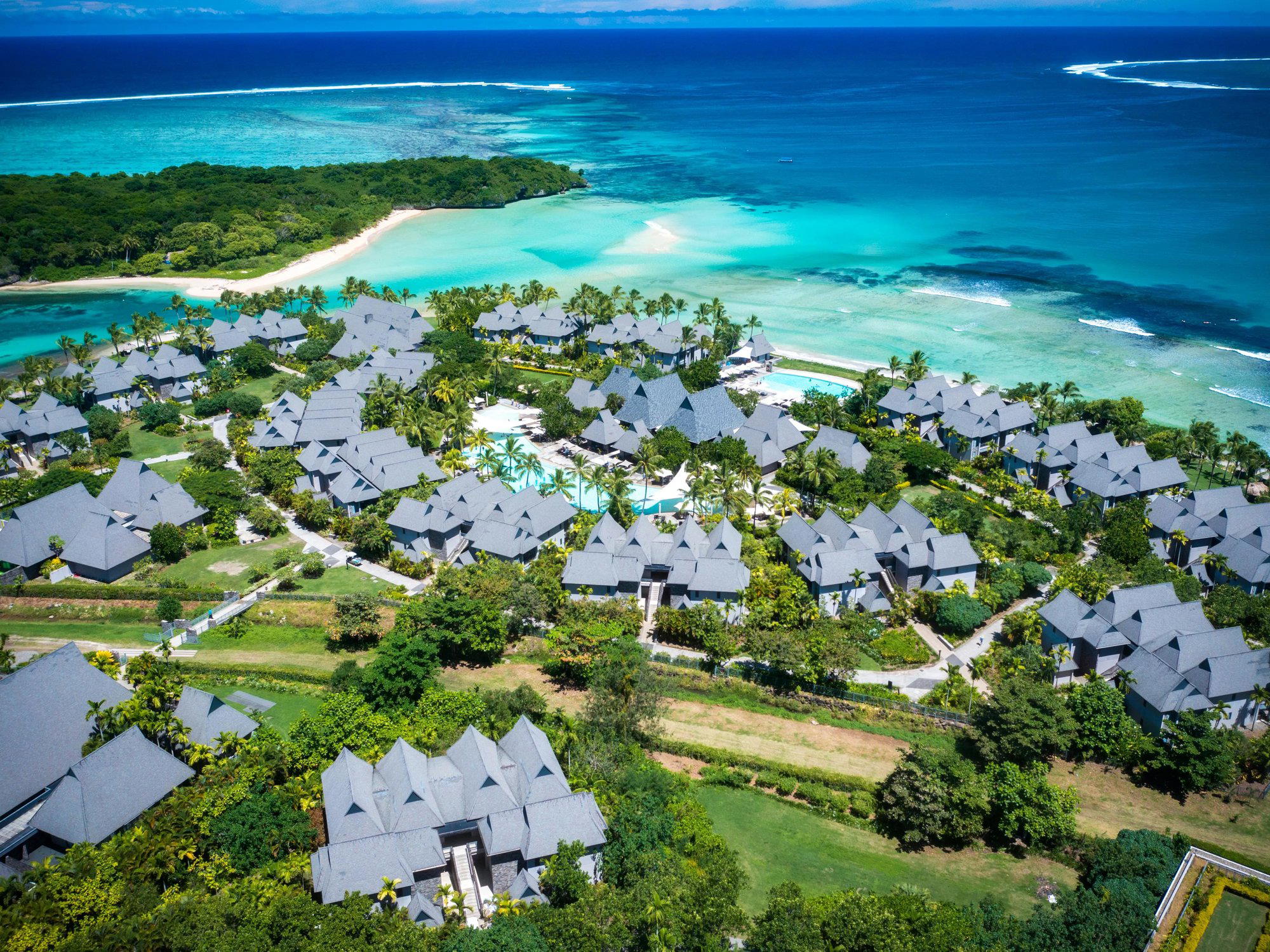
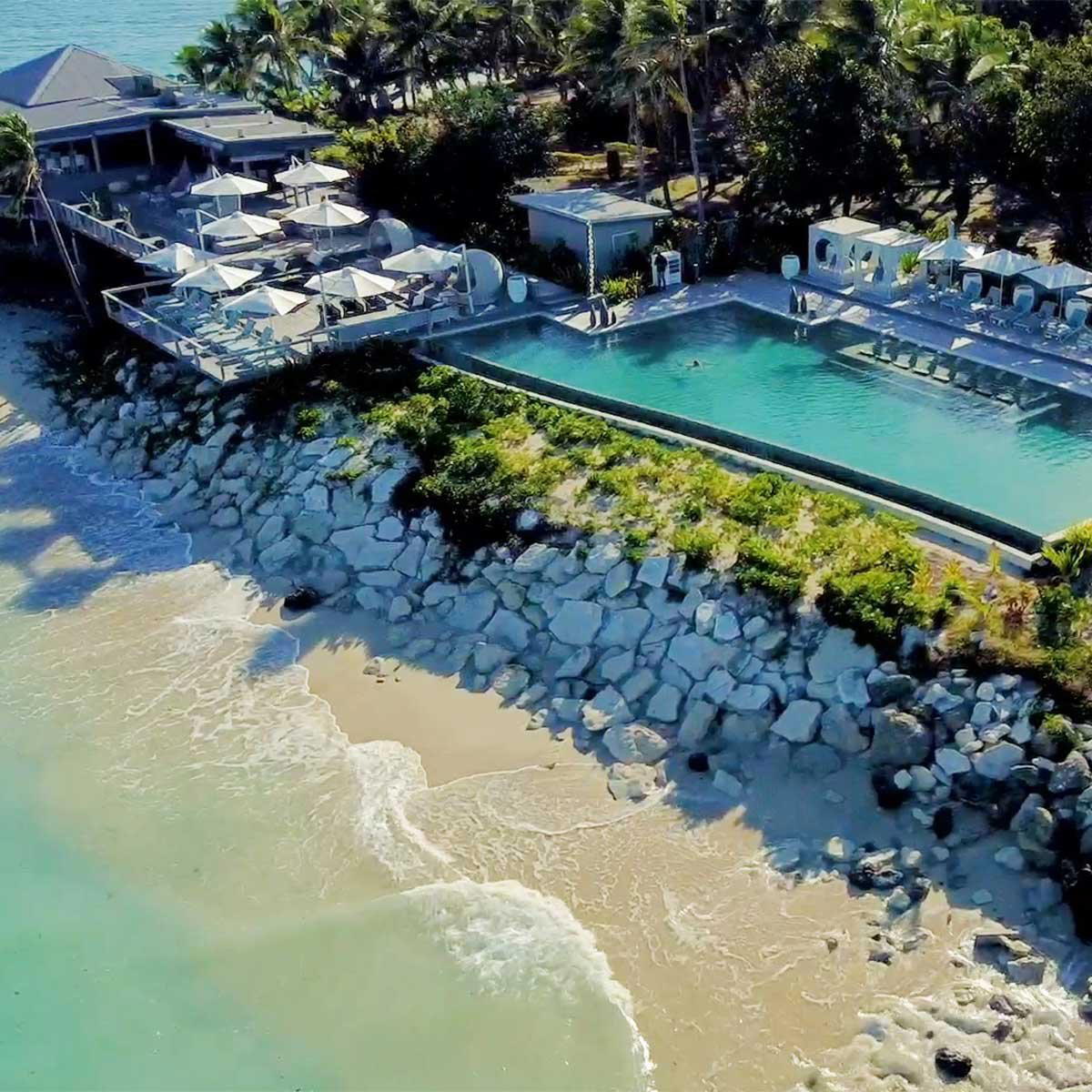
Malolo Island is the largest island in the Mamanuca Group, which gives Likuliku a geographic position that matters in practical terms. That accessibility separates Malolo from the remote options in Fiji's north and east, such as properties on Vanua Levu or Taveuni, where the journey itself becomes part of the proposition.
For guests weighing reef quality against travel time, the Mamanuca position offers a reasonable compromise. The lagoon surrounding Malolo holds healthy coral, and the island's western Fijian location means it falls within the range of day trips to other Mamanuca and Yasawa islands.
Among the Mamanuca options, Six Senses Fiji on neighbouring Malolo Island operates a more programmatic wellness model, while Likuliku leans toward architectural immersion. Further out, Vomo Island offers a comparable boutique scale in a different reef setting. Each represents a distinct version of Fijian premium accommodation rather than a direct substitution.
Design Philosophy at the Room Level
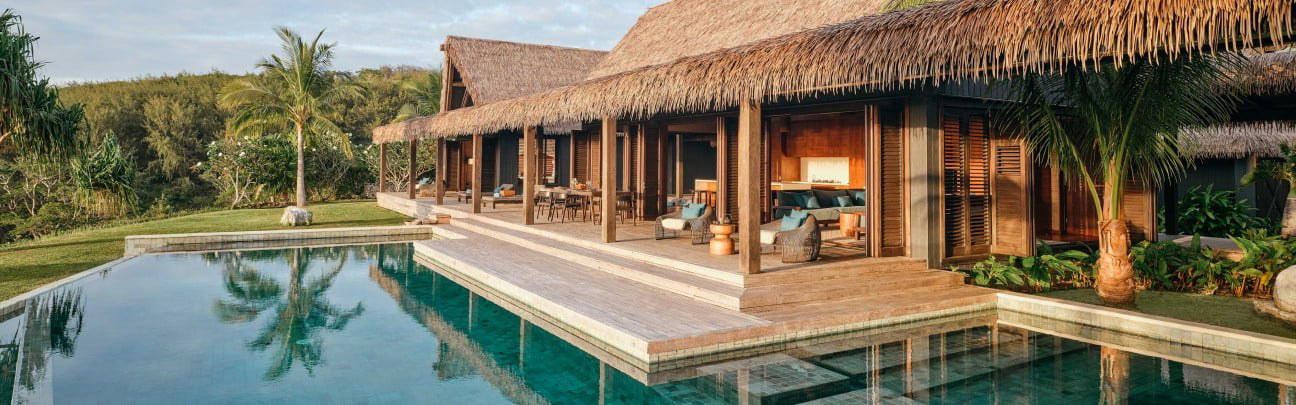
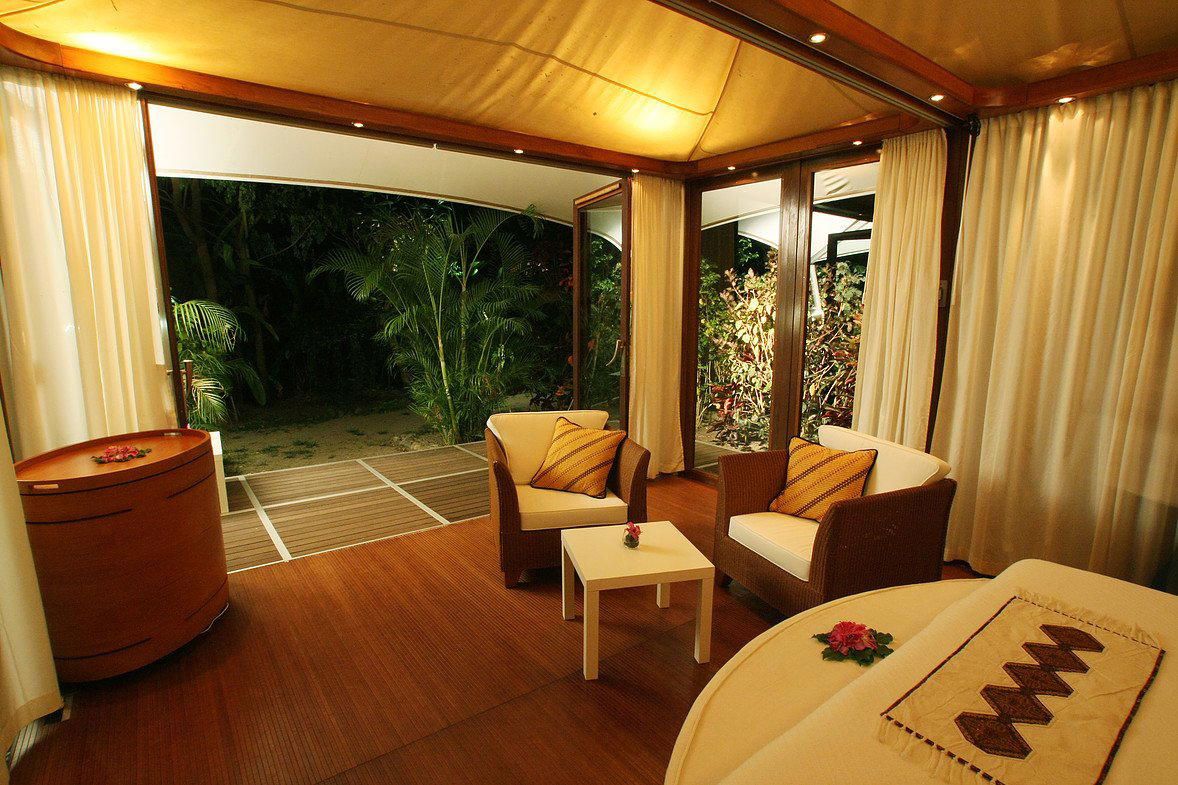
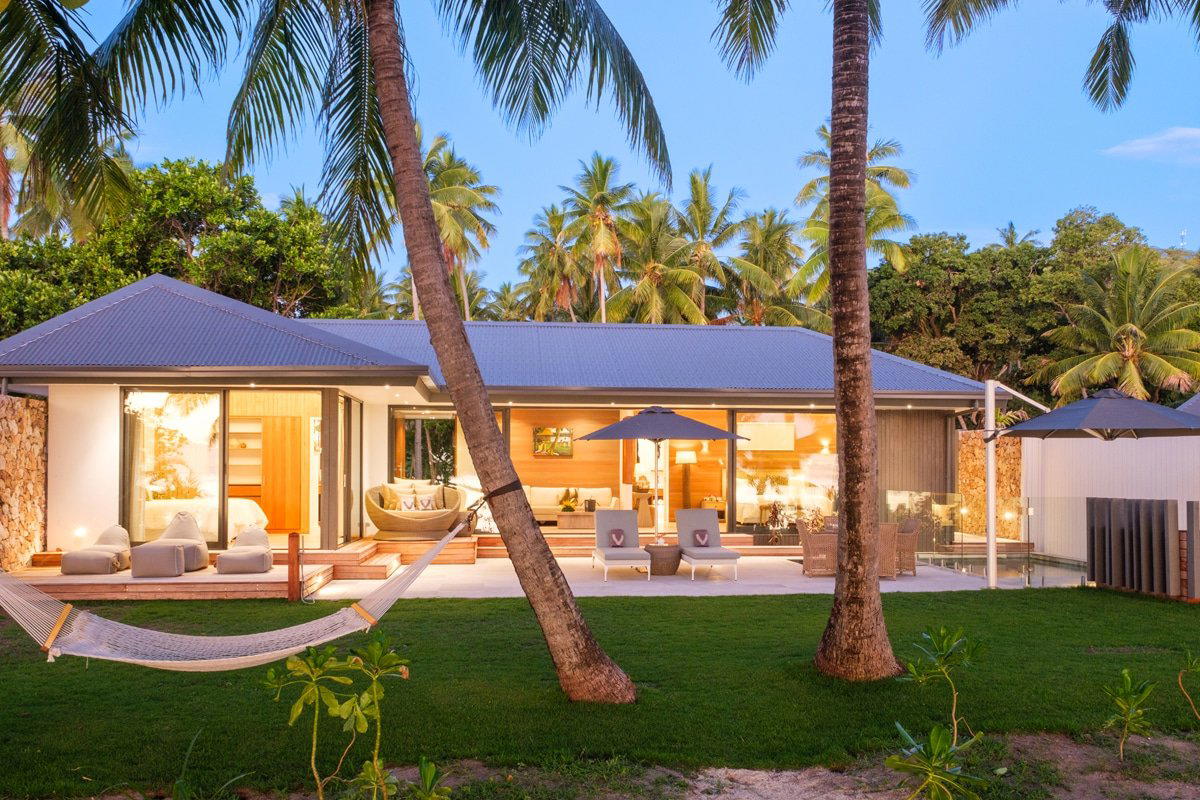
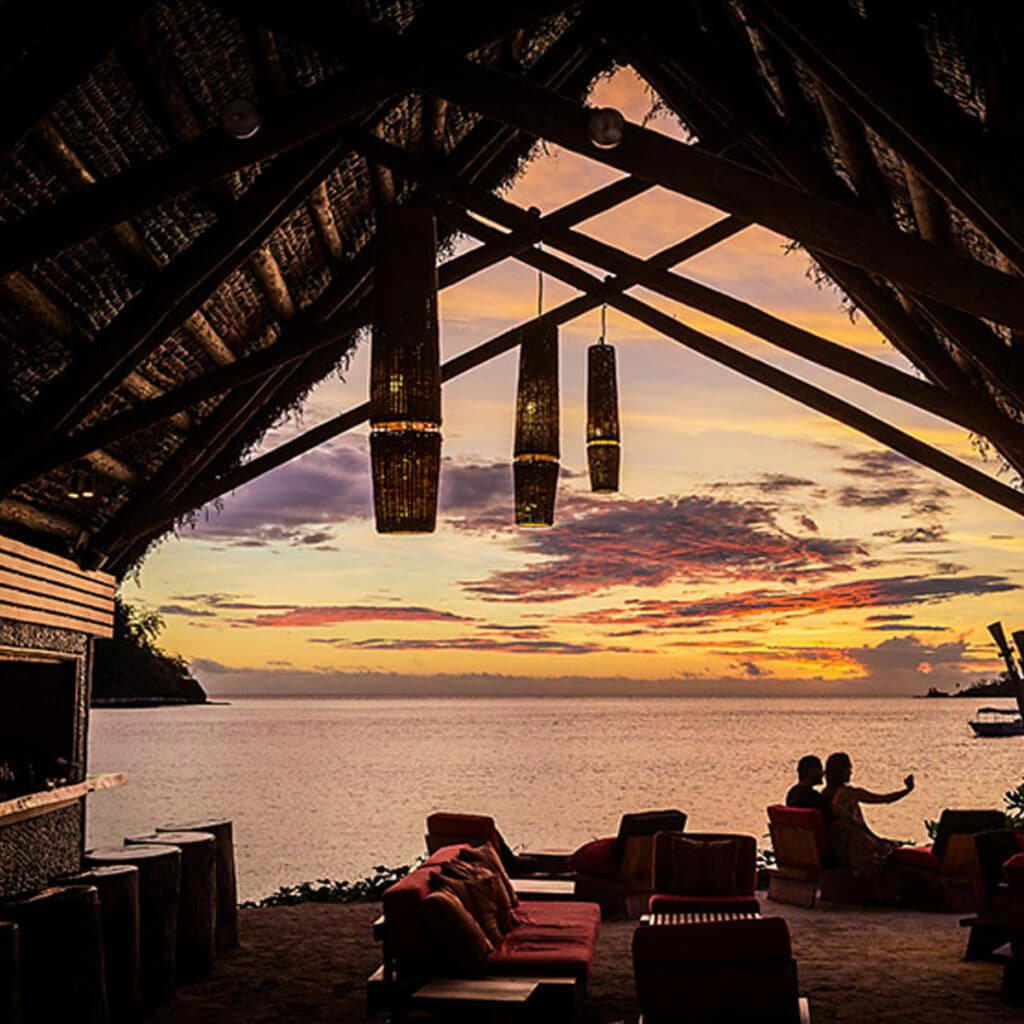
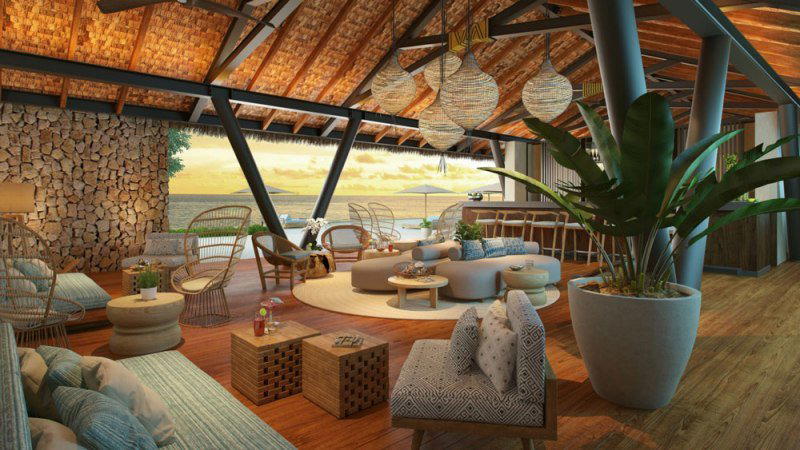
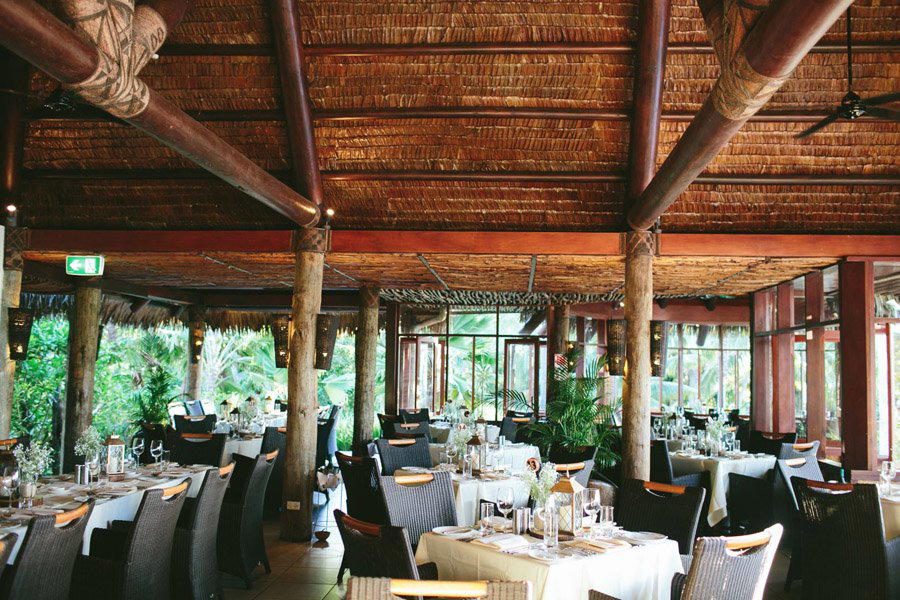
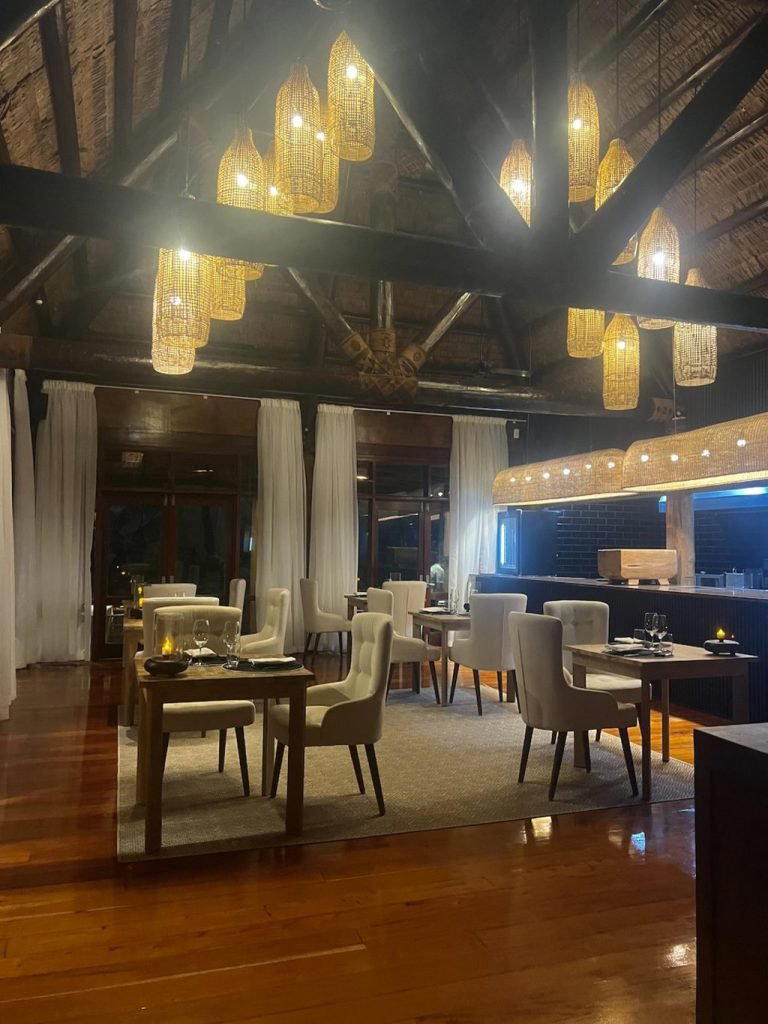
The design logic at Likuliku draws on traditional Fijian building forms, particularly the use of bure-style construction characterised by steeply pitched thatched roofs and open, cross-ventilated interiors. This is not purely aesthetic. In a tropical climate where air conditioning is energy-intensive and often at odds with the ambient environment, passive ventilation through traditional architectural form is a functional decision as much as a cultural one. The thatched bure format also grounds the resort visually in its landscape, avoiding the generic international-resort language that characterises lower-tier properties and some larger chains operating in Fiji.
The overwater bures represent the resort's architectural argument in its clearest form. Positioned above the lagoon on stilts, they offer direct water access and unobstructed sightlines across the reef. This is the room type that justifies the classification and the price point. Beachfront options are also available for guests who prefer sand underfoot, and these draw on the same thatched construction vocabulary while grounding the accommodation within the garden and shoreline environment.
When selecting a room, the overwater configuration is especially defensible choice given that it is the format Likuliku has built its reputation around. Beachfront bures suit those who want the architectural character without the overwater exposure, but the latter is what distinguishes this property from beachfront boutique resorts across the Mamanuca and Yasawa groups.
Positioning Within Fiji's Premium Tier
Fiji's high-end accommodation has expanded significantly over the past decade, and the competitive set now includes a range of formats from ultra-private single-island properties to design-led boutique resorts and large branded hotels. At the private island end, Kokomo Private Island in the Kadavu Group and Turtle Island in the Yasawas both operate on an exclusivity model where full-island buyout is possible and guest counts are tightly limited. COMO Laucala Island operates on a larger private island with a more comprehensive amenity programme, benchmarking at the highest price point in the Fijian market.
Likuliku positions below that ultra-tier but above the branded mid-market, occupying a space where architectural specificity and lagoon setting are the primary differentiators. The La Liste 96-point score situates it globally rather than just regionally, aligning it with smaller design-led properties in other island destinations rather than with Fiji's volume-oriented resort stock. For context, properties like Amangiri or Castello di Reschio operate in a similar premium-boutique register in their respective geographies, prioritising environmental specificity over scale.
Other worthwhile Fijian properties in adjacent positions include Namale on Vanua Levu, Raiwasa on Taveuni, and Dolphin Island, each offering their own geographic and format distinctions.
Planning Your Visit
The Mamanuca Group receives its leading weather between May and October, when the dry season brings consistent sunshine and reduced humidity. This is also the period of highest demand, and overwater bure availability at Likuliku requires advance planning. The wetter months from November through April bring warmer water temperatures and occasional cyclone risk, but also quieter occupancy and a different quality of light that some travellers prefer for photography and reef colour. Likuliku does not operate as a walk-in property; it functions as a destination resort requiring confirmed reservations, and given its limited number of overwater villas, booking lead times of several months are advisable for preferred dates.
At-a-Glance Comparison
Comparable venues nearby, for context on price, style, and recognition.
| Venue | Cuisine | Price | Awards | Notes |
|---|---|---|---|---|
| Likuliku Lagoon ResortThis venue — the venue you are viewing | Traditional Fijian architecture with natural materials and modern luxury | $$$$ | 5-Star | Not listed |
| Vomo Island, Fiji | Luxurious private island villas with private pools and beachfront access | $$$$ | 5-Star | Vomo Island |
| InterContinental Fiji Golf Resort & Spa | Traditional Fijian village layout with modern luxury amid tropical gardens | $$$$ | 5-Star | Natadola Bay |
| The Fiji Orchid | Exclusive private tented bures in lush tropical orchid gardens | $$$$ | 4-Star | Lautoka |
| Dolphin Island | Exclusive-use private island with traditional Fijian bures and Pacific island lifestyle design. | $$$$ | 5-Star | Nananu-i-Ra |
| Nanuku Resort | tropical-chic all-villa beachfront resort with seamless indoor-outdoor living | $$$$ | 5-Star | Pacific Harbour |
Recognition history
Dated appearances from independent guides and award organizations, with the underlying list record or original source where available.
La Liste Top Hotels
La Liste
At a Glance
- Romantic
- Elegant
- Scenic
- Intimate
- Sophisticated
- Ornate
- Honeymoon
- Romantic Getaway
- Anniversary
- Destination Wedding
- Beachfront
- Private Villa
- Infinity Pool
- Wi Fi
- Pool
- Spa
- Fitness Center
- Room Service
- Concierge
- Beach Access
- Waterfront
- Wi Fi
- Pool
- Spa
- Fitness Center
- Room Service
- Concierge
- Beach Access
Tranquil and peaceful with natural tropical lighting, spacious private bures blending traditional Fijian architecture and luxury.