
A Michelin Selected property on the island of Krk, VERBENICUM sits within the stone-walled medieval village of Vrbnik, where the Adriatic drops sharply below the clifftop and the Žlahtina wine grape grows on terraces just outside the old gates. The address places it at the quieter, more architectural end of the Croatian Adriatic accommodation spectrum.
Pearl is the En Primeur Club membership app — saves, bookings, and concierge access live there. Same editors, same standards.
- Address
- 56 Supec ulica, Vrbnik, Croatia
- Phone
- +385.99.481.3101
 Saves & bookings on Pearl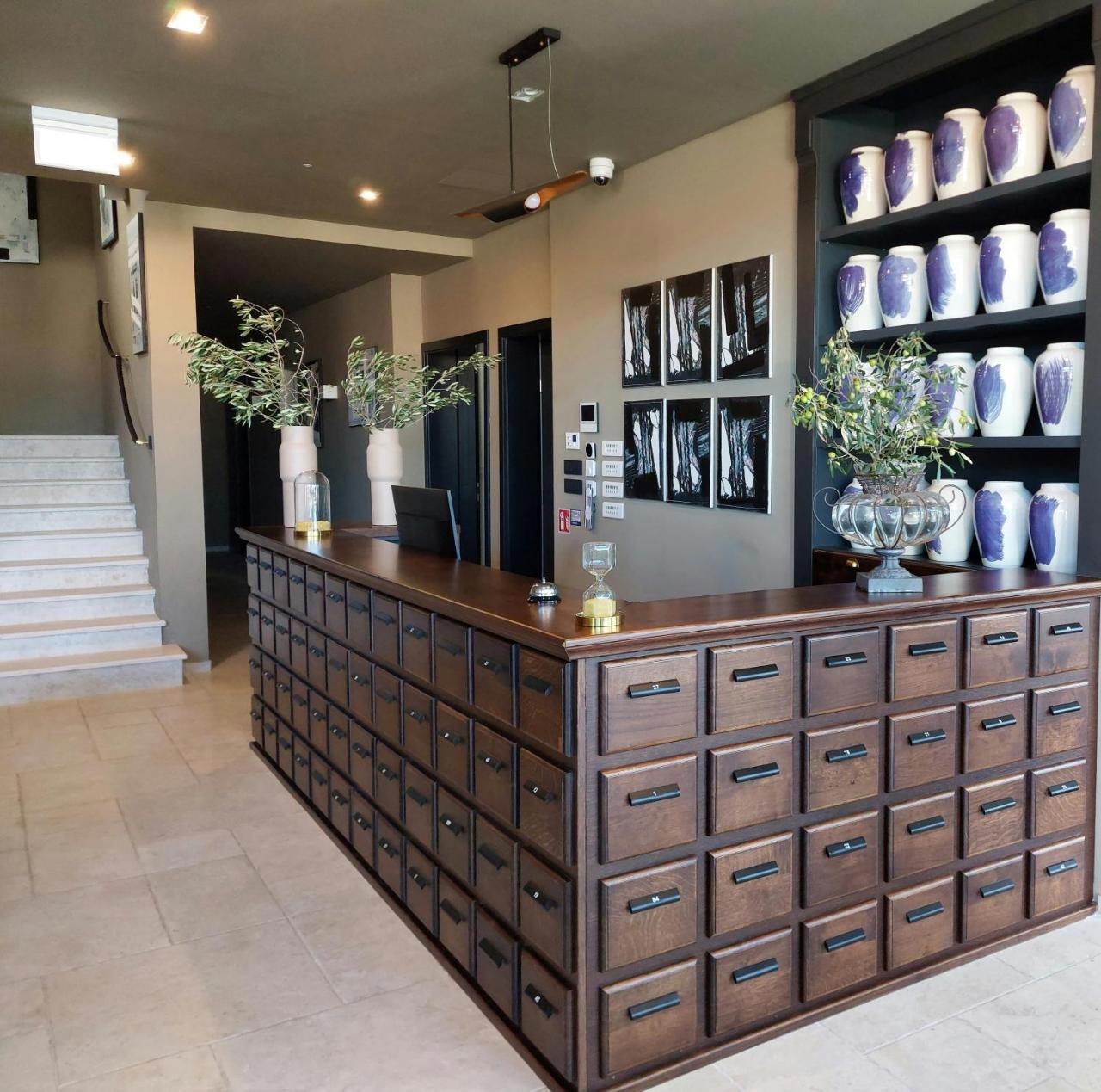
Stone, Altitude, and the Adriatic Below
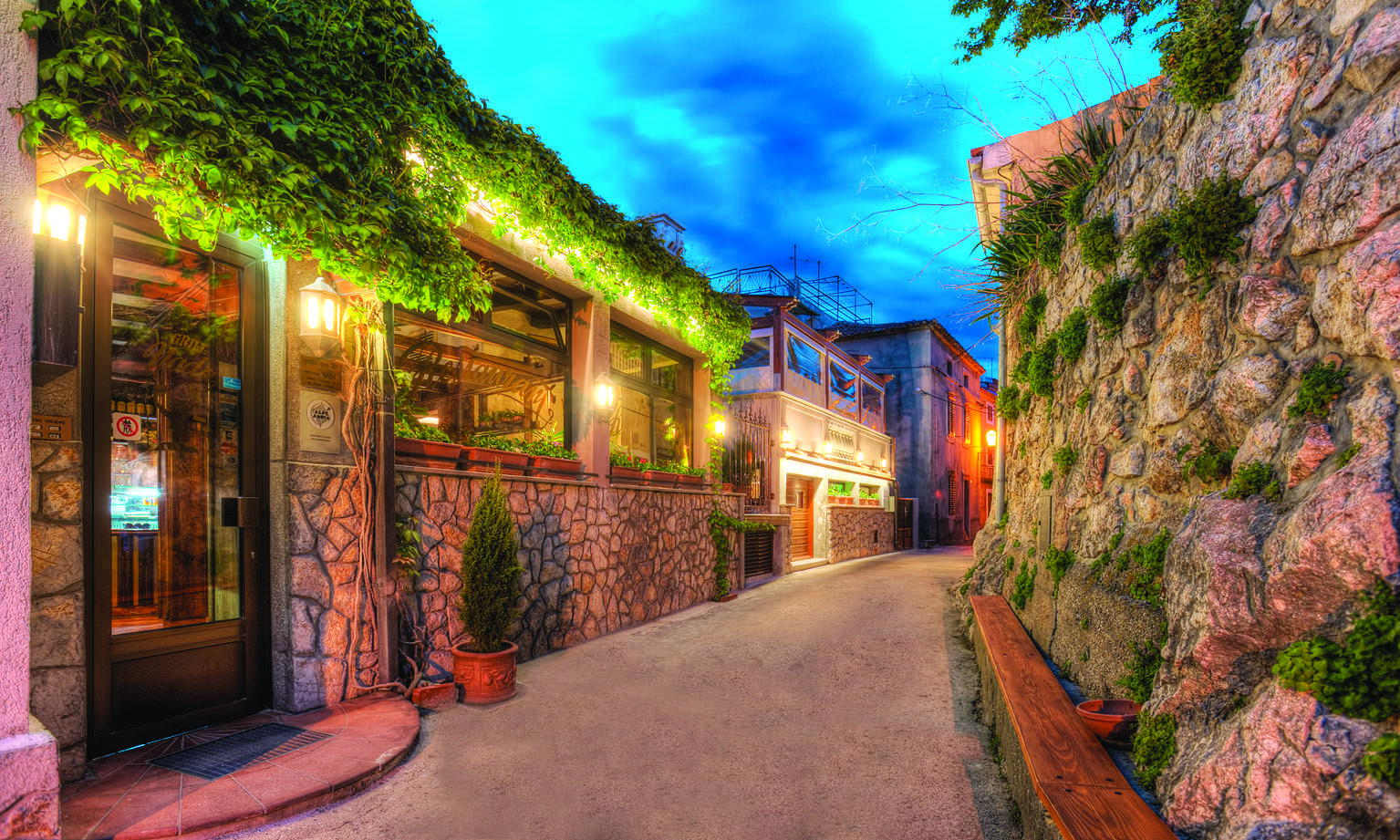
Vrbnik occupies one of the more arresting positions on the Croatian coast: a medieval village perched on a limestone cliff above the Kvarner Gulf, with the island of Krk spreading inland and the sea cutting a hard line on the horizon. The village sits roughly 50 metres above the water, and the approach through the old gate deposits you into a street grid narrow enough that two people passing must turn sideways. This is not an accident of history left to decay. Vrbnik has maintained its stone architecture with unusual consistency, and properties within the old walls operate inside those material and spatial constraints: thick-walled rooms, small windows oriented toward the sea, stairways that follow the rock rather than impose a grid upon it.
In that context, the address reads less as a hotel location and more as a position within a preserved architectural environment. For our full Vrbnik guide, the village's combination of physical isolation and architectural coherence makes it one of the more distinctive bases on the Kvarner arc.
The Architecture of Constraint
Vernacular Dalmatian and Kvarner stone architecture operates under different logic than resort design. There are no landscaped arrival sequences or lobbies engineered for first impressions. Instead, properties like VERBENICUM work within the existing fabric of medieval construction: rooms fitted into volumes that predate hospitality use, proportions determined by 15th- and 16th-century building practice, and exterior treatment governed by the village's preservation requirements. The Michelin Selected designation, applied consistently to properties that meet a quality threshold rather than a particular category or format, suggests that the accommodation quality holds within these constraints rather than despite them.
This pattern repeats across the Croatian coast at the higher end of small-property hospitality. San Canzian Hotel and Residences in Buje works within Istrian stone vernacular in a comparable way. Hotel Kastel in Motovun occupies a similar position inside an Istrian hill-town fabric. What distinguishes Vrbnik from both is the sea. The cliff position means that architectural constraint and dramatic water views coexist at close range, and the light at this altitude and exposure behaves differently than it does at sea level.
Properties built into existing stone structures in this region tend to offer fewer rooms than purpose-built hotels, which changes how they operate. Booking lead times matter more, and the ratio of staff to guests often runs higher than at larger properties. For visitors prioritising architectural character over resort amenities, this trade-off is the point.
Kvarner's Quieter Tier
Croatia's Adriatic hospitality market has split clearly between large-footprint resort operations and small, design-aware properties with limited keys. The resort tier is leading represented by operations like Grand Park Hotel Rovinj by Maistra Collection or Girandella Resort by Valamar Collection in Rabac, both of which offer beach infrastructure, multiple dining outlets, and the operational scale that comes with over 100 keys. VERBENICUM sits on the opposite side of that divide, in a category where location specificity and architectural character are the primary offer.
Kvarner as a region occupies a middle position in the Croatian Adriatic hierarchy. It draws fewer international visitors than Dubrovnik or Split and less press than Hvar, which means properties here operate in a lower-noise environment. Ikador Luxury Boutique Hotel and Spa in Ika sits at the upscale end of the Kvarner arc with a more contemporary format. Vrbnik, by contrast, draws visitors specifically for the village character and the local wine culture centred on Žlahtina, a white grape grown almost exclusively in the vineyards around the cliff walls. The wine is dry, mineral, and produced by a single cooperative that has operated on the island for decades. Any stay in Vrbnik puts this context within walking distance of the cellars.
Where This Sits Among Croatia's Smaller Properties
The Michelin Selected Hotels list for Croatia in 2025 identifies properties across multiple categories and price points. Being on the list signals that the accommodation meets Michelin's quality criteria but does not carry the star-level hierarchy of the restaurant guide. Villa Nai 3.3 on Dugi Otok and Kastil in Bol occupy comparable positions on the Dalmatian end of the spectrum.
What separates Vrbnik from many of these peers is its extreme verticality. The cliff position is not incidental to the stay; it defines the sightlines from every sea-facing room and the ambient sound environment, which carries wind and water rather than road or beach noise. Properties built into cliff-leading medieval fabric at this scale hold a specific niche within Croatian small-hotel hospitality, and the Michelin recognition places VERBENICUM within that niche's credible upper register.
Planning a Stay
Vrbnik is accessible by road from the island of Krk, which connects to the mainland via a fixed bridge from Rijeka. The village itself does not accommodate cars within the old walls, so arrival on foot from the car park at the edge of the historic centre is standard. The peak summer window for Kvarner runs from late June through August, when the Bora wind that characterises the region in shoulder season settles and sea temperatures reach their warmest. For visitors who prefer fewer crowds and more direct access to the village's daily rhythms, May and September offer a more legible version of the place.
For a broader view of what the Croatian Adriatic's small-property market looks like at this level, comparisons with Lešić Dimitri Palace in Korčula or Villa Korta Katarina and Winery in Orebić are instructive. Both operate in historic Dalmatian environments with wine culture adjacency, though at a more southern latitude. For Istrian alternatives, Hotel Vela Vrata in Pinguente and Lone Hotel by Maistra Collection in Rovinj offer different points on the design-versus-heritage spectrum. Beyond Croatia, the broader question of what it means to stay inside a living medieval village rather than near one finds comparison points at properties like Badrutt's Palace in St. Moritz or Hôtel de Paris Monte-Carlo, where the building itself is part of the destination argument, though the scale and register differ considerably.
Fast Comparison
Comparable venues nearby, for context on price, style, and recognition.
| Venue | Cuisine | Price | Awards | Notes |
|---|---|---|---|---|
| VERBENICUMThis venue — the venue you are viewing | Contemporary boutique in medieval town setting | $$$ | 4-Star | Not listed |
| Pomâlo Inn | Historic boutique inn embodying relaxed island luxury. | $$$ | 4-Star | Vis Harbor |
| Hotel Osam | Historic palazzo meets contemporary modernist extension in Supetar's harbor. | $$$ | 4-Star | Supetar |
| STAYEVA11 | 15th-century historic house renovated as eco-sustainable luxury guesthouse | $$$ | 4-Star | Old Town |
| Adriatic Hotel by Maistra Collection | Art-infused boutique hotel in historic building | $$$ | 4-Star | Old Town Rovinj |
| Pullman Hotel Zagreb | Contemporary premium business-leisure hotel in a striking steel-and-glass building integrated into a new mixed-use City Island hub. | $$$ | 4-Star | Novi Zagreb / Buzin (City Island business hub) |
Recognition history
Dated appearances from independent guides and award organizations, with the underlying list record or original source where available.
Michelin Selected
Michelin

At a Glance
- Elegant
- Modern
- Scenic
- Cozy
- Sophisticated
- Romantic Getaway
- Honeymoon
- Weekend Escape
- Panoramic View
- Terrace
- Wi Fi
- Pool
- Restaurant
- Air Conditioning
- Parking
- Fitness Center
- Waterfront
- Street Scene
- Wi Fi
- Pool
- Restaurant
- Air Conditioning
- Parking
- Fitness Center
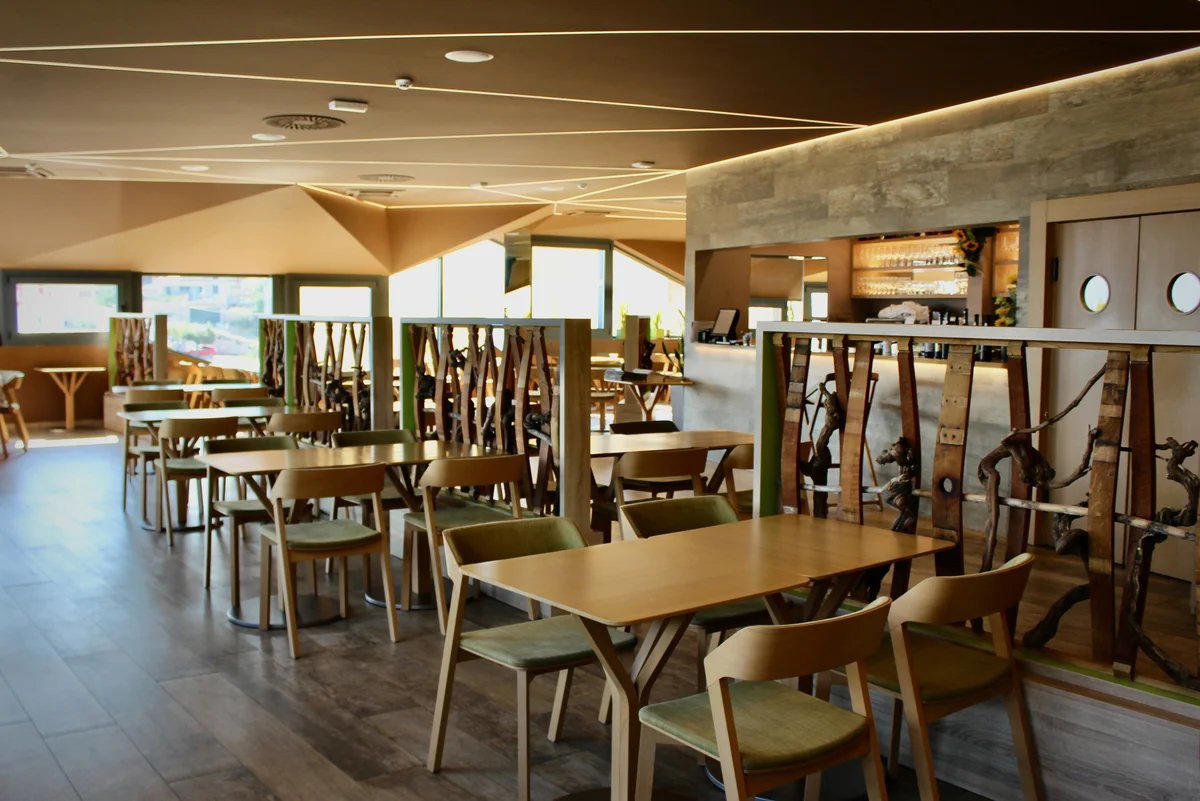
Classy yet homely with gorgeous interior design, scented ambiance, soft lighting, and relaxing atmosphere praised in guest reviews.
Know Before You Go
- Getting there
- 56 Supec ulica, Vrbnik, Croatia