Shoreditch House


Michelin Selected · Mr & Mrs Smith Seal of Approval
Shoreditch House occupies the upper floors of a converted tea warehouse on Ebor Street, E1, operating as a members' club with hotel accommodation within the Soho House network. It sits at the intersection of East London's creative industries and the broader shift toward neighbourhood-rooted members' hospitality that defines the area's premium social scene.

Pearl is the En Primeur Club membership app, where members save venues, book tables and use the concierge.
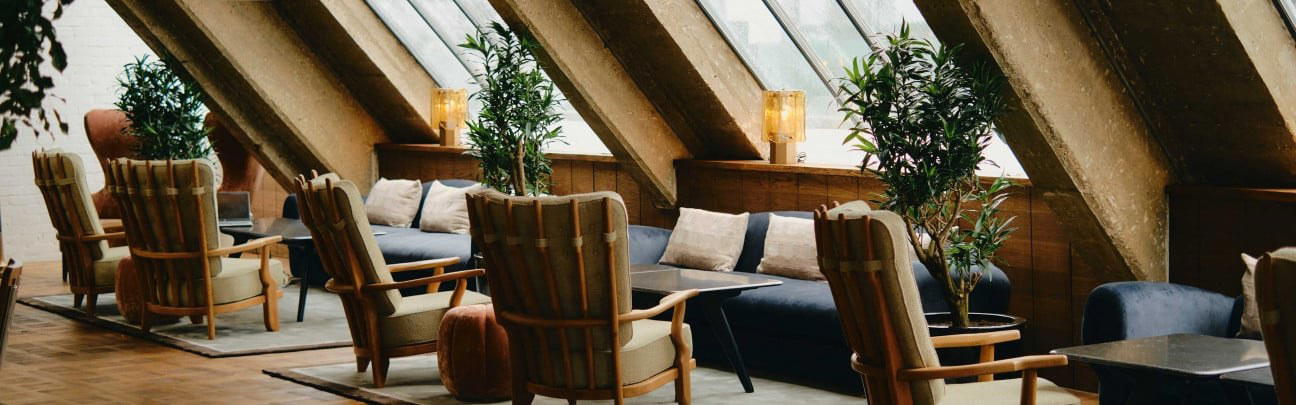
East London's Members' Club Model, Set in Brick and Reclaimed Timber
The warehouse-conversion aesthetic that now defines a certain tier of East London hospitality did not emerge from nowhere. By the late 2000s, Shoreditch had already shed its industrial past in favour of studios, agencies, and the kind of low-key creative commerce that preceded the area's full gentrification. Shoreditch House, on Ebor Street in E1, arrived into that context as part of the Soho House network's expansion beyond its original Soho and Notting Hill footprint, a deliberate move into a neighbourhood whose identity was still forming. What it represented, and still represents, is a particular model of London members' hospitality: neighbourhood-specific, culturally credentialed, and oriented around the creative professions rather than finance or law.
That distinction matters when mapping London's premium social-club tier. Properties like Claridge's, The Connaught, or The Savoy operate within an older, Mayfair-anchored tradition of service formality and institutional prestige. Shoreditch House reads against that tradition deliberately. The building's exposed brick, reclaimed wood, and rooftop pool are aesthetic choices that position it within a cohort of members' venues whose authority comes not from heritage but from cultural adjacency, being the right place for the right crowd, in the right postcode, at the right moment in that neighbourhood's arc.
The Warehouse as Setting: What the Architecture Communicates
Approaching from Ebor Street, the building gives little away. A converted tea warehouse in this part of E1 sits among similar structures now occupied by tech companies, architecture practices, and food-and-beverage operators who arrived during the same decade. The lack of a conventional hotel frontage is not accidental, it mirrors the broader Soho House ethos of spatial discretion, where entry is predicated on membership rather than street-level visibility.
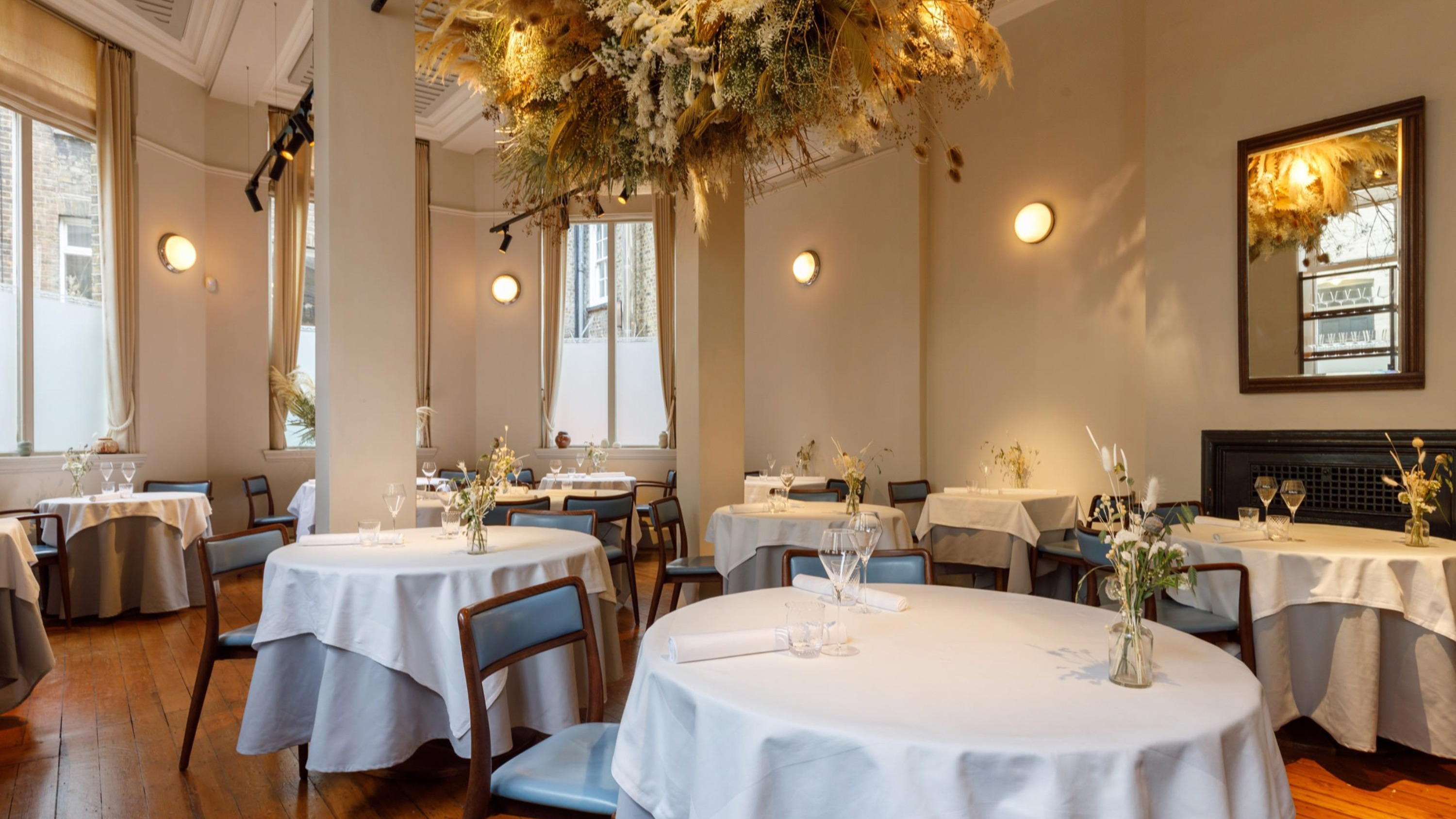
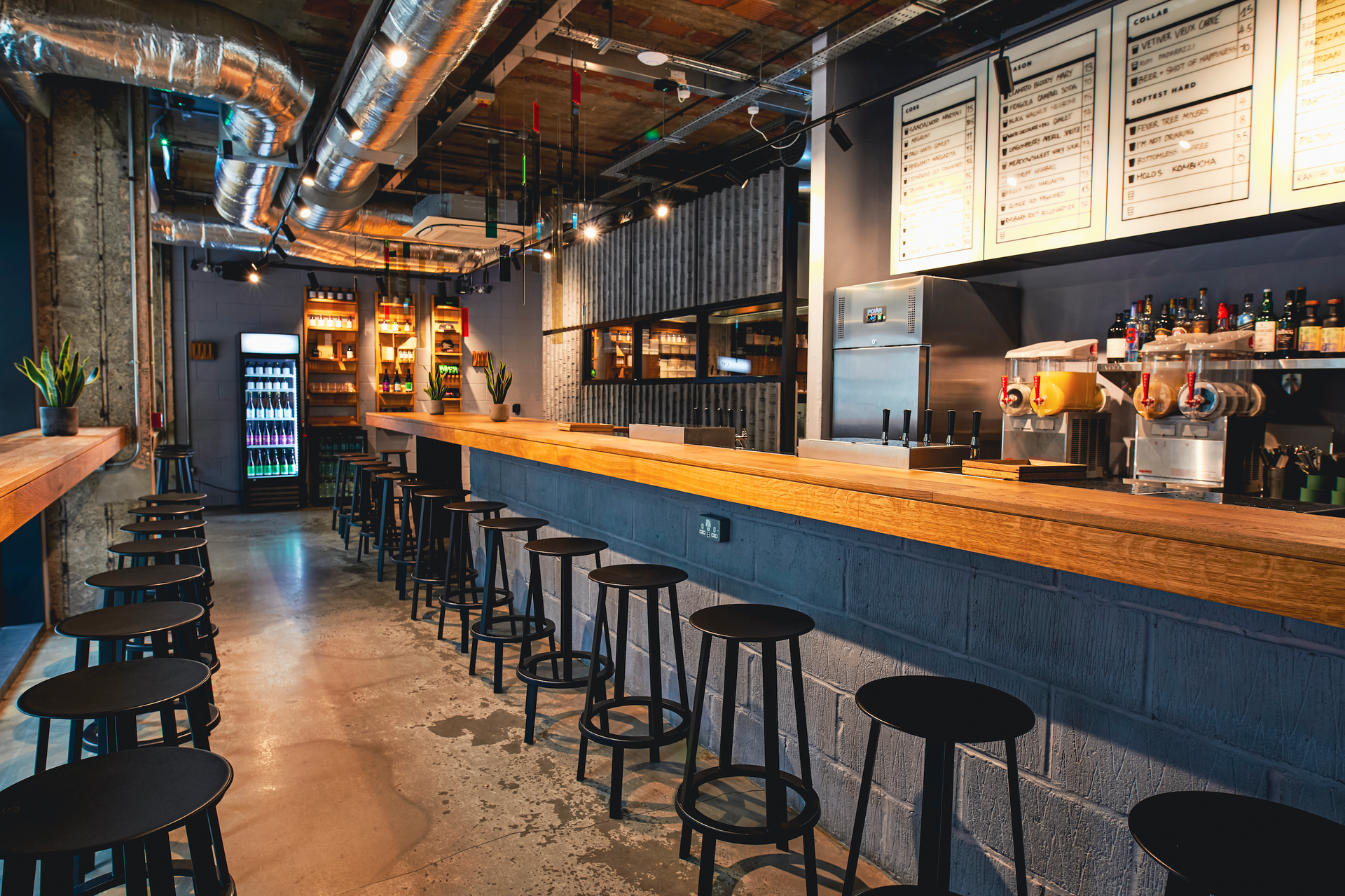
Inside, the spatial logic follows a now-familiar warehouse-conversion grammar: double-height ceilings, structural columns left exposed, lighting kept low and warm. This language has since been widely replicated across East London's hospitality sector, but Shoreditch House was among its earlier adopters at this scale and membership tier. The rooftop pool remains a notable feature in a city where outdoor roof-level amenities are rare at any accommodation category, and it functions as a social anchor during the months when London weather permits its use.
For guests staying in the hotel rooms, available to members and, in some configurations, guests of members, the experience sits within a specific niche. It is not the marble-and-butler register of Raffles London at The OWO or The Emory, nor the independently designed boutique model. It is members'-club accommodation, which means the room is secondary to the floors of communal space, food and drink programming, and the social texture of fellow members.
Cultural Roots: Why Shoreditch Shaped the Format
The Soho House model, when it arrived in Shoreditch, was already a decade old and had been conceived around the creative industries of West London. Transposing it east required the format to absorb a different cultural register. Shoreditch in the early 2010s was the operational centre of London's digital creative economy, advertising, music, fashion, and the post-MySpace media companies that would define the social internet era in Europe. A members' club in that context needed to read as an extension of the working and social life of those industries, not as a retreat from them.
That framing shaped the food and beverage approach, the programming, and the physical layout. The kitchen and bar are positioned as places to work through the afternoon as much as to dine in the evening. This is a format now common across London's premium co-working-adjacent hospitality, venues like NoMad London operate in related territory, though from a hotel-first rather than members-club-first position. Shoreditch House remains closer to the originating model: the club fee as the primary relationship, accommodation and dining as supporting services.
Across the UK, the members'-club-with-rooms format has expanded considerably. Properties such as Estelle Manor in North Leigh and Lime Wood in Lyndhurst each operate with a strong sense of social programme and communal identity, though their rural positioning gives them a different character. In urban settings, from King Street Townhouse Hotel in Manchester to Hope Street Hotel in Liverpool, the idea of the hotel as a social hub rather than a bed provider has deepened. Shoreditch House was part of the cohort that established that expectation.
Positioning Within London's Broader Accommodation Map
For visitors to London who prioritise neighbourhood immersion over central-London convenience, the Shoreditch address carries real weight. E1 and E2 now constitute one of the city's most active restaurant and bar zones, with Bethnal Green Road, Redchurch Street, and the Brick Lane corridor each offering different textures of the East London food scene. Our full London restaurants guide maps the range of what's accessible from this end of the city.
The tradeoff against Mayfair or Marylebone positioning is direct: Shoreditch House guests are further from the West End, the South Bank's cultural institutions, and the traditional luxury retail of Bond Street. They are closer to Spitalfields Market, Columbia Road, and the concentration of independent galleries and studios that give the area its working character. That swap suits a specific traveller, one whose London itinerary is built around the contemporary cultural economy rather than its established institutions.
For a different read on London luxury, the contrast with 11 Cadogan Gardens or 1 Hotel Mayfair is instructive. Both operate in neighbourhoods where the luxury hospitality conventions are older and more codified. Shoreditch House operates where those conventions are still being negotiated.
Know Before You Go
- Address: Ebor St, London E1 6AW
- Access: Shoreditch High Street Overground station is the closest rail connection; Liverpool Street (Elizabeth, Central, Circle, Hammersmith & City, Metropolitan lines) is approximately ten minutes on foot
- Membership requirement: Shoreditch House operates as a members' club; hotel accommodation access is subject to Soho House membership or guest arrangements, confirm current policy directly with the house
- Rooftop pool: Seasonal availability; summer months are the primary window for outdoor use given London's climate
- Neighbourhood: Situated in Shoreditch E1, with Redchurch Street, Brick Lane, and Spitalfields Market all within a short walk
At-a-Glance Comparison
A small set of peers for context, based on recorded venue fields.
| Venue | Price | Awards |
|---|---|---|
| Shoreditch HouseThis venue (the venue you are viewing) | $300–500 | Michelin Selected · Mr & Mrs Smith Seal of Approval |
| Raffles London at The OWO | $1,000–1,500 | 3 Michelin Keys · World's 50 Best #28 |
| The Connaught | $1,000–1,500 | 3 Michelin Keys · World's 50 Best #49 |
| 51 Buckingham Gate, Taj Suites and Residences | Not listed | Michelin Selected · La Liste Top Hotels |
| Bvlgari Hotel London | Not listed | 2 Michelin Keys · La Liste Top Hotels |
| COMO Metropolitan London | Not listed | Michelin Selected · Forbes 4-Star |
Recognition history
Dated appearances from independent guides and award organizations, with the underlying list record or original source where available.
Michelin Selected
Michelin
Mr & Mrs Smith Seal of Approval
Mr & Mrs Smith
Continue exploring
More in London
Hotels in London
All hotels in London →
Bars in London
All bars in London →
Restaurants in London
All restaurants in London →



Details
- Trendy
- Modern
- Sophisticated
- Industrial
- Weekend Escape
- Business Trip
- Rooftop Pool
- Historic Building
- Pool
- Spa
- Fitness Center
- Wi Fi
- Skyline
Trendy and happening atmosphere with sultry bars, creative vibe, and industrial-chic design.